
Humid Weather Baking? How to Store Baked Goods When It's Sticky

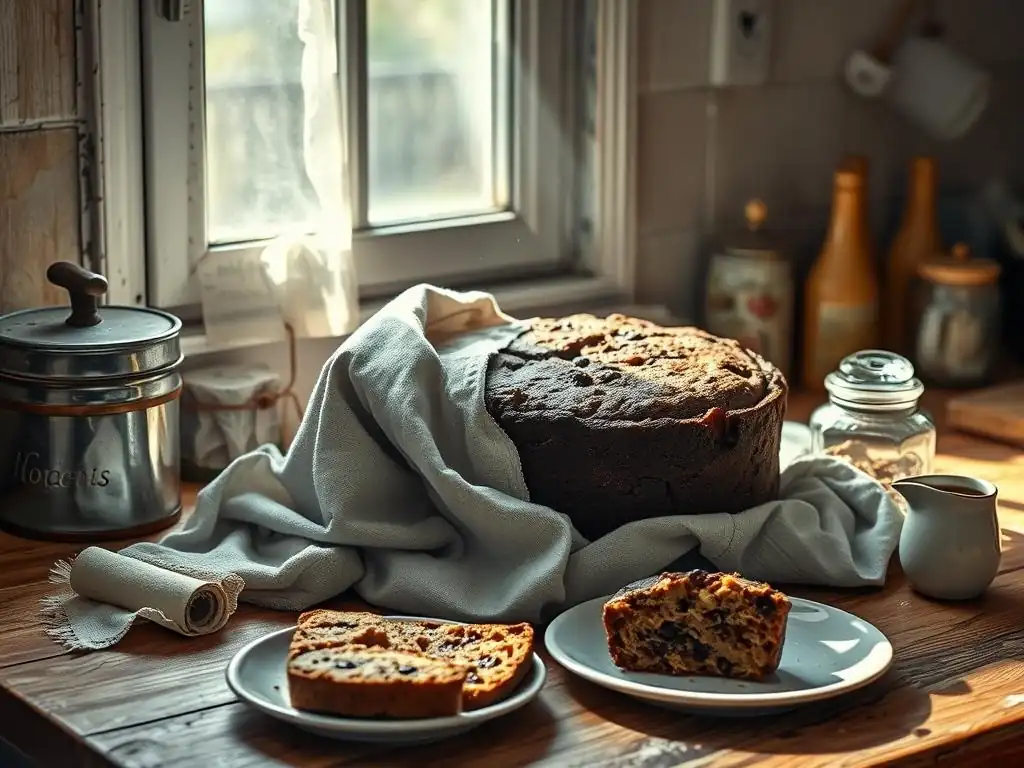
Welcome to BakeWithEase, your haven for baking bliss! Ever wondered why your perfectly baked cookies turn into a sticky, disappointing mess the moment humidity strikes? This week we’re diving deep into the secrets of sticky baked goods humidity, uncovering the best storage solutions and baking adjustments to keep your creations fresh and delicious, no matter the weather. Ready to conquer the climate and become a baking pro? Let's get started!
- Humid Weather Baking? How to Store Baked Goods When It's Sticky - BakeWithEase
- Understanding the Challenges of Baking in Humid Weather
- The Impact of Humidity on Different Types of Baked Goods
- Preparing Your Kitchen for Humid Weather Baking
- Techniques for Baking Successfully in High Humidity
-
Storing Baked Goods in Humid Environments: A Step-by-Step Guide
- Cooling Baked Goods Properly Before Storage
- Choosing the Right Storage Containers for Humidity
- Best Practices for Storing Cakes and Cupcakes in Humid Weather
- Keeping Bread Fresh in Humid Climates: Storage Solutions
- How to Store Cookies to Prevent Softening in High Humidity
- Protecting Frosting and Icing from Humidity During Storage
- Long-Term Storage Solutions for Baked Goods in Humid Conditions
- Troubleshooting Sticky Baked Goods: Common Problems and Solutions
- Advanced Tips for Baking in Humid Climates
- Conclusion: Mastering the Art of Baking and Storing in Humid Weather
- Frequently Asked Questions
- Final Reflection: The Sweet Science of Humidity and Baked Goods
- Unlock Your Baking Success in Humid Weather!
Humid Weather Baking? How to Store Baked Goods When It's Sticky - BakeWithEase
Understanding the Challenges of Baking in Humid Weather
Why Does Humidity Affect Baked Goods?
Humidity, which is the amount of water vapor in the air, plays a significant role in the baking process, often presenting challenges, especially when dealing with sticky baked goods humidity creates. When you bake, you're essentially controlling chemical reactions driven by heat and moisture. In a humid environment, there's already a high level of moisture in the air surrounding your ingredients and your baked goods.
This excess moisture can interfere with gluten development in bread, prevent sugar from crystallizing properly in cookies, and cause starches to absorb too much water, leading to undesirable textures. For instance, a relative humidity of 70% or higher can dramatically slow down the evaporation of moisture from the surface of your baked goods during baking, impacting crust formation and overall structure.
The interaction between the moisture in the air and the ingredients starts even before baking. Flour readily absorbs moisture from the environment. If your flour has absorbed excess humidity, the hydration levels in your dough or batter will be different from what the recipe intended, potentially requiring adjustments. This can lead to doughs that are too sticky or batters that are too loose.
During baking, high humidity affects how heat transfers through the oven and how moisture leaves the product. It can prevent the surface from drying out and browning effectively, leading to pale crusts on bread and cookies, or dense, gummy textures in cakes and muffins. The challenge of managing sticky baked goods humidity causes is a key hurdle for bakers in moist climates.
The Science Behind Sticky Baked Goods in High Humidity
The primary scientific reason behind sticky baked goods in high humidity relates to moisture migration and sugar behavior. Sugar is hygroscopic, meaning it readily absorbs moisture from the air. In a humid environment, sugar on the surface of cookies, cakes, or pastries pulls in water vapor, leading to a tacky or sticky feel. This is particularly noticeable with glazes, frostings, or baked goods with a high sugar content. For example, meringue cookies, which rely on drying out completely, can collapse or become chewy and sticky within minutes in high humidity because the sugar in the meringue attracts ambient moisture.
Furthermore, humidity affects the structure of baked goods. In bread, proper crust formation requires the surface to dry out and caramelize. High humidity inhibits this drying process, resulting in a soft, sometimes sticky crust that lacks the desired crispness.
For cakes and muffins, excess moisture absorption can prevent starches from setting correctly, leading to a dense, heavy crumb that feels gummy or sticky, especially towards the bottom. The challenge of preventing sticky baked goods humidity creates is rooted in controlling this moisture exchange between the air and the food item. Fats also play a role; while they can create barriers to moisture, in humid conditions, the battle against ambient water vapor is constant, often overwhelming the protective effect of fats.
The Impact of Humidity on Different Types of Baked Goods
How Humidity Affects Cakes and Cupcakes
High humidity can be particularly challenging for cakes and cupcakes, often leading to undesirable textures and appearances. One common issue is a dense or gummy crumb. This occurs because the cake batter absorbs excess moisture from the humid air before and during baking, disrupting the delicate balance of ingredients and the setting process of starches and proteins.
Instead of rising light and fluffy, the cake can become heavy and compact. For instance, a vanilla sponge cake baked on a day with 80% relative humidity might rise less than one baked on a day with 40% humidity, resulting in a shorter, denser cake.
Another significant problem is surface stickiness. The sugar content on the exterior of cakes and cupcakes, especially if they have a slightly caramelized top or are intended to have a dry, tender crust, will attract moisture from the humid air. This leads to a tacky or sticky surface. If the cake is cooled improperly in a humid environment, condensation can form on the surface, exacerbating this stickiness and potentially leading to a soggy exterior that contrasts poorly with the interior texture. Preventing these issues with sticky baked goods humidity causes requires careful technique and storage.
Humidity and Bread: Preventing a Soggy Crust
Bread baking relies heavily on managing moisture for both the interior crumb and the exterior crust. In high humidity, achieving a crisp crust is a major hurdle. A bread crust forms when the surface of the dough dries out and undergoes the Maillard reaction and caramelization at high temperatures.
Humid air prevents the surface from drying effectively during the initial stages of baking, often resulting in a pale, soft, and sometimes chewy or sticky crust instead of a golden-brown, crisp one. A baguette baked in 75% humidity might have a significantly less crackly crust than one baked in 50% humidity.
Beyond the crust, humidity can also affect the interior of the bread. While some moisture is necessary for a tender crumb, excessive moisture absorption from the environment can lead to a slightly denser or gummier texture than desired. Proofing times can also be affected; dough might proof faster in warmer, humid conditions, but if the surface dries out too quickly (despite the overall humidity) or if it becomes too sticky to handle, it can impact the final rise and structure. The battle against a soggy or sticky baked goods humidity creates is ongoing for bread bakers in moist climates.
Cookies, especially those intended to be crisp or crunchy, are highly susceptible to the effects of humidity. Their relatively large surface area compared to their volume means they readily exchange moisture with the surrounding air. High humidity causes cookies to absorb moisture from the atmosphere, turning crisp textures soft and chewy, or even outright soggy. A batch of thin sugar cookies left out on a counter in 70% humidity might lose its snap and become pliable within a few hours, a classic example of sticky baked goods humidity can produce.
The sugar content in cookies also makes their surface prone to absorbing moisture, leading to a sticky or greasy feel, even if the interior hasn't gone completely soft yet. For delicate cookies like tuiles or pizzelles, which rely on a very dry, crisp structure, high humidity can make them impossible to form correctly or cause them to lose their shape and crispness almost immediately after cooling. Proper storage is paramount for maintaining the desired texture of cookies in humid conditions.
Dealing with Sticky Frosting and Icing in Humid Conditions
Frostings and icings, particularly those made with a high proportion of sugar like buttercream, royal icing, or glazes, are extremely vulnerable to high humidity. Sugar's hygroscopic nature means these sweet coatings will readily absorb moisture from the air, leading to stickiness, weeping, or even melting. A beautifully piped buttercream flower on a cake can start to look wet and lose its defined shape in a matter of minutes when exposed to humid air above 65%.
Royal icing, which is meant to dry hard, can remain soft, sticky, or develop a dull, cloudy appearance in humid conditions. Glazes, like a simple powdered sugar and liquid mix, can become excessively sticky and fail to set properly. Chocolate ganache can also become greasy or sticky on the surface. Managing sticky baked goods humidity causes is most visible and frustrating when it affects the decorative and flavorful exterior of your creations. Refrigeration can help temporarily, but condensation upon removal can create a whole new set of moisture problems.
Preparing Your Kitchen for Humid Weather Baking
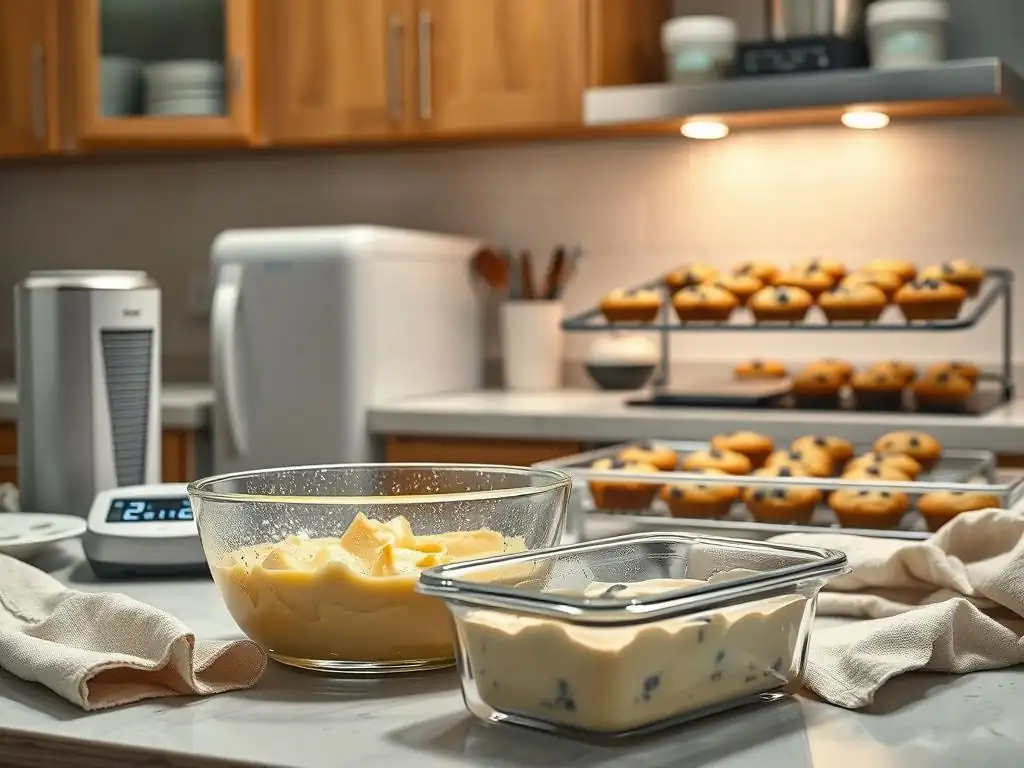
Tips for Controlling Humidity Levels in Your Kitchen
Controlling humidity in your kitchen is the first line of defense against sticky baked goods humidity causes. Ideally, aim for a relative humidity level between 40% and 60% for baking. While achieving perfect control can be difficult, especially in naturally humid climates, several strategies can help. Using a dehumidifier specifically designed for indoor spaces can significantly lower the moisture content in the air. Running it in the kitchen for a few hours before and during baking can make a noticeable difference. Ensure windows and doors are kept closed while the dehumidifier is running to maximize its effectiveness.
Proper ventilation is also key. Use your kitchen exhaust fan (range hood) whenever you're cooking or baking, as these processes release a considerable amount of moisture into the air. Turning on the fan while the oven is on helps vent steam outside.
If you don't have a range hood or it's not powerful enough, consider using portable fans to circulate air towards an open window or door (if the outside humidity is lower than inside). However, be cautious about opening windows if the outside air is more humid than inside, as this will worsen the problem. Running the air conditioning can also help dehumidify the air, as AC units cool the air and remove moisture as a byproduct.
Essential Baking Tools for Humid Climates
Having the right tools can make baking in humid weather less frustrating and help combat sticky baked goods humidity creates. A reliable oven thermometer is crucial, as humidity can sometimes affect oven performance and the rate at which goods bake. Knowing the true temperature helps you adjust baking times accurately. Parchment paper is indispensable; it prevents sticky doughs from sticking to baking sheets and makes handling delicate, humidity-affected items easier. Silicone baking mats offer a similar non-stick surface.
A good quality stand mixer or hand mixer is helpful for ensuring batters and doughs are mixed efficiently and consistently, reducing the time they are exposed to humid air during preparation. For measuring ingredients, especially flour which absorbs moisture, using a kitchen scale for accurate weight measurements is far more reliable than volume measurements (cups), as humid flour will weigh differently per cup than dry flour. Finally, investing in airtight storage containers is absolutely essential for protecting your finished sticky baked goods humidity attempts to ruin.
Techniques for Baking Successfully in High Humidity
Adjusting Recipes for Humid Weather Baking
Baking in high humidity often requires slight adjustments to standard recipes to counteract the excess moisture in the environment and prevent sticky baked goods humidity causes. One common adjustment is slightly reducing the amount of liquid in the recipe, such as milk, water, or even eggs. For instance, if a cake recipe calls for 1 cup of milk, you might start with 7/8 cup on a very humid day.
This helps account for the moisture absorbed by the dry ingredients from the air. You can also increase the amount of dry ingredients slightly, like adding an extra tablespoon or two of flour per cup called for in a recipe, especially for cookies or cakes where structure is key.
Another strategy is to slightly increase the amount of leavening agents, such as baking powder or baking soda, by about 10-15%. This can help batters and doughs rise properly despite the added weight and density caused by extra moisture. For recipes high in sugar, like meringues or caramels, consider reducing the sugar amount slightly or adding a small amount of corn syrup, which is less likely to crystallize and become sticky in humidity than granulated sugar alone. Always make adjustments gradually and note the results; baking is often about experimentation to find what works best in your specific environment.
Using Cornstarch and Other Anti-Caking Agents
Incorporating anti-caking agents like cornstarch can be an effective way to manage moisture and prevent sticky baked goods humidity creates, particularly in recipes prone to gumminess or excessive spread. Cornstarch is excellent at absorbing moisture. For instance, adding a tablespoon or two of cornstarch per cup of flour in a cookie recipe can help absorb excess liquid, leading to a crispier cookie that resists softening in humid air. This technique works well for sugar cookies, shortbread, or other crisp varieties.
Other ingredients can also help. A small amount of rice flour can contribute to crispness in certain baked goods. For dusting surfaces or preventing dough from sticking, using a mix of flour and cornstarch (like a 50/50 blend) is more effective than flour alone in humid conditions. This is particularly useful when working with sticky doughs for bread or pastries. For frostings or powdered sugar, adding a small amount of cornstarch (which is often already present in commercial powdered sugar, but sometimes not enough for high humidity) can help prevent clumping and stickiness.
Baking at Lower Temperatures and Longer Times
Adjusting baking temperature and time can help ensure baked goods cook through and dry out properly in humid conditions, counteracting the tendency towards sticky baked goods humidity creates. While counter-intuitive, sometimes baking at a slightly lower temperature for a longer period is beneficial. A lower temperature reduces the risk of the exterior browning too quickly before the interior is fully cooked and has had a chance to dry out sufficiently. For example, if a recipe calls for baking cookies at 350°F (175°C) for 10-12 minutes, you might try 325°F (160°C) for 12-15 minutes.
This slower, gentler baking allows moisture to evaporate more evenly from the center outwards, promoting a more stable structure and reducing the likelihood of a dense or sticky interior. It also gives the surface more time to dry out before it sets, which can help with crust development on breads and prevent cookies from becoming uniformly soft. Monitor your baked goods closely when using this technique, as oven performance varies, and the exact time needed will depend on the specific recipe and humidity level.
Storing Baked Goods in Humid Environments: A Step-by-Step Guide
Cooling Baked Goods Properly Before Storage
Proper cooling is the absolute first and most critical step in storing baked goods, especially in humid conditions where sticky baked goods humidity causes are a major concern. Hot baked goods release steam. If trapped, this steam turns into condensation, which is then readily absorbed by the product, leading to sogginess and stickiness. Always transfer cakes, cookies, muffins, and breads from the hot baking pan to a wire cooling rack as soon as possible (after the initial few minutes of cooling in the pan, if the recipe specifies).
Ensure there is good air circulation around the baked good on the cooling rack. Do not place the rack directly on a solid surface. Allow the item to cool completely before attempting to store it. "Completely cool" means it has reached room temperature throughout.
For a loaf of bread, this might take 2-3 hours; for a cake, 1-2 hours; for cookies, 20-30 minutes. Storing warm or even slightly warm baked goods in an airtight container in humidity is a guaranteed way to trap moisture and create a sticky, soggy mess. Patience during the cooling phase is paramount to preventing sticky baked goods humidity issues later.
Choosing the Right Storage Containers for Humidity
Selecting the correct storage container is vital for protecting baked goods from humid air and preventing sticky baked goods humidity causes. Airtight containers are your best friend. Plastic containers with tight-fitting lids, glass containers with rubber seals, or metal tins with secure lids work well. The goal is to create a barrier between the humid air and the baked good. Avoid storing baked goods uncovered or simply wrapped in plastic wrap if the humidity is high, as plastic wrap alone may not provide a sufficient seal.
For items like cookies or crackers that need to stay crisp, consider adding a moisture absorber to the container. Food-grade silica gel packets (often found with dried foods) or even a slice of plain white bread (which will absorb moisture, becoming stale itself, but helping to keep the cookies crisp) can be placed inside the container. Ensure the container is clean and dry before use, as any residual moisture inside will also contribute to stickiness.
Best Practices for Storing Cakes and Cupcakes in Humid Weather
Storing cakes and cupcakes in humid weather requires careful attention to maintain their texture and prevent sticky baked goods humidity creates, especially on frostings. Once completely cooled, cakes are best stored in an airtight cake carrier or a large airtight container. If the cake is frosted, ensure the container is tall enough that the lid doesn't touch the frosting. For cut cakes, press plastic wrap directly onto the cut surface before placing the cake in the airtight container; this prevents that specific area from drying out while the container protects from humidity.
Cupcakes should be stored in airtight cupcake carriers or arranged in a single layer in an airtight container. If frosted, place them in containers where they won't touch each other or the sides/lid to prevent smudging and sticking. For short-term storage (1-2 days), a cool, dry pantry is ideal if you have managed to dehumidify it.
For longer storage or very high humidity, refrigeration is often necessary, especially for cakes with perishable fillings or frostings. However, be aware that refrigeration can sometimes alter cake texture and condensation will form when you take it out; allowing it to come to room temperature slowly in its airtight container can help minimize this.
Keeping Bread Fresh in Humid Climates: Storage Solutions
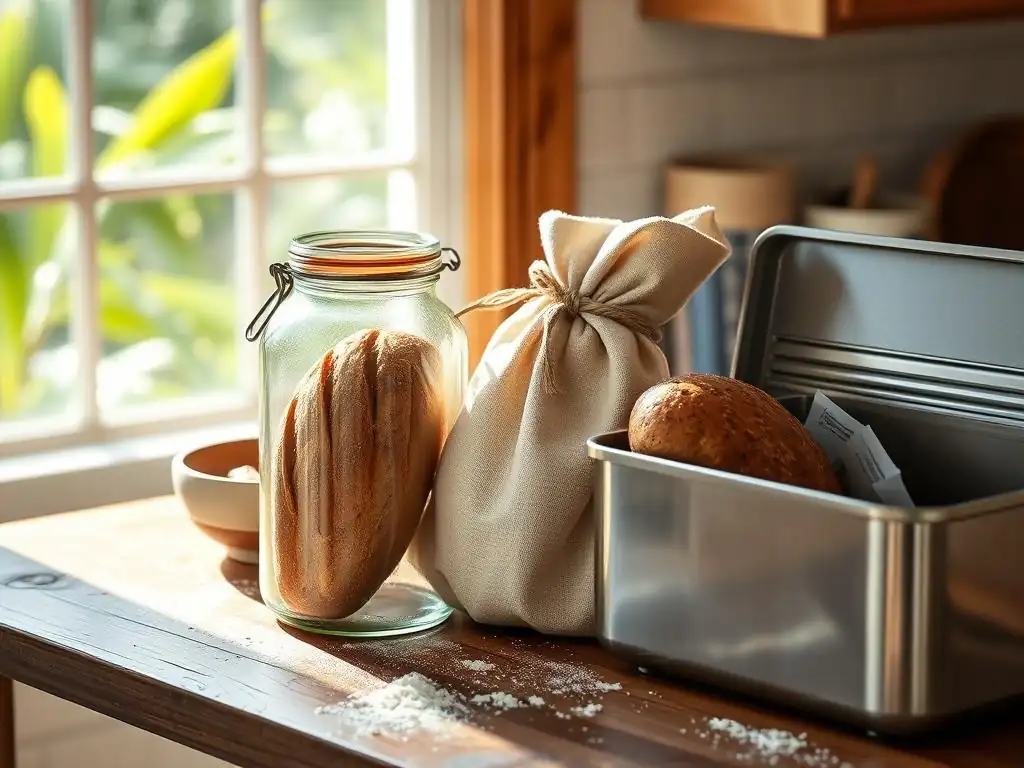
Preventing a soggy or sticky crust on bread in humid climates is a common challenge. The best storage method depends on the type of bread and how long you plan to keep it. Crusty loaves (like baguettes or artisan loaves) are the most difficult to store in humidity, as their defining characteristic is a crisp crust that readily absorbs moisture. Traditional bread boxes can offer some protection by providing a balance between air circulation and protection from direct moisture, but in very high humidity, they may not be sufficient.
For short-term storage (less than a day), storing a cooled, crusty loaf in a paper bag inside a slightly larger, loosely closed plastic bag can offer a compromise – the paper absorbs some moisture, while the plastic offers a barrier. However, for longer storage or in high humidity, the best option is often to slice the cooled bread and freeze it (see the freezing section below). Softer loaves (like sandwich bread) can be stored in airtight plastic bags or containers once completely cool.
While this will soften the crust, it effectively prevents the interior from becoming sticky or moldy due to humidity. Avoid refrigerating most breads, as it can actually cause them to go stale faster, though it does help prevent mold in humidity.
Maintaining the crispness of cookies and preventing sticky baked goods humidity causes them to become soft is a key storage goal. Once cookies are completely cool, store them in airtight containers. Metal tins with tight lids are excellent for this. Avoid mixing different types of cookies in the same container, especially if some are soft and others are meant to be crisp, as moisture from the softer cookies can transfer to the crisp ones.
For extra protection against humidity, consider adding a moisture absorber to the cookie container. A small piece of paper towel can also help absorb initial condensation. If you live in a severely humid area and need to keep cookies crisp for more than a day or two, adding a food-grade silica gel packet specifically designed for food storage can make a significant difference.
Ensure the container is opened as infrequently as possible. If cookies do soften slightly, a brief reheat in a low oven (around 250°F/120°C) for 5-10 minutes can sometimes help restore some crispness, but this is a temporary fix if they are immediately exposed to humidity again.
Protecting Frosting and Icing from Humidity During Storage
Storing cakes and cupcakes with frosting or icing in humid conditions requires extra care to prevent the sugar from absorbing moisture and becoming sticky or weeping. Once the frosting has set (if applicable), the baked good should be stored in an airtight container. For frosted cakes, a cake carrier is ideal. For cupcakes, use a cupcake carrier or a container where they are in a single layer and not touching.
If the frosting is particularly delicate (like meringue-based frostings or royal icing), consider storing the baked good in a cool, dry place within its airtight container. Refrigeration might be necessary for stability, but as mentioned, condensation upon removal can be an issue. To minimize condensation, place the airtight container in the refrigerator, and when you remove it, let it sit on the counter undisturbed in its closed container until it reaches room temperature.
This allows condensation to form on the outside of the container rather than on the surface of the frosting. For items decorated with royal icing, adding a small desiccant pack to the storage container can help the icing dry and stay hard.
Long-Term Storage Solutions for Baked Goods in Humid Conditions
Freezing Baked Goods: A Comprehensive Guide
Freezing is an excellent long-term storage solution for many baked goods in humid conditions, effectively halting the effects of moisture absorption and preventing sticky baked goods humidity causes. Most cakes, muffins, quick breads, cookies, and even some yeast breads freeze well. Ensure the baked goods are completely cooled before freezing. For cakes and quick breads, wrap them tightly first in plastic wrap, ensuring no surface is exposed, then wrap again in aluminum foil or place in a freezer-safe bag. This double layer prevents freezer burn and protects against moisture.
Cookies can be frozen baked or as dough. Baked cookies should be cooled, then layered with parchment paper in an airtight freezer container or bag. Dough can be scooped or shaped, then frozen on a baking sheet until firm, before transferring to a freezer bag. Yeast breads should be cooled completely, then wrapped tightly in plastic wrap and a freezer bag or foil. Proper wrapping is key to preventing ice crystals and maintaining quality. Most baked goods can be frozen for 1-3 months. Thaw frozen items in their wrapping at room temperature to minimize condensation.
Dehumidifying Strategies for Storing Baked Items
While airtight containers are essential for short-term storage, creating a dehumidified environment for long-term storage can offer an extra layer of protection, especially for items highly susceptible to humidity like crisp cookies, crackers, or delicate meringues that cannot be frozen. A dedicated pantry or cupboard used for storing baked goods can be equipped with a small room dehumidifier or passive moisture absorbers like calcium chloride crystals (often sold as closet dehumidifiers).
Ensure the storage area is cool and away from sources of heat and moisture like ovens, dishwashers, or sinks. Passive absorbers need to be replaced regularly as they fill with water. For very sensitive items, storing them in an airtight container within a larger container or storage bin that contains a significant amount of passive or active dehumidifying agent can create a micro-environment of low humidity. This multi-layered approach offers the best defense against sticky baked goods humidity tries to create over time.
Troubleshooting Sticky Baked Goods: Common Problems and Solutions
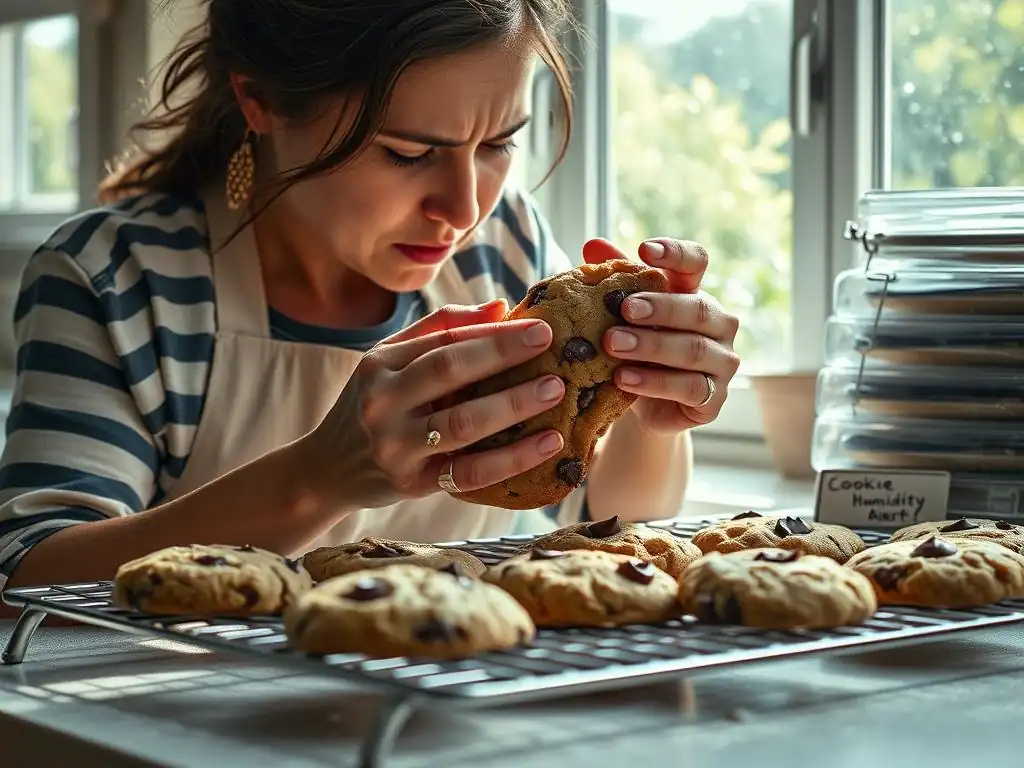
Identifying the Cause of Stickiness in Baked Goods
When faced with sticky baked goods, identifying the root cause is the first step to fixing the issue and preventing it in the future. Stickiness can stem from several factors, and in humid conditions, excess moisture is usually the primary culprit. Is the stickiness on the surface or throughout the crumb? Surface stickiness, especially on glazed or sugary exteriors, is almost always due to sugar absorbing ambient humidity. This is particularly common with sticky baked goods humidity affects directly after cooling or during storage.
If the entire crumb is sticky or gummy, it might be due to underbaking, incorrect ingredient ratios (too much liquid, not enough flour), or the batter/dough absorbing too much moisture from the humid air before baking. For bread, a sticky crust is a clear sign that the surface didn't dry out sufficiently during baking, again often linked to high humidity. Consider the specific type of baked good and where the stickiness occurs to narrow down the potential causes.
Fixing already sticky baked goods can be challenging, and sometimes the texture is permanently compromised, but there are a few potential remedies depending on the item and the cause of the stickiness. For cookies that have gone soft or sticky due to humidity, a brief refresh in a low oven (250°F/120°C) for 5-10 minutes can help dry them out and restore some crispness. Let them cool completely on a wire rack afterwards. This doesn't work for all cookie types, especially those that spread thin.
For cakes with a sticky surface, if it's due to condensation from cooling or refrigeration, allowing the cake to air dry slightly in a low-humidity environment might help, or you can try dusting lightly with powdered sugar (though this can add sweetness and change the appearance). If the cake crumb is gummy or sticky from underbaking or too much moisture absorption, unfortunately, it's difficult to fix after the fact; reheating can worsen the texture.
For bread with a soft, sticky crust, a quick blast in a hot oven (around 400°F/200°C) for 5-10 minutes can sometimes crisp up the exterior, but watch carefully to prevent burning.
Prevention is the best approach when dealing with sticky baked goods humidity causes. Implement strategies to control humidity in your kitchen while baking, such as using a dehumidifier or exhaust fan. Adjust recipes slightly on humid days by reducing liquids or slightly increasing dry ingredients. Ensure all baked goods are cooled completely on a wire rack before storage. Invest in high-quality airtight storage containers.
Pay attention to baking times and temperatures; consider baking slightly longer or at a slightly lower temperature if your goods consistently come out sticky or underdone in humidity. For items particularly vulnerable to moisture, like crisp cookies or meringues, consider adding a food-grade desiccant packet to their storage container. By being proactive and adjusting your techniques and storage methods, you can significantly reduce the occurrence of sticky baked goods humidity issues.
Advanced Tips for Baking in Humid Climates
Using a Food Dehydrator to Remove Excess Moisture
For certain baked goods that require extreme dryness and crispness, like meringues, some types of cookies (e.g., biscotti that needs a second drying phase), or fruit leathers made from pureed baked fruit, a food dehydrator can be an invaluable tool in humid climates. While not a standard baking appliance, a dehydrator operates at low temperatures with continuous air circulation to gently remove moisture.
After partially baking or setting the item (like piping meringues), transferring them to a dehydrator set at a low temperature (around 130-150°F or 55-65°C) for several hours can effectively dry them out and create a stable, crisp texture that is much more resistant to absorbing moisture from humid air compared to items simply air-dried. This method is particularly useful for preventing sticky baked goods humidity easily ruins due to their delicate, dry structure.
Experimenting with Different Flours and Ingredients
The type of flour used can influence how baked goods react to humidity and whether they become sticky. Some flours absorb moisture differently. For example, cake flour, which has a lower protein content than all-purpose flour, can sometimes result in a more tender crumb that is less prone to becoming dense and sticky in humidity. Using a portion of bread flour in recipes that need extra structure might also help counteract the weakening effect of excess moisture.
Ingredients like fats (butter, oil) can create barriers to moisture, potentially offering some protection against humidity. Experimenting with slightly increasing fat content in certain recipes (like cookies) might help maintain texture. Conversely, ingredients high in sugar or moisture absorbers (like brown sugar, honey, or applesauce) can make baked goods more susceptible to humidity-induced stickiness. Understanding how different ingredients interact with moisture and experimenting with slight variations in your recipes can help you fine-tune your baking for humid conditions and minimize sticky baked goods humidity causes.
Conclusion: Mastering the Art of Baking and Storing in Humid Weather
Key Takeaways for Baking in High Humidity
Baking and storing in humid weather presents unique challenges, but with a few key strategies, you can still achieve delicious results and avoid the frustration of sticky baked goods humidity often creates. Remember that humidity adds extra moisture to your ingredients and slows down the drying process during baking. Key takeaways include controlling your kitchen's humidity levels as much as possible, making slight adjustments to recipes by reducing liquids or increasing dry ingredients, and potentially adjusting baking times and temperatures.
Proper cooling is non-negotiable – ensure baked goods are completely cool on a wire rack before storage. Always use airtight containers for storage to create a barrier against humid air. Consider refrigeration for short-term storage of vulnerable items and freezing for long-term solutions. By understanding how humidity affects different baked goods and implementing these techniques, you can significantly improve your success rate.
Enjoying Freshly Baked Goods, No Matter the Weather
Don't let humid weather discourage you from baking! While it requires a bit more planning and attention to detail, mastering the art of baking and storing in high humidity is entirely achievable. By understanding the science behind sticky baked goods humidity causes and adopting the right techniques for preparation, baking, and storage, you can protect your creations from the effects of excess moisture.
Experiment with the tips provided, find what works best in your specific climate and kitchen environment, and you'll be able to enjoy perfectly textured, freshly baked goods whether it's sunny and dry or hot and sticky outside. Happy baking!
Frequently Asked Questions
How does humidity affect sticky baked goods?
Humidity causes sticky baked goods to absorb excess moisture from the air. This leads to a soft or soggy texture, and can even promote mold growth, reducing their shelf life.
What are the best storage containers for baked goods in humid weather?
Airtight containers are essential for storing baked goods in humid environments. Glass or plastic containers with tight-fitting lids provide the best protection against moisture.
Should I refrigerate my sticky baked goods in humid weather?
While refrigeration can slow down spoilage, it can also dry out some baked goods. Consider refrigerating only if the recipe specifically requires it, or if you need to extend the shelf life significantly.
What ingredients can help reduce stickiness in baked goods?
Using ingredients with a lower water content, such as shortening instead of butter, or adding a small amount of cornstarch can help reduce stickiness and prevent baked goods from becoming overly moist.
How can I revive slightly sticky baked goods?
If your baked goods have already become slightly sticky, try reheating them briefly in a low oven. This can help to evaporate some of the excess moisture and restore a crispier texture, but monitor closely to prevent burning.
Final Reflection: The Sweet Science of Humidity and Baked Goods
The fight against humidity's impact on our baked creations is a constant battle, but one we can win with knowledge and the right techniques. Understanding how moisture affects our carefully crafted cakes, cookies, and breads is crucial, not just for professional bakers, but for anyone who enjoys the simple pleasure of a homemade treat. The seemingly small details—proper storage, ingredient selection, and even the timing of baking—can make all the difference between a delightful dessert and a soggy disappointment.
The pervasive influence of humidity on our daily lives extends far beyond the kitchen; it impacts everything from our mood to the longevity of our belongings. It's a silent force, often overlooked, yet its effects are undeniable. As we've explored the various methods of combating humidity's effects on baked goods, I've been reminded of the delicate balance required in many aspects of life. The art of baking is a science, and the science of baking is an art.
This quote, while not directly about humidity, perfectly encapsulates the precision and intuition needed to overcome the challenges presented by this ever-present element.
Consider the lessons learned here: the importance of airtight containers, the strategic use of desiccants, and the understanding of ingredient interactions. These aren't just baking tips; they're life lessons in preparation, adaptation, and the appreciation of detail. I encourage you to take these principles beyond the kitchen and apply them to other areas of your life where careful planning and attention to detail can make all the difference. Embrace the challenge of humidity, and discover the sweet rewards of perseverance and knowledge.
Unlock Your Baking Success in Humid Weather!
Thanks for taking the time to learn how to keep your baked goods fresh even when the humidity is high! You've gained valuable tips to prevent soggy disappointments. Now, let's put that knowledge into action:
- Master the art of airtight storage: Experiment with different containers – from classic cake carriers to innovative silicone lids – to discover which method keeps your baked goods at their best in humid conditions.
- Share your humidity-beating baking hacks: Let's build a community! Share your favorite storage solutions and tips in the comments below. What works best for you?
- Challenge yourself with a new recipe: Now that you know how to combat humidity, try baking a delicate dessert like a macaron or a meringue – recipes that are often impacted by moisture.
What unexpected storage trick will you try first to keep your baked goods perfect, even on the stickiest days?