
How to Choose the Right Flour for Your Perfect Pizza Crust

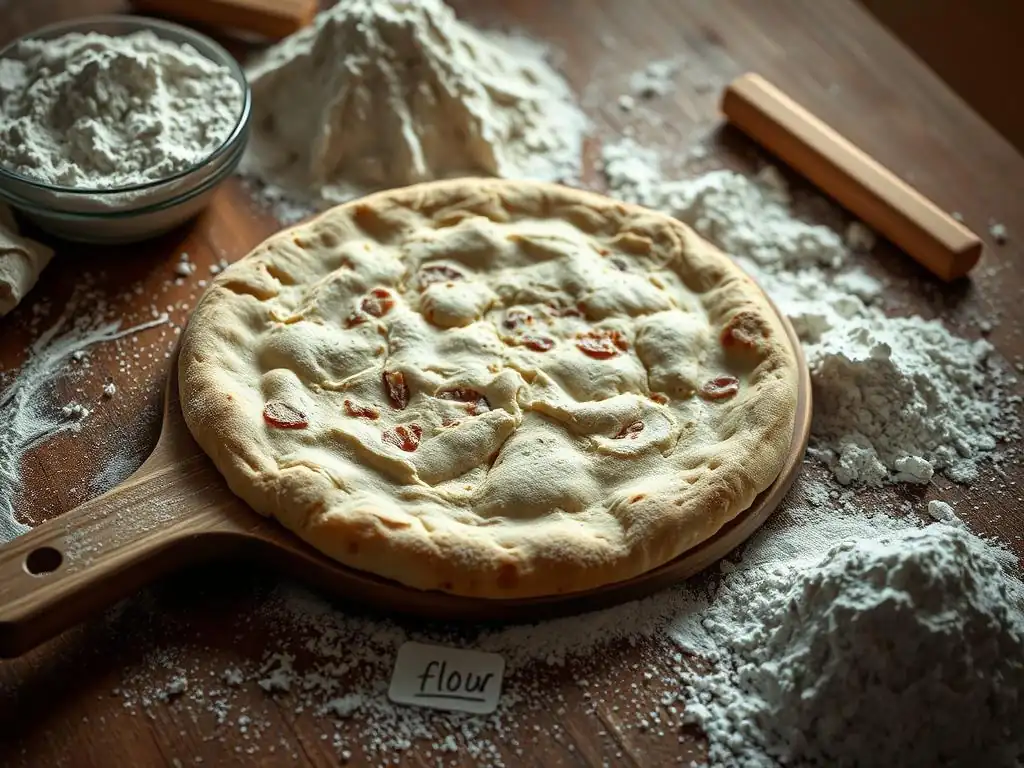
Welcome to BakeWithEase, where your baking journey becomes a delightful experience! Are you ready to unlock the secrets to the best flour pizza crust you've ever tasted? Discover the nuances of flour selection and elevate your pizza game with our expert tips and techniques. Let's dive in and create pizza perfection, one slice at a time!
- BakeWithEase's Guide to the Best Flour for Pizza Dough
- Understanding Flour Types for Homemade Pizza Dough
- Comparing Flours for Pizza Crust: A Baker's Guide
- Achieving the Perfect Pizza Crust: Flour Selection Tips
- Troubleshooting Pizza Dough: Flour-Related Issues
- Storing Your Pizza Flour for Optimal Freshness
- Experimenting with Flour Blends for Unique Pizza Crusts
-
Frequently Asked Questions
- What type of flour is generally recommended for achieving the best pizza crust?
- Can I use all-purpose flour for my pizza crust, and what will be the difference?
- What does "00" flour mean, and why is it sometimes recommended for pizza crusts?
- How does protein content in flour affect the final pizza crust?
- Where can I find the best flour for pizza crust recommended by BakeWithEase?
- Final Reflection: The Flour Power of the Perfect Pizza
- Unleash Your Inner Pizzaiolo: Craft the Perfect Crust!
BakeWithEase's Guide to the Best Flour for Pizza Dough
Crafting the perfect homemade pizza starts long before you choose your toppings or preheat your oven. It begins with the foundation: the dough. And the secret to incredible pizza dough? Selecting the best flour pizza crust requires. The type of flour you use fundamentally dictates the texture, chewiness, crispness, and overall character of your finished crust. Understanding the subtle differences between flours is key to achieving the specific pizza experience you're dreaming of, whether it's a light, airy Neapolitan crust or a sturdy, chewy New York slice.
This guide from BakeWithEase will walk you through the essential characteristics of various flours commonly used for pizza dough. We'll explore how factors like protein content and grind size impact gluten development and the final bake. By the end, you'll be equipped with the knowledge to confidently select the ideal flour for your next pizza-making adventure, ensuring a delicious and satisfying result every time you bake.
Understanding Flour Types for Homemade Pizza Dough
What Makes a Good Pizza Flour?
A good flour for pizza dough needs specific properties that allow it to develop a strong yet elastic gluten structure. This structure is crucial for trapping the gases produced by yeast during fermentation, which gives the dough its rise and creates those desirable air pockets in the crust. Without sufficient gluten development, the dough would be weak, difficult to handle, and result in a dense, flat crust.
Furthermore, the starch content and absorption rate of the flour play a significant role. A flour that absorbs water effectively contributes to a dough that is pliable and easy to knead, but not excessively sticky. The balance between protein (for gluten) and starch (for structure and crisping) is what differentiates various flours and makes some more suitable than others for achieving a particular pizza crust texture.
Key Characteristics of Pizza Flour: Gluten Content and Protein Levels
The most critical factor when choosing flour for pizza dough is its protein content. Protein, specifically gliadin and glutenin, are the components that form gluten when hydrated and kneaded. A higher protein content typically means a flour has a greater capacity for gluten development, leading to a chewier crust. Flours suitable for pizza often have protein levels ranging from around 10% to 14%.
For example, a standard All-Purpose flour might have a protein content between 10.5% and 12%, providing moderate gluten development suitable for a range of baked goods, including some pizza styles. Bread flour, on the other hand, is milled from hard wheat and boasts a higher protein level, typically 12% to 14%, making it excellent for developing strong gluten networks needed for chewy breads and pizza crusts that require significant structure and rise. Understanding these percentages helps predict how a flour will behave in your pizza dough recipe.
Different Types of Flour and Their Impact on Pizza Crust
The world of flour extends beyond just 'white' or 'whole wheat'. Different milling processes and wheat varieties yield flours with distinct characteristics that profoundly affect the final pizza crust. From the finely ground Italian 00 flour to robust bread flour and even alternative grains, each type brings something unique to the table.
For instance, using a high-protein bread flour will generally result in a chewier crust with a robust structure, ideal for supporting generous toppings. Conversely, a finely milled, lower-protein flour like some types of 00 flour can produce a very tender, delicate crust with characteristic blistering when baked at high temperatures, perfect for traditional Neapolitan pizza. Exploring these options allows you to tailor your flour choice to the specific type of pizza you're aiming to create.
Comparing Flours for Pizza Crust: A Baker's Guide
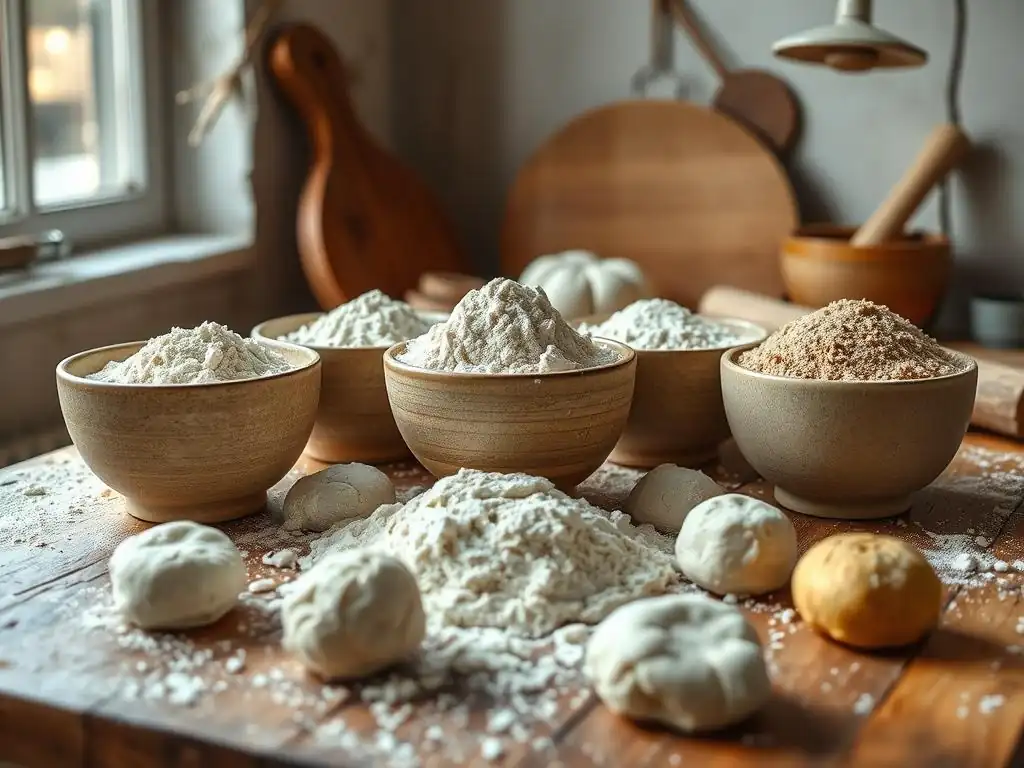
All-Purpose Flour for Pizza: Is it a Good Choice?
All-Purpose (AP) flour is, as the name suggests, versatile and readily available, making it a common choice for many home bakers tackling pizza for the first time. With a moderate protein content, typically between 10.5% and 12%, it provides enough gluten potential to create a decent pizza dough structure. It's capable of producing a crust that is neither overly chewy nor excessively tender, striking a balance that works for many standard pizza recipes.
While AP flour might not yield the best flour pizza crust compared to specialized alternatives, it is certainly a viable option, especially for beginner bakers. It's forgiving and doesn't require the same level of hydration precision as some higher-protein or specialty flours. If you're just starting out or looking for a dependable, everyday pizza dough, AP flour is a perfectly acceptable starting point.
Bread Flour for Pizza Dough: Achieving a Chewy Crust
Bread flour is a favorite among many pizza enthusiasts, particularly those aiming for a chewy, substantial crust similar to classic New York-style pizza. Its higher protein content, generally ranging from 12% to 14%, means it develops a very strong gluten network when kneaded. This robust structure allows the dough to trap more gas during fermentation and baking, resulting in a dough that rises well and develops a satisfying chewiness.
Using bread flour often requires slightly more hydration than AP flour due to its higher protein content, which absorbs more water. The resulting dough can be a bit tougher to knead initially but becomes smooth and elastic with proper development. If a hearty, chewy crust with good structure is your goal, bread flour is an excellent contender for the best flour pizza crust ingredient.
00 Flour (Doppio Zero): The Authentic Italian Pizza Flour
00 flour, or doppio zero, is a type of Italian flour renowned for its incredibly fine texture, achieved through a specific milling process. While the "00" refers to its grind size (the finest category in the Italian classification system), the protein content can vary. For pizza ( Tipo 00 per Pizza), the protein level is often around 11-13%, optimized for high-temperature baking and specific dough characteristics.
This flour is traditionally used for authentic Neapolitan pizza. Its fine texture and specific protein quality contribute to a dough that is silky smooth, easy to stretch very thin without tearing, and capable of developing beautiful leopard-spotting (charring) and a light, airy crust when baked rapidly in a hot oven.
Benefits of Using 00 Flour for Pizza
The primary benefit of using 00 flour for pizza is its ability to produce a dough that is both strong and extensible. The fine grind means the starches are more readily available, contributing to better browning at high temperatures. The protein structure, while not always the highest, is often of a quality that allows for excellent gluten development without excessive elasticity, making the dough easy to handle and stretch thinly by hand, which is crucial for styles like Neapolitan.
Furthermore, 00 flour typically absorbs liquids evenly, leading to a smooth dough consistency. When baked quickly at temperatures upwards of 800°F (425°C), as is traditional for Neapolitan pizza, it results in a crust that is light, airy around the edges (the cornicione), and tender in the center, with delightful crispness on the exterior. This unique combination of texture and performance makes it the best flour pizza crust for high-temperature baking.
Where to Buy 00 Flour for Pizza Making
Finding 00 flour used to be challenging outside of specialty Italian markets, but its popularity has grown significantly. You can now often find it in the international or baking aisle of larger supermarkets. Look for brands like Antimo Caputo or King Arthur Baking Company (their Italian Style Flour).
Online retailers, including Amazon, dedicated baking supply websites, and the websites of specific flour mills, are also reliable sources. When purchasing, ensure the label specifies Tipo 00 per Pizza or indicates suitability for pizza or high-temperature baking, as some 00 flours are milled for pasta and have different protein characteristics.
Semolina Flour in Pizza Dough: Adding Texture and Flavor
Semolina flour is coarsely ground flour made from durum wheat, the same wheat used for making pasta. It has a distinctive golden color and a slightly sweet, nutty flavor. While not typically used as the sole flour for pizza dough due to its different gluten structure compared to common bread wheat, it's a fantastic addition to pizza making.
Often, a small percentage of fine semolina (rimacinata) is blended with white flour in pizza dough recipes to add a unique texture and subtle flavor. More commonly, coarse semolina is used for dusting the pizza peel and work surface. This prevents the dough from sticking and helps it slide smoothly onto the hot baking surface, contributing to a crispier bottom crust.
Whole Wheat Flour for Pizza: A Healthier Option
For those seeking a more nutritious pizza crust, whole wheat flour is an appealing choice. Unlike white flour, which removes the bran and germ, whole wheat flour includes all parts of the wheat kernel, providing more fiber, vitamins, and minerals. Using whole wheat flour results in a denser, heartier crust with a distinct nutty flavor.
However, the presence of bran and germ in whole wheat flour can interfere with gluten development, making the dough less elastic and potentially tougher if not handled correctly. A crust made with 100% whole wheat flour will likely be denser and won't achieve the same airy structure as a white flour crust. Despite these challenges, it's a great way to add nutritional value to your homemade pizza.
Tips for Using Whole Wheat Flour in Pizza Dough
To mitigate the challenges of using 100% whole wheat flour, many bakers opt to use it in combination with white flour, such as AP or bread flour. A common ratio is 25% to 50% whole wheat flour blended with white flour. This allows you to incorporate the nutritional benefits and flavor of whole wheat while still achieving sufficient gluten development for a good texture.
Another key tip is to ensure adequate hydration. Whole wheat flour typically absorbs more water than white flour due to the bran. You may need to increase the liquid in your recipe slightly to achieve a pliable dough. Allowing the dough a longer fermentation time (including a cold ferment in the refrigerator) can also help improve its texture and flavor, giving the bran time to soften and the gluten network more time to relax and develop.
Achieving the Perfect Pizza Crust: Flour Selection Tips
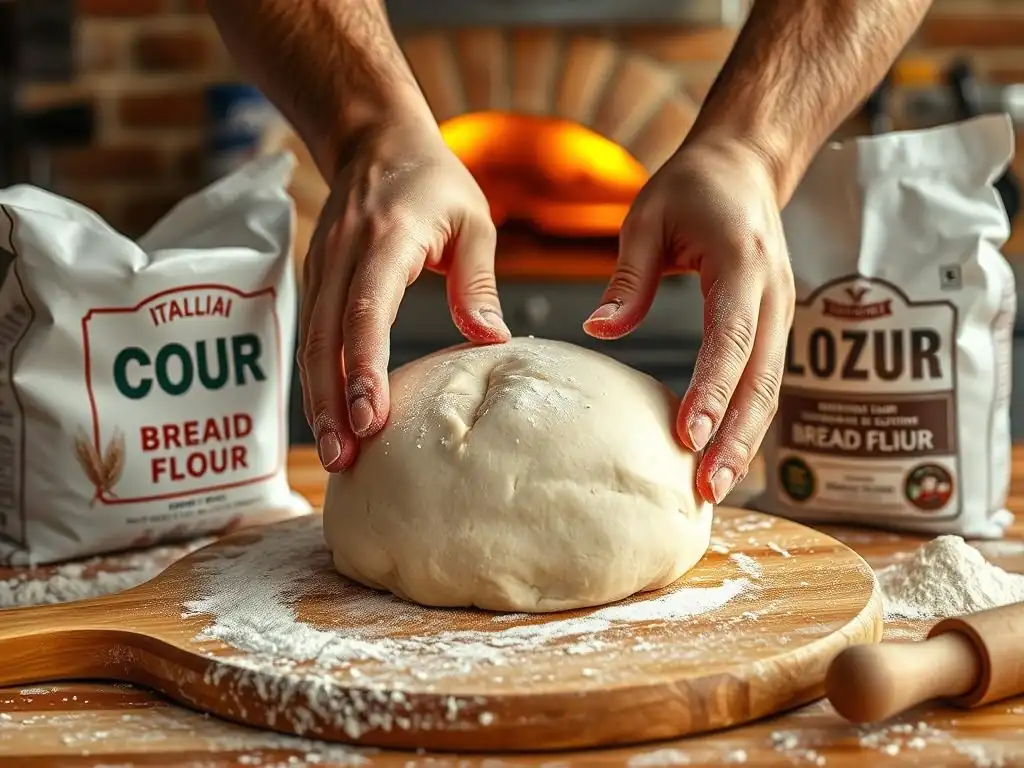
Matching Flour to Your Desired Pizza Style
The type of pizza you want to make is perhaps the single biggest factor in deciding the best flour pizza crust requires. Different regional styles have evolved using flours best suited to their specific baking methods and desired outcomes. Understanding these connections is crucial for successful pizza making.
For example, the rapid, high-temperature bake of a Neapolitan pizza demands a flour that can handle intense heat and produce a light, airy structure. A slower bake at a lower temperature, typical for a New York-style pizza, benefits from a flour that develops more chewiness and structure over a longer time.
Neapolitan Pizza: Flour Recommendations
For authentic Neapolitan pizza, Tipo 00 flour per Pizza is the gold standard. Its fine grind and specific protein quality are optimized for the very high temperatures (800-900°F or 425-480°C) of a wood-fired or specialized pizza oven. It allows the dough to stretch incredibly thin and develop the characteristic puffy, blistered edge (cornicione) and tender center.
While 00 flour is ideal, if you don't have access to it, a high-quality bread flour with a protein content around 12-13% can be a reasonable substitute, especially if you can bake at high temperatures. However, it may not yield quite the same delicate texture or blister pattern as true 00 flour.
New York Style Pizza: Flour Recommendations
New York-style pizza is known for its large, foldable slices with a chewy yet crispy crust. This texture is often achieved using a high-gluten bread flour, typically with a protein content between 13% and 14%. The strong gluten network in bread flour provides the necessary structure and elasticity to stretch the dough into large, thin rounds and creates that signature chewiness when baked.
If bread flour isn't available, a high-protein All-Purpose flour (closer to 12% protein) can work, though the chew might be less pronounced. Some bakers even use a small amount of vital wheat gluten mixed with AP flour to boost protein levels for a New York-style crust.
Deep Dish Pizza: Flour Recommendations
Chicago deep-dish pizza is unique, with a thick, buttery, often flaky crust more akin to pastry or focaccia than traditional pizza dough. While some recipes use All-Purpose flour, others incorporate a mix of AP flour and a smaller amount of fine semolina or cornmeal to add structure and a slightly gritty texture characteristic of the style.
The key to deep-dish crust isn't just the flour type, but also the fat content (often butter or oil) and mixing method, which inhibits excessive gluten development, resulting in a tender, somewhat crumbly crust rather than a chewy one. A medium-protein AP flour (around 10.5-11.5%) is often sufficient and works well with the added fat.
How Gluten Development Affects Pizza Crust Texture
Gluten development is the process where the proteins gliadin and glutenin in flour combine with water and are manipulated (through mixing or kneading) to form an elastic network. This network is what gives dough its structure and ability to stretch and hold its shape. The more you knead, up to a point, the stronger and more developed the gluten becomes.
For pizza dough, sufficient gluten development is essential for a crust that is both extensible (easy to stretch) and elastic (springs back slightly). A well-developed gluten network allows the dough to rise properly during fermentation and baking, creating a light, airy structure with good chew. Insufficient gluten development results in a dense, tough crust that tears easily when stretched.
The Importance of Protein Content in Pizza Flour
As highlighted earlier, protein content is a primary indicator of a flour's potential for gluten development, which in turn dictates the texture of the pizza crust. Flours with higher protein levels (like bread flour) are capable of forming stronger, more extensive gluten networks, leading to chewier crusts.
Conversely, flours with lower protein content (like some pastry flours, though not recommended for pizza) develop less gluten, resulting in more tender, crumbly structures. Flours specifically milled for pizza, like 00 flour per Pizza, balance protein quality and quantity to allow for excellent extensibility and desired blistering at high heat, even if the total protein percentage isn't the absolute highest. Choosing the right protein level is crucial for achieving the desired chewiness and structure for your specific pizza style.
Pizza Dough Too Sticky: Adjusting Flour Levels
A common issue when making pizza dough is stickiness. While pizza dough is naturally a bit sticky due to its relatively high hydration compared to other bread doughs, excessive stickiness can make it difficult to handle and shape. This is often a sign that the dough needs a touch more flour or that the initial hydration level was too high for the specific flour used.
Different flours absorb water differently; a high-protein flour might handle more water than a lower-protein one. If your dough is too sticky after the initial mix and rest, gradually add a small amount of your chosen pizza flour (a tablespoon at a time) while kneading until it reaches a manageable, slightly tacky consistency. Avoid adding too much flour at once, as this can make the dough stiff and tough.
Pizza Dough Too Tough: Over-Mixing and Flour Issues
Dough that is overly tough or difficult to stretch can be frustrating. One common culprit is over-mixing or over-kneading, which develops the gluten network excessively, making it resistant to stretching. This is more likely to happen with high-protein flours like bread flour if they are kneaded mechanically for too long.
Another factor can be the protein level of the flour itself. Using a very high-protein flour for a style that requires a more tender crust can lead to toughness. If your dough feels tough and snaps back excessively when you try to stretch it, try letting it rest for 10-20 minutes covered. This allows the gluten to relax, making the dough more pliable. If toughness is a persistent issue, consider using a flour with a slightly lower protein content next time, ensuring it's still suitable for the best flour pizza crust for your chosen style.
Pizza Crust Not Crispy Enough: Flour and Baking Techniques
Achieving a crispy pizza crust involves a combination of factors, including baking temperature, surface, and dough hydration, but the flour choice also plays a role. Flours that develop very strong, elastic gluten networks (like high-protein bread flour) tend to result in chewier crusts, which may be less prone to crisping compared to flours that yield a more open structure.
For a crispier crust, consider using a flour blend that might include a portion of 00 flour or even a small amount of fine semolina (rimacinata), known for promoting crispness. Also, ensure your oven is preheated to a high temperature (ideally 500-550°F or 260-290°C or higher if possible) and that you are baking on a preheated pizza stone or steel. This provides the necessary thermal shock to quickly set the crust and encourage crisping.
Storing Your Pizza Flour for Optimal Freshness
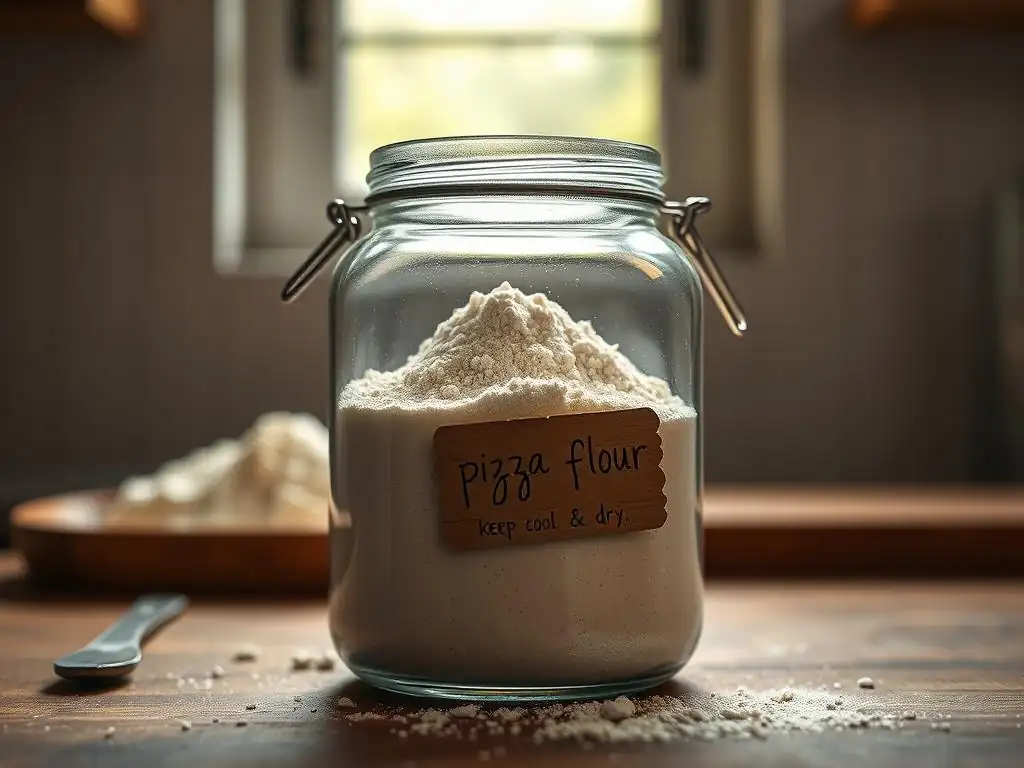
Best Practices for Flour Storage
Proper storage is essential to keep your chosen pizza flour fresh and prevent it from going rancid, developing off-flavors, or attracting pests. Flour should always be stored in an airtight container. This protects it from moisture, air, and contaminants. Materials like plastic, glass, or metal containers with tight-fitting lids work well. Avoid storing flour in its original paper bag once opened, as these are not airtight.
Store the container in a cool, dry, dark place. A pantry or cupboard away from heat sources like ovens or stoves is ideal. Heat and light can degrade the quality of the flour over time. For longer-term storage, especially for whole wheat or specialty flours, the refrigerator or freezer can extend shelf life significantly. If storing in the freezer, ensure the container is completely airtight to prevent moisture absorption and freezer burn.
How Long Does Pizza Flour Last?
The shelf life of flour varies depending on the type. White flours, like All-Purpose, bread flour, and 00 flour, have a longer shelf life because the germ (which contains oils) has been removed. Stored properly in a cool, dry place, white flour can last for 6 to 12 months, sometimes even longer, though quality may gradually decline.
Whole wheat flour, on the other hand, contains the germ and its oils, making it more susceptible to spoilage. Whole wheat flour typically lasts only about 3 to 6 months when stored at room temperature. Refrigeration can extend its life to about a year, and freezing can keep it fresh for two years or more. Always check for off smells (a rancid odor) or signs of pests before using flour that has been stored for a long time.
Experimenting with Flour Blends for Unique Pizza Crusts
Creating Your Own Signature Pizza Flour Blend
Once you understand the characteristics of different flours, you can start experimenting with blending them to create a signature pizza crust that is uniquely yours. Blending flours allows you to combine desirable traits – perhaps the chewiness of bread flour with the tenderness and crisping potential of 00 flour, or the nutrition of whole wheat with the structure of AP flour.
A simple starting point might be mixing 75% bread flour with 25% 00 flour for a crust that has good chew but also some of the delicate qualities of Neapolitan dough. Or, try a blend of 50% AP flour, 40% whole wheat, and 10% fine semolina for a healthier, slightly textured crust. Keep notes on your blends and the results to refine your perfect best flour pizza crust recipe. Don't be afraid to play with ratios and hydration levels to see how they impact the final texture and flavor.
Frequently Asked Questions
What type of flour is generally recommended for achieving the best pizza crust?
Generally, high-protein bread flour is recommended. This ensures a strong gluten network, leading to a chewy and elastic crust.
Can I use all-purpose flour for my pizza crust, and what will be the difference?
Yes, you can use all-purpose flour. However, the crust will be less chewy and more tender due to the lower protein content.
What does "00" flour mean, and why is it sometimes recommended for pizza crusts?
"00" flour refers to a finely milled Italian flour with lower protein than bread flour. It creates a delicate and tender crust favored in Neapolitan-style pizzas.
How does protein content in flour affect the final pizza crust?
Higher protein content leads to stronger gluten development, resulting in a chewier and more elastic crust. Lower protein results in a more tender crust.
Where can I find the best flour for pizza crust recommended by BakeWithEase?
BakeWithEase doesn't specifically endorse one brand. We recommend looking for high-quality bread flour or "00" flour at your local grocery store or specialty baking supply shop.
Final Reflection: The Flour Power of the Perfect Pizza
The quest for the perfect pizza crust is, ultimately, a quest for the perfect flour. This seemingly simple ingredient holds the key to unlocking a world of textural possibilities, from the crisp, crackly exterior to the airy, chewy interior we all crave. Understanding the nuances of different flours—their protein content, their absorption rates, their impact on gluten development—is not just about baking a better pizza; it's about mastering a fundamental element of culinary artistry.
The journey through various flour types has been a personal revelation, highlighting the interconnectedness of seemingly simple ingredients and the profound impact they have on the final product. The best things in life are simple, but not easy.
This quote perfectly encapsulates the process of crafting the ideal pizza crust. It's a testament to the dedication and understanding required to transform humble flour into something truly extraordinary. The subtle differences between types of flour, often overlooked, become strikingly apparent when you taste the results. This exploration has not only improved my pizza-making skills but also deepened my appreciation for the science and art behind baking.
Now, armed with this knowledge, I invite you to embark on your own flour-filled adventure. Don't be afraid to experiment, to push boundaries, to discover the flour that speaks to your palate and your baking style. The perfect pizza crust awaits – all you need is the right flour and a little bit of passion. Go forth, and may your pizzas always be worthy of the best flour you can find!
Unleash Your Inner Pizzaiolo: Craft the Perfect Crust!
Thanks for joining us on this flour-powered journey! You've now got the knowledge to create truly amazing pizza crusts. Ready to put your new skills to the test?
- Bake your dream pizza: Grab your favorite toppings and immediately try out the flour type we discussed that best suits your style. Share a picture of your creation on social media using #BakeWithEasePizza!
- Experiment with different flours: Explore the world of baking further! Try out some of the other flours mentioned in the article and see how they impact your crust.
- Join our baking community: Share your pizza-making experiences and tips with fellow baking enthusiasts in our comments section below. Let's help each other perfect our pizza game!
What unique flour combination will you try for your next pizza masterpiece?