
Clean Pots, CrystalFree Sugar: Why Equipment Matters

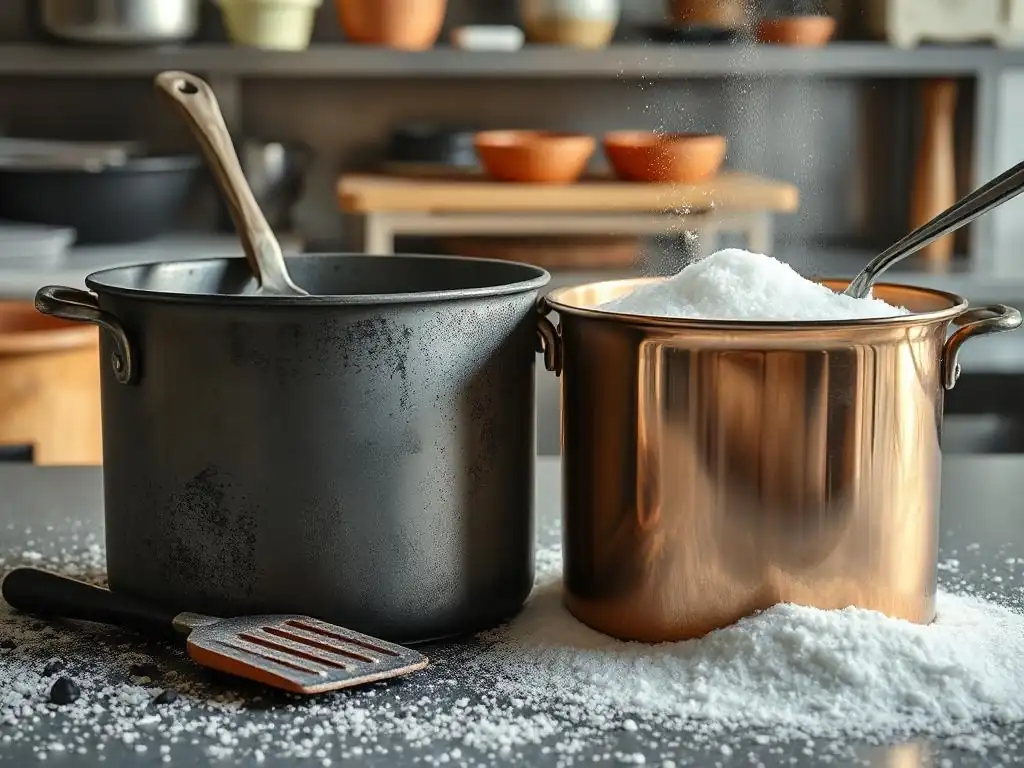
Welcome to BakeWithEase, your trusted guide to baking bliss! Ever wondered if that slightly burnt cake could have been avoided? Or if your cookies spread just a little too thin? Today, we're diving deep into the often-overlooked, yet absolutely critical, world of proper baking equipment maintenance tips. Prepare to unlock the secrets to longer-lasting tools, perfectly consistent results, and a whole lot less baking frustration. Ready to elevate your baking game, one clean spatula at a time? Let's get started!
- Clean Tools, Precise Measurements: Why Equipment Matters for Baking Success
- The Foundation of Flawless Baking: Equipment's Role
- Measurement Woes: How Inaccurate Tools Affect Baking
- Proper Baking Equipment Maintenance Tips for Accurate Baking
- Beyond Measurements: The Impact of Equipment on Other Baking Elements
- Ensuring Consistent Results: The Long-Term Benefits of Proper Equipment Maintenance
- Bake With Ease: Achieving Accurate Measurements and Baking Perfection
-
Frequently Asked Questions
- What are the most common problems that arise from neglecting proper baking equipment maintenance?
- Why is cleaning baking equipment immediately after use so important?
- How often should I perform a deep clean of my baking equipment?
- What are some specific maintenance tips for different types of baking equipment (e.g., ovens, mixers, baking sheets)?
- What are the benefits of using proper storage for baking equipment?
- Final Reflection: The Sweet Science of Well-Maintained Baking Equipment
- Unlock Your Baking Potential: Level Up Your Kitchen!
Clean Tools, Precise Measurements: Why Equipment Matters for Baking Success
The Foundation of Flawless Baking: Equipment's Role
Baking is often described as a science, and like any scientific endeavor, the tools you use play a critical role in the outcome. From accurately measuring ingredients to ensuring consistent oven temperatures, your baking equipment is the silent partner in every successful bake. Investing in quality tools and understanding how to use them correctly are fundamental steps toward achieving delicious and reliable results in the kitchen.
Think of your equipment as the infrastructure of your baking process. Just as a sturdy foundation is essential for a building, reliable tools provide the necessary support for your recipes. Having the right equipment, from a sensitive digital scale to a well-calibrated oven thermometer, empowers you to follow recipes precisely and troubleshoot effectively when things don't go exactly as planned. Mastering proper baking equipment maintenance tips ensures these tools remain dependable over time.
Why Equipment Accuracy is Critical for Baking Science
In baking, small deviations can lead to significant differences. Unlike cooking, where you can often adjust seasonings or textures on the fly, baking relies on precise chemical reactions. The ratio of flour to liquid, the amount of leavening agent, and the temperature of the oven all interact in delicate ways. Accurate equipment ensures these ratios and conditions are met consistently.
For instance, a standard cake recipe might call for 200 grams of flour and 150 grams of sugar. If your scale is off by just 10 grams, you're either adding 5% too much flour (leading to a dry, dense cake) or 6.7% too much sugar (resulting in excessive browning or a gummy texture). Similarly, yeast activity is highly sensitive to temperature; proofing at 70°F versus 85°F dramatically changes fermentation speed. Accurate thermometers and scales are non-negotiable for controlling these variables and mastering the science behind your bakes. Consistent and proper baking equipment maintenance tips help preserve this vital accuracy.
The Connection Between Precise Equipment and Baking Results
The direct link between precise equipment and successful baking results cannot be overstated. Imagine attempting a delicate French macaron recipe, which is notoriously sensitive to ingredient weight and oven temperature. Using a scale that is off by even a few grams can ruin the fragile balance of the meringue and almond flour, leading to cracked shells or no 'feet'. An oven thermometer that reads 25°F lower than the actual temperature will drastically alter the baking time and texture.
Conversely, when your equipment is accurate and well-maintained, you gain control over the baking process. You can trust that when a recipe calls for a specific weight or temperature, your tools are helping you hit those targets. This reliability is crucial for replicating successful bakes and confidently experimenting with new recipes. Implementing proper baking equipment maintenance tips is key to ensuring this consistent performance.
Measurement Woes: How Inaccurate Tools Affect Baking
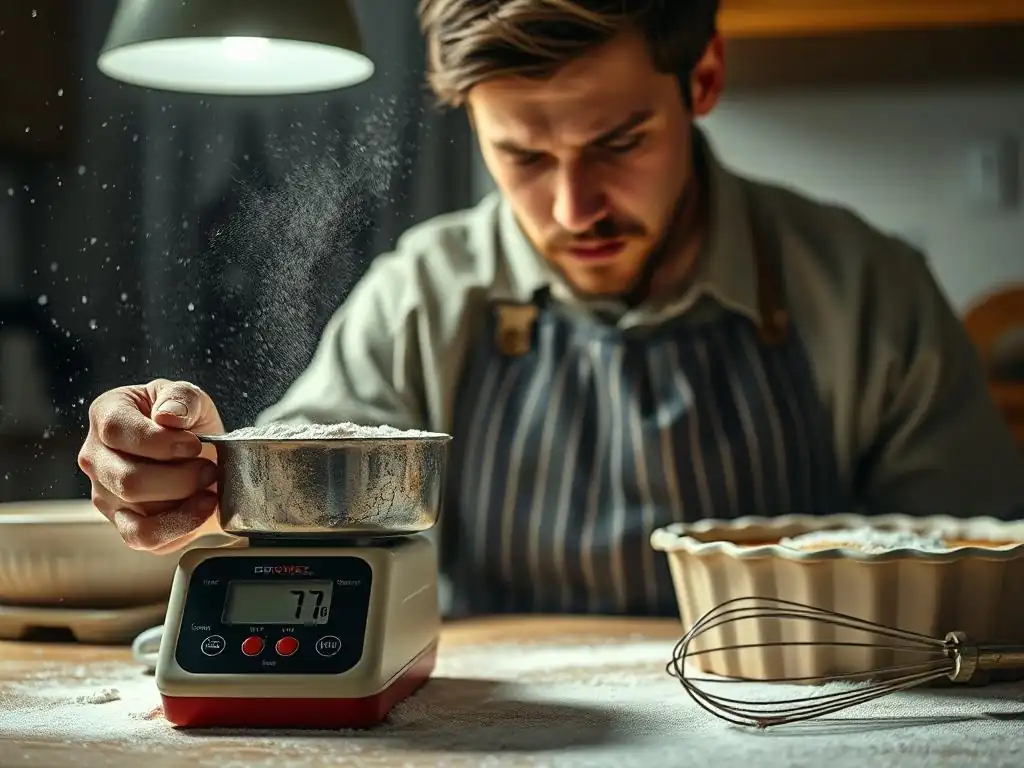
In the world of baking, measurement is paramount. It's the language of recipes, dictating the precise quantities needed for ingredients to interact correctly. When your measuring tools are inaccurate, you're essentially misinterpreting the recipe's instructions, setting yourself up for potential failure before you even start mixing.
Whether it's weighing flour, measuring liquid volume, or checking the temperature of your dough, faulty tools introduce errors that cascade through the entire baking process. These errors can manifest in various ways, from subtle textural differences to complete recipe failures. Understanding how inaccuracy impacts your bakes is the first step toward preventing these issues by focusing on proper baking equipment maintenance tips.
Understanding the Importance of Precise Measurements in Baking Science
Baking relies on chemistry, and chemical reactions require specific proportions of reactants. Flour provides structure, sugar adds sweetness and tenderness, leavening agents create lift, and fats contribute richness and moisture. The balance between these components is carefully calculated in a recipe. Using a scale is generally preferred for dry ingredients like flour and sugar because volume measurements (cups) can vary significantly depending on how the ingredient is scooped and leveled. A cup of flour can weigh anywhere from 120 to 150 grams depending on packing!
Consider a bread recipe where hydration (the ratio of water to flour) is key. If the recipe calls for 500g flour and 350g water (70% hydration), but your scale is off by 20g on the water measurement, your actual hydration is either 66% or 74%. This difference will profoundly affect the dough's handling, gluten development, and the final crumb structure. Precise measurements, facilitated by accurate equipment and diligent proper baking equipment maintenance tips, are the bedrock of consistent baking science.
Inaccuracy's Impact: How Faulty Equipment Skews Results
Faulty equipment doesn't just cause minor inconveniences; it can fundamentally alter the outcome of your bake. An inaccurate oven thermometer can lead to burnt edges and raw centers, or cookies that spread too much or too little. A liquid measuring cup with an incorrect calibration line will throw off the liquid-to-dry ingredient ratio, affecting everything from batter consistency to dough hydration.
- Dry Ingredients: Over-measuring flour leads to dry, tough baked goods. Under-measuring sugar impacts sweetness, moisture, and browning.
- Liquid Ingredients: Too much liquid can result in a weak structure, while too little can make dough or batter difficult to work with and lead to dryness.
- Leavening Agents: Even a small error in baking soda or powder can cause cakes to sink or not rise at all. For example, using 1/4 teaspoon too much baking powder in a recipe calling for 1 teaspoon increases the leavening by 25%, potentially causing rapid, unstable expansion.
- Fats: Too much fat can make baked goods greasy; too little affects tenderness and flavor.
These examples highlight why accurate tools and regular proper baking equipment maintenance tips are crucial for predictable and successful baking.
Identifying Measurement Problems in Baking
Recognizing signs of measurement inaccuracies is key to troubleshooting your baking issues. If your cakes consistently sink in the middle, your cookies spread excessively, or your bread loaves are dense, faulty measurements could be the culprit. Before blaming the recipe, consider your tools.
Symptoms often include:
- Unexpectedly dry or wet dough/batter.
- Baked goods that don't rise properly (or rise too much then collapse).
- Inconsistent texture (e.g., tough, crumbly, or gummy).
- Baking times that are significantly longer or shorter than stated in the recipe.
- Uneven browning or cooking.
If you encounter these issues frequently, it's a strong indicator that your measuring tools, or perhaps your oven temperature, might not be accurate. This is where reviewing and implementing proper baking equipment maintenance tips becomes essential.
Proper Baking Equipment Maintenance Tips for Accurate Baking
Maintaining your baking equipment is not just about keeping it clean; it's about preserving its accuracy and functionality. Just like a car needs regular tuning, your baking tools benefit from routine care. Simple practices can extend the life of your equipment and, more importantly, ensure the precision needed for consistent baking success.
Implementing proper baking equipment maintenance tips is an investment in your baking future. It minimizes frustrating failures, saves money on wasted ingredients, and builds confidence in your abilities. Let's look at some specific steps you can take, starting with the tools where accuracy is most critical: scales and measuring cups/spoons.
Calibrating Scales for Optimal Accuracy: A Step-by-Step Guide
Digital scales are indispensable for accurate baking, but they can drift over time. Calibration ensures that your scale is measuring weight correctly. This is one of the most vital proper baking equipment maintenance tips you can follow.
Most digital scales come with instructions for calibration, often involving a specific calibration weight (commonly 500g or 1000g). If you don't have a dedicated calibration weight, you can use items with a known, precise weight, such as new, unopened bags of sugar or flour (check the packaging for exact weight in grams) or even specific coin combinations (though this is less precise).
Best Practices for Maintaining Baking Scales
- Keep it Clean: Wipe down your scale regularly to prevent sticky residue or flour dust from interfering with the sensor. Use a damp cloth, but avoid getting water into electronic components.
- Store Properly: Keep your scale on a flat, stable surface away from extreme temperatures, moisture, and heavy objects that could damage the sensor or platform.
- Handle Gently: Avoid dropping or placing excessively heavy items on the scale, as this can damage the internal mechanism.
- Change Batteries: Replace batteries regularly, as low power can affect accuracy.
Recommended Calibration Techniques for Baking Scales
- Read the Manual: Always refer to your scale's specific instruction manual for the correct calibration procedure.
- Use a Known Weight: Place a precise calibration weight (or a verified item of known weight, like a new bag of sugar labeled 1000g) onto the scale.
- Check the Reading: Does the scale display the exact weight of the item?
- Perform Calibration (if needed): If the reading is off, follow your scale's manual to enter calibration mode and adjust it using the calibration weight. Some scales auto-calibrate when turned on, while others require a specific sequence of button presses.
- Regular Checks: Calibrate your scale according to the manufacturer's recommendations, or at least every few months, especially if you use it frequently or suspect inaccuracies.
### Task List: Calibrating Your Digital Scale

- [ ] Locate your scale's instruction manual.
- [ ] Obtain a known calibration weight (e.g., 500g or 1000g) or a verified item of precise weight.
- [ ] Ensure the scale is on a flat, stable surface.
- [ ] Turn the scale on and let it settle to zero.
- [ ] Follow the manual's steps to enter calibration mode.
- [ ] Place the known weight on the center of the scale platform.
- [ ] Wait for the scale to register the weight and complete the calibration process.
- [ ] Remove the weight and turn the scale off and on again to test.
- [ ] Weigh the known weight again to verify accuracy.
Maintaining Measuring Cups and Spoons for Accuracy
While less complex than scales, volume measuring tools like cups and spoons also require proper care to ensure accuracy. Wear and tear, improper storage, and even manufacturing defects can compromise their precision. These proper baking equipment maintenance tips are simple but essential.
Metal measuring cups and spoons are generally more durable and less prone to damage than plastic ones. Look for sets where the measurements are stamped into the metal rather than printed, as printed labels can wear off.
Storing Measuring Tools Properly to Avoid Damage
Proper storage prevents your measuring tools from getting bent, scratched, or otherwise damaged in a crowded drawer.
- Use Rings or Clips: Keep sets of measuring cups and spoons together on a ring or clip. This prevents losing individual pieces and keeps them organized.
- Designated Drawer/Container: Store them in a specific drawer or container where they won't be crushed or bent by heavier utensils.
- Avoid Heat: Do not leave plastic measuring tools near hot stovetops or ovens, as heat can warp them, affecting their capacity.
Inspecting and Replacing Damaged Measuring Tools
Regularly inspect your measuring cups and spoons for signs of damage that could affect accuracy.
- Bent Rims: Check the rims of measuring cups, especially for liquids. A bent rim will prevent accurate leveling of dry ingredients and make it hard to read the meniscus for liquids.
- Scratches/Cracks: Look for deep scratches or cracks, particularly on plastic tools, which can harbor bacteria and affect the tool's integrity.
- Worn Markings: If the measurement markings are faded or scratched off, it's time to replace the tool. You can't measure accurately if you can't read the volume!
If a measuring tool is damaged or the markings are unclear, it's best to replace it. The small cost of a new set is minimal compared to the ingredients you might waste due to inaccurate measurements. Integrating these checks into your routine is part of diligent proper baking equipment maintenance tips.
Beyond Measurements: The Impact of Equipment on Other Baking Elements
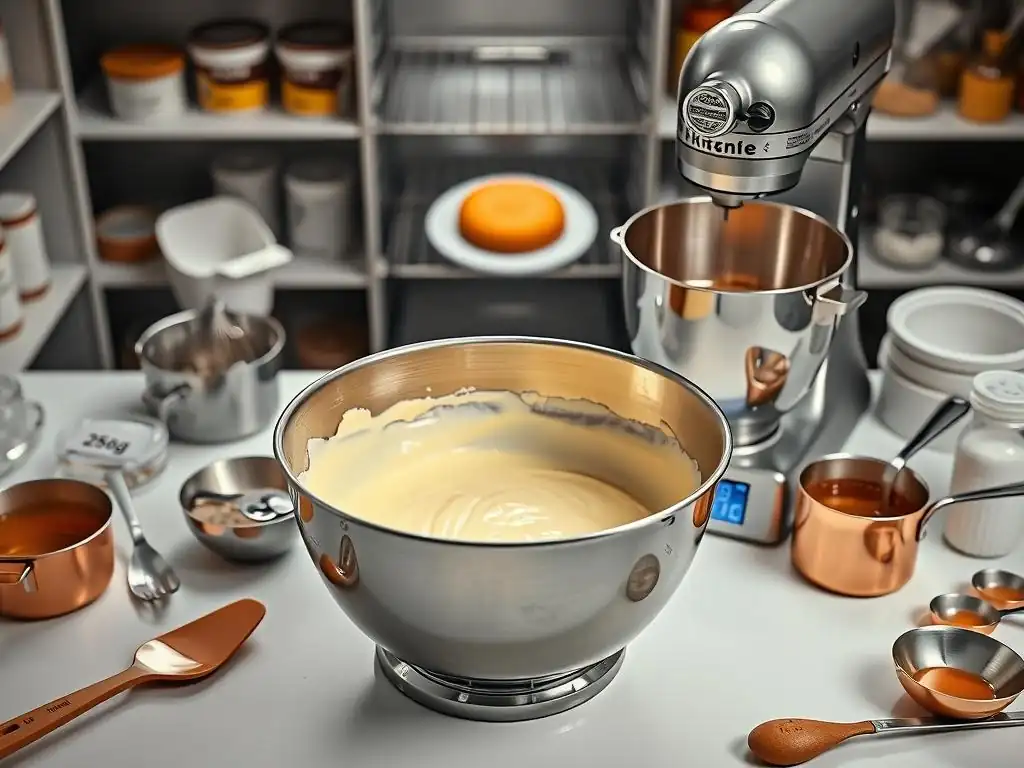
While accurate measurement is foundational, other pieces of baking equipment also significantly influence the final product. From the type of pan you use to the power of your mixer, each tool plays a role in how ingredients transform under heat and manipulation. Proper selection and maintenance of these tools are as important as mastering measurement accuracy.
Understanding how different pieces of equipment perform and how to care for them contributes to overall baking success. Whether you're whipping meringue, kneading dough, or achieving an even bake, the right tool, properly maintained, makes a noticeable difference. These proper baking equipment maintenance tips extend beyond just measuring tools.
How Equipment Affects Cake Baking
The type of cake pan, mixing equipment, and oven all heavily impact cake texture, rise, and evenness. A dark-colored pan absorbs more heat than a light-colored one, potentially leading to darker crusts and faster baking times. An under-powered hand mixer might struggle to whip egg whites to stiff peaks, resulting in a less airy cake.
Consider the oven itself. An oven with hot spots will cause uneven baking, resulting in some parts of the cake being done while others are still raw. Using an oven thermometer is critical to ensure your oven is actually at the temperature you set.
Maintaining clean oven racks and walls also helps with even heat distribution. A stand mixer, properly fitted with the correct attachment (whisk, paddle), ensures ingredients are incorporated efficiently and consistently, developing the necessary structure or aeration for different cake types. Proper baking equipment maintenance tips for mixers include cleaning attachments immediately after use and checking the motor for any signs of strain.
The Importance of Equipment in Bread Making
Bread making is a process heavily influenced by mechanical action (kneading) and temperature control. A sturdy stand mixer with a dough hook can develop gluten far more efficiently and consistently than hand kneading, especially for high-hydration doughs. The material and shape of your proofing basket (banneton) affect the dough's final shape and moisture level during the final rise.
Baking vessels like Dutch ovens or baking stones play a crucial role in oven spring and crust development. A preheated Dutch oven creates a steamy environment initially, mimicking professional deck ovens, leading to a better rise and a crispier crust on rustic loaves. Maintaining these pieces involves proper cleaning (often just scraping for baking stones, avoiding soap) and careful handling to prevent cracks. An accurate oven thermometer is indispensable for achieving the correct baking temperature, often 450-500°F (230-260°C) for artisan bread, which significantly impacts crust color and texture. These are essential proper baking equipment maintenance tips for bread bakers.
Achieving flaky pastry and perfectly textured cookies also relies heavily on specific equipment. A food processor can cut cold butter into flour quickly for pie crust or scones, minimizing the risk of melting the fat. A quality rolling pin helps create even dough thickness, crucial for uniform baking. Baking sheets vary in material and color, affecting heat transfer – insulated sheets prevent bottoms from browning too quickly, while darker sheets promote faster browning.
For cookies, using an ice cream scoop or portioning scoop ensures each cookie is the same size, leading to consistent baking time and appearance. Silpat mats or parchment paper prevent sticking and promote even heat distribution on the baking sheet. Proper baking equipment maintenance tips here include cleaning rolling pins thoroughly to prevent sticky residue build-up and caring for baking sheets to prevent warping (avoid plunging hot sheets into cold water). Even simple tools like spatulas and whisks, when chosen for quality and maintained well, contribute to better mixing and handling of delicate doughs and batters.
Ensuring Consistent Results: The Long-Term Benefits of Proper Equipment Maintenance
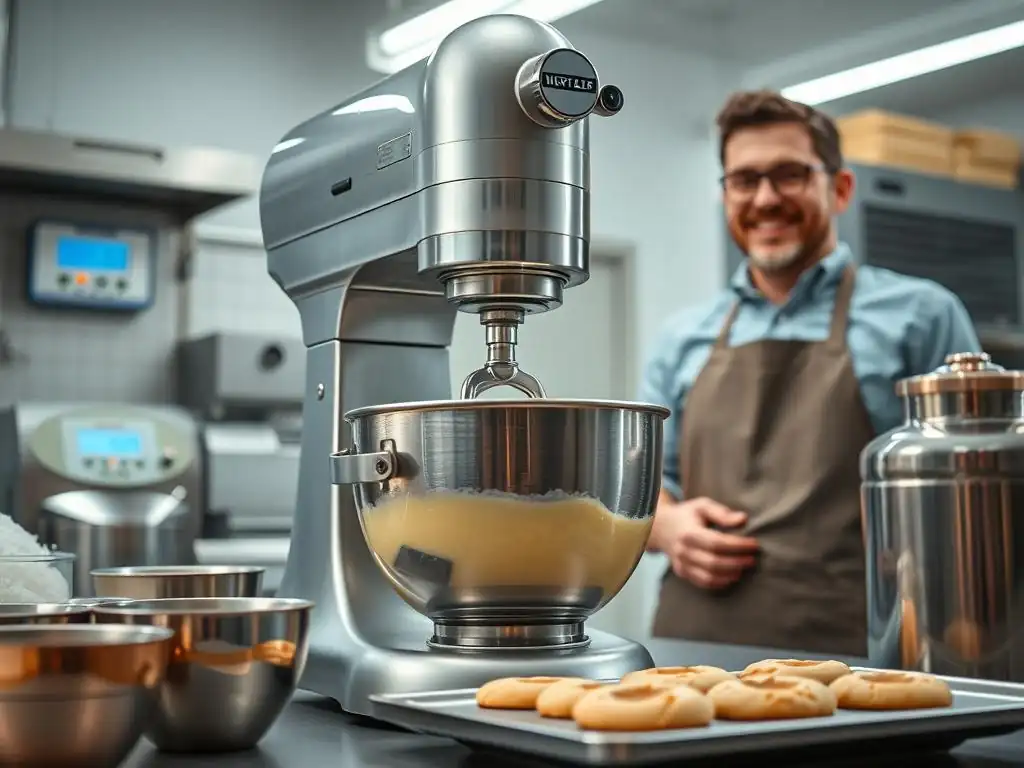
Consistency is the hallmark of a skilled baker. Being able to reproduce a recipe with the same delicious outcome every time builds confidence and reduces frustration. This consistency is a direct result of controlling variables, and the reliability of your equipment is a major variable. Implementing proper baking equipment maintenance tips isn't just about fixing problems; it's about preventing them and ensuring your tools perform reliably batch after batch, year after year.
By proactively maintaining your baking tools, you minimize the risk of unexpected issues derailing your baking process. A well-cared-for stand mixer will continue to knead dough effectively, a calibrated scale will measure accurately, and clean pans will provide consistent baking surfaces. This reliability allows you to focus on the nuances of the recipe and technique, rather than worrying about whether your equipment is sabotaging your efforts.
Investing in Quality Baking Equipment
While proper baking equipment maintenance tips can extend the life of any tool, starting with quality equipment provides a better foundation. Well-made tools are often more accurate, durable, and designed for ease of maintenance.
- Scales: Look for digital scales with a good capacity (at least 5kg/11lbs) and fine increments (0.1g or 1g). Read reviews for accuracy and durability.
- Measuring Cups/Spoons: Opt for sturdy metal sets with clearly stamped markings.
- Oven Thermometer: A good quality, easy-to-read oven thermometer is essential for verifying your oven's temperature.
- Pans: Heavy-gauge metal pans conduct heat more evenly than flimsy ones. Choose pan materials appropriate for the type of bake (e.g., anodized aluminum for even cake baking, cast iron for rustic bread crusts).
Investing a little more upfront in quality equipment, combined with diligent proper baking equipment maintenance tips, saves you money and frustration in the long run by preventing frequent replacements and baking failures.
Creating a Baking Equipment Maintenance Schedule
Just like scheduling time to bake, setting aside time for equipment maintenance ensures it gets done. A simple schedule can keep your tools in top shape.
Consider a routine:
- After Each Use: Clean tools thoroughly (scales, mixers, pans, measuring cups/spoons).
- Monthly: Check scale calibration, inspect measuring tools for damage, wipe down small appliances. Clean the oven thermometer.
- Quarterly: Deep clean stand mixer, check oven for cleanliness and hot spots (using bread slices test), inspect baking sheets for warping.
- Annually: Consider professional servicing for complex appliances like stand mixers if heavily used.
This structured approach, focusing on proper baking equipment maintenance tips, turns maintenance from a reactive chore into a proactive habit, ensuring your tools are always ready for your next baking adventure.
When a bake doesn't turn out as expected, your equipment should be one of the first things you check after reviewing the recipe steps. Is your oven temperature accurate? Is your scale calibrated? Are your measuring cups damaged?
- Cake Sinking: Could be inaccurate leavening measurement (faulty spoons/scale) or incorrect oven temperature (inaccurate thermometer).
- Bread Not Rising: Could be inaccurate yeast measurement, incorrect water temperature for proofing (faulty thermometer), or oven not preheated properly for oven spring.
- Cookies Spreading Too Much: Could be incorrect fat/flour ratio (inaccurate scale/cups) or oven temperature too low (inaccurate thermometer).
By systematically checking your equipment's accuracy and condition, you can quickly identify potential causes for baking problems. Addressing these issues through proper baking equipment maintenance tips allows you to refine your process and improve your results.
Bake With Ease: Achieving Accurate Measurements and Baking Perfection
Ultimately, the goal is to bake with ease and confidence. This comes from understanding the science, following recipes diligently, and trusting your tools. By prioritizing accurate measurements and implementing proper baking equipment maintenance tips, you lay a solid foundation for consistent success in all your baking projects, from simple cookies to complex pastries.
Accurate equipment removes guesswork and variability, allowing you to focus on technique and the joy of creating something delicious. It transforms baking from a potentially frustrating guessing game into a reliable and rewarding craft.
Applying Equipment Maintenance Tips to Baking Projects
Make equipment maintenance a standard part of your baking workflow. Before starting a new recipe, especially one you haven't tried before or one known for being tricky:
- Verify your scale is calibrated.
- Check your oven thermometer.
- Ensure your measuring cups and spoons are clean and undamaged.
- Gather all necessary equipment and ensure it's clean and ready.
This simple pre-bake check, incorporating proper baking equipment maintenance tips, takes only a few minutes but can save you hours of frustration and wasted ingredients. It sets you up for success by ensuring the accuracy needed for the recipe to work as intended.
Resources for Further Learning on Baking Equipment
To deepen your understanding of baking equipment and proper baking equipment maintenance tips, explore reliable sources. Many baking books dedicate sections to essential tools. Websites specializing in baking often have guides on choosing and caring for equipment. Manufacturer websites for scales, mixers, and ovens provide specific calibration and maintenance instructions for their models. Online baking communities are also great places to ask questions and share tips on equipment care and performance. Continuously learning about your tools empowers you to use them more effectively and maintain them for optimal performance.
Frequently Asked Questions
What are the most common problems that arise from neglecting proper baking equipment maintenance?
Neglecting equipment maintenance can lead to inaccurate temperature readings, uneven baking, and potential food safety hazards. This can ultimately result in poorly baked goods and wasted ingredients.
Why is cleaning baking equipment immediately after use so important?
Cleaning immediately prevents food residue from hardening, making it easier to remove. This also helps to prevent bacterial growth and ensures the equipment is ready for its next use.
How often should I perform a deep clean of my baking equipment?
A deep clean, which might involve descaling ovens or thoroughly cleaning mixers, should be done every few months, depending on usage. Regular, lighter cleaning should be done after each use to extend the lifespan of your equipment.
What are some specific maintenance tips for different types of baking equipment (e.g., ovens, mixers, baking sheets)?
For ovens, regularly clean spills and calibrate the temperature. For mixers, check and replace worn attachments. Baking sheets benefit from periodic scrubbing to remove buildup and prevent sticking.
What are the benefits of using proper storage for baking equipment?
Proper storage protects equipment from dust, moisture, and pests, all of which can damage the equipment and compromise food safety. It also helps to organize your baking space and make it easier to find what you need.
Final Reflection: The Sweet Science of Well-Maintained Baking Equipment
The quality of your baking isn't just about the ingredients; it's fundamentally intertwined with the tools you use. A perfectly measured recipe, executed with the finest ingredients, can be utterly ruined by poorly maintained equipment. This isn't just about aesthetics; it's about achieving consistent, predictable, and delicious results every time.
The impact of proper equipment maintenance extends far beyond the individual baker. It influences the entire culinary landscape, from professional kitchens producing exquisite pastries to home bakers sharing their creations with loved ones. Maintaining your equipment isn't just about functionality; it's about respecting the craft and ensuring the longevity of your tools. The tools we use have a profound effect on our work, and our work has a profound effect on the world.
This quote, while not directly about baking, speaks to the ripple effect of attention to detail and the importance of respecting the tools of our trade.
Now, consider your own baking journey. What tools do you cherish? Which ones have served you faithfully, and which ones have let you down? Take this opportunity to assess your equipment. Clean your whisks, oil your pans, and sharpen your spatulas. By investing time in the maintenance of your baking tools, you're not just improving your baking; you're investing in the joy of creation, the satisfaction of a job well done, and the lasting legacy of delicious memories baked with care.
Unlock Your Baking Potential: Level Up Your Kitchen!
Thanks for diving into the world of baking with us! We hope you now see how the right equipment can transform your baking experience, from perfectly smooth batters to deliciously crisp crusts. Ready to take your skills to the next level?
- Invest in a quality stand mixer: This single upgrade will revolutionize your baking workflow, making even the most challenging recipes a breeze.
- Share your baking triumphs (and challenges!) with our community on social media using #BakeWithEase. Let's inspire each other!
- Try one new recipe this week using the tips and techniques you learned today. Which one will you tackle first?
What exciting baking project will you be tackling now that you're armed with the knowledge of better equipment?