
German Baking Staples: Essential Ingredients and Tools for Beginners

Welcome to BakeWithEase, your companion in the delightful world of baking! Are you ready to embark on a culinary journey to the heart of Germany? Dive into our article and discover the secrets to mastering German baking basics starter kit. Uncover the essential ingredients and tools every aspiring German baker needs, and let's create unforgettable treats together. What are you waiting for? Your baking adventure starts now!
- German Baking Basics Starter Kit: Essential Ingredients and Tools for Beginners
- Welcome to German Baking Delights
- Essential Ingredients
- Must-Have Tools
- Getting Started: A Simple Recipe
- Where to Buy Ingredients and Tools
- Expanding Your Repertoire
- Conclusion: Embrace German Baking
-
Frequently Asked Questions
- What is a German baking basics starter kit, and what are its core components?
- Why is German baking powder different from regular baking powder?
- What types of flour are commonly used in German baking, and why are they important?
- Are there any specific tools, besides a springform pan, that are particularly helpful for German baking?
- Where can I find authentic German baking ingredients if I don't live in Germany?
- Final Reflection: The Sweetness of Tradition, the Joy of Creation
- Unlock Your Inner Bäcker: Start Baking Authentic German Treats!
German Baking Basics Starter Kit: Essential Ingredients and Tools for Beginners
Welcome to German Baking Delights
Exploring the Tradition of German Baking
German baking, or 'Backen' as it's known in Germany, boasts a rich history deeply intertwined with culture and regional identity. From the dense, hearty rye breads of the north to the elaborate fruit tarts and creamy cakes of the south, German baking traditions are incredibly diverse. This culinary heritage is characterized by precision, quality ingredients, and often, a focus on seasonal produce like apples, plums, and cherries. Many recipes have been passed down through generations, forming the backbone of family celebrations and daily life.
The sheer variety is astonishing, with thousands of types of bread ('Brot') and pastries ('Gebäck'). Festivals like Christmas bring out specific baked goods such as Lebkuchen (gingerbread) and Stollen (fruit bread), each with its own history and regional variations. Understanding this tradition isn't just about following a recipe; it's about appreciating the craft, the emphasis on simple, high-quality components, and the joy of creating something delicious from scratch. It's a journey that starts with the right foundation – the ingredients and tools that make German baking unique.
Why a German Baking Basics Starter Kit?
Starting any new baking adventure can feel overwhelming, and German baking is no exception with its specific ingredients and techniques. That's where a German baking basics starter kit comes in handy. It provides you with the fundamental components needed to tackle classic German recipes without getting lost in endless options at the grocery store. Think of it as your essential toolbox and pantry foundation, designed to help you build confidence and skill from your very first bake.
Having a curated German baking basics starter kit ensures you have the right type of flour for that perfect Apfelkuchen (apple cake) or the correct leavening for a fluffy Streuselkuchen (crumb cake). It simplifies the initial steps, allowing you to focus on learning the methods and enjoying the process, rather than worrying about sourcing obscure items. With these essentials at your fingertips, you'll be well on your way to recreating those authentic German flavors in your own kitchen, making the journey into this delightful baking world accessible and fun.
Essential Ingredients
Flour: The Foundation of German Baking
German Flour Types: Wheat Flour (Weizenmehl) and Rye Flour (Roggenmehl)
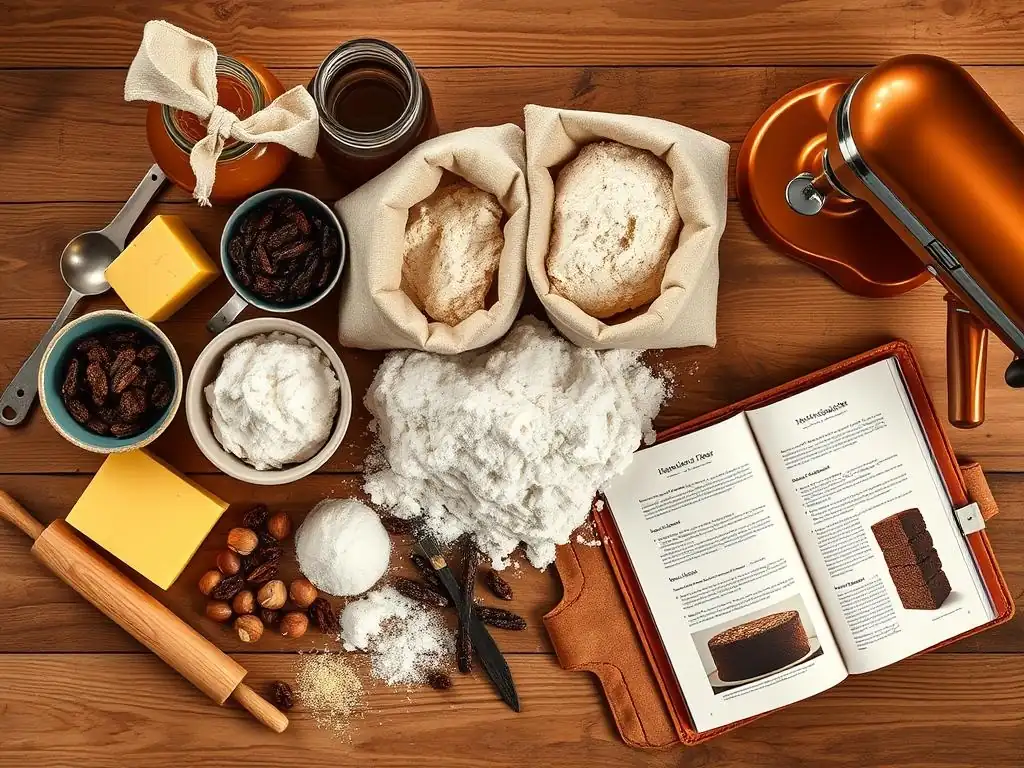
Flour is undeniably the cornerstone of German baking, much like in many other cuisines, but the types used and their specific properties are key. German recipes often specify flour types using numbers like Type 405, 550, 812, or 1050 for wheat flour ( Weizenmehl), and 815, 997, or 1150 for rye flour ( Roggenmehl). These numbers indicate the mineral content remaining after milling (ash content), which affects how the flour behaves.
Weizenmehl Type 405, similar to American pastry or cake flour, is very fine and low in mineral content, perfect for delicate cakes, cookies, and pastries. Weizenmehl Type 550 is a good all-purpose equivalent, suitable for many cakes, yeast doughs, and some breads.
Rye flour ( Roggenmehl) is crucial for traditional German breads, contributing to their dense texture and distinct tangy flavor. Roggenmehl Type 1150 is a common medium-dark rye flour used in hearty mixed-grain loaves. Unlike wheat, rye flour contains pentosans, which absorb a lot of water and interfere with gluten development, leading to denser breads. A good German baking basics starter kit for breads should include both Weizenmehl Type 550 and Roggenmehl Type 1150 to allow for a range of recipes. For cakes, starting with Weizenmehl Type 405 is ideal.
Gluten Development in German Breads and Cakes
Understanding gluten development is vital, especially when working with German flours. Gluten, formed when proteins in wheat flour (glutenin and gliadin) combine with water and are kneaded, provides structure and elasticity. In German wheat-based baked goods like Hefezopf (braided sweet bread) or Blechkuchen (sheet cake), proper kneading is needed to develop a strong gluten network that traps gases and allows the dough to rise beautifully, resulting in a light texture.
However, many German recipes incorporate rye flour or are designed for a denser crumb. As mentioned, rye flour has less gluten-forming protein and high levels of pentosans, which means rye breads will naturally be denser.
Some German baking techniques, like using sourdough starters or specific dough handling methods, are adapted to work with these flour properties. In cakes, the goal isn't always maximum gluten development; often, a tender crumb is desired, so mixing is kept minimal after flour is added, especially when using lower-protein flours like Weizenmehl Type 405, which is common in a basic German baking basics starter kit for sweets.
Sweeteners: Achieving the Perfect Balance
Sugar Types: Granulated, Caster, and Confectioners' Sugar
Sugar plays a vital role in German baking, providing sweetness, contributing to texture, and aiding in browning. Granulated sugar ( Kristallzucker) is the most common type, used in everything from cake batters to cookie doughs and yeast breads. It provides sweetness and structure. Caster sugar ( Feinzucker), with finer crystals, dissolves more quickly, making it ideal for meringues, delicate cakes, and creams. While not as ubiquitous as granulated sugar, it's a useful addition to a German baking basics starter kit focused on finer pastries.
Confectioners' sugar ( Puderzucker or Staubzucker), which is finely ground granulated sugar often with a small amount of cornstarch to prevent clumping, is primarily used for dusting baked goods, making icings ( Zuckerguss), and sometimes in delicate cookie doughs like Vanillekipferl. Having all three on hand covers a wide range of German recipes. A standard German recipe might call for 150g of granulated sugar for a medium-sized cake or 50g of confectioners' sugar for a simple glaze.
Honey and Maple Syrup: Adding Depth
While sugar is the primary sweetener, other options like honey ( Honig) and sometimes maple syrup ( Ahornsirup) are used to add distinct flavors and textures to specific German baked goods. Honey is a traditional ingredient in many German Christmas cookies, most famously Lebkuchen. It contributes moisture, a unique aroma, and helps keep the cookies soft over time. Darker honeys like forest honey are particularly prized for their intense flavor in these recipes.
Maple syrup is less traditional but can be used in some modern adaptations or for specific recipes. However, honey is the more authentic and commonly used alternative sweetener in the classic German baking basics starter kit of ingredients. Its presence allows you to explore recipes like Honigkuchen (honey cake) or various Lebkuchen spice cookie recipes, adding a layer of complexity that granulated sugar alone cannot provide. For example, a traditional Lebkuchen recipe might use a significant amount, perhaps 200-300g of honey per batch.
Leavening Agents: Achieving Lightness
Yeast: Fresh and Dry Yeast
Yeast ( Hefe) is fundamental to many classic German baked goods, especially breads and sweet yeast doughs like Streuselkuchen or Hefezopf. German recipes often specify fresh yeast ( Frische Hefe), which is sold in compressed blocks, typically 42g in Germany. This amount is generally sufficient to leaven 500g of flour, although this can vary by recipe. Fresh yeast is known for its reliable rise and the subtle flavor it imparts.
Dry yeast ( Trockenhefe) is also widely available and used, offering convenience and a longer shelf life. A standard 7g packet of dry yeast is often considered equivalent to 25g of fresh yeast, suitable for leavening 500g of flour. While some purists prefer fresh yeast, dry yeast works perfectly well for most home baking and is a convenient component for a German baking basics starter kit. Both types require warmth and moisture to activate and thrive, typically mixed with lukewarm milk or water (around 30-35°C or 85-95°F) and a pinch of sugar.
Baking Powder: A Reliable Leavening Agent
Baking powder ( Backpulver) is another essential leavening agent in German baking, particularly for cakes, muffins, and some cookies where a quick, reliable rise is needed without the fermentation time required by yeast. German baking powder is typically a double-acting chemical leavener, meaning it produces carbon dioxide gas in two phases: first when mixed with liquid, and again when heated in the oven.
Recipes will specify the amount needed, often measured in grams or sometimes using standard packet sizes (a common German packet size is 16g, usually sufficient for 500g flour). It's crucial to measure baking powder accurately, as too little will result in a dense product, and too much can leave a metallic taste. Baking powder is a core component for quick and easy cakes like Marmorkuchen (marble cake) or Zitronenkuchen (lemon cake), making it a must-have in any German baking basics starter kit.
Fats and Liquids: Moisture and Richness
Butter: Enhancing Flavor and Texture
Butter ( Butter) is a cornerstone of German baking, contributing significantly to flavor, tenderness, and richness. Unsalted butter is typically preferred as it allows bakers to control the salt content in the recipe. German recipes often specify butter by weight in grams, highlighting the precision valued in this cuisine. Softened butter is frequently creamed with sugar for cakes, incorporating air for a lighter texture, while cold butter is cut into flour for flaky pastries like Mürbeteig (shortcrust).
Using high-quality butter makes a noticeable difference in the final product. A typical cake recipe might call for 125g to 250g of butter. Melted butter is sometimes used in yeast doughs or for brushing layers. Its role in creating moist crumbs and golden crusts makes it indispensable in a German baking basics starter kit.
Milk and Buttermilk: Types and Uses
Milk ( Milch) is a common liquid in German baking, providing moisture and helping to activate yeast. Whole milk ( Vollmilch) is often preferred for its richness, contributing to a tender crumb in cakes and a soft texture in breads. Lukewarm milk is essential for activating yeast doughs, typically heated to around 30-35°C (85-95°F). A standard yeast dough recipe might require 250ml of milk for 500g of flour.
Buttermilk ( Buttermilch) is also used in certain German cakes, particularly those known for being moist and tender. The acidity in buttermilk reacts with baking soda (often used in conjunction with baking powder) to provide extra lift and contributes to a softer texture. Its tangy flavor can also add a pleasant note. Including both milk and buttermilk in your pantry supports a wider range of recipes within your German baking basics starter kit.
Eggs: Binding and Leavening
Eggs ( Eier) are multitaskers in German baking, serving as binders, leavening agents, and contributors to richness and color. They help hold ingredients together in batters and doughs. When beaten, they incorporate air, which aids in leavening, especially in cakes and sponges. The yolk adds fat and richness, while the protein in the white contributes to structure.
German recipes usually specify eggs by number, assuming a standard size, typically medium (M) or large (L). A common size for baking in Germany is 53-63g per egg. For example, a simple Rührkuchen (pound cake) might use 3-4 eggs. Beating eggs with sugar until pale and fluffy ( Schaumig schlagen) is a common technique to build structure and lightness in many cake recipes. Having fresh eggs is crucial for successful German baking.
Spices and Flavors: Defining German Baking
Cinnamon, Nutmeg, and Cardamom: Classic Spices
Spices are key to the characteristic flavors of many German baked goods, especially during the autumn and winter holidays. Cinnamon ( Zimt) is perhaps the most widely used, found in everything from Apfelkuchen and Pflaumenkuchen (plum cake) to Christmas cookies like Zimtsterne (cinnamon stars). Nutmeg ( Muskat) adds a warm, slightly pungent note, often paired with cinnamon in spice blends for cakes and cookies.
Cardamom ( Kardamom) is particularly important in many German Christmas cookies and sweet yeast doughs, offering a distinct, aromatic, slightly citrusy flavor. A typical spice mix for Lebkuchen might include cinnamon, nutmeg, cardamom, cloves, and ginger. A small amount of these potent spices goes a long way, but they are essential for achieving authentic German flavors and are a vital part of a German baking basics starter kit. For instance, a recipe for Zimtsterne might use 1-2 teaspoons of ground cinnamon.
Vanilla Extract and Lemon Zest: Flavor Enhancers
Beyond the warm spices, vanilla and lemon are fundamental flavor enhancers in German baking. Vanilla extract ( Vanilleextrakt) or vanilla sugar ( Vanillezucker) is used in a vast array of cakes, creams, and cookies, providing a sweet, aromatic base note that complements other flavors. Vanilla sugar, small packets of sugar infused with vanilla bean or vanillin, is a very common ingredient in German pantries and recipes often call for a specific number of packets (e.g., 1-2 packets per cake).
Lemon zest ( Zitronenschale) from untreated or organic lemons is frequently used to add brightness and a fresh, slightly tangy note to cakes, glazes, and even some yeast doughs. The oils in the zest contain the most flavor. Freshly grated zest is always best for maximum impact. These two flavor enhancers are incredibly versatile and appear in countless recipes, making them indispensable components of any German baking basics starter kit. A Zitronenkuchen recipe, for example, might use the zest of one whole lemon.
Must-Have Tools
Mixing Bowls: Versatile for Various Tasks
Mixing bowls are perhaps the most fundamental tools in any baker's kitchen, and German baking is no different. You'll need a few bowls of different sizes for whisking eggs, combining dry ingredients, mixing batters, and letting dough rise. Stainless steel, glass, or ceramic bowls are all suitable. Stainless steel is lightweight and durable, glass allows you to see the mixing process, and ceramic can be aesthetically pleasing.
Having at least two or three bowls in your German baking basics starter kit – say, a small one (1-2 liters) for whisking eggs or melting butter, a medium one (3-4 liters) for cake batters, and a large one (5-6 liters) for mixing doughs – will cover most recipes. Some bakers also prefer a specific bowl for proofing yeast dough, often lightly oiled.
Measuring Cups and Spoons: Accurate Measurement
While German recipes traditionally rely heavily on weight measurements using a kitchen scale, having measuring cups and spoons for smaller quantities of liquids or spices is still useful. Accurate measurement is crucial in baking, as small variations can significantly impact the final result. A standard set of dry measuring cups (e.g., 1/4 cup, 1/3 cup, 1/2 cup, 1 cup), liquid measuring cups (e.g., 1 cup, 2 cup), and measuring spoons (e.g., 1/4 tsp, 1/2 tsp, 1 tsp, 1 tbsp) is a necessary part of any German baking basics starter kit.
However, for true German precision, especially with flour and sugar, rely on your kitchen scale first. Use cups and spoons primarily for liquids in milliliters or for small amounts of leavening agents, spices, or extracts when a scale might not be sensitive enough for tiny quantities. For example, a recipe might call for 1 teaspoon of cinnamon or 1/2 cup of milk, alongside measurements in grams for flour and sugar.
Baking Pans and Molds: Shapes and Sizes
The right baking pans are essential for shaping your German creations. German baking utilizes a variety of specific pan types.
Springform Pans: For Cakes and Tortes
Springform pans ( Springformen) are incredibly popular in Germany, particularly for cakes ( Kuchen) and elaborate layered tortes ( Torten) with delicate bases or fillings. These pans have sides that can be unlatched and removed from the base, making it easy to release fragile baked goods without inverting them. Common sizes include 24cm and 26cm in diameter.
Having at least one good quality 24cm or 26cm springform pan is a cornerstone of a German baking basics starter kit for cakes. They are perfect for cheesecakes ( Käsekuchen), fruit tortes with crumb bases, and many sponge cakes. Lining the base with parchment paper is often recommended to prevent sticking.
Loaf Pans: Perfect for Breads
Loaf pans ( Kastenformen) are standard rectangular pans used primarily for baking breads, including many German loaves, as well as loaf cakes like Rührkuchen. They provide structure as the dough or batter rises and bakes. Standard sizes vary, but a common size is around 25cm (approximately 10 inches) in length, 11cm (4.5 inches) in width, and 7cm (2.75 inches) in depth.
A sturdy metal loaf pan is a fundamental item in a German baking basics starter kit if you plan to bake breads or simple cakes. Non-stick surfaces are convenient, but traditional metal pans work well when greased and floured properly, or lined with parchment paper.
Baking Sheets: For Cookies and Pastries
Baking sheets ( Backbleche) are flat or rimmed metal sheets used for baking cookies ( Kekse), pastries, rolls ( Brötchen), and sheet cakes ( Blechkuchen). They allow for even heat distribution and provide a surface for baking multiple items at once. Standard sizes are designed to fit within typical oven racks.
Having one or two baking sheets in your German baking basics starter kit is essential for anything flat, from Plätzchen (Christmas cookies) to Streuselkuchen baked directly on the sheet. Using parchment paper or a silicone baking mat on the sheet prevents sticking and makes cleanup easier. Rimmed baking sheets are particularly useful as they prevent cookies from sliding off and are necessary for Blechkuchen with liquid toppings.
Whisks and Spatulas: Mixing and Folding
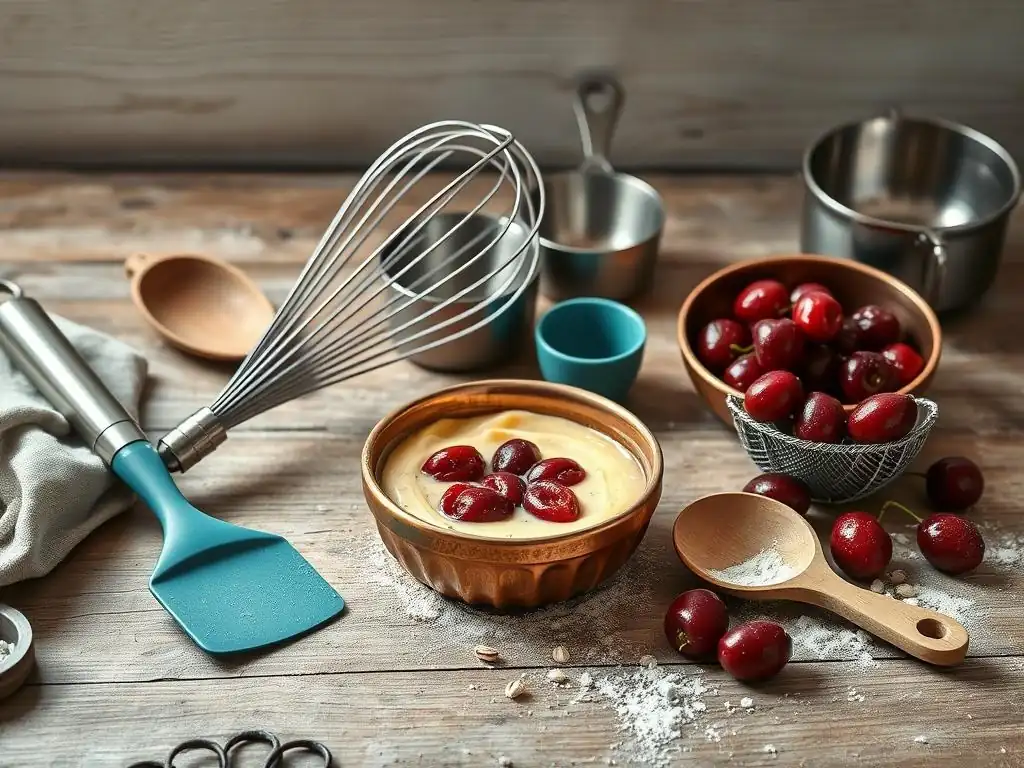
Whisks and spatulas are basic but indispensable hand tools. A whisk ( Schneebesen) is used for incorporating air into liquids like eggs or cream, smoothing out batters, and mixing dry ingredients. You'll want at least one or two of varying sizes – a balloon whisk for beating eggs and cream, and a smaller whisk for sauces or mixing small quantities.
Spatulas ( Teigschaber or Schaber) come in various forms: rubber or silicone spatulas are flexible and perfect for scraping down the sides of bowls and folding ingredients gently without deflating batters. A bench scraper ( Teigkarte), a flat metal or plastic tool with a straight edge, is invaluable for dividing dough, scraping surfaces clean, and transferring ingredients. Both types of spatulas are crucial for different stages of German baking and should be included in your German baking basics starter kit.
Rolling Pin: Achieving Even Thickness
A rolling pin ( Nudelholz or Teigrolle) is necessary for rolling out doughs for cookies, tarts, and some pastries to an even thickness. Wooden rolling pins are traditional and effective, though marble or non-stick options are also available. Some rolling pins have tapered ends, while others have a straight cylinder shape.
For a German baking basics starter kit, a simple, sturdy rolling pin is all you need. Ensuring your dough is evenly thick is key to consistent baking results, whether you're making thin Ausstecherle (cut-out cookies) or a base for a fruit tart. Lightly flouring your surface and the rolling pin prevents sticking.
Kitchen Scale: Precision in Baking
Perhaps the most important tool for accurate German baking is a digital kitchen scale ( Küchenwaage). German recipes are traditionally written using weight measurements (grams and milliliters) rather than volume (cups and spoons). This is because measuring by weight is far more accurate, especially for ingredients like flour, which can vary significantly in density depending on how it's scooped.
Using a scale ensures you are using the exact quantities intended by the recipe developer, leading to more consistent and successful results. A digital scale that can measure in grams is a non-negotiable item for any serious German baking basics starter kit. It allows you to measure ingredients directly into your mixing bowl by using the tare function (zeroing out the weight of the container), simplifying the process and reducing cleanup. Aim for a scale with a capacity of at least 5kg and precision to the nearest gram.
Getting Started: A Simple Recipe
Apple Cake (Apfelkuchen): A Beginner-Friendly Recipe
Apfelkuchen, or German Apple Cake, is a beloved classic and an excellent recipe for beginners embarking on their German baking journey with their new German baking basics starter kit. It's comforting, relatively simple, and showcases common German baking techniques and ingredients like apples, cinnamon, and often a simple batter or crumble topping. There are many variations, but a straightforward version baked in a springform pan is a great starting point.
This recipe typically involves creaming butter and sugar, adding eggs, then incorporating flour, baking powder, and milk, before folding in sliced apples and topping with a simple streusel or just baking as is. It doesn't require complex dough handling or elaborate decoration, allowing you to focus on basic mixing and baking principles. The result is a moist, flavorful cake that perfectly illustrates the simple elegance of German home baking.
Step-by-Step Instructions for Apple Cake
Here's a basic outline for a simple Apfelkuchen using your German baking basics starter kit ingredients and tools (quantities are approximate for a 24cm springform pan):
- Prepare the Pan and Oven: Preheat your oven to approximately 180°C (350°F). Grease and flour a 24cm springform pan, or line the base with parchment paper and grease the sides.
- Prepare the Apples: Peel, core, and slice about 1kg of baking apples (like Jonagold or Boskoop). Toss them with a tablespoon of lemon juice and a sprinkle of cinnamon and sugar.
- Make the Batter: Cream 150g softened butter with 150g granulated sugar until light and fluffy using a mixer or whisk. Beat in 3 large eggs one at a time. In a separate bowl, whisk together 250g Weizenmehl Type 405 or 550 with 2 teaspoons of baking powder.
- Combine Wet and Dry: Add the dry ingredients to the butter mixture alternately with 100ml milk, starting and ending with the dry ingredients. Mix until just combined – do not overmix. You can add a teaspoon of vanilla extract here if desired.
- Assemble the Cake: Pour about two-thirds of the batter into the prepared pan and spread evenly. Arrange the sliced apples over the batter. Dollop the remaining batter over the apples or gently spread it.
- Bake: Bake for 50-60 minutes, or until a wooden skewer inserted into the cake part (avoiding apples) comes out clean. If the top browns too quickly, loosely tent with foil.
- Cool: Let the cake cool in the pan for 10-15 minutes before releasing the springform sides. Cool completely on a wire rack.
Tips for Success
- Use apples specifically for baking – they hold their shape better and provide a nice tartness.
- Ensure your butter and eggs are at room temperature for easier creaming and a smoother batter.
- Measure flour using your kitchen scale for accuracy, aiming for 250g.
- Do not overmix the batter once the flour is added; this can develop too much gluten and result in a tough cake.
- Check the cake for doneness with a skewer; baking times can vary depending on your oven.
- Allow the cake to cool properly before slicing for the best texture.
- Serve Apfelkuchen plain, dusted with confectioners' sugar, or with a dollop of whipped cream or vanilla sauce ( Vanillesauce), a common German accompaniment.
Where to Buy Ingredients and Tools
Online Retailers
Finding specific German flour types like Weizenmehl Type 405 or Roggenmehl Type 1150, fresh yeast if it's not readily available locally, or specialty spices like true Bourbon vanilla sugar can sometimes be a challenge depending on where you live. Online retailers specializing in international foods or baking supplies are excellent resources. Many offer a wide range of German flours, yeasts, baking powders in traditional German packaging sizes, and unique flavorings.
Searching for "German baking supplies online" or "buy German flour" can lead you to these specialized stores. Websites like Amazon or other large online marketplaces may also carry some of these items, although the selection might be less specialized. When buying flour online, check the packaging size and expiration date, especially for fresh yeast if available. This is a convenient way to stock your German baking basics starter kit.
Local Bakeries and Specialty Stores
Don't overlook your local resources! European delis, German butcher shops (which sometimes carry pantry staples), or specialty international grocery stores in your area are great places to find authentic German baking ingredients. They are more likely to stock specific flour types, fresh yeast (often found in the refrigerated section), German-style baking powder, and traditional spices or flavorings like Vanillezucker.
Speaking with bakers at local independent bakeries might also provide leads on where they source their ingredients, or they might even sell you small quantities of professional-grade flours or fresh yeast. Visiting these stores can also offer inspiration and insights into the types of baked goods popular in the German tradition. Check ethnic food sections in larger supermarkets as well; sometimes, you can find German flour types or baking aids there.
Expanding Your Repertoire
Advanced Techniques
Once you've mastered the basics with your German baking basics starter kit, you might want to explore more advanced German baking techniques. This includes working with sourdough starters ( Sauerteig) for traditional rye and mixed-grain breads, which requires patience and understanding of fermentation. Learning to laminate dough for flaky pastries like Plunderteig (similar to Danish pastry dough) or mastering the intricate art of creating delicate layered tortes are further steps.
Other techniques involve working with specific dough consistencies, like the stiff doughs used for pretzels ( Brezeln) or the rich, yeasted doughs for Stollen. Understanding how different flours behave, adjusting hydration levels, and perfecting kneading and proofing times are all part of advancing your skills. Exploring these techniques opens the door to a wider variety of challenging and rewarding German baked goods.
German Baking Recipes to Try Next: Black Forest Cake, Stollen, Pretzels
With your German baking basics starter kit components ready and some basic skills learned, you can look forward to tackling more iconic German recipes. Schwarzwälder Kirschtorte (Black Forest Cake) is a famous layered chocolate sponge cake with cherries, cream, and Kirsch liqueur – a true classic. Stollen, a rich, fruit-filled bread often made for Christmas, is another rewarding challenge involving yeast dough, dried fruits, nuts, and marzipan.
For those interested in savory baking, mastering Brezeln (pretzels) with their unique lye bath and coarse salt topping is a satisfying goal. Other recipes to consider as you expand include Bienenstich (Bee Sting Cake), a yeast cake with a vanilla cream filling and almond topping, or various regional fruit tarts ( Obstkuchen) using seasonal produce. Each new recipe builds upon your foundational German baking basics starter kit knowledge.
Baking, especially in the German tradition, is often about sharing. The joy of creating delicious breads, cakes, and pastries is amplified when you can share them with family and friends. Bring an Apfelkuchen to a gathering, bake some Plätzchen for neighbors during the holidays, or share a homemade loaf of rye bread.
Sharing your baked goods is also a great way to get feedback, refine your skills, and spread the love for German baking. Document your journey, perhaps by taking photos of your successes (and even your learning experiences!). Connecting with other home bakers, whether online or in person, can provide support, inspiration, and new recipe ideas as you continue to explore the vast and wonderful world of German baking delights.
Conclusion: Embrace German Baking
Frequently Asked Questions
What is a German baking basics starter kit, and what are its core components?
A German baking basics starter kit is a collection of essential ingredients and tools designed for individuals new to German baking. Core components often include traditional flours, German baking powder, and a springform pan.
Why is German baking powder different from regular baking powder?
German baking powder often contains additional ingredients like acidifying agents that react differently in recipes. This can lead to a lighter and airier texture, which is crucial for many German baked goods.
What types of flour are commonly used in German baking, and why are they important?
Common flours include rye flour (Roggenmehl) and wheat flour (Weizenmehl) in various types. The ratio of these flours significantly impacts the texture and flavor of the final product.
Are there any specific tools, besides a springform pan, that are particularly helpful for German baking?
Besides a springform pan, a kitchen scale is highly recommended for accurate measurements. Also, a pastry scraper can be quite useful for working with dough and cleaning surfaces.
Where can I find authentic German baking ingredients if I don't live in Germany?
Many specialty food stores and online retailers carry German baking ingredients. Look for stores that specialize in European foods or check online marketplaces like Amazon for specific items.
Final Reflection: The Sweetness of Tradition, the Joy of Creation
Mastering the fundamentals of German baking isn't just about creating delicious treats; it's about connecting with a rich culinary heritage and unlocking a world of creative possibilities. The seemingly simple act of assembling a starter kit—a few key ingredients and tools—opens the door to a lifetime of baking adventures, from classic stollen to delicate pretzels. This journey, as we've explored, is far more rewarding than simply following a recipe.
The influence of German baking traditions extends far beyond the kitchen; it's woven into the fabric of social gatherings, family celebrations, and cultural identity. The aroma of freshly baked bread or the sight of intricately decorated cookies evokes a sense of warmth, comfort, and shared experience.
As Goethe once wrote, >“Bread is the staff of life.” But in the German context, it's more than just sustenance; it's a symbol of craftsmanship, patience, and the enduring power of tradition passed down through generations. This connection to history and community is what truly elevates the act of baking beyond a simple hobby.
Now, consider your own kitchen. What simple steps can you take to begin your own German baking journey? Perhaps it's acquiring that essential cast iron Dutch oven, or sourcing high-quality flour from a local mill. Maybe it's simply taking the time to carefully measure ingredients and follow a recipe with intention. Embrace the process, savor the experience, and allow the rich flavors and traditions of German baking to enrich your life. The journey of a thousand miles begins with a single step, and your first German-baked treat awaits.
Unlock Your Inner Bäcker: Start Baking Authentic German Treats!
Thanks for taking the time to explore the wonderful world of German baking! You've now learned the essential ingredients and tools to get started. Ready to put your newfound knowledge to the test?
- Bake your first German cake: Choose a recipe from your favorite German cookbook or search online (we recommend starting with a simple butter cake – Butterkuchen is a great option!). This is your chance to truly experience the magic of German baking.
- Share your baking journey: Show off your creations and tag #BakeWithEaseGermanBaking on social media – let's build a community of aspiring German bakers!
- Explore other traditional recipes: From pretzels to stollen, the possibilities are endless! What other classic German baked goods are you eager to try?
What German treat will you bake first, and what are you most excited to learn about next?