
Fixing Brown Sugar Clumps in Cookie Dough for Smooth, Even Texture

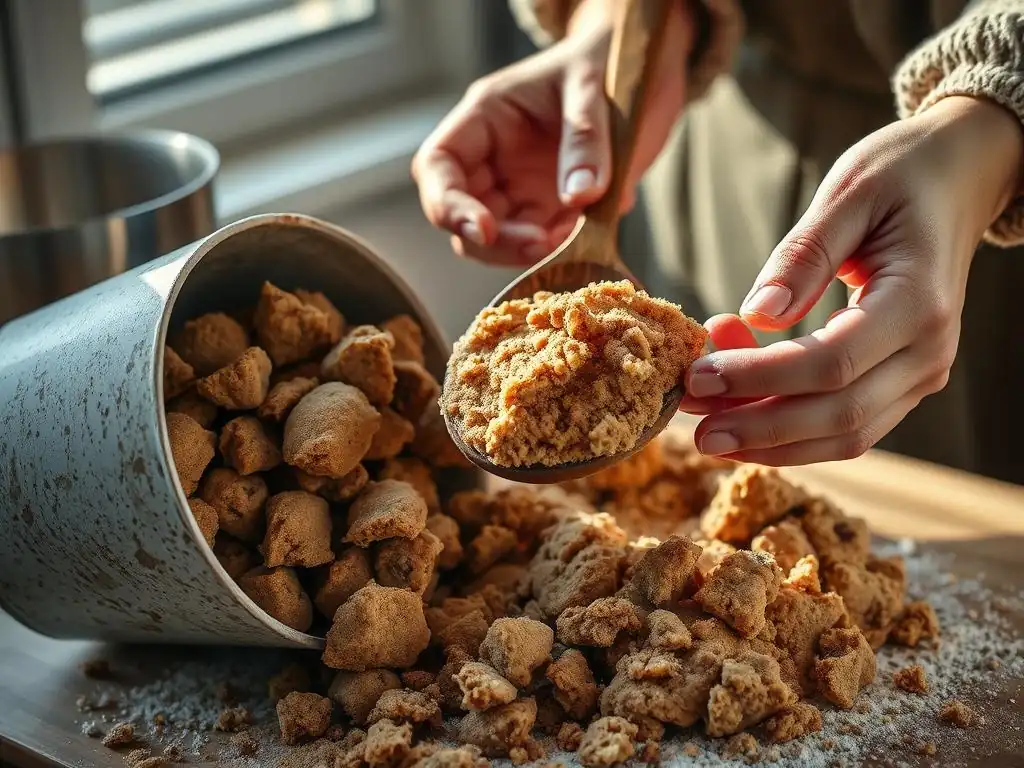
Welcome to BakeWithEase, your haven for all things baking! Ever wrestled with frustratingly stubborn brown sugar clumps that sabotage your perfectly planned cookie dough? You're not alone! This guide dives deep into fixing those pesky clumps and achieving that irresistibly smooth, even texture you crave. Discover the secrets and say goodbye to gritty cookies forever – let's conquer those brown sugar clumps and bake with confidence!
- Understanding Brown Sugar and Why It Clumps
- Identifying Brown Sugar Clumps in Your Cookie Dough
- Solutions: How to Fix Brown Sugar Clumps in Cookie Dough
- Preventing Brown Sugar Clumps in the Future
- Troubleshooting: What If My Cookie Dough Is Still Lumpy?
- Achieving Perfect Cookie Texture: The Importance of Smooth Brown Sugar Integration
-
Frequently Asked Questions
- How do brown sugar clumps affect cookie dough?
- What is the best way to prevent brown sugar from clumping in the first place?
- What if my brown sugar is already clumped? Can I still use it?
- What if I've already added clumped brown sugar to my cookie dough?
- Does the type of brown sugar (light vs. dark) impact how it clumps?
- Final Reflection: The Sweet Science of Perfectly Smooth Cookie Dough
- Unlock Perfectly Smooth Cookies: Take Action Now!
Understanding Brown Sugar and Why It Clumps
What is Brown Sugar Made Of? Molasses and Granulated Sugar
Brown sugar is essentially granulated white sugar with the addition of molasses. It's the molasses that gives brown sugar its distinctive color, flavor, and moist texture. Light brown sugar contains less molasses, typically around 3.5% by weight, resulting in a milder flavor and lighter color. Dark brown sugar, on the other hand, contains more molasses, usually around 6.5% by weight, which imparts a richer, deeper flavor and a darker hue. This molasses content is crucial because it contains natural moisture and contributes to the chewiness often desired in cookies.
The presence of molasses is what differentiates brown sugar from its white granulated counterpart. While white sugar is processed to remove all molasses, brown sugar retains it or has it added back. This addition of molasses makes brown sugar more hygroscopic, meaning it readily absorbs and retains moisture from its surroundings. This property is a double-edged sword: it provides that lovely moistness in baked goods but also makes the sugar susceptible to hardening and forming brown sugar clumps in cookie dough if not stored correctly.
Why Does Brown Sugar Harden and Clump? The Science Behind the Clusters
The primary reason brown sugar hardens and forms brown sugar clumps is moisture loss. Brown sugar is naturally moist due to its molasses content, typically holding about 10-15% moisture when fresh. When exposed to air, this moisture evaporates. As the water leaves, the sugar crystals are left behind, and the sticky molasses acts like a glue, binding the dried-out crystals together into hard, solid masses. This process is accelerated in dry environments or when the sugar is stored in a container that isn't airtight.
Think of it like a damp sandcastle drying in the sun. The water evaporates, and the sand grains stick together. Similarly, as the moisture in brown sugar evaporates, the sugar crystals, coated in molasses, solidify and bond together, creating those frustrating brown sugar clumps you find when you reach for your bag to make cookie dough. Preventing this hardening is key to avoiding brown sugar clumps in cookie dough from the start.
Brown sugar clumps in cookie dough can significantly impact the final texture of your cookies. When you cream butter and sugar, the goal is to create air pockets that expand during baking, contributing to the cookie's rise and structure. If brown sugar is added in hard lumps, these lumps won't dissolve or disperse evenly into the butter. This means the sugar isn't properly distributed, and the creaming process isn't as effective in aerating the dough.
During baking, these unevenly distributed sugar lumps can melt at different rates and create pockets of concentrated sugar. This can lead to inconsistent texture within a single cookie – some parts might be overly chewy or even hard where the clumps were, while other areas might be softer or more brittle. Ultimately, failing to address brown sugar clumps in cookie dough results in cookies with an undesirable, non-uniform texture, deviating from the perfectly chewy or crisp result you might be aiming for.
Recognizing the Signs: How to Spot Clumpy Brown Sugar
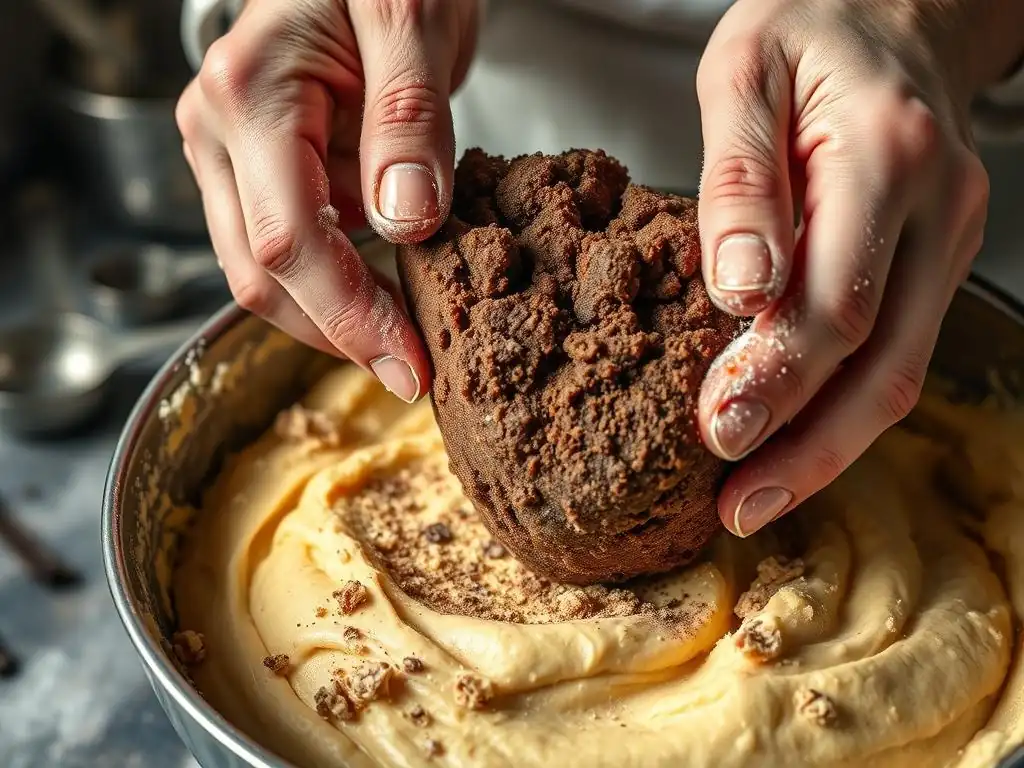
Spotting brown sugar clumps before they ruin your cookie dough is quite straightforward. The most obvious sign is visible, hard lumps when you open the bag or container. Instead of the soft, pliable texture of fresh brown sugar that you can easily press and mold, hardened brown sugar will feel solid and resistant to breaking apart with light pressure. You might see chunks ranging from pea-sized pebbles to larger, rock-hard masses.
Even if the sugar doesn't look like a solid brick, feel it. Good brown sugar should be slightly moist and crumbly, easily breaking apart when squeezed gently. If it feels dry, granular, and resists breaking apart, it's likely beginning to harden and will form brown sugar clumps in cookie dough if used as is. Checking the texture before you start measuring ingredients is a simple preventative step.
The Consequences of Baking with Lumpy Brown Sugar
Baking with lumpy brown sugar directly impacts the consistency and appearance of your finished cookies. As mentioned, the uneven distribution of sugar leads to textural inconsistencies. Imagine a chocolate chip cookie where one bite is perfectly soft and chewy, but the next hits a hard, overly sweet spot where a sugar clump didn't fully dissolve. This makes for an unpleasant eating experience.
Beyond texture, brown sugar clumps can also affect the spread and browning of your cookies. Sugar helps cookies spread as it melts. Large clumps might melt slower or differently than the surrounding dough, leading to uneven spreading. This can result in cookies that look misshapen or have irregular edges. Furthermore, the concentrated sugar in clumps can caramelize more intensely, potentially leading to darker, harder spots on the cookie surface compared to the rest of the batch. Addressing brown sugar clumps in cookie dough is essential for achieving consistent, appealing results.
Method 1: Breaking Down Clumps Manually
Using a Fork or Your Fingers to Disperse Brown Sugar Lumps
For mild brown sugar clumps in cookie dough, or when the sugar is only slightly hardened, you can often break them up manually. Start by transferring the clumpy brown sugar to a bowl. Use a sturdy fork to press down on the lumps, breaking them into smaller pieces. You can also use your fingers to pinch and crumble the smaller clumps. The goal is to return the sugar to a fine, granular consistency.
- Transfer sugar to a bowl.
- Use a fork to mash larger lumps.
- Pinch smaller clumps with fingers.
- Continue until no hard lumps remain.
This method is best for sugar that isn't rock-hard. If the clumps are very resistant, you might need a more aggressive approach or one of the softening methods below. It's important to be thorough; even small, hard grains can impact texture.
Sifting Brown Sugar for a Finer Texture
Sifting is an effective way to deal with brown sugar clumps in cookie dough, especially if the sugar is just a little dry or has small lumps. Place a fine-mesh sieve over a bowl. Add the brown sugar to the sieve. Use a spoon or your fingers to gently push the sugar through the mesh. The sieve will catch any remaining brown sugar clumps, which you can then break up manually or discard if they are too hard.
Sifting not only removes lumps but also helps to aerate the sugar slightly, which can be beneficial when creaming it with butter. If the sugar is very clumpy, you may need to sift it in batches. For very hard clumps, you might need to press firmly with the back of a spoon or use a fork to help break them up before they pass through the sieve. This ensures all brown sugar clumps are removed, leading to smoother cookie dough.
Method 2: Softening Hardened Brown Sugar Before Adding to Dough
Microwave Method: Quickly Soften Brown Sugar
When you have hard brown sugar clumps and need to make cookie dough now, the microwave is your fastest friend. Place the hardened brown sugar in a microwave-safe bowl. Add a damp paper towel – not dripping wet, just damp – and place it directly on top of the sugar or tucked inside the bowl. Microwave on high power for 20-30 seconds. The moisture from the towel will create a steamy environment that helps the sugar crystals relax and soften.
After microwaving, the sugar should be warm and soft. Carefully remove the damp paper towel and immediately break up any remaining lumps with a fork. Be cautious, as the sugar can get quite warm. This method works by rapidly introducing moisture back into the sugar. However, it's a temporary fix; if you don't use the sugar right away, it can reharden as it cools and dries out again. Use the softened sugar immediately in your cookie dough recipe.
Overnight Softening: Using Bread or Apple Slices
For a gentler, longer-term solution to brown sugar clumps, you can use the bread or apple slice trick. Place the hardened brown sugar in an airtight container or a zip-top bag. Add a slice of fresh bread or a few apple slices directly into the container with the sugar. Seal the container tightly. Over several hours or overnight, the moisture from the bread or apple will be absorbed by the brown sugar, softening it naturally.
Check the sugar after about 8-12 hours. It should be soft and pliable again. Remove the bread or apple slice before using the sugar to make your cookie dough. Make sure to remove the bread or apple before storing the sugar long-term, or it can become moldy. This method is effective because it relies on the principle of equilibrium: the dry sugar absorbs moisture from the more humid environment created by the bread or fruit.
The Damp Paper Towel Trick for Softening Brown Sugar
Similar to the microwave method but without the heat, you can soften brown sugar clumps using a damp paper towel in an airtight container. Place the hardened brown sugar in a bowl or container. Dampen a paper towel, wring out excess water so it's just damp (not wet), and place it on top of the sugar or tuck it alongside it. Seal the container tightly. Let it sit for an hour or two, or even longer for very hard sugar.
The sealed environment allows the moisture from the paper towel to slowly rehydrate the brown sugar. Check the sugar periodically and break up lumps as they soften. Replace the paper towel if it dries out. This method is slower than microwaving but doesn't require heat and allows for more controlled softening. Once soft, use the sugar promptly to avoid it rehardening and causing brown sugar clumps in cookie dough later.
Creaming Butter and Sugar: The Importance of Thorough Mixing
The creaming process is a crucial step in many cookie recipes, and it's where brown sugar is typically introduced with butter. Proper creaming involves beating softened butter and sugar together until the mixture becomes light, fluffy, and pale in color. This process not only dissolves the sugar crystals but also incorporates air into the butter, creating pockets that contribute to the cookie's texture and lift during baking. If you start with brown sugar clumps, they won't dissolve properly during this stage.
For best results, ensure your butter is softened (not melted) to room temperature, around 65-70°F (18-21°C). Beat the butter alone for a few seconds to make it creamy, then add the brown sugar. Beat on medium speed for several minutes (typically 3-5 minutes, depending on the recipe and mixer) until the mixture is visibly lighter and airy. This thorough mixing helps ensure that even if there were tiny undetectable brown sugar clumps, they are fully dispersed and dissolved, setting the stage for smooth cookie dough.
Adding Brown Sugar Gradually for Even Distribution
While many recipes call for adding all the sugar at once when creaming with butter, adding brown sugar gradually can sometimes help ensure more even distribution, especially if you are concerned about potential brown sugar clumps or uneven mixing. You can add about one-third of the brown sugar to the softened butter, cream until well combined, then add the next third, and so on.
Adding the sugar in increments allows each portion to be fully incorporated into the butter before adding more. This reduces the chance of pockets of undissolved sugar forming. While not strictly necessary if you've ensured your brown sugar is lump-free and you cream thoroughly, it's an extra step you can take to guarantee smooth cookie dough and prevent brown sugar clumps from impacting the final texture.
Preventing Brown Sugar Clumps in the Future
Proper Brown Sugar Storage: Airtight Containers are Key
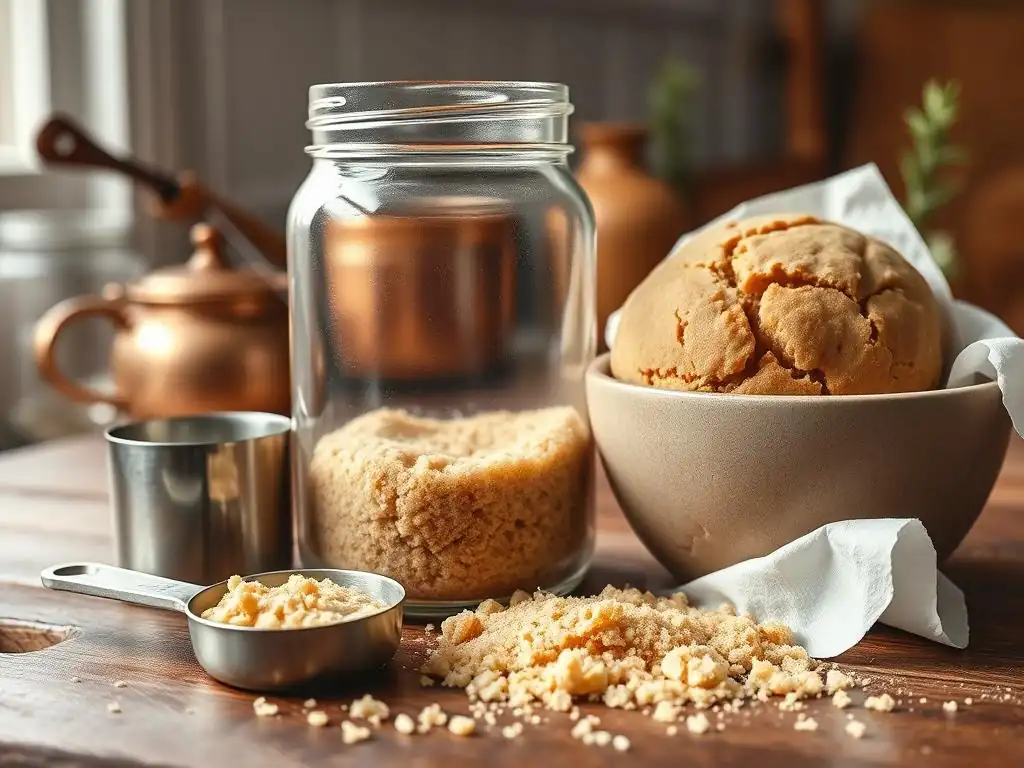
The most effective way to prevent brown sugar clumps is proper storage. Since moisture loss is the culprit, storing brown sugar in an airtight container is paramount. The original plastic bag from the grocery store, even if clipped shut, is often not sufficient to prevent air from entering. Transfer the brown sugar to a rigid plastic container with a tight-fitting lid, a glass jar with a rubber seal, or a high-quality zip-top bag specifically designed for long-term food storage.
Ensure the container is completely sealed after each use. This barrier prevents air circulation, significantly slowing down the rate at which moisture can evaporate from the sugar. Storing it this way creates a stable environment where the sugar retains its natural moisture content, keeping it soft and preventing the formation of hard brown sugar clumps.
Maintaining Humidity Levels: Preventing Hardening
Beyond just airtight storage, consider the environment where you keep your brown sugar. Storing it in a cool, dry pantry is standard, but extremely dry conditions can still contribute to hardening over very long periods, even in an airtight container if it's not perfectly sealed. Avoid storing brown sugar near sources of heat or in direct sunlight, as temperature fluctuations can also affect its texture.
For optimal long-term storage and to actively maintain humidity, consider adding a moisture-retaining element to your airtight container. This brings us to the next tip, but the principle is to ensure the sugar is not in an overly dry environment, which is the main trigger for brown sugar clumps.
Tips for Keeping Brown Sugar Soft and Clump-Free Long-Term
To actively keep brown sugar soft and prevent brown sugar clumps over extended periods, many bakers use special tools or simple household items. A terra cotta brown sugar saver, often shaped like a disc or bear, is a popular choice. You soak the saver in water for about 15-20 minutes, pat it dry, and then place it in the airtight container with the brown sugar. The terra cotta slowly releases moisture, keeping the sugar soft.
Alternatively, you can use a fresh marshmallow, a slice of bread, or a few apple slices (removed after a day or two) placed inside the airtight container. These items release moisture into the container, helping to keep the brown sugar soft. Remember to replace the bread or apple slice periodically if you use them for long-term storage to prevent mold. Using a brown sugar saver or one of these simple additions within an airtight container is the best strategy for keeping your brown sugar ready for making smooth cookie dough without brown sugar clumps.
Identifying Remaining Clumps and How to Handle Them
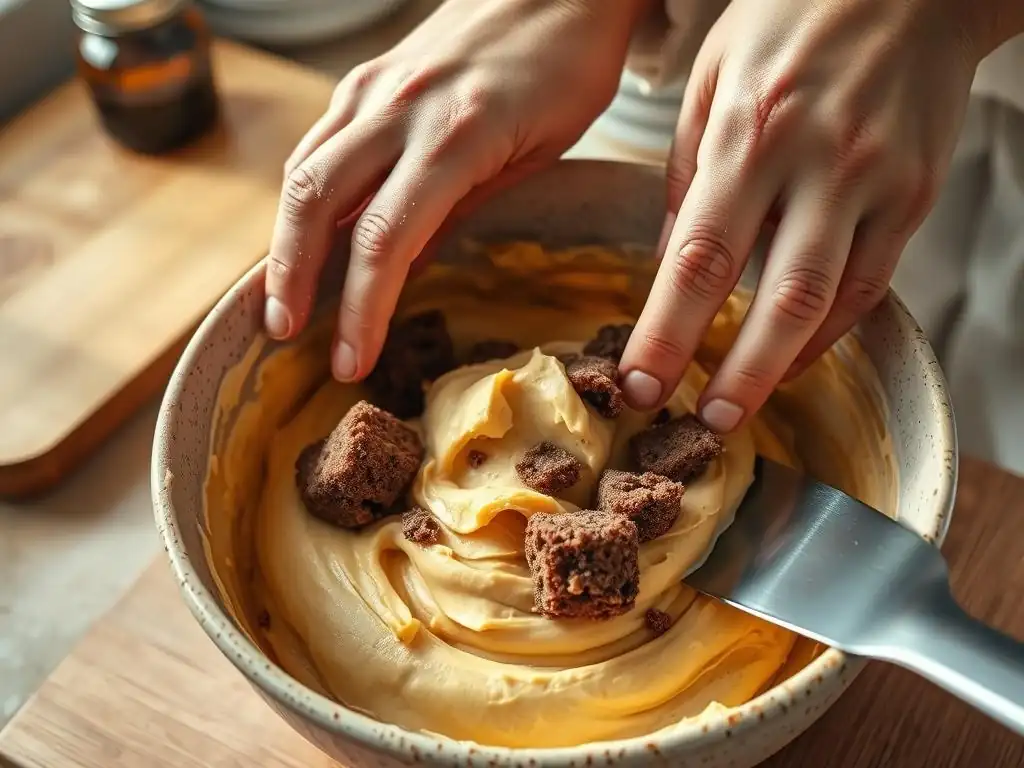
Even after attempting to soften or break down brown sugar, you might discover some persistent brown sugar clumps while mixing your cookie dough. This usually happens during the initial creaming of butter and sugar or when adding dry ingredients. If you spot hard lumps in the dough before adding eggs or flour, try to break them up manually with a sturdy spatula or your hands if the dough isn't too sticky yet.
If the dough is already well-mixed and sticky, picking out individual brown sugar clumps might be tedious but necessary for smooth results. Gently knead the dough a few times to see if the lumps can be worked in, but be careful not to overmix, which can develop gluten and make cookies tough. If the clumps are small but numerous, they might slightly affect texture but could be acceptable depending on your desired outcome. For large, hard clumps, removing them is usually the best course of action to prevent uneven baking and texture.
Adjusting Baking Time and Temperature for Uneven Dough
If you end up baking cookie dough that still contains significant brown sugar clumps, you might need to make slight adjustments during the baking process. Uneven distribution of sugar can lead to uneven browning and spreading. Keep a close eye on the cookies as they bake. Areas with sugar clumps might brown faster or become crispier.
It might be necessary to reduce the baking time slightly or lower the oven temperature by about 10-15°F (5-8°C) to prevent the areas with sugar clumps from burning before the rest of the cookie is done. Alternatively, you could try rotating the baking sheet halfway through the baking time to ensure more even heat distribution. Be prepared for some variation in your batch, but these small adjustments can help mitigate the negative effects of brown sugar clumps in cookie dough.
Achieving smooth cookie dough is fundamental to baking success, particularly when using ingredients like brown sugar that significantly impact texture. Smooth dough indicates that all ingredients, including the brown sugar, are evenly distributed and properly emulsified. This means the fat (butter), sugar, and later, wet and dry ingredients are uniformly combined. When brown sugar is smooth and lump-free, it dissolves correctly during creaming, creating the necessary air pockets and ensuring the sugar's moisture and flavor are spread throughout the dough.
Uniform dough consistency leads to predictable results. Each cookie from the batch will have a similar structure, spread, and texture. This consistency is what separates a good baker from a great one! Starting with smooth, clump-free brown sugar is a simple but critical step towards achieving that desired chewy, crisp, or tender texture that makes homemade cookies so satisfying. Avoiding brown sugar clumps in cookie dough is not just about appearance; it's about foundational dough structure.
Beyond ensuring your brown sugar is lump-free, a few other tips can help you achieve perfectly textured cookies. Always use ingredients at the temperature specified in the recipe, especially butter and eggs, as this affects how they incorporate into the dough. Creaming the butter and sugar for the recommended time is vital for aeration and dissolving the sugar – don't rush this step.
Measure your ingredients accurately, using a kitchen scale for best results, particularly for flour and sugar. Over-measuring flour is a common cause of tough cookies. Finally, avoid overmixing once the dry ingredients are added; mix only until just combined. By starting with smooth brown sugar and following these basic baking principles, you'll minimize the chances of encountering brown sugar clumps in cookie dough and maximize your success in baking consistently delicious, evenly textured cookies every time.
Frequently Asked Questions
Brown sugar clumps can lead to an uneven distribution of sweetness and moisture in your cookie dough, resulting in cookies with a varying texture. Some cookies may be dry, while others are overly sweet.
What is the best way to prevent brown sugar from clumping in the first place?
The best way to prevent clumping is to store brown sugar in an airtight container with a moisture source, like a marshmallow or a slice of apple. This keeps the sugar soft and pliable.
What if my brown sugar is already clumped? Can I still use it?
Yes, you can still use clumped brown sugar! You can try breaking it up with a fork or your fingers. For stubborn clumps, microwave it briefly with a damp paper towel to soften the sugar.
If you've already added clumped brown sugar, try using a stand mixer or hand mixer to really incorporate the sugar and break down the clumps. You might also need to add a tiny bit more liquid if the dough seems dry.
Does the type of brown sugar (light vs. dark) impact how it clumps?
While both types can clump, dark brown sugar tends to clump more due to its higher molasses content. Regardless, proper storage is key to preventing clumping issues with either type.
The quest for the perfect cookie begins, surprisingly, not in the oven, but in the bowl. A seemingly minor detail—brown sugar clumps—can derail an entire baking project, resulting in unevenly baked cookies and a less-than-ideal texture. This article has explored the science behind these frustrating clumps and offered practical solutions to ensure your cookie dough is smooth, consistent, and ready to deliver delicious results.
The seemingly simple act of baking cookies reveals a deeper truth about the importance of attention to detail. It's a microcosm of life itself, where seemingly small imperfections can have a significant impact on the final outcome. The details are not the details. They make the design.
- Charles Eames. This quote perfectly encapsulates the importance of addressing the seemingly insignificant issue of brown sugar clumps, highlighting how even the smallest elements contribute to the overall success of a project, be it baking cookies or tackling a larger life goal.
Now, consider your own projects, big or small. Are there "brown sugar clumps" in your life—obstacles or imperfections that you've overlooked or underestimated? Take a moment to reflect on this. Identify those areas where meticulous attention to detail could yield significant improvements. By embracing the lessons learned from tackling brown sugar clumps, you can approach your own endeavors with renewed focus and precision, achieving results that are not just good, but truly exceptional. Don't let those little clumps hold you back from achieving cookie dough perfection, or anything else you set your mind to.
Thanks for joining us on this baking adventure! We hope you learned valuable tips to conquer those pesky brown sugar clumps and achieve flawlessly smooth cookie dough. Ready to put your new skills to the test?
- Bake a batch of your favorite cookies today! Use your newly mastered clump-busting technique and see the difference in texture.
- Share your baking triumph on social media and tag us @BakeWithEase – we’d love to see your perfectly smooth cookies!
- Explore more baking tips and tricks on our website – we’ve got plenty of other secrets to unlock your baking potential!
What's your favorite cookie recipe to use this newfound brown sugar wisdom on? Let us know in the comments!