
Using Enzymes as Natural Leaveners: Amylases and Proteases Explained

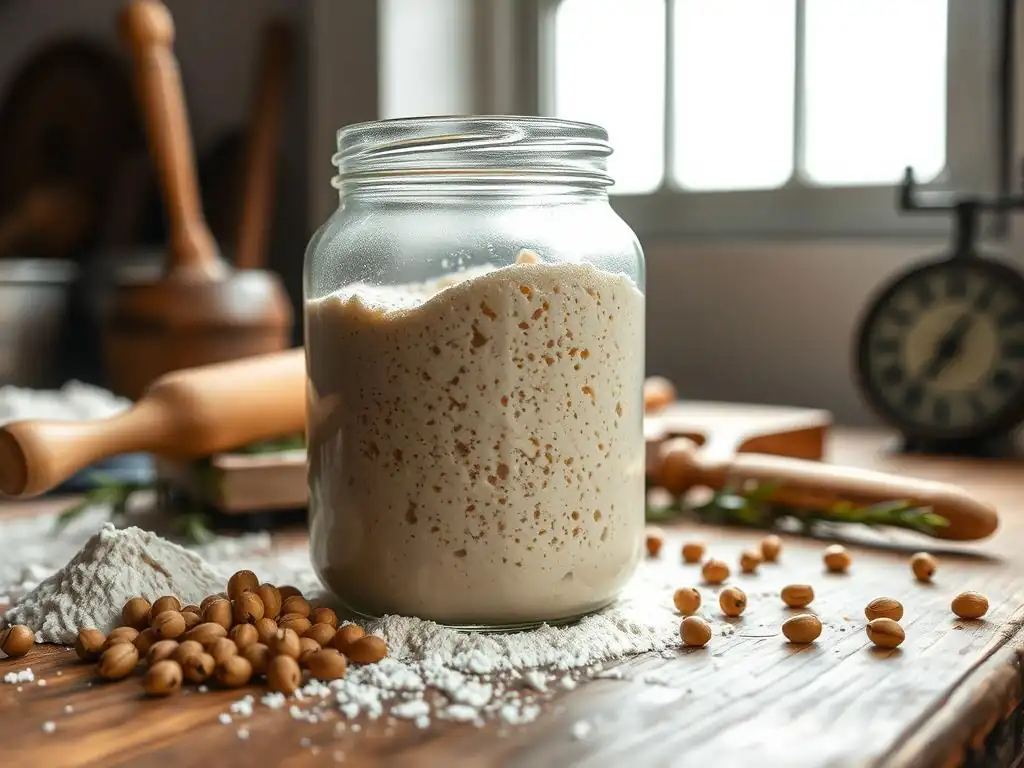
Welcome to BakeWithEase, your trusted guide to confident baking! Ever wondered how enzymes, those tiny powerhouses, can dramatically impact your sourdough? This article dives deep into the fascinating world of natural sourdough starter enzyme tips, specifically exploring amylases and proteases. Discover how these natural leaveners can unlock a whole new level of flavor and texture in your bread, and learn how to harness their power for baking success. Ready to elevate your sourdough game? Let's get baking!
- Introduction to Natural Leavening with Enzymes
- Amylases: The Key to Starch Breakdown in Sourdough
- Proteases: Enhancing Gluten Development and Dough Relaxation
- Amylases vs. Proteases: A Comparison of Enzyme Functions in Sourdough
- Factors Affecting Enzyme Activity in Sourdough
- Practical Tips for Utilizing Enzymes in Your Sourdough Baking
- The Benefits of Natural Enzyme Leavening
- Sourdough Recipes with Optimized Enzyme Activity
- Conclusion: Mastering Natural Leavening with Enzyme Knowledge
-
Frequently Asked Questions
- How do enzymes in sourdough starters contribute to the baking process?
- What are amylases, and what role do they play in sourdough baking?
- What are proteases, and how do they affect the quality of sourdough bread?
- How can I encourage enzyme activity in my sourdough starter for optimal results?
- Are there any specific ingredients I should avoid that might inhibit enzyme activity in my sourdough starter?
- Final Reflection: The Untapped Potential of Natural Leaveners
- Unleash the Power of Natural Leaveners!
Introduction to Natural Leavening with Enzymes
Understanding the Power of Enzymes in Baking
Enzymes are the often-unsung heroes behind many transformations in the kitchen, and in the world of sourdough baking, they play a particularly crucial role. These biological catalysts, naturally present in flour and produced by the microorganisms in your natural sourdough starter, are essential for developing the complex flavors, textures, and rise that define great sourdough bread. Understanding how these tiny powerhouses work can significantly elevate your baking game, transforming inconsistent loaves into reliably delicious masterpieces. They are key components in the natural leavening process.
Beyond just providing lift, the enzymatic activity within your dough influences everything from the sweetness and caramelization of the crust to the structure and digestibility of the crumb. Mastering the conditions that affect these enzymes is one of the most valuable natural sourdough starter enzyme tips you can acquire. It involves controlling factors like temperature, hydration, and fermentation time to coax the best performance from the enzymes present, ensuring optimal dough development and a perfect bake.
What are Enzymes and How Do They Contribute to Leavening?
Enzymes are proteins that act as catalysts, accelerating specific biochemical reactions without being consumed in the process. In baking, particularly with natural leaveners like sourdough, the most relevant enzymes break down larger molecules into smaller ones. This breakdown is critical because the yeast and bacteria in your starter feed on these simpler sugars, producing carbon dioxide gas and organic acids – the twin pillars of sourdough leavening and flavor development.
The contribution of enzymes to leavening is indirect but fundamental. While yeast directly produces the CO₂ gas that makes the dough rise, they can only ferment simple sugars like glucose and fructose. Flour primarily contains complex carbohydrates (starch) and proteins (gluten). Enzymes break down starch into fermentable sugars and modify the protein structure, making the dough more extensible and capable of trapping the gas produced by fermentation. This intricate enzymatic activity is a cornerstone of effective natural leavening with sourdough.
Amylases: The Key to Starch Breakdown in Sourdough
Understanding Amylase Activity in Sourdough Starters
Amylases are a group of enzymes specifically designed to break down starch, a complex carbohydrate that makes up the bulk of flour. In a sourdough starter and subsequently in the dough, amylases work by cleaving the long chains of starch molecules (amylose and amylopectin) into smaller sugar units, primarily maltose, and some glucose and fructose. These simpler sugars are readily consumed by the yeast and lactic acid bacteria in your starter, fueling their metabolic activity and the production of gases and acids necessary for leavening and flavor.
The flour itself contains some inherent amylase activity (known as alpha-amylase and beta-amylase), and the microorganisms in your sourdough starter also contribute their own amylases. The activity level of these enzymes varies depending on the type of flour used (e.g., rye flour is typically higher in amylase than wheat flour) and the health and maturity of your starter. Sufficient amylase activity ensures a steady supply of fermentable sugars, preventing the starter and dough from running out of fuel before fermentation is complete, which is a common challenge in achieving good natural leavening.
How Amylases Impact Sourdough Texture and Flavor
The breakdown of starch by amylases has profound effects on both the texture and flavor of the final sourdough bread. By converting starch into sugars, amylases provide the necessary food source for fermentation, leading to robust gas production and a well-risen loaf with a desirable open crumb structure. Without adequate amylase activity, fermentation can stall, resulting in a dense, heavy bread.
Furthermore, the sugars produced by amylase action contribute directly to the flavor and crust development. These sugars participate in the Maillard reaction during baking, leading to the rich brown color and complex, slightly sweet notes in the crust. They also influence the crumb's softness and moisture retention. Understanding these impacts is crucial for applying effective natural sourdough starter enzyme tips to achieve your desired bread characteristics.
Optimizing Amylase Activity for Better Bread
To optimize amylase activity in your natural sourdough starter and dough, several factors can be controlled. Temperature is a major influence; alpha-amylase, for instance, is most active in the range of 50°C to 70°C (122°F to 158°F), although it still functions at lower proofing temperatures (around 20°C to 30°C or 68°F to 86°F). Beta-amylase is more active at slightly lower temperatures, closer to typical fermentation temperatures. Maintaining your starter and dough within optimal temperature ranges during different stages can enhance amylase function.
Hydration also plays a role; amylases require water to function effectively. A well-hydrated dough allows enzymes to move and interact with starch molecules more readily. The type of flour chosen significantly impacts amylase levels; flours with higher inherent enzyme activity, like rye or whole wheat, can contribute more sugars to fermentation compared to refined white flour, potentially leading to faster or more vigorous fermentation. Adjusting your process based on these factors is key to applying effective natural sourdough starter enzyme tips.
Proteases: Enhancing Gluten Development and Dough Relaxation
The Role of Proteases in Gluten Modification
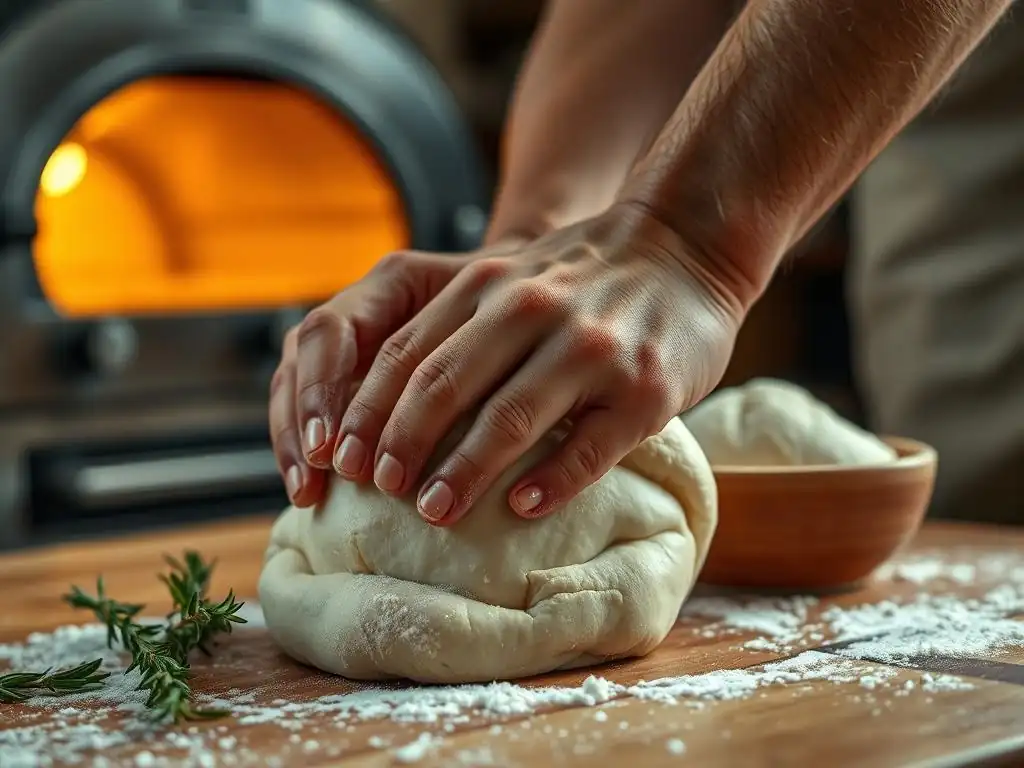
Proteases are enzymes that break down proteins. In wheat-based sourdough baking, their primary target is gluten, the network of proteins (gliadin and glutenin) that gives dough its strength and elasticity. Proteases work by cleaving the peptide bonds within the gluten proteins, effectively weakening and modifying the gluten structure. This process, known as proteolysis, is essential for transforming a stiff, unmanageable dough into one that is extensible, pliable, and capable of expanding without tearing.
While a strong gluten network is necessary to trap the CO₂ gas produced by yeast, excessive strength can make the dough difficult to shape and result in a tight, dense crumb. Protease activity helps to relax the dough, making it easier to handle and allowing for better oven spring. However, too much protease activity can degrade the gluten excessively, leading to a sticky, slack dough that collapses rather than rises, highlighting the delicate balance required.
How Proteases Contribute to a Softer, More Digestible Bread
The controlled action of proteases contributes significantly to the texture and digestibility of sourdough bread. By partially breaking down the gluten proteins, proteases help create a more tender and softer crumb structure. This modification makes the bread less chewy and gives it a more pleasant mouthfeel. It also contributes to the characteristic airy structure seen in well-fermented sourdough loaves.
Furthermore, the partial breakdown of proteins by proteases can make the bread more digestible for some individuals. While sourdough fermentation itself reduces certain compounds that can cause digestive discomfort, protease activity further assists in breaking down complex protein structures into simpler peptides and amino acids. This makes the nutrients more readily available and potentially reduces the burden on the digestive system, adding another layer to the benefits of natural leavening with enzymes.
Managing Protease Activity for Optimal Dough Performance
Managing protease activity is crucial for achieving optimal dough performance. Like amylases, proteases are influenced by temperature and pH. Proteases in sourdough are generally more active in a slightly acidic environment, typical of a well-maintained sourdough starter (pH typically ranging from 3.5 to 4.5). Their activity also increases with temperature, although excessive heat can denature them. Most protease activity relevant to dough structure occurs during the bulk fermentation and proofing stages at ambient or refrigerated temperatures.
The type of flour is also a major factor; whole wheat and rye flours generally have higher protease activity than refined white flour. Using a significant proportion of these flours will naturally increase protease action in your dough. Over-fermentation, especially at warm temperatures, can lead to excessive protease activity and gluten degradation, resulting in a gummy crumb or a dough that loses its shape. Experienced bakers learn to balance fermentation time, temperature, and flour type to manage protease action effectively, applying key natural sourdough starter enzyme tips.
Amylases vs. Proteases: A Comparison of Enzyme Functions in Sourdough
Key Differences Between Amylase and Protease Action
While both amylases and proteases are vital enzymes in sourdough baking, they target different substrates and serve distinct purposes. Amylases focus on breaking down complex carbohydrates (starch) into simple sugars, which are the food source for the yeast and bacteria. Their primary role is to fuel fermentation and contribute to crust browning and flavor. Think of amylases as the energy providers.
Proteases, on the other hand, target proteins, specifically the gluten network in wheat dough. Their main function is to modify and relax the gluten structure, improving dough extensibility, texture, and potentially digestibility. Think of proteases as the dough conditioners. While amylases enable the gas production that causes rise, proteases ensure the dough is strong enough to hold that gas but relaxed enough to expand properly.
Synergistic Effects: How Amylases and Proteases Work Together
Despite their different roles, amylases and proteases work synergistically in sourdough baking to create the desired bread characteristics. Amylases provide the sugars that allow the microorganisms to thrive and produce gas and acids. These acids lower the pH, which, in turn, influences the activity levels of both amylases and proteases.
For instance, the slightly acidic environment of sourdough is beneficial for protease activity, which then modifies the gluten. This modified gluten allows the dough to expand more readily as the CO₂ produced by the sugar-fed microorganisms (thanks to amylases) accumulates. The combined action ensures that the dough both rises effectively and develops a desirable texture, showcasing the intricate interplay of natural sourdough starter enzyme tips and microbial activity.
Factors Affecting Enzyme Activity in Sourdough

Temperature's Influence on Enzyme Activity
Temperature is perhaps the most significant factor influencing enzyme activity in sourdough. Each enzyme has an optimal temperature range where it functions most efficiently. For instance, typical sourdough fermentation temperatures (20-25°C or 68-77°F) are good for beta-amylase activity, which produces maltose. Alpha-amylase, while more heat-stable and active at higher temperatures (like during baking), still functions at these lower temperatures, albeit slower, providing a steady supply of sugars. Proteases also function within typical fermentation ranges, increasing activity with warmth.
Proofing at warmer temperatures (e.g., 26-28°C or 79-82°F) can accelerate both amylase and protease activity, speeding up fermentation and dough development. Conversely, cold proofing in the refrigerator (4-5°C or 39-41°F) significantly slows down enzyme activity, allowing for a longer fermentation period which develops more complex flavors, though enzyme action doesn't stop entirely. Controlling dough temperature is a fundamental natural sourdough starter enzyme tip.
pH Levels and Their Impact on Enzyme Function
The pH level of the sourdough starter and dough significantly impacts enzyme activity. Sourdough is acidic, typically ranging from pH 3.5 to 4.5 for a mature starter. This acidic environment is generally favorable for the proteases found in flour and sourdough microorganisms, enhancing their protein-breaking capabilities.
While amylases can function over a wider pH range, their optimal pH is typically closer to neutral (around pH 5.0-6.0). The lower pH of sourdough can slightly reduce amylase efficiency compared to a less acidic environment, but there is still sufficient activity to break down starch. The balance of acid production by lactic acid bacteria (which lowers pH) and enzyme activity is a complex interplay that defines sourdough characteristics. Maintaining a healthy starter with a stable pH is a key natural sourdough starter enzyme tip.
Hydration and Its Role in Enzyme Leavening
Water is essential for enzymatic reactions to occur. Enzymes and their substrates (starch and protein) need to be dissolved or dispersed in water for effective interaction. Higher hydration levels in dough (e.g., 75% hydration or more) generally promote greater enzyme activity compared to drier doughs (e.g., 60% hydration).
In a wetter dough, enzymes can move more freely and access the starch and protein molecules more easily, leading to more efficient breakdown. This is one reason why high-hydration doughs often ferment faster and can sometimes develop a more open crumb, provided the gluten structure is strong enough to support it. Proper hydration is thus indirectly a crucial natural sourdough starter enzyme tip.
The Influence of Flour Type on Enzyme Activity
The type of flour used has a direct and significant impact on the inherent enzyme activity in your sourdough. Whole grain flours, such as whole wheat and rye, contain higher levels of both amylases and proteases compared to refined white flour, where much of the bran and germ (where many enzymes reside) has been removed.
Using flours high in amylase, like rye, will lead to rapid starch breakdown and sugar production, potentially resulting in faster fermentation and a slightly stickier dough due to increased sugar content. Flours high in protease, like some whole wheat or rye flours, will result in faster gluten breakdown and dough relaxation. Bakers often blend flours to balance enzyme activity and achieve desired dough handling and bread characteristics, a practical application of natural sourdough starter enzyme tips.
Practical Tips for Utilizing Enzymes in Your Sourdough Baking
Monitoring Your Sourdough Starter's Enzyme Activity
Monitoring enzyme activity in your starter isn't something you typically do with laboratory tests at home, but you can infer it from its behavior. A healthy, active starter with sufficient enzyme activity will rise predictably, develop a slightly sweet aroma (from sugar production), and have a consistent texture. If your starter seems sluggish despite regular feeding, it might indicate low enzyme activity in your flour or suboptimal conditions.
One simple observation is the consistency after peak. If your starter becomes very liquidy and breaks down rapidly after reaching its peak rise, this could suggest high protease activity relative to gluten development, especially if using high-protein flours. Conversely, a starter that peaks but then remains quite stiff might indicate lower protease activity or very strong gluten-forming potential in the flour. Paying attention to these visual cues is a practical natural sourdough starter enzyme tip.
Adjusting Fermentation Time Based on Enzyme Performance
Since enzyme activity influences the rate of sugar production and gluten modification, you can adjust your fermentation time accordingly. If you're using flours known to have high enzyme activity (like fresh whole wheat or rye) or fermenting at warmer temperatures, your dough will likely develop faster. This means bulk fermentation and proofing times may need to be shortened to prevent over-fermentation and excessive gluten degradation.
Conversely, if using refined white flour with lower enzyme levels or fermenting in a cold environment, enzyme activity will be slower. You will need to extend fermentation times to allow sufficient sugar production for leavening and adequate protease action for dough relaxation. Learning to read your dough's development (the "poke test," extensibility, gas bubbles) is key to adjusting times based on the enzyme activity influenced by your ingredients and environment – essential natural sourdough starter enzyme tips.
Controlling Temperature to Optimize Enzyme Leavening
Controlling temperature is one of the most powerful ways to manage enzyme activity. For vigorous fermentation and sugar production, maintaining dough temperature in the 22-25°C (72-77°F) range during bulk fermentation is often ideal. This range supports both yeast/bacteria activity and sufficient enzyme function.
For slower fermentation that develops more complex flavors and manages enzyme activity over a longer period, cold proofing in the refrigerator (4-5°C or 39-41°F) is highly effective. While enzyme activity is significantly reduced, it continues slowly, contributing to flavor development and gluten conditioning without risking rapid over-fermentation. Experimenting with different fermentation temperatures allows you to fine-tune enzyme performance based on your goals, a core natural sourdough starter enzyme tip.
- Dense Crumb / Poor Rise: Could indicate insufficient amylase activity (not enough sugar for yeast) or insufficient protease activity (dough too tight to expand). Consider using flour with higher enzyme content, slightly increasing hydration, or fermenting at a slightly warmer temperature.
- Gummy Crumb / Dough Spreads Excessively: Often suggests excessive protease activity, leading to gluten degradation. This can happen with long, warm fermentation, especially with high-enzyme flours. Try shortening fermentation time, reducing hydration slightly, or using a flour blend with lower enzyme levels.
- Very Stiff, Tear-Prone Dough: May indicate low protease activity relative to gluten strength. Consider a slightly longer rest period (autolyse) or a longer, warmer bulk fermentation to allow proteases more time to work.
Using these natural sourdough starter enzyme tips can help diagnose and fix issues.
The Benefits of Natural Enzyme Leavening
Improved Flavor Profile in Sourdough Bread
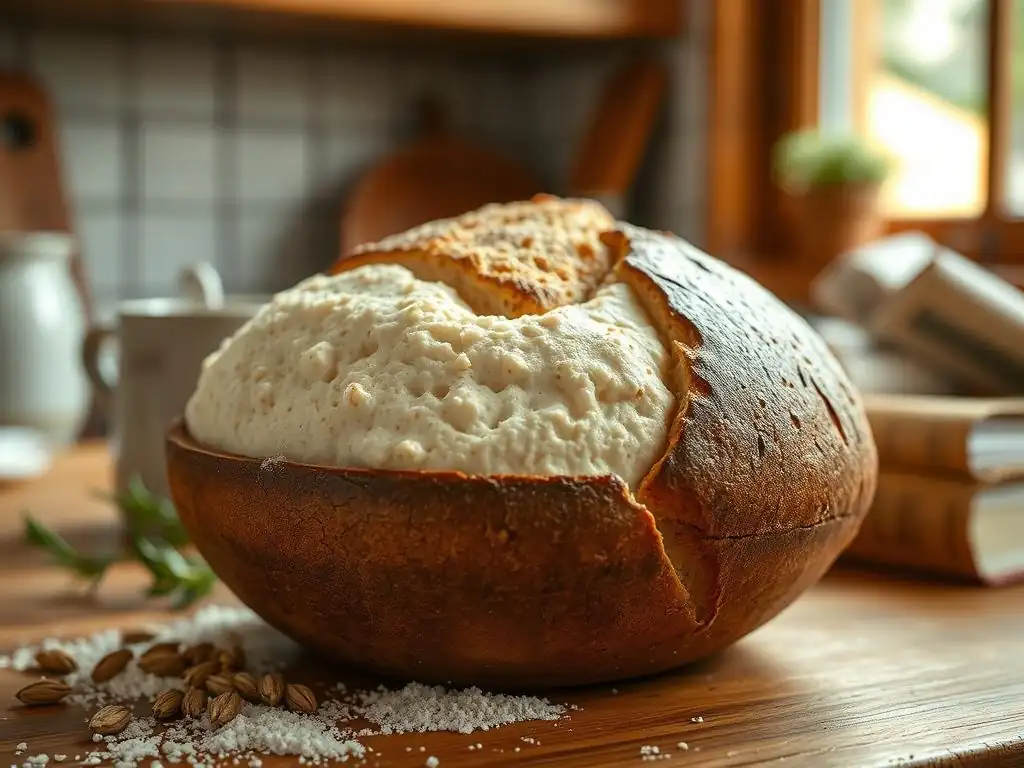
One of the most celebrated benefits of natural enzyme leavening through sourdough is the development of a complex and nuanced flavor profile. The slow breakdown of starch into various sugars by amylases, combined with the metabolic activity of diverse microorganisms, creates a wider range of flavor compounds than typically found in commercially leavened bread. These include organic acids (lactic and acetic), alcohols, esters, and aldehydes.
The sugars released by amylase activity also contribute to caramelization during baking, adding depth and sweetness to the crust. The interaction of enzymes, yeast, and bacteria over extended fermentation periods results in the characteristic tangy, rich, and sometimes subtly sweet flavors that make sourdough so unique and appealing. This intricate enzymatic process is fundamental to achieving that signature sourdough taste.
Enhanced Digestibility of Sourdough Products
Many people find naturally leavened sourdough bread easier to digest than bread made with commercial yeast. Enzymes, particularly proteases and amylases, play a role in this enhanced digestibility. Proteases begin the process of breaking down gluten proteins into simpler components before the bread is even baked, which can be beneficial for individuals with mild gluten sensitivity (though it's not suitable for celiacs).
Furthermore, the prolonged fermentation fueled by enzyme-produced sugars allows the lactic acid bacteria in the starter ample time to break down phytic acid, an anti-nutrient found in grains that can inhibit the absorption of minerals. While the yeast and bacteria are the primary agents here, the enzymes provide the necessary fuel and modify the dough structure, facilitating these beneficial processes. This makes sourdough a more nutritious and accessible option for many, thanks in part to natural leavening with enzymes.
Increased Nutrient Availability Through Enzyme Activity
Beyond breaking down phytic acid, the enzymatic activity during sourdough fermentation can also increase the bioavailability of certain nutrients in the flour. Amylases release sugars, making energy sources available. Proteases break down proteins into amino acids and smaller peptides, which are easier for the body to absorb.
While the primary role of enzymes in leavening is related to dough structure and fermentation fuel, their contribution to breaking down complex molecules into simpler, more readily absorbed forms adds to the overall nutritional value of sourdough bread. This aspect, combined with the improved digestibility and flavor, underscores the holistic benefits of embracing natural leavening with enzymes in your baking practice.
Sourdough Recipes with Optimized Enzyme Activity
High Hydration Sourdough Boule
This recipe focuses on maximizing enzyme activity through hydration and controlled temperature. Using a strong, active natural sourdough starter, this high-hydration dough (typically 75-80% hydration) promotes efficient amylase and protease action. A bulk fermentation period of 4-6 hours at 24°C (75°F), followed by a long cold proof (12-18 hours at 4°C or 39°F), allows enzymes to work sequentially – warmer temperatures initially boost activity, while cold proofing slows it down for flavor development and manageable gluten modification. The result is a loaf with a very open crumb, excellent oven spring, and complex flavor, demonstrating effective natural leavening with enzymes.
Sourdough Sandwich Loaf with Rye
Incorporating a portion of rye flour (e.g., 10-20% of total flour weight) into a standard sourdough sandwich loaf recipe significantly boosts enzyme activity, particularly amylase. Rye flour's high enzyme content ensures ample sugar for fermentation, which is beneficial for a softer, more enriched dough often used for sandwich loaves. A slightly shorter bulk fermentation time (relative to an all-white flour loaf) at around 23°C (73°F) might be needed to manage the increased enzymatic speed.
Cold proofing for 8-12 hours helps control the rye's inherent stickiness and allows flavors to deepen. This approach leverages the natural sourdough starter enzyme tips associated with different flour types.
Conclusion: Mastering Natural Leavening with Enzyme Knowledge
Unleashing the Potential of Enzymes in Your Baking
Embracing the role of enzymes – amylases and proteases – in your sourdough journey is key to unlocking the full potential of natural leavening. These biological catalysts, working in concert with the yeast and bacteria in your starter, are responsible for more than just lift; they are architects of flavor, texture, and digestibility. By understanding how temperature, pH, hydration, and flour type influence enzyme activity, you gain control over the intricate processes happening within your dough.
Applying natural sourdough starter enzyme tips means learning to observe your starter and dough, making informed adjustments to your process, and appreciating the science behind the magic. It's about moving beyond simply following a recipe to truly understanding the living ecosystem you are cultivating and baking with.
Further Exploration: Advanced Sourdough Techniques and Enzyme Management
For those looking to deepen their understanding, exploring advanced natural sourdough starter enzyme tips involves delving further into flour specifics, such as diastatic malt powder (a source of added amylase), and how different fermentation schedules impact enzyme activity. Experimenting with flour blends, varying hydration levels significantly, and precisely controlling dough temperature at different stages can lead to remarkable discoveries about how enzymes shape your final loaf.
Consider exploring the concept of "autolyse" (mixing flour and water before adding the starter) which allows proteases to begin their work on gluten without the interference of salt or fermentation gases. Understanding and intentionally manipulating enzyme activity is a hallmark of advanced sourdough baking and a rewarding path for any enthusiastic baker.
Frequently Asked Questions
How do enzymes in sourdough starters contribute to the baking process?
Enzymes, especially amylases and proteases, are crucial for breaking down starches and proteins. This process releases sugars that feed the yeast, leading to natural leavening and improved flavor development.
What are amylases, and what role do they play in sourdough baking?
Amylases are enzymes that break down starches into sugars. These sugars are then consumed by the yeast, producing carbon dioxide, which helps the dough rise and creates the characteristic sourdough texture.
What are proteases, and how do they affect the quality of sourdough bread?
Proteases break down proteins like gluten, making the dough more extensible and easier to handle. They also contribute to the unique flavor profile of sourdough bread.
How can I encourage enzyme activity in my sourdough starter for optimal results?
Maintaining a consistent feeding schedule and a suitable temperature will encourage healthy enzyme activity. Using whole grain flours can also provide more nutrients and enzymes.
Are there any specific ingredients I should avoid that might inhibit enzyme activity in my sourdough starter?
Avoid using chlorinated water, as it can negatively impact the yeast and enzyme activity. Also, excessive salt can hinder the enzymatic processes in your starter.
Final Reflection: The Untapped Potential of Natural Leaveners
The future of baking lies in understanding the intricate dance of enzymes within our sourdough starters. This isn't just a niche interest for artisan bakers; it's a pathway to creating healthier, more flavorful, and more sustainable bread-making practices. The power of amylases and proteases, harnessed through careful starter management, offers a compelling alternative to commercial yeasts and additives.
The exploration of natural leaveners has profoundly shifted my own approach to baking, moving beyond simple recipes to a deeper appreciation for the biological processes at play. It's a journey of discovery, constantly revealing new nuances in flavor and texture. As the renowned baker, Chad Robertson, once said, Bread baking is a conversation between you and the dough.
This conversation is enriched exponentially when you understand the role of enzymes in shaping that dough, transforming simple flour and water into something truly extraordinary.
Now, it's your turn to delve deeper. Consider the potential of your own sourdough starter – not just as a leavening agent, but as a living ecosystem teeming with enzymatic activity. Experiment with different flours, temperatures, and feeding schedules to observe the impact on your bread's characteristics. By understanding the role of amylases and proteases, you'll unlock a new level of control and creativity in your baking, crafting loaves that are not only delicious but also reflect a deeper connection to the natural world.
Unleash the Power of Natural Leaveners!
Thanks for diving into the fascinating world of enzymes and their role in baking! You've now gained a deeper understanding of how amylases and proteases contribute to incredible bread texture and flavor. Ready to put this knowledge into action?
- Experiment with different flour types: Try baking a loaf using a high-protein flour and see how the protease activity affects the gluten development. Note the differences in rise and texture compared to your usual flour.
- Share your baking journey: Post a picture of your enzyme-enhanced bread on social media and use #BakeWithEaseEnzyme to connect with fellow baking enthusiasts!
- Explore further: Investigate other naturally occurring enzymes and their potential applications in baking - you might discover a whole new world of flavor and texture possibilities!
What unique flavor profile will you create with your newfound enzyme knowledge?