
Infusing Nut Oils (Walnut, Almond, Hazelnut) for Gourmet Baked Goods


Welcome to BakeWithEase, your companion in the delightful world of baking! Ever wondered how to elevate your baked goods from delicious to divine? This week, we're diving deep into the aromatic and flavorful world of nut oil baking recipes. Discover how infusing your creations with walnut, almond, or hazelnut oils can unlock a whole new level of gourmet taste and texture. Intrigued? Let's explore the secrets to incorporating these luxurious oils and transform your baking into an extraordinary experience!
- Understanding Infused Oils in Baking: An Introduction
- Nut Infused Oil Baking Recipes: Enhancing Your Gourmet Treats
- Choosing the Right Infused Oil for Your Baking Project
- Infusion Techniques for Enhanced Oil Flavor
- Infused Oil Baking Recipes: Step-by-Step Instructions
- Troubleshooting Common Issues When Baking with Infused Oils
- Storing and Preserving Infused Oils for Baking
- Advanced Infused Oil Baking Techniques for Experienced Bakers
- Conclusion: Unleash Your Creativity with Nut Oil Baking Recipes
-
Frequently Asked Questions
- What are the advantages of using nut oils in baking recipes?
- What types of baked goods are best suited for nut oil baking recipes?
- How do I substitute nut oil for other fats in a baking recipe?
- Where can I find high-quality nut oils for baking?
- How should I store nut oils to preserve their flavor and quality?
- Final Reflection: The Unexpected Symphony of Nut Oils in Baking
- Unlock the Nutty Secrets: Elevate Your Baking Today!
Understanding Infused Oils in Baking: An Introduction
Incorporating different fats is a fundamental aspect of baking, influencing everything from texture and moisture to overall flavor. While butter and vegetable shortening are staples, exploring the world of liquid oils can unlock new dimensions in your baked goods. Infused oils, in particular, offer an exciting way to layer nuanced flavors directly into the batter or dough, providing a more integrated taste experience than simply adding extracts or solid inclusions.
Moving beyond common savory infusions, this guide focuses on the delightful potential of using and infusing nut oils – specifically walnut, almond, and hazelnut – in sweet and gourmet baking applications. These oils, extracted directly from the nuts, carry distinct flavor profiles that can elevate cakes, cookies, breads, and pastries from simple treats to sophisticated desserts. Understanding how these oils behave and contribute flavor is the first step towards mastering their use in your next baking project, paving the way for delicious nut oil baking recipes.
Exploring the Flavor Profiles of Walnut, Almond, and Hazelnut Oils
Walnut oil is known for its rich, earthy, and slightly tannic or bitter undertones. It brings a depth of flavor that pairs exceptionally well with fruits like apples and pears, root vegetables in quick breads (think carrot or zucchini), and even chocolate. Cold-pressed walnut oil offers the most intense flavor, making it ideal for applications where you want the walnut taste to shine through prominently, such as in a moist walnut oil spice cake or a rustic apple bread.
Almond oil, conversely, is typically more delicate and subtly sweet. Its flavor is reminiscent of raw almonds – mild and pleasant, not as intense as toasted almonds. This makes it wonderfully versatile, complementing vanilla, citrus, berries, and stone fruits beautifully. It's a fantastic choice for lighter baked goods like madeleines, financiers, sponge cakes, or delicate cookies where a strong nutty flavor might be overwhelming, contributing a soft aroma and tender crumb in nut oil baking recipes.
Hazelnut oil boasts an intense, deeply roasted, and sweet flavor profile, capturing the essence of toasted hazelnuts. It has a more pronounced character than almond or walnut oil and is particularly harmonious with chocolate, coffee, and caramel. Using hazelnut oil can transform simple brownies or chocolate cakes into decadent, gourmet desserts, or add a sophisticated touch to tarts and choux pastry. Its robust flavor means a little often goes a long way in nut oil baking recipes.
Why Use Infused Oils in Baking? Benefits and Advantages
Using oils, including nut oils, in baking offers several distinct advantages. Firstly, oils are liquid at room temperature, which means they coat flour particles more thoroughly than solid fats like butter (which contains water and milk solids). This coating inhibits gluten development, resulting in a more tender and moist crumb, especially noticeable in cakes, muffins, and quick breads. A walnut oil banana bread, for instance, often stays moist for days longer than one made with butter alone.
Beyond texture, the primary benefit of using flavorful oils like walnut, almond, or hazelnut oil is the direct infusion of their unique taste and aroma into the baked good. Unlike adding chopped nuts, which provide pockets of flavor and texture, the oil distributes the flavor evenly throughout the matrix of the bake.
This creates a more integrated and consistent nutty note in every bite. For example, substituting a portion of the fat in a standard cookie recipe with almond oil imbues the entire cookie with a subtle, sweet almond essence, enhancing the overall flavor profile of your nut oil baking recipes.
Nut Infused Oil Baking Recipes: Enhancing Your Gourmet Treats
Incorporating nut oils into your baking routine opens up a world of gourmet possibilities. These oils aren't just fats; they are flavor powerhouses ready to transform everyday recipes into something special. Whether you're aiming for a subtle hint of almond in a delicate pastry or a robust hazelnut presence in a rich chocolate bake, understanding how to integrate these oils is key to creating standout nut oil baking recipes.
Starting with recipes specifically designed for oil is often the easiest path, as they already account for the unique properties of liquid fat. However, many traditional recipes calling for melted butter or a neutral oil can be adapted with nut oils. The key is to consider the flavor pairing and the desired intensity. A hazelnut oil brownie, for instance, leverages the oil's strong flavor to complement the chocolate, whereas an almond oil madeleine uses the oil's delicate sweetness to enhance the pastry's light texture and subtle notes, showcasing the versatility of nut oil baking recipes.
Mastering the Art of Baking with Infused Oils: A Guide for Beginners
For those new to using flavorful oils like walnut, almond, or hazelnut in baking, starting simple is advisable. Begin by substituting a portion of the neutral oil or melted butter in a familiar recipe. For instance, if a muffin recipe calls for 1/2 cup of vegetable oil, try using 1/4 cup vegetable oil and 1/4 cup of your chosen nut oil.
This allows you to gauge the flavor contribution without drastically changing the recipe's structure or risking an overpowering taste. Remember that oils are 100% fat, while butter is approximately 80% fat and 20% water/milk solids, so a direct 1:1 substitution by weight or volume isn't always ideal, though for many quick breads and cakes designed for oil, it can work well.
Focus on recipes where the fat is added in its liquid state, such as quick breads, muffins, certain cakes, and brownies. Recipes that rely on creaming solid fat with sugar (like many cookie or butter cake recipes) might require more significant adjustments or yield a different texture if a large proportion of solid fat is replaced with liquid oil.
A good starting point for nut oil baking recipes is often a recipe that already uses oil, like a standard banana bread or muffin base, where you can confidently swap in the flavorful nut oil for all or part of the neutral oil called for.
Choosing the Right Infused Oil for Your Baking Project
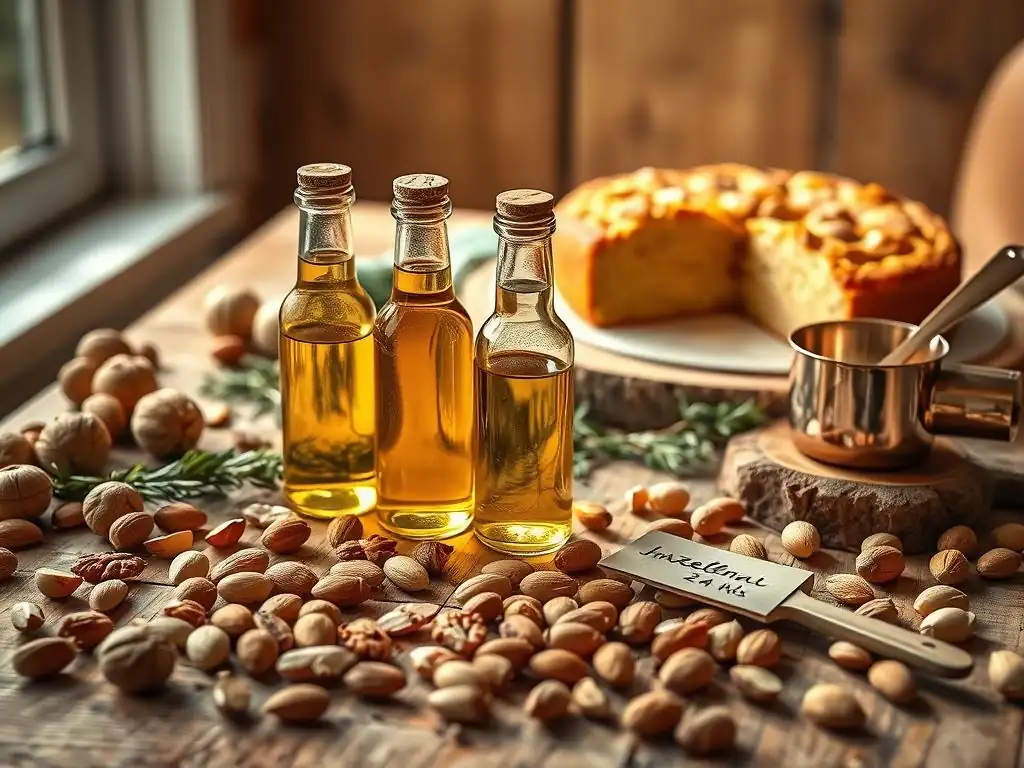
Selecting the appropriate nut oil is crucial for achieving the desired flavor outcome in your baking. Consider the other dominant flavors in your recipe. A strong, earthy walnut oil might clash with delicate berry flavors but shine when paired with robust spices or chocolate. Conversely, a mild almond oil could be lost in a heavily spiced gingerbread but perfectly enhance a subtle vanilla cake.
Think about the intensity you want. If you're aiming for a pronounced nutty flavor, opt for cold-pressed nut oils, which retain more of the nut's natural essence. If you prefer a more subdued note, a refined nut oil might be more suitable, although much of the characteristic flavor is removed during refining. Ultimately, the best way to choose is to consider the specific flavor profile of each oil and how it will interact with the other ingredients, ensuring harmonious results in your nut oil baking recipes.
Walnut Oil for Baking: Recipes and Flavor Pairings
Walnut oil is a fantastic addition to baked goods where its distinctive, slightly tannic flavor can complement other ingredients. It excels in recipes featuring fruits like apples, pears, and bananas, as well as warm spices such as cinnamon, nutmeg, and cloves. It also pairs surprisingly well with chocolate, adding a layer of complexity that enhances the cocoa notes.
Consider using walnut oil in your next banana bread; replace the usual oil or melted butter with an equal volume of walnut oil (e.g., 3/4 cup for a standard loaf recipe). The result is a wonderfully moist bread with a subtle, sophisticated nutty undertone that elevates the banana flavor. Another excellent application is in apple muffins or a rustic freeform tart crust, where the walnut oil provides a perfect counterpoint to the sweetness of the fruit and spices, creating memorable nut oil baking recipes.
Almond Oil in Baking: Best Uses and Complementary Flavors
Almond oil's delicate, sweet flavor makes it ideal for lighter, more refined baked goods. It is a classic pairing with vanilla, citrus zests (lemon, orange), berries, and stone fruits like apricots and peaches. It also works beautifully with white chocolate, where its subtle nuttiness doesn't overpower the delicate cocoa butter flavor.
Try incorporating almond oil into madeleines or financiers. For a standard financier recipe calling for 1/2 cup melted butter, substitute 1/4 cup melted butter and 1/4 cup almond oil. This imparts a lovely tenderness and a gentle almond aroma without needing almond extract. Almond oil is also excellent in light sponge cakes or shortbread, contributing to a tender crumb and a faint, appealing nutty sweetness, perfect for elegant nut oil baking recipes.
Hazelnut Oil Baking: Aromatic Applications
Hazelnut oil is the star when you want a powerful, unmistakable nutty flavor. Its rich, roasted profile is a natural partner for chocolate, coffee, and caramel. It can turn simple baked goods into truly decadent experiences.
One of the best uses for hazelnut oil is in brownies. Replace the neutral oil or melted butter in your favorite brownie recipe with an equal amount of hazelnut oil (e.g., 1/2 cup hazelnut oil). The intense hazelnut flavor deepens the chocolate notes, creating a more sophisticated and addictive brownie. It's also wonderful in chocolate cakes, hazelnut tarts, or even brushed onto warm chocolate chip cookies straight from the oven for an extra flavor boost, enhancing your repertoire of nut oil baking recipes.
Infusion Techniques for Enhanced Oil Flavor
While commercially available nut oils (walnut, almond, hazelnut) are excellent on their own, you can also create your own nut-flavored oils or subtly infuse existing nut oils with additional flavors to tailor them specifically for baking. The most common method for home cooks is a simple warm infusion, extracting flavor from nuts into a neutral oil.
Alternatively, you can infuse existing nut oils with complementary flavors. For example, a vanilla bean split lengthwise and steeped in almond oil can create a fragrant oil perfect for delicate cakes and pastries. A cinnamon stick warmed gently in walnut oil could be used in spice breads or apple desserts. These techniques allow you to customize your nut oil baking recipes even further.
Simple Infusion Methods for Baking Oils at Home
A straightforward method to create nut-flavored oil is warm infusion. Start by lightly toasting about half a cup of your desired nuts (walnuts, almonds, or hazelnuts) per cup of neutral-flavored oil like grapeseed, sunflower, or a very light olive oil. Toasting enhances the nuts' flavor. Heat the neutral oil gently in a saucepan over low heat until it reaches approximately 150-160°F (65-70°C). Add the toasted nuts and maintain the low temperature for about 30 to 60 minutes, stirring occasionally. Avoid letting the oil get too hot, as this can degrade the oil and the nut flavors.
After the gentle heating period, remove the pan from the heat and let the mixture cool completely. Once cool, strain the oil through a fine-mesh sieve lined with cheesecloth to remove all solid particles. This homemade nut-flavored oil can then be used in your nut oil baking recipes, offering a fresh and potent flavor. Remember to store it properly to maintain freshness.
Tips for Achieving Optimal Flavor Infusion in Baking Oils
Several factors contribute to a successful flavor infusion. Firstly, always start with high-quality ingredients – fresh nuts and good quality neutral oil. Ensure the nuts are properly toasted; this is a critical step for developing deep, nutty flavors before infusion. Toast until fragrant but not burnt.
Make sure the nuts are fully submerged in the oil during the infusion process to ensure even flavor extraction. During warm infusion, monitor the temperature carefully to prevent the oil from overheating, which can negatively impact flavor and stability. Finally, thorough straining is essential to remove all nut particles, which can otherwise cause the oil to spoil faster. Allowing the oil to cool completely before transferring it to a storage container also helps preserve its quality and flavor for use in your nut oil baking recipes.
Infused Oil Baking Recipes: Step-by-Step Instructions
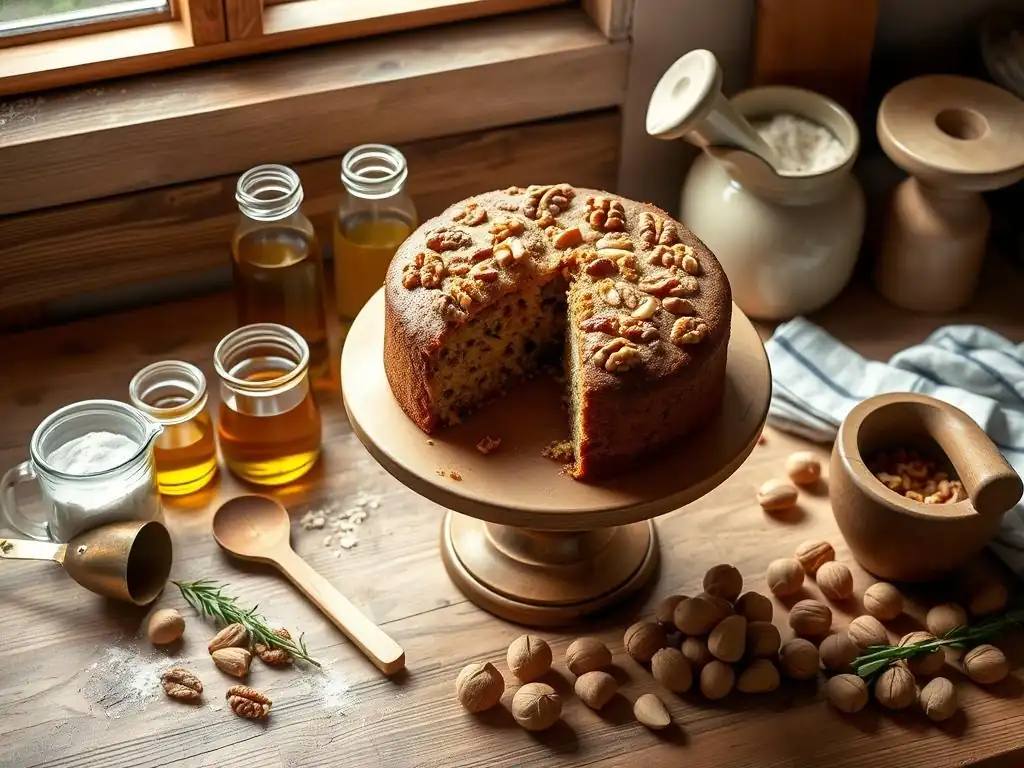
Ready to try using nut oils in your baking? Here are simplified steps for three delicious nut oil baking recipes, showcasing the unique characteristics of walnut, almond, and hazelnut oils. These recipes are designed to highlight the oils' flavors and provide moist, tender results.
Whether you choose a comforting quick bread, delicate pastries, or rich brownies, these examples demonstrate how easily nut oils can be incorporated into different types of baked goods, bringing a touch of gourmet flavor to your kitchen with satisfying nut oil baking recipes.
Walnut Oil Banana Bread: A Moist Treat
This recipe uses walnut oil for incredible moisture and a subtle nutty background.
- Preheat oven to 350°F (175°C). Grease and flour a standard loaf pan.
- In a large bowl, whisk together 2 large eggs, 3/4 cup granulated sugar, and 1 teaspoon vanilla extract.
- Mash 3 very ripe bananas in a separate bowl and add them to the wet ingredients. Stir in 3/4 cup walnut oil.
- In a medium bowl, whisk together 1 1/2 cups all-purpose flour, 1 teaspoon baking soda, 1/2 teaspoon ground cinnamon, and 1/4 teaspoon salt.
- Add the dry ingredients to the wet ingredients and stir just until combined; do not overmix.
- Pour batter into the prepared loaf pan.
- Bake for 55-65 minutes, or until a toothpick inserted into the center comes out clean.
- Let cool in the pan for 10 minutes before turning out onto a wire rack to cool completely. The walnut oil ensures a tender crumb, making this a perfect nut oil baking recipe.
Almond Oil Madeleines: Delicate and Nutty
Almond oil adds a delicate flavor and tender texture to these classic French cookies.
- Melt 1/4 cup unsalted butter. Let it cool slightly.
- In a bowl, whisk together 2 large eggs and 1/2 cup granulated sugar until pale and slightly thickened. Whisk in 1/2 teaspoon vanilla extract and the cooled melted butter.
- Whisk in 1/4 cup almond oil.
- Sift 1 cup all-purpose flour, 1 teaspoon baking powder, and 1/4 teaspoon salt over the wet ingredients. Fold gently until just combined; do not overmix.
- Cover the bowl and refrigerate the batter for at least 1 hour, or up to 12 hours. This rest period is crucial for the madeleine's signature "hump."
- Preheat oven to 375°F (190°C). Brush a madeleine pan generously with melted butter and dust with flour, tapping out excess.
- Spoon batter into each mold, filling about two-thirds full.
- Bake for 10-12 minutes, or until the edges are golden and the centers are set and puffed.
- Gently remove madeleines from the pan and cool on a wire rack. The almond oil contributes to their delicate structure in this nut oil baking recipe.
Hazelnut Oil Brownies: Rich and Decadent
Hazelnut oil enhances the chocolate flavor for truly gourmet brownies.
- Preheat oven to 350°F (175°C). Grease and flour an 8x8 inch baking pan.
- In a medium saucepan, melt 1/2 cup unsalted butter over low heat. Remove from heat and stir in 1 cup granulated sugar and 1/2 cup packed light brown sugar.
- Whisk in 2 large eggs one at a time, mixing well after each addition. Stir in 1 teaspoon vanilla extract.
- Whisk in 1/2 cup hazelnut oil.
- In a separate bowl, whisk together 1/2 cup all-purpose flour, 1/3 cup unsweetened cocoa powder, 1/4 teaspoon baking powder, and 1/4 teaspoon salt.
- Add the dry ingredients to the wet ingredients and stir just until combined.
- Spread the batter evenly into the prepared pan.
- Bake for 25-30 minutes, or until a toothpick inserted into the center comes out with moist crumbs attached (not wet batter).
- Let cool completely in the pan before cutting into squares. The hazelnut oil provides a deep, nutty counterpoint to the rich chocolate in this essential nut oil baking recipe.
Troubleshooting Common Issues When Baking with Infused Oils
While using nut oils in baking is generally straightforward, like any baking technique, you might encounter challenges. Understanding potential pitfalls can help you achieve consistently excellent results with your nut oil baking recipes. Common issues often relate to texture or balancing the intensity of the oil's flavor with other ingredients.
One concern might be achieving the desired rise or structure, particularly if substituting oil for solid fats in recipes not designed for oil. Another is ensuring the flavorful oil doesn't overpower the delicate balance of other tastes in the bake. With a few tips and careful execution, you can navigate these potential issues successfully.
Avoiding Soggy Textures in Infused Oil-Based Baking
Sogginess in baked goods can result from several factors, including incorrect ingredient ratios, overmixing, or improper baking time/temperature. When using flavorful oils like walnut, almond, or hazelnut oil, ensure you are using the correct amount as specified in the recipe or your adaptation. Adding too much oil can indeed lead to a greasy or heavy texture.
For recipes adapted from those using solid fat, remember that oil is 100% fat. Sometimes, a slight reduction in the total volume of fat used when substituting oil can help maintain the desired texture. Also, ensure your oven temperature is accurate and bake for the full recommended time, or until a toothpick test is clean. Allowing baked goods to cool properly on a wire rack is also crucial for preventing a soggy bottom and ensuring a good final texture in nut oil baking recipes.
Preventing Infused Oil from Overpowering Other Flavors
Nut oils, especially cold-pressed varieties like hazelnut or walnut oil, have potent flavors that can dominate if not used judiciously. To prevent the infused oil from overwhelming other ingredients, consider the overall flavor profile of your bake. For delicate flavors like vanilla or subtle fruits, a milder oil like almond oil might be a better choice than robust hazelnut oil.
If adapting a recipe, start by substituting only a portion of the fat with the flavorful nut oil to gauge its impact. You can gradually increase the proportion in subsequent batches. Ensure that other flavorings in the recipe, such as spices, extracts, or chocolate, are present in sufficient quantities to balance the nut oil. For example, in a hazelnut oil brownie, using high-quality, intensely flavored cocoa powder or chocolate helps create a harmonious balance with the strong nutty oil, ensuring your nut oil baking recipes are well-rounded.
Storing and Preserving Infused Oils for Baking

Proper storage is essential to maintain the quality, flavor, and freshness of your nut oils, whether store-bought or homemade. Nut oils, particularly those that are cold-pressed, contain polyunsaturated fats which are more susceptible to oxidation and can go rancid relatively quickly if not stored correctly. Rancid oil will impart unpleasant, off-flavors to your baked goods, ruining your nut oil baking recipes.
Protecting the oil from light, heat, and air is key to extending its shelf life. Taking these precautions ensures that the delicate flavors of walnut, almond, and hazelnut oils remain vibrant and appealing, ready to enhance your next baking creation.
Best Practices for Maintaining Freshness and Flavor
Always store nut oils in airtight containers, preferably made of dark glass which helps block out light. Light is a major catalyst for oxidation, leading to rancidity. Keep the containers in a cool, dark place away from direct sunlight and sources of heat, such as stovetops or ovens. A pantry cupboard away from appliances is often ideal.
For opened bottles of nut oil, or for any homemade infused nut oils, refrigeration is highly recommended. The cooler temperature significantly slows down the oxidation process, preserving the flavor and extending the shelf life. While refrigeration might cause some oils to become cloudy, this is normal and does not affect their quality; they will clear up when brought back to room temperature.
Before using any oil, give it a sniff – a fresh nut oil should smell clean and nutty; a "crayon," bitter, or stale odor indicates it has gone rancid and should be discarded. This simple check is vital for successful nut oil baking recipes.
Shelf Life and Storage Tips for Homemade Infused Oils
Homemade nut-flavored oils, created by infusing nuts into a neutral oil, generally have a shorter shelf life than commercially processed and bottled nut oils. This is because the infusion process can introduce moisture and other compounds from the nuts that can promote spoilage.
For homemade infused oils, storing them in the refrigerator is crucial. Use a clean, airtight glass bottle or jar. Label the container with the date the oil was made to keep track of its age. While shelf life can vary depending on the specific nuts and oil used and the infusion method, it's generally best to use homemade infused nut oils within 1 to 3 months when stored in the refrigerator. Always check for signs of rancidity (smell and taste) before using them in your nut oil baking recipes.
Advanced Infused Oil Baking Techniques for Experienced Bakers
For those comfortable with using nut oils in standard recipes, there are more advanced techniques to explore that leverage their unique properties and flavors. These methods can add an extra layer of sophistication and texture to your baked goods, pushing the boundaries of traditional nut oil baking recipes.
Consider how the properties of liquid oil can be utilized in doughs where solid fat is typically used, or how a simple oil wash can enhance the finish and flavor of a crust. These techniques require a slightly different understanding of fat's role in baking but offer rewarding results.
Using Nut Infused Oils in Pastry Doughs
While flaky pastry doughs like puff pastry or pie crust rely on layers of solid fat, nut oils can be successfully incorporated into certain types of pastry doughs for flavor and tenderness. Shortcrust pastries, sable cookies, or tart crusts that are pressed into the pan rather than rolled can benefit from the inclusion of nut oil.
Substituting a portion, or even all, of the solid fat with a flavorful nut oil (like hazelnut oil for a chocolate tart crust or almond oil for a fruit tart base) results in a tender, crumbly texture and infuses the crust with a distinct nutty flavor. For example, a simple press-in tart crust might use 1/2 cup hazelnut oil combined with 1 cup flour, a pinch of salt, and a tablespoon or two of sugar. The oil coats the flour particles, preventing gluten development and creating a very tender crust, offering a unique approach to nut oil baking recipes.
Exploring Infused Oil Washes for Crusts
An infused oil wash can be a simple yet effective way to add flavor, shine, and a gourmet touch to baked goods after they emerge from the oven. Instead of a traditional butter wash or simple glaze, brushing a warm cake, quick bread, or tart crust with a complementary nut oil can significantly enhance its aroma and flavor profile.
For instance, brushing a warm almond cake or financiers with a little extra almond oil or almond-infused vanilla oil adds a burst of fresh almond flavor and a lovely sheen. A walnut oil banana bread can be brushed with warm walnut oil for a richer aroma. Similarly, a hazelnut oil brownie or chocolate cake can benefit from a light brush of hazelnut oil right after baking. This technique is particularly effective when the oil's flavor complements the main ingredients, creating memorable nut oil baking recipes with enhanced aromas and textures.
Conclusion: Unleash Your Creativity with Nut Oil Baking Recipes
Exploring the world of nut oils – walnut, almond, and hazelnut – in baking offers a delightful pathway to creating more flavorful, moist, and sophisticated treats. These oils are more than just fats; they are carriers of unique tastes and aromas that can elevate everything from a simple muffin to a complex tart. By understanding their individual flavor profiles and how they interact with other ingredients, you can choose the perfect oil to complement your bake.
From mastering simple substitutions to experimenting with advanced techniques like oil washes and specialty doughs, incorporating nut oils into your repertoire expands your creative possibilities in the kitchen. Whether you're making a classic walnut oil banana bread, delicate almond oil madeleines, or rich hazelnut oil brownies, these nut oil baking recipes promise a gourmet touch that will impress. So, grab a bottle of your favorite nut oil and start experimenting – the possibilities for delicious, nutty creations are vast and incredibly rewarding.
Frequently Asked Questions
What are the advantages of using nut oils in baking recipes?
Using nut oils in baking offers several benefits. They impart a distinctive nutty flavor to your baked goods, enhance moisture and tenderness, and can often be used as a healthier alternative to some traditional fats.
What types of baked goods are best suited for nut oil baking recipes?
Nut oils work well in a variety of treats! Consider using them in cakes, muffins, cookies, and even some types of bread where you want a rich, nutty undertone. They're especially great in vegan baking as a flavor enhancer.
How do I substitute nut oil for other fats in a baking recipe?
Generally, you can substitute nut oil for other oils like vegetable or canola oil in a 1:1 ratio. However, be mindful of the oil's flavor intensity; start with a smaller amount and adjust to taste. Sometimes, reducing the amount of other liquids may be needed.
Where can I find high-quality nut oils for baking?
Look for cold-pressed, unrefined nut oils at specialty food stores, gourmet shops, or online retailers. Ensure the oil is stored in a dark glass bottle to protect it from light and maintain its quality.
How should I store nut oils to preserve their flavor and quality?
Nut oils are prone to going rancid, so proper storage is crucial. Always store them in a cool, dark place and tightly sealed. Refrigeration can extend their shelf life, but may cause clouding which is normal and will disappear at room temperature.
Final Reflection: The Unexpected Symphony of Nut Oils in Baking
The subtle yet profound impact of nut oils on the texture and flavor of baked goods is only now beginning to be fully appreciated by home bakers. This isn't just about substituting butter; it's about unlocking a whole new dimension of taste and creating baking experiences that are both luxurious and surprisingly versatile. The recipes explored in this article demonstrate the potential for elevating even the simplest of treats through the careful selection and application of walnut, almond, and hazelnut oils.
The journey of exploring these nut oils has been a revelation, highlighting the interconnectedness of culinary tradition and modern innovation. I've discovered that the seemingly simple act of swapping one ingredient for another can lead to transformative results. The unique flavor profiles of each oil—from the rich, earthy notes of walnut to the delicate sweetness of almond—add a depth and complexity that elevates the baking experience beyond the ordinary. The best things in life are simple, but not easy.
This quote perfectly encapsulates the effort and reward involved in mastering the art of infusing nut oils into your baking.
Now, it's your turn to experiment! Don't be afraid to venture beyond the recipes presented here. Try substituting different nut oils in your favorite recipes, explore the nuances of flavor combinations, and most importantly, enjoy the process of creating something delicious and unique. Let the subtle symphony of nut oils inspire your next baking adventure, and discover the joy of transforming ordinary baked goods into extraordinary culinary experiences.
Unlock the Nutty Secrets: Elevate Your Baking Today!
Thanks for exploring the delicious world of nut oils with us! You've now learned how these incredible ingredients can transform your baked goods from ordinary to extraordinary. Ready to put your newfound knowledge into practice?
- Bake your best creation yet: Choose your favorite nut oil (walnut, almond, or hazelnut) and experiment with a recipe you already love. See how the subtle flavor and texture differences elevate the taste.
- Share your nutty masterpieces: Show off your baking prowess and inspire others by sharing your creations on social media using #BakeWithEaseNuttyGoodness.
- Dive deeper into the world of nut oils: Explore our website for more recipes and articles dedicated to using these fantastic ingredients to their full potential.
What unique flavor profile will you create with your next bake using nut oils?