
Bake With Ease: Your GoTo Vegan Substitution Solutions

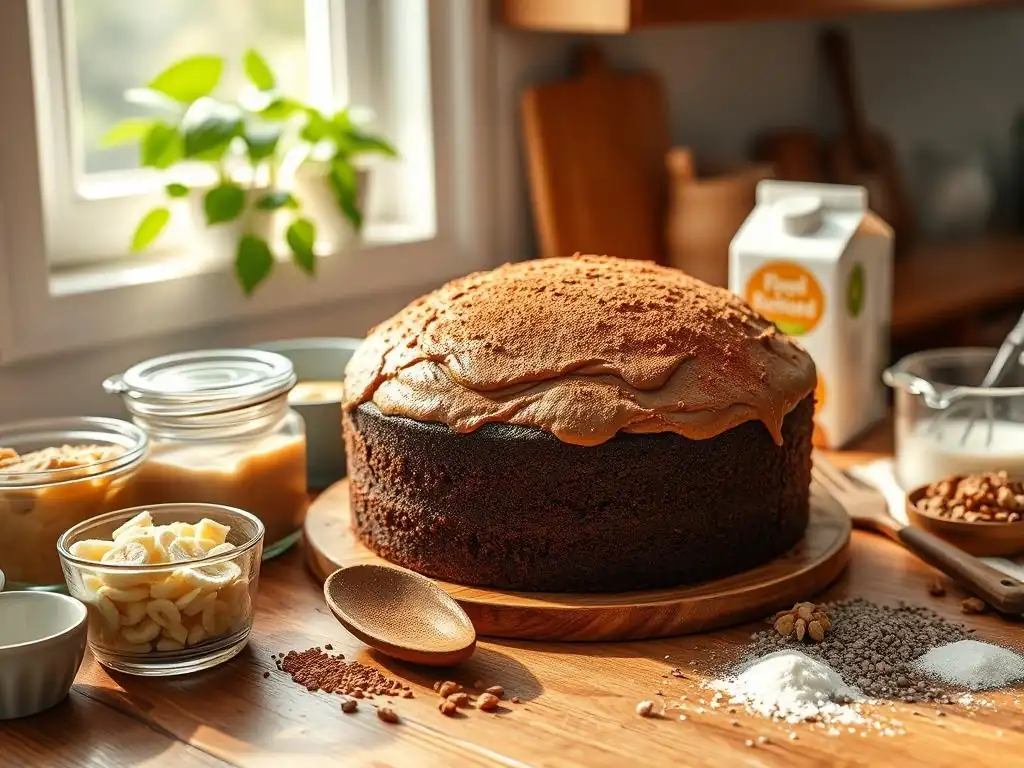
Welcome to BakeWithEase, your guide to unlocking the delicious possibilities of baking! Ever wondered how to achieve that perfect texture and flavor without traditional ingredients? This week, we're diving deep into vegan baking ingredient substitutions, revealing clever swaps that will transform your recipes and open up a whole new world of plant-based treats. Intrigued? Read on to discover our top tips and tricks for baking vegan with ease!
- Baking Without Dairy or Eggs: Your Guide to Vegan Substitutions
- Introduction to Vegan Baking
- Essential Vegan Baking Substitutions
- Vegan Baking Scenarios and Recipes
- Troubleshooting Vegan Baking
- Advanced Vegan Baking Techniques
- Conclusion: Embrace Vegan Baking
- Frequently Asked Questions
- Final Reflection: The Sweet Revolution of Vegan Baking
- Unlock Your Vegan Baking Potential!
Baking Without Dairy or Eggs: Your Guide to Vegan Substitutions
Introduction to Vegan Baking
Stepping into the world of vegan baking opens up a realm of delicious possibilities, proving that you don't need traditional dairy or eggs to create moist cakes, chewy cookies, or fluffy bread. Whether you're baking for ethical reasons, dietary restrictions, or simply to explore new techniques, understanding vegan baking ingredient substitutions is key to success. This guide will walk you through the essential swaps, common challenges, and even some advanced tips to help you master the art of baking without animal products.
Vegan baking relies on innovative ways to replicate the functions of animal-derived ingredients like eggs, milk, and butter. Eggs provide binding, leavening, moisture, and richness, while dairy contributes fat, moisture, flavor, and structure. By using plant-based alternatives, we can achieve similar, if not identical, results, creating baked goods that are just as satisfying and often surprisingly simple to make.
Benefits of Vegan Baking
Embracing vegan baking offers numerous advantages, extending beyond just dietary choices. Environmentally, opting for plant-based ingredients generally has a lower carbon footprint compared to dairy and egg production. This makes vegan baking a more sustainable choice for those mindful of their impact on the planet. Furthermore, it allows individuals with dairy or egg allergies to safely enjoy baked treats, expanding the possibilities for shared meals and celebrations.
Beyond the environmental and allergy benefits, exploring vegan baking ingredient substitutions can also be a creative and educational process. It encourages bakers to experiment with different textures and flavors from ingredients like flaxseed, aquafaba, and various plant milks. This experimentation often leads to discovering new favorite ingredients and developing a deeper understanding of how different components interact in baking, ultimately making you a more versatile and knowledgeable baker.
Common Non-Vegan Ingredients in Baking and Their Vegan Alternatives
Traditional baking recipes frequently call for ingredients derived from animals, such as cow's milk, butter, eggs, and sometimes even honey or gelatin. These ingredients play crucial roles in the structure, moisture, leavening, and flavor of baked goods. For example, eggs act as binders and leavening agents, butter provides richness and helps with flakiness, and milk adds moisture and aids in browning.
Successfully navigating vegan baking requires identifying these non-vegan components and knowing which plant-based options can effectively replace them. Common vegan baking ingredient substitutions include plant-based milks (like almond, soy, or oat milk) for dairy milk, vegan butter sticks or oils for dairy butter, and a variety of options like applesauce, mashed banana, or commercial egg replacers for eggs. Understanding the specific function of the ingredient you're replacing is vital for choosing the most appropriate vegan alternative.
Essential Vegan Baking Substitutions
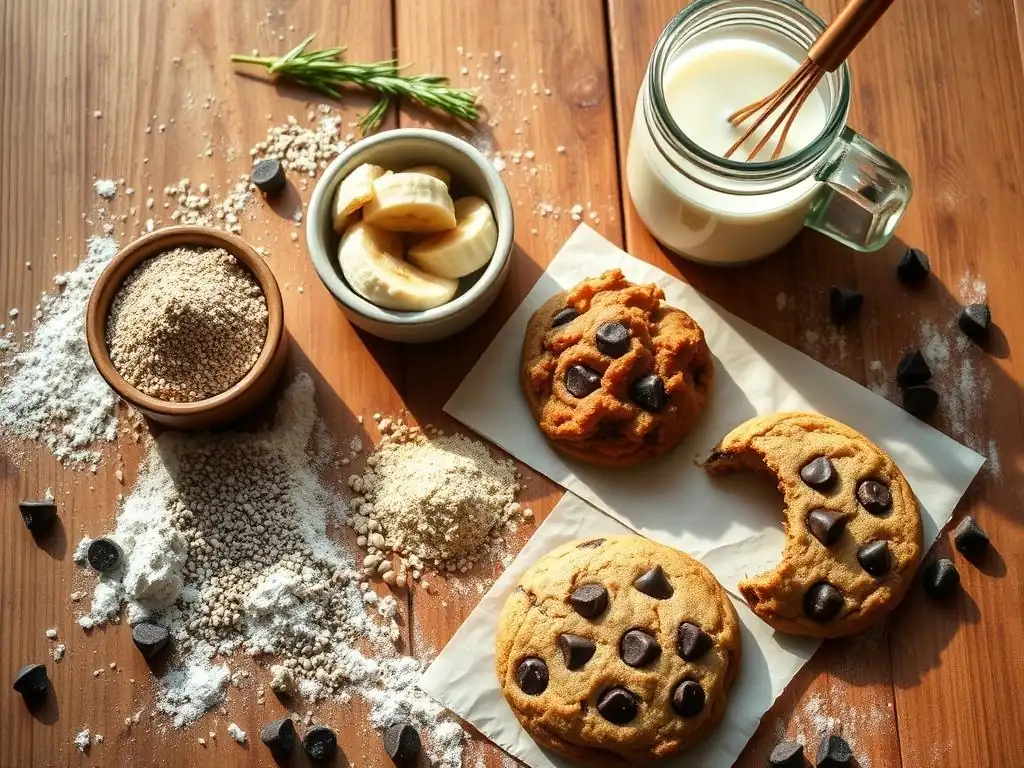
Mastering vegan baking hinges on understanding the core substitutions for eggs and dairy, the two most prevalent non-vegan ingredients. Each substitution has unique properties that make it suitable for different baking applications, from providing moisture and binding to contributing leavening or richness. Experimenting with these essential swaps is the first step towards confident and successful vegan baking.
Choosing the right vegan baking ingredient substitutions depends heavily on the desired outcome. For instance, a moist cake might benefit from applesauce or mashed banana as an egg replacer, while a recipe needing significant binding might call for flaxseed or chia seeds. Similarly, the choice between different plant milks can impact the final texture and flavor of your baked goods.
Replacing Eggs in Vegan Baking
Eggs serve multiple purposes in baking: binding ingredients together, providing moisture, contributing to leavening, and adding richness. Finding the right vegan substitute depends on which of these functions is most critical in the specific recipe. A single egg can often be replaced by about 1/4 cup of a suitable alternative, but the best choice varies.
Successfully substituting eggs in vegan baking often requires a bit of trial and error as different recipes react differently to replacements. For light and airy cakes, you might need a leavening-focused substitute, while dense brownies primarily need binding. Understanding the common options and their strengths is crucial for effective vegan baking ingredient substitutions.
Applesauce: Moisture and Binding
Applesauce is a popular choice for replacing eggs, particularly in muffins, cakes, and quick breads. Its high moisture content helps keep baked goods tender, and its natural pectin provides some binding ability. Typically, 1/4 cup of unsweetened applesauce can replace one egg.
While great for moisture and a bit of binding, applesauce doesn't provide leavening. Using it in recipes that rely heavily on eggs for lift might result in a denser product. It also imparts a slight apple flavor, which is usually subtle but worth considering depending on the recipe.
Flaxseed Meal: Binding and Nutty Flavor
Often called a "flax egg," this substitute is excellent for binding ingredients. To make one flax egg, whisk together 1 tablespoon of flaxseed meal with 3 tablespoons of water and let it sit for 5-10 minutes until it forms a gel-like consistency. This gel mimics the binding power of an egg.
Flaxseed meal works well in cookies, muffins, pancakes, and denser loaves where binding is paramount. It also adds a slightly nutty flavor and nutritional boost from omega-3 fatty acids. However, like applesauce, it doesn't contribute significant leavening and can sometimes make baked goods a bit chewier or denser if used in large quantities.
Chia Seeds: Similar to Flaxseed for Binding
Similar to flaxseed, chia seeds can be used to create a "chia egg" for binding. Combine 1 tablespoon of chia seeds (whole or ground) with 3 tablespoons of water and let it sit until gelled, typically 10-15 minutes for whole seeds or faster for ground. The resulting gel functions much like a flax egg.
Chia eggs are effective binders in recipes like muffins, quick breads, and some cookies. They have a milder flavor than flaxseed and also provide nutritional benefits. Again, this substitution is primarily for binding and moisture, not leavening, making it best suited for recipes where structure is key.
Aquafaba: Whipped Egg White Substitute
Aquafaba, the liquid from canned chickpeas or other legumes, is a remarkable vegan baking ingredient substitution, particularly for egg whites. When whipped, it can create stiff peaks similar to meringue, making it ideal for macarons, meringues, and light mousses. Approximately 3 tablespoons of aquafaba can replace one egg, or 2 tablespoons can replace one egg white.
The magic of aquafaba lies in its ability to trap air when whipped, providing significant lift and structure in specific applications where egg whites are typically used for aeration. It's less effective as a binder or whole egg replacer in dense batters but is unparalleled for creating airy, light textures in vegan desserts.
Dairy-Free Alternatives for Vegan Baking
Replacing dairy milk and butter is often straightforward with the wide variety of plant-based options available today. These alternatives provide the necessary fat, moisture, and richness without using animal products. Choosing the right type depends on the desired flavor and fat content.
Effective vegan baking ingredient substitutions for dairy are crucial for achieving the correct texture and flavor profile. The fat content of your chosen substitute, whether it's plant milk or vegan butter, will directly impact the richness and tenderness of your final product.
Plant-Based Milks: Soy, Almond, Oat, Coconut
A plethora of plant-based milks are available, each with slightly different characteristics. Soy milk is a classic choice, similar in protein content to dairy milk and works well in most recipes. Almond milk is lighter and lower in fat, while oat milk is creamy and has a mild flavor, making it a popular all-purpose option. Canned full-fat coconut milk is very rich and thick, excellent for creamy sauces or adding richness to batters.
When using plant-based milks as vegan baking ingredient substitutions, consider the fat content. Recipes relying on milk for richness might benefit from soy or oat milk, or even a blend with some coconut milk. Unsweetened varieties are usually preferred in baking to control the sugar level in the recipe.
Vegan Butter: Sticks vs. Coconut Oil
Vegan butter sticks, typically made from a blend of vegetable oils, are designed to mimic the behavior of dairy butter in baking, including creaming with sugar and providing flakiness in pastries. They are excellent for recipes where butter's solid state and fat distribution are important, like cookies, pie crusts, and cakes.
Coconut oil is another versatile fat used in vegan baking. Refined coconut oil has a neutral flavor, while unrefined has a distinct coconut taste. It can often be used cup-for-cup to replace butter or other oils. However, it behaves differently depending on temperature – it's solid at room temperature but melts quickly, which can affect the spread of cookies or the texture of cakes compared to vegan butter sticks. Using melted coconut oil is common in brownies and some quick breads.
Plant-Based Yogurt: Moisture and Tang
Plant-based yogurts (like soy, almond, or coconut yogurt) can be used to add moisture and a slight tang to baked goods, similar to how dairy yogurt or sour cream is used. They work well in muffins, cakes, and quick breads, contributing to a tender crumb.
Using about 1/4 cup of plain, unsweetened plant-based yogurt can replace one egg in some recipes, primarily for moisture and binding. It's a great way to add richness without adding excessive liquid. The acidity can also react with baking soda, providing a little extra lift.
Vegan Sweeteners: Replacing Honey
Honey is not considered vegan because it is produced by bees. While granulated sugar is typically vegan (though some processed with bone char exist, most common types are vegan-friendly), recipes calling for liquid sweeteners like honey require a vegan alternative.
When making vegan baking ingredient substitutions for honey, consider the sweetness level, viscosity, and flavor profile of the alternative. Each option brings something slightly different to the table, impacting the final taste and texture of your baked goods.
Maple Syrup: Flavor and Moisture
Pure maple syrup is a popular vegan liquid sweetener with a distinctive flavor. It's less viscous than honey and slightly less sweet, so you might need to adjust the amount used. It adds moisture and a pleasant warmth to baked goods.
Maple syrup works wonderfully in recipes where its flavor complements other ingredients, such as oat bars, pancakes, or certain cakes and cookies. When substituting for honey, you may need slightly less liquid from other sources in the recipe to account for maple syrup's thinner consistency.
Agave Nectar: Sweetness and Texture
Agave nectar is another common vegan sweetener. It's often sweeter than sugar or honey and has a relatively neutral flavor, making it versatile. Its texture is similar to honey, though sometimes a bit thinner.
Agave nectar is a good all-purpose liquid sweetener for vegan baking ingredient substitutions. It dissolves easily and doesn't crystallize. Use it in recipes where you want pure sweetness without an overpowering flavor, adjusting the amount based on its higher sweetness level compared to sugar or honey.
Molasses: Richness and Color
Molasses is a dark, thick syrup produced during sugar refining. It provides deep color, rich flavor, and moisture. It's less sweet than honey or agave and has a strong, distinctive taste.
Molasses is perfect for vegan baking where you want a robust flavor profile, like in gingerbread cookies or dark, moist cakes. It also reacts well with baking soda to provide lift. Use it sparingly due to its intense flavor, typically replacing only a portion of the liquid sweetener called for.
Vegan Baking Scenarios and Recipes
Applying vegan baking ingredient substitutions comes to life when you tackle specific recipes. Understanding how these swaps perform in different contexts – like cakes, cookies, or bread – is crucial for consistent results. Let's explore how vegan alternatives work in some common baking scenarios.
Each type of baked good presents unique challenges and opportunities for vegan baking. Cakes need lift and moisture, cookies require the right balance of spread and chewiness, and bread needs structure and rise. Choosing the appropriate vegan baking ingredient substitutions for each scenario is key.
Vegan Cakes
Creating a light, moist vegan cake is a common goal. The primary challenges are replacing the binding and leavening provided by eggs and the richness and moisture from dairy. Using a combination of leavening agents (baking soda activated by acid like vinegar or lemon juice, plus baking powder) alongside egg replacers like applesauce or a commercial blend is often effective.
For moisture and richness in vegan cakes, plant milks (especially oat or soy) and vegan butter or oil are standard vegan baking ingredient substitutions. The fat from the butter or oil contributes to tenderness, while the milk provides necessary liquid to activate dry ingredients and create batter consistency.
Vegan Vanilla Cake Recipe
A simple vegan vanilla cake often uses a combination of all-purpose flour, sugar, baking powder, baking soda, salt, a plant-based milk (like oat or soy), vegetable oil or melted vegan butter, and vanilla extract. Acid, such as apple cider vinegar or lemon juice, is added to react with the baking soda, aiding in leavening.
The oil or melted vegan butter provides richness and moisture, while the plant milk creates the right batter consistency. The combination of baking powder and the baking soda/acid reaction provides the necessary lift for a light crumb. This recipe demonstrates how basic vegan baking ingredient substitutions can yield a classic result.
Tips for Baking Vegan Cakes
- Measure ingredients precisely, especially leavening agents and liquids.
- Do not overmix the batter; this can develop gluten excessively and result in a tough cake.
- Ensure your baking soda is fresh – it's crucial for reacting with acid in the recipe.
- Bake at the correct temperature; too hot can cause the outside to set before the inside is cooked.
- Allow the cake to cool slightly in the pan before transferring to a wire rack to prevent breakage.
Vegan cookies require balancing the binding, moisture, and fat provided by eggs and butter to achieve the desired spread, chewiness, or crispness. Vegan butter sticks are often the go-to fat for cookies as they behave similarly to dairy butter when creamed with sugar, contributing to spread and texture.
Egg substitutes like flax eggs or commercial replacers are used for binding in vegan cookies. The specific vegan baking ingredient substitutions chosen will significantly impact the final texture – more liquid substitutes might lead to more spread, while thicker ones can result in puffier cookies.
Using Vegan Butter in Cookies
Vegan butter sticks are formulated to have a similar fat content and melting point to dairy butter, making them ideal for creaming with sugar in cookie recipes. This creaming process incorporates air, which helps with leavening and creates a tender crumb.
However, some vegan butters contain more water than dairy butter, which can affect spread. Experimentation with different brands or slightly chilling the dough before baking can help control spread when using vegan baking ingredient substitutions like vegan butter.
Vegan Chocolate Chip Cookies
A classic vegan chocolate chip cookie recipe might use all-purpose flour, sugar (white and brown), vegan butter (softened), an egg replacer (like flax egg or commercial powder mixed with water), vanilla extract, baking soda, salt, and vegan chocolate chips.
The softened vegan butter is creamed with the sugars for texture and spread. The egg replacer binds the ingredients, and the baking soda provides lift and helps with browning and spread. This recipe is a perfect example of how simple vegan baking ingredient substitutions can replicate a beloved classic.
Vegan Bread
Baking vegan bread is often simpler than cakes or cookies, as many traditional bread recipes are naturally vegan or require minimal vegan baking ingredient substitutions. The core ingredients are typically flour, water, yeast, and salt. Some enriched breads might call for milk or butter, which can be easily swapped.
For enriched vegan bread, plant-based milk can replace dairy milk cup-for-cup. If butter is used for richness or a softer crust, melted vegan butter or a neutral oil like olive oil can be used as vegan baking ingredient substitutions.
Gluten-Free Vegan Bread Tips
Creating gluten-free and vegan bread adds complexity, as you're replacing both gluten (for structure) and potentially eggs (for binding, often used in GF bread). Using a blend of gluten-free flours and starches, along with binders like psyllium husk or xanthan gum, is essential.
Egg substitutes like flax eggs or commercial binders are often necessary to provide structure and prevent crumbling in gluten-free vegan bread. Adequate moisture and allowing sufficient resting time for the flours to hydrate are also crucial for success with these specific vegan baking ingredient substitutions.
Vegan Sandwich Bread Recipe
A basic vegan sandwich bread recipe might contain bread flour, yeast, water, a little sugar (to activate yeast), salt, and a small amount of oil or melted vegan butter for tenderness.
The yeast provides the primary leavening. The water hydrates the flour to develop gluten (in non-GF versions). The small amount of fat (oil or melted vegan butter, acting as vegan baking ingredient substitutions) contributes to a softer crust and crumb compared to a lean, fat-free loaf.
Troubleshooting Vegan Baking
Even with the best vegan baking ingredient substitutions, you might encounter common issues. Understanding why these problems occur and how to fix them is part of the learning process in mastering vegan baking.
Common challenges include baked goods turning out dry, dense, or failing to hold together. These issues often stem from the specific vegan baking ingredient substitutions used and how they interact with the other recipe components.
Dry Baked Goods: Adding Moisture
Dryness is a common complaint in vegan baking, often because traditional recipes rely heavily on the fat and moisture from dairy and eggs. If your vegan baked goods are consistently dry, it might be due to insufficient fat or liquid in your vegan baking ingredient substitutions.
Ensure you are using enough fat (vegan butter or oil) and liquid (plant milk, applesauce, yogurt). Some egg replacers, like commercial powders, provide binding but little moisture, so you might need to increase other liquids slightly. Using ingredients like applesauce or mashed banana as egg replacers specifically for their moisture content can also help.
Dense Cakes: Achieving Lightness
Dense vegan cakes often result from insufficient leavening or overmixing. Vegan batters sometimes require a bit more leavening power than traditional ones, especially if the egg replacer used doesn't contribute much lift.
Ensure your baking powder and baking soda are fresh. Using an acid (like vinegar, lemon juice, or buttermilk made from plant milk and vinegar) to activate baking soda is crucial for lift. Avoid overmixing, which develops gluten and leads to a tough, dense texture. Gently fold in dry ingredients until just combined.
Binding Issues: Improving Texture
If your vegan cookies crumble too easily or your loaf cakes fall apart, you likely have a binding issue. Eggs are powerful binders, and some vegan baking ingredient substitutions replicate this function better than others.
Flax eggs, chia eggs, or commercial egg replacers specifically designed for binding are usually the most effective vegan baking ingredient substitutions for this purpose. Using ingredients like mashed banana or sweet potato puree can also help bind and add moisture, though they impart their own flavors.
Advanced Vegan Baking Techniques
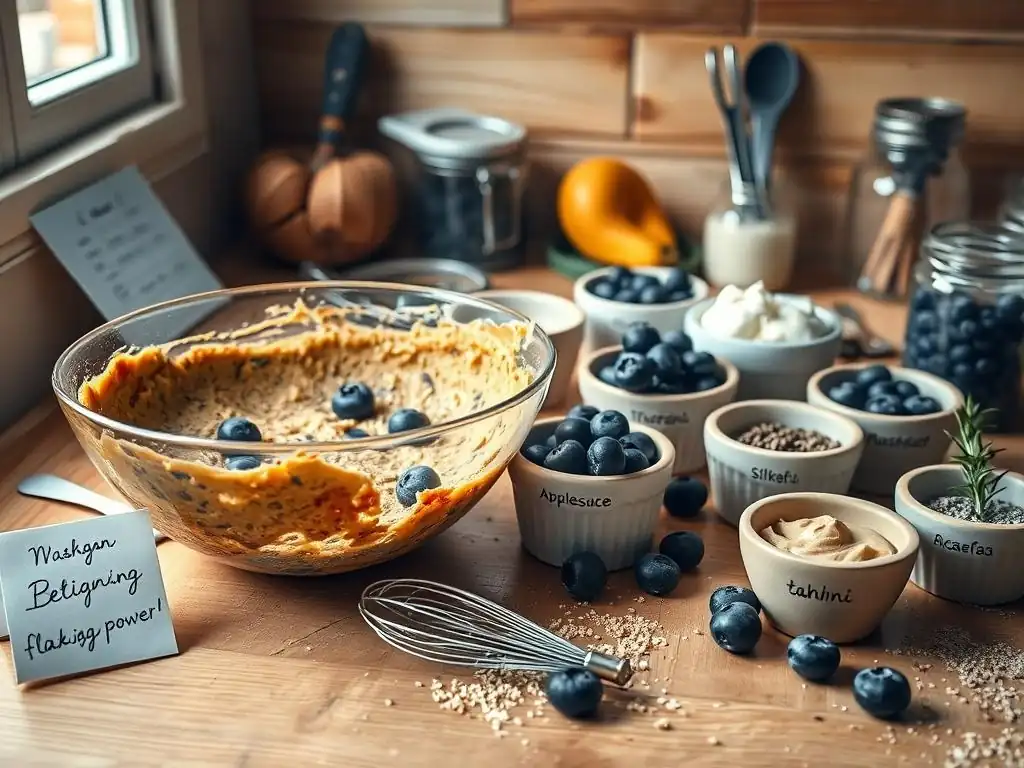
Once you're comfortable with basic vegan baking ingredient substitutions, you can explore more advanced techniques and less common ingredients to expand your repertoire. This includes using ingredients that might seem unusual but perform specific functions exceptionally well.
Advancing your vegan baking skills involves understanding the unique properties of various plant-based ingredients and how to leverage them to create complex textures and flavors. It's about moving beyond simple swaps to designing recipes specifically for vegan ingredients.
Uncommon Vegan Baking Ingredients
Beyond the standard swaps, several less common ingredients can be powerful tools in a vegan baker's arsenal. These ingredients often provide specific textures or functionalities that are hard to replicate with more common substitutions.
Exploring these less common vegan baking ingredient substitutions can unlock new possibilities, from creating creamy, stable fillings to adding unique richness to batters. They require a bit more understanding of their properties but offer exciting results.
Silken Tofu in Vegan Cheesecakes
Silken tofu is an excellent base for creamy vegan desserts like cheesecakes, mousses, and puddings. When blended, it creates a smooth, custardy texture that mimics dairy-based fillings. Its neutral flavor allows other ingredients to shine.
Using silken tofu as a vegan baking ingredient substitution requires blending it until perfectly smooth. It provides structure and creaminess without needing extensive thickeners, making it a staple for no-bake or baked vegan "cheese" cakes and pies.
Nut Butters for Richness
Nut butters like peanut butter, almond butter, or cashew butter can add incredible richness, flavor, and moisture to vegan baked goods. They work well in cookies, brownies, and bars, contributing to a dense, chewy texture.
Nut butters can act as partial fat or binder substitutes. For instance, adding peanut butter to a cookie recipe provides binding and a distinct flavor. They are effective vegan baking ingredient substitutions when you want to add both richness and a specific nutty taste profile.
Creating Custom Vegan Baking Recipes
Armed with knowledge of vegan baking ingredient substitutions, you can start adapting your favorite recipes or even creating new ones from scratch. This involves understanding the role of each ingredient and selecting the best plant-based alternative to fulfill that function.
Developing custom vegan baking recipes requires a fundamental understanding of baking science and how vegan ingredients behave. It's a process of experimentation, adjusting ratios, and testing different vegan baking ingredient substitutions until you achieve the desired outcome.
Vegan Brownie Recipe
A rich vegan brownie recipe often relies on melted vegan butter or oil for fudginess, cocoa powder for intense chocolate flavor, sugar, flour, and a binder like flax egg or applesauce. Vanilla extract and salt enhance the flavors.
The key to fudgy vegan brownies is often a higher fat-to-flour ratio and a binder that adds moisture without too much lift. Using melted fat as a vegan baking ingredient substitution helps achieve that dense, chewy texture characteristic of good brownies.
Vegan Scone Recipe
Vegan scones require achieving a tender, flaky texture, traditionally done with cold butter cut into flour. For vegan scones, cold vegan butter (or solid coconut oil) is cut into the dry ingredients. Plant milk or cream is then added to bring the dough together.
The technique is similar to traditional scones: keeping the fat cold is crucial for creating flaky layers as it melts in the oven. Using cold vegan butter and handling the dough minimally are key steps when making these vegan baking ingredient substitutions in scones.
Conclusion: Embrace Vegan Baking
Mastering vegan baking ingredient substitutions is an empowering journey that opens up a world of delicious, compassionate, and often healthier treats. By understanding the functions of traditional non-vegan ingredients and the properties of their plant-based counterparts, you can confidently tackle any baking challenge.
From simple swaps like plant milk for dairy to more advanced techniques using aquafaba or silken tofu, the possibilities are vast. Don't be afraid to experiment with different vegan baking ingredient substitutions, try new recipes, and learn from any outcomes that aren't perfect. Every attempt is a step towards becoming a more skilled and creative vegan baker. Embrace the process, and enjoy the satisfaction of creating delightful baked goods without dairy or eggs!
Frequently Asked Questions
What are some common egg substitutes in vegan baking?
Common egg substitutes include applesauce, mashed banana, or flaxseed meal mixed with water. These options help bind ingredients and add moisture.
Can I easily replace dairy milk in baking recipes?
Yes, replacing dairy milk is straightforward. Use plant-based milks like almond milk, soy milk, or oat milk in a 1:1 ratio.
What can I use instead of butter for vegan baking?
You can substitute butter with vegan butter alternatives readily available in stores. Alternatively, use coconut oil or vegetable shortening.
Are there any vegan substitutes for honey in baking?
Absolutely! Good substitutes for honey include maple syrup, agave nectar, or brown rice syrup. These add similar sweetness and moisture.
How does using vegan substitutes affect the overall texture of baked goods?
The texture can vary depending on the substitute. Experimentation is key! Some substitutes may result in a slightly denser or chewier texture, so adjust accordingly.
Final Reflection: The Sweet Revolution of Vegan Baking
The accessibility of delicious, ethical baking is no longer a distant dream; it's a reality fueled by innovation and readily available substitutions. Vegan baking, once a niche pursuit, has exploded in popularity, transforming the culinary landscape and proving that compassionate choices don't have to compromise on taste or texture. This surge in popularity is a testament to the growing awareness of ethical consumption and the increasing demand for plant-based alternatives.
This journey into the world of vegan baking substitutions has been a personal revelation, highlighting the creativity and resourcefulness required to achieve culinary excellence while aligning with our values. The best things in life are simple, and the simplest things are often the most profound.
This quote resonates deeply with the core message of this article: that achieving amazing vegan baked goods doesn't require complicated techniques or obscure ingredients, but rather a thoughtful understanding of fundamental substitutions. The ease and accessibility of these swaps empower anyone, regardless of their baking experience, to participate in this delicious revolution.
Now, it's your turn. Don't be intimidated by the seemingly complex world of vegan baking. Experiment with the substitutions outlined in this article, embrace the challenge, and discover the joy of creating delectable treats that are both kind to the planet and satisfying to the palate. Let your kitchen become a laboratory of culinary creativity, where ethical choices and delicious results intertwine seamlessly. The possibilities are as endless as your imagination.
Unlock Your Vegan Baking Potential!
Thanks for exploring the world of effortless vegan baking with us! We hope you've discovered some game-changing substitutions to make your favorite recipes plant-based and delicious. Now it's time to put your newfound knowledge into action.
- Bake your favorite recipe vegan tonight! Challenge yourself to swap out just one ingredient and see how it transforms the outcome.
- Share your vegan baking journey on social media – tag us so we can celebrate your creations!
- Explore our website for more vegan baking tips and tricks – you might discover your new favorite recipe!
What exciting vegan creation will you bake first?