
Easy Ways to Add Sparkle with Edible Glitter

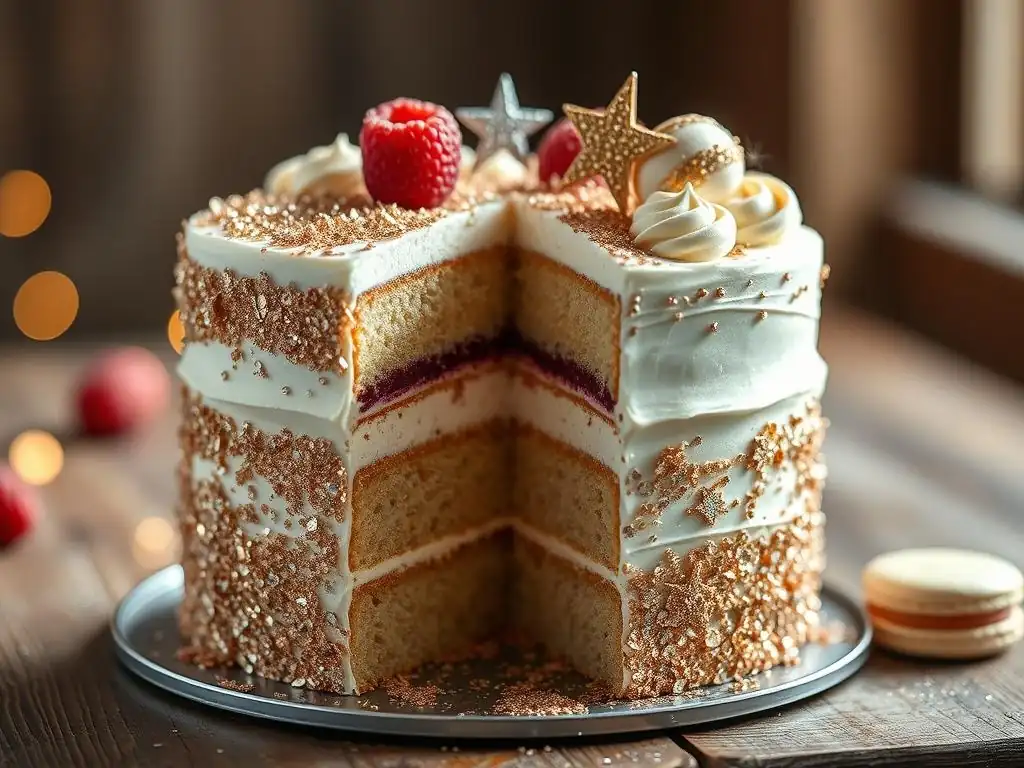
Welcome to BakeWithEase, your guide to baking brilliance! Ever wondered how to elevate your cakes from delicious to dazzling? Discover the secrets in our latest article, "Easy Ways to Add Sparkle with Edible Glitter Decorating Cakes." Unlock the magic and learn how to transform ordinary desserts into edible masterpieces. Ready to make your next bake truly shine?
- Introduction: Elevating Cake Design with Edible Glitter
- Exploring Edible Glitter Options for Cake Decoration
- Applying Edible Glitter Effectively to Cakes
- Creative Cake Designs Using Edible Glitter
- Addressing Common Edible Glitter Challenges
- Advanced Techniques for Edible Glitter Application
- Conclusion: Unleashing Creativity with Edible Glitter
- Frequently Asked Questions
- Final Reflection: The Enduring Allure of Edible Glitter
- Unleash Your Inner Glitterati!
Introduction: Elevating Cake Design with Edible Glitter
Defining Edible Glitter and Its Decorative Appeal
Edible glitter is a food-safe decorative product specifically designed to add sparkle, shimmer, and visual interest to baked goods like cakes, cupcakes, and cookies. Unlike craft glitter, which is made from materials not intended for consumption (like plastic or metal), edible glitter is composed of food-grade ingredients. Common components include gum arabic, maltodextrin, cornstarch, and food-safe colorants, often featuring mica-based pearlescent pigments that create the reflective effect. These ingredients are processed into tiny particles or flakes, ranging in size and shape to produce varying degrees of shimmer or intense sparkle.
The appeal of using edible glitter in decorating cakes lies in its ability to instantly transform a simple dessert into a dazzling masterpiece. It offers an easy and accessible way for bakers of all skill levels to add a touch of glamour, sophistication, or fun to their creations. Whether aiming for a subtle sheen on fondant, a shower of sparkle on buttercream, or intricate shimmering patterns, edible glitter provides a versatile tool.
It allows for quick enhancements that catch the light and draw the eye, making cakes perfect for celebrations, holidays, or any occasion where a little extra magic is desired. Mastering edible glitter decorating cakes opens up a world of creative possibilities.
The Art of Cake Design: Aesthetics and Flavor
Cake design is a fundamental aspect of baking, transforming a delicious treat into a visual centerpiece. While flavor is paramount, the appearance of a cake significantly contributes to the overall sensory experience and anticipation. A beautifully decorated cake sets the tone for an event and reflects the effort and creativity invested in its creation. Techniques range from simple frosting swirls and sprinkles to elaborate fondant sculptures and intricate piping. The goal is often to create a harmonious balance between delicious taste and appealing aesthetics, making the cake not just a dessert, but a form of edible art.
Incorporating elements like edible glitter into cake design enhances this artistic expression. It provides an additional layer of texture and visual dimension that traditional decorating methods might not achieve. For instance, a smooth fondant cake can be transformed with a fine dusting of pearlescent glitter for an elegant sheen, while a buttercream cake can burst with color and sparkle using larger glitter flakes.
The strategic application of edible glitter allows bakers to highlight specific design elements, create focal points, or give the entire cake a whimsical or luxurious finish. It's an effective way to elevate standard cake designs and add a memorable touch that delights both the eyes and the palate, making edible glitter decorating cakes a popular choice for special occasions.
Exploring Edible Glitter Options for Cake Decoration
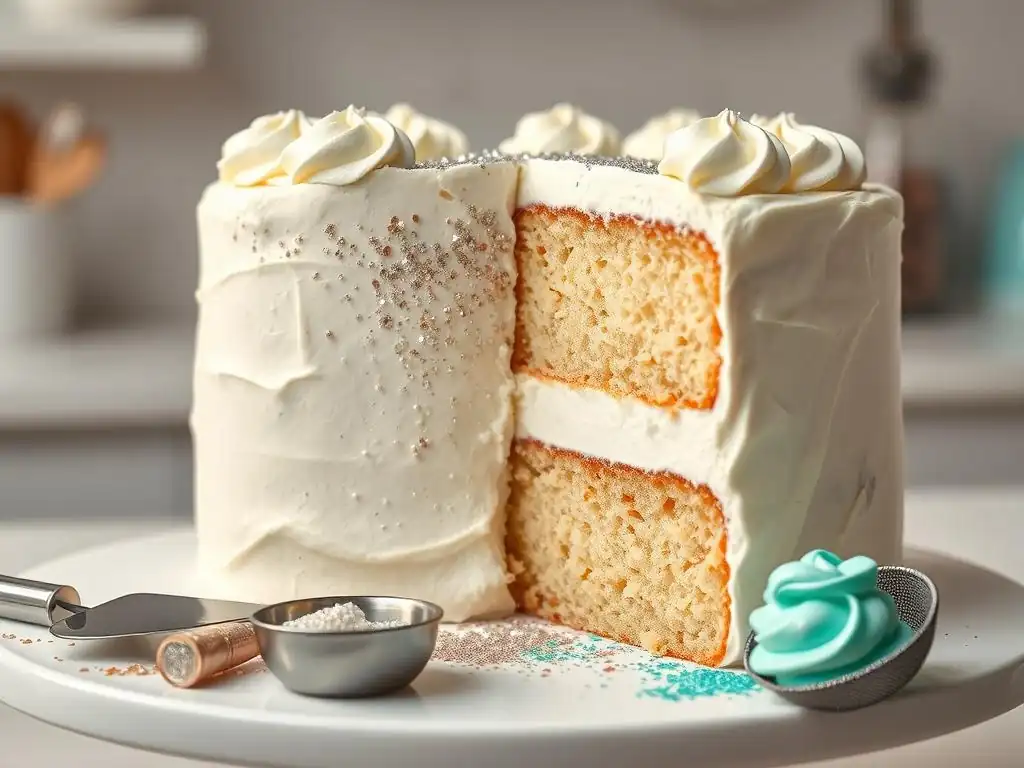
Comparing Edible Glitter Varieties: Colors, Textures, and Effects
Edible glitter comes in a surprising array of varieties, each offering unique characteristics in terms of color, texture, and the resulting visual effect on your baked goods. The most common type is fine edible glitter, which consists of very small particles, typically ranging from 0.004 to 0.008 inches. This size provides a subtle shimmer or soft sparkle, often used for dusting large areas or mixing into clear liquids for painting. It's available in a vast spectrum of colors, including metallics like gold and silver, as well as pearlescent whites and iridescent shades that shift color in the light.
Larger particle options include edible glitter flakes or "disco dust" (though be cautious as 'disco dust' is often a term used for non-edible craft glitter; always check labels for 'edible'). Flakes are larger and irregularly shaped, providing a more intense, scattered sparkle. Disco dust, when certified edible, consists of slightly larger, often hexagonal, particles that deliver a bold, highly reflective effect.
These larger glitters are excellent for creating dramatic accents or covering specific areas for maximum impact. Understanding these variations is key when planning edible glitter decorating cakes, as the choice of glitter type directly influences the final look, from a delicate twinkle to a dazzling shine.
Edible vs. Non-Edible Glitter: Prioritizing Food Safety
Distinguishing between edible and non-edible glitter is perhaps the most critical step when decorating cakes and other food items. Non-edible glitters, often marketed for crafts or sometimes misleadingly sold in cake supply sections without clear labeling, are made from materials like plastic, glass, or non-food-grade metals. These materials are not broken down by the digestive system and can pose health risks if consumed. While some non-edible glitters might be labeled as "non-toxic," this only means they won't poison you, not that they are safe to eat or digest.
True edible glitter is made only from food-safe ingredients approved for consumption. In the United States, this often means pigments like mica-based pearlescent pigments (often listed with FDA batch certification numbers) combined with food starches, gums, and approved colorants. These ingredients are designed to be consumed safely.
Always check the ingredient list and look for explicit labeling stating "edible" or "food-grade" alongside a list of ingestible components. If a product is labeled only "non-toxic" or lacks an ingredient list, assume it is not edible and should not be used on food that will be eaten. Prioritizing food safety when using edible glitter decorating cakes protects your guests and ensures your beautiful creation is safe to enjoy.
Reputable Edible Glitter Brands: Quality and Assurance
Choosing edible glitter from reputable brands is essential for ensuring both safety and quality results when decorating cakes. Established brands specializing in cake decorating supplies or food-grade ingredients are more likely to adhere to strict manufacturing standards and source high-quality, safe components. These companies typically provide clear labeling that lists all ingredients and confirms the product is certified as edible. Look for indicators such as "FDA approved," "food-grade," or specific certifications relevant to food safety standards in your region.
Quality in edible glitter also affects its performance. Well-made edible glitter tends to have more consistent particle size, vibrant and stable colors that don't bleed, and a better sparkle or shimmer effect. Cheaper, less reputable glitters might be duller, have uneven particle distribution, or even contain questionable ingredients.
While specific brand names cannot be listed here, a good rule of thumb is to purchase from suppliers known for selling professional baking and decorating supplies. Reading product descriptions carefully and ensuring the glitter is explicitly labeled for consumption will help you select safe and effective options for your edible glitter decorating cakes projects.
Applying Edible Glitter Effectively to Cakes
Sprinkle Application: A Simple and Elegant Touch
One of the easiest and most popular methods for using edible glitter on cakes is simple sprinkling. This technique is ideal for adding an all-over sparkle or concentrating shimmer on specific areas like borders, tops, or tiers. For a broad, even dusting, you can place the cake on a large tray or piece of parchment paper to catch excess glitter for reuse.
Hold the glitter container or a spoon a few inches above the cake and gently tap or shake it, allowing the glitter to rain down onto the surface. The amount of glitter applied can be controlled by the distance and force of the tapping.
For more targeted application, you can use a small spoon, a clean, dry paintbrush, or even your fingers (ensure hands are clean and dry). This allows you to apply glitter precisely to specific design elements, like the petals of a sugar flower, the edges of a fondant piece, or within piped buttercream details. Sprinkle application works best on surfaces that have some tackiness, such as freshly applied buttercream, ganache, royal icing before it's fully hardened, or fondant lightly brushed with edible glue or water.
The moisture helps the glitter adhere, preventing excessive fallout. This straightforward method makes adding sparkle with edible glitter decorating cakes incredibly accessible for beginners.
Painting Techniques: Achieving Detailed Glitter Designs
Painting with edible glitter allows for more intricate and controlled designs than simple sprinkling. This technique involves mixing edible glitter with a small amount of clear liquid medium, such as vodka, lemon extract, or a specialized edible glue or glaze. Alcohol-based extracts like vodka or lemon extract are preferred because they evaporate quickly, leaving the glitter adhered to the surface without adding moisture that could damage the cake or dissolve icing. Start with a small amount of liquid and gradually add glitter until you achieve a paint-like consistency – not too thick, not too thin.
Using food-safe paintbrushes (keep separate brushes for food use only! ), you can then paint the glitter mixture directly onto dried fondant, royal icing, or firm buttercream. This method is perfect for adding shimmer to detailed elements like painted patterns, edible images, or specific areas of sugarpaste decorations. You can create shimmering brushstrokes, delicate lines, or fill in stenciled areas. Allow each painted layer to dry completely before adding more or touching the area. Painting offers a precise way to incorporate edible glitter decorating cakes, enabling customized and artistic finishes.
Airbrushing for Uniform Glitter Coverage
Airbrushing is a technique that allows for incredibly smooth and uniform application of edible glitter, particularly fine glitters or edible shimmers designed for airbrush use. This method utilizes an airbrush kit – consisting of an air compressor, hose, and airbrush gun – to spray a mixture of edible glitter and a suitable liquid medium onto the cake surface. The liquid medium is typically a specialized airbrush solution or a mixture of clear alcohol and edible glitter designed to pass through the airbrush nozzle without clogging.
To airbrush with edible glitter, the glitter must be extremely fine; larger particles will clog the equipment. Mix the fine edible glitter with the airbrush medium according to the product instructions – often a ratio of 1 part glitter to 2-3 parts liquid is a starting point, but this varies. Test the consistency and spray pattern on a piece of parchment paper before applying to the cake.
Airbrushing provides a professional finish, creating a seamless, all-over shimmer or gradient effect. It's particularly effective for covering large cake tiers evenly or applying a consistent layer of sparkle to fondant or firm buttercream surfaces, making edible glitter decorating cakes with an airbrush a method for achieving polished results.
Stencil Designs: Creating Precise Glitter Patterns
Stencils are excellent tools for creating crisp, precise patterns and shapes using edible glitter on cakes. This technique allows you to add intricate designs, geometric shapes, or lettering with glitter, achieving results that would be difficult or impossible with freehand sprinkling or painting. Stencils are typically made from food-safe plastic or acetate and come in countless patterns.
To use a stencil with edible glitter, first ensure the cake surface (usually fondant or firm royal icing) is smooth and completely dry. Position the stencil firmly against the cake surface, holding it in place with pins, weights, or a gentle hand. Apply edible glitter over the stencil using one of several methods:
- Dusting: Gently sprinkle fine edible glitter over the stencil using a dry brush or sifter. Brush away excess glitter from the stencil surface before carefully lifting the stencil straight up to reveal the glitter design underneath.
- Painting: Mix fine edible glitter with a clear liquid (like vodka) to create a paint. Dab or brush the glitter paint through the stencil openings. Allow to dry before removing the stencil.
- Airbrushing: Use an airbrush with fine edible glitter mixed into an airbrush medium to spray over the stencil. This is ideal for larger stencils or achieving a very even layer within the pattern.
Using stencils provides a clean and controlled way to incorporate specific glitter patterns when edible glitter decorating cakes, adding sophistication and detail to your design.
Creative Cake Designs Using Edible Glitter
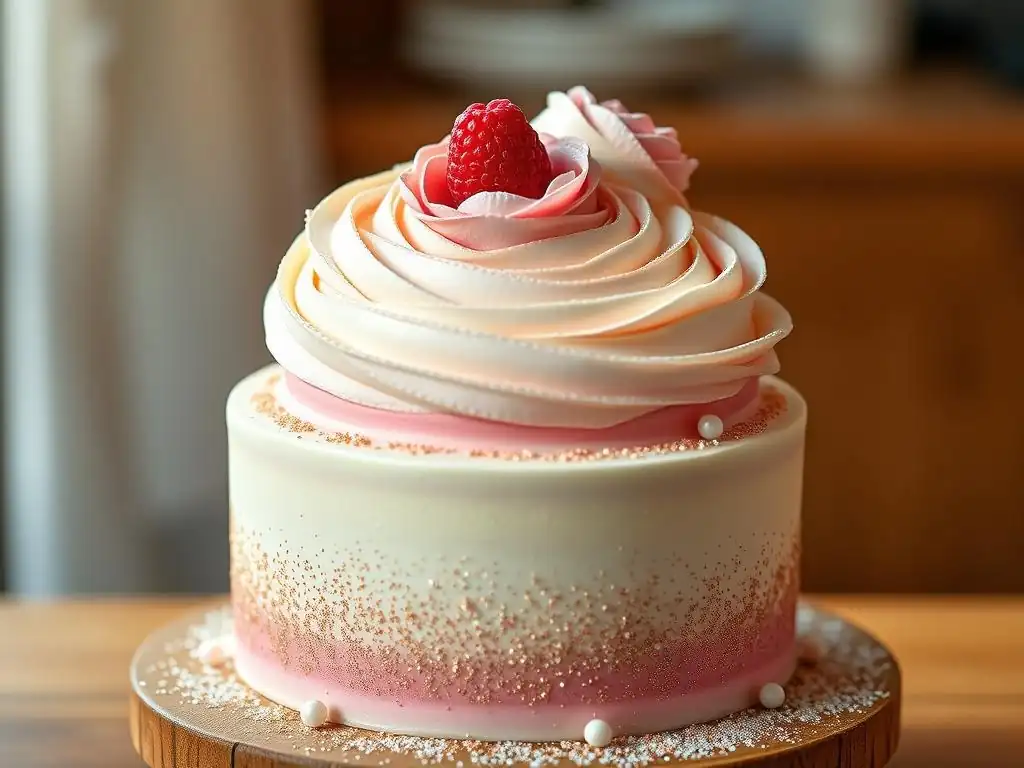
Birthday Cake Ideas with Glitter Accents
Birthday cakes are perfect canvases for incorporating edible glitter to add fun, festive, and personalized sparkle. For a child's birthday, think bright colors and bold applications. A princess castle cake can be dusted with iridescent white or pink glitter for a fairytale shimmer, while a superhero cake might feature metallic blue or red glitter accents on logos or capes. Unicorn cakes are immensely popular and almost require holographic or pearlescent edible glitter on the horn, mane, or base for that magical effect. Sprinkle glitter directly onto buttercream swirls or press it into fondant cutouts like stars or numbers.
For adult birthdays, edible glitter can add elegance or playful sophistication. A sleek, modern cake can feature a geometric glitter pattern applied with a stencil in gold or silver. A vintage-themed cake might use subtle pearl dust for a soft sheen. A themed cake, like a roaring twenties party cake, could feature black and gold glitter patterns reminiscent of Art Deco designs. Even simple sheet cakes can be elevated with a border of glitter or a glittered message. Edible glitter decorating cakes for birthdays allows for boundless creativity, making the celebration even more special and visually stunning.
Wedding Cake Designs Incorporating Edible Glitter
Edible glitter adds a touch of romance, elegance, and luxury perfect for wedding cakes. While often used more subtly than on birthday cakes, its impact can be profound. Fine pearl dust or iridescent white edible glitter can be airbrushed or lightly dusted over white or pastel fondant tiers to create a soft, ethereal glow that mimics dew or starlight. This adds depth and sophistication without overpowering the design.
Metallic edible glitters, particularly gold, silver, or rose gold, are popular for highlighting specific details on wedding cakes. They can be used to paint delicate lace patterns, emphasize sugar flowers, edge fondant ruffles, or cover decorative elements like monograms or cake toppers. A popular trend involves creating a "geode" effect on a cake, where a cutout section is filled with shimmering edible crystals and glitter to mimic sparkling rock formations.
A cascading effect of fine glitter down the side of a tiered cake can also create a stunning, elegant focal point. Edible glitter decorating cakes for weddings adds a refined sparkle that complements the celebratory and often luxurious nature of the event.
Holiday-Themed Cakes Enhanced with Glitter
Holidays offer fantastic opportunities to use edible glitter to make cakes festive and themed. Christmas cakes can shimmer with red, green, gold, or silver edible glitter. Think of dusting a gingerbread house cake with white glitter to look like snow, painting gold glitter onto fondant holly leaves, or airbrushing red glitter onto Santa hats on cupcakes. Halloween cakes can benefit from black, purple, or orange glitter for spooky sparkle on spiderwebs, pumpkins, or ghosts.
Other holidays also lend themselves well to glitter. Valentine's Day cakes can feature pink, red, or white glitter hearts. Easter cakes might use pastel glitters on egg shapes or bunny ears. Even patriotic holidays like the Fourth of July can incorporate red, white, and blue edible glitter on stripes or stars. Using stencils with holiday shapes (snowflakes, pumpkins, hearts) and filling them with appropriate colored glitter is a simple yet effective technique. Edible glitter decorating cakes for holidays instantly boosts the festive spirit and makes your baked goods visually exciting and perfectly on theme.
Cupcakes and Other Treats: Adding a Glittering Touch
Edible glitter isn't just for large cakes; it's also a fantastic way to add sparkle to smaller treats like cupcakes, cookies, cake pops, and macarons. Cupcakes offer individual servings of sparkle. A simple swirl of buttercream can be dusted with glitter, or fondant toppers can be painted or sprinkled with glitter before being placed on the cupcake. Using a stencil directly on top of a frosted cupcake allows for quick, patterned glitter application.
Cookies decorated with royal icing or fondant are ideal for detailed glitter work. You can paint intricate patterns with glitter mixed with alcohol, apply glitter through stencils, or simply sprinkle it over wet icing for a sparkling finish. Cake pops dipped in candy melts or chocolate can be rolled in fine glitter while still wet for an all-over shimmer.
Macarons can have glitter mixed into the meringue batter (use heat-stable glitter) or painted onto the finished shells. Adding edible glitter decorating cakes, cupcakes, and cookies makes these smaller items just as glamorous and eye-catching as their larger counterparts, perfect for party favors or dessert tables.
Addressing Common Edible Glitter Challenges
Preventing Glitter Fallout: Ensuring Lasting Sparkle
One of the most common frustrations when working with edible glitter is preventing it from falling off the cake surface. Glitter fallout can leave a mess and diminish the intended sparkling effect. The key to successful adhesion is applying the glitter to a surface that is slightly wet or tacky.
For buttercream, apply glitter shortly after frosting before a crust forms. For fondant or gumpaste, lightly brush the area where you want glitter with a minimal amount of edible glue, clear alcohol (like vodka), or even water using a clean paintbrush, then immediately apply the glitter. The liquid acts as an adhesive.
For surfaces that are already dry, like hardened royal icing or set fondant, you must use an adhesive like edible glue or a mixture of clear alcohol and glitter paint. Simply sprinkling dry glitter onto a dry surface will result in significant fallout. When applying, consider using a tray or parchment paper underneath the cake to catch excess glitter, which can often be reused. Gently tapping off the initial excess right after application can also help, leaving only the adhered particles. Proper application technique ensures your edible glitter decorating cakes maintain their sparkle from display to serving.
Achieving Smooth, Even Glitter Distribution
Getting edible glitter to distribute evenly across a cake surface can be tricky, especially when aiming for a consistent shimmer rather than scattered sparkle. When dusting large areas, using a fine-mesh sieve or a specialized glitter pump can help. Placing the glitter in the sieve and gently tapping the side allows the glitter to fall in a more controlled, even shower than simply sprinkling from a jar. A glitter pump works similarly, using air to propel the glitter onto the surface in a fine mist.
For achieving a truly smooth and uniform shimmer, airbrushing is the most effective method, provided you are using airbrush-specific fine glitter or shimmer dust. Mix the glitter with an airbrush medium and practice your technique on paper first to ensure an even spray pattern. When painting with glitter, thinning the mixture appropriately (not too thick) and applying in thin, even coats can prevent clumping and streaks.
For sprinkling, ensure the surface is consistently tacky across the area you are applying glitter to, as dry spots will result in patchy coverage. Practice with different application methods to find what works best for achieving flawless edible glitter decorating cakes.
Proper Storage for Maintaining Glitter Quality
Proper storage is crucial for maintaining the quality, color, and sparkle of your edible glitter over time. Exposure to moisture, air, and light can cause edible glitter to clump, fade, or lose its reflective properties. Always store edible glitter in airtight containers. The original packaging is often suitable, provided the lid seals tightly. If the original container is damaged or doesn't seal well, transfer the glitter to a small airtight jar or a resealable plastic bag designed for food storage.
Store the airtight containers in a cool, dry place, away from direct sunlight and humidity. Kitchen cabinets away from the stove or oven are usually suitable. Avoid storing edible glitter in the refrigerator or freezer unless specifically instructed by the manufacturer, as condensation can form and introduce moisture when the container is removed. Properly stored edible glitter can last for several years, though it's always wise to check for any signs of clumping, fading, or off smells before use. Taking care of your supplies ensures they are ready whenever inspiration strikes for edible glitter decorating cakes.
Advanced Techniques for Edible Glitter Application
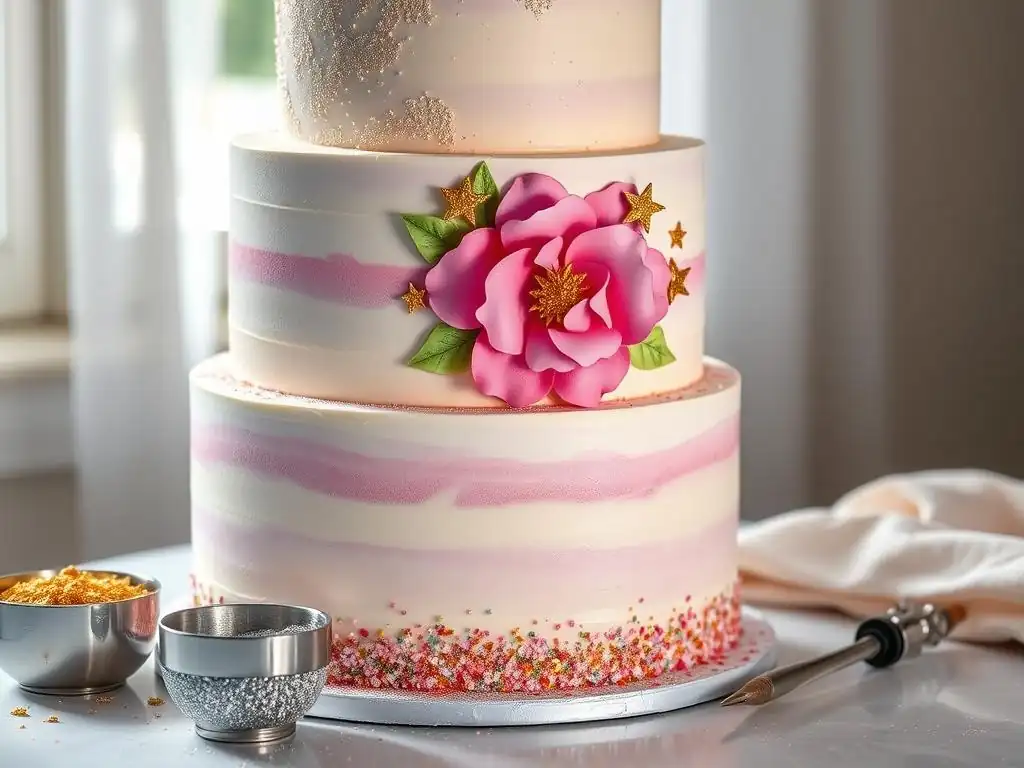
Creating Custom Glitter Blends and Effects
Moving beyond single-color applications, advanced bakers can create unique visual effects by mixing different types, colors, and particle sizes of edible glitter. Combining fine glitter with larger flakes can produce a multi-dimensional sparkle that catches the light in various ways. For instance, mixing a fine gold shimmer with larger gold flakes creates a richer, more complex metallic effect than using either alone. Blending different colors can also yield stunning results; mixing a fine blue glitter with a fine silver glitter can create an icy, cool sparkle perfect for winter themes.
To create a custom blend, simply combine the desired glitters in a clean, dry container. Start with a small batch to test the effect before mixing larger quantities. Consider the base color of your cake or decoration, as this will influence how the glitter blend appears. A blend applied over white will look different than the same blend applied over black or a vibrant color. Experimenting with ratios and combinations allows you to tailor the sparkle precisely to your design vision, adding a unique touch to your edible glitter decorating cakes.
Integrating Glitter into Cake Recipes: Considerations and Techniques
While most edible glitter is applied externally to cakes, some types can potentially be incorporated into cake components, though with significant considerations. Certain heat-stable edible glitters or shimmers can sometimes be mixed into clear liquids like extracts or even occasionally into light-colored batters or frostings. However, this is tricky, and results can be unpredictable.
When mixed into batters or frostings, edible glitter particles tend to sink due to gravity or get coated and dulled by the opaque ingredients. The vibrant sparkle seen in the jar might disappear or become significantly muted. Using glitter in batter is generally not recommended for achieving a visible sparkle effect.
For frostings, extremely fine shimmer dust might provide a slight pearlescent quality when mixed in, but larger glitter particles are unlikely to retain their sparkle. The most effective way to integrate glitter's visual impact within a cake is often by layering or incorporating it into translucent elements like edible gelatin bubbles or isomalt decorations, which are then placed on or in the cake. External application remains the most reliable method for achieving noticeable sparkle when edible glitter decorating cakes.
Combining Glitter with Various Decorative Elements
Edible glitter works beautifully in conjunction with other cake decorating elements, allowing for multi-textured and visually rich designs. It can enhance the impact of fondant, buttercream, royal icing, sugarpaste flowers, edible prints, and sprinkles. For example, dusting glitter onto the tips of piped buttercream swirls adds instant glamour. Painting glitter onto dried royal icing details, like intricate lace patterns, makes them pop.
When using fondant, glitter can be applied over embossed textures, cutouts, or painted designs. Sugar flowers become more realistic or whimsical with a touch of glitter on petals or leaves. Edible images or prints can have specific areas highlighted with painted glitter.
Combining glitter with sprinkles can create dynamic textures – for instance, using edible glue to adhere glitter around a border of sprinkles. The contrast between the smooth surface of fondant, the soft texture of buttercream, and the reflective quality of glitter creates visual interest. Integrating edible glitter decorating cakes with other techniques expands the possibilities for creating truly unique and stunning creations.
Conclusion: Unleashing Creativity with Edible Glitter
Key Takeaways for Successful Glitter Application
Mastering edible glitter application is about understanding the product and practicing techniques. The key takeaways for successful edible glitter decorating cakes include prioritizing food safety by always using explicitly labeled edible glitter made from food-grade ingredients. Understanding the different types of edible glitter – from fine dusts for subtle shimmer to larger flakes for bold sparkle – allows you to choose the right product for your desired effect.
Effective application depends on the cake's surface; glitter adheres best to tacky or slightly wet surfaces like fresh buttercream or fondant brushed with edible glue or alcohol. Techniques like sprinkling, painting with a clear medium, airbrushing (for fine glitters), and using stencils offer versatile ways to apply glitter, from all-over coverage to precise patterns. Addressing common challenges like fallout by using appropriate adhesives and achieving even distribution through sifting, airbrushing, or careful painting are crucial for polished results. Finally, proper storage in airtight containers keeps your glitter ready for its next starring role.
Final Recommendations for Sparkling Cake Creations
Incorporating edible glitter into your cake decorating repertoire is a simple yet impactful way to add sparkle, elegance, and fun to your baked goods. Don't be afraid to experiment with different colors, textures, and application methods. Start with simple techniques like dusting cupcakes or adding a glitter border to a cake, and gradually explore more advanced methods like stenciling or painting intricate designs. Consider the overall theme and color scheme of your cake when choosing glitter, using it to complement or enhance other decorative elements.
Edible glitter decorating cakes allows you to unleash your creativity and transform ordinary desserts into extraordinary celebrations. Whether you're aiming for a subtle shimmer on a wedding cake or a dazzling explosion of color on a birthday treat, edible glitter provides an accessible path to achieving stunning visual results. With a focus on safety, understanding the product, and practicing techniques, you'll be well on your way to creating sparkling cake creations that impress and delight everyone. Happy glittering!
Frequently Asked Questions
How do I choose the right edible glitter for my cake?
When choosing edible glitter, ensure it is specifically labeled as "edible" or "food-grade". Avoid craft glitters, as they are toxic. Look for glitters made from ingredients like sugar, cornstarch, or vegetable colorings.
What's the best way to apply edible glitter to a frosted cake?
For frosted cakes, use a dry brush to lightly dust the glitter onto the frosting while it is still slightly tacky. Alternatively, you can use a small sifter or shaker for a more even distribution.
Can I mix edible glitter into my cake batter or frosting?
Yes, but be aware that the color may fade or become less vibrant during baking or when mixed into frosting. It's often better to apply it to the finished product for maximum impact.
How much edible glitter should I use on my cake?
Start with a small amount and gradually add more until you achieve the desired effect. Remember that a little goes a long way, and overdoing it can make the cake look less appealing.
What are some creative ways to use edible glitter besides sprinkling?
Consider creating glittery patterns using stencils, mixing it with piping gel for a paint-like effect, or adding it to cake pops for a dazzling finish. The possibilities are endless!
Final Reflection: The Enduring Allure of Edible Glitter
The art of cake decorating continues to evolve, but the simple joy of adding a touch of sparkle with edible glitter remains a timeless and undeniably effective technique. From intricate designs to subtle accents, edible glitter elevates the ordinary to the extraordinary, transforming a simple cake into a captivating masterpiece. Its versatility and ease of use make it accessible to both novice bakers and seasoned professionals, ensuring its continued popularity in the world of culinary artistry.
The impact of edible glitter extends beyond mere aesthetics; it represents a playful spirit and a desire to add a touch of magic to everyday moments. It's a subtle detail that can transform a celebration, making it feel more special and memorable. As the saying goes, Details make the difference.
And in the world of cake decorating, edible glitter is a detail that makes all the difference, adding a touch of whimsy and sophistication that resonates with bakers and cake lovers alike. It's a testament to the power of small details to create a big impact.
Now, it's your turn. Consider how you can incorporate this simple yet effective technique into your own baking adventures. Don't be afraid to experiment with different colors, textures, and application methods to discover your own unique style. Let the sparkle inspire you to create cakes that are not only delicious but also visually stunning, transforming simple gatherings into unforgettable celebrations. The possibilities are as limitless as your imagination – so go forth and sprinkle some joy!
Unleash Your Inner Glitterati!
Thanks for taking the time to explore the magical world of edible glitter with us! We hope you've discovered some delicious inspiration for your next baking project. Ready to add some sparkle?
- Transform your next creation: Try adding edible glitter to your favorite recipe – cookies, cupcakes, even cocktails! Let your imagination run wild.
- Share your glittering masterpieces: Show off your sparkly creations on social media using #BakeWithEaseGlitter. We'd love to see them!
- Dive deeper into the shimmer: Explore our other articles on advanced glitter techniques and unique flavor pairings.
Ready to sprinkle some extra magic into your baking? What's the first recipe you'll be glittering up?