
Swiss Meringue: The Silky Smooth Secret to Stable Frosting and Toppings

Welcome to BakeWithEase, your companion in the delicious world of baking! Are you ready to unlock the secret to a frosting so smooth, so stable, it'll transform your desserts from delightful to divine? Our journey into Swiss meringue frosting begins here. Forget everything you think you know about finicky frostings – this easy Swiss meringue frosting recipe is about to become your new go-to. Intrigued? Let's dive in and discover how simple it is to achieve perfection!
- Introduction to Swiss Meringue: The BakeWithEase Guide to Silky Frosting
- What is Swiss Meringue and Why Choose It?
-
The Ultimate Swiss Meringue Frosting Recipe: Step-by-Step Instructions
- Ingredients for a Perfect Swiss Meringue Buttercream
- Equipment Needed for Making Swiss Meringue Frosting
- Step 1: Combining Egg Whites and Sugar - The Gentle Heat
- Step 2: Whisking to Dissolve the Sugar
- Step 3: Cooking the Egg Whites Safely
- Step 4: Whipping to Stiff, Glossy Peaks: Achieving the Right Consistency
- Step 5: Adding Butter Gradually for a Silky Smooth Finish
- Step 6: Flavoring and Coloring Your Swiss Meringue Buttercream: Tips and Tricks
- Troubleshooting Common Swiss Meringue Problems
- Swiss Meringue Frosting: Variations and Flavor Ideas
- Using Swiss Meringue for Cake Decorating and Toppings
- Storing and Freezing Swiss Meringue Buttercream
- Swiss Meringue: Beyond Frosting - Other Baking Applications
- Conclusion: Mastering the Art of Swiss Meringue for Superior Baking Results.
- Frequently Asked Questions
- Final Reflection: The Enduring Allure of Swiss Meringue
- Unlock the Silky Smooth Secret: Master Swiss Meringue Today!
Introduction to Swiss Meringue: The BakeWithEase Guide to Silky Frosting
Welcome to the world of Swiss meringue! If you've ever dreamed of creating frostings that are not only incredibly smooth and stable but also less sweet than traditional buttercream, you're in the right place. Swiss meringue is a fantastic technique that elevates your baking, providing a luxurious texture perfect for cakes, cupcakes, and more. It's a fundamental skill that, once mastered, unlocks a new level of baking artistry.
This guide from BakeWithEase will walk you through everything you need to know about this elegant meringue. We'll cover what it is, why it's superior for many applications, provide an easy-to-follow Swiss meringue frosting recipe, and even tackle common issues you might encounter. Get ready to discover the secret to that perfectly pipes buttercream you see in bakeries!
What is Swiss Meringue and Why Choose It?
Understanding the Basics of Swiss Meringue
Swiss meringue is created by gently heating egg whites and sugar together over a double boiler until the sugar is fully dissolved and the mixture reaches a specific temperature, typically between 130°F and 140°F (54°C to 60°C). This process partially cooks the egg whites, making them safe to consume and creating a very stable base. Once heated, the mixture is then whipped to stiff, glossy peaks.
Unlike other meringues where sugar is added to cold egg whites, the heating step in the Swiss method ensures the sugar granules are completely dissolved, resulting in a uniquely smooth texture. The heat also helps to denature the egg white proteins in a controlled manner, allowing them to form a much stronger, more resilient structure when whipped. This inherent stability is a hallmark of Swiss meringue.
Swiss Meringue vs. Italian and French Meringue: A Comparison
French meringue is the simplest form, made by whipping granulated sugar into raw egg whites until stiff peaks form. It's light and airy but the least stable of the three, often used for pavlovas or baked meringue shells. Because the egg whites are raw, it requires baking or immediate consumption and can weep or deflate easily. The texture can also feel slightly grainy if the sugar doesn't fully dissolve.
Italian meringue, like Swiss, involves heating sugar, but in the Italian method, a hot sugar syrup (cooked to the soft-ball stage, around 240°F or 115°C) is carefully drizzled into whipping egg whites. This cooks the egg whites as they whip, resulting in a very stable and glossy meringue.
It's excellent for mousses or as a topping that can be torched (like on lemon meringue pie), but the syrup method can be intimidating for beginners and requires a candy thermometer and careful handling of hot sugar. Swiss meringue offers a middle ground: cooked egg whites for stability and safety, but with a simpler, less hazardous heating method than Italian meringue.
Benefits of Using Swiss Meringue for Frosting and Toppings: Stability and Texture
One of the primary benefits of using Swiss meringue as a base for frosting, particularly Swiss meringue buttercream, is its remarkable stability. The heating process and subsequent whipping create a strong protein structure that is resistant to collapsing. This means cakes frosted with Swiss meringue buttercream hold their shape beautifully, even in warmer conditions compared to traditional American buttercream, which can become soft and unstable.
Furthermore, Swiss meringue buttercream is renowned for its incredibly smooth, almost silky texture. Because the sugar is fully dissolved over heat before whipping, there are no gritty granules whatsoever. This results in a luxurious mouthfeel that pairs wonderfully with delicate cakes and pastries. It's also significantly less sweet than American buttercream, allowing the flavors of the cake and the flavoring added to the buttercream to shine through. This makes it an ideal choice for elegant desserts.
The Ultimate Swiss Meringue Frosting Recipe: Step-by-Step Instructions
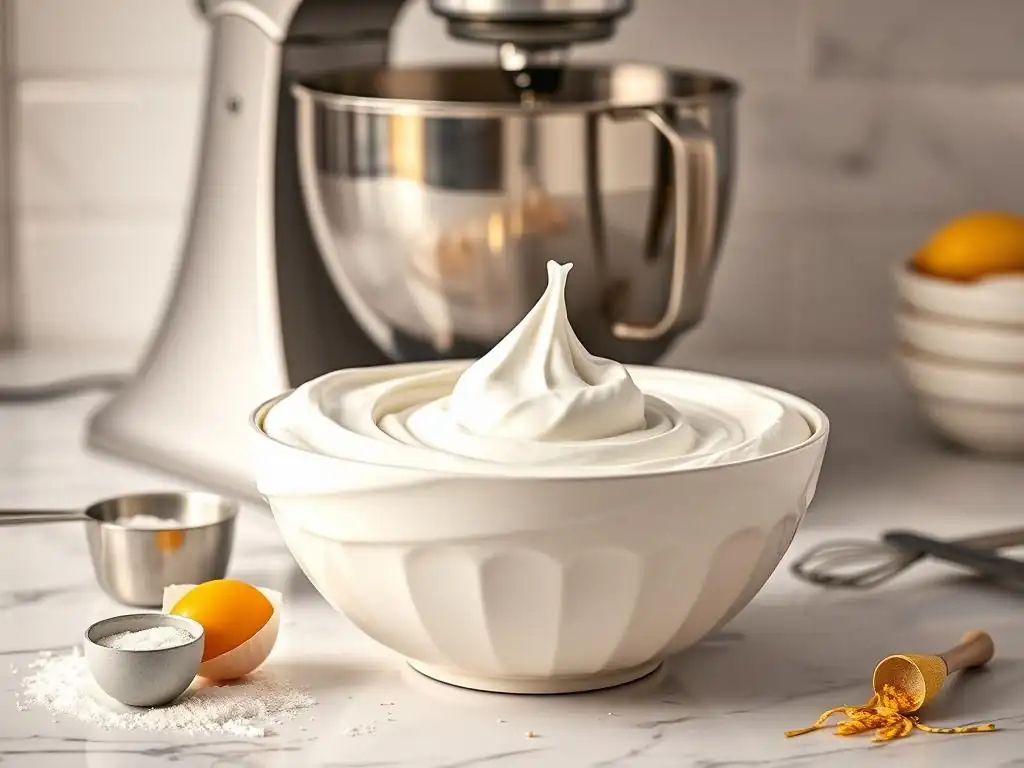
Looking for an easy Swiss meringue frosting recipe? This guide breaks down the process into manageable steps, perfect for achieving that professional finish at home. This recipe yields a generous amount of silky, stable buttercream, ideal for frosting a two-layer cake or about 24 cupcakes.
The key to a successful Swiss meringue frosting lies in patience and paying attention to temperatures and textures at each stage. Don't rush the cooling process after whipping the meringue; the butter must be added only when the meringue is cool enough, or you'll end up with a soupy mess. Follow these steps carefully, and you'll master this beautiful frosting.
Ingredients for a Perfect Swiss Meringue Buttercream
Gathering your ingredients accurately is the first step to a perfect Swiss meringue buttercream. Using weights for the egg whites and sugar provides the most consistent results, as the size of eggs can vary. Ensure your butter is at room temperature – it should be soft enough to indent easily with your finger but not melted or greasy.
Here's what you'll need for a standard batch:
- 5 large egg whites (about 150-160 grams)
- 1 1/4 cups granulated sugar (about 250 grams)
- 1 teaspoon vanilla extract (or other flavoring)
- 1 1/2 cups unsalted butter, room temperature, cut into cubes (about 340 grams)
- Pinch of salt (optional, enhances flavor)
Equipment Needed for Making Swiss Meringue Frosting
Having the right tools will make the process significantly easier and more successful. A stand mixer with a whisk attachment is highly recommended, as the whipping step takes several minutes and requires consistent speed. While you can do it with a hand mixer, it's much more labor-intensive.
Essential equipment includes:
- Heatproof bowl (metal or glass) that fits snugly over a saucepan (to create a double boiler)
- Saucepan
- Whisk (for the initial heating step)
- Rubber spatula or scraper
- Candy thermometer or instant-read thermometer
- Stand mixer with whisk and paddle attachments (or hand mixer)
Step 1: Combining Egg Whites and Sugar - The Gentle Heat
Begin by separating your eggs carefully, ensuring no yolk gets into the whites, as fat can prevent the meringue from whipping properly. Combine the egg whites and granulated sugar in your heatproof bowl. Place the bowl over a saucepan containing about an inch or two of simmering water, ensuring the bottom of the bowl does not touch the water.
Stir the egg white and sugar mixture constantly with a whisk over the gentle heat. This gentle stirring helps dissolve the sugar crystals evenly and prevents the egg whites from cooking too quickly or scrambling. Keep stirring until the mixture is warm to the touch and you no longer feel any grit when you rub a small amount between your fingers.
Step 2: Whisking to Dissolve the Sugar
Continue whisking the mixture over the simmering water. The goal here is not to whip air into the mixture yet, but solely to dissolve every last sugar crystal. The mixture will become more fluid and slightly opaque as the sugar dissolves.
Test for dissolved sugar frequently by carefully dipping a clean finger and rubbing it against your thumb. If it feels perfectly smooth, like liquid silk, the sugar is fully dissolved. If you feel any graininess, continue whisking and heating gently. This step is crucial for achieving the signature smooth texture of Swiss meringue.
Step 3: Cooking the Egg Whites Safely
Once the sugar is dissolved, continue to heat the mixture, stirring occasionally, until it reaches a temperature of 130°F to 140°F (54°C to 60°C) on your thermometer. This temperature range is sufficient to pasteurize the egg whites, making them safe to eat without further cooking, which is a significant advantage of the Swiss method.
Remove the bowl from the heat immediately once it reaches the target temperature. Wipe any condensation from the bottom of the bowl. Transfer the mixture to the clean bowl of your stand mixer (or use a clean bowl for a hand mixer). It's now ready for the crucial whipping stage.
Step 4: Whipping to Stiff, Glossy Peaks: Achieving the Right Consistency
Attach the whisk attachment to your stand mixer. Begin whipping the warm egg white and sugar mixture on medium speed for about a minute, then increase the speed to high. Whip the mixture continuously. Initially, it will be foamy, then it will expand and become thick and glossy.
Continue whipping until the meringue forms stiff, glossy peaks and the bowl feels completely cool to the touch from the outside. This can take anywhere from 10 to 15 minutes, depending on your mixer and the quantity. Stiff peaks mean that when you lift the whisk, the meringue stands straight up without drooping. The mixture must be cool (around room temperature) before adding the butter, or the butter will melt and the frosting will not emulsify correctly.
Step 5: Adding Butter Gradually for a Silky Smooth Finish
Once the meringue is cool and you have stiff, glossy peaks, switch from the whisk attachment to the paddle attachment on your stand mixer. With the mixer running on low speed, begin adding the softened, cubed butter a few pieces at a time. Wait until each addition is mostly incorporated before adding the next.
As you add the butter, the mixture will likely look curdled or broken. This is a normal, if alarming, stage! Don't panic. Keep mixing on medium speed. After a few minutes, the mixture will suddenly transform into a smooth, creamy, and silky buttercream. If it still looks curdled after several minutes of mixing, it might be too warm or too cold – see the troubleshooting section below. Continue mixing until the buttercream is completely smooth and uniform.
Step 6: Flavoring and Coloring Your Swiss Meringue Buttercream: Tips and Tricks
Once your Swiss meringue buttercream is smooth and ready, it's time to add flavorings and color. With the mixer on low speed, beat in vanilla extract, almond extract, or any other liquid flavorings. For extracts, start with a teaspoon and add more to taste. Be careful not to add too much liquid flavoring, as it can sometimes affect the consistency.
To color the buttercream, use gel food coloring rather than liquid drops, as gel is more concentrated and won't add excess moisture. Add a small amount of gel coloring with a toothpick and mix on low speed until the color is evenly distributed. Add more gradually until you achieve your desired shade. For best results and vibrant colors, mix for a few minutes after adding the color to ensure there are no streaks.
Troubleshooting Common Swiss Meringue Problems
Even with an easy Swiss meringue frosting recipe, things can occasionally go wrong. Don't despair! Swiss meringue buttercream is surprisingly forgiving, and most common issues can be fixed with a little know-how and patience.
Understanding the potential pitfalls and their solutions will save you time and frustration. The key is often temperature correction or simply continued mixing. Here are some common problems and how to fix them.
Why is My Meringue Grainy? Solutions for a Smooth Texture
A grainy texture in your finished Swiss meringue buttercream almost always points back to undissolved sugar in the initial egg white mixture. If you can feel sugar crystals when you rub the mixture between your fingers after heating, you didn't heat and stir it long enough.
To fix this, you generally can't dissolve the sugar after whipping. Prevention is key. Ensure the sugar is completely dissolved over the double boiler in Step 2. If you've already made the buttercream and it's grainy, you can sometimes improve it slightly by gently warming a small portion and whisking it back into the main batch, but it's often better to restart the meringue base, making sure the sugar is fully dissolved this time.
Meringue Isn't Forming Stiff Peaks? Fixing Weak Meringue
If your meringue is taking an excessively long time to whip up or isn't reaching stiff, glossy peaks, there are a few potential culprits. The most common is residual fat in the bowl or on the whisk, which prevents the egg whites from whipping properly. Ensure all your equipment is scrupulously clean and free of any grease or oil.
Another reason could be that the egg whites weren't heated sufficiently over the double boiler (they need that heat to build a strong structure) or that you didn't whip it for long enough. Humidity can also play a role, sometimes making meringue less stable. If it's still warm, keep whipping until the bowl is cool. If it seems weak even when cool, ensure your egg whites were separated properly with absolutely no yolk. Sometimes, simply continuing to whip for several more minutes at high speed will solve the problem.
Buttercream Looks Curdled? How to Save Separated Swiss Meringue
Seeing your beautiful, whipped meringue turn into a curdled, soupy, or separated mess after adding butter is the most common moment of panic for beginners. However, this is usually fixable! The most frequent cause is adding butter when the meringue is too warm or too cold.
If the buttercream is soupy and liquidy, it's likely too warm. Place the bowl (or just the bottom of the bowl) in an ice bath for a few minutes, stirring occasionally, then return to the mixer and whip on medium-high speed. If the buttercream is thick but looks curdled, like cottage cheese, it's likely too cold.
Take out about a cup of the buttercream, gently warm it in a microwave for just 5-10 seconds (or over a double boiler for a moment), and then return it to the main bowl while the mixer is running on medium speed. Continue whipping the entire batch. In both cases, keep whipping – often, the mixture will come together beautifully into a smooth, silky buttercream after several minutes of continued mixing.
Swiss Meringue Frosting: Variations and Flavor Ideas
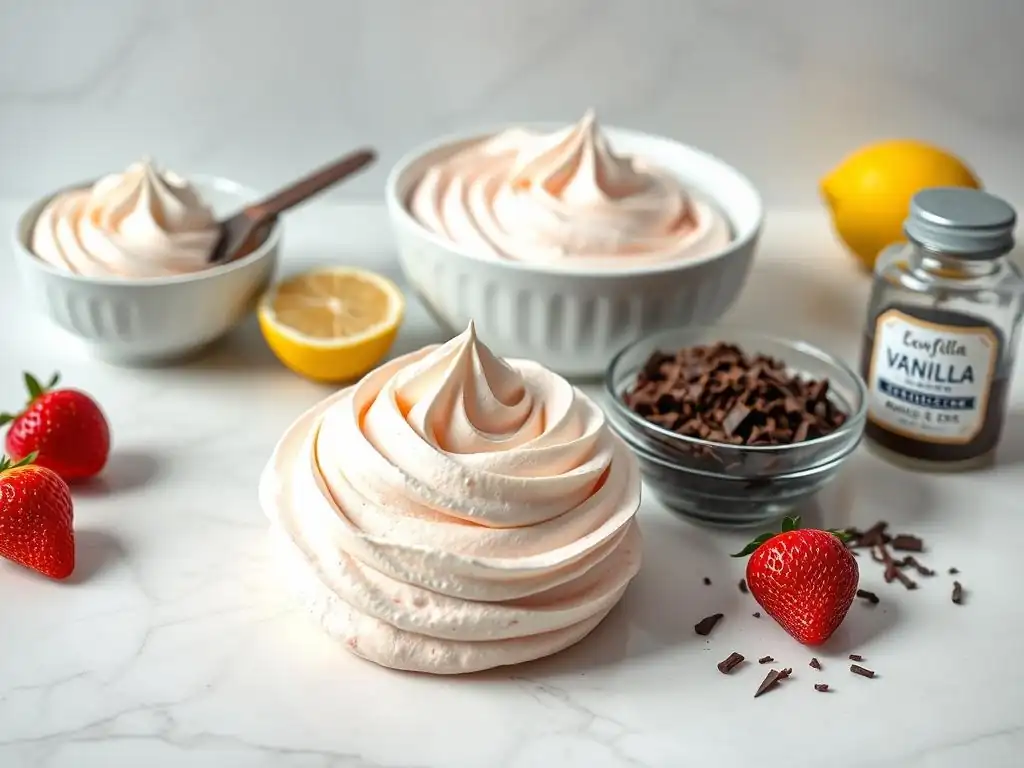
The basic easy Swiss meringue frosting recipe is a fantastic starting point, but its neutral, not-too-sweet base makes it perfect for incorporating a wide range of flavors. From classic vanilla bean to rich chocolate or bright citrus, the possibilities are vast.
Experimenting with different extracts, melted chocolate, fruit purees, or coffee can transform your basic Swiss meringue buttercream into something truly special, tailored to complement your baked goods. Remember to add flavorings gradually and mix thoroughly to ensure even distribution.
Chocolate Swiss Meringue Buttercream: Rich and Decadent
To create a luxurious chocolate Swiss meringue buttercream, melt high-quality chocolate (dark, milk, or a mix) and let it cool slightly but remain liquid. Once your basic Swiss meringue buttercream is smooth and ready, reduce the mixer speed to low and slowly drizzle in the cooled melted chocolate.
Whip the buttercream on medium speed until the chocolate is fully incorporated and the frosting is uniformly colored and smooth. Use about 4-6 ounces (113-170g) of melted chocolate per batch of buttercream, adjusting to your desired intensity. This variation is perfect for chocolate cakes, cupcakes, or as a filling for pastries.
Vanilla Bean Swiss Meringue: Classic and Elegant
For a classic and elegant vanilla bean Swiss meringue buttercream, use the seeds scraped from one or two vanilla beans instead of or in addition to vanilla extract. The tiny black flecks add a gourmet touch and intense vanilla flavor.
Scrape the seeds from the vanilla bean pod after the buttercream has become smooth and silky in Step 5. Add the seeds and mix on low speed until evenly distributed. The flavor is pure, aromatic vanilla, complementing almost any cake or dessert.
Lemon Swiss Meringue: Zesty and Refreshing
A bright and zesty lemon Swiss meringue is a refreshing alternative, perfect for pairing with lemon cakes, berry desserts, or light sponge cakes. To make it, add finely grated lemon zest and/or lemon extract to the finished buttercream.
For a stronger, tarter lemon flavor, you can also carefully whip in a few tablespoons of cooled, concentrated lemon curd into the finished buttercream. Start with a small amount and add more to taste. This variation offers a delightful citrusy punch balanced by the smooth, buttery texture.
Other Flavor Combinations: Raspberry, Coffee
Beyond the classics, Swiss meringue buttercream is incredibly versatile. For a raspberry flavor, whip in a few tablespoons of seedless raspberry puree (reduced and cooled) into the finished buttercream. Be cautious with the amount of liquid added.
Coffee lovers can create a mocha version by dissolving 1-2 tablespoons of instant espresso powder in a tablespoon of hot water or milk, letting it cool, and then whipping it into the buttercream. Or, fold in cooled, melted white chocolate and a touch of almond extract for a delicate white chocolate almond flavor. The possibilities are truly endless!
Using Swiss Meringue for Cake Decorating and Toppings
The inherent stability and smooth texture of Swiss meringue buttercream make it an absolute dream for cake decorating. It pipes beautifully, holding intricate shapes clearly defined, and creates a lovely, even coating for smooth finishes.
Whether you're covering a multi-tiered wedding cake or simply piping swirls onto cupcakes, Swiss meringue buttercream delivers professional-looking results. Its ability to take color well also makes it ideal for vibrant decorations.
Piping Techniques for Swiss Meringue Buttercream
Swiss meringue buttercream is wonderfully pipeable due to its stable, yet soft and smooth consistency. It works well with a variety of piping tips, from simple round tips for smooth mounds to star tips for decorative swirls and petal tips for ruffles and flowers.
Ensure your buttercream is at the right temperature for piping – if it's too cold, it will be stiff; if too warm, it might be too soft. Let it sit at room temperature for a short while if needed, or chill briefly. Fill your piping bag without overfilling, squeeze from the top, and maintain even pressure for consistent results. Practice on parchment paper before piping onto your cake or cupcakes.
Swiss Meringue as a Cake Filling: Layering and Stability
Thanks to its stability, Swiss meringue buttercream is an excellent choice for filling cake layers. It holds its structure well between layers, preventing the cake from shifting or collapsing.
When using it as a filling, you can pipe a dam of buttercream around the edge of the bottom layer before adding a softer filling (like fruit curd or ganache) in the center, or simply spread an even layer of the buttercream itself. Its smooth texture melts pleasantly in the mouth alongside the cake layers.
Creating Beautiful Toppings with Swiss Meringue
Beyond frosting entire cakes, Swiss meringue itself (without the butter) can be used as a light and airy topping. It's famously used to top pies and tarts, particularly lemon meringue pie, where it's often swirled decoratively and then lightly browned with a kitchen torch.
A simple Swiss meringue topping can also be piped onto cupcakes or individual desserts and then torched for a dramatic effect and a toasted marshmallow-like flavor. The stable structure holds the swirls perfectly, making it a visually appealing finish.
Storing and Freezing Swiss Meringue Buttercream
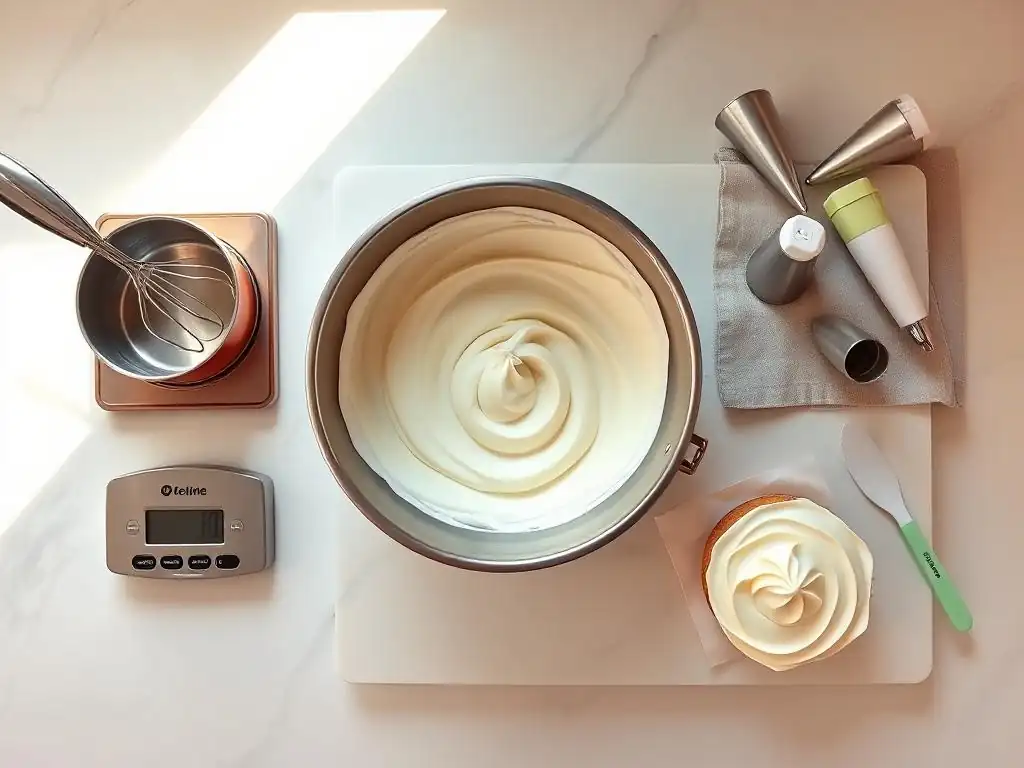
One of the great advantages of Swiss meringue buttercream is how well it stores, both in the refrigerator and the freezer. This makes it ideal for making ahead of time for large projects or for saving leftovers.
Proper storage ensures that the texture and quality of the buttercream are maintained, allowing you to enjoy its silky smoothness later. Always store it in an airtight container to prevent it from picking up odors from the fridge or freezer.
How to Store Leftover Swiss Meringue Frosting
Leftover Swiss meringue buttercream can be stored in an airtight container in the refrigerator for about 3-4 days. When you're ready to use it, it will likely be quite firm and hard straight from the fridge.
To bring it back to its smooth, spreadable consistency, let it sit at room temperature for an hour or two until softened. Then, whip it in your stand mixer (or with a hand mixer) using the paddle attachment for several minutes on medium speed. It might look curdled at first, but keep whipping, and it will become silky smooth again.
Freezing and Thawing Instructions for Optimal Results
For longer storage, Swiss meringue buttercream freezes exceptionally well. Place the cooled buttercream in an airtight container or a heavy-duty freezer bag, pressing out as much air as possible. It can be stored in the freezer for 1-2 months.
To thaw, transfer the frozen buttercream to the refrigerator and let it thaw completely overnight. Do not thaw it at room temperature or in the microwave, as this can cause the butter to separate. Once thawed in the fridge, let it sit at room temperature until slightly softened, then re-whip it thoroughly in your mixer as described for refrigerated storage until it is smooth and ready to use.
Swiss Meringue: Beyond Frosting - Other Baking Applications
While Swiss meringue buttercream is its most popular form, the basic Swiss meringue itself has other delightful uses in baking. Its stable, airy structure makes it suitable for light cookies or as a fluffy topping that can be baked or torched.
Exploring these other applications demonstrates the versatility of the Swiss meringue technique and offers more ways to incorporate this elegant preparation into your baking repertoire.
Swiss meringue, whipped to very stiff peaks and then often flavored and colored, can be piped directly onto parchment-lined baking sheets and baked at a very low temperature (around 200°F or 90°C) for a long period. This process dries out the meringue rather than cooking it, resulting in incredibly light, crisp, and airy cookies that melt in your mouth.
These delicate cookies, sometimes called meringue kisses or forgotten cookies, are a simple yet elegant way to use basic Swiss meringue. They can be flavored with extracts, cocoa powder, or even studded with chocolate chips before baking.
Topping Pies and Tarts with Swiss Meringue
As mentioned earlier, Swiss meringue is a traditional and excellent topping for pies and tarts, particularly citrus-based ones like lemon meringue pie. The stable meringue is spread or piped over the cooled filling and then often baked briefly or torched until the peaks are beautifully browned.
This creates a striking visual contrast and adds a sweet, airy counterpoint to a tart or rich filling. The stability of the Swiss method ensures the meringue holds its shape during browning and doesn't weep as easily as a French meringue topping might.
Conclusion: Mastering the Art of Swiss Meringue for Superior Baking Results.
Mastering the easy Swiss meringue frosting recipe and its variations opens up a world of possibilities in your baking. From creating incredibly stable and silky smooth buttercream for cakes and cupcakes to crafting delicate meringue cookies or elegant pie toppings, the Swiss meringue technique is a valuable addition to any baker's skill set.
While the process requires attention to detail, particularly regarding temperature and whipping time, the results are well worth the effort. The superior texture, stability, and balanced sweetness of Swiss meringue preparations elevate your desserts from homemade to truly professional quality. Practice these steps, troubleshoot with confidence, and enjoy the silky smooth secret to better baking!
Frequently Asked Questions
What makes Swiss meringue frosting different from other frostings?
Swiss meringue frosting is known for its silky smooth texture and stable structure. Unlike buttercream, it involves cooking egg whites and sugar before whipping, resulting in a less sweet and more stable frosting.
Is Swiss meringue frosting difficult to make?
While it requires a few steps, a Swiss meringue frosting recipe easy is achievable with careful attention to detail. Following a reliable recipe and using a candy thermometer are key to success.
What are the key ingredients in Swiss meringue frosting?
The essential ingredients include egg whites, granulated sugar, butter, and a flavoring extract (such as vanilla). A pinch of salt can also enhance the flavors.
How long does Swiss meringue frosting last?
Swiss meringue frosting can be stored in the refrigerator for up to a week or in the freezer for up to two months. Ensure it is in an airtight container to maintain its quality.
Can Swiss meringue frosting be used for decorating cakes and cupcakes?
Yes, absolutely! Its smooth consistency and stable structure make it perfect for piping intricate designs, frosting cakes, and topping cupcakes. It holds its shape well.
Final Reflection: The Enduring Allure of Swiss Meringue
The perfectly stable, glossy peaks of Swiss meringue frosting are more than just a beautiful sight; they represent a commitment to quality and a dedication to achieving culinary excellence. In a world of quick fixes and instant gratification, the slightly longer process of making Swiss meringue yields rewards far surpassing the convenience of shortcuts. This method, once a closely guarded secret of professional pastry chefs, is now accessible to home bakers everywhere, empowering them to create stunning and delicious desserts.
The journey of mastering Swiss meringue is a testament to the power of patience and precision in the kitchen. It's a process that demands attention to detail, rewarding the baker with a lightness and texture unmatched by other frosting methods. The best things in life are worth waiting for,
a sentiment perfectly encapsulates the experience of crafting this delicate frosting. The subtle nuances of flavor and texture, the satisfying sheen of the finished product – these are the rewards that elevate baking from a task to an art form, shaping our culinary landscape one perfectly piped rose at a time.
Now, I invite you to embark on your own Swiss meringue adventure. Don't be intimidated by the seemingly complex steps; embrace the process, savor the journey, and revel in the exquisite results. The silky smooth texture, the delicate sweetness, and the undeniable elegance of Swiss meringue frosting will transform your baking, leaving you with a newfound appreciation for the art of creating something truly special. The next time you crave a truly exceptional dessert, remember the magic of Swiss meringue – and let your creativity soar.
Unlock the Silky Smooth Secret: Master Swiss Meringue Today!
Thanks for taking the time to explore the world of Swiss meringue with us! We hope you’ve gained a newfound appreciation for its stability and incredible flavor. Ready to take your baking to the next level?
- Whip up a batch of Swiss meringue: Put your newfound knowledge into practice! Try the recipe from the article – you’ll be amazed at the results.
- Share your meringue masterpiece: Show off your creation on social media and tag us – we'd love to see it!
- Explore other frosting techniques: Dive deeper into our frosting guide and discover new ways to elevate your desserts.
Ready to experience the joy of perfectly stable, silky-smooth frosting? What delicious creation will you make with your newfound Swiss meringue skills?