
Mastering Milk Chocolate in Baking: Selecting the Perfect Sweetness

Welcome to BakeWithEase, your trusted guide to baking bliss! Ever wondered how to elevate your desserts with the perfect touch of sweetness? This week, we delve into the delicious world of premium baking ingredients, specifically focusing on the best milk chocolate for baking. Discover the secrets to selecting the right bar to unlock richer flavors and textures in your favorite recipes. Ready to transform your baking? Let's get started!
- The Ultimate Guide to Choosing the Best Milk Chocolate for Baking
- Key Factors to Consider When Selecting Milk Chocolate for Your Baking Needs
- Top Milk Chocolate Brands and Types for Baking: A Comparative Review
- Recipe Adaptations: Adjusting Your Baking Techniques for Milk Chocolate
- Troubleshooting Common Milk Chocolate Baking Problems
- Conclusion: Elevate Your Baking with the Perfect Milk Chocolate
-
Frequently Asked Questions
- What makes milk chocolate different from other types of chocolate in baking?
- How does the percentage of cocoa butter in milk chocolate affect its baking performance?
- What are some factors to consider when choosing the best milk chocolate for baking?
- Can I substitute dark chocolate for milk chocolate in a recipe?
- Where can I find reliable reviews or recommendations for milk chocolate brands suitable for baking?
- Final Reflection: The Enduring Allure of the Perfect Milk Chocolate Bake
- Unlock Your Chocolate Baking Potential!
The Ultimate Guide to Choosing the Best Milk Chocolate for Baking
Choosing the best milk chocolate for baking can significantly elevate your sweet creations, adding a layer of creamy sweetness and nuanced flavor that dark or white chocolate simply can't replicate. Unlike its darker counterpart, milk chocolate contains milk solids, which contribute to its signature smooth texture and mellow, often caramel-like taste. However, not all milk chocolates are created equal, and understanding their composition is key to selecting the right one for your cookies, brownies, ganaches, and pastries.
This guide will walk you through the essential factors to consider when picking out quality milk chocolate for baking, from understanding cocoa percentages to recognizing the impact of milk solids and sugar. We'll also delve into specific brands and types recommended by bakers and offer practical tips for working with milk chocolate in your recipes. Whether you're a beginner experimenting with chocolate chip cookies or an experienced baker tackling complex chocolate work, mastering your milk chocolate selection is a crucial step towards achieving delicious results every time.
Understanding Milk Chocolate's Role in Baking: A Baker's Perspective
From a baker's viewpoint, milk chocolate is more than just a sweet ingredient; it's a flavor and texture enhancer that brings a unique profile to baked goods. Its inherent sweetness and creaminess, derived from milk solids and a higher sugar content compared to dark chocolate, make it perfect for applications where a rich, mellow chocolate flavor is desired without the intensity or bitterness of higher cocoa percentages. Think of classic chocolate chip cookies, smooth chocolate ganaches for cakes, or creamy fillings for tarts – milk chocolate provides that comforting, familiar taste that many people adore.
Furthermore, the presence of milk solids affects how the chocolate behaves when melted and cooled. It tends to be softer than dark chocolate at room temperature and melts more readily. This characteristic is both a benefit, contributing to a tender crumb or a smooth ganache, and a challenge, requiring careful handling during melting and baking to prevent burning or seizing. Understanding these properties allows bakers to anticipate how a specific milk chocolate for baking will perform in a recipe and make necessary adjustments for optimal results.
Key Factors to Consider When Selecting Milk Chocolate for Your Baking Needs
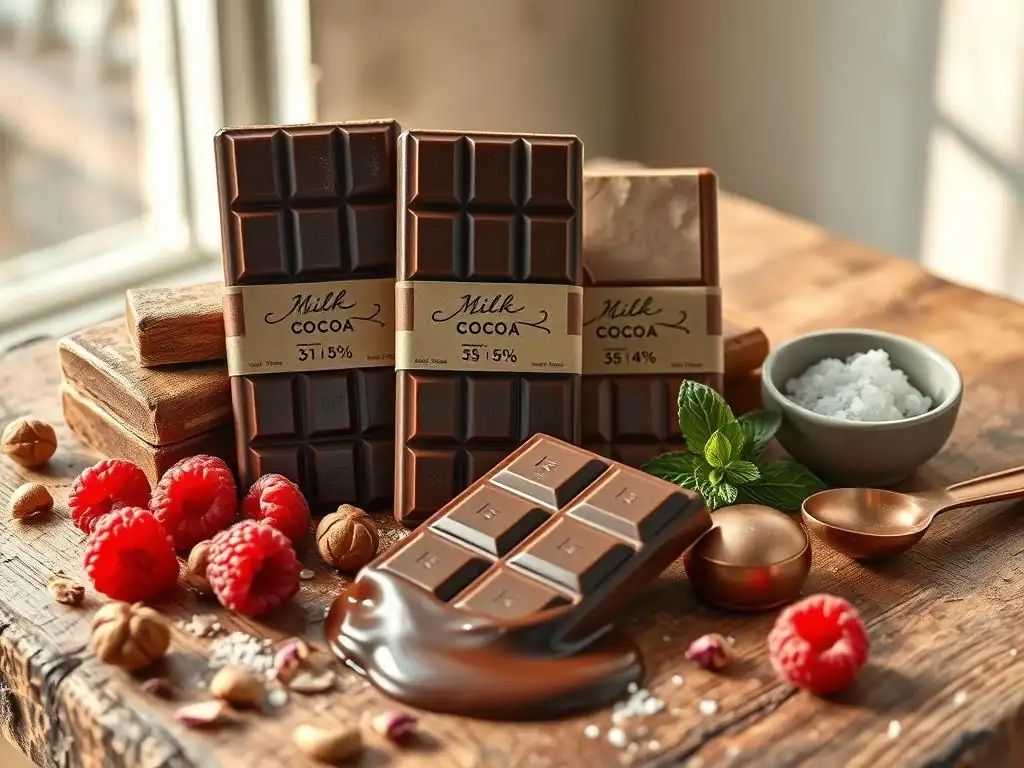
Choosing the best milk chocolate for baking involves looking beyond just the label. Several key components influence the chocolate's flavor, texture, and performance in the oven or during melting. Paying attention to these factors will help you make informed decisions tailored to the specific demands of your recipe and your desired outcome.
Cocoa Percentage: Finding the Sweet Spot for Baking Success
The cocoa percentage on a milk chocolate label indicates the total proportion of the chocolate that comes from cocoa beans, including cocoa mass (the solid part) and cocoa butter (the fat). For milk chocolate, this percentage typically ranges from around 30% to 50%, though some gourmet options might push slightly higher.
A lower cocoa percentage means a higher proportion of milk solids and sugar, resulting in a sweeter, creamier, and less intensely chocolatey flavor. Conversely, a higher cocoa percentage in milk chocolate leads to a richer, more pronounced chocolate taste and slightly less sweetness, bridging the gap towards dark chocolate.
For baking, the ideal cocoa percentage depends heavily on the recipe. For instance, a classic American-style chocolate chip cookie often benefits from a milk chocolate with a lower percentage (say, 30-35%) for that familiar sweet, melting pocket.
However, if you're making a sophisticated milk chocolate mousse or a ganache that needs a deeper flavor to balance other components, a milk chocolate with a higher percentage, perhaps 40% or even 45%, might be the best milk chocolate for baking in that specific context, offering more chocolate complexity without excessive sweetness. Experimenting with different percentages can help you discover your personal preference and the best fit for various baked goods.
Milk Solids and Sugar Content: Balancing Flavor and Texture
Beyond cocoa percentage, the proportion of milk solids and sugar are critical components that define milk chocolate and significantly impact its baking performance. Milk solids, typically in the form of milk powder, contribute to the chocolate's creamy texture and dairy notes, ranging from caramel to malty flavors depending on the type and processing of the milk. Sugar is the primary sweetener, balancing the inherent bitterness of the cocoa solids. The interplay between these elements and the cocoa content determines the overall flavor profile and sweetness level.
A quality milk chocolate for baking achieves a harmonious balance. A chocolate with very high sugar content might be overly sweet and lack depth, potentially burning more easily due to the caramelization of sugar.
Conversely, a chocolate with a good proportion of milk solids will provide a smooth, melt-in-your-mouth texture essential for ganaches, fillings, and achieving that desirable creamy pocket in cookies or brownies. Checking the ingredient list for the order of sugar and milk ingredients can give you clues about the chocolate's intended profile and suitability for your baking project, helping you choose the best milk chocolate for baking your specific recipe.
Quality and Origin: The Difference Between Great and Good Chocolate
The quality of ingredients and the manufacturing process are paramount when selecting high-quality milk chocolate for baking. Just like with dark chocolate, the origin and quality of the cocoa beans matter, influencing the subtle flavor notes in the final product. However, for milk chocolate used in baking, the quality of the milk solids and sugar also plays a significant role. Premium manufacturers source high-quality milk powder and refine their chocolate carefully, resulting in a smoother texture and purer flavor compared to mass-market options that might contain vegetable oils or artificial flavorings.
Couverture chocolate, identifiable by its higher cocoa butter content (typically 30-38% total fat for milk chocolate couverture), is often considered the best milk chocolate for baking requiring precise melting and tempering, such as for coatings or decorations. The extra cocoa butter contributes to a smoother melt, better flow, and a glossier finish. While not always necessary for simple recipes like cookies or brownies, using a well-regarded brand known for quality ingredients and consistent processing will invariably lead to superior flavor and texture in your final baked goods, making the investment worthwhile for serious bakers.
Top Milk Chocolate Brands and Types for Baking: A Comparative Review
Navigating the vast world of chocolate can be daunting, but some brands and types consistently receive high marks from bakers for their flavor, performance, and reliability. Here's a look at some top contenders that could be the best milk chocolate for baking depending on your specific needs.
Best Overall: Valrhona Jivara Lactée 40% Milk Chocolate
Valrhona Jivara Lactée is frequently cited by professional bakers as one of the best milk chocolates for baking due to its exceptional quality and versatile flavor profile. With a respectable 40% cocoa content, it offers a richer chocolate taste than many standard milk chocolates, balanced by distinct notes of caramel and vanilla, and a hint of maltiness from the milk. This complex flavor allows it to stand up beautifully in various applications without being overly sweet.
Its high cocoa butter content contributes to a remarkably smooth melt, making it ideal for everything from delicate mousses and silken ganaches to enhancing the flavor of cakes and pastries. While it comes at a premium price point, a little goes a long way in terms of flavor impact. Using Valrhona Jivara in your baking can truly elevate a simple recipe into something extraordinary, making it a top choice for those seeking the highest quality results.
When it comes to classic cookies, particularly the beloved chocolate chip cookie, Guittard Milk Chocolate Baking Chips are a perennial favorite for many home bakers. Guittard, a long-standing American chocolate maker, formulates their baking chips specifically to hold their shape reasonably well during baking while still melting into creamy pockets of chocolate goodness. Their milk chocolate chips offer a sweet, classic milk chocolate flavor that pairs perfectly with vanilla and brown sugar notes found in cookie dough.
The shape and size of the chips are also convenient, distributing evenly throughout the dough. While some higher-end bakers might chop up a bar of premium milk chocolate for a more varied melt, Guittard chips provide consistent performance and a comforting, familiar taste that defines many people's idea of the perfect chocolate chip cookie. They are widely available and a reliable choice for this specific application.
Best for Brownies: Callebaut 823 Milk Chocolate Callets
Callebaut 823 is a popular Belgian milk chocolate couverture (typically around 33.6% cocoa) known for its balanced, creamy flavor with prominent notes of caramel and biscuit. Its smooth melt and rich flavor profile make it an excellent choice for incorporating directly into brownie batter, where it contributes to a fudgy texture and decadent taste. The callet (small disc) form is incredibly convenient for weighing and melting evenly, saving time and ensuring consistent results.
Using Callebaut 823 in brownies, whether melted into the base or stirred in as "chips" (callets), provides a superior depth of flavor and creaminess compared to standard baking chips or lower-quality chocolate. It melts beautifully, creating luscious ribbons of chocolate within the brownie or forming smooth, melted pockets. For bakers looking to achieve rich, moist, and intensely flavored milk chocolate brownies, Callebaut 823 is often considered a go-to ingredient.
Best Budget-Friendly Option: Hershey's Milk Chocolate Baking Bar
For bakers seeking an accessible and economical milk chocolate for baking, the classic Hershey's Milk Chocolate Baking Bar is a widely available option. While it has a distinctly sweeter profile and different texture compared to premium couverture chocolates, it delivers that iconic, familiar American milk chocolate flavor that many people grew up with and enjoy in baked goods. Its formulation is designed for baking, making it relatively easy to melt and incorporate into batters.
This baking bar works well in recipes where that specific sweet and slightly tangy milk chocolate flavor is desired, or where budget is a primary concern. It's a reliable choice for simple recipes like everyday cookies, cakes, or frostings where the nuances of high-end chocolate might be less critical or noticeable. While it may not offer the same depth or smoothness as premium options, the Hershey's baking bar remains a functional and popular choice for many home baking projects.
Recipe Adaptations: Adjusting Your Baking Techniques for Milk Chocolate
Working with milk chocolate in baking often requires slightly different techniques than working with dark chocolate, primarily due to its lower melting point and higher sugar content. Understanding these differences and knowing how to adapt your methods will help you achieve the best results.
Mastering Milk Chocolate Ganache: Tips and Tricks
Making a smooth, stable ganache with milk chocolate can be slightly trickier than with dark chocolate because milk chocolate contains less cocoa mass and cocoa butter relative to milk solids and sugar. This means you typically need a higher ratio of milk chocolate to cream to achieve the desired consistency. A common starting point is a 2:1 ratio of chopped milk chocolate to hot heavy cream by weight, though you may need to adjust based on the specific chocolate's composition and your desired thickness.
Here are some tips for mastering milk chocolate ganache:
- Use high-quality milk chocolate for baking: Couverture or premium bar chocolate melts smoother and produces a better texture than chips.
- Chop finely or use callets: Smaller pieces melt more evenly and quickly.
- Heat cream gently: Bring the cream just to a simmer, then pour it over the chocolate. Do not boil the cream vigorously.
- Let it sit: Pour the hot cream over the chocolate and let it sit undisturbed for 5-10 minutes. This allows the heat from the cream to melt the chocolate gently.
- Whisk gently: Start whisking slowly from the center outwards until the mixture is smooth and emulsified. Avoid vigorous whisking, which can incorporate air bubbles.
- Be patient: If the ganache looks broken or grainy, a tiny amount of warm milk or cream whisked in might rescue it. Allow the ganache to cool and thicken at room temperature or in the refrigerator (stirring occasionally) until it reaches the desired consistency for spreading, piping, or filling.
Baking with Milk Chocolate Chips: Preventing Melting and Burning
Milk chocolate chips, especially standard baking chips, are formulated to hold their shape during baking, but their lower melting point compared to dark chocolate still requires care to prevent them from spreading excessively or burning. The sugar content can caramelize quickly, leading to a burnt taste if exposed to high heat for too long.
To ensure your milk chocolate chips perform well in cookies, muffins, or other baked goods:
- Chill your chips: Keep your milk chocolate baking chips in the refrigerator or freezer before adding them to the batter. This helps them stay solid longer in the oven.
- Don't overmix: Once you add the chips to the batter, mix only until they are just distributed. Overmixing can coat the chips in batter, causing them to melt more readily, or break them down.
- Adjust baking time/temperature: If you find your milk chocolate is consistently burning or melting too much, try slightly reducing the oven temperature or baking time. You might also place the baked goods on a lower rack in the oven.
- Consider the chip type: Some chips are specifically designed to hold their shape, while others are intended to melt more fully. Choose the type that aligns with your desired outcome. Using high-quality milk chocolate for baking in chip form can also lead to better flavor and melt characteristics.
Troubleshooting Common Milk Chocolate Baking Problems
Even with the best milk chocolate for baking, issues can arise. Knowing how to prevent and fix common problems like seized chocolate or inconsistent melting is crucial for successful baking.
Dealing with Seized Chocolate: Prevention and Solutions
Seized chocolate is perhaps the most frustrating problem a baker can encounter. It occurs when melted chocolate suddenly turns from a smooth, liquid state into a thick, grainy, unusable mass. The most common culprits are contact with even a tiny amount of water or steam, or overheating. Milk chocolate, with its milk solids and sugar, can be particularly susceptible to seizing.
Prevention is key:
- Ensure equipment is bone dry: Any moisture in your bowl or spatula can cause seizing.
- Melt gently: Use a double boiler with simmering, not boiling, water where the bottom of the bowl doesn't touch the water. Or use a microwave on low power (50% or less) in very short intervals (15-30 seconds), stirring thoroughly after each interval.
- Avoid steam: Ensure no steam from the double boiler or other sources comes into contact with the chocolate.
- Don't overheat: Melt chocolate just until smooth. Continuing to heat after it's melted can cause the cocoa solids and milk solids to burn or clump.
If your milk chocolate does seize, it can sometimes be rescued, though the texture may be slightly affected. Try whisking in a very small amount (start with a teaspoon) of hot liquid, such as hot milk, cream, or even clear vegetable oil, one drop at a time, whisking vigorously until it smooths out. This doesn't always work, but it's worth a try before discarding the chocolate.
Achieving the Perfect Melt: Temperature and Methods
Achieving a smooth, glossy melt is essential whether you're making ganache, dipping, or incorporating chocolate into a batter. Milk chocolate melts at a lower temperature than dark chocolate, typically in the range of 100-115°F (38-46°C). Exceeding this temperature can scorch the milk solids and sugar, leading to a burnt flavor and grainy texture.
Recommended melting methods:
- Double Boiler: This is the safest method as it provides gentle, indirect heat. Place chopped quality milk chocolate for baking or callets in a heatproof bowl set over a saucepan of simmering water, ensuring the water doesn't touch the bottom of the bowl. Stir occasionally until just melted and smooth. Remove from heat immediately.
- Microwave: This method is faster but requires more vigilance. Place chopped chocolate or callets in a microwave-safe bowl. Heat on 50% power for 30-second intervals, stirring thoroughly after each interval. Continue until the chocolate is mostly melted, then stir until completely smooth using the residual heat. Avoid the temptation to heat for longer intervals, even if it seems slow.
Regardless of the method, constant attention and gentle heat are paramount to achieving the best milk chocolate for baking results when melting. A perfectly melted chocolate will be smooth, glossy, and ready to be incorporated into your delicious baked goods.
Conclusion: Elevate Your Baking with the Perfect Milk Chocolate
Selecting the best milk chocolate for baking is a nuanced process that goes beyond simply grabbing any bar off the shelf. By considering factors like cocoa percentage, milk solids, sugar content, and overall quality, you can choose a chocolate that not only melts beautifully but also contributes the perfect balance of sweetness, creaminess, and chocolate flavor to your creations.
Whether you opt for a premium couverture like Valrhona Jivara for sophisticated desserts, classic chips like Guittard for comforting cookies, or a reliable workhorse like Callebaut 823 for fudgy brownies, understanding the characteristics of different milk chocolates empowers you to make informed decisions. Mastering melting techniques and troubleshooting common issues will further ensure your success. With the right quality milk chocolate for baking and a little care, you can truly elevate your baked goods and delight in the delicious results.
Frequently Asked Questions
What makes milk chocolate different from other types of chocolate in baking?
Milk chocolate has a higher milk solid and sugar content compared to dark or semi-sweet chocolate. This impacts the flavor profile and meltability in recipes.
How does the percentage of cocoa butter in milk chocolate affect its baking performance?
A higher cocoa butter percentage can lead to a smoother melt and a richer texture in baked goods. However, too much can cause the chocolate to seize or bloom.
What are some factors to consider when choosing the best milk chocolate for baking?
Consider your desired level of sweetness, the chocolate's cocoa percentage, and its intended use in the recipe (e.g., melting, chips, chunks).
Can I substitute dark chocolate for milk chocolate in a recipe?
Yes, but you'll need to adjust the sugar content. Dark chocolate is less sweet, so you may need to add sugar to achieve the desired sweetness level.
Where can I find reliable reviews or recommendations for milk chocolate brands suitable for baking?
Look for online baking communities or websites like BakeWithEase.com that offer product reviews and recommendations based on baking performance and taste.
Final Reflection: The Enduring Allure of the Perfect Milk Chocolate Bake
The quest for the ideal milk chocolate in baking is far more than a simple ingredient choice; it's a journey into the heart of flavor and texture, directly impacting the success and enjoyment of countless recipes. The subtle nuances of cocoa percentage, butterfat content, and even the processing methods profoundly affect the final product, transforming a simple cake into a masterpiece or a cookie into a revelation. This exploration has highlighted the crucial role of understanding these variables to achieve baking excellence.
The impact of milk chocolate extends far beyond the kitchen; it's woven into the fabric of our culinary heritage and personal memories. The comforting aroma of baking chocolate evokes feelings of warmth, nostalgia, and shared experiences. It's a taste that transcends generations, connecting us to cherished traditions and creating new memories with each delicious bite. The best chocolate is the chocolate that makes you happy.
– This simple truth underscores the emotional connection we have with this ingredient, making the pursuit of perfection all the more rewarding.
Now, consider your own baking journey. What have you learned about the subtle art of selecting the perfect milk chocolate? I urge you to experiment, to explore the diverse range of options available, and to discover the unique characteristics that resonate most with your palate and baking style. Don't be afraid to venture beyond your comfort zone; the rewards of finding your perfect milk chocolate are immeasurable, promising countless opportunities to create delectable treats that will delight you and those you share them with.
Unlock Your Chocolate Baking Potential!
Thanks for joining us on this delicious journey into the world of milk chocolate baking! We hope you've gained a newfound appreciation for the nuances of choosing the perfect sweetness for your creations. Ready to put your newfound knowledge to the test?
- Bake your dream recipe: Select a milk chocolate-based recipe from your collection (or find a new favorite online!), and try it using your newly acquired expertise in chocolate selection. This is your chance to taste the difference!
- Share your masterpiece: Snap a picture of your delicious creation and share it on social media using #BakeWithEaseMilkChocolate – let's inspire each other!
- Join the conversation: What's your go-to milk chocolate brand for baking? What sweet spot do you aim for in your recipes? Share your tips and experiences in the comments below!
What unique milk chocolate flavor profile are you most excited to experiment with next?