
Chips vs. Bars: When to Use Which Chocolate in Cookies

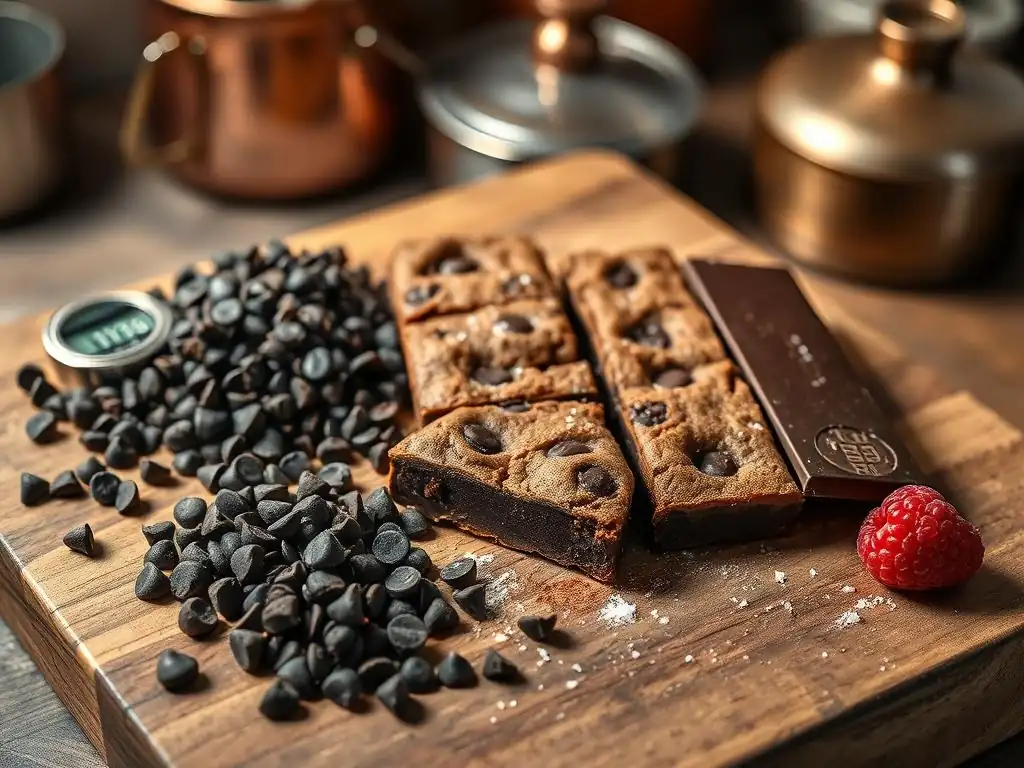
Welcome to BakeWithEase, where delicious baking becomes effortlessly achievable! Ever wondered if your chocolate chip cookie bars recipe could be even BETTER? This week, we're diving deep into the world of chocolate, unlocking the secrets to choosing the perfect type – chips or bars – to elevate your cookies from good to unforgettable. Curious which one reigns supreme? Let's find out!
- Choosing Chocolate for Cookies: Chips vs. Bars
- Understanding Chocolate's Role in Cookie Baking
- Chocolate Chips in Cookies: Advantages and Disadvantages
- Chocolate Bars in Cookies: Elevating Your Baking Game
-
When to Use Chocolate Chips in Your Cookie Recipe
- Quick and Easy Baking: Chocolate Chips as a Time-Saver
- Achieving a Classic Chocolate Chip Cookie Texture
- Perfect for Beginner Bakers: Chocolate Chip Cookies are Easier to Control
- Seeking Intense Chocolate Flavor in Your Cookies
- Experimenting with Different Chocolate Percentages and Origins
- Creating Visually Appealing Cookies with Rustic Chocolate Chunks
- Chocolate Chunk Cookie Recipe
- Adapting Your Favorite Cookie Recipes: Chips vs. Bars Conversion
- Exploring Different Types of Chocolate for Baking
- Mastering the Art of Chocolate Cookies
-
Frequently Asked Questions
- What is the main difference between using chocolate chips and chopped chocolate in a chocolate chip cookie bars recipe?
- Should I use semi-sweet or dark chocolate for a richer chocolate chip cookie bars recipe?
- Can I substitute chocolate chunks for chocolate chips in a chocolate chip cookie bars recipe?
- How does the size of the chocolate affect the texture of the chocolate chip cookie bars?
- What are the best tips for ensuring my chocolate doesn't burn when baking chocolate chip cookie bars?
- Final Reflection: The Enduring Allure of Chocolate in Cookie Form
- Unlock Your Cookie Potential: Which Chocolate Reigns Supreme?
Baking delicious cookies often hinges on the quality and type of chocolate you choose. While grabbing a bag of chocolate chips might seem like the obvious choice, understanding the nuances between using pre-formed chips and chopping up a chocolate bar can dramatically elevate your cookie game, whether you're making classic drop cookies or a rich, fudgy chocolate chip cookie bars recipe.
Chocolate isn't just about adding sweetness; it contributes significantly to the final texture, flavor, and appearance of your baked goods. The way chocolate melts, its cacao content, and even its shape all play a part in the cookie experience.
The composition of chocolate, particularly its fat content and the presence or absence of stabilizers, directly impacts how it behaves when heated. Chocolate with a higher percentage of cocoa butter melts more smoothly and can create pockets of molten richness within the cookie. Conversely, some chocolate types are designed to hold their shape better during baking. The flavor profile also varies immensely, from the intense bitterness of dark chocolate to the creamy sweetness of milk chocolate, each imparting a distinct taste to your cookie base.
For instance, a chocolate chip cookie bars recipe relying on a high-quality bittersweet chocolate bar will yield a more complex, less sugary flavor than one using standard semi-sweet chips. The fat from the melted bar chocolate can also contribute to a slightly richer, chewier texture in the finished bar or cookie. Considering these factors helps bakers achieve their desired outcome, whether it's a crisp edge with a gooey center or a uniformly soft bake.
Chocolate Chips vs. Chocolate Bars - What's the Difference?
The primary difference between chocolate chips and chocolate bars, beyond their shape, often lies in their composition and intended use. Chocolate chips are typically formulated with less cocoa butter and sometimes include stabilizers (like lecithin) to help them retain their shape during baking. This is why a standard chocolate chip often looks the same coming out of the oven as it did going in, though it softens.
Chocolate bars, especially those labeled for eating or couverture chocolate, generally contain a higher percentage of cocoa butter. This higher fat content means they melt more readily and smoothly. When chopped, this type of chocolate creates irregular pieces – some fine shavings that melt into the dough, others larger chunks that create pools of molten chocolate. This difference in melting behavior is key to the texture contrast you find between cookies made with chips versus those made with chopped bars.
Chocolate chips are a pantry staple for a reason. They are convenient, consistent, and reliable, making them the go-to choice for countless cookie recipes.
The Convenience of Chocolate Chips for Baking
One of the biggest appeals of using chocolate chips is their sheer convenience. They are pre-measured into uniform shapes, ready to be stirred directly into your cookie dough. There's no need for chopping or extra prep work, saving precious time in the kitchen. This makes them ideal for spontaneous baking sessions or when you need to whip up a batch of cookies quickly.
Furthermore, chocolate chips are widely available in various types (semi-sweet, milk, dark, white) and sizes, making it easy to find exactly what you need for a classic chocolate chip cookie. Whether you're making a simple drop cookie or a quick chocolate chip cookie bars recipe, chips offer a straightforward solution that minimizes effort and mess.
Uniformity and Consistency: Why Choose Chocolate Chips?
Chocolate chips are designed for consistency. Their uniform size and composition mean they distribute evenly throughout the dough, ensuring every bite has a similar amount of chocolate. Their formulation, which includes less cocoa butter and stabilizers, helps them maintain their shape during baking. This results in those distinct pockets of softened chocolate that are characteristic of many traditional chocolate chip cookies.
This predictability is particularly helpful for less experienced bakers or when following a recipe where consistent results are paramount. You know exactly how the chocolate will behave, leading to reliable outcomes batch after batch. This uniformity is often desired in recipes like classic Toll House cookies or certain types of chewy chocolate chip cookie bars.
Potential Drawbacks: Limited Flavor Complexity with Some Chocolate Chips
While convenient, standard chocolate chips, particularly those found in the baking aisle of most supermarkets, can sometimes lack the depth and complexity of flavor found in high-quality bar chocolate. Many common brands prioritize melt-resistance and cost-effectiveness over nuanced flavor profiles. This can result in cookies that are sweet but perhaps not as rich or interesting as they could be.
The stabilizers that help chips hold their shape can also affect the melt – they soften rather than truly melting into a fluid pool. For bakers seeking intense, flowing pockets of chocolate within their cookies, chips might not deliver the desired molten effect. Exploring a chocolate chip cookie bars recipe with chopped chocolate might be a better option for achieving a richer flavor and texture.
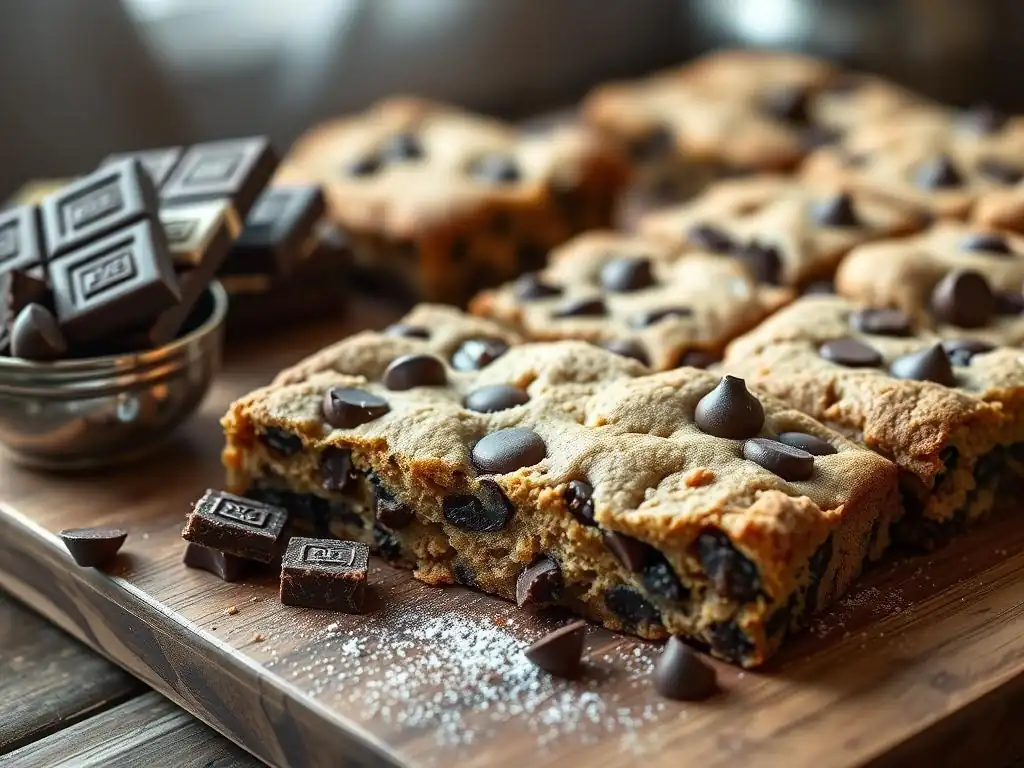
Stepping up to using chocolate bars opens a world of flavor and texture possibilities, allowing you to customize your cookies in exciting ways.
Unlocking Deeper Flavors with High-Quality Chocolate Bars
Using high-quality chocolate bars allows you to introduce more complex and nuanced flavors into your cookies. Artisan or couverture chocolates, often found in the baking section or specialty stores, are made with better quality cocoa beans and higher cocoa butter content. These chocolates offer a range of flavor notes, from fruity and floral to earthy and intense, depending on the origin and processing of the beans.
Chopping a bar of chocolate means you're using chocolate intended for eating or professional use, which typically has a superior taste compared to standard baking chips. This difference is palpable in the finished cookie, providing a richer, more satisfying chocolate experience. A carefully chosen chocolate bar can transform a simple chocolate chip cookie bars recipe into a gourmet treat.
Creating Unique Textures: Chocolate Chunks and Shavings
When you chop a chocolate bar, you don't get uniform pieces. Instead, you get a mix of larger chunks, smaller shards, and even fine shavings. During baking, the smaller pieces melt into the cookie dough, infusing it with chocolate flavor, while the larger chunks create luscious pockets of molten or semi-molten chocolate. The fine shavings can contribute to a slight marbling effect in the dough.
This variation in size and the higher cocoa butter content of bar chocolate lead to a more dynamic texture within the cookie compared to the uniform softness of chips. You get delightful surprises of gooey, melted chocolate alongside the cookie's base texture. This is a key characteristic sought after in many upscale chocolate chip cookie or chocolate chip cookie bars recipes.
Chopping chocolate bars for cookies is a simple technique that requires a sharp knife and a stable cutting board. Start by roughly breaking or cutting the bar into smaller pieces. Then, use a large chef's knife to chop the chocolate into your desired size chunks and pieces. Aim for a variety of sizes for the best texture contrast – some pieces about the size of a large chocolate chip, others larger, maybe ½ to ¾ inch across, plus the inevitable smaller shards.
Tips for chopping:
- Use a heavy, sharp knife.
- Chop firmly but carefully to avoid shards flying off.
- For easier chopping, ensure the chocolate is at room temperature, but not warm and melty.
- A serrated knife can sometimes help break through hard chocolate.
- Don't worry about perfect uniformity; the mix of sizes is part of the appeal!
Chopping chocolate yourself for a chocolate chip cookie bars recipe allows you to control the size of the chunks, tailoring them to your specific cookie vision.
Chocolate chips are perfect for situations where convenience, consistency, and a classic look are your top priorities.
Quick and Easy Baking: Chocolate Chips as a Time-Saver
If you're short on time or just want to whip up a batch of cookies without extra fuss, chocolate chips are the clear winner. There's no prep work involved; just measure and add them to your dough. This makes them ideal for weeknight baking, spontaneous cravings, or when getting kids involved in the kitchen.
For instance, if you're making a simple drop cookie recipe or a basic chocolate chip cookie bars recipe for a bake sale and need to produce a large quantity quickly, chips streamline the process significantly. Their ready-to-go nature saves precious minutes that would otherwise be spent chopping.
The texture provided by chocolate chips – distinct pockets of softened, but shape-retaining chocolate – is the hallmark of many classic American cookie recipes. If you're aiming for that nostalgic, comforting texture where the chocolate pieces are clearly defined within the cookie structure, chips are the way to go.
This is particularly true for recipes where the cookie itself is meant to be chewy or slightly crisp, and the chocolate provides a contrasting soft element. Think of the iconic chewy chocolate chip cookie; chips are essential to achieving that specific result.
For those new to baking, using chocolate chips offers a level of predictability that can be reassuring. Their consistent size and melting properties make it easier to anticipate the outcome of your bake. You don't have to worry about how different sized chunks will affect spread or bake time as much as you might with chopped chocolate.
Starting with a reliable chocolate chip cookie recipe using standard chips is an excellent way for beginners to build confidence before experimenting with more variable ingredients like chopped bar chocolate. It's a foundational skill builder before tackling something like a gourmet chocolate chip cookie bars recipe.
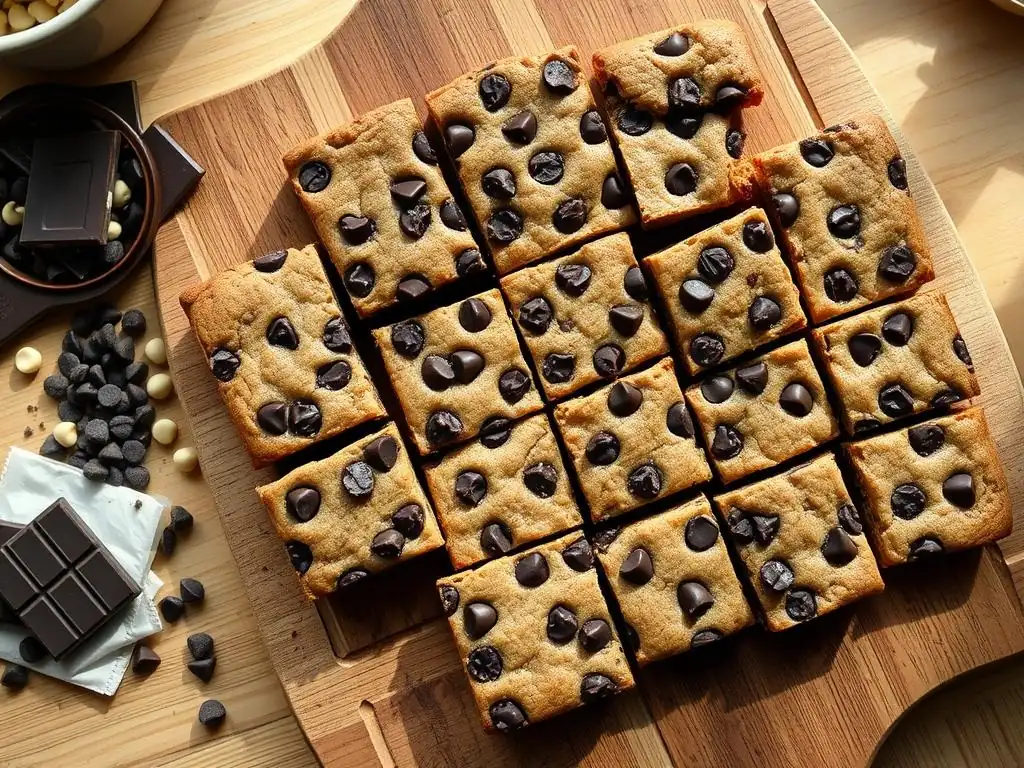
Opting for chocolate bars is the choice for bakers who prioritize intense flavor, varied texture, and a more artisanal feel in their cookies.
If your goal is a truly decadent, chocolate-forward cookie where the chocolate flavor is rich and prominent, reaching for a high-quality chocolate bar is essential. Chocolates with higher cacao percentages (like 60%, 70%, or even higher) offer a depth of flavor that standard semi-sweet chips often can't match.
Using chopped dark chocolate or bittersweet chocolate bars in your recipe will result in a more sophisticated flavor profile, balancing sweetness with notes of cocoa. This is particularly effective in recipes where chocolate is a primary focus, such as double chocolate cookies or a gourmet chocolate chip cookie bars recipe designed for chocolate lovers.
Experimenting with Different Chocolate Percentages and Origins
Chopping chocolate bars allows you to easily experiment with a wide range of cacao percentages and even single-origin chocolates. You can try a 70% cacao bar from Peru for fruity notes, or a 62% bar from Ecuador for a more earthy flavor. This level of control is typically not available with standard baking chips.
This experimentation allows you to fine-tune the flavor of your cookies to your exact preference, creating truly unique baked goods. Want a less sweet cookie? Use a higher percentage dark chocolate bar. Prefer something smoother? Try a high-quality milk chocolate bar. This versatility is a major advantage for adventurous bakers.
Cookies made with chopped chocolate bars often have a more rustic, artisanal appearance. The irregular chunks and melted pools of chocolate look inviting and homemade. The fine shavings that melt into the dough can also create beautiful swirls or marbling.
The visual appeal of large, visible chunks of melted chocolate is undeniable and can make your cookies stand out. This is especially desirable for cookies meant for gifting, selling, or simply impressing guests. Think of those bakery-style cookies with generous, glossy pools of chocolate – those are almost certainly made with chopped bar chocolate. This look is also fantastic for a chunky chocolate chip cookie bars recipe.
Here is a simple guide to making delicious cookies using chopped chocolate bars.
- 1 cup (2 sticks) unsalted butter, softened
- ¾ cup granulated sugar
- ¾ cup packed light brown sugar
- 2 large eggs
- 1 teaspoon vanilla extract
- 2 ¼ cups all-purpose flour
- 1 teaspoon baking soda
- ½ teaspoon salt
- 10-12 ounces high-quality chocolate bar (like 60-70% cacao), roughly chopped into chunks and shards
- Preheat your oven to 375°F (190°C). Line baking sheets with parchment paper.
- In a large bowl, cream together the softened butter, granulated sugar, and brown sugar until light and fluffy. This usually takes about 2-3 minutes with an electric mixer.
- Beat in the eggs one at a time, then stir in the vanilla extract.
- In a separate medium bowl, whisk together the flour, baking soda, and salt.
- Gradually add the dry ingredients to the wet ingredients, mixing on low speed until just combined. Do not overmix.
- Fold in the chopped chocolate chunks and shards by hand using a spatula or wooden spoon.
- Drop rounded tablespoons of dough onto the prepared baking sheets, leaving about 2 inches between cookies. For larger cookies, use a ¼ cup measure.
- Bake for 9-12 minutes, or until the edges are golden brown but the centers still look slightly soft. Baking time will vary depending on cookie size and your oven.
- Let the cookies cool on the baking sheet for 5-10 minutes before transferring them to a wire rack to cool completely.
- Enjoy your delicious homemade chocolate chunk cookies!
The desired texture of your chocolate chunk cookie can be influenced by several factors:
- For Chewy Cookies: Use a higher ratio of brown sugar to white sugar. Brown sugar contains molasses, which adds moisture and chewiness. Don't overbake; pull them out when the centers are still slightly underdone. Chilling the dough for at least 30 minutes before baking can also help.
- For Gooey Cookies: Use plenty of chopped chocolate, especially larger chunks that will melt into pools. Again, slightly underbaking is key to a gooey center. Using melted butter instead of softened butter can also contribute to a chewier, gooier texture.
- For Crispy Cookies: Use a higher ratio of white sugar to brown sugar. You can also use melted butter and add a little extra flour (a tablespoon or two). Bake them for a minute or two longer until they are golden brown all over.
Experimenting with bake times and ingredient ratios is part of the fun of mastering your perfect chocolate chip cookie or chocolate chip cookie bars recipe.
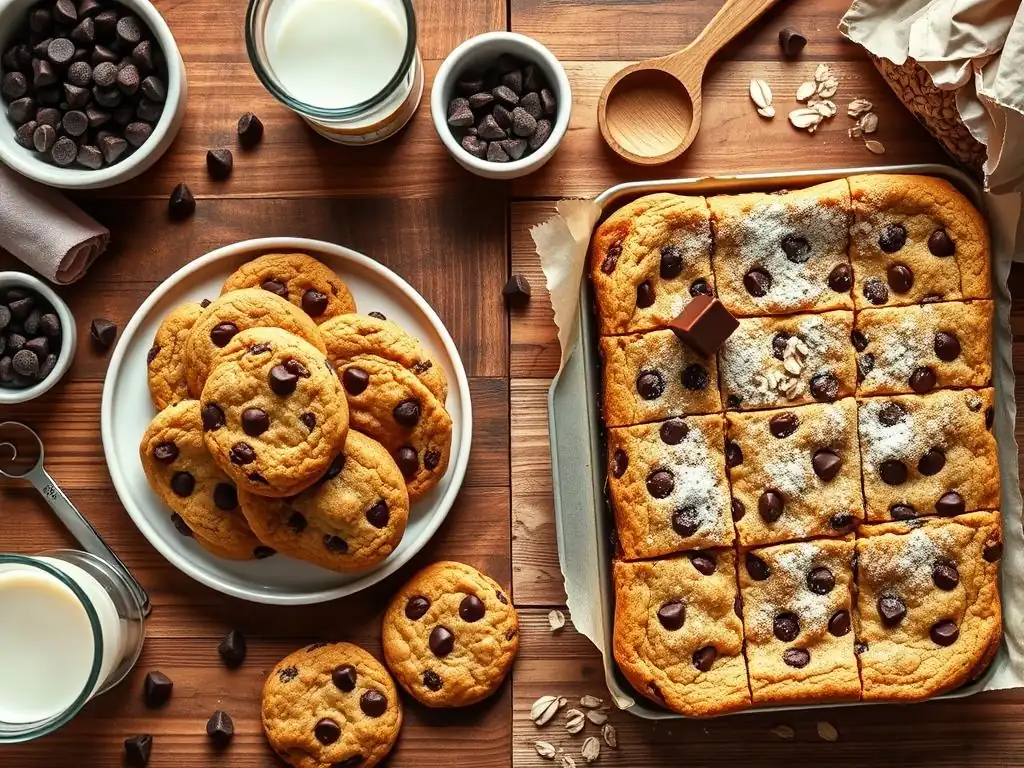
Converting a recipe designed for chips to use chopped bars (or vice versa) is usually straightforward, but a few considerations can help ensure success.
Adjusting Bake Time and Temperature for Different Chocolate Types
While not a strict rule, cookies made with chopped bar chocolate might sometimes require a slightly shorter bake time or a slightly lower temperature. This is because the higher cocoa butter content in bar chocolate melts more readily and can cause the cookies to spread a bit more. Overbaking could lead to the melted chocolate seizing or the cookie becoming dry.
- Start checking for doneness a minute or two earlier than the recipe suggests.
- Look for set edges and a still-soft center, unless a crispy cookie is desired.
- If your cookies are spreading too much with chopped chocolate, try chilling the dough thoroughly before baking.
These minor adjustments can help you achieve the perfect texture when using chopped chocolate in a recipe originally intended for chips, or when perfecting a chocolate chip cookie bars recipe.
Considerations for Adding Extra Ingredients When Using Chocolate Bars [Nuts, Sea Salt]
When using chopped chocolate bars, you might find that the richer flavor pairs exceptionally well with other additions like nuts or sea salt.
- Nuts: Toasted pecans, walnuts, or macadamia nuts add a lovely crunch and complementary flavor. About ½ to 1 cup of chopped nuts is usually a good amount for a standard cookie batch. Fold them in along with the chocolate.
- Sea Salt: A sprinkle of flaky sea salt on top of the cookies just as they come out of the oven enhances the chocolate flavor and adds a pleasant salty contrast. This is particularly good with darker chocolates.
These additions work equally well in drop cookies or a chocolate chip cookie bars recipe, elevating the overall taste experience.
Understanding How Chocolate Affects Dough Spread and Texture
The fat content of the chocolate you use can influence how much your cookie dough spreads during baking. Chocolate bars with higher cocoa butter will melt more completely and fluidly than chips, potentially leading to slightly thinner, more spread-out cookies if the recipe isn't adjusted.
Conversely, chips, by holding their shape, provide structure within the dough matrix, which can sometimes result in slightly thicker cookies. If you switch from chips to chopped bar chocolate and notice excessive spread, try adding a tablespoon or two of flour to the dough, chilling it longer, or slightly increasing the oven temperature (watch carefully to avoid burning). Understanding this interaction helps you troubleshoot and perfect any cookie recipe, including a chocolate chip cookie bars recipe.
Exploring Different Types of Chocolate for Baking
The world of chocolate offers a vast palette of flavors and characteristics to explore in your baking.
Milk Chocolate, Dark Chocolate, and Semi-Sweet Chocolate: A Comparison
These are the most common types of chocolate used in cookies, each offering a distinct experience:
- Milk Chocolate: Contains cocoa solids, cocoa butter, sugar, and milk powder. It's the sweetest and creamiest option, with a lower cacao percentage (typically 10-40%). It melts easily and provides a smooth, sweet flavor that pairs well with nuts and caramel. Can be very sweet in cookies, so balance is key.
- Semi-Sweet Chocolate: A popular choice for baking. Contains cocoa solids, cocoa butter, and sugar, with less sugar than milk chocolate and no milk powder. Cacao percentage typically ranges from 35-65%. Offers a good balance of sweetness and chocolate flavor, making it versatile for many recipes, including a classic chocolate chip cookie bars recipe.
- Dark Chocolate: Contains cocoa solids, cocoa butter, and sugar, with a higher percentage of cocoa solids and less sugar than semi-sweet. Cacao percentage is usually 60% or higher. Offers a more intense, less sweet chocolate flavor, ranging from slightly bitter to fruity depending on the cacao content and origin. Provides rich depth to cookies.
The cacao percentage listed on a chocolate bar indicates the proportion of the bar made up of cocoa solids and cocoa butter (everything derived from the cocoa bean). A higher percentage means more intense chocolate flavor and less sugar.
- Lower percentages (30-50%): Sweeter, milder chocolate flavor, often used in milk chocolate or sweeter semi-sweet.
- Mid-range percentages (60-75%): Balanced bittersweet flavor, popular for dark chocolate chip cookies or a robust chocolate chip cookie bars recipe. Offers good chocolate intensity without being overly bitter.
- Higher percentages (80% and above): Very intense, less sweet, can have complex bitter or fruity notes. Best used when a very strong chocolate flavor is desired, often paired with sweeter doughs or other ingredients to balance the bitterness.
Choosing the right percentage allows you to control the sweetness and intensity of the chocolate element in your cookies.
Recommended Chocolate Brands for Baking
Investing in good quality chocolate can significantly impact your cookie flavor. While specific brands can vary by region, look for brands known for quality ingredients and good flavor.
- High-Quality Bars: Brands like Ghirardelli (their baking bars), Guittard (baking wafers or bars), Valrhona, Callebaut (often sold in bulk or callets), Scharffen Berger, and Lindt often produce chocolates with higher cocoa butter content and better flavor profiles than standard chips.
- Good Baking Chips: Some brands specifically focus on better quality baking chips that melt more like chopped chocolate, such as Guittard's Akoma or Ghirardelli's 60% cacao chips. Even standard brands like Nestle Toll House have specialty lines.
Reading reviews or checking ingredients for higher cocoa butter content can help you select the best chocolate for your baking needs, whether making drop cookies or a decadent chocolate chip cookie bars recipe.
Achieving perfect chocolate cookies involves understanding the ingredients and techniques, and knowing how to troubleshoot common issues.
Even experienced bakers encounter issues. Here's how to handle a couple of common ones:
- Overbaking: Results in hard, dry cookies. This is often caused by baking too long or at too high a temperature.
- Fix: Use an oven thermometer to verify your oven temperature. Check cookies at the minimum bake time specified in the recipe. Look for visual cues like set edges and slightly soft centers (unless a crispy cookie is desired). Remember that cookies continue to cook slightly on the hot baking sheet after coming out of the oven.
- Undercooking: Results in cookies that are too soft, crumbly, or don't hold their shape.
- Fix: Ensure your oven is preheated properly. Bake for the full time specified, looking for the visual cues mentioned above. If the cookies are still too soft after cooling on the sheet for 10 minutes, you can carefully transfer them back to the oven for another 1-3 minutes. Make sure your baking soda/powder isn't expired.
Properly calibrating your oven and trusting visual cues over strict timing can help prevent these issues, whether you're making standard cookies or a chocolate chip cookie bars recipe.
Proper storage is key to keeping your chocolate cookies delicious for as long as possible.
- Ensure cookies are completely cooled before storing. Storing warm cookies creates condensation, leading to sogginess.
- Store cookies in an airtight container at room temperature.
- For different types of cookies, it's best to store them separately as flavors and moisture levels can transfer. Crispy cookies can become soft if stored with chewy ones.
- If stacking cookies, place a piece of parchment paper between layers to prevent sticking.
- Most cookies are best eaten within 3-5 days.
- For longer storage, cookies can be frozen in an airtight container or freezer bag for up to 3 months. Thaw at room temperature. Cookie dough can also be frozen.
This applies whether you've made classic cookies or a batch of chocolate chip cookie bars recipe.
Serving Suggestions and Creative Variations [Ice Cream, Drizzles]
Chocolate cookies are wonderful on their own, but they can also be the base for delightful desserts or enhanced with simple additions:
- Ice Cream Sandwiches: Pair two cookies with a scoop of your favorite ice cream for a classic treat. This works especially well with slightly larger, chewy cookies.
- Chocolate Drizzle: Melt some extra chocolate (either chips or chopped bar) and drizzle it over the cooled cookies for an extra touch of decadence and visual appeal.
- Dipping: Serve cookies with a side of milk, coffee, or even a rich hot chocolate for dipping.
- Crumble Topping: Crumble cookies over ice cream, yogurt, or pudding. This is a great way to use cookies that might be slightly stale.
- Cookie Bars: Cut a chocolate chip cookie bars recipe into squares and serve as is, or top with a scoop of ice cream or a dollop of whipped cream.
Get creative with how you enjoy your homemade chocolate cookies!
Frequently Asked Questions
The main difference lies in how the chocolate melts and spreads during baking. Chocolate chips are designed to retain their shape, while chopped chocolate creates a more intense, melty chocolate flavor.
For a richer flavor, dark chocolate is recommended. Semi-sweet offers a balance of sweetness and bitterness, while dark chocolate provides a more intense chocolate experience which pairs well with the sweetness of the cookie bar.
Yes, you can! Chocolate chunks are larger than chips and provide a gooier, more decadent experience. They will melt more than chips but less than chopped chocolate.
Smaller chocolate pieces, like chips, will distribute more evenly, creating a consistent chocolate flavor throughout. Larger pieces, like chunks or chopped chocolate, create pockets of intense chocolate flavor and a chewier texture.
Avoid overbaking, and ensure your oven temperature is accurate. Also, consider using high-quality chocolate which tends to melt more evenly and is less prone to burning.
The seemingly simple choice between chocolate chips and chocolate bars in cookies reveals a surprisingly complex world of texture, flavor, and ultimately, personal preference. The quest for the perfect chocolate cookie, whether in classic chip form or the decadent richness of a bar-studded delight, continues to captivate home bakers worldwide. This exploration into the nuances of chocolate incorporation highlights the importance of understanding ingredient choices to achieve desired results.
The enduring popularity of chocolate chip cookies, and their bar-cookie cousins, speaks volumes about our collective desire for comfort and indulgence. These treats transcend generations, offering a nostalgic connection to childhood memories and a simple pleasure that continues to resonate. A cookie is a little bit of happiness you can hold in your hand.
This sentiment perfectly encapsulates the emotional connection we have with these baked goods, regardless of whether they're studded with chips or chunks of rich, dark chocolate. The choice, ultimately, is a personal journey of flavor discovery.
So, as you embark on your next baking adventure, consider the insights shared within this article. Don't just follow a recipe; understand the why behind each ingredient. Experiment with both chocolate chips and bars, exploring the different textures and flavor profiles they bring to the table. Discover your own perfect balance of sweet, chewy, and chocolatey goodness. The journey of creating the ultimate chocolate cookie is a personal one, and the possibilities are as endless as your imagination.
Thanks for exploring the delicious world of chocolate cookies with us! You now have the knowledge to choose the perfect chocolate for your next baking adventure. Ready to put your newfound expertise to the test?
- Bake your dream cookies! Try out the recipe we mentioned, substituting your favorite chip or bar chocolate based on your newly acquired knowledge. Share a picture of your masterpiece on social media using #BakeWithEaseChocolate!
- Experiment with different combinations! What unexpected flavor pairings will you discover? Maybe white chocolate chips with dark chocolate chunks?
- Join the BakeWithEase community! Leave a comment below and share your favorite chocolate cookie recipe—or your biggest chocolate baking blunder (we've all been there! ).
So, which chocolate will you choose for your next baking creation? Let's hear your thoughts in the comments!