
SplurgeWorthy Upgrades: HighEnd Baking Equipment That Transforms Your Craft

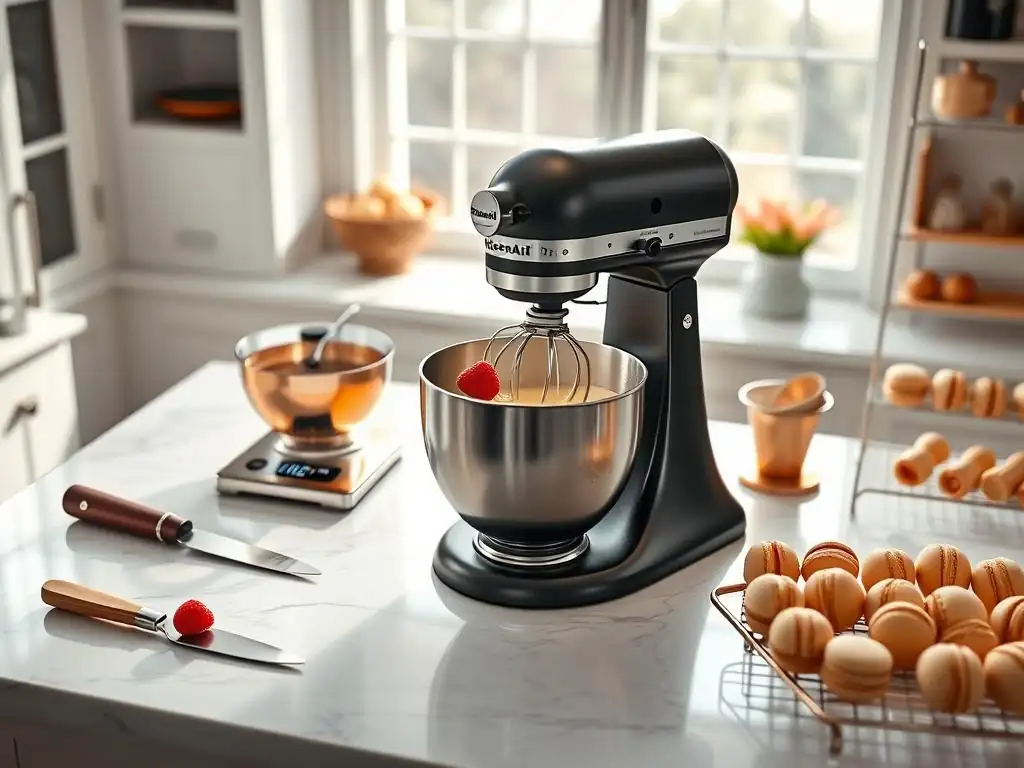
Welcome to BakeWithEase, where we believe anyone can create extraordinary treats! Ever wonder if highend baking equipment upgrades are truly worth the investment? Prepare to discover how the right tools can revolutionize your baking, unlocking a new level of precision and artistry. Let's explore the splurge-worthy upgrades that will transform your craft, taking you from simple bakes to breathtaking creations. Intrigued? Keep reading to find out which pieces are essential for serious bakers!
- Introduction: Level Up Your Baking with Premium Equipment
- Stand Mixers: The Workhorse of the Bakery Kitchen
- Convection Ovens: Achieving Baking Perfection Through Even Heat
- Precision Scales: Mastering Accuracy in Baking Measurements
- Dough Proofer: Accelerate and Control Your Bread Baking
- High-Quality Baking Pans: Investing in Durable and Efficient Cookware
- Temperature Monitoring: Ensuring Perfect Baking Temperatures
- Advanced Baking Tools: Enhancing Your Technique and Creativity
- Maintaining Your High-End Baking Equipment: Ensuring Longevity
- Conclusion: Elevating Your Baking with the Right Investments
-
Frequently Asked Questions
- What are some examples of high-end baking equipment upgrades that BakeWithEase recommends?
- How can high-end baking equipment improve my baking results, according to BakeWithEase?
- Are high-end baking equipment upgrades worth the investment for a beginner baker?
- Where can I find information on choosing the right high-end baking equipment for my needs, based on BakeWithEase's suggestions?
- What are some maintenance tips for keeping high-end baking equipment in top condition, according to BakeWithEase?
- Final Reflection: The Sweet Rewards of Elevated Baking
- Unleash Your Inner Pastry Chef: Elevate Your Baking Game!
Baking is a craft that combines science and art, and while passion and practice are paramount, the right tools can significantly elevate your results. For bakers looking to move beyond basic equipment and achieve more consistent, professional-quality outcomes, considering high-end baking equipment upgrades is a natural next step. Investing in premium tools isn't just about having fancy gadgets; it's about acquiring reliable, precise instruments that empower you to bake with greater confidence and success.
This guide explores some of the most impactful high-end baking equipment upgrades available to the serious home baker. We'll delve into specific categories where investing in quality makes a tangible difference, from the powerhouses like stand mixers and ovens to the unsung heroes like scales and thermometers. Think of these upgrades as building blocks for mastering more complex techniques and ensuring that every batch of cookies, loaf of bread, or delicate pastry turns out exactly as planned.
Why Invest in High-End Baking Equipment?
Investing in high-end baking equipment offers numerous benefits that directly impact the quality and consistency of your baked goods. Precision and performance are at the forefront; premium tools often boast superior accuracy, whether it's a scale measuring ingredients to the tenth of a gram or an oven maintaining a perfectly even temperature. This level of control minimizes variables, which is crucial in baking where small deviations can lead to significant differences in texture, rise, and flavor.
For example, accurately weighing flour versus using volume measurements can change the hydration of a dough, drastically affecting the final crumb of your bread or the tenderness of your cake. Many professional bakers assert that weighing ingredients can improve consistency by as much as 10-15% compared to volume.
Beyond performance, durability and efficiency are key advantages of high-end baking equipment upgrades. Tools made from robust materials like heavy-gauge stainless steel, cast aluminum, or powerful, metal-geared motors are built to withstand frequent use and last for years, even decades. While the initial cost is higher, the longevity often provides better value over time compared to cheaper alternatives that may warp, break, or lose calibration quickly.
Furthermore, well-designed high-end tools can make baking tasks easier and faster. A powerful stand mixer can knead dough in minutes, a precise scale simplifies complex formulas, and an even-heating oven ensures you don't have to constantly rotate pans, saving both time and effort in the kitchen.
A Guide to Essential Upgrades
Deciding which high-end baking equipment upgrades to prioritize depends on your current baking habits and goals. For bakers who frequently tackle doughs, a robust stand mixer is often the first and most impactful investment. Those focused on perfect cakes and pastries might benefit most from an oven with excellent temperature control and convection capabilities. Precision in ingredients is fundamental to all baking, making a high-quality digital scale a universally beneficial upgrade.
This guide will walk you through several key areas where investing in premium equipment can truly transform your craft. We'll explore the features that distinguish high-end options in each category, provide specific examples of popular and respected models, and discuss how these tools contribute to better results. Whether you're a seasoned baker or just starting to explore more advanced techniques, understanding the value these essential upgrades bring can help you make informed decisions about enhancing your baking arsenal.
Stand Mixers: The Workhorse of the Bakery Kitchen
For any baker who frequently makes bread, cakes, meringues, or large batches of cookies, a stand mixer is indispensable. While basic models exist, a high-end stand mixer is a true workhorse, capable of handling heavy doughs and large volumes with ease and consistency, making it one of the most significant high-end baking equipment upgrades you can make.
Exploring Professional-Grade Stand Mixer Features
High-end stand mixers are distinguished by several key features that contribute to their power, durability, and performance. A powerful motor is essential, measured in watts or horsepower; professional-grade models often boast motors ranging from 500 watts up to over 1000 watts, providing the torque needed to knead stiff bread doughs or mix large quantities of batter without straining or overheating.
Equally important is the internal construction, with metal gears being a hallmark of durable, long-lasting mixers, standing up to heavy loads far better than plastic components found in entry-level machines. Bowl capacity is another factor, with premium models offering larger bowls, typically 5 to 8 quarts or more, allowing for bigger batches and preventing overflow when mixing voluminous batters or doughs.
Beyond raw power and capacity, advanced features enhance usability and versatility. Variable speed controls, often with a slow-start function, prevent ingredients from splashing out when you begin mixing and allow for precise control over mixing speed, crucial for delicate tasks like whipping egg whites or gently folding in dry ingredients.
A robust attachment hub expands the mixer's functionality far beyond mixing, enabling the use of pasta makers, meat grinders, spiralizers, and other accessories that can transform your stand mixer into a multi-purpose kitchen appliance. The planetary mixing action, where the head spins one way while the attachment spins the other, ensures that the entire bowl is covered, leaving no unmixed ingredients at the bottom or sides – a critical detail for achieving uniform batters and doughs with your highend baking equipment upgrades.
Stand Mixer Upgrade: KitchenAid vs. Ankarsrum
When considering high-end stand mixer upgrades, two names frequently come up: KitchenAid and Ankarsrum. KitchenAid, particularly their Professional series (like the Pro 600 or Pro Line), is iconic and ubiquitous in home kitchens. These models feature the classic tilt-head or bowl-lift design with planetary action and powerful DC motors (often 500W+).
They are renowned for their vast array of attachments, making them incredibly versatile for tasks beyond baking, and their sturdy construction ensures they can handle most home baking needs, including moderate bread doughs. KitchenAid's reputation for reliability and wide availability of parts and service add to their appeal as a popular highend baking equipment upgrade.
The Ankarsrum Original mixer offers a distinctly different approach and is often favored by serious bread bakers. Unlike traditional stand mixers, the Ankarsrum has a stationary head, and the bowl rotates on a turntable powered by a robust motor (typically 600W+). It uses a roller and scraper mechanism for kneading, which is particularly effective for large, wet bread doughs, mimicking hand kneading gently but powerfully.
This design is often considered less prone to overheating with heavy loads compared to some planetary mixers. While its attachment range is different from KitchenAid's, it includes excellent accessories for tasks like grain milling and flaking. Choosing between these two high-end options often comes down to primary use: KitchenAid for general versatility, Ankarsrum for heavy-duty bread baking.
Convection Ovens: Achieving Baking Perfection Through Even Heat
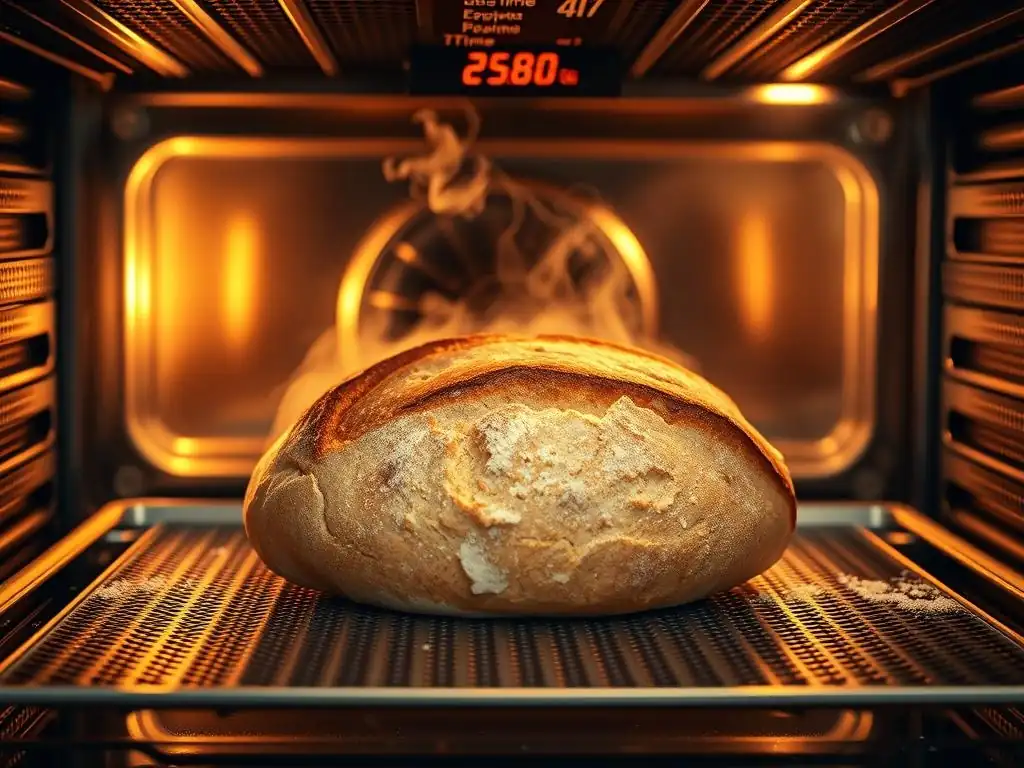
Your oven is arguably the most critical piece of baking equipment, and upgrading to one with true convection capabilities can dramatically improve baking results, especially for delicate items and large batches. A convection oven is a significant step up from a conventional oven, representing a valuable highend baking equipment upgrade.
The Advantages of Convection Baking
The primary advantage of a convection oven lies in its ability to circulate hot air evenly throughout the oven cavity using a fan. In a conventional oven, heat radiates from the elements, creating hot spots and cooler zones, which is why recipes often instruct you to rotate pans halfway through baking. Convection eliminates these inconsistencies, ensuring that every cookie on a sheet or every muffin in a tin bakes at the same rate and achieves uniform browning. This even heat distribution is particularly beneficial for layered cakes, soufflés, and meringues, promoting a consistent rise and preventing uneven textures.
Beyond evenness, convection baking often leads to faster cooking times and improved browning and crisping. The circulating air transfers heat more efficiently to the surface of the food, typically reducing baking time by 15% to 25% compared to conventional baking.
This increased airflow also helps to evaporate surface moisture, promoting better caramelization and Maillard reactions, resulting in crispier crusts on bread and pastries, and perfectly golden-brown cookies and cakes. Many convection ovens offer different modes, such as "true convection" (with a heating element around the fan for even more precise temperature) or "standard convection," allowing bakers to choose the best setting for different recipes.
Selecting the Right Convection Oven for Your Needs
When considering a convection oven as part of your high-end baking equipment upgrades, you typically have two main options: a full-size range or wall oven with convection features, or a countertop convection oven. A full-size range or wall oven is a major kitchen appliance investment, offering the largest capacity and integrating seamlessly into your kitchen design. Look for models with true convection, multiple racks, and precise digital temperature controls. Some high-end models even offer steam assist functions, beneficial for baking artisan bread with a crisp crust.
Countertop convection ovens, sometimes called toaster ovens with convection, offer a more accessible way to get the benefits of convection without a full kitchen remodel. While smaller in capacity (though many can fit a 9x13 inch pan or a standard quarter-sheet pan), they preheat much faster than full-size ovens and are energy-efficient for smaller baking tasks. When selecting a countertop model, check the internal dimensions to ensure it fits your most commonly used bakeware.
Look for accurate temperature settings, a wide temperature range suitable for both low-temperature baking and high-heat roasting, and sturdy construction. These smaller units can be excellent highend baking equipment upgrades for bakers with limited space or those who primarily bake in smaller batches.
Precision Scales: Mastering Accuracy in Baking Measurements
In baking, precision is paramount. Unlike cooking where a pinch more salt or a splash more liquid might not matter, the ratios of ingredients in baking are often scientifically balanced. This is where a high-precision digital scale becomes an indispensable tool and a vital highend baking equipment upgrade.
Why a High-Precision Scale is Crucial
Relying on volume measurements (cups, spoons) introduces significant variability because the density of ingredients can change based on how they are scooped or packed. For example, a cup of flour can weigh anywhere from 120 grams if lightly spooned into the cup to 150 grams or more if packed tightly.
This difference of up to 25% can drastically alter the structure and texture of your baked goods, leading to dense cakes, dry cookies, or improperly hydrated bread doughs. Professional bakers universally measure ingredients by weight because grams and ounces are units of mass, which are consistent regardless of how the ingredient is handled.
Using a high-precision scale ensures that you add the exact amount of each ingredient specified in a recipe, leading to consistent, repeatable results every time. For critical components like leavening agents (baking powder, baking soda), salt, yeast, or potent flavorings, even small discrepancies can have a big impact. Scales that can measure in increments of 0.1 gram or even 0.01 gram are particularly useful for these sensitive ingredients, allowing for accuracy that volume measurements simply cannot provide. Integrating a good digital scale into your workflow is perhaps the most fundamental highend baking equipment upgrade for improving consistency.
Digital Kitchen Scale Upgrades: Escali Primo vs. AWS SC-2KG
When considering digital kitchen scale upgrades, the Escali Primo is a popular choice among home bakers for its balance of features, accuracy, and affordability. It's a robust, easy-to-use scale with a capacity typically around 11 pounds (5 kilograms) and measures in increments of 1 gram or 0.1 ounce. Its simple two-button interface (on/off/tare and unit conversion) and wipe-clean surface make it practical for everyday baking. It's reliable, widely available in various colors, and a significant step up from older mechanical scales or relying solely on volume.
For bakers who require even greater precision, particularly for measuring small amounts of yeast, salt, spices, or supplements (like vital wheat gluten), a high-precision scale like the AWS SC-2KG (or similar models often marketed as jeweler or lab scales) is a worthwhile highend baking equipment upgrade. These scales typically have a smaller maximum capacity (e.g., 2 kilograms or less) but measure in much finer increments, often 0.1 gram or even 0.01 gram.
While you might still use a standard kitchen scale for bulk ingredients like flour and sugar, having a precision scale for those critical small additions ensures unparalleled accuracy, helping you perfectly replicate complex formulas and achieve the desired chemical reactions in your doughs and batters.
Dough Proofer: Accelerate and Control Your Bread Baking
Proofing, the process where yeast produces carbon dioxide to make dough rise, is a critical step in bread baking. The ideal temperature and humidity for proofing can be inconsistent in a home kitchen, leading to unpredictable results. A dedicated dough proofer provides a controlled environment, making it a valuable highend baking equipment upgrade for bread enthusiasts.
Understanding the Benefits of a Dedicated Dough Proofer
Yeast activity is highly dependent on temperature. Too cold, and the yeast is sluggish, leading to a slow or incomplete rise. Too hot, and the yeast can become overactive initially before dying off, potentially resulting in off-flavors or a poor rise. Room temperature varies significantly by season and climate, making consistent proofing a challenge. A dedicated dough proofer allows you to set and maintain a precise temperature, typically within the optimal range for yeast fermentation (often cited between 75°F and 85°F, or 24°C to 30°C for primary fermentation, and slightly warmer for final proofing).
Beyond temperature control, many proofers also offer humidity control, usually via a water tray. Maintaining adequate humidity prevents the surface of the dough from drying out and forming a skin, which can restrict the dough's ability to rise properly. By providing consistent temperature and humidity, a proofer ensures reliable, repeatable proofing times and results, regardless of the ambient conditions in your kitchen.
This control is particularly beneficial for sourdough starters and doughs which can be more sensitive to temperature fluctuations, and for accelerating proofing when you're on a schedule. A proofer takes the guesswork out of this crucial step, making it a worthwhile highend baking equipment upgrade.
Choosing the Best Dough Proofer for Your Baking Style
For most home bakers, a folding proof box is the most practical and effective type of dough proofer. Models like the Brod & Taylor Folding Proofer are popular choices. These units fold flat for easy storage when not in use and expand to create a temperature-controlled chamber large enough to hold one or two loaves or multiple smaller items.
They offer a wide, adjustable temperature range, not just for proofing bread (typically 70-95°F), but often also for culturing yogurt or making tempered chocolate at lower temperatures (as low as 70°F), adding to their versatility. Humidity is maintained by placing a tray of water inside the unit.
While dedicated proofing cabinets exist, they are usually larger, more expensive, and more suited to commercial settings or very high-volume home bakers. For the typical enthusiast seeking highend baking equipment upgrades to improve their bread making, a folding proof box offers excellent performance, precise control, and convenient storage. When choosing one, consider the internal capacity to ensure it fits your largest proofing bowls or bannetons. Look for stable temperature maintenance and ease of cleaning. This specialized tool might seem like a luxury, but for consistent, high-quality bread, it's a valuable addition to your baking arsenal.
High-Quality Baking Pans: Investing in Durable and Efficient Cookware
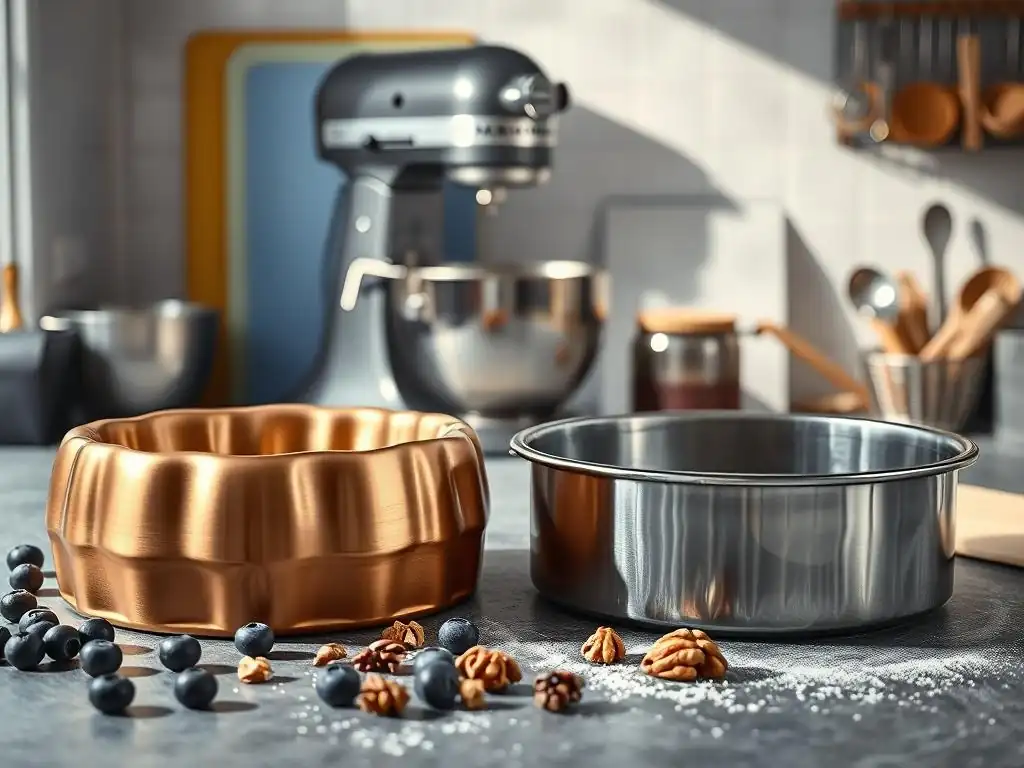
While often overlooked, the quality and material of your baking pans significantly impact how evenly your baked goods cook and brown. Upgrading your bakeware is a fundamental highend baking equipment upgrade that yields noticeable results.
The Impact of Baking Pan Material on Baking Results (e.g., Copper, Aluminum, Silicone)
Different baking pan materials conduct and distribute heat in distinct ways, directly affecting the outcome of your recipes. Aluminum is widely favored for many types of bakeware, particularly cake pans and cookie sheets, because it is an excellent heat conductor, ensuring even heat distribution and preventing hot spots that can lead to uneven baking.
Heavy-gauge aluminum pans are preferred as they are less likely to warp at high temperatures. Steel pans, such as carbon steel or aluminized steel (steel coated with aluminum for better heat transfer and corrosion resistance), heat up slower than pure aluminum but retain heat very well, making them ideal for achieving well-browned crusts on breads and pizzas or for sturdy sheet pans.
Other materials like silicone and glass behave differently. Silicone bakeware is popular for its non-stick properties and flexibility, making it easy to release delicate items. However, silicone is an insulator, not a conductor, meaning it doesn't transfer heat as efficiently or promote browning as well as metal pans.
Glass bakeware (like Pyrex) heats up slowly but retains heat for a long time, which can lead to darker bottoms on items like pies, casseroles, or quick breads. Understanding how each material interacts with heat helps you choose the right pan for the job and highlights why investing in quality materials is a crucial part of highend baking equipment upgrades.
Baking Pan Upgrade: Nordic Ware Bundt Pan vs. USA Pan Bakeware
Two examples of high-quality bakeware representing worthwhile highend baking equipment upgrades are Nordic Ware's cast aluminum Bundt pans and USA Pan bakeware. Nordic Ware is famous for its heavy, intricate cast aluminum Bundt pans. Cast aluminum provides exceptional heat distribution, ensuring that even cakes with complex shapes bake through evenly without burnt edges or undercooked centers. Their durable non-stick interiors allow for easy release, preserving the beautiful details of the pan design. A classic like the Nordic Ware Anniversary Bundt pan is a testament to their quality and lasting appeal, producing consistently stunning cakes.
USA Pan bakeware is another excellent choice for general-purpose pans like sheet pans, loaf pans, and cake pans. Their pans are typically made from aluminized steel, combining the strength of steel with the heat conductivity of aluminum. A signature feature is their unique fluted or corrugated surface design, which promotes air circulation around the baked goods for more even cooking and adds structural rigidity to prevent warping.
They also use a PFOA-free silicone non-stick coating. Investing in a set of USA Pan sheet pans or loaf pans provides durable, high-performing bakeware that will contribute to reliably good results across a wide range of recipes, making them solid highend baking equipment upgrades.
Temperature Monitoring: Ensuring Perfect Baking Temperatures
Baking is a science, and temperature is a critical variable. Relying solely on oven dials or the "look and feel" of your baked goods can be unreliable. Accurate temperature monitoring, both of ingredients and the finished product, is a mark of an experienced baker and requires appropriate tools. Upgrading your thermometers is a simple yet effective highend baking equipment upgrade.
The Importance of Accurate Thermometers in Baking
Knowing the precise internal temperature of your baked goods is the most reliable way to determine doneness, especially for items like bread, cakes, custards, and cheesecakes. For instance, most lean bread is fully baked when its internal temperature reaches between 190°F and 210°F (88°C to 99°C), depending on the type. Cakes are often done around 200°F to 210°F (93°C to 99°C).
Reaching the correct internal temperature ensures starches are fully gelatinized and proteins are set, resulting in the proper structure and texture throughout, preventing gummy centers or dry, overbaked edges. Visual cues like browning can be misleading, as the surface might be done before the interior.
Beyond checking doneness, accurate thermometers are essential for various baking processes. Tempering chocolate requires hitting specific temperature curves within a few degrees. Making sugar syrups or candy relies entirely on reaching precise temperature stages (e.g., soft ball, hard crack). Checking the temperature of liquids for activating yeast (typically 105°F-115°F or 40°C-46°C) ensures your dough will rise properly. Having reliable thermometers removes guesswork and adds a layer of scientific control to your baking, making them fundamental highend baking equipment upgrades.
Thermometer Upgrade: Thermapen ONE vs. ThermoWorks ChefAlarm
For quick, accurate temperature checks, the Thermapen ONE by ThermoWorks is considered a top-tier highend baking equipment upgrade. It's renowned for its incredible speed, providing a reading in less than a second, and its high accuracy (often ±0.5°F or ±0.3°C). This speed is invaluable when checking the internal temperature of a loaf of bread or a cake; you can get a reading quickly without leaving the oven door open for too long and losing significant heat. Its durable, splash-proof design and long battery life make it a reliable tool for all your instant-read temperature needs in the kitchen.
For monitoring temperatures over a longer period, such as when baking a large cheesecake, a slow-roasted item (like a baked ham), or making candy, a probe thermometer with an alarm function is ideal. The ThermoWorks ChefAlarm is a professional-grade example. It features a durable probe that remains in the oven (or pot) while the main unit sits outside, displaying the temperature and allowing you to set high and low alarms.
This lets you track the internal temperature without opening the oven door, minimizing temperature fluctuations and ensuring you hit your target temperature precisely. Having both an instant-read Thermapen ONE and a probe thermometer like the ChefAlarm provides comprehensive temperature monitoring capabilities, representing robust highend baking equipment upgrades.
Advanced Baking Tools: Enhancing Your Technique and Creativity
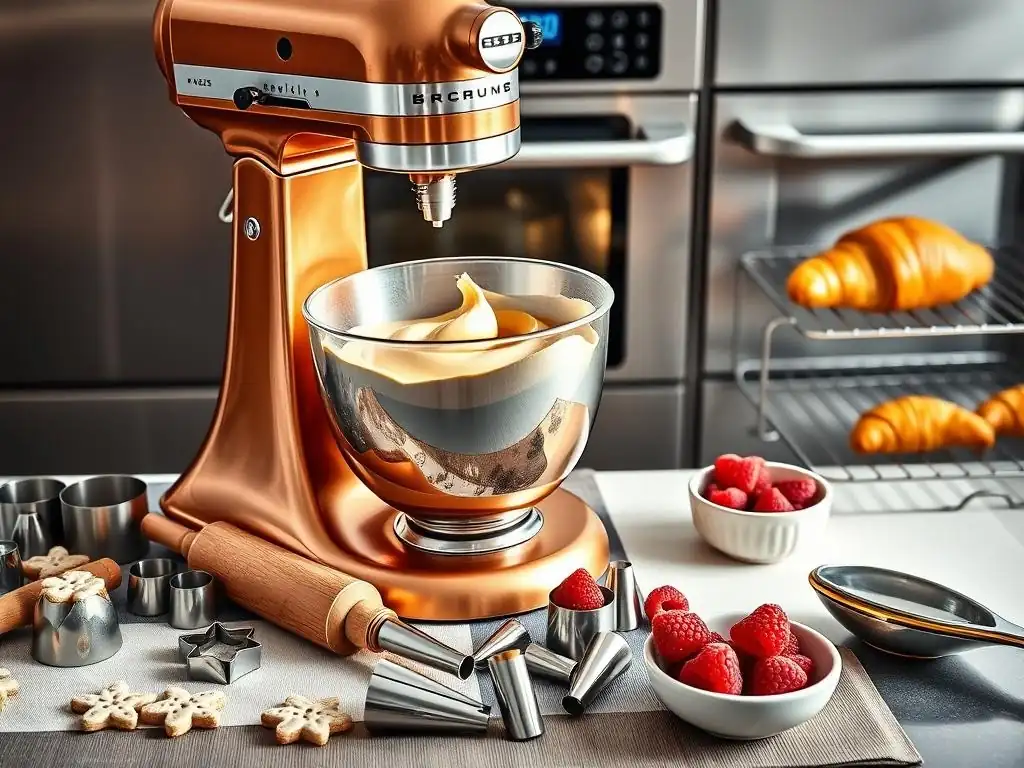
While large appliances form the core of your kitchen, smaller, specialized tools can significantly refine your technique and expand your creative possibilities. Investing in high-quality versions of these advanced baking tools is another way to make impactful highend baking equipment upgrades.
High-End Rolling Pins for Consistent Dough Thickness
A rolling pin might seem simple, but a well-chosen, high-quality one can make a world of difference in achieving consistently rolled dough, which is crucial for even baking of cookies, pie crusts, tarts, and pastries. Different types of rolling pins offer varying degrees of control.
French-style rolling pins, which are tapered at the ends and lack handles, allow you to use the palms of your hands to guide and feel the dough, offering excellent control over thickness and shape. They are often made from smooth, dense hardwoods like maple or beechwood, which have enough weight to assist in rolling without being overly heavy.
Some high-end rolling pins feature adjustable rings on the ends, allowing you to set a specific thickness (e.g., 1/8 inch, 1/4 inch) and roll the dough uniformly every time. Materials also matter; marble rolling pins, often kept chilled, are excellent for rolling out temperature-sensitive pastry doughs like puff pastry or pie crusts, as they help keep the butter cold and firm, essential for flakiness. Investing in a sturdy, well-balanced rolling pin that suits your preferred style and baking needs is a valuable highend baking equipment upgrade for achieving professional-looking and consistently baked flat doughs.
Specialty Baking Tools: Tart Tamper and Pastry Wheel
Certain specialized tools, while not used in every recipe, can dramatically improve results when they are needed. A tart tamper, for instance, is a small, often wooden or metal tool with a flat base used to press dough evenly into the bottom and up the sides of mini tart pans or muffin tins.
Using a tamper ensures a uniform thickness in the crust, which is vital for even baking and preventing shrinkage. A well-made tamper fits comfortably in the hand and has a smooth base that doesn't stick to the dough, making quick work of forming perfect tart shells – a small but effective highend baking equipment upgrade.
A high-quality pastry wheel or cutter is another example. Used for cutting dough for pies, tarts, lattice tops, or pastries, a sharp, sturdy wheel provides clean, precise cuts without dragging or distorting the dough. Fluted pastry wheels create decorative edges, while straight wheels are for clean lines.
High-end versions are typically made from stainless steel or other durable materials and have a smooth-spinning wheel that maintains its sharpness. Clean cuts are not just for aesthetics; they contribute to even baking along the edges. These specialized tools, though perhaps not as flashy as a stand mixer, are valuable highend baking equipment upgrades that refine specific techniques and improve the final presentation of your baked goods.
Maintaining Your High-End Baking Equipment: Ensuring Longevity
Investing in high-end baking equipment is just the first step; proper care and maintenance are essential to ensure these valuable tools perform optimally for years to come and truly justify their cost. Treating your premium gear with care preserves its functionality and appearance, making these highend baking equipment upgrades a lasting part of your kitchen.
The most crucial rule for maintaining any high-end baking equipment is to always consult the manufacturer's instructions. Different materials and components require specific care. However, some general principles apply. Prompt cleaning after use is vital, especially for ingredients that can become hard or corrosive if left on surfaces (like sugar, salt, or acidic batters). Use warm, soapy water and non-abrasive sponges or cloths to avoid scratching delicate finishes, non-stick coatings, or polished surfaces. Avoid harsh chemicals or steel wool unless specifically recommended by the manufacturer.
Thorough drying is equally important, particularly for metal and wooden tools. Moisture can lead to rust on steel or cast iron and can cause wooden handles or rolling pins to crack or warp over time. After washing, dry items immediately with a soft towel or allow them to air dry completely before storing. For items with multiple parts, like stand mixer attachments or complex pans, ensure all nooks and crannies are dry. Proper cleaning and drying prevent damage and buildup, ensuring your highend baking equipment upgrades remain in excellent condition.
Specific Maintenance Advice
Certain types of high-end baking equipment may require specific maintenance beyond basic cleaning. For example, some cast iron or carbon steel pans (used for items like cornbread or certain pizzas) may require seasoning to maintain their non-stick properties and prevent rust. Wooden tools, like rolling pins or pastry brushes, can benefit from occasional conditioning with food-grade mineral oil to prevent drying and cracking. Store pans carefully to avoid scratching non-stick surfaces – consider using pan protectors or paper towels between stacked items.
For electrical equipment like stand mixers or ovens, keep the exteriors clean and free of grease buildup. Check power cords for any signs of damage. Stand mixers typically have sealed gearboxes that don't require user lubrication, but always refer to your model's manual for any recommended service points. By following these specific maintenance tips, you protect your investment and ensure that your highend baking equipment upgrades continue to perform reliably, batch after batch, for years into the future.
Conclusion: Elevating Your Baking with the Right Investments
Upgrading to high-end baking equipment is a significant step for any serious home baker. It moves you beyond the limitations of basic tools, equipping you with instruments that offer superior precision, power, durability, and performance. While the initial cost may be higher, the benefits in terms of consistent, high-quality results and the sheer longevity of the equipment make these investments truly worthwhile for transforming your baking craft.
The Long-Term Value of High-End Baking Equipment Upgrades
The true value of high-end baking equipment upgrades is realized over time, both in the quality of your baked goods and the lifespan of your tools. Precision scales and thermometers provide the accuracy needed for reproducible recipes, eliminating frustrating failures caused by inaccurate measurements or temperatures. Powerful stand mixers handle challenging doughs effortlessly, saving time and physical effort. Even-heating ovens and high-quality pans ensure uniform baking and browning, leading to visually appealing and perfectly textured results. These tools empower you to tackle more complex techniques and recipes that might be difficult or impossible with lesser equipment.
Furthermore, the durability of premium equipment means it can last for many years, often becoming cherished tools passed down through generations. A well-maintained stand mixer, a sturdy set of pans, or a reliable digital scale justifies its higher price tag by outlasting multiple cheaper alternatives. Ultimately, highend baking equipment upgrades are an investment in your passion and skill, providing the reliable foundation needed to explore the full potential of baking and achieve consistent, professional-level results in your own kitchen.
Finding the best deals on high-end baking equipment upgrades often requires patience and research. Reputable kitchen supply stores, both online and brick-and-mortar, are excellent places to start, offering a wide selection of premium brands and knowledgeable staff. Websites specializing in baking supplies may also carry a curated selection of high-quality tools. Checking directly with manufacturer websites or authorized dealers can sometimes offer the best selection and warranty options.
Keep an eye out for sales events, such as holiday promotions, Black Friday, or specific kitchenware sales throughout the year. Signing up for newsletters from your favorite retailers or brands can alert you to upcoming discounts. Another avenue to consider for some items, particularly stand mixers or ovens, is looking for certified refurbished models directly from the manufacturer; these items have been inspected and restored to full working condition and often come with a warranty, offering a way to acquire highend baking equipment upgrades at a reduced price.
Frequently Asked Questions
What are some examples of high-end baking equipment upgrades that BakeWithEase recommends?
We suggest looking at stand mixers with powerful motors and multiple attachments, convection ovens for even baking, and precision scales for accurate ingredient measurement.
How can high-end baking equipment improve my baking results, according to BakeWithEase?
Better equipment provides greater control over baking parameters like temperature and mixing speed, leading to more consistent and professional-quality results. You can expect more even browning and fluffier cakes!
Are high-end baking equipment upgrades worth the investment for a beginner baker?
It depends on your commitment. While not essential for beginners, quality equipment can make learning easier and more enjoyable, preventing frustration and accelerating skill development.
Where can I find information on choosing the right high-end baking equipment for my needs, based on BakeWithEase's suggestions?
BakeWithEase offers detailed reviews and buying guides on our website, focusing on features, performance, and value for different types of high-end baking tools.
What are some maintenance tips for keeping high-end baking equipment in top condition, according to BakeWithEase?
Regular cleaning according to manufacturer instructions is key. Also, consider professional servicing for complex equipment like stand mixers to ensure long-term performance and reliability.
Final Reflection: The Sweet Rewards of Elevated Baking
Investing in high-end baking equipment isn't just about acquiring shiny new tools; it's about transforming your relationship with the craft itself. The precision, control, and ultimately, the superior results achieved with professional-grade equipment elevate baking from a hobby to an art form, impacting everything from the texture of your sourdough to the rise of your croissants. This impact resonates far beyond the kitchen, influencing the joy derived from the process and the pride felt in the final product.
The journey of upgrading my own baking arsenal has been a revelation. It's not simply about faster mixing times or more even heating; it's about unlocking a deeper understanding of the science and artistry behind baking. The best things in life are worth fighting for, and the best cakes are worth fighting for the best equipment for.
(A paraphrased sentiment reflecting the article's core message). This pursuit of excellence, reflected in the quality of the tools we use, speaks to a broader cultural shift towards appreciating craftsmanship and the pursuit of perfection in all aspects of life. The meticulous attention to detail demanded by high-end equipment fosters a similar level of care and precision in the baker's approach.
Now, consider your own baking journey. What aspects of your craft could benefit from an upgrade? What small investment could unlock a world of new possibilities and elevate your baking to the next level? Don't just think about the immediate benefits; envision the pride you'll feel presenting your creations, the joy of mastering new techniques, and the lasting satisfaction of creating something truly exceptional. Embrace the opportunity to invest in yourself and your passion; the sweet rewards are well worth the effort.
Unleash Your Inner Pastry Chef: Elevate Your Baking Game!
Thanks for diving deep into the world of high-end baking equipment with us! We hope you're feeling inspired and ready to take your baking to the next level. Now it's time to put that inspiration into action.
- Invest in your dream tool: Think about which upgrade from the article most excites you – that stand mixer, the proofing box, or the precise scale – and take the first step towards ordering it. Visualize the delicious possibilities!
- Share your baking journey: Show off your upgraded baking skills on social media! Use #BakeWithEase to connect with our community and inspire others.
- Explore new recipes: Challenge yourself with a complex recipe that truly showcases your new equipment. What masterpiece will you create?
Ready to transform your baking routine? What's the first recipe you'll tackle with your upgraded equipment?