
Liquid Gold: Baking Bliss with Honey, Maple Syrup, and Molasses

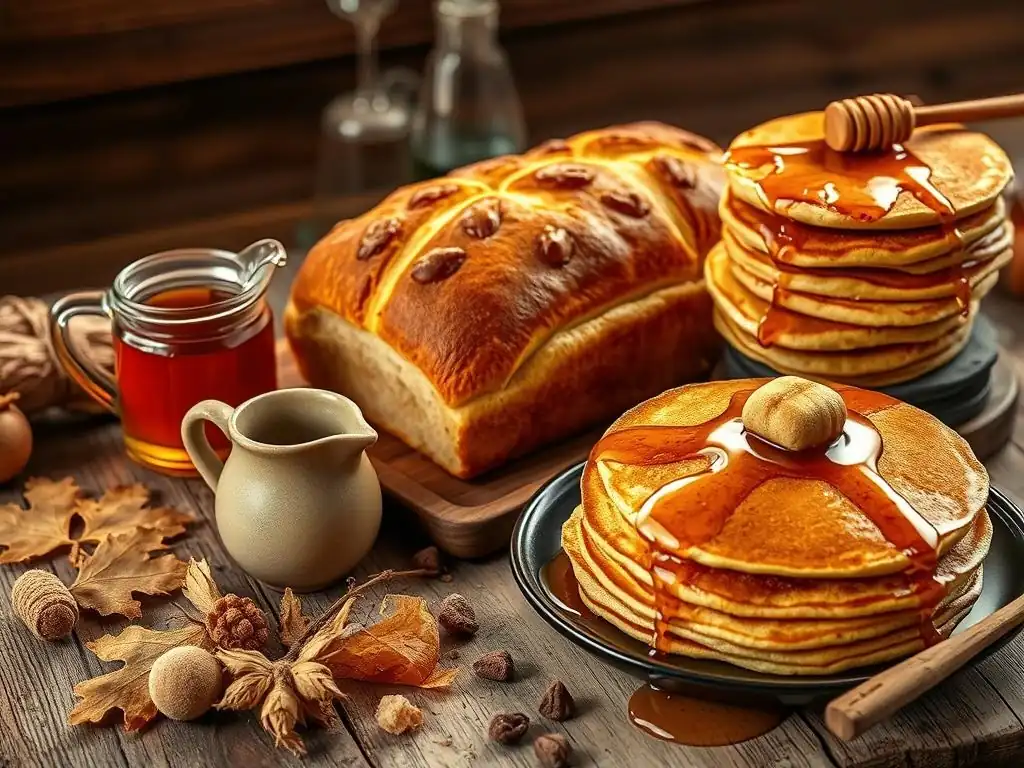
Welcome to BakeWithEase, your haven for baking brilliance! Ever wondered how to unlock richer flavors and textures in your baked creations? Prepare to be amazed! This week, we're diving deep into the sweet secrets of liquid gold with our exploration of honey maple syrup molasses recipes. Discover how these natural sweeteners can transform your favorite treats, adding a unique depth and complexity you won't believe. Intrigued? Let's get baking and uncover the delicious potential of these versatile ingredients!
- Baking with Natural Sweeteners: Honey, Maple Syrup, and Molasses
- Understanding Natural Sweeteners in Baking
- Sweetener Comparison: Honey, Maple Syrup, and Molasses
- Baking with Honey: Tips and Techniques
- Baking with Maple Syrup: Achieving Sweetness
- Baking with Molasses: Mastering Deep Flavors
- Converting Recipes: Substituting Natural Sweeteners
- Advanced Techniques with Natural Sweeteners
- The Future of Baking with Natural Sweeteners
-
Frequently Asked Questions
- What are the key differences between using honey, maple syrup, and molasses in baking?
- Can I substitute honey, maple syrup, or molasses for refined sugar in baking recipes?
- What types of recipes are best suited for each of these liquid sweeteners?
- How does the type of molasses (light, dark, blackstrap) affect the flavor of baked goods?
- Are there any specific tips or tricks for working with honey, maple syrup, or molasses in baking?
- Final Reflection: The Sweet Symphony of Nature's Treasures
- Unlock Your Inner Pastry Chef!
Baking with Natural Sweeteners: Honey, Maple Syrup, and Molasses
Understanding Natural Sweeteners in Baking
Exploring Honey in Baking
Honey is a truly ancient sweetener, produced by bees from the nectar of flowers. Its composition is primarily fructose and glucose, along with water, enzymes, minerals, vitamins, and pollen. This complex makeup gives honey its unique flavor profile and functional properties in baking. Unlike refined sugar, honey is a liquid sweetener, which significantly impacts the texture and moisture of baked goods. It's known for its ability to retain moisture, leading to softer, more tender results that stay fresh longer.
When using honey in baking, it's crucial to remember its acidity. Honey typically has a pH ranging from 3.2 to 4.5, which can react with leavening agents like baking soda. This acidity can help activate baking soda, contributing to lift and tenderness in recipes. The natural enzymes in honey also contribute to browning, often resulting in a richer color crust compared to sugar-sweetened bakes. Understanding these properties is key to successfully incorporating this liquid gold into your favorite honey maple syrup molasses recipes.
Honey's Properties in Baking: Flavor, Moisture, and Acidity
Honey offers a distinct flavor that varies depending on the floral source, ranging from light and floral to dark and robust. This flavor isn't just sweetness; it adds complexity and depth that refined sugar cannot match. In baking, honey contributes significantly to moisture. Its hygroscopic nature means it attracts and retains water molecules, which is why honey cakes and cookies often remain soft and moist for days after baking, unlike those made solely with granulated sugar.
The acidity of honey, while subtle to the taste in many applications, plays a vital role in the chemistry of baking. It helps to create a more tender crumb by interfering with gluten development. Furthermore, this acidity, combined with the sugars and amino acids present, accelerates the Maillard reaction during baking, leading to enhanced browning and the development of desirable caramelized flavors on the crust of baked goods. Mastering these properties is essential when adapting honey maple syrup molasses recipes or creating new ones.
Honey Varieties for Baking
The world of honey is vast, with flavors influenced by the flowers the bees visit. Lighter honeys, like clover or acacia, have a milder flavor that won't overpower delicate baked goods such as cakes, scones, or light cookies. They provide sweetness and moisture without dominating other ingredients. These are often good starting points when you're new to using honey in baking.
Darker honeys, such as buckwheat or wildflower, possess more intense, sometimes slightly bitter or earthy notes. These are excellent for robustly flavored bakes like gingerbread, dark fruitcakes, or certain types of bread, where their strong character can complement spices and other rich ingredients. Experimenting with different honey varieties can unlock a wide range of flavor possibilities in your honey maple syrup molasses recipes, adding unique dimensions to familiar treats.
Honey Baking Recipes
Honey features prominently in many classic and contemporary baking recipes. Honey cakes, like traditional Jewish honey cake (Lekach) often made for Rosh Hashanah, showcase honey's ability to create incredibly moist and flavorful dense cakes that improve over time. These recipes typically use a significant amount of honey, sometimes combined with spices like cinnamon and ginger.
Beyond cakes, honey is a fantastic addition to cookies, granola bars, and even breads. Honey oat bread, for example, benefits from honey's tenderizing effect and subtle sweetness. For those exploring honey maple syrup molasses recipes, trying a simple honey cookie or substituting a portion of sugar with honey in a standard muffin recipe can be a great way to understand its impact on texture and flavor before tackling more complex bakes.
Maple Syrup: Enhancing Baked Goods with Sweetness
Maple syrup, derived from the sap of maple trees, is another beloved liquid sweetener, iconic for its distinctive earthy and slightly caramel flavor. While primarily composed of sucrose and water, it contains trace minerals and organic acids that contribute to its complex taste profile, which varies depending on the grade. Maple syrup provides a unique sweetness that is less intensely sweet than honey or sugar, allowing other flavors in a recipe to shine through.
Using maple syrup in baking not only imparts its signature flavor but also adds moisture, similar to honey. However, due to its higher water content compared to honey or granulated sugar, adjustments are often necessary when substituting it in recipes. Maple syrup is particularly popular in autumn-themed bakes and pairs wonderfully with nuts, spices, and fruits like apples and pumpkins, making it a staple in many delicious honey maple syrup molasses recipes.
The Taste of Maple Syrup in Baking
The flavor of maple syrup is unmistakable – a warm, sweet, slightly woody, and sometimes smoky note that evokes comfort and nostalgia. This flavor becomes more pronounced in darker grades of syrup. When baked, the maple flavor can mellow slightly but still provides a pleasant background sweetness that complements ingredients like pecans, walnuts, cinnamon, nutmeg, and ginger beautifully.
This unique taste makes maple syrup a star in recipes where its flavor is meant to be a primary component, such as maple pecan pie, maple-glazed doughnuts, or maple walnut cookies. It offers a more nuanced sweetness than refined sugar, allowing other flavor elements in the bake, such as spices or the natural taste of fruits and nuts, to be more prominent. Exploring different honey maple syrup molasses recipes that feature maple syrup is a delightful journey for the palate.
Using Maple Syrup as a Sugar Substitute
Substituting maple syrup for granulated sugar requires careful consideration due to its liquid form and different sweetness level. A common guideline suggests using about 3/4 cup of maple syrup for every cup of granulated sugar, but this can vary based on the recipe and desired sweetness. Because maple syrup adds liquid, it's usually necessary to reduce other liquids in the recipe, typically by about 2-4 tablespoons per cup of syrup used, to maintain the correct moisture balance.
Additionally, maple syrup contains invert sugars which can affect browning and tenderness. Baked goods made with maple syrup may brown faster than those made with sugar, so monitoring baking time and temperature is important. Recipes specifically developed for maple syrup often have the liquid ratios already adjusted, offering a more reliable starting point for delicious honey maple syrup molasses recipes that feature this natural sweetener.
Maple Syrup Dessert Recipes
Maple syrup is a cornerstone in many beloved dessert recipes, particularly in North America. Classic examples include maple pecan pie, where the syrup's rich flavor binds the nutty filling, or maple bars and doughnuts, often finished with a sweet maple glaze. Maple syrup also shines in simple bakes like muffins, quick breads, and granola, adding a touch of natural sweetness and that signature maple flavor.
Beyond traditional desserts, maple syrup is increasingly used in more contemporary bakes, from sophisticated tarts and cheesecakes to simple cookies and cakes. Its versatility allows it to be paired with a wide range of ingredients, making it a valuable component in diverse honey maple syrup molasses recipes. Whether drizzled over baked apples or incorporated into a fluffy cake batter, maple syrup adds a touch of liquid gold sweetness.
Molasses: Adding Depth and Richness
Molasses is a thick, dark syrup produced as a byproduct of sugar refining. It's created by boiling down sugarcane or sugar beet juice. Unlike refined sugar which has been stripped of most nutrients, molasses retains some vitamins and minerals, including iron and calcium. Its flavor is distinctively robust, ranging from mildly sweet and slightly bitter to intensely dark and smoky, depending on the type and how many times the sugar syrup was boiled.
In baking, molasses is prized for the deep color, rich flavor, and moist, chewy texture it imparts. It's an essential ingredient in many traditional bakes, particularly those with warm spices. Its unique properties make it different from honey and maple syrup, offering a more assertive flavor profile that stands up well to strong spices like ginger, cloves, and cinnamon, making it indispensable in many classic honey maple syrup molasses recipes.
Types of Molasses for Baking
There are several types of molasses, categorized by the stage of boiling in the sugar refining process. Light molasses, from the first boil, is the sweetest and mildest, often used in softer baked goods like cookies and cakes where a less intense flavor is desired. Dark molasses (or medium molasses), from the second boil, is less sweet and has a more pronounced, slightly bitter flavor, commonly used in gingerbread and other spiced recipes.
Blackstrap molasses, from the third boil, is the darkest, least sweet, and most bitter type, with the highest concentration of nutrients. Its strong flavor can be overpowering, so it's often used in smaller quantities or in very robust recipes like baked beans or dark bread. For most baking purposes, light or dark molasses is preferred, offering that characteristic depth without excessive bitterness, making them key players in many honey maple syrup molasses recipes.
Molasses in Classic Recipes
Molasses is the defining ingredient in many iconic baked goods. Gingerbread, in its many forms – cookies, cakes, and loaves – relies heavily on molasses for its dark color, moist texture, and signature spicy-sweet flavor profile. The chewiness of classic gingerbread cookies is often attributed to the presence of molasses.
Other traditional recipes featuring molasses include Boston brown bread, which gets its distinct dark color and slightly dense, moist texture from this syrup, and certain fruitcakes and spice cakes. Molasses pairs exceptionally well with spices like ginger, cinnamon, cloves, and allspice, creating warm, comforting flavors. Exploring these classic honey maple syrup molasses recipes reveals the unique contribution molasses makes to texture and taste.
Molasses Baking Tips
Working with molasses can be slightly different from other liquid sweeteners due to its viscosity and strong flavor. When measuring molasses, it's often helpful to lightly oil the measuring cup first or use the displacement method (fill a cup with the required amount of liquid, then add molasses until the liquid reaches the top) to prevent it from sticking. Its strong flavor means that a little goes a long way, especially with darker varieties.
Like honey and maple syrup, molasses is acidic and reacts with baking soda, contributing to leavening and tenderness. Recipes using molasses often call for baking soda, even if they also contain baking powder. Molasses also contributes significantly to moisture, resulting in baked goods that stay soft and chewy. Understanding these tips helps ensure success when incorporating molasses into your honey maple syrup molasses recipes.
Sweetener Comparison: Honey, Maple Syrup, and Molasses
Flavor Profiles in Baked Goods
While all three are natural liquid sweeteners, honey, maple syrup, and molasses each bring a distinct flavor profile to baked goods. Honey's flavor is highly variable depending on its floral source, ranging from delicate and floral to robust and earthy, adding complex sweetness. Maple syrup offers a warm, slightly woody, and caramel-like taste that is less intensely sweet than honey, providing a characteristic autumnal note.
Molasses provides the most assertive flavor, ranging from mildly sweet and slightly bitter (light molasses) to intensely dark and smoky (blackstrap). It adds a deep, rich, almost savory undertone that pairs exceptionally well with spices. The choice between these three sweeteners in honey maple syrup molasses recipes depends heavily on the desired flavor outcome, whether you want a subtle sweetness, a warm maple note, or a deep, spiced richness.
Texture Differences and Baking Effects
Beyond flavor, these sweeteners impact the texture of baked goods differently. Honey is highly hygroscopic, making bakes exceptionally moist and tender, and helping them stay fresh longer. It also contributes to a chewier texture in cookies and a softer crumb in cakes. Maple syrup also adds moisture but generally results in a slightly less chewy texture than honey or molasses due to its higher water content.
Molasses is known for creating a dense, moist, and particularly chewy texture, especially in cookies like gingerbread. Its high mineral content and viscosity contribute to this effect. All three promote browning through the Maillard reaction and caramelization, but molasses often leads to the darkest color due to its composition. Understanding these textural differences is vital when developing or adapting honey maple syrup molasses recipes.
Nutritional Benefits
While they are all sources of sugar and should be consumed in moderation, honey, maple syrup, and molasses offer slightly different nutritional profiles compared to refined sugar. Refined white sugar is essentially pure sucrose with negligible nutrients. Honey contains small amounts of vitamins, minerals, antioxidants, and enzymes, though the amounts are generally not significant enough to be considered a major nutrient source in typical serving sizes.
Maple syrup also contains trace minerals like manganese and zinc, as well as some antioxidants. Molasses, particularly blackstrap, is the most nutrient-dense of the three, containing notable amounts of iron, calcium, potassium, and magnesium. While not health foods, these natural sweeteners offer slightly more than empty calories, adding a tiny bit of nutritional value to honey maple syrup molasses recipes compared to using only refined sugar.
Baking with Honey: Tips and Techniques
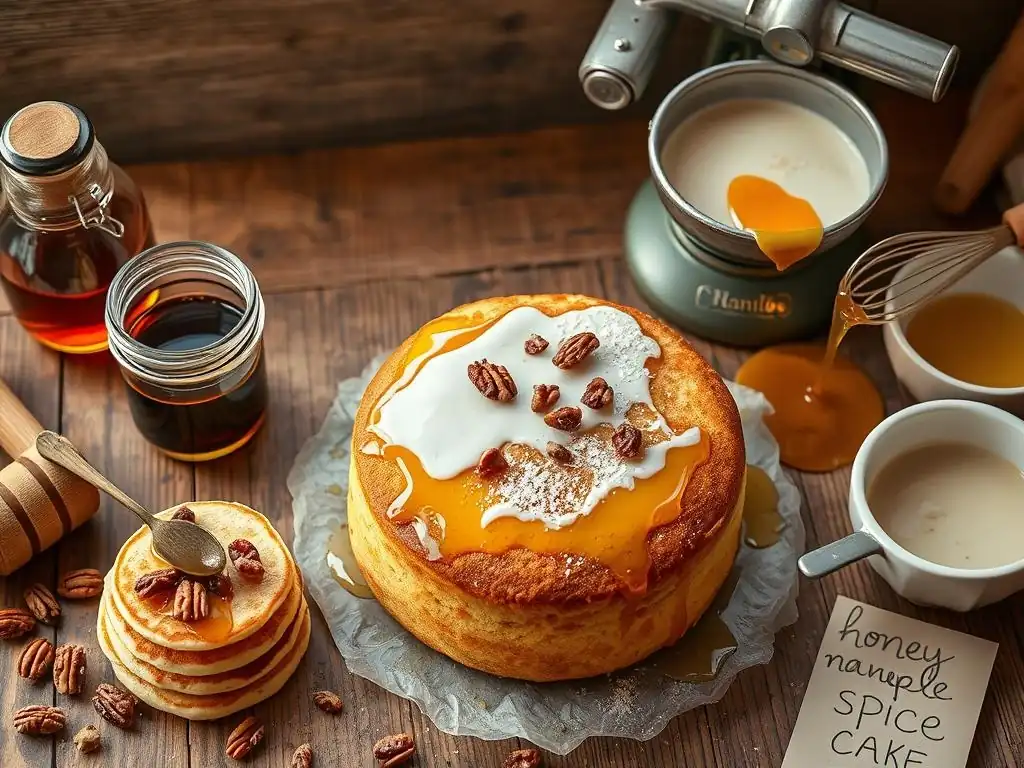
Measuring Honey for Baking
Accurately measuring sticky liquid sweeteners like honey can be tricky. The easiest method is to lightly coat your measuring cup or spoon with a neutral oil or non-stick spray before adding the honey. The oil creates a barrier that allows the honey to slide out easily without sticking to the sides, ensuring you get the correct amount for your recipe.
Alternatively, you can measure honey by weight using a kitchen scale, which is often more precise than volume measurements, especially for sticky ingredients. Honey is denser than water, so 1 cup of honey weighs approximately 12 ounces (about 340 grams), whereas 1 cup of water is 8 ounces (about 227 grams). Using weight measurements can lead to more consistent results in your honey maple syrup molasses recipes.
Adjusting Liquid Ratios
When substituting honey for granulated sugar in a recipe, you must account for the liquid honey adds. As a general rule, for every cup of sugar replaced with honey, reduce the other liquids in the recipe (milk, water, oil, etc.) by about 1/4 cup. This adjustment helps maintain the correct balance of wet and dry ingredients, preventing your baked goods from becoming too wet or dense.
However, this is a guideline, and the exact adjustment may need to be fine-tuned depending on the specific recipe and the desired outcome. Since honey is sweeter than sugar, you might also consider using slightly less honey than the amount of sugar it's replacing, perhaps 3/4 cup of honey for 1 cup of sugar, and then adjusting liquid accordingly. Experimentation is key when adapting honey maple syrup molasses recipes.
Honey Baking Recipe: Honey Almond Cake
A beautiful example of honey's magic is a simple Honey Almond Cake. This cake often uses honey as the primary sweetener, contributing significantly to its moist, tender crumb and rich, golden color. The recipe typically involves creaming butter with honey, then incorporating eggs, almond extract, flour, baking powder, and sometimes almond flour or ground almonds for texture and flavor.
The high moisture content of the honey ensures the cake remains incredibly soft and flavorful for several days. The acidity of the honey works with the baking powder (and potentially baking soda if used) to provide a tender crumb. Baking at a slightly lower temperature than a standard sugar cake might be necessary to prevent the honey from browning too quickly. This type of cake perfectly showcases honey's ability to create luxurious, moist honey maple syrup molasses recipes.
Baking with Maple Syrup: Achieving Sweetness
Using Maple Syrup for Moist Bakes
Maple syrup is an excellent choice for achieving moist baked goods. Its liquid nature adds moisture to the batter or dough, resulting in softer cakes, chewier cookies, and tender muffins. This is particularly beneficial in recipes that might otherwise dry out quickly. The natural sugars and water content in maple syrup help to keep the crumb soft and pleasant.
However, as mentioned earlier, its higher water content compared to sugar or honey means careful liquid adjustments are needed when substituting. Failure to reduce other liquids can lead to a soggy texture or a cake that sinks in the middle. When using maple syrup in honey maple syrup molasses recipes, finding the right liquid balance is key to achieving that desirable moistness without compromising structure.
Maple Syrup Baking Recipe: Maple Pecan Pie
Maple Pecan Pie is a quintessential example of how maple syrup can be used to create a rich, flavorful dessert. Unlike traditional pecan pie recipes that rely heavily on corn syrup, a maple pecan pie uses maple syrup as the main liquid sweetener for the filling. This imparts a more complex, natural sweetness and that signature maple flavor.
The filling typically consists of maple syrup, eggs, butter, vanilla, and pecans, baked in a pie crust until set. The maple syrup contributes to the silky texture of the filling and ensures it doesn't become overly sugary. The baking process allows the maple flavor to concentrate slightly, creating a warm, inviting aroma and taste. This recipe is a perfect illustration of how maple syrup enhances honey maple syrup molasses recipes with its unique character.
Maple Syrup Grades and Baking Impact
Maple syrup is graded based on color and flavor intensity, which impacts its suitability for different baking applications. Lighter grades, such as Grade A Golden Color, Delicate Taste, have a mild, subtle maple flavor. These are best used in recipes where you want a hint of maple without it dominating, or in lighter-colored bakes.
Darker grades, like Grade A Dark Color, Robust Taste, or Grade A Very Dark Color, Strong Taste, have a more pronounced maple flavor. These are ideal for recipes where the maple flavor is meant to be prominent, such as maple cookies, gingerbread (often combined with molasses), or glazes. Using different maple syrup grades allows bakers to fine-tune the maple intensity in their honey maple syrup molasses recipes.
Baking with Molasses: Mastering Deep Flavors
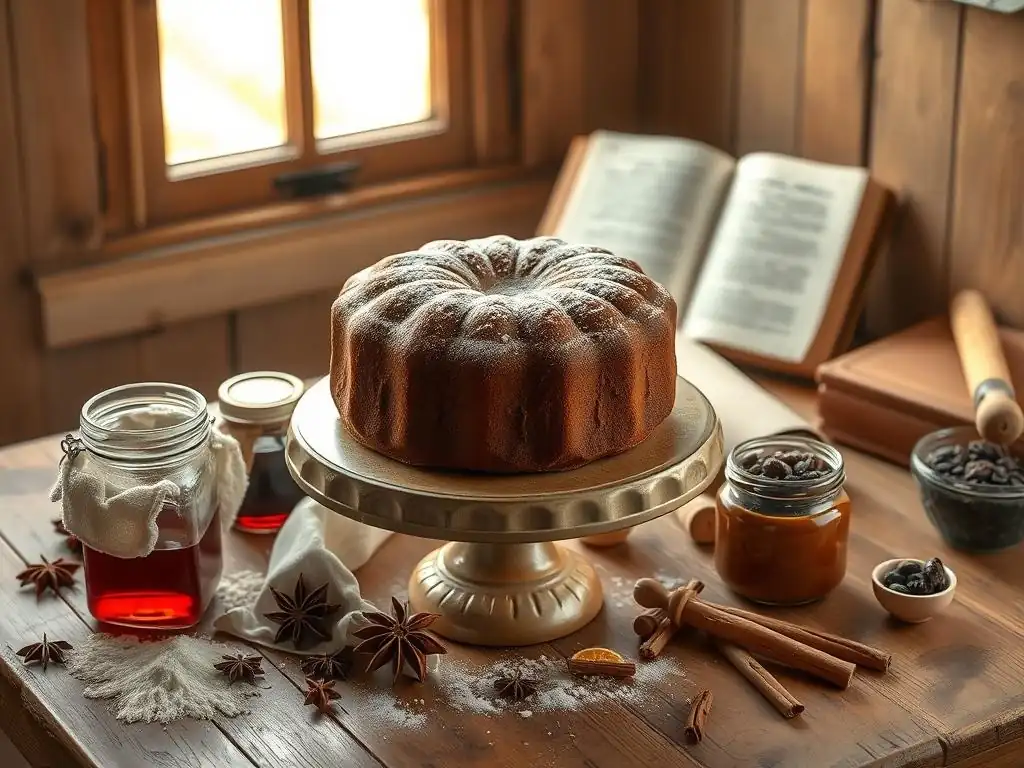
Working with Molasses
Molasses is a thick, viscous syrup that can be slightly challenging to measure and incorporate evenly into batters. Similar to honey, coating your measuring cup with oil or non-stick spray is recommended for easy pouring. Because of its density and sticky nature, ensuring it is fully mixed into the wet ingredients before adding dry ingredients is crucial to prevent uneven distribution and streaks of intense flavor.
Its strong flavor means that the amount used is often less than sugar, honey, or maple syrup in a recipe, especially if using dark or blackstrap varieties. Molasses pairs exceptionally well with warm spices, so it's frequently found in recipes that also call for ginger, cinnamon, cloves, and nutmeg. Mastering the handling of molasses is key to unlocking the deep, rich flavors in honey maple syrup molasses recipes.
Gingerbread cookies are a classic example where molasses is absolutely essential. The molasses provides the characteristic dark color, the slightly smoky or bitter undertones that balance the sweetness, and, importantly, contributes to the wonderfully chewy texture. A typical gingerbread cookie recipe combines flour, spices (heavy on the ginger! ), butter, sugar (often brown sugar), eggs, and a significant amount of molasses.
The molasses works alongside the brown sugar to create a dough that bakes up both crisp on the edges and chewy in the center. The acidity in the molasses reacts with baking soda, aiding in the cookie's spread and tenderness. Without molasses, gingerbread cookies would simply be spiced sugar cookies, lacking the depth, color, and chewiness that define them. This recipe perfectly highlights molasses's unique contribution to honey maple syrup molasses recipes.
Storing Molasses
Proper storage is important for maintaining the quality and usability of molasses. Store molasses in a cool, dark place, such as a pantry, away from direct sunlight and heat. Ensure the container is tightly sealed after each use to prevent crystallization and maintain its moisture content.
While refrigeration is not strictly necessary for opened molasses, it can help extend its shelf life and prevent potential molding, especially in humid environments. However, refrigeration will make the molasses thicker and more difficult to pour, so you may need to let it sit at room temperature for a while before measuring. Storing it correctly ensures your molasses is ready for use in your next batch of honey maple syrup molasses recipes.
Converting Recipes: Substituting Natural Sweeteners
Converting Refined Sugar to Honey
Substituting honey for refined granulated sugar requires adjustments for sweetness level, liquid content, and acidity. A common starting point is to use about 3/4 cup of honey for every 1 cup of granulated sugar, as honey is sweeter. Remember to reduce other liquids in the recipe by approximately 1/4 cup per cup of honey used.
Additionally, since honey is acidic, if the original recipe uses baking soda, you might not need to add extra acid (like cream of tartar). If it uses baking powder, the honey's acidity can boost the baking powder's leavening action. Start with these guidelines and be prepared to make small adjustments based on your results when trying to adapt honey maple syrup molasses recipes.
Converting Refined Sugar to Maple Syrup
Replacing granulated sugar with maple syrup also involves adjusting liquid ratios and sweetness. A typical substitution ratio is about 3/4 cup to 1 cup of maple syrup for every 1 cup of granulated sugar. As with honey, you'll need to reduce other liquids in the recipe, usually by about 2-4 tablespoons per cup of maple syrup used, due to its higher water content.
Consider the flavor impact as well; the distinct maple flavor will be present in the finished product. Maple syrup is also slightly less sweet than honey or sugar, so you might need to use the full 1 cup substitution if you prefer a sweeter result. Experimenting with these ratios is part of the fun when converting honey maple syrup molasses recipes.
Converting Refined Sugar to Molasses
Substituting molasses for refined sugar is less common as a direct 1:1 replacement because molasses has a much stronger flavor and different sweetness profile. However, if you want to introduce molasses flavor and texture, you can replace a portion of the sugar with molasses. For instance, in a cookie recipe calling for 1 cup of sugar, you might use 3/4 cup of sugar and 1/4 cup of molasses.
When substituting molasses for sugar, you'll need to slightly reduce other liquids (perhaps by 1-2 tablespoons per 1/4 cup of molasses) and ensure the recipe contains baking soda, as molasses is acidic and reacts with it for leavening. Remember that the color and flavor will change significantly. Adapting honey maple syrup molasses recipes to incorporate molasses adds depth but requires careful balancing of flavors.
Advanced Techniques with Natural Sweeteners
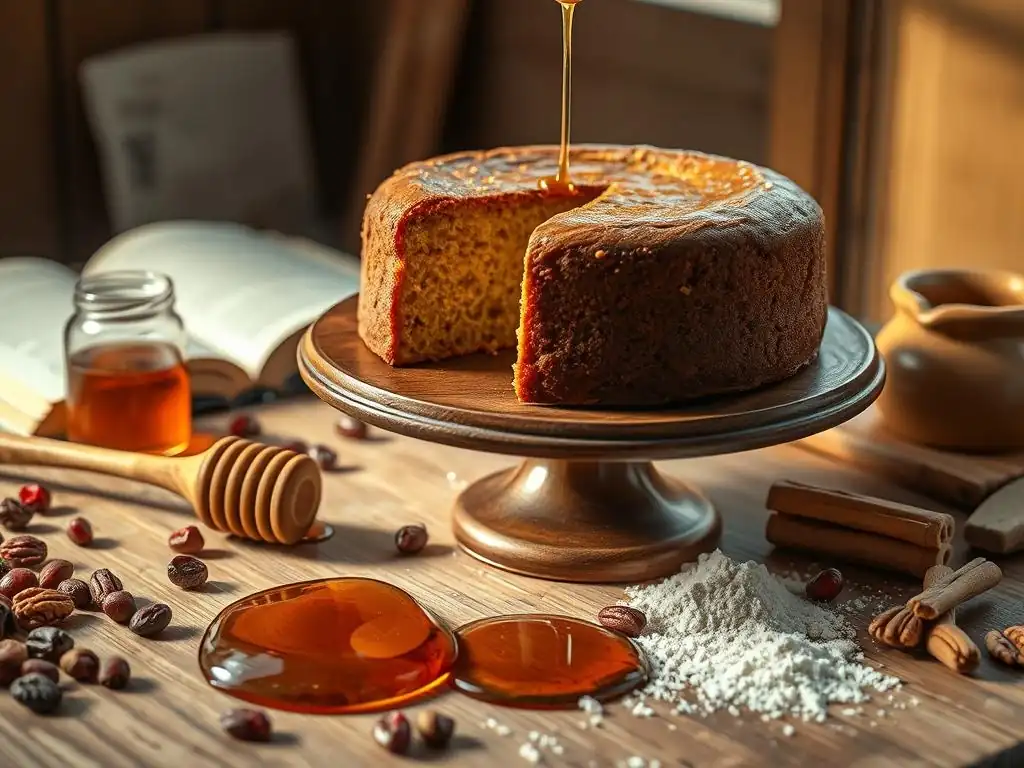
Flavor Combinations
Working with honey, maple syrup, and molasses opens up a world of sophisticated flavor combinations beyond simple sweetness. Honey pairs beautifully with fruits, dairy, and nuts. Maple syrup is a natural fit for pecans, walnuts, pumpkin, and spices like cinnamon and ginger. Molasses shines alongside ginger, cloves, cinnamon, and citrus zest.
Consider combining these natural sweeteners in a single recipe. A gingerbread often benefits from a mix of molasses and brown sugar (which contains some molasses). A spiced cake might use honey for moisture and a touch of maple syrup for a subtle background note. Experimenting with combining small amounts of these sweeteners can create complex, layered flavors in your honey maple syrup molasses recipes.
Troubleshooting Baking Issues
When baking with natural liquid sweeteners, common issues include excessive moisture, too much browning, or a lack of leavening. If your bake is too moist or dense, you might have used too much sweetener or didn't reduce other liquids enough. For future attempts, slightly decrease the amount of liquid sweetener or increase dry ingredients minimally.
If your baked goods are browning too quickly on the outside before cooking through, the high sugar content of these sweeteners is likely the cause. Try reducing the oven temperature by 25°F (about 15°C) and extending the baking time. Covering the top with foil partway through baking can also help prevent excessive browning. Patience and observation are key when perfecting honey maple syrup molasses recipes.
Experimenting with Ratios
Becoming proficient with natural sweeteners involves experimentation. Start by making small substitutions in familiar recipes – replace just 1/4 or 1/2 of the sugar with honey or maple syrup and note the changes in texture, flavor, and baking time. Try adding a tablespoon or two of molasses to a standard spice cookie recipe to see how it impacts chewiness and depth of flavor.
Keep detailed notes of your experiments, including the exact quantities used, adjustments made, baking time, temperature, and the results. This will help you understand how each sweetener behaves in different contexts and build your intuition for developing or adapting complex honey maple syrup molasses recipes. Don't be afraid to iterate and refine!
The Future of Baking with Natural Sweeteners
The Trend of Healthier Alternatives
There is a growing consumer interest in reducing refined sugar intake and opting for more "natural" alternatives. Honey, maple syrup, and molasses fit into this trend, often perceived as less processed and potentially offering minor nutritional benefits compared to white sugar. This shift in consumer preference is driving innovation in the baking world, with more recipes specifically developed to use these sweeteners.
Bakers are increasingly exploring ways to leverage the unique properties of these liquid gold sweeteners – their moisture-retaining abilities, distinct flavors, and interactions with leavening agents – to create delicious baked goods that align with consumer demand for alternative sweeteners. This trend suggests that honey maple syrup molasses recipes will continue to grow in popularity and variety.
Innovation in Natural Sweetener Baking
As bakers and food scientists better understand the complex chemistry of honey, maple syrup, and molasses, we are seeing exciting innovations in how they are used. This includes developing precise substitution guidelines for various types of recipes (cakes vs. cookies vs. breads), exploring their use in more delicate pastries, and pairing them with unexpected flavor combinations.
Research into the functional properties of these sweeteners is leading to techniques that optimize texture, moisture, and browning without relying on refined sugars. The future holds potential for even more diverse and creative honey maple syrup molasses recipes, pushing the boundaries of what's possible in naturally sweetened baking.
Frequently Asked Questions
What are the key differences between using honey, maple syrup, and molasses in baking?
Honey, maple syrup, and molasses each contribute unique flavors and textures. Honey adds moisture and a floral sweetness, maple syrup provides a distinctive caramel-like flavor, and molasses imparts a rich, dark, and robust taste.
Can I substitute honey, maple syrup, or molasses for refined sugar in baking recipes?
Yes, you can! However, you may need to adjust the liquid content of the recipe, as they are all liquids. Experiment to find the perfect balance, and consider that they can impact the final color and texture of the baked goods.
What types of recipes are best suited for each of these liquid sweeteners?
Honey is great in cakes, muffins, and breads. Maple syrup shines in pancakes, waffles, and cookies. Molasses is essential for gingerbread, spice cakes, and adds depth to dark bread recipes.
How does the type of molasses (light, dark, blackstrap) affect the flavor of baked goods?
Light molasses has a milder flavor, while dark molasses is richer and more intense. Blackstrap molasses is the most robust, with a slightly bitter taste, and adds a very distinctive flavor profile to baking.
Are there any specific tips or tricks for working with honey, maple syrup, or molasses in baking?
When using honey, coat measuring cups with oil to prevent sticking. Maple syrup can sometimes be more expensive, so consider using it in recipes where its flavor truly shines. Molasses can be thick and difficult to measure, so consider warming it slightly for easier handling.
Final Reflection: The Sweet Symphony of Nature's Treasures
The enduring appeal of honey, maple syrup, and molasses lies not just in their deliciousness, but in their deep connection to the earth and the rich history of human culinary traditions. These aren't simply sweeteners; they are liquid gold, each possessing unique flavor profiles that elevate baking to an art form. From ancient civilizations to modern kitchens, their use speaks to a timeless appreciation for natural ingredients and the transformative power of simple pleasures.
The exploration of these three ingredients throughout this article has highlighted not only their versatility in recipes but also their cultural significance. They represent different landscapes, different harvesting techniques, and different histories, yet they all contribute to a shared experience of sweetness and comfort. Food is symbolic of love when words are inadequate.
– Alan D. Wolfelt. This quote perfectly encapsulates the emotional connection we forge with food, and these natural sweeteners are key players in that connection, bringing warmth and nostalgia to countless dishes.
Now, consider your own kitchen. What sweet memories are tied to the taste of honey, maple syrup, or molasses? I invite you to experiment with these versatile ingredients, to explore their unique qualities in your own baking adventures. Don't be afraid to try new combinations, to let your creativity flow, and to discover the sweet symphony that awaits you in the blending of these natural treasures. Let the liquid gold inspire you to create your own culinary masterpieces, filled with both deliciousness and cherished memories.
Unlock Your Inner Pastry Chef!
Thanks for joining us on this sweet journey through the world of honey, maple syrup, and molasses! We hope you've discovered new ways to elevate your baking game. Ready to put your newfound knowledge into practice?
- Try out one of the recipes mentioned in the article: Start with your favorite, or bravely venture into uncharted territory! Which one will you master first?
- Share your baking creations with us on social media! Use #BakeWithEaseHoney to inspire others.
- Leave a comment below and tell us about your favorite honey, maple syrup, or molasses baking tip – let's build a delicious community!
What unique flavor combination will you create with your newfound honey, maple syrup, and molasses expertise?