
Choosing the Right Sweetness Level: A Guide for Bakers of All Levels

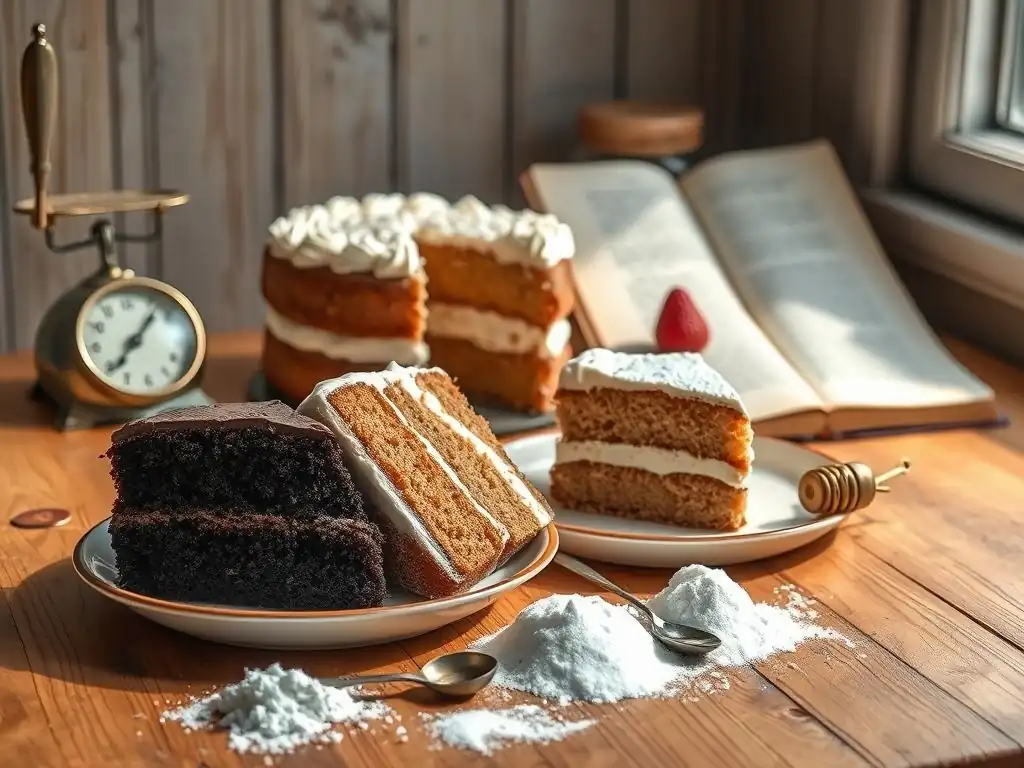
Welcome to BakeWithEase, your trusted guide to baking bliss! Ever wondered exactly how much sugar for cake is the sweet spot? Achieving that perfect balance is key, and it's more than just following a recipe. We'll unlock the secrets to creating cakes that are moist, flavorful, and perfectly sweetened, regardless of your skill level. Dive in and let's bake something amazing together!
- Introduction: Mastering Sweetness in Baking
- Understanding Sugar's Function Beyond Sweetness in Cakes
- Determining the Ideal Sugar Amount for Cakes: Factors to Consider
- How Much Sugar for Cake: A Practical Guide
- Exploring Alternative Sweeteners in Cake Baking
- Troubleshooting Sweetness Issues in Cakes
- Advanced Techniques: Enhancing Flavor with Different Sugar Types
- Conclusion: Achieving Sweet Baking Success with BakeWithEase
-
Frequently Asked Questions
- How does the amount of sugar impact the texture of a cake?
- What happens if I reduce the sugar in a cake recipe?
- Is there a general guideline for the sugar-to-flour ratio in cake baking?
- Can I substitute different types of sugar without affecting the outcome?
- How do I know if I've used too much sugar in my cake?
- Final Reflection: The Sweet Science of Baking and the Art of Balance
- Unlock Your Baking Potential: Sweet Success Awaits!
Introduction: Mastering Sweetness in Baking
Welcome to BakeWithEase: Your Guide to Perfect Baking
At BakeWithEase, we believe that every baker—from those who’ve just cracked open their first recipe to seasoned sourdough experts—deserves simple, reliable guidance on achieving bakery-quality results at home. Whether you’re exploring flaky pastries or oven-fresh loaves, our step-by-step tutorials and straightforward tips help you demystify every stage of the process. You’ll learn not only what to do, but why each ingredient matters—especially when it comes to sugar.
Our mission is to empower you with practical knowledge: which cups, spoons, or scales to use; which sugars will deliver the ideal crumb; and how to tweak sweetness to suit your palate. With BakeWithEase, you’ll gain confidence in your measuring techniques, understand how sugar transforms batter into cake, and discover how to customize recipes so your desserts are the perfect balance of flavor and texture.
Why Sweetness Matters: The Role of Sugar in Baking
Sugar does far more than make your desserts taste sweet. In cake recipes, sugar contributes to moisture retention by binding water molecules, delaying staling, and maintaining tenderness over several days. For example, a standard butter cake with a sugar-to-flour ratio of 1:1 (200 g sugar to 200 g flour) can stay moist for up to 72 hours when stored properly, thanks largely to sugar’s hygroscopic properties.
Beyond moisture, sugar influences the structure and rise of a cake. During creaming, sugar granules create micro air pockets in butter, which expand in the oven and result in a lighter crumb. Omit or reduce sugar excessively, and you risk dense, tough cakes. By understanding sugar’s multifaceted role—sweetener, tenderizer, and leavener—you’ll master the foundation of successful cake baking.
Understanding Sugar's Function Beyond Sweetness in Cakes
The Science Behind Sugar: More Than Just a Sweetener
Sugar is a simple carbohydrate that dissolves in moisture, creating a syrupy matrix within cake batter. This matrix traps carbon dioxide released by baking powder or baking soda, ensuring even rise and a uniform crumb. When sugar granules melt during baking, they redistribute moisture and sugar molecules throughout the cake, which prevents dryness and helps the cake stay soft for days.
In addition, sugar interacts with proteins in flour and eggs, delaying gluten formation during mixing. This reduction in gluten development yields cakes with tender, melt-in-your-mouth textures—unlike breads or pizza dough that rely on strong gluten networks for chewiness. Precise sugar levels are therefore vital to achieving the delicate structure prized in butterfly cakes, génoise sponges, and chiffon layers.
Sugar's Impact on Cake Texture: Moisture, Tenderness, and Structure
Sugar’s ability to hold onto moisture—known as hygroscopy—means that every gram of sugar you add helps lock water in the final baked good. For instance, a typical pound cake made with 300 g sugar can retain up to 12% more moisture than a low-sugar variant, extending its shelf life by one to two days without refrigeration.
Moreover, sugar weakens the protein network in the batter, limiting gluten strands and resulting in a tender mouthfeel. Too little sugar, however, can yield dry, rubbery cakes; too much can cause collapse as the internal structure becomes too fragile. Understanding this balance helps you predict how changes in sugar levels will translate to cake texture.
Sugar and Browning: Achieving That Golden-Brown Crust
The Maillard reaction and caramelization are the chemical processes responsible for the appealing brown crust on cakes. When sugar is exposed to high temperatures (above 160 °C/320 °F), it breaks down and forms new flavor compounds and pigments known as melanoidins. These compounds contribute nutty, toasty notes and rich color to your cake’s exterior.
Adjusting sugar levels by even 10% can noticeably affect browning: a standard vanilla cake with 200 g sugar will brown in about 12–14 minutes under a broiler at 180 °C, whereas reducing sugar to 150 g might extend that timeframe by 3–4 minutes and produce a paler crust. Learning how to balance sugar and oven temperature grants you precise control over crust development.
Determining the Ideal Sugar Amount for Cakes: Factors to Consider
Recipe Ratios: Understanding Sugar-to-Flour Ratios
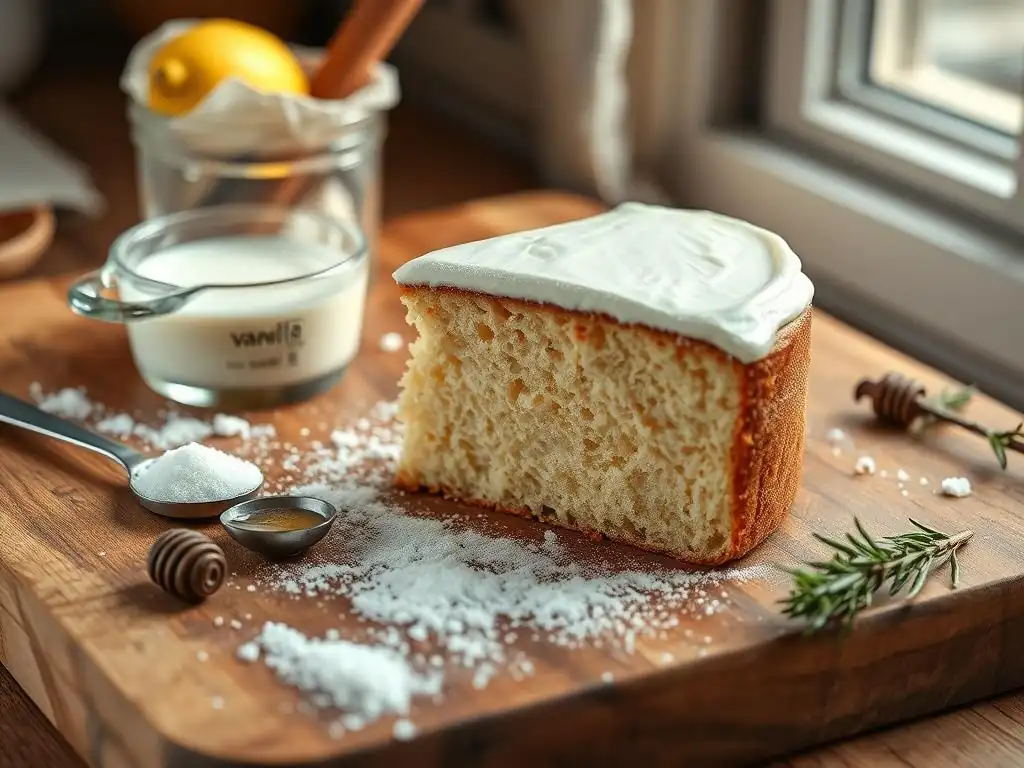
A reliable rule of thumb in cake baking is the baker’s percentage, where flour weight is set to 100%, and all other ingredients are calculated relative to that. In a classic butter cake, you might see a 100:100:100:100 ratio of flour:butter:sugar:eggs by weight—meaning if you use 250 g flour, you’ll match it with 250 g sugar. Variations on this ratio yield different textures: lowering sugar to 75% of flour weight produces a firmer crumb, while 125% creates a richer, denser cake.
For sponge cakes, which rely on air-trapped eggs for volume, sugar-to-flour ratios often hover around 75% sugar to 100% flour. This lighter ratio keeps the cake delicate and airy while providing enough sweetness to support structure. By mastering these baseline formulas, you can confidently adjust recipes to achieve your preferred sweetness level without compromising texture.
Personal Preference: Tailoring Sweetness to Your Taste
Every palate is unique—some bakers prefer a barely-there hint of sweetness, while others crave intensely sweet desserts. To dial in your ideal sugar amount, experiment by reducing or increasing the standard sugar weight in increments of 10–15%. For example, if a recipe calls for 200 g granulated sugar, try 180 g for a milder profile or 220 g for a more decadent result.
Keep a baking journal to record your adjustments and tasting notes. Over time, you’ll develop a personal sugar formula: perhaps you favor a 0.85:1 sugar-to-flour ratio for everyday vanilla cakes but stick to 1.2:1 for special occasion chocolate tortes. This method ensures consistency and helps you customize sweetness for different audiences—from sugar-sensitive children to those with a pronounced sweet tooth.
Types of Cakes: Sweetness Levels in Different Cake Varieties
Butter Cakes: Balancing Richness with Sweetness
Butter cakes, like pound and bundt cakes, derive much of their flavor and moisture from butter and sugar. A typical pound cake calls for equal weights of flour, sugar, butter, and eggs—often 250 g each—yielding a rich, dense crumb with balanced sweetness. Adjust sugar up to 275 g for a more indulgent slice, but be wary of over-sweetening, which can lead to a soggy interior as the moisture-bound sugar prevents proper crumb set.
Famous examples: the French “Quatre-Quarts” follows a 1:1:1:1 ratio by weight, while the American pound cake sometimes opts for a slightly lower sugar ratio of 0.9:1 to highlight buttery notes. Experiment within these frameworks to find your perfect balance.
Sponge Cakes: Lightness and Delicate Sweetness
Sponge cakes like génoise and chiffon rely heavily on egg foam for lift, with sugar playing a supporting role in structure and flavor. A classic genoise might use 150 g sugar for 125 g flour and 125 g eggs—about 120% of the flour weight in eggs and 120% in sugar. This creates a cake that’s lightly sweet, airy, and perfect for layered desserts with fresh fruit or whipped cream.
Chiffon cakes often add a bit more sugar—up to 175 g for 125 g flour—to offset the neutral flavor of vegetable oil and leverage the stabilizing effect sugar has on egg whites. These higher sugar levels contribute moisture and tender crumb without overpowering the ingredients.
Chocolate Cakes: Enhancing the Cocoa Flavor with Sugar
Chocolate cakes require special consideration because sugar balances cocoa’s natural bitterness. A standard devil’s food cake might call for 250 g sugar to 60 g cocoa powder and 200 g flour, giving ample sweetness to complement dark chocolate notes. Increase sugar to 275 g if you’re using unsweetened baking chocolate with 100% cacao to ensure the cake isn’t too austere.
Italian “Torta Caprese,” a flourless almond-chocolate cake, uses 200 g sugar to 200 g ground almonds and 200 g dark chocolate, resulting in a more pronounced sugar presence that softens the dense, fudgy texture. Adjust sugar downward by 10% if you prefer stronger cocoa intensity.
How Much Sugar for Cake: A Practical Guide
Beginner's Guide: Recommended Sugar Quantities for Common Cakes
For novice bakers asking how much sugar for cake, here are reliable starting points by weight:
- Vanilla Butter Cake: 200 g sugar per 200 g flour
- Genoise Sponge: 150 g sugar per 125 g flour
- Chocolate Fudge Cake: 250 g sugar per 200 g flour + 60 g cocoa
These guidelines yield well-balanced sweetness suitable for most palates. Always weigh ingredients rather than using volume measures for accuracy.
Adjusting Sugar Levels: Tips for Reducing or Increasing Sweetness
- To reduce sweetness by 10–15%, decrease sugar by 20–30 g in a 200 g-sugar recipe.
- To increase sweetness for richer cakes, add 10% more sugar (e.g., from 200 g to 220 g).
- When making adjustments, maintain liquid balance:
- If reducing sugar, lower liquid by 5–10 ml per 50 g sugar removed to prevent a wet batter.
- If increasing sugar, add an extra tablespoon (15 ml) of milk or water per 25 g added to keep crumb tender.
This systematic approach ensures your cake’s rise, texture, and flavor remain harmonious.
Measuring Sugar Accurately: Ensuring Consistent Results
Accurate measurement is critical for reproducible sweetness and structure.
Standard Sugar Measuring Tips
- Use a digital kitchen scale; aim for ±1 g precision.
- Zero the scale with an empty bowl.
- Add sugar until you hit the exact measurement (e.g., 200 g).
Alternatively, if you use cups:
- 1 cup granulated sugar ≈ 200 g
- 1 cup brown sugar (packed) ≈ 220 g
Task List for Accurate Sugar Weighing:
- [ ] Choose the correct sugar type (granulated, caster, brown).
- [ ] Calibrate your scale before use.
- [ ] Level off scoops when using volume measures.
Exploring Alternative Sweeteners in Cake Baking
Natural Sweeteners: Honey, Maple Syrup, and Agave
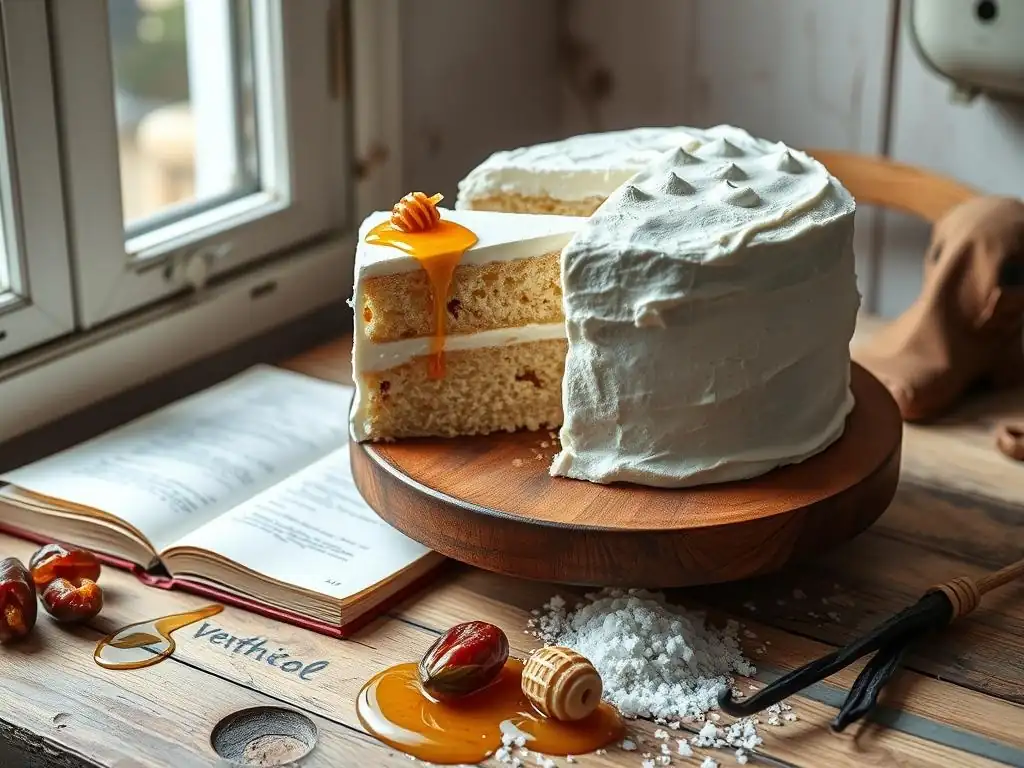
Honey, maple syrup, and agave nectar can replace part of the sugar in cakes, adding unique flavor notes and moisture. For every 100 g granulated sugar replaced, use about 75 g honey and reduce overall liquid by 25 ml. Expect a slight darkening of the crumb and richer aroma—think lavender honey pound cake or cinnamon-maple loaf.
Maple syrup at a 1:1 ratio can replace sugar but adds 5–10% more moisture. In a recipe with 200 g sugar, using 200 g maple syrup requires subtracting 20 ml liquid to maintain batter consistency. Agave nectar is sweeter than sugar—use 70 g agave for 100 g sugar and reduce liquid by 20 ml.
Sugar Substitutes: Stevia, Erythritol, and Monk Fruit
Zero-calorie sweeteners like stevia, erythritol, and monk fruit suit low-carb or diabetic-friendly cakes. Because these sweeteners lack sugar’s bulk and browning properties, you must compensate:
- Stevia extract: Use 1 tsp for 100 g sugar, and add 15 g erythritol or 20 g of another bulking agent to maintain structure.
- Erythritol: 1:1 substitution with sugar by weight, but expect a cooler aftertaste and less browning—consider adding 1–2 tbsp molasses or brown sugar.
- Monk fruit blends: Often mixed with erythritol; follow package ratio (e.g., 1 tsp blend = 1 tsp sugar) and adjust moisture similarly to pure erythritol.
Converting Sugar to Alternative Sweeteners: Ratios and Adjustments
When converting recipes to alternative sweeteners, follow this general guideline:
- Bulk adjustment: Replace missing bulk by adding extra flour, almond meal, or protein powder—about 10–15 g for every 100 g sugar omitted.
- Liquid balance: Subtract 10–20 ml liquid per 50 g sugar replaced, unless the substitute is liquid (honey or syrup).
- Flavor enhancers: Incorporate a pinch of molasses (5 g) or brown sugar to improve browning and mouthfeel if using non-sucrose sweeteners.
Troubleshooting Sweetness Issues in Cakes
Cake Too Sweet: How to Fix an Overly Sweet Cake
If your cake turns out cloyingly sweet, consider these remedies:
- Acidic counterbalance: Brush layers with a light lemon or orange syrup (30 ml citrus juice + 20 g water) before frosting to cut sweetness.
- Savory garnish: Serve with a dollop of lightly whipped, unsweetened cream cheese or Greek yogurt to provide tang.
A note: once baked, you cannot remove sugar, but these finishing touches can restore flavor harmony.
Cake Not Sweet Enough: Adding Sweetness After Baking
For under-sweet cakes, add sweetness post-bake:
- Soaking syrup: Combine 50 g sugar with 50 ml water, heat until dissolved, cool, then brush over the warm cake.
- Dusting: Sift 15–20 g powdered sugar over the cooled top for a delicate boost and visual appeal.
These simple fixes can transform a bland crumb into a dessert that delights.
Common Mistakes: Avoiding Pitfalls in Sugar Measurement
- Spoon vs. scoop: Dipping your measuring cup into sugar can pack it, adding 10–15% extra sugar by volume. Always spoon sugar into cups or use a scale.
- Ignoring humidity: In high-humidity kitchens, sugar can clump and weigh more; sift and pat dry before measuring.
- Relying on estimates: Avoid eyeballing—trust scales and level spoons for repeatable results.
“Precision is the heart of great baking. A gram too much or too little sugar can change a cake from perfect to problematic.”
Advanced Techniques: Enhancing Flavor with Different Sugar Types
Brown Sugar: Adding Molasses Flavor and Moisture
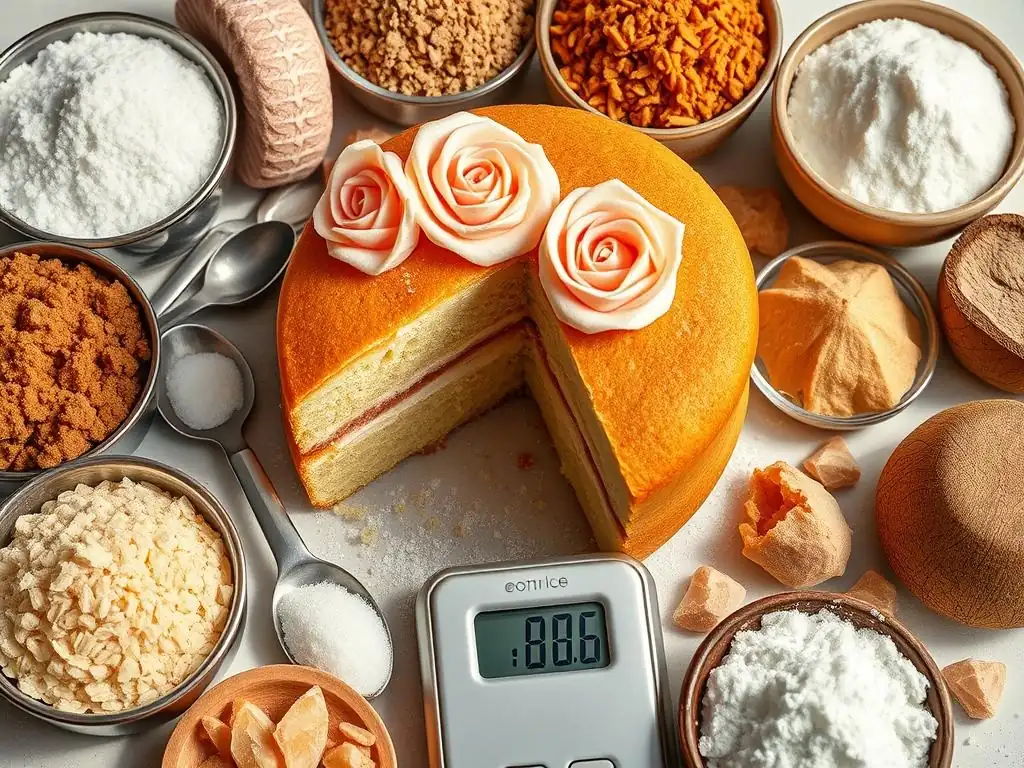
Brown sugar—whether light or dark—contains molasses, which enriches cakes with caramel notes and extra moisture. Substituting 50 % of granulated sugar with light brown sugar in a vanilla loaf (e.g., 100 g brown + 100 g white sugar) yields a deeper color and softer crumb. Dark brown sugar amplifies these effects, introducing rich, toffee-like undertones perfect for spice cakes and gingerbreads.
Because molasses is acidic, it can react with baking soda to produce extra leavening. Reduce baking powder by ¼ tsp per 100 g molasses in your recipe to maintain balance.
Powdered Sugar: Achieving a Smooth Texture in Frostings
Powdered sugar (confectioners’ sugar) contains cornstarch, which stabilizes frosting and prevents weeping. Use powdered sugar with butter and a splash of milk to create silky-smooth buttercream. A basic ratio is 1 cup (120 g) powdered sugar to ½ cup (113 g) butter, whipped until light and airy.
For whipped ganache or mousseline, sift powdered sugar over whipped cream to ensure a lump-free finish. Remember that powdered sugar is finer and more compact than granulated, so measure by weight.
Using Different Sugars for Unique Cake Profiles
Experimenting with specialty sugars—like turbinado, muscovado, or coconut sugar—can give your cakes distinctive flavors.
- Turbinado sugar: Coarser crystals that caramelize on the crust—ideal for streusel toppings.
- Muscovado sugar: High molasses content for intensely dark, moist crumb—excellent in chocolate and coffee cakes.
- Coconut sugar: Lower glycemic index and subtle caramel notes—works well in fruit-based cakes.
Mix and match to create custom cake profiles that stand out at any gathering.
Conclusion: Achieving Sweet Baking Success with BakeWithEase
Mastering the Art of Sweetness: Your Journey Continues
Sweetness in baking is both an art and a science. By understanding how much sugar for cake, mastering sugar’s chemical roles, and exploring alternative sweeteners, you’ll gain the confidence to craft desserts that reflect your personal taste. Keep experimenting with ratios, record your tweaks, and observe how subtle changes transform flavor and texture.
As you refine your approach, you’ll find that sweetness becomes a versatile tool in your baking arsenal—one that can be dialed up or down to suit every occasion and every palate. With practice and attention to detail, every slice you serve will be both delicious and precisely balanced.
Further Resources: Recipes and Tips for Perfect Cakes
Ready to put your newfound sugar knowledge to work? BakeWithEase offers:
- Detailed recipes for vanilla, chocolate, and specialty cakes with customizable sugar levels.
- Step-by-step video tutorials on creaming, aeration, and syrup brushing.
- Printable conversion charts for sugar, flour, and alternative sweeteners.
Explore our recipe archives to continue your sweet baking adventure—and remember: the perfect cake starts with the perfect measure of sugar. Happy baking!
Frequently Asked Questions
How does the amount of sugar impact the texture of a cake?
Sugar is crucial for cake texture. Too little can result in a dry and dense cake, while too much can cause a weak structure and a sticky, overly moist result.
What happens if I reduce the sugar in a cake recipe?
Reducing sugar impacts more than just sweetness. It affects the cake's moisture, browning, and tenderness. You may need to adjust other ingredients or baking time.
Is there a general guideline for the sugar-to-flour ratio in cake baking?
While it varies by recipe type, a general guideline suggests a sugar-to-flour ratio of 1:1 or slightly less for many cakes. However, always follow your specific recipe's instructions.
Can I substitute different types of sugar without affecting the outcome?
Yes, but be mindful! Different sugars have varying moisture content and crystal sizes. Substituting can affect the cake's texture and flavor.
How do I know if I've used too much sugar in my cake?
Signs of too much sugar include a cake that is overly moist, sticky, and dense. It may also have a crust that browns too quickly or collapses in the center.
Final Reflection: The Sweet Science of Baking and the Art of Balance
The perfect cake isn't just about the ingredients; it's about the delicate dance between sweetness, flavor, and texture. Finding that ideal balance is a journey, not a destination, and one that every baker, from novice to expert, embarks upon. This exploration into sugar's role in baking highlights the crucial impact of understanding how different sugar levels affect the final product.
The quest for the "just right" sweetness level transcends mere recipe following; it's a reflection of our own personal preferences and the evolving culinary landscape. We've seen a shift towards healthier baking options, a testament to our growing awareness of sugar's impact on our well-being. Yet, the inherent joy of a perfectly balanced sweet treat remains undeniable. As the culinary writer, Laurie Colwin, wisely stated: A cake is a celebration; it's a small, beautiful thing that makes people happy.
This sentiment underscores the importance of finding that sweet spot—not just in our recipes, but in our approach to baking itself.
Now, it's your turn. Consider the cakes you've baked, the successes and the (hopefully few!) failures. What have you learned about your own palate and the subtle art of adjusting sweetness? Don't be afraid to experiment, to tweak recipes, and to discover your own unique signature sweetness. The journey of finding the perfect sugar level is a personal one, and the delicious rewards are well worth the effort. Embrace the process, and may your next cake be the sweetest yet!
Unlock Your Baking Potential: Sweet Success Awaits!
Thanks for taking the time to explore the world of sweetness levels with us! We hope you now feel more confident in crafting perfectly balanced baked goods. Ready to put your newfound knowledge into practice?
- Bake your dream dessert: Choose a recipe and experiment with different sweetness levels – we bet you'll be amazed at the results! Don't be afraid to tweak things and discover your personal sweet spot.
- Share your sweet creations: Show us your baking masterpieces on social media using #BakeWithEaseSweetSuccess! We love seeing what our community bakes.
- Explore advanced techniques: Dive deeper into the science of sugar and explore more complex recipes that utilize different types of sweeteners.
What surprising ingredient will you experiment with in your next baking adventure? Let us know in the comments!