
Beyond AllPurpose: Your Essential Guide to Baking Flour Types

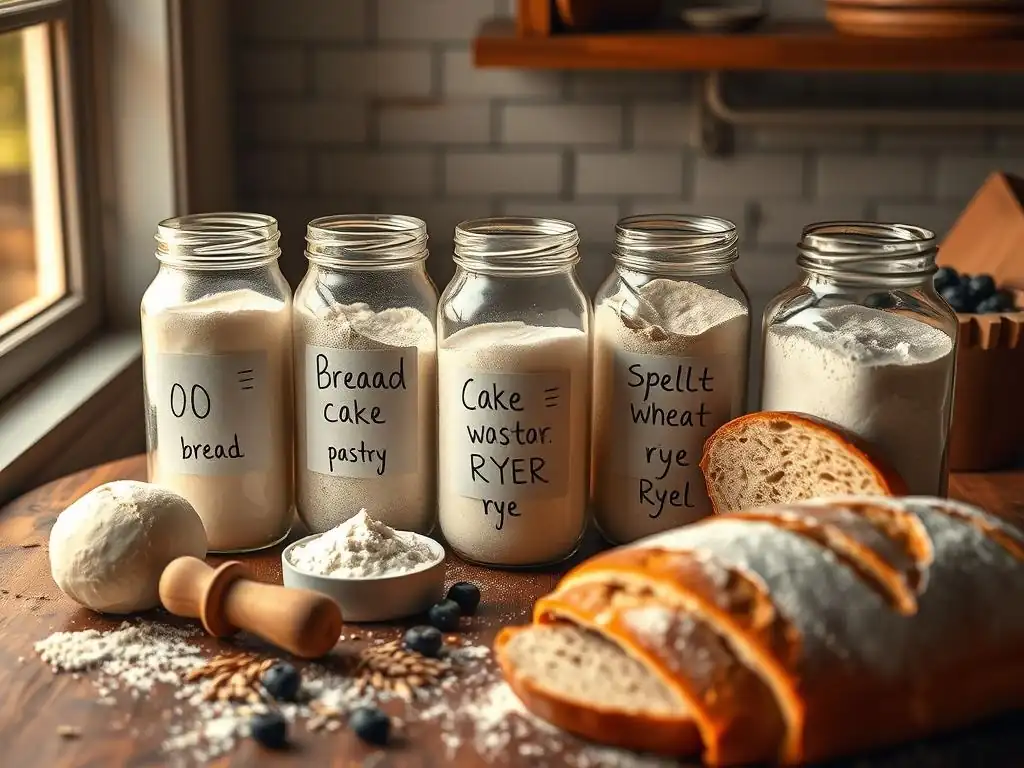
Welcome to BakeWithEase, your kitchen companion on the delicious journey of baking! Ever wondered if that seemingly simple ingredient, flour, holds the secret to truly exceptional baked goods? Our latest article, " Beyond All-Purpose: Your Essential Guide to Baking Flour Types," unlocks the mysteries of this fundamental ingredient. Discover how choosing the right flour can elevate your creations from good to utterly irresistible. Curious to learn which flour is the key to that perfect sourdough crust or the most tender cake? Let's explore!
- Understanding Baking Flours: A Baker's Guide by BakeWithEase
- The Importance of Choosing the Right Flour for Baking
- All-Purpose Flour: The Baking Staple Explained
- Exploring Different Types of Baking Flour
- Specialty Baking Flours: Expanding Your Baking Horizons
- Choosing the Right Flour: A Quick Reference Guide
- Storing Baking Flour Properly for Optimal Freshness
- Mastering Baking with Different Flour Types: BakeWithEase Tips
-
Frequently Asked Questions
- What is the difference between all-purpose flour and bread flour?
- Why is it important to use the right type of flour for a specific recipe?
- What is cake flour, and when should I use it?
- Can I substitute different types of flour in a recipe?
- What is the best way to store baking flour to maintain its freshness?
- Final Reflection: The Flour Power Within: Choosing the Right Ingredient
- Unlock Your Baking Potential: Flour Power Awaits!
Understanding Baking Flours: A Baker's Guide by BakeWithEase
Welcome to the wonderful world of baking! While many recipes call for just "flour," the truth is, the type of flour you choose can dramatically impact the outcome of your baked goods. From chewy bread to tender cakes and flaky pastries, each requires a specific kind of flour to achieve its signature texture and structure. Think of flour as the backbone of most baked creations; selecting the right one is fundamental to success. This guide will walk you through the essential baking flour types, helping you understand their unique properties and best uses.
Understanding the different characteristics of baking flours is a key step in elevating your baking skills. It's not just about following a recipe; it's about understanding why certain ingredients are used. This knowledge empowers you to troubleshoot common baking problems, adapt recipes, and even create your own delicious variations. As your comprehensive baking flour types guide, we'll demystify everything from protein content to gluten development, ensuring you feel confident selecting the perfect flour for your next baking adventure.
The Importance of Choosing the Right Flour for Baking
Choosing the correct flour is arguably one of the most critical decisions in baking. It's not merely a matter of having enough of an ingredient; it's about using the right ingredient for the job. The type of flour dictates how the dough or batter behaves during mixing, rising (if applicable), baking, and ultimately, how the final product tastes and feels. Using cake flour for bread, for instance, would result in a dense, crumbly loaf rather than a light, airy one.
This essential guide to baking flour types highlights that flour isn't just a filler ingredient; it's a functional component that provides structure. The protein content, specifically the gluten-forming proteins, varies significantly between different flour types. When these proteins interact with water and are worked (like kneading dough), they form a network called gluten. This gluten network is what gives baked goods their elasticity and strength, trapping gases produced by leavening agents (like yeast or baking powder) and allowing them to rise. The strength and structure of this network are directly tied to the type of flour used.
Why Flour Selection Matters in Baking Success
Selecting the appropriate flour is paramount for achieving the desired structure and texture in your baked goods. The protein content of flour is the primary factor influencing gluten development, which in turn affects the final product's chewiness or tenderness. For instance, bread flour, with its high protein content (typically 12-14%), develops strong gluten networks ideal for chewy bread that can hold its shape during fermentation and baking. In contrast, cake flour has a much lower protein content (around 7-9%), resulting in minimal gluten development and a tender, delicate crumb perfect for cakes.
Using the wrong flour can lead to disappointing results. If you use a low-protein flour for a recipe requiring high gluten development, like sourdough bread, you'll likely end up with a flat, dense loaf. Conversely, using a high-protein flour in a recipe meant for a tender crumb, such as a sponge cake, can make the cake tough and rubbery. This baking flour types guide emphasizes that matching the flour's characteristics to the recipe's requirements is fundamental to consistent baking success. It ensures that the baked good has the intended structure, rise, and mouthfeel.
How Different Flour Types Affect Texture and Taste
Beyond structure, different flour types significantly influence the texture and even the subtle taste of baked goods. The protein and starch content, as well as how the flour is milled, play a role. Flours with higher protein content tend to create chewier textures, while those with lower protein content result in softer, more tender crumbs.
For example, the high starch content and low protein of cake flour contribute to its ability to absorb liquid effectively, resulting in incredibly moist and tender cakes. Pastry flour, with slightly more protein than cake flour, provides just enough structure for flakiness without toughness, making it ideal for pie crusts and biscuits.
Furthermore, the type of grain used and how it's processed can add distinct flavors. Whole wheat flour, which includes the bran and germ, imparts a nuttier, more robust flavor compared to refined white flours. Rye flour offers a tangy, earthy taste, often used in hearty European-style breads. Even among white flours, subtle differences in the milling process can affect flavor nuances. This baking flour types guide illustrates that exploring beyond all-purpose flour opens up a world of textures and flavors, allowing you to fine-tune your recipes for optimal results.
All-Purpose Flour: The Baking Staple Explained
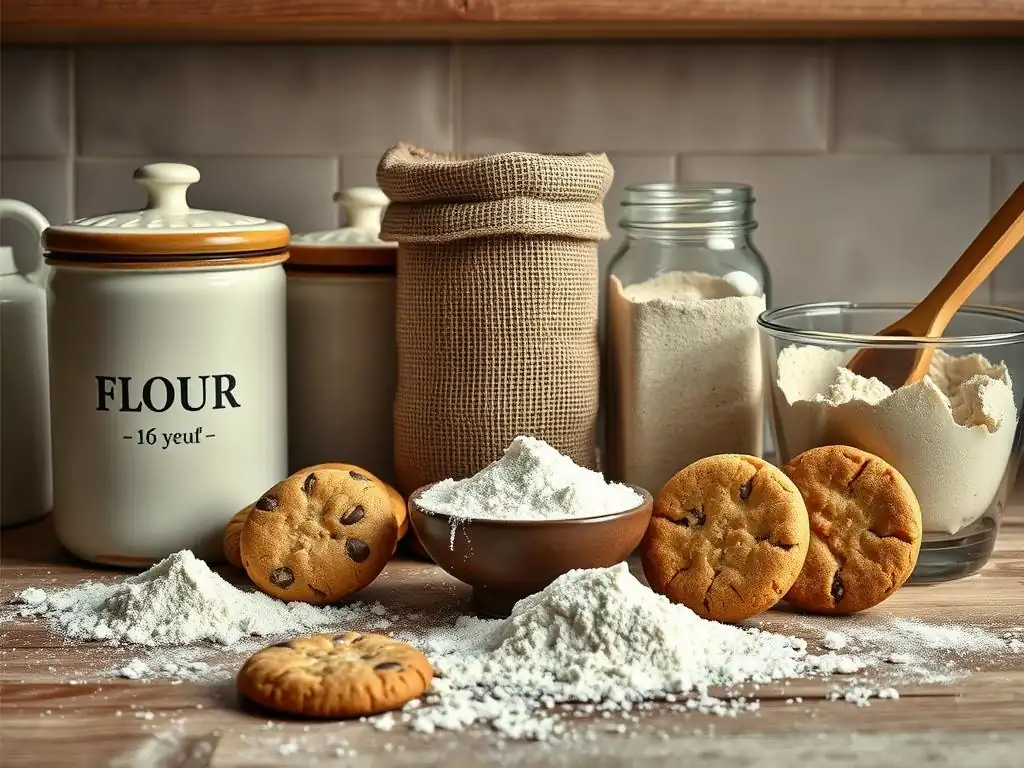
All-purpose flour is the most common type found in home kitchens, and for good reason. As its name suggests, it's designed to be versatile enough for a wide range of baking and cooking applications. It's a blend of hard and soft wheats, typically bleached or unbleached, and has a moderate protein content, usually falling between 10% and 12%. This moderate protein level allows it to develop a decent gluten structure for breads and pastries, while still being suitable for cakes and cookies where less gluten is desired.
While all-purpose flour is a reliable workhorse, understanding its properties is key to using it effectively. Its moderate protein means it won't create the intensely chewy structure of bread flour or the super-tender crumb of cake flour on its own. However, its balance makes it a great starting point for many recipes. Many recipes, especially those aimed at home bakers, are specifically developed using all-purpose flour because of its widespread availability and general reliability across various applications.
Understanding All-Purpose Flour: Uses and Limitations
All-purpose flour is incredibly versatile, making it the go-to flour for countless recipes. Its balanced protein content makes it suitable for everything from cookies, muffins, and quick breads to pie crusts, biscuits, and even some types of yeast bread, particularly if you're looking for a softer crumb. It's also commonly used for thickening sauces and gravies. Its neutral flavor profile allows the other ingredients in a recipe to shine.
However, the "all-purpose" nature also means it's not perfect for every single application. While it can make a decent loaf of bread, it won't achieve the same chewy texture and structure as bread flour. Similarly, while you can make a cake with all-purpose flour, it won't be as light and tender as one made with cake flour. For highly specialized baked goods where texture is paramount, opting for a specific flour type is often recommended. This baking flour types guide helps clarify when all-purpose is sufficient and when a specialty flour is better.
Best Uses for All-Purpose Flour in Baking
All-purpose flour excels in recipes that require a moderate level of gluten development or structure, or where a very tender crumb isn't the primary goal. Think about classic chocolate chip cookies: the moderate gluten in all-purpose flour gives them just the right amount of chewiness without being tough. Muffins and quick breads rely on chemical leaveners (like baking powder), and all-purpose flour provides enough structure to support their rise without becoming overly dense.
Here are some common baking applications where all-purpose flour shines:
- Cookies
- Muffins
- Quick breads (banana bread, zucchini bread)
- Biscuits
- Scones
- Pancakes and Waffles
- Most pie crusts and tarts
- Some loaf cakes (pound cake, simple butter cakes)
These recipes benefit from the balance of structure and tenderness that all-purpose flour provides.
When to Avoid All-Purpose Flour in Recipes
While versatile, there are instances where using all-purpose flour might compromise the quality of your baked goods. For recipes where maximum chewiness and structure are desired, such as artisanal lean bread (like baguettes or sourdough) or pizza dough, bread flour is typically a better choice due to its higher protein content and stronger gluten development. Using all-purpose here might result in a flatter, less chewy product.
Conversely, for recipes where extreme tenderness and a very fine, soft crumb are essential, such as angel food cake, chiffon cake, or delicate pastries like croissants, cake flour or pastry flour are usually preferred. These flours have lower protein, leading to less gluten and a more delicate result. While you can sometimes substitute all-purpose flour (often requiring sifting or reducing the amount), the texture won't be as refined. This baking flour types guide advises considering specialty flours when the recipe demands a specific texture that all-purpose cannot optimally provide.
Exploring Different Types of Baking Flour
Moving beyond the familiar all-purpose opens up a world of possibilities and textures in baking. Each flour type has unique characteristics shaped by the type of wheat (hard or soft), how it's milled, and whether the bran and germ are included. Understanding these differences is key to mastering various baking techniques and achieving professional-level results in your home kitchen. Let's delve into some of the most common specialty baking flours.
This section of the baking flour types guide provides a detailed look at flours designed for specific purposes. From the high-protein powerhouses used in breadmaking to the low-protein champions of delicate cakes, each flour plays a distinct role. Knowing when and why to use bread flour versus cake flour, or pastry flour versus self-rising flour, is a fundamental step in becoming a more skilled and confident baker.
Bread Flour: The Key to Chewy Loaves
Bread flour is the go-to flour for yeast-leavened breads, pizza dough, bagels, and other baked goods where a strong, elastic structure and a chewy texture are desired. It is milled primarily from hard wheat varieties, which are higher in protein than soft wheats. This higher protein content translates directly to greater potential for gluten development. When kneaded with water, the gluten proteins in bread flour form a robust network capable of trapping the carbon dioxide produced by yeast, allowing the dough to rise significantly and hold its shape.
The strength of the gluten network formed by bread flour is what gives a classic baguette its satisfying chew or a pizza crust its characteristic elasticity. Typical protein content for bread flour ranges from 12% to 14%. This higher percentage compared to all-purpose or cake flour is the defining characteristic that makes it superior for bread making. Using bread flour helps ensure a good rise, an open crumb structure in artisan loaves, and that desirable chewy texture.
Bread Flour Characteristics and Gluten Content
Bread flour is characterized by its high protein content, typically ranging from 12% to 14%. This is significantly higher than all-purpose flour (10-12%) or cake flour (7-9%). This higher protein level means that when mixed with liquid and kneaded, bread flour develops a strong, elastic gluten network. This network is crucial for trapping the gases produced by yeast fermentation, allowing bread dough to rise and hold its shape during proofing and baking.
The strong gluten structure contributes directly to the texture of baked goods made with bread flour. It results in a chewy interior crumb and often a crispier crust, particularly in lean doughs like sourdough or ciabatta. The dough made with bread flour will feel more elastic and resilient when kneaded compared to doughs made with lower-protein flours. Understanding this high gluten potential is fundamental to using bread flour effectively in breadmaking.
Baking with Bread Flour: Tips and Techniques
When baking with bread flour, proper kneading is essential to develop the strong gluten network it's capable of forming. Kneading, either by hand or with a stand mixer, aligns the gluten proteins and builds strength and elasticity in the dough. You'll notice dough made with bread flour becomes smooth, elastic, and passes the "windowpane test" more readily than dough made with other flours – meaning you can stretch a small piece thin enough to see light through it without it tearing.
Hydration levels are also important when working with bread flour. Because of its higher protein and ability to absorb more liquid, recipes using bread flour often require slightly more water than those using all-purpose flour to achieve the desired dough consistency. Don't be afraid to adjust the liquid incrementally until the dough feels right – tacky but not overly sticky. Allowing adequate fermentation (rising) time is also crucial, as the strong gluten network needs time to relax and expand.
Cake Flour: Achieving Tender and Delicate Cakes
Cake flour is specifically designed for creating light, tender, and delicate baked goods, most notably cakes, but also some types of cookies and pastries where a soft crumb is desired. It is milled from soft wheat varieties and has a significantly lower protein content than all-purpose or bread flour, typically ranging from just 7% to 9%. This low protein level results in minimal gluten development when the batter is mixed.
In addition to its low protein, cake flour is often finely milled and sometimes bleached. Bleaching the flour affects the starch, allowing it to absorb more liquid and carry more sugar and fat. This contributes to a moist, tender crumb and helps prevent tunneling in cakes. The combination of low protein, fine texture, and treated starch makes cake flour the ideal choice for achieving that signature soft, melt-in-your-mouth texture in delicate cakes.
Understanding Cake Flour's Low Protein Content
The defining characteristic of cake flour is its low protein content, usually between 7% and 9%. This is the lowest protein level among common wheat flours. When cake flour is mixed with liquid, the low amount of protein means very little gluten can form, even with vigorous mixing. This deliberate lack of gluten development is key to producing a tender, fine-crumbed cake that doesn't become tough or rubbery.
The low protein content also contributes to a higher proportion of starch in cake flour compared to higher-protein flours. This starch is often modified through bleaching, which improves its ability to absorb moisture. This enhanced moisture absorption capacity helps create a moist cake crumb and supports a higher ratio of sugar and fat in the batter, which further tenderizes the cake. Understanding this low-protein, high-starch profile is crucial to appreciating why cake flour is unparalleled for delicate baking.
Baking Light and Airy Cakes with Cake Flour
Baking with cake flour is the secret to achieving exceptionally light, airy, and tender cakes like angel food cake, chiffon cake, or delicate layered cakes. Due to its low protein, batters made with cake flour require less mixing than those made with all-purpose flour to prevent toughness. Overmixing cake flour batter can still develop some gluten, albeit minimal, which can slightly toughen the cake.
Recipes specifically developed for cake flour often incorporate techniques like the reverse creaming method (mixing dry ingredients with fat before adding wet ingredients) which further coats the flour particles in fat, inhibiting gluten formation and promoting a tender crumb. Sifting cake flour before measuring is also commonly recommended to aerate it and ensure a light texture. While you can sometimes substitute cake flour for all-purpose (using slightly more cake flour by weight), using cake flour when called for is the best way to guarantee the light, tender texture the recipe intends.
Pastry Flour: Perfect for Flaky Crusts and Pastries
Pastry flour sits between cake flour and all-purpose flour in terms of protein content, typically ranging from 9% to 10%. It's milled from soft wheat, similar to cake flour, but retains slightly more protein. This moderate protein level strikes a perfect balance: it has enough protein to develop some structure for flakiness, but not so much that it creates excessive gluten and results in a tough or chewy pastry.
This makes pastry flour ideal for baked goods where a delicate, flaky, or tender structure is desired, such as pie crusts, tarts, biscuits, scones, and certain cookies. It provides just the right amount of structure to hold layers of butter or fat, creating those beautiful flaky layers, without making the dough elastic and difficult to roll out or tough after baking.
Pastry Flour: Finding the Right Balance of Gluten
Pastry flour's protein content, usually between 9% and 10%, is its key feature. This level is higher than cake flour (7-9%) but lower than all-purpose flour (10-12%) and significantly lower than bread flour (12-14%). This specific range allows it to develop some gluten, enough to give structure to delicate doughs and support flakiness, but not so much that it makes the dough tough or elastic.
For applications like pie crust, the goal is to minimize gluten development to achieve tenderness and flakiness. Pastry flour helps accomplish this naturally. Its protein content allows the dough to hold together without becoming overly elastic, which makes it easier to roll out thinly without shrinking back excessively. When fat (like butter or shortening) is cut into pastry flour, the low gluten potential ensures that the fat can create distinct layers during baking, leading to a flaky texture.
Using Pastry Flour for Pie Crusts, Tarts, and Cookies
Pastry flour is the champion of flaky and tender baked goods. It is the ideal choice for classic double-crust fruit pies, delicate quiche crusts, and sweet tart shells. Its ability to create tender doughs with minimal gluten development makes rolling and shaping these delicate items much easier compared to using higher-protein flours.
Beyond pie crusts and tarts, pastry flour is also excellent for biscuits and scones, contributing to their soft, crumbly interior and tender bite. Some cookie recipes, particularly those aiming for a very tender or short texture (like shortbread), also benefit from using pastry flour. If a recipe calls for all-purpose flour but you desire an even more tender or flaky result, substituting pastry flour (sometimes with slight adjustments to liquid) can yield excellent results. This baking flour types guide highlights its specific use cases for optimal texture.
Self-Rising Flour: Convenience and Considerations
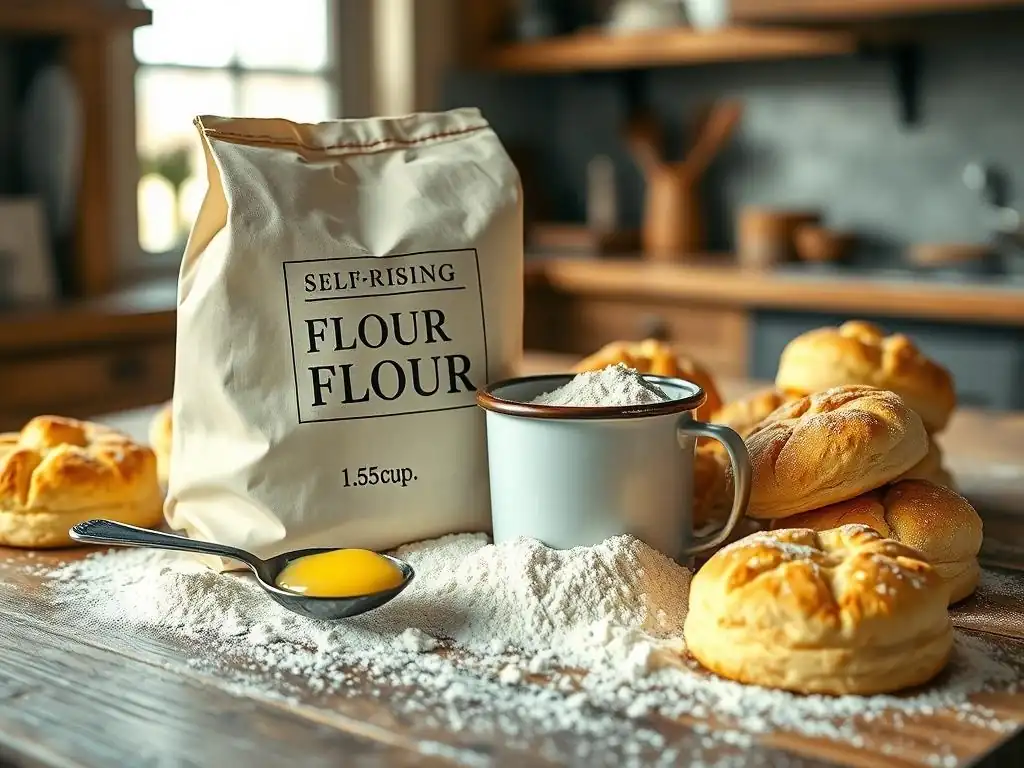
Self-rising flour is a pre-mixed convenience flour that contains all-purpose flour, a leavening agent (typically baking powder), and salt. The standard ratio is usually about 1 ½ teaspoons of baking powder and ¼ teaspoon of salt per cup of all-purpose flour, though this can vary slightly by brand. This pre-mixed combination means that when you use self-rising flour, you often don't need to add additional baking powder or salt to your recipe.
While incredibly convenient for certain recipes, particularly quick breads, biscuits, pancakes, and some cakes, self-rising flour requires careful consideration. The leavening agent is already present and activated by liquid and heat. This means it's not suitable for recipes that rely on yeast for leavening, or recipes that require precise control over the amount and type of leavening agent and salt used.
What is Self-Rising Flour and How Does It Work?
Self-rising flour is essentially all-purpose flour with baking powder and salt already mixed in. The baking powder is a chemical leavening agent that reacts when moistened and heated, producing carbon dioxide gas. This gas gets trapped in the flour's gluten structure (from the all-purpose base), causing the baked good to rise. The salt is included for flavor and to help regulate the baking powder's action.
The key to how it works is the pre-measured leavening. When you add liquid to self-rising flour, the baking powder begins its reaction, providing lift. When the batter or dough is baked, the heat accelerates the reaction, providing the final rise. This makes it incredibly simple to use for recipes that rely solely on baking powder for lift, eliminating the need to measure these ingredients separately.
Using Self-Rising Flour: Tips and Recipes
Self-rising flour is perfect for simple recipes where the convenience of pre-mixed leavening is a benefit. Classic Southern biscuits are often made with self-rising flour, yielding a tender, fluffy result. Pancakes, waffles, muffins, and simple loaf cakes also work well. Many quick and easy recipes are specifically designed to use self-rising flour.
Tips for using self-rising flour include:
- Check the expiration date: The leavening agent can lose potency over time, so ensure your self-rising flour is fresh for optimal rise.
- Do not add extra leavening or salt: Unless a recipe specifically calls for it, you should omit the baking powder and salt listed in a standard recipe when substituting self-rising flour.
- It's not for yeast recipes: Self-rising flour cannot be used as a substitute for flour in recipes that use yeast as the primary leavener.
- Consider protein content: Remember it's based on all-purpose flour, so its protein content is moderate (around 10-12%), making it less suitable for very delicate cakes (like those requiring cake flour) or very chewy breads (like those requiring bread flour).
Gluten-Free Flour Blends: Baking Without Gluten
For bakers avoiding gluten due to dietary restrictions, allergies, or sensitivities, gluten-free flour blends are essential. These blends are typically made from a combination of non-wheat flours and starches designed to mimic the structure and texture provided by wheat gluten. Common ingredients include rice flour (brown and white), sorghum flour, tapioca starch, potato starch, cornstarch, and often a binder like xanthan gum or guar gum to help provide structure and prevent crumbling.
Because gluten is a primary structure-builder in traditional baking, working with gluten-free blends requires a different approach. These blends lack the elastic network that traps gases and provides chewiness. The combination of different flours and starches in a blend attempts to compensate for this, providing some structure and moisture retention. The composition of blends varies widely between brands, which can affect baking results, making consistency sometimes challenging.
Understanding Gluten-Free Flour Options
Gluten-free baking relies on a variety of individual flours and starches, which are often combined into blends. Some common gluten-free flours include:
- Rice Flour: Mild flavor, available in white and brown varieties. Provides structure.
- Sorghum Flour: Mild, slightly sweet flavor. Good for cakes and quick breads.
- Buckwheat Flour: Earthy, nutty flavor. Not related to wheat.
- Almond Flour: Made from ground almonds. Adds moisture, richness, and flavor. Low in carbohydrates.
- Coconut Flour: Highly absorbent, distinct flavor. Requires significant liquid.
- Oat Flour: Made from ground oats (ensure certified gluten-free). Adds moisture and chewiness.
- Starches: Tapioca starch, potato starch, cornstarch. Used as binders and to improve texture.
Most gluten-free recipes call for a pre-mixed blend rather than individual flours, as these blends are formulated to provide a balance of structure, texture, and flavor. Look for blends labeled "all-purpose gluten-free flour" or similar, but be aware that results can vary depending on the specific blend composition.
Baking with Gluten-Free Flour Blends: Tips for Success
Baking with gluten-free flour blends can be a rewarding experience, but it often requires some adjustments compared to traditional wheat flour baking. Here are some tips for success:
- Use a reliable blend: Find a reputable gluten-free blend that gets good reviews for the type of baking you're doing. Some blends are better for cakes, others for bread.
- Add a binder: Many blends already contain xanthan gum or guar gum, but if yours doesn't, you'll likely need to add a small amount (e.g., ½ tsp per cup of flour for cakes, 1 tsp for bread) to provide necessary structure and elasticity.
- Increase hydration: Gluten-free flours and starches often absorb more liquid than wheat flour, so you might need slightly more liquid in your recipe.
- Don't overmix: While gluten isn't an issue, overmixing can still negatively affect texture by developing toughness from other proteins or making baked goods crumbly.
- Allow resting time: Letting gluten-free batters or doughs rest for 15-30 minutes before baking can help the flours absorb liquid more fully, improving texture.
- Check for doneness visually: Baking times might vary. Look for visual cues like golden-brown edges and a toothpick test rather than relying solely on the clock.
Specialty Baking Flours: Expanding Your Baking Horizons
Beyond the most common types, there's a diverse world of specialty baking flours derived from various grains and nuts. These flours offer unique flavors, nutritional profiles, and textures that can add exciting dimensions to your baking. Exploring these options allows you to experiment with different tastes and create more complex and interesting baked goods, from rustic breads to unique pastries and desserts.
This part of the baking flour types guide introduces you to some less common but equally valuable flours. Integrating specialty flours, like whole wheat, rye, or alternative flours like almond and coconut, can significantly change the character of a recipe. Understanding their specific properties is key to successfully incorporating them into your baking repertoire.
Whole Wheat Flour: Adding Nutrients and Flavor
Whole wheat flour is milled from the entire wheat kernel, including the bran, germ, and endosperm. This differs from white flour, which is made only from the starchy endosperm. The presence of the bran and germ gives whole wheat flour a darker color, a heartier texture, and a distinct nutty, slightly sweet flavor. It also significantly increases the nutritional value, adding fiber, vitamins, and minerals that are removed during the processing of white flour.
The bran and germ also affect gluten development. They are sharp particles that can cut the gluten strands as they form, resulting in a denser crumb compared to baked goods made with white flour. This is why 100% whole wheat bread is often denser than white bread. Whole wheat flour typically has a protein content similar to or slightly higher than all-purpose flour (around 11-14%), but the bran inhibits full gluten expression.
Baking with Whole Wheat Flour: Tips for Achieving a Good Texture
Baking with 10 wheat flour requires some adjustments to achieve a desirable texture, as the bran and germ interfere with gluten development and absorb more liquid. Here are some tips:
- Use a blend: Many recipes combine whole wheat flour with white bread flour or all-purpose flour (e.g., 50/50 or 75/25) to balance the flavor and nutrition of whole wheat with the lighter texture provided by white flour.
- Increase hydration: Whole wheat flour absorbs more water than white flour due to the presence of the bran. You will often need to add slightly more liquid to your dough or batter to achieve the correct consistency.
- Allow for autolyse/rest: Letting the dough rest for 20-30 minutes after initially mixing the flour and water (before adding salt and yeast/starter) allows the bran to soften and the flour to hydrate more fully, improving gluten development later.
- Knead adequately: While the bran interferes, sufficient kneading is still necessary to develop the gluten network as much as possible.
- Expect a denser result: Even with best practices, baked goods made with a high percentage of whole wheat flour will naturally be denser and heartier than those made with white flour. Embrace this texture!
Rye Flour: For Robust Breads and Flavors
Rye flour is milled from rye grain and is known for its distinct, slightly sour, and earthy flavor, which is a staple in many European bread traditions. Unlike wheat flour, rye flour contains less gluten-forming protein. The proteins it does contain form a less elastic network compared to wheat gluten. Additionally, rye contains pentosans, complex carbohydrates that are highly water-absorbent and contribute to the sticky texture of rye dough.
Rye flour is typically categorized by color or extraction rate (how much of the grain is included): light, medium, and dark. Light rye flour is made mostly from the endosperm, while dark rye flour includes more of the bran and germ, resulting in a stronger flavor and darker color. Due to its lower gluten potential, rye flour is often combined with wheat flour to produce loaves with better structure and rise, though 100% rye breads (like pumpernickel) are possible but tend to be very dense.
Understanding Rye Flour Types: Light, Medium, and Dark
Rye flour comes in different grades based on how much of the bran and germ are included in the milling process. This affects both the color, flavor intensity, and protein/fiber content.
- Light Rye Flour: Milled primarily from the endosperm, similar to white wheat flour. It has the mildest flavor and lightest color. It has the lowest protein and fiber content among rye flours. It's often used in combination with wheat flour for lighter rye breads.
- Medium Rye Flour: Contains more of the bran and germ than light rye, resulting in a darker color and more pronounced rye flavor. It offers a good balance of flavor and texture when used in mixed-flour breads.
- Dark Rye Flour: Milled from the whole rye grain or a high proportion of bran and germ. It has the strongest, most robust flavor and darkest color. It is highest in fiber and protein (though still lower in gluten-forming potential than wheat). Dark rye is used for hearty, dense breads like pumpernickel.
The choice of rye flour type depends on the desired flavor and density of the final baked good.
Spelt Flour: An Ancient Grain with a Nutty Taste
Spelt is an ancient grain that is a relative of wheat. Spelt flour has gained popularity in recent years due to its slightly nutty, sweet flavor and its reputation for being potentially easier to digest for some people with mild wheat sensitivities (though it does contain gluten and is not suitable for those with celiac disease). Spelt flour has a moderate protein content, often comparable to or slightly higher than all-purpose flour (around 11-13%).
While its protein content is relatively high, the gluten structure it forms is more fragile and soluble than that of modern wheat. This means that dough made with spelt flour can become sticky and break down easily if overmixed or over-proofed. Its unique gluten structure contributes to a tender crumb in baked goods. It can often be substituted for wheat flour in recipes, though adjustments to liquid and mixing time may be necessary.
Using Spelt Flour in Baking: Benefits and Considerations
Spelt flour offers a pleasant, slightly sweet and nutty flavor that works well in a variety of baked goods, including breads, muffins, cookies, and pancakes. Its protein content allows it to develop enough structure for bread, though the resulting loaf is typically less chewy and more tender than one made with strong bread flour.
Benefits of using spelt flour include:
- Flavor: Adds a unique nutty sweetness.
- Nutrient profile: Contains fiber, protein, and various minerals.
- Potential digestibility: Some people find it easier to digest than modern wheat, though it contains gluten.
Considerations when baking with spelt flour:
- Handle gently: The gluten is fragile. Avoid overmixing dough or batter. Knead just until the dough comes together and develops some elasticity.
- Watch proofing: Spelt dough can over-proof quickly due to the soluble gluten. Monitor it closely and bake when it's just doubled in size.
- Hydration: Spelt flour can absorb liquid differently than wheat flour; you may need to adjust liquid slightly.
- Substitution: Can often substitute for all-purpose or whole wheat flour (1:1 by weight), but results may vary.
Alternative Flours: Almond, Coconut, and More
The world of baking has expanded significantly with the popularity of alternative flours derived from nuts, seeds, and other grains. These flours offer diverse flavors, textures, and nutritional profiles, and are essential for gluten-free, paleo, or other specific diets. Common examples include almond flour, coconut flour, oat flour, and various seed flours. Each requires a different approach to baking due to the complete absence or very low levels of gluten-forming proteins.
Baking with these flours often involves understanding their unique absorption rates and how to provide structure without gluten. They can add richness, moisture, and distinct flavors to baked goods, from dense brownies and moist cakes to chewy cookies and specialty breads (often requiring binders or combination with other flours).
Baking with Nut Flours: Tips and Recipes
Nut flours, primarily almond flour (made from ground almonds) and sometimes pecan or hazelnut flour, are popular in gluten-free and low-carbohydrate baking. Almond flour is available in blanched (skin removed) and unblanched varieties; blanched is finer and produces a lighter texture. Nut flours add moisture, richness, and a pleasant nutty flavor to baked goods.
Tips for baking with almond flour:
- Use by weight: Measuring nut flours by volume can be inaccurate; use a kitchen scale for best results.
- High fat content: Almond flour is high in fat, which contributes to moistness but can also make baked goods spread more. Chilling dough can help.
- Combine with other flours: Often used in combination with starches or other gluten-free flours to improve structure.
- Lower baking temperatures: Due to their fat content, baked goods with almond flour can brown faster; consider slightly lower oven temperatures.
- Recipes: Excellent in muffins, cookies, cakes, quick breads, and as a coating.
Using Coconut Flour: Hydration and Binding Considerations
Coconut flour, made from dried, defatted coconut meat, is unique among alternative flours due to its extremely high absorbency. It's also high in fiber and has a distinct coconut flavor. Its absorbency means you need significantly less coconut flour compared to wheat flour in a recipe, but you also need to add a substantial amount of liquid and often extra eggs to provide moisture and binding.
Considerations when using coconut flour:
- Extreme absorbency: Use only recipes specifically developed for coconut flour or be prepared for significant experimentation. You generally use about 1/4 to 1/3 cup of coconut flour for every cup of wheat flour it replaces, while drastically increasing liquids and eggs.
- Requires binders: Because it has no gluten, coconut flour relies heavily on eggs and other binders (like psyllium husk or xanthan gum) for structure.
- Flavor: Imparts a noticeable coconut flavor, which may or may not be desired depending on the recipe.
- Texture: Baked goods can be dense or crumbly if not formulated correctly.
Choosing the Right Flour: A Quick Reference Guide
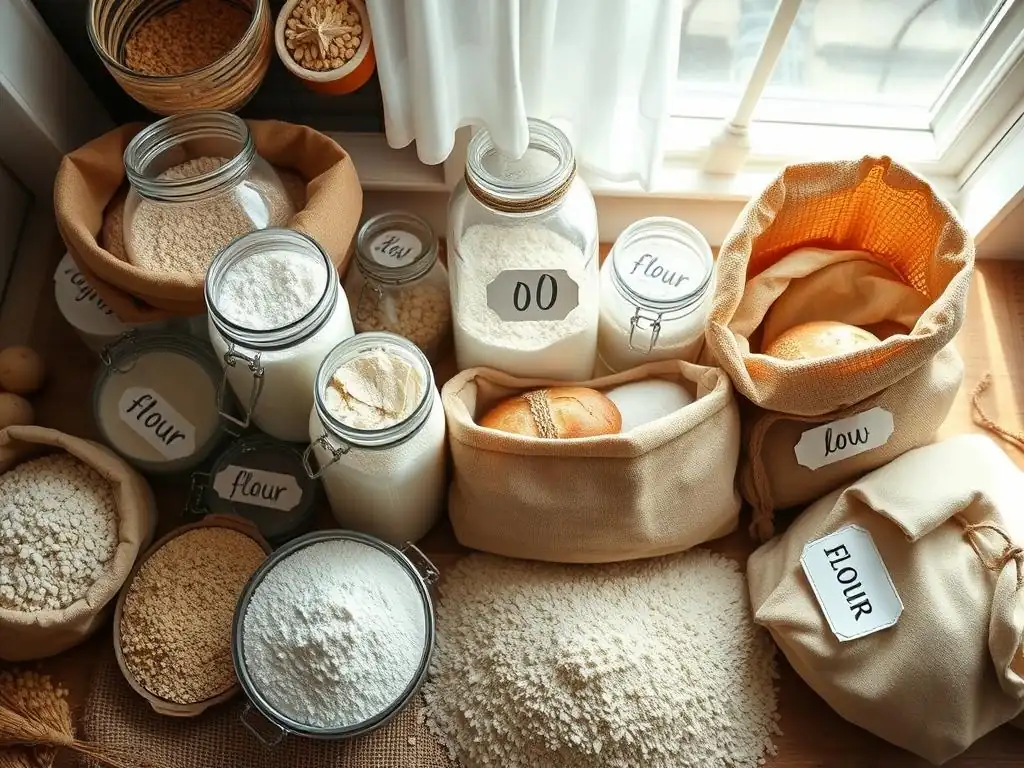
Navigating the variety of baking flour types can seem daunting at first, but understanding the basic characteristics of each makes the choice much simpler. The most crucial factor to consider is the protein content, as it directly impacts gluten development and, consequently, the texture of your final product. For chewy, structured bakes, aim for higher protein. For tender, delicate results, choose lower protein.
This section of the baking flour types guide provides a handy overview, summarizing the key features and best applications for the flours we've discussed. Keeping these points in mind will help you confidently select the ideal flour for any recipe, ensuring consistent and delicious outcomes every time you bake.
Baking Flour Comparison Chart: Protein Content and Best Uses
Understanding the typical protein ranges is a great way to quickly compare baking flour types. Keep in mind that protein content can vary slightly by brand and region.
| Flour Type | Typical Protein Content (%) | Gluten Potential | Best Uses | Key Texture Result |
|---|---|---|---|---|
| Cake Flour | 7-9% | Very Low | Delicate cakes (angel food, chiffon), some cookies | Very Tender, Fine Crumb |
| Pastry Flour | 9-10% | Low | Pie crusts, tarts, biscuits, scones, some cookies | Tender, Flaky |
| All-Purpose Flour | 10-12% | Moderate | Cookies, muffins, quick breads, biscuits, pie crusts, some cakes/breads | Versatile, Balanced |
| Bread Flour | 12-14% | High | Yeast breads, pizza dough, bagels, rolls | Chewy, Structured |
| Whole Wheat Flour | 11-14% (but bran inhibits) | Moderate/Inhibited | Hearty breads, muffins, cookies (often blended) | Denser, Nutty Flavor |
| Rye Flour | Varies (lower than wheat) | Low/Weak | Rye breads (often blended), crackers | Dense, Earthy Flavor |
| Spelt Flour | 11-13% (fragile gluten) | Moderate/Fragile | Breads, muffins, cookies (can be blended) | Tender, Nutty Flavor |
| Gluten-Free Blends | Varies widely | None | Gluten-free versions of various baked goods | Varies by blend, often requires binders |
| Almond Flour | High (protein, not gluten) | None | Gluten-free/low-carb cakes, cookies, coatings | Moist, Rich |
| Coconut Flour | High (fiber, not gluten) | None | Gluten-free/low-carb baking (highly absorbent) | Dense (if not careful), High Fiber |
This baking flour types guide comparison helps visualize the spectrum from low-protein, tenderizing flours to high-protein, structure-building flours.
Matching Flour Types to Specific Baking Recipes
Choosing the right flour becomes intuitive once you understand the desired outcome of a recipe. If you're aiming for a loaf of crusty sourdough with a chewy interior, bread flour is your best bet. For a delicate layered cake that melts in your mouth, reach for cake flour. Want perfectly flaky pie crust? Pastry flour is designed for that specific task.
- Chewy Bread/Pizza: Bread Flour
- Tender Cakes/Muffins: Cake Flour (most tender) or All-Purpose Flour (general)
- Flaky Pastries/Biscuits: Pastry Flour (best flakiness) or All-Purpose Flour (good)
- Cookies: All-Purpose Flour (chewy) or Pastry/Cake Flour (tender/short)
- Quick Breads/Pancakes: All-Purpose Flour or Self-Rising Flour
- Hearty, Dense Breads: Whole Wheat or Rye (often blended)
- Gluten-Free: Gluten-Free Blend or specific alternative flours
Consider the recipe's instructions and the desired texture. If a recipe calls for "flour" without specifying, all-purpose is generally assumed, but knowing the alternatives allows you to make informed substitutions if you want to alter the texture.
Storing Baking Flour Properly for Optimal Freshness
Once you've stocked your pantry with various baking flour types, proper storage is crucial to maintain their freshness and prevent spoilage. Flour, especially whole grain or specialty flours containing more oils (like whole wheat or nut flours), can go rancid or become infested with pantry pests if not stored correctly. Keeping flour fresh ensures that your baked goods taste their best and that your leavening agents work effectively.
This section provides practical tips on storing your baking flours to maximize their shelf life. Proper storage protects against moisture, heat, light, and contaminants, all of which can degrade the quality of your flour over time. Investing a little effort in storage pays off by preserving the integrity and performance of this essential ingredient.
Tips for Storing Flour to Prevent Spoilage
To keep your baking flour types fresh and prevent them from going bad, follow these storage guidelines:
- Airtight Containers: Transfer flour from its original bag into an airtight container. Glass, metal, or sturdy plastic containers with tight-fitting lids are ideal. This protects against moisture, odors, and pests.
- Cool, Dark Place: Store flour in a cool, dark pantry or cupboard away from heat sources like ovens or sunny windows. Heat and light can degrade the quality and speed up spoilage, especially in whole grain flours. Ideal temperature is below 60°F (15°C).
- Refrigeration or Freezing: For extended storage, or for whole grain and alternative flours which spoil faster due to higher fat content, consider storing them in the refrigerator or freezer. Ensure the container is truly airtight to prevent moisture absorption and odors.
- Label and Date: Always label your storage containers with the type of flour and the date you stored it (or the purchase date). This helps you keep track of freshness.
- Keep Away from Moisture: Flour is highly absorbent. Store it away from sinks or areas prone to humidity.
Proper storage significantly extends the usability of your flour, ensuring it performs as expected in your recipes.
Identifying Expired Flour and When to Discard
Even with proper storage, flour doesn't last forever. White flours generally have a longer shelf life than whole grain or alternative flours because the bran and germ (which contain oils that can go rancid) are removed. White flour stored properly might last 1-2 years in the pantry or 2-3 years in the freezer. Whole wheat and other specialty flours typically last only 3-6 months in the pantry but can last a year or more in the freezer.
How to tell if flour has gone bad:
- Smell: The most reliable indicator. Fresh flour has a very mild, neutral smell. Spoiled flour, especially whole grain or nut flours, will smell stale, musty, or even like old nuts or paint thinner (rancid).
- Appearance: Look for any discoloration or signs of mold.
- Pests: Check for small webbing, larvae, or tiny bugs (like pantry moths or flour beetles). If you see signs of pests, discard the infested flour and thoroughly clean the storage area.
While using slightly old flour might not make you sick if there are no signs of spoilage or pests, its leavening properties (if it's self-rising) or flavor might be diminished. Rancid flour will impart an unpleasant taste to your baked goods. When in doubt, especially if it smells off, it's best to discard the flour and start with a fresh batch for the best baking results.
Mastering Baking with Different Flour Types: BakeWithEase Tips
Becoming proficient with various baking flour types is an ongoing journey of learning and experimentation. Don't be intimidated by the options! Start by understanding the basics outlined in this guide and gradually incorporate new flours into your baking. Each new flour type you master unlocks potential for different textures, flavors, and types of baked goods.
At BakeWithEase, we encourage you to see flour selection not as a rigid rule, but as a tool to achieve your desired outcome. Experimenting with flour combinations and learning how to adapt recipes will significantly enhance your baking skills and confidence.
Experimenting with Flour Combinations for Unique Results
One of the most exciting ways to explore baking flour types is by combining them. Blending flours allows you to leverage the strengths of each while mitigating their weaknesses. For example, adding a percentage of whole wheat flour to bread flour gives you a loaf with some whole grain nutrition and flavor but retains much of the structure from the bread flour's gluten. Combining all-purpose flour with a bit of cake flour can yield a cookie or muffin that is slightly more tender than one made with 100% all-purpose.
Consider these common combinations:
- Bread Flour + Whole Wheat Flour: For hearty yet well-structured bread.
- All-Purpose Flour + Cake Flour: For slightly more tender cakes or cookies.
- Bread Flour + Rye Flour: For flavorful, rustic rye bread with better rise than 100% rye.
- Gluten-Free Blend + Almond Flour/Coconut Flour: To add moisture, flavor, and different textures to gluten-free bakes.
Experimenting with ratios is key. Start with simple blends (like 75% primary flour, 25% secondary flour) and adjust based on your results. Keep notes on what worked and what didn't!
Adjusting Recipes Based on Flour Type
Substituting one flour type for another isn't always a simple 1:1 swap, especially when moving between flours with significant differences in protein content or absorbency (like substituting cake flour for bread flour, or using coconut flour). Understanding the characteristics of the flour you are substituting with is crucial.
Key adjustments to consider:
- Liquid: Higher protein and whole grain flours absorb more liquid. You may need to increase the liquid slightly when using bread flour or whole wheat flour instead of all-purpose. Conversely, you might need less when using cake or pastry flour. Coconut flour requires significantly more liquid.
- Mixing/Kneading Time: Flours with lower or more fragile gluten (cake, pastry, spelt, rye) require less mixing/kneading to avoid toughness or breakdown. Higher protein flours (bread, all-purpose) benefit from adequate development.
- Leavening: If using self-rising flour, omit the recipe's baking powder and salt. If using gluten-free blends, ensure the blend contains xanthan gum or add a binder separately.
- Resting Time: Some flours (whole wheat, gluten-free blends) benefit from a short rest period after mixing to allow for hydration.
When in doubt, look for recipes specifically designed for the flour type you want to use, or consult reliable baking resources that provide substitution guidelines.
Resources for Further Flour Exploration and Baking Techniques
The world of baking flour types is vast and fascinating! To continue expanding your knowledge and honing your skills, consider exploring these resources:
- Baking books focused on specific types of baking (like breadmaking or pastry).
- Reputable baking websites and blogs (like BakeWithEase.com!) that offer detailed guides and recipes.
- Online baking classes or tutorials that demonstrate techniques for working with different flours.
- Joining online baking communities or forums to ask questions and share experiences.
- Task: Research specific protein percentages for common flour brands to provide more precise data.
- Task: Find real-world examples of famous baked goods tied to specific flour types (e.g., French baguettes and bread flour).
- Task: Create a small recipe example demonstrating a simple substitution and adjustment. (Self-correction: Cannot include recipes per instructions).
Remember, practice makes perfect. Don't be discouraged if your first attempt with a new flour isn't exactly right. Every bake is a learning opportunity. With this baking flour types guide and continued practice, you'll be confidently selecting and using the perfect flour for any baking project. Happy Baking!
Frequently Asked Questions
What is the difference between all-purpose flour and bread flour?
All-purpose flour has a moderate protein content, suitable for many baked goods. Bread flour has a higher protein content, which develops more gluten, creating a chewier texture ideal for breads.
Why is it important to use the right type of flour for a specific recipe?
Using the wrong flour can significantly impact the final product. Using cake flour in bread, for example, will result in a weak gluten structure, leading to a flat, dense loaf.
What is cake flour, and when should I use it?
Cake flour is a low-protein flour that creates a tender, delicate crumb. It's best used for cakes, pastries, and other baked goods where a light texture is desired.
Can I substitute different types of flour in a recipe?
While sometimes possible, substitutions can alter the texture and taste. If substituting, research the protein content and adjust other ingredients accordingly to compensate for the changes.
What is the best way to store baking flour to maintain its freshness?
Store flour in an airtight container in a cool, dry place, away from direct sunlight. This helps prevent moisture absorption and keeps the flour fresh for longer.
Final Reflection: The Flour Power Within: Choosing the Right Ingredient
Understanding the nuances of baking flour types isn't just about achieving a perfect cake; it's about unlocking the potential of your baking journey. The seemingly simple act of choosing flour significantly impacts the texture, flavor, and overall success of your baked goods. This guide has explored the diverse world of flours, from the familiar all-purpose to the specialized options that elevate your creations. This knowledge, once acquired, becomes a powerful tool in your culinary arsenal.
The impact of flour choice extends far beyond the individual baker; it shapes our collective culinary landscape. The rise in popularity of artisan breads and specialized baking techniques reflects a growing appreciation for the subtleties of ingredients. This shift towards mindful baking is a testament to our desire for authenticity and quality. The best things in life are simple, but not always easy.
This quote resonates deeply with the process of baking, where understanding the fundamental ingredients, like flour, is key to achieving extraordinary results.
Now, armed with this expanded understanding, I invite you to explore the world of flour with renewed curiosity. Don't be afraid to experiment, to deviate from recipes, and to discover the unique properties of each flour type. Each loaf, each cookie, each pastry becomes an opportunity to learn, to grow, and to create something truly special. Embrace the flour power within, and let your baking journey be one of continuous discovery and delicious rewards.
Unlock Your Baking Potential: Flour Power Awaits!
Thanks for diving deep into the world of baking flours with us! We hope you now feel more confident and empowered to choose the perfect flour for your next culinary masterpiece. Ready to put your newfound knowledge into practice?
- Bake your dream recipe: Choose a recipe you've been eyeing and try it with your newfound flour expertise. Experiment with different types to see how they affect the outcome!
- Share your floury adventures: Post a picture of your creation on social media and tag us – we’d love to see what you bake!
- Explore our other baking guides: Discover more baking tips and tricks on our website for even more delicious results.
What exciting flour-based creation will you bake first?