
The Best Butter for Puff Pastry and Why It Matters

Welcome to BakeWithEase, your trusted guide to baking brilliance! Ever wondered what really separates a good puff pastry from a truly exceptional one? Get ready to unlock the secrets! This week we are diving deep into the world of flaky perfection and exploring the best butter for puff pastry, and why the right choice can make all the difference. Intrigued? Let's get baking!
- Understanding the Importance of Butter in Puff Pastry
- Types of Butter for Superior Puff Pastry: A Comparison
- Key Characteristics to Look for in Puff Pastry Butter
- Best Butter Brands for Puff Pastry: Our Top Recommendations
- How Butter Temperature Affects Puff Pastry Success
- Step-by-Step Guide: Incorporating Butter into Puff Pastry Dough
- Tips and Tricks for Achieving Perfect Puff Pastry with the Right Butter
- Troubleshooting Common Puff Pastry Problems Related to Butter
- Mastering Puff Pastry: Choosing the Right Butter for the Best Results
-
Frequently Asked Questions
- What makes butter so important in puff pastry?
- What kind of butter is best for making puff pastry?
- Why is the butter temperature so critical when making puff pastry?
- Can I use margarine or shortening instead of butter in puff pastry?
- What are some common mistakes to avoid when making butter puff pastry?
- Final Reflection: The Golden Ratio of Butter and Pastry Perfection
- Unlock Flaky Perfection: Elevate Your Baking!
Understanding the Importance of Butter in Puff Pastry
Making perfect puff pastry is often considered a baking rite of passage. It's a delicate dance between dough, technique, and the star ingredient: butter. The right butter isn't just a fat source; it's the architect of those glorious, flaky layers that define classic puff pastry. Understanding how butter behaves during the baking process is fundamental to achieving that light, airy texture and rich flavor we all crave. Without the correct butter, your puff pastry dreams might fall flat – literally.
Why Butter Choice Impacts Puff Pastry Quality
The specific type of butter you choose has a profound impact on the final texture and rise of your puff pastry. It's not just about flavor; it's about performance. Butter creates the distinct layers through a process called lamination. As the dough is folded and rolled, thin sheets of butter are trapped between layers of dough.
During baking, the water in the butter turns to steam, forcing the dough layers apart and creating pockets of air. Simultaneously, the fat melts, coating the dough layers and preventing them from sticking together, resulting in that signature flaky structure. The quality and composition of the butter directly influence how well this process works.
Choosing the best butter for puff pastry is critical because different butters have varying amounts of fat and water, as well as subtle differences in melting points. A butter with a higher fat content and lower water content is generally preferred because it provides more fat for separating layers and less water to potentially develop gluten prematurely in the dough. For instance, while standard American butter typically contains around 80% fat, European-style butters often boast 82% fat or even higher.
This seemingly small percentage difference can significantly affect the flakiness and richness of your finished pastry. Using a butter that's too soft or has too much water can lead to layers that merge during baking, resulting in a dense, heavy pastry instead of a light, ethereal one.
The Role of Fat Content in Achieving Flaky Layers
Fat content is arguably the most critical factor when selecting the best butter for puff pastry. As mentioned, it's the fat that separates the dough layers during the laminating process. A higher fat content means there's more pure fat to create those distinct barriers. Imagine trying to stack thin sheets of paper with a watery glue versus a thick grease; the grease will keep them separate much more effectively. Similarly, higher-fat butter creates more defined, stable layers in your dough before it even hits the oven.
Consider a standard recipe calling for 1 pound (about 450g) of butter. If you use butter with 80% fat, you're incorporating roughly 360g of pure fat. If you switch to a European-style butter with 83% fat, you're adding about 373.5g of fat – an extra 13.5g of layer-separating power in the same quantity of butter.
This higher proportion of fat contributes to a more pronounced separation of layers during baking, leading to a higher rise and a more delicate, crisp texture. The fat also melts and coats the gluten strands in the dough, tenderizing the pastry and preventing it from becoming tough. Therefore, prioritizing a butter with a high fat percentage is a key strategy for achieving truly spectacular, flaky puff pastry.
Types of Butter for Superior Puff Pastry: A Comparison
When aiming for the best puff pastry, the type of butter you select makes a significant difference. Not all butters are created equal, especially when it comes to the demanding technique of lamination. Understanding the characteristics of different types available will help you make an informed choice to elevate your baking results.
European-Style Butter: High Fat Content for Optimal Flakiness
European-style butter is often considered the gold standard for puff pastry, and its higher fat content is the primary reason. While standard butter in the United States is legally required to contain at least 80% fat, European-style butters typically contain 82% to 86% fat. This higher fat percentage means less water (conversely, standard butter has up to 18% water, while European might have as low as 14%). The reduced water content minimizes the risk of the dough becoming sticky or developing excess gluten during the many folds, which can make the pastry tough.
Furthermore, European-style butters are often cultured, meaning lactic acid cultures are added to the cream before churning. This culturing process gives the butter a tangier, richer flavor profile that adds depth to the finished pastry. Brands like Plugrá (82% fat) or Kerrygold (82% fat) are popular examples widely available in the US that fit this description. The combination of higher fat for flakiness and often superior flavor makes European-style butter an excellent choice for those striving for professional-level puff pastry results. While they may be slightly more expensive, the difference in quality is often noticeable.
American Butter: Availability and Considerations
Standard American butter, typically containing at least 80% fat and up to 18% water, is the most widely available type of butter in grocery stores across the United States. While it can certainly be used to make puff pastry, it's not the ideal choice if you're aiming for the absolute flakiest layers possible. The slightly lower fat content and higher water content compared to European-style butter mean there's less pure fat to create those distinct layers during baking.
However, don't despair if American butter is your only option! You can still achieve good results with careful technique. The key is to work quickly to keep the butter cold and prevent it from softening too much, which can lead to the butter melting into the dough rather than staying in distinct layers.
Some bakers compensate slightly by using a touch more butter or being extra diligent with chilling steps. While you might not get quite the same dramatic rise or intense flakiness as with a high-fat European butter, a well-made puff pastry using American butter can still be delicious and satisfying. Brands like Land O'Lakes or Challenge are common examples of standard American butter.
Clarified Butter (Ghee): A Unique Option for Puff Pastry?
Clarified butter, also known as ghee in its more intensely cooked form, is essentially butter that has been melted and simmered to separate and remove the water and milk solids. The result is a pure butterfat product, boasting nearly 100% fat content. This sounds intriguing for puff pastry, given the emphasis on high fat. Theoretically, using pure butterfat could lead to extremely distinct layers.
However, using clarified butter or ghee for traditional puff pastry lamination presents significant challenges. Butter needs its structure and plasticity to be rolled into thin sheets and folded into the dough without melting or becoming brittle when cold. Pure butterfat, especially when chilled, is much harder and more brittle than whole butter.
It's difficult to incorporate into the dough in a way that maintains distinct, pliable layers through repeated rolling and folding. While clarified butter is excellent for sautéing or finishing dishes due to its high smoke point and rich flavor, it's generally not recommended for the standard laminated puff pastry process. The structure of whole butter, with its small amount of water and milk solids dispersed within the fat matrix, is crucial for creating the beurrage (butter block) that can be successfully rolled and folded with the dough.
Key Characteristics to Look for in Puff Pastry Butter
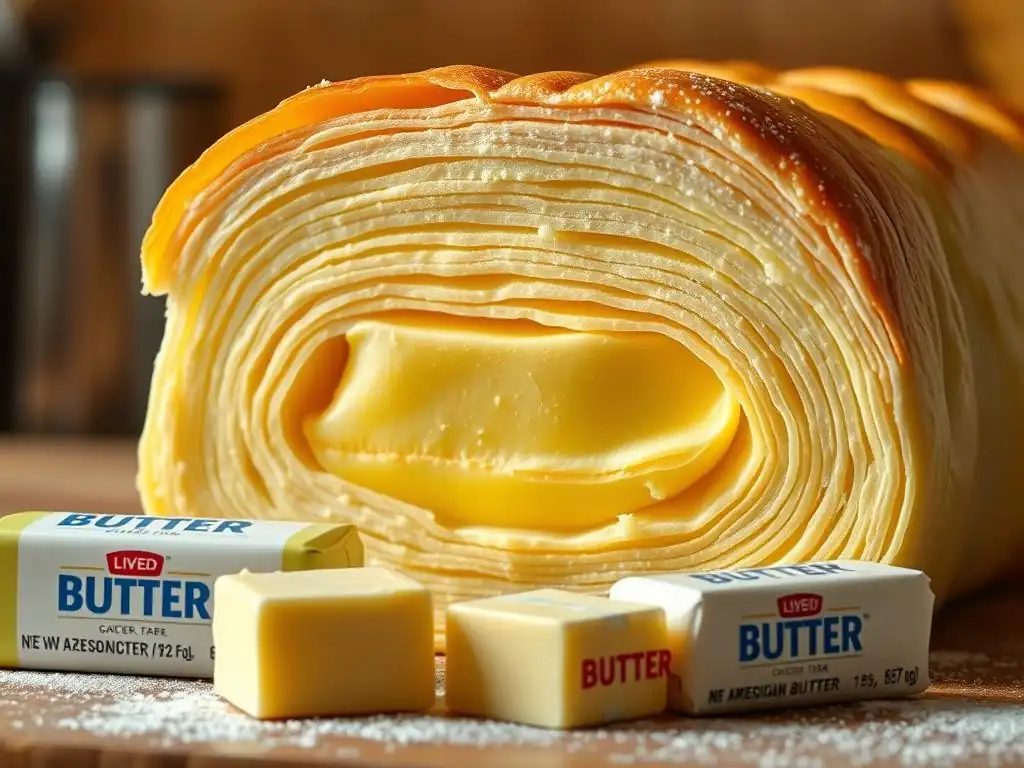
Beyond just the type (European vs. American), several specific characteristics of butter are paramount when selecting the best butter for puff pastry. Paying attention to these details will significantly influence the success of your lamination and the final quality of your baked goods.
Fat Percentage: The Higher, the Better?
As we've discussed, fat percentage is a critical factor. Generally speaking, for maximum flakiness and a superior rise, a higher fat percentage is indeed better. Butter with 82% to 86% fat content provides more pure fat per gram, which helps create more distinct layers during baking. This means less water is present to potentially interfere with gluten development or create steam too early, resulting in layers that are crispier and more separated.
While 80% fat butter can work, upgrading to an 82%+ fat butter is one of the most impactful changes you can make to improve your puff pastry. Consider the difference: 100g of 80% fat butter contains 80g fat and 20g water/solids, whereas 100g of 83% fat butter contains 83g fat and 17g water/solids. That extra 3g of fat per 100g adds up when you use a pound or more in a batch of dough, contributing significantly to the overall flakiness and richness. Look for labels that explicitly state "European Style" or list a fat percentage above 80%.
Water Content: Minimizing Gluten Development
Conversely to fat content, lower water content is desirable in puff pastry butter. Water in butter can interact with the flour in the dough, potentially leading to increased gluten development. While some gluten is necessary for the dough's structure, too much makes the pastry tough and elastic, hindering the formation of delicate layers. The less water the butter introduces, the easier it is to keep the dough relaxed and pliable throughout the lamination process.
Standard American butter can contain up to 18% water, while European-style butters often contain closer to 14-16%. This difference might seem small, but over multiple folds and rolls, the cumulative effect on dough hydration and gluten can be noticeable. Using butter with lower water content helps maintain the dough's extensibility, allowing you to roll it thinner without it snapping back excessively, which is crucial for creating a high number of fine layers necessary for the best puff pastry.
Butter Flavor: Enhancing the Taste of Your Pastry
While flakiness is a primary goal, the flavor of your puff pastry is also important, and the butter contributes significantly to this. High-quality butters, especially cultured varieties, offer a richer, more complex flavor than standard sweet cream butter. Cultured butters develop a slightly tangy, nutty profile from the fermentation process, which adds a delicious depth to baked goods.
Since puff pastry has relatively few ingredients (flour, water, salt, butter), the quality of each component shines through. Using a butter with excellent flavor will result in a more delicious finished product. While the flavor might be secondary to the functional aspects of fat and water content for lamination, it's still a worthwhile consideration when selecting the best butter for your puff pastry endeavors. Brands known for their rich flavor, often due to culturing and high butterfat, are excellent choices.
Salted vs. Unsalted Butter: Which is Best for Puff Pastry?
This is a common question in baking, and for puff pastry, the general consensus leans towards unsalted butter. Using unsalted butter gives the baker complete control over the amount of salt in the recipe. Different brands of salted butter can have varying amounts of salt, which makes consistent results difficult. More importantly, salt can affect the dough's gluten structure and potentially alter the melting point of the butter slightly.
By using unsalted butter, you can add the precise amount of salt needed for flavor in the dough mixture itself. This ensures uniformity and allows you to adjust the seasoning to your preference without the unpredictability of the salt content within the butter itself. While some bakers might use salted butter in a pinch, unsalted is the preferred choice for consistency and control when making delicate pastries like puff pastry.
Best Butter Brands for Puff Pastry: Our Top Recommendations
Choosing a specific brand can make a difference in your puff pastry results. While many factors contribute to success, starting with a high-quality butter known for its performance in lamination is a great first step. Based on popularity, fat content, and baker feedback, here are some top recommendations for the best butter for puff pastry.
Plugrá European Style Butter: A Detailed Review
Plugrá is a widely available European-style butter in the United States and is frequently recommended for baking, particularly for laminated doughs like puff pastry. It boasts an 82% butterfat content, which is notably higher than the minimum 80% for standard butter. This higher fat level directly contributes to better layer separation and flakiness. Plugrá is also a cultured butter, offering a richer, slightly tangy flavor profile that enhances the overall taste of your pastry.
Bakers often find Plugrá's texture ideal for creating the beurrage (butter block) needed for lamination. It's firm when cold but remains pliable enough to roll out without cracking excessively, provided it's at the correct cool temperature. Its consistency is reliable, making it a favorite for achieving consistent results. While it's typically more expensive than standard American butter, many bakers feel the improved flakiness and flavor justify the cost, making it an excellent choice for serious puff pastry making.
Kerrygold Pure Irish Butter: A Detailed Review
Kerrygold, imported from Ireland, is another highly regarded European-style butter popular among bakers. Like Plugrá, it contains 82% butterfat and is made from the milk of grass-fed cows, which many believe contributes to its rich, golden color and distinctive flavor. Kerrygold butter is known for its creamy texture and slightly sweet, nutty taste.
Its high fat content makes Kerrygold an excellent candidate for creating flaky layers in puff pastry. It handles the rolling and folding process well when kept cold, yielding pastries with a beautiful rise and delicate texture. The rich flavor also adds a wonderful dimension to the finished product. Kerrygold is widely available in many grocery stores, making it an accessible option for bakers looking to use a high-quality butter for their puff pastry endeavors. It performs reliably in lamination, helping you achieve those coveted, separated layers.
Vermont Creamery Cultured Butter: A Detailed Review
Vermont Creamery offers a high-quality cultured butter made in the United States, adhering to European standards with an 82% butterfat content. Their butter is known for its rich, complex flavor developed through a longer culturing process. This gives it a distinct tanginess and depth that can significantly enhance the taste of baked goods like puff pastry.
Vermont Creamery's cultured butter performs exceptionally well in lamination due to its high fat content and excellent texture. It maintains its structure and pliability when cold, making it easier to work with during the rolling and folding steps. The quality of the cream used also contributes to a superior flavor. While it might be slightly less ubiquitous than Plugrá or Kerrygold depending on your location, if you can find Vermont Creamery cultured butter, it's a fantastic option for achieving exceptionally flaky and flavorful puff pastry.
How Butter Temperature Affects Puff Pastry Success
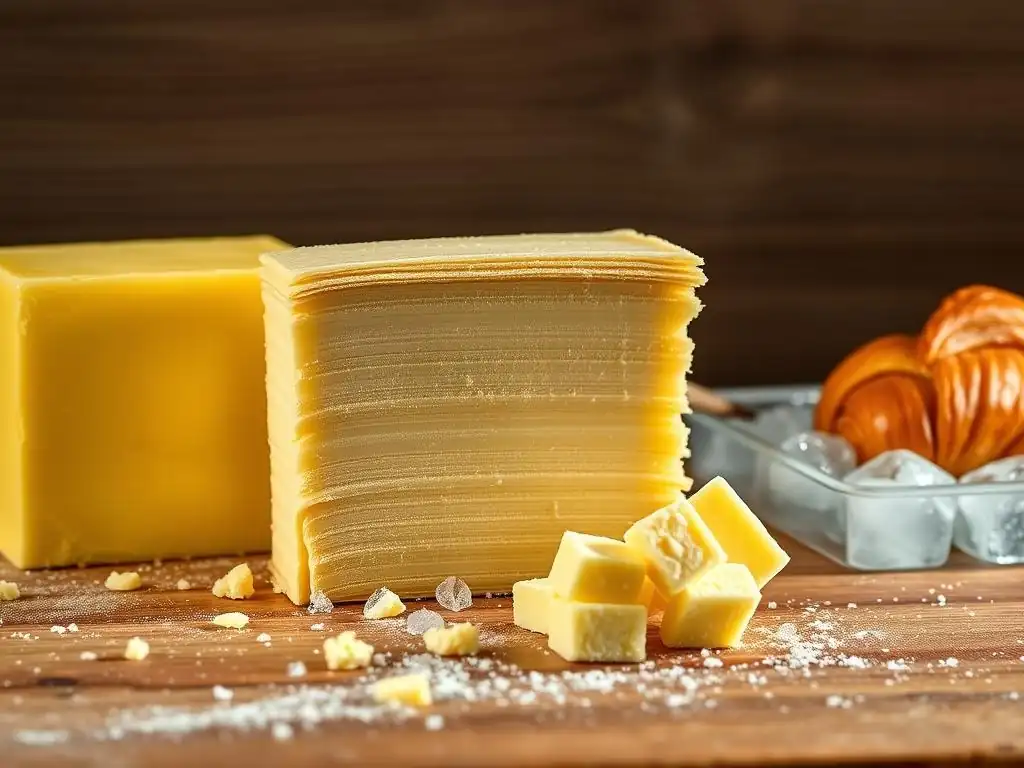
Beyond the type and characteristics of the butter itself, its temperature during the puff pastry making process is absolutely critical. Butter that is too warm or too cold can derail your efforts and prevent the formation of those signature flaky layers.
The Importance of Cold Butter for Layer Formation
The entire principle of lamination in puff pastry relies on having distinct, solid layers of butter sandwiched between layers of dough. When the dough is rolled and folded, the cold, firm butter layers remain separate. As the pastry bakes, the water in these cold butter layers turns to steam, which pushes the dough layers apart. Simultaneously, the melting fat coats the dough, preventing them from fusing back together.
If the butter is too soft or warm during the rolling and folding process, it will melt into the dough instead of staying in distinct sheets. This results in butter being absorbed into the dough matrix rather than creating separate layers. When baked, you won't get the steaming action to lift the layers, and the fat won't effectively separate the dough, leading to a dense, greasy, and heavy pastry rather than a light, flaky one. Therefore, keeping the butter (and the dough) consistently cold is paramount for successful lamination and achieving the best puff pastry.
Techniques for Keeping Butter Cold During Puff Pastry Making
Maintaining a low temperature throughout the process is key to keeping the butter cold. Here are some effective techniques:
- Start with Very Cold Ingredients: Ensure your butter is cold from the refrigerator, but not rock hard from the freezer (unless specified for a specific technique). Your water for the dough should also be ice cold.
- Work in a Cool Environment: If possible, work in a cool kitchen. Avoid baking on hot, humid days if you can.
- Chill Frequently: This is non-negotiable. After each fold (or every few folds, depending on the recipe), wrap the dough well and refrigerate it for the recommended time, usually 20-30 minutes or longer. This allows the butter to firm up again before the next round of rolling.
- Chill Your Tools: Consider chilling your rolling pin and even your work surface (a marble slab works well for this).
- Work Quickly: The less time the dough and butter are at room temperature, the better. Be efficient with your rolling and folding.
[ ] Gather ingredients (cold butter, ice water)
[ ] Prepare work surface
[ ] Roll and fold dough, incorporating cold butter
[ ] Chill dough for at least 20-30 minutes
[ ] Repeat rolling, folding, and chilling steps
Following these steps diligently will help ensure your butter stays cold and maintains its structure throughout the demanding lamination process.
Dealing with Soft Butter: Troubleshooting Tips
Sometimes, despite your best efforts, the butter might start to soften during the rolling and folding process, especially if your kitchen is warm or you're working slowly. Recognizing this and knowing how to react can save your puff pastry.
If you notice the butter becoming too soft – perhaps feeling greasy, starting to ooze from the edges, or making the dough difficult to handle without tearing – stop working immediately. Wrap the dough tightly in plastic wrap and place it back in the refrigerator. Give it ample time to chill thoroughly, ideally until the butter is firm again, which might take 30-60 minutes. Don't rush this step!
Trying to roll dough with soft butter will only lead to disaster. If the butter is severely melted and incorporated into the dough, it might be impossible to salvage for traditional puff pastry, but you might be able to use the dough for a different application where flakiness isn't as critical (like tart crust). Prevention is key, so always err on the side of chilling more frequently if you're unsure.
Step-by-Step Guide: Incorporating Butter into Puff Pastry Dough
The process of combining the dough and butter to create layers is called lamination. It's a precise technique where the quality and temperature of your butter are paramount. Here's a simplified look at how the best butter for puff pastry is incorporated.
Preparing the Butter Block (Beurrage)
Before you even start laminating, the butter needs preparation. The goal is to create a pliable block of butter, called the beurrage, that is the same consistency as your dough. Typically, you'll take your cold, high-fat butter (like one of the best butter for puff pastry options mentioned earlier), cut it into pieces, and then beat or pound it with a rolling pin until it's pliable but still cool. Some recipes might call for enclosing the butter in parchment paper and rolling it into a specific size and thickness, often a square or rectangle.
The key here is to get the butter to a state where it can be rolled thinly without cracking, but is still firm enough to maintain its shape. It should be flexible, like cold clay, not hard like a brick or soft like pomade. This prepared butter block will be enclosed in the dough, ready for the folding process that builds the layers.
Laminating the Dough: Creating Those Perfect Layers
Lamination is the heart of puff pastry making. You start with a piece of détrempe (the dough, typically flour, water, and salt) and the prepared beurrage. The détrempe is usually rolled out into a shape that can enclose the butter block – often a rectangle or square twice the size of the butter block. The beurrage is placed in the center, and the dough is folded over it, completely encasing the butter.
This package is then rolled out into a long rectangle. The dough is then folded – typically in thirds (a single fold) or in quarters (a book fold). Each fold creates more layers of butter and dough.
For example, a single fold turns 3 layers into 9, and a book fold turns 4 layers into 16. After each fold, the dough is wrapped and chilled for 20-30 minutes to allow the butter to firm up before the next roll and fold. This process is repeated multiple times (often 4-6 times, depending on the desired number of layers), progressively increasing the number of butter and dough layers exponentially, which is how you achieve thousands of ultra-thin layers in the final pastry.
Chilling the Dough: Essential for Flakiness
Chilling is not just a suggestion in puff pastry making; it's absolutely essential. After each fold and before rolling again, the dough must be chilled. This rest period serves several crucial purposes related to the butter and the dough itself.
Firstly, chilling allows the cold butter layers to firm up again. As you roll the dough, the butter warms slightly and becomes softer. Refrigeration solidifies the butter once more, ensuring it remains in distinct sheets rather than melting into the dough during the subsequent rolling. Secondly, chilling allows the gluten in the dough to relax.
The rolling process can make the dough elastic and resistant to rolling. Resting in the cold relaxes the gluten, making the dough more pliable and easier to roll thinly without tearing in the next step. Skipping or shortening chilling steps is one of the most common mistakes bakers make, leading to butter leakage and poor layer formation. Adequate chilling, often for 20-30 minutes between folds and a longer chill (at least 1-2 hours) before baking, is key to perfect puff pastry with the best butter for puff pastry.
Tips and Tricks for Achieving Perfect Puff Pastry with the Right Butter
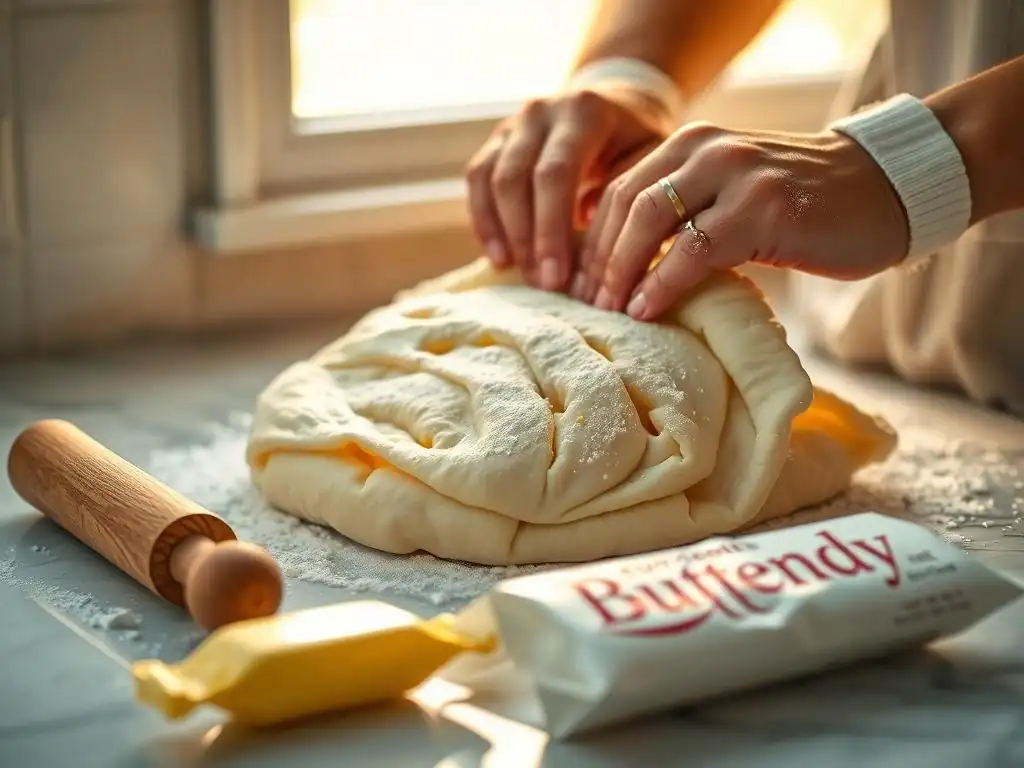
Even with the best butter for puff pastry, mastering the technique requires attention to detail. These tips will help ensure your efforts result in beautifully flaky layers.
Working Quickly and Efficiently
Time is of the essence when making puff pastry, especially when working with butter. The longer the dough and butter are at room temperature, the softer the butter becomes, increasing the risk of it melting into the dough. Plan your steps and have everything ready before you start rolling and folding.
Moving efficiently doesn't mean rushing haphazardly; it means performing each step deliberately but without unnecessary delay. Roll out the dough smoothly, execute the folds cleanly, and get the dough back into the refrigerator promptly. Minimizing the time the butter is exposed to warmer temperatures is crucial for maintaining its integrity as distinct layers.
Maintaining Consistent Temperature
Consistency in temperature is vital throughout the entire puff pastry process. Not only should your butter be cold, but your work surface and environment should be as cool as possible. A cool kitchen (ideally below 70°F or 21°C) makes a significant difference.
If your kitchen is warm, you may need to increase the frequency and duration of your chilling periods. Don't be afraid to put the dough back in the fridge if you feel the butter is softening too much. Consistency in temperature helps ensure the butter remains solid during rolling and only melts when it hits the heat of the oven, creating that explosive steam lift essential for flakiness.
Recognizing When Your Dough Needs a Rest
Your dough will tell you when it needs a break, and it's important to listen. If, while rolling, the dough starts shrinking back excessively, becoming difficult to roll out, or feeling very tight and elastic, it means the gluten is tense and needs to relax.
Stop rolling, cover the dough, and refrigerate it for at least 20-30 minutes (or even longer if needed). This rest allows the gluten network to loosen up, making the dough pliable and easier to roll in the next step. Pushing against resistant dough can lead to uneven layers, tearing, and warming the butter too much. A well-rested dough is easier to handle and contributes to more consistent, beautiful layers in your finished puff pastry.
Even experienced bakers encounter challenges with puff pastry. Many common issues can be traced back to the butter, its temperature, or its interaction with the dough. Understanding these problems can help you identify solutions.
Butter Leaking: Causes and Solutions
Butter leaking out of the dough during rolling or baking is a frustrating problem. It typically happens when the butter layers are no longer fully encased by the dough, or when the butter is too soft and melts through weak points.
- Causes:
- Butter was too soft during rolling, integrating into the dough.
- Dough was torn or too thin in spots, allowing butter to escape.
- Dough wasn't chilled enough between folds, leading to soft butter.
- Butter block wasn't properly enclosed in the dough initially.
- Solutions:
- Ensure butter is cold but pliable before laminating.
- Roll the dough carefully and evenly; avoid tearing.
- Chill the dough for sufficient time (20-30+ mins) after every fold.
- Make sure the dough completely seals the butter block.
- If minor leaking occurs during rolling, patch tears with a little dough or flour and re-chill immediately. If significant leaking happens during baking, there's little remedy for that batch, but learn from the likely cause (insufficient chilling).
Uneven Layers: Identifying the Culprit
Puff pastry should ideally rise evenly, creating consistent layers throughout. Uneven layers, where some parts rise well but others remain flat or dense, are often a sign that the lamination wasn't perfect.
- Causes:
- Butter block wasn't uniform in thickness.
- Dough wasn't rolled to an even thickness before folding.
- Folds weren't executed neatly, resulting in uneven distribution of butter and dough layers.
- Dough wasn't rested properly, causing it to resist rolling and leading to uneven thickness.
- Uneven oven temperature.
- Solutions:
- Ensure your butter block is a consistent thickness when preparing the beurrage.
- Roll the dough rectangle to an even thickness (use measuring guides if helpful).
- Practice precise folding techniques (single or book folds).
- Allow adequate chilling time between folds to relax the dough and firm the butter.
- Ensure your oven is preheated properly and maintains a consistent temperature.
Dough Too Tough: Addressing Gluten Development
Puff pastry should be tender and flaky, not tough or chewy. Toughness is almost always related to over-development of gluten in the dough.
- Causes:
- Using bread flour (high gluten) instead of pastry or all-purpose flour.
- Overworking the dough when mixing the détrempe.
- Using water that is too warm.
- Not allowing the dough to rest and chill sufficiently between folds, forcing resistant dough.
- Using butter with excessively high water content (less common cause, but possible).
- Solutions:
- Use a lower-protein flour like pastry flour or standard all-purpose flour.
- Mix the détrempe just until it comes together; do not knead extensively.
- Always use ice-cold water for the détrempe.
- Crucially, chill the dough for sufficient time (20-30+ mins) after every fold to allow gluten to relax. If the dough resists rolling, stop and chill longer.
- Using a high-fat, low-water butter (like the best butter for puff pastry recommendations) can also help minimize excess water interaction with the flour.
Mastering Puff Pastry: Choosing the Right Butter for the Best Results
Achieving perfect puff pastry is a rewarding challenge, and while technique is paramount, the ingredients you choose play a vital supporting role. Of these, butter is arguably the most critical. Selecting the best butter for puff pastry sets the stage for success.
Summarizing Key Considerations for Butter Selection
When standing in the dairy aisle, remember these key points for choosing your puff pastry butter:
- Fat Content: Aim for 82% butterfat or higher, often labeled as European-style butter. More fat means better layer separation and flakiness.
- Water Content: Lower water content is better, as it reduces the risk of excess gluten development and helps the butter maintain its structure during lamination. This goes hand-in-hand with higher fat percentage.
- Flavor: High-quality, cultured butter can add a delicious richness and depth to your finished pastry.
- Salt: Unsalted butter is preferred for better control over the overall saltiness of the pastry.
Prioritizing a butter that meets these criteria, such as Plugrá, Kerrygold, or Vermont Creamery Cultured Butter, will give you the best foundation for creating truly spectacular, flaky puff pastry.
Encouraging Experimentation and Finding Your Perfect Butter
While recommendations provide a great starting point, the best butter for your puff pastry might ultimately come down to personal preference and what's available to you. Don't be afraid to experiment slightly once you've mastered the basic technique.
Try making batches with different high-fat butters to see if you notice differences in handling, flakiness, or flavor. Perhaps one brand rolls slightly better for you, or another imparts a flavor you particularly enjoy. Keep notes on your results. Baking is both a science and an art, and finding your preferred ingredients is part of the journey.
Final Thoughts on Achieving Puff Pastry Perfection
Mastering puff pastry is a journey that requires patience, precision, and quality ingredients. While the rolling and folding technique demands practice, starting with the best butter for puff pastry is a significant step towards success. Remember the importance of cold temperatures, the benefits of high fat content, and the value of quality flavor. With the right butter and diligent technique, you'll be well on your way to creating those stunning, sky-high layers that make homemade puff pastry such a delight. Keep practicing, pay attention to your butter, and enjoy the flaky results!
Frequently Asked Questions
What makes butter so important in puff pastry?
Butter is crucial because it creates layers of steam that cause the pastry to rise. The high fat content also contributes to the rich flavor and tender texture.
What kind of butter is best for making puff pastry?
European-style butter with a high butterfat percentage (82% or more) is generally recommended. This results in a flakier and more flavorful puff pastry.
Why is the butter temperature so critical when making puff pastry?
The butter must remain cold and solid throughout the lamination process. Warm butter will melt and incorporate into the dough, preventing the formation of distinct layers.
Can I use margarine or shortening instead of butter in puff pastry?
While possible, it's not recommended for the best flavor and texture. Butter provides a superior taste and a more desirable, flaky result.
What are some common mistakes to avoid when making butter puff pastry?
Overworking the dough can develop too much gluten, resulting in a tough pastry. Also, failing to keep the butter cold and in distinct layers will prevent proper lamination.
Final Reflection: The Golden Ratio of Butter and Pastry Perfection
The quest for the perfect puff pastry is, ultimately, a quest for the perfect butter. This seemingly simple pursuit reveals a surprisingly complex world of fat content, water molecules, and the delicate dance between crisp layers and rich flavor. The right butter isn't just a matter of preference; it's the cornerstone of a successful recipe, impacting everything from the rise to the final texture.
The impact of butter quality on baking, particularly in the demanding world of puff pastry, extends far beyond the kitchen. It speaks to a broader appreciation for quality ingredients and the artistry involved in transforming simple elements into something truly extraordinary. The proof of the pudding is in the eating,
as the saying goes, and in this case, the proof lies in the flawlessly layered, golden-brown perfection of a well-made puff pastry. This pursuit of excellence, reflected in the careful selection of butter, resonates with a growing appreciation for artisanal food and the mindful consumption of high-quality products.
Now, consider your own baking journey. What ingredients do you prioritize? What small details make the biggest difference in your culinary creations? I encourage you to experiment, to explore different butters, and to discover the golden ratio that unlocks your own pastry perfection. The journey of finding the best butter for your puff pastry is a personal one, filled with delicious discoveries and the satisfaction of creating something truly special. Embrace the process, and let the buttery aroma guide you.
Unlock Flaky Perfection: Elevate Your Baking!
Thanks for taking the time to explore the world of butter and its crucial role in achieving perfectly flaky puff pastry! You've gained valuable insights into choosing the right fat for exceptional results. Now it's time to put that knowledge into action.
- Bake your dream puff pastry: Use your newfound knowledge to whip up a batch of buttery, layered perfection. Experiment with different butters to discover your favorite!
- Share your baking triumph: Post a picture of your masterpiece on social media and tag us @BakeWithEase – we'd love to see your flaky creations!
- Explore more baking secrets: Dive deeper into our other articles on BakeWithEase.com for more tips and techniques to master your baking skills.
What unique flavor will you infuse into your next puff pastry creation?