
Top High Altitude Baking Mistakes to Avoid

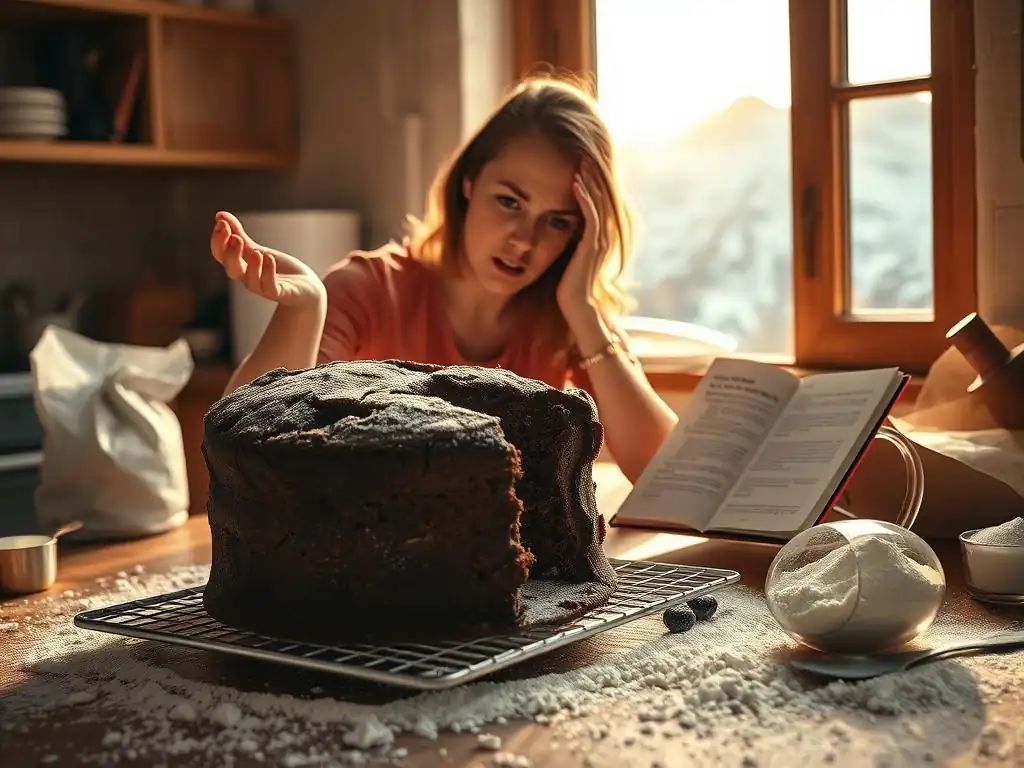
Welcome to BakeWithEase, your guide to conquering the sweet world of baking! Are you tired of your high altitude baking attempts falling flat? Discover the secrets to perfect pastries, even when the air is thin. Let's troubleshoot common problems and unlock the joy of baking at any altitude!
- Top High Altitude Baking Mistakes to Avoid | BakeWithEase
- Introduction to High Altitude Baking Problems
- Common High Altitude Baking Mistakes and How to Fix Them
- Advanced High Altitude Baking Tips
- Conclusion: Achieving Baking Success at High Altitude
- Frequently Asked Questions
- Final Reflection: Scaling the Peaks of Perfect Baking
- Unlock Your High-Altitude Baking Success!
Top High Altitude Baking Mistakes to Avoid | BakeWithEase
Introduction to High Altitude Baking Problems
Baking is a science, and like any science, it's governed by the laws of physics. When you change a fundamental condition, like atmospheric pressure, the results can be dramatically different. High altitude baking introduces unique challenges that can turn a reliable sea-level recipe into a flat, dense, or crumbly disappointment. Understanding these challenges is the first step to mastering your oven at elevation.
The primary culprits behind high altitude baking problems are the lower air pressure and typically drier air found at higher elevations. These factors affect everything from how quickly leavening gases expand to how moisture evaporates from your batter or dough. Ignoring these environmental differences is the most common mistake bakers make when moving to or baking in a high-altitude location.
Why High Altitude Baking Requires Adjustments
At high altitudes, the atmospheric pressure is significantly lower than at sea level. This reduced pressure means there's less force pushing down on your baked goods. Gases produced by leavening agents (like baking powder, baking soda, or yeast) expand more rapidly and to a greater extent in this low-pressure environment. Imagine a balloon: it expands more easily where there's less air resistance outside. In baking, this rapid expansion can cause batters and doughs to rise too quickly before their structure has a chance to set, leading to collapse, coarse texture, or a dry product.
Furthermore, water boils at a lower temperature as altitude increases. At sea level (0 feet), water boils at 212°F (100°C). At 5,000 feet, it boils closer to 202°F (94°C), and at 7,500 feet, it's around 198°F (92°C). This lower boiling point means moisture evaporates faster during baking. The interior of your cake or bread reaches a setting temperature sooner, but the overall cooking time might need adjustment, and the potential for dryness is increased. These combined factors necessitate careful adjustments to standard recipes to counteract the specific high altitude baking problems they introduce.
The Impact of Altitude on Baking: A Beginner's Guide
For those new to baking at elevation, the effects can seem mysterious and frustrating. A cake that was a triumph at sea level might rise beautifully in the oven at 6,000 feet, only to sink dramatically in the center as it cools. This is often due to the leavening gases expanding too quickly in the lower pressure, stretching the weak, unset structure beyond its limit. The result is a collapsed, often dense, layer at the bottom.
Cookies and bread also face unique high altitude baking problems. Cookies may spread excessively thin because the fat melts and the structure weakens before the dough sets. Bread dough ferments faster due to the lower pressure, potentially leading to an over-proofed loaf that collapses or has a poor texture. The drier air can also lead to a thicker crust and a drier crumb in both bread and cakes. Recognizing these common outcomes helps you identify which adjustments are needed to achieve baking success at higher elevations.
Common High Altitude Baking Mistakes and How to Fix Them
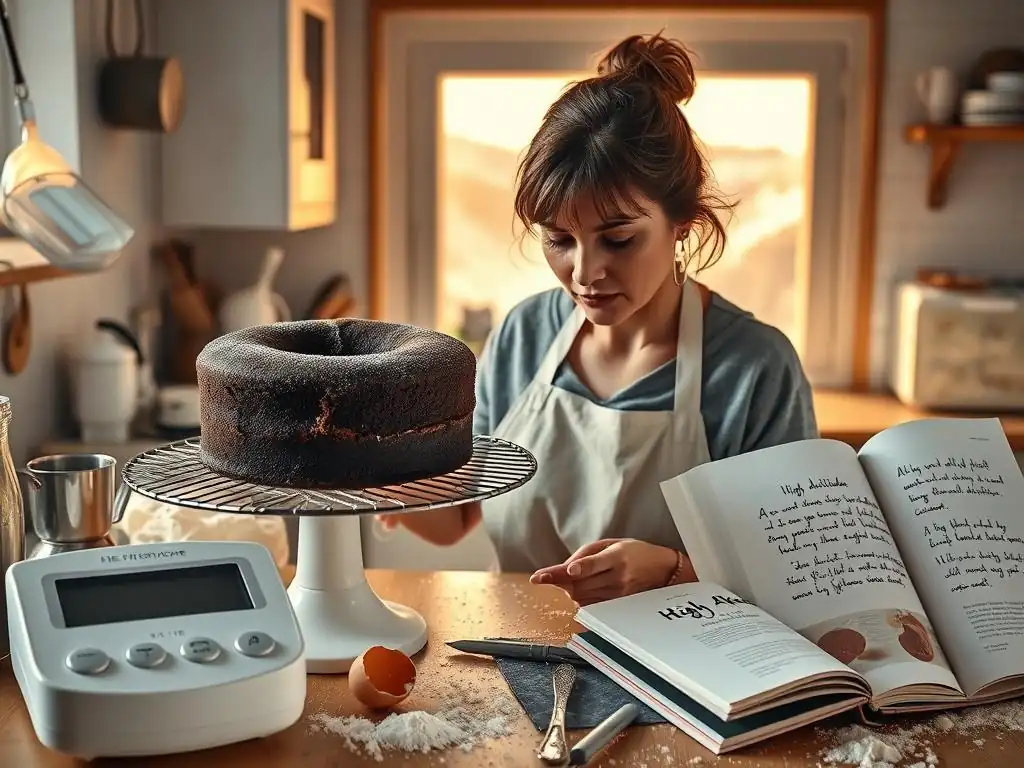
Baking at high altitude doesn't have to be a guessing game. Many common high altitude baking problems stem from predictable reactions to the environment. By understanding these pitfalls and implementing specific adjustments, you can significantly improve your results. Let's look at some of the most frequent mistakes and their practical solutions.
Mistake #1: Ignoring the Reduced Air Pressure
One of the most fundamental high altitude baking problems is failing to account for the lower atmospheric pressure. This pressure difference has a direct and significant impact on how leavening agents perform, often leading to issues like collapsed cakes, sunken centers, or oversized, airy textures that quickly deflate.
Understanding How Lower Pressure Affects Leavening
Leavening agents like baking powder, baking soda, and yeast create carbon dioxide gas, which forms bubbles in your batter or dough, causing it to rise. At sea level, the higher atmospheric pressure provides resistance, controlling the rate and extent of this expansion. At high altitude, with less pressure pushing down, these gases expand much more readily and rapidly.
This can cause the air pockets within your baked goods to grow too large, too fast. If the structure (provided by flour, eggs, etc.) hasn't had enough time or heat to set and become firm, it can't support the rapidly expanding gas, leading to a structural failure – the dreaded sinkhole in your cake or a loaf of bread that deflates.
Solution: Reducing Baking Powder or Baking Soda
To counteract the over-expansion caused by lower pressure, the most effective solution is to reduce the amount of chemical leaveners (baking powder and baking soda) in your recipe. This slows down the production of gas, allowing the structure of your baked good more time to strengthen and set before the maximum expansion occurs. A common starting point for adjustment above 3,000 feet is to reduce baking powder by 1/8 teaspoon for every teaspoon called for at sea level. For example, if a recipe calls for 2 teaspoons of baking powder, you might start by using 1 ¾ or 1 ½ teaspoons. For baking soda, which is a stronger leavener, the reduction might be slightly less, perhaps 1/8 teaspoon for every 1/2 teaspoon called for. These are general guidelines; the precise reduction needed will depend on your specific altitude and the recipe, addressing common high altitude baking problems related to structure.
Mistake #2: Not Adjusting Liquid Levels
High altitude environments are typically much drier than sea level. This lack of humidity, combined with the lower boiling point of water, means that moisture evaporates from your baked goods at a faster rate during the baking process. Failing to compensate for this moisture loss is a common cause of dry, dense, or crumbly results.
The Science Behind Increased Evaporation at Higher Altitudes
The air at higher elevations holds less moisture. When you bake, the heat causes water in the batter or dough to turn into steam, which contributes to leavening and keeps the product moist. At high altitude, not only is the surrounding air drier, pulling moisture away from the surface more quickly, but the water inside the product also boils at a lower temperature.
This means the transformation to steam happens sooner and the steam escapes more readily. The net effect is a significant reduction in the final moisture content compared to baking the same recipe at sea level, leading to dry textures that are a hallmark of unadjusted high altitude baking problems.
Solution: Increasing Liquid in Your High Altitude Baking Recipes
To combat increased evaporation and the drier air, you need to add more liquid to your recipes. This extra moisture helps keep the final product tender and prevents it from becoming dry and crumbly. The type of liquid should match the recipe (milk, water, buttermilk, etc.). A good starting point for increasing liquid is to add 1 to 3 tablespoons per cup of liquid specified in the original recipe, particularly for altitudes above 5,000 feet.
For instance, if a cake recipe calls for 1 cup of milk, you might try adding 1 cup plus 2 tablespoons. This adjustment is crucial for achieving a moist crumb and counteracting dryness, one of the key high altitude baking problems. The extra liquid also helps ensure that sugar and leavening agents dissolve properly in the drier environment.
Mistake #3: Overlooking the Importance of Flour
While leavening and liquid adjustments are critical, the flour in your recipe plays a vital role in providing structure. At high altitude, the rapid rise and increased evaporation can put extra stress on this structure. Using the wrong type or amount of flour can exacerbate high altitude baking problems like collapsing or poor texture.
High Altitude Flour Considerations: Gluten Development
Gluten, developed from proteins in wheat flour when mixed with liquid and kneaded or mixed, provides the structural framework that holds the expanding gases and gives baked goods their shape. At high altitude, the rapid expansion of gases can cause the gluten network to stretch too thin and break before it sets. Additionally, the drier air can affect the hydration of the flour and the development of gluten. A weak gluten structure simply cannot support the increased internal pressure, leading to collapsing cakes, flat breads, or cookies that spread excessively.
Solution: Using Bread Flour or Adding Gluten
To build a stronger structure capable of withstanding the rigors of high altitude baking, consider using a flour with a higher protein content, such as bread flour (typically 12-14% protein) instead of all-purpose flour (around 10-12%). The higher protein in bread flour develops a more robust gluten network. For recipes where switching flour isn't ideal, adding a small amount of vital wheat gluten can significantly strengthen the dough or batter.
A common recommendation is to add 1 teaspoon of vital wheat gluten per cup of all-purpose flour, especially in yeast bread recipes or delicate cakes prone to sinking. This extra structural support is essential for mitigating high altitude baking problems related to weak frameworks.
Mistake #4: Neglecting Oven Temperature Adjustments
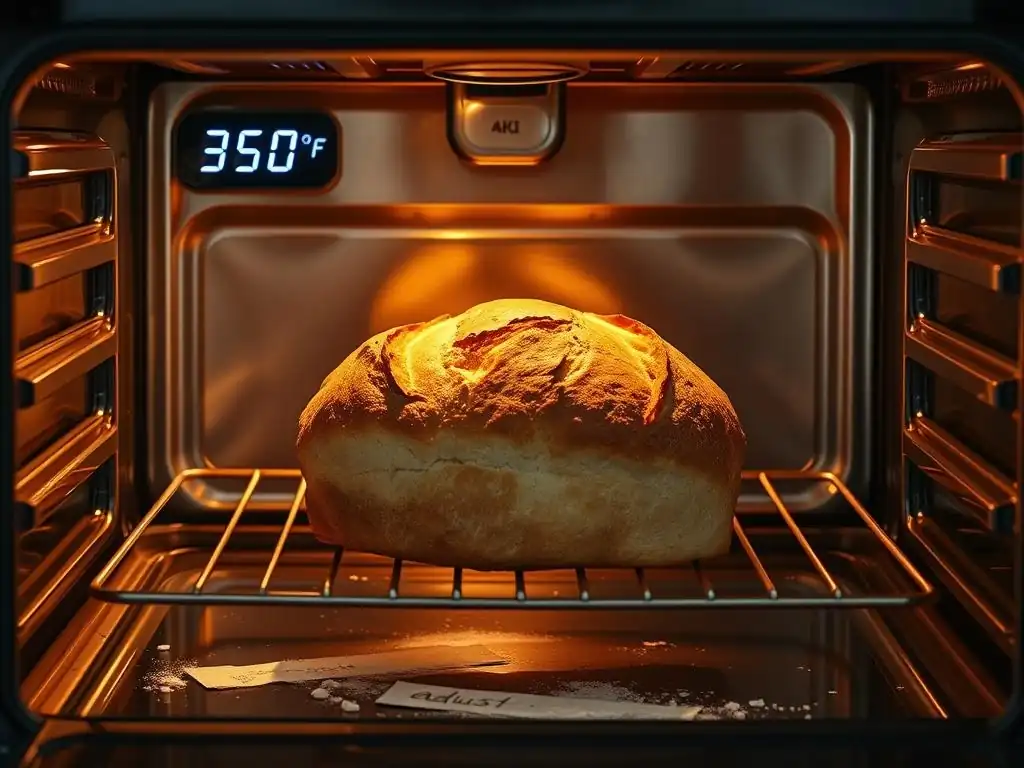
The oven is where the magic happens, but at high altitude, the standard temperature settings might not be optimal. Because water boils at a lower temperature and moisture evaporates faster, baked goods tend to cook more quickly at higher elevations. Using a standard sea-level oven temperature can lead to uneven cooking and undesirable results.
Why Oven Temperature Matters in High Altitude Baking
At high altitude, the combination of lower boiling point and drier air means that the exterior of your baked goods can brown and set before the interior is fully cooked. This can result in a product that is burnt or too dark on the outside, while being undercooked, dense, or gummy in the center. The rapid setting of the exterior can also hinder the final stages of rising, contributing to a less desirable texture. Proper temperature management is key to ensuring even cooking and preventing these specific high altitude baking problems.
Solution: Lowering Oven Temperature to Prevent Over-Browning
To allow the interior of your baked goods sufficient time to cook and set without the exterior becoming overdone, it's generally recommended to lower your oven temperature when baking at high altitudes. A common guideline is to decrease the temperature by 15-25°F (about 8-14°C) from the temperature specified in the sea-level recipe, particularly for items that bake for longer than 20-30 minutes, like cakes, breads, and muffins.
For example, if a recipe calls for baking at 350°F, try setting your oven to 335°F or 325°F. This adjustment slows down the baking process slightly, allowing for a more uniform transfer of heat and preventing the common high altitude baking problems of burnt edges and undercooked centers.
Mistake #5: Skipping Recipe Testing and Experimentation
Even with standard high altitude adjustments, every recipe, oven, and specific location (altitude, humidity fluctuations) is slightly different. Assuming that a single set of adjustments will work perfectly for every recipe is a common mistake. Successful high altitude baking often requires a process of trial and error.
The Importance of Trial and Error in High Altitude Baking
Standard high altitude adjustment charts provide excellent starting points, but they are generalizations. The exact impact of altitude varies based on the recipe's ingredients (e.g., the ratio of sugar to flour, the amount of fat), the type of leavening used, and even the specific microclimate in your kitchen. Relying solely on published charts without testing and fine-tuning can lead to inconsistent results. Embracing experimentation is crucial because it allows you to dial in the specific adjustments needed for your recipes in your unique high altitude environment. This iterative process is key to truly solving specific high altitude baking problems.
Solution: Keeping Detailed Baking Notes and Making Small Adjustments
To effectively troubleshoot and refine your high altitude baking, keep detailed notes of every baking attempt. Record the original recipe, the altitude at which you are baking, the specific adjustments you made (e.g., "reduced baking powder by 1/4 tsp," "added 2 tbsp milk," "baked at 340°F for 35 mins"), and the outcome (e.g., "cake still sank slightly," "cookies spread perfectly," "bread was a bit dry"). When adjusting, only change one or two variables at a time. If you change too many things at once, you won't know which adjustment had which effect.
For instance, if a cake sinks, first try reducing the leavening slightly. If it still sinks, perhaps try reducing sugar next, or increasing liquid slightly more. This systematic approach, documented in your notes, is the most reliable way to master high altitude baking problems and achieve consistent success.
- [ ] Start a baking journal for high altitude experiments.
- [ ] Note original recipe and altitude.
- [ ] Record specific adjustments made.
- [ ] Document the results (texture, rise, appearance, taste).
- [ ] Make only 1-2 adjustments per subsequent bake.
Mistake #6: Forgetting About Sugar's Role
Sugar is more than just a sweetener; it plays several critical roles in baking, including contributing to moisture, tenderness, and browning. At high altitude, the balance of sugar to other ingredients can be disrupted, leading to structural issues and other common high altitude baking problems.
Sugar's Impact on Structure and Moisture at High Altitudes
Sugar is hygroscopic, meaning it attracts and holds onto moisture. In a high-altitude environment where moisture evaporates faster, sugar's ability to retain water is particularly important. However, sugar also interferes with the development of gluten and the coagulation of egg proteins, both of which are essential for building structure.
Too much sugar in a high-altitude recipe can weaken the structure, making it less able to support the rapid rise. This can result in cakes that collapse, especially in the center, or cookies that spread excessively thin. The increased concentration of sugar relative to flour and liquid in an unadjusted recipe can exacerbate these structural high altitude baking problems.
Solution: Reducing Sugar to Prevent Collapsing
To help strengthen the structure of your baked goods at high altitude, it's often necessary to slightly reduce the amount of sugar called for in the recipe. A small reduction allows the gluten and egg proteins to form a more stable network, better able to support the rapid expansion of leavening gases. A typical starting point for sugar reduction in cakes and muffins is 1 to 3 tablespoons per cup of sugar in the original recipe, especially for altitudes above 3,500 feet.
This adjustment not only helps prevent collapsing but can also moderate browning, as sugar caramelizes during baking. Finding the right balance is key; too little sugar can lead to a dry or tough product, while too much contributes to structural high altitude baking problems.
Advanced High Altitude Baking Tips
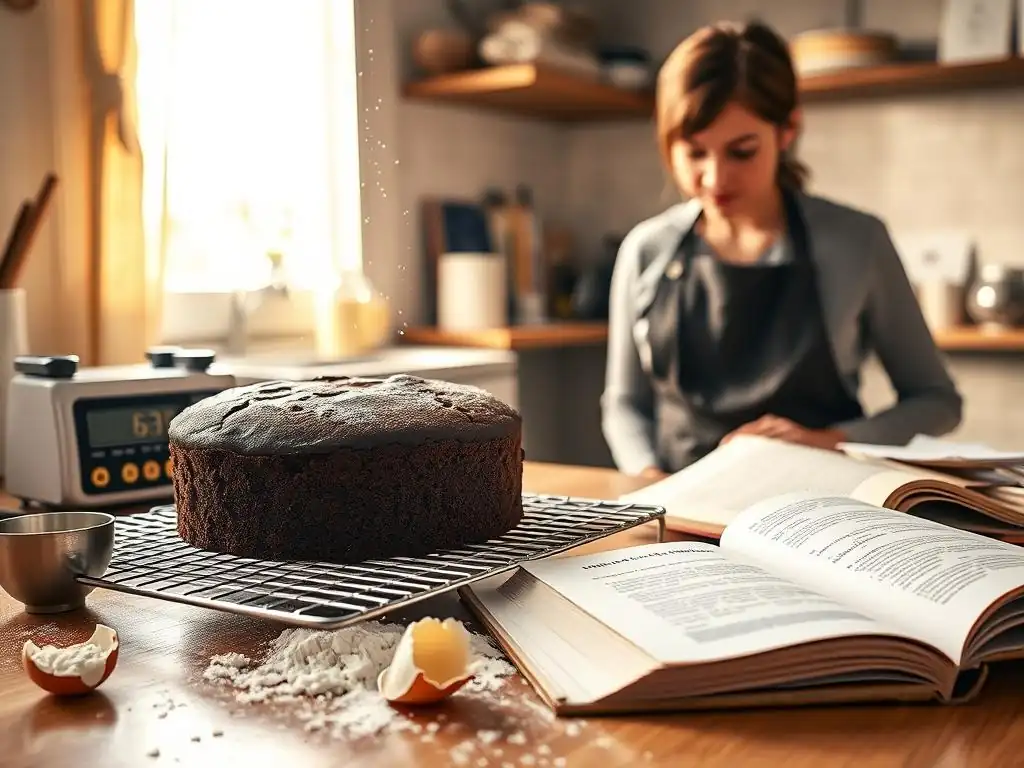
Once you've mastered the basic adjustments for common high altitude baking problems, you can refine your techniques further. Advanced tips often involve combining multiple adjustments and understanding specific challenges for different types of baked goods.
Mastering Cakes at High Altitude
Cakes are arguably the most sensitive baked goods to altitude changes due to their delicate balance of ingredients and reliance on leavening for a light texture. Achieving a perfectly level, moist, and tender cake at high altitude requires a combination of adjustments. Start by reducing both leavening (baking powder/soda) and sugar, typically by the amounts suggested earlier (e.g., 1/8-1/4 tsp reduction per tsp leavening, 1-3 tbsp reduction per cup sugar).
Simultaneously, increase the liquid by 1-3 tablespoons per cup, and slightly lower the oven temperature by 15-25°F. These adjustments work together: less leavening slows the rise, less sugar strengthens the structure, more liquid compensates for evaporation, and lower temperature ensures even cooking.
Beyond ingredient adjustments, consider techniques. Ensure ingredients are at room temperature for proper emulsification. Cream butter and sugar thoroughly but avoid over-beating once flour is added, which can overdevelop gluten in a way that might lead to tunneling at altitude. For very tall cakes, consider using bake-even strips around the pan to help the edges bake slower, allowing the center to catch up and prevent doming or cracking. Using recipes specifically developed for high altitude baking problems can provide a reliable foundation.
Troubleshooting Sinking Cakes
Sinking cakes are one of the most frustrating high altitude baking problems. If your cake consistently sinks in the center, it's usually a sign that the structure is failing to support the rise. The most common culprits are too much leavening or too much sugar, which weaken the structure and promote excessive rising before the cake is set. Insufficient liquid or a weak flour (low protein) can also contribute.
If you've already made basic adjustments and your cake still sinks in the middle, try slightly further reducing the leavening agent (e.g., another 1/8 teaspoon of baking powder). If that doesn't solve it, try slightly further reducing the sugar (e.g., another 1-2 tablespoons). Ensure you are using the correct amount of liquid – sometimes a bit more is needed than initially estimated.
Make sure your oven temperature is accurate; an oven that runs too hot can cause the outside to set too quickly while the inside is still liquid, leading to collapse. If the cake sinks around the edges but is okay in the middle, it might be slightly overbaked or cooling too quickly.
Resources for High Altitude Baking Recipes and Guides from BakeWithEase
Navigating the world of high altitude baking problems can feel overwhelming, but you don't have to do it alone. BakeWithEase.com offers a wealth of resources specifically designed to help bakers at elevation. Explore our collection of recipes that have been tested and adjusted for high altitudes, taking the guesswork out of your next baking project.
Our site provides detailed guides on how to make specific adjustments for various altitudes, offering charts and tips tailored to different types of baked goods, from delicate angel food cakes to hearty sourdough breads. Find step-by-step instructions and explanations that simplify the science behind the adjustments needed to overcome high altitude baking problems. We aim to equip you with the knowledge and recipes to bake with confidence, no matter your elevation.
Conclusion: Achieving Baking Success at High Altitude
Baking at high altitude presents a unique set of challenges, primarily due to lower atmospheric pressure, drier air, and the lower boiling point of water. These conditions can lead to common high altitude baking problems such as collapsing cakes, dry textures, excessive spreading, and uneven cooking. However, by understanding the science behind these effects and implementing targeted adjustments, you can continue to enjoy successful baking.
The key adjustments typically involve reducing leavening agents and sugar to control the rapid rise and strengthen the structure, increasing liquid to compensate for faster evaporation, and slightly lowering oven temperature for more even cooking. But perhaps the most important strategy is embracing experimentation and meticulous note-taking. Every high-altitude environment is slightly different, and fine-tuning recipes to your specific conditions is essential for consistent results when addressing high altitude baking problems.
Embrace the Challenges and Enjoy the Delicious Results!
Don't let the initial difficulties of high altitude baking deter you. View each bake as an opportunity to learn and refine your skills. The process of adjusting and experimenting can be incredibly rewarding, leading to a deeper understanding of how ingredients interact and the science of baking. With patience and practice, you can overcome the common high altitude baking problems and achieve results that are just as delicious and beautiful as those baked at sea level.
Final Thoughts on Solving High Altitude Baking Problems
Successfully tackling high altitude baking problems boils down to a few core principles: acknowledge the environmental differences, make informed adjustments to your recipes (focusing on leavening, liquid, sugar, and temperature), and commit to testing and refining. Keep those baking notes handy! By systematically addressing the effects of lower pressure and drier air, you'll build confidence and competence. Whether you're baking your first cake at elevation or perfecting a sourdough loaf, mastering these adjustments will unlock a world of delicious possibilities. Happy high altitude baking!
Frequently Asked Questions
How does high altitude affect baking?
High altitude baking requires adjustments because of the lower air pressure. This leads to faster evaporation of liquids and increased leavening, potentially causing cakes to collapse.
What are the most common high altitude baking problems?
Common problems include dry cakes, sunken centers, and cookies that spread too thin. These issues arise from the altered atmospheric conditions.
What adjustments can I make to my recipes for high altitude baking?
Generally, you'll need to reduce leavening agents (baking powder/soda), increase liquids, and increase baking temperature slightly to compensate for the faster evaporation and rise.
Why is it important to reduce the amount of sugar when baking at high altitude?
Reducing sugar helps prevent cakes from collapsing and cookies from becoming too thin. Sugar weakens the structure at high altitudes due to quicker moisture loss.
Where can I find reliable high altitude baking recipes?
BakeWithEase.com offers simple recipes and step-by-step guides specifically tailored for high altitude baking, helping you avoid common mistakes and achieve delicious results.
Final Reflection: Scaling the Peaks of Perfect Baking
High-altitude baking presents unique challenges, but mastering these techniques unlocks a world of delicious possibilities. The frustration of a collapsed cake or a tough cookie is a familiar experience for many high-altitude bakers, but understanding the science behind these issues is the key to consistent success. This article has explored some of the most common pitfalls, offering practical solutions to help you conquer the thin air and achieve baking triumphs at any elevation.
The impact of altitude on baking extends beyond just the technical aspects; it's deeply intertwined with the cultural landscape of mountain communities. For generations, home bakers in high-altitude regions have adapted recipes and techniques, passing down their knowledge through family and tradition. This resilient spirit of adaptation and innovation is something to be celebrated. Baking is a labor of love, and at high altitude, that love needs to be informed by understanding.
This quote, though not directly from a source, encapsulates the essence of the challenges and rewards of high-altitude baking. It's a testament to the dedication and creativity required to achieve baking perfection in less-than-ideal conditions.
Now, it's your turn. Take the knowledge gained from this article and apply it to your next high-altitude baking adventure. Don't be discouraged by initial setbacks; embrace the learning process, experiment with adjustments, and savor the unique rewards of baking at altitude. The perfectly risen cake, the chewy cookie, the fluffy muffin – these are not just culinary achievements, but testaments to your perseverance and understanding. So, grab your mixing bowls, preheat your oven, and let the high-altitude baking begin!
Unlock Your High-Altitude Baking Success!
Thanks for taking the time to learn about conquering the challenges of high-altitude baking! We hope you now feel more confident tackling those tricky recipes. Ready to put your new knowledge into practice?
- Bake your dream cake (or cookies, or bread!): Try out one of the recipes mentioned, making the necessary adjustments. We bet you'll be amazed at the results!
- Share your baking triumphs (or challenges!): Let's build a supportive community. Tell us about your experience in the comments below – we’d love to hear from you!
- Explore more high-altitude tips and tricks: Dive deeper into our site for more expert advice and recipes designed for success at any elevation.
What delicious high-altitude creation will you bake first?