
Using Leftover Egg Whites: Creative Meringue Ideas Beyond Pie

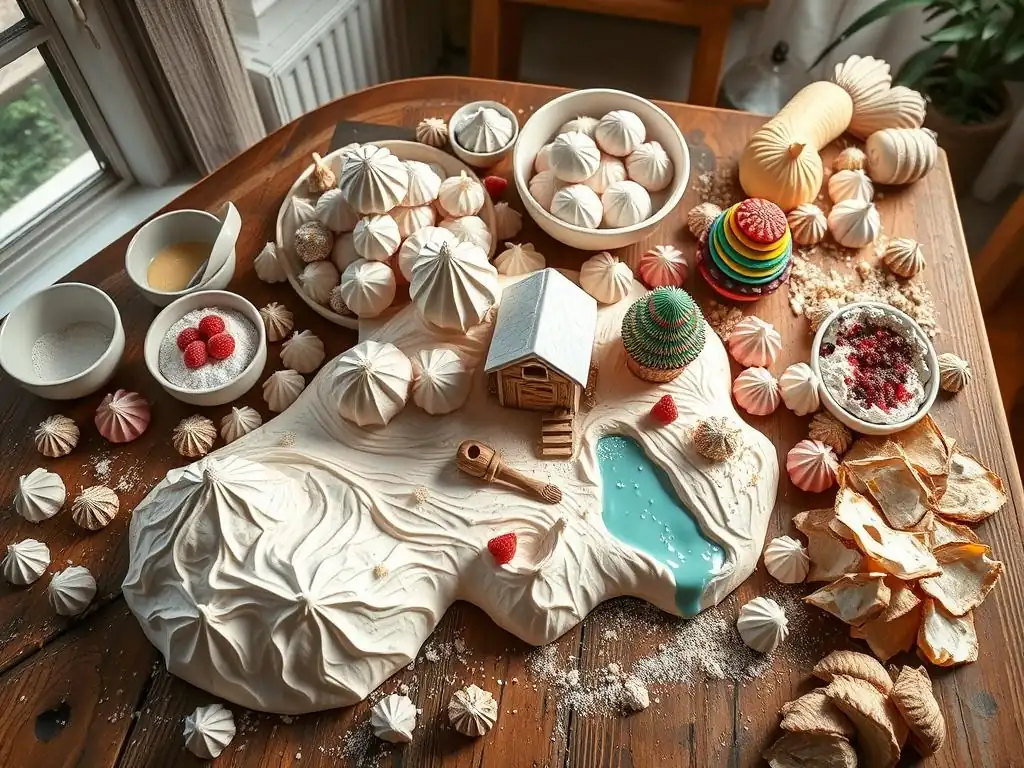
Welcome to BakeWithEase, your haven for baking bliss! Ever find yourself with leftover egg whites and a craving for something sweet? Dive into our world of creative meringue recipes, where we transform those forgotten whites into light, airy masterpieces. Forget the standard pie topping – we're unlocking a universe of delicious possibilities. Are you ready to discover meringue magic?
- Introduction: The Versatile Egg White
- Understanding Meringue: A Baker's Guide
- Creative Meringue Recipes Using Leftover Egg Whites
- Advanced Meringue Techniques & Flavor Combinations
- Storing and Enjoying Your Meringue Creations
- Conclusion: Embrace Meringue Magic
-
Frequently Asked Questions
- What are some creative uses for leftover egg whites besides making a pie topping?
- Can I freeze leftover egg whites for later meringue recipes?
- What is the key to achieving stiff peaks when whipping egg whites for meringue?
- What kind of sugar is best for making meringues, and why?
- How can I add flavor and color to my meringue recipes made with leftover egg whites?
- Final Reflection: Unlocking the Sweet Potential of Leftover Egg Whites
- Unlock Your Egg White Potential: Meringue Magic Awaits!
Introduction: The Versatile Egg White
Embracing Egg White Baking
Often, after making a rich custard, a creamy Hollandaise sauce, or perhaps a luscious crème brûlée, you find yourself with a collection of lonely egg whites. Discarding them feels wasteful, especially when they hold such incredible potential in the world of baking. These seemingly simple ingredients, primarily protein and water, are the foundation for airy, light, and structurally fascinating confections that go far beyond the traditional meringue topping on a lemon pie. Learning to utilize these leftovers opens up a delightful avenue for bakers to explore new textures and flavors.
Embracing egg white baking means stepping into a realm of delicate cookies, impressive showstoppers like pavlova, and intricate edible decorations. It's a chance to transform what might be considered kitchen scraps into elegant treats. With just a few basic ingredients – sugar, and sometimes a touch of acid or starch – those leftover egg whites can be whipped into glossy, stable peaks ready for transformation. Think of it as a challenge to reduce food waste while expanding your baking repertoire with truly creative meringue recipes using leftover egg whites.
Maximizing Egg Use
Finding practical and delicious ways to use every part of an ingredient is a hallmark of efficient and mindful baking. Leftover egg whites provide a perfect opportunity to practice this principle. Instead of letting them sit in the fridge until they are no longer usable, earmark them for a specific meringue project. A typical large egg white weighs about 30-35 grams, and recipes are often scaled by the number of whites or their total weight, making it easy to adapt based on exactly how many you have on hand, whether it's just two or a half-dozen.
Maximizing your egg use by making meringues is not just about preventing waste; it's also cost-effective. Eggs are a staple ingredient, and getting the most out of each one contributes to more economical baking. Plus, the resulting meringues, particularly crisp cookies or delicate kisses, can be stored for a reasonable amount of time, offering a sweet reward days after you made that custard. This approach ensures that no part of your ingredient goes unloved, leading to a more sustainable and rewarding baking experience.
Understanding Meringue: A Baker's Guide
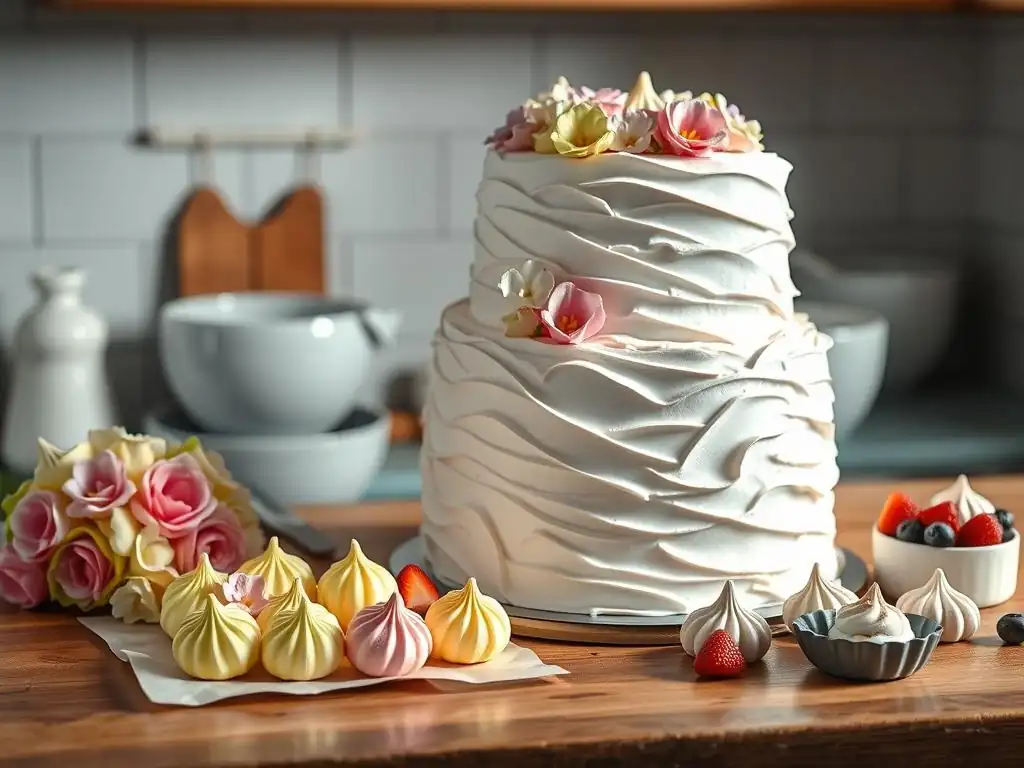
What is Meringue?
At its core, meringue is a confection made by whipping egg whites until stiff peaks form, then gradually adding sugar. This process denatures the proteins in the egg whites, causing them to unfold and create a network that traps air bubbles. The sugar stabilizes this structure and, when baked at a low temperature for an extended period, dries out the meringue, giving it a crisp, melt-in-your-mouth texture. Humidity is the enemy of meringue, as moisture can cause the sugar to crystalize and the structure to collapse.
The transformation from liquid egg white to stable, glossy meringue is a fascinating chemical process. As the whisk beats air into the whites, the protein chains unravel and rearrange around the air bubbles.
Adding sugar not only sweetens but also helps to strengthen this protein network, preventing the air bubbles from deflating. Acidic ingredients like cream of tartar or lemon juice, often added in small amounts (perhaps 1/8 teaspoon per two egg whites), help to further stabilize the foam, allowing it to achieve greater volume and hold its shape better, which is crucial for successful creative meringue recipes using leftover egg whites.
Types of Meringue: Italian, Swiss, and French
Meringue isn't a one-size-fits-all concept; there are three primary methods for making it, each resulting in a slightly different texture and stability, suitable for various applications. Understanding these differences is key to choosing the right meringue for your creative baking projects. While all start with egg whites and sugar, the way the sugar is incorporated dictates the type and its characteristics.
The choice of meringue type depends heavily on how you plan to use it. French meringue is ideal for dried cookies or pavlovas where a light, crisp texture is desired. Swiss meringue is excellent for buttercreams or piping shapes that need a bit more structure before baking. Italian meringue, being the most stable, is perfect for frostings or mousses that may not be baked at all. Each method offers unique possibilities for using leftover egg whites creatively.
Italian Meringue: Stable and Glossy
Italian meringue is considered the most stable of the three types because the sugar is added as a hot sugar syrup, typically heated to between 240°F and 245°F (115-118°C). This hot syrup is carefully drizzled into the whipping egg whites while the mixer is running. The heat from the syrup cooks the egg whites, making this meringue safe to use in uncooked preparations like mousses, frostings (like buttercream), and as a stable topping that can be beautifully torched.
The process of making Italian meringue requires a candy thermometer and a bit of caution when handling the hot syrup. The result is a very smooth, dense, and exceptionally stable meringue that holds peaks beautifully and has a stunning glossy sheen. Its stability makes it less prone to weeping (leaking liquid) than French meringue, making it a preferred choice for decorations or fillings that need to hold their shape over time. For creative meringue recipes using leftover egg whites that require a sturdy, uncooked base or topping, Italian meringue is the way to go.
Swiss Meringue: Smooth and Simple
Swiss meringue is made by gently heating the egg whites and sugar together over a bain-marie (a pot of simmering water) while whisking, until the sugar is dissolved and the mixture reaches about 130-140°F (55-60°C). The mixture is then removed from the heat and whipped until it cools and forms stiff, glossy peaks. This method partially cooks the egg whites, resulting in a smoother, silkier texture than French meringue.
This method is often considered simpler than Italian meringue as it doesn't involve handling dangerously hot syrup, though a thermometer is still helpful. Swiss meringue is less stable than Italian but more stable than French, making it excellent for piping decorations, creating smooth buttercreams, or using as a topping that might be lightly baked or torched. Its smooth texture and relative ease of preparation make it a popular choice for many creative meringue recipes using leftover egg whites.
French Meringue: Light and Classic
French meringue is perhaps the simplest and most classic method. It involves whipping raw egg whites until soft peaks form, and then gradually adding granulated or superfine sugar while continuing to whip until stiff, glossy peaks are achieved. Because the egg whites are not cooked, this type of meringue is best used for preparations that will be baked at a low temperature for a long time, such as meringue cookies, pavlova bases, or baked decorations.
This is the lightest and least stable of the three meringues when raw. The typical ratio for French meringue is roughly twice the weight of sugar to the weight of egg whites (e.g., 60g egg white to 120g sugar). The sugar needs time to dissolve into the egg whites during whipping, which is why adding it slowly is crucial. French meringue yields crispy, airy results after baking, making it perfect for many delightful and creative meringue recipes using leftover egg whites that are meant to be dried out in the oven.
Achieving Meringue Perfection: Tips
Success with meringue often hinges on a few key details. Firstly, ensure your mixing bowl and whisk attachments are scrupulously clean and free of any grease or egg yolk, as even a tiny amount can prevent the egg whites from whipping properly. Secondly, use room temperature egg whites; they whip up to a greater volume than cold ones. Letting your egg whites sit out for 30-60 minutes before whipping can make a significant difference in the final volume and stability, often increasing volume by 20% or more compared to cold whites.
Another crucial tip is to add the sugar gradually once the egg whites have reached soft peaks. Adding it too quickly can deflate the foam or result in a grainy meringue if the sugar doesn't have time to dissolve. Whip until the sugar is completely dissolved and the meringue is glossy and holds stiff peaks that stand up straight when the whisk is lifted. For French meringue, you can test this by rubbing a small amount between your fingers; it should feel smooth, not gritty. Using superfine (caster) sugar can help it dissolve more easily.
Creative Meringue Recipes Using Leftover Egg Whites
Now that we've explored the fundamentals, let's dive into some truly creative meringue recipes using leftover egg whites that offer exciting alternatives to traditional pie toppings. These ideas leverage the unique properties of meringue to create delightful textures and shapes.
Simple meringue cookies are a fantastic way to use up leftover egg whites. Made primarily from French meringue, these cookies are piped into small shapes and baked at a very low temperature for an extended time, effectively drying them out until they are crisp all the way through. A common temperature range is between 200°F and 225°F (90-105°C), and baking can take anywhere from 1 to 2 hours or even longer, depending on the size of the cookies and your oven. The goal is to dry them, not brown them, though some recipes allow for a slight tint.
These cookies can be flavored in various ways, such as with vanilla extract, almond extract, or even a tiny bit of peppermint extract. They are naturally fat-free (before adding flavorings) and incredibly light. Once baked and cooled, they are delightfully crisp and dissolve on the tongue. Stored properly in an airtight container away from humidity, they can last for several days, providing a sweet treat whenever the craving strikes. Making a batch of these classic cookies is one of the most straightforward and satisfying creative meringue recipes using leftover egg whites.
Meringue Kisses
Meringue kisses are essentially smaller versions of classic meringue cookies, typically piped using a star or round tip into bite-sized drops. Their small size means they bake and dry out more quickly than larger cookies, often within 60-90 minutes at a low temperature like 200°F (90°C). Their diminutive stature makes them perfect for snacking, decorating cakes, or adding a delicate crunch to other desserts.
Their small size also allows for more surface area for potential color or added sparkle (like edible glitter before baking). Piping uniform kisses requires a steady hand, but the repetitive motion can be quite therapeutic. Once baked to a crisp finish, these little delights are stored just like their larger counterparts – in an airtight container in a cool, dry place. They offer a delightful pop of sweetness and crunch and are a charming option among creative meringue recipes using leftover egg whites.
Pavlova: A Showstopping Dessert
Pavlova is an elegant dessert consisting of a large meringue base that is crisp on the outside and soft and marshmallowy in the center, typically topped with whipped cream and fresh fruit. It's a fantastic way to use a larger quantity of leftover egg whites, as a standard Pavlova base might use anywhere from 4 to 6 egg whites. The magic of Pavlova lies in its texture contrast: the brittle shell giving way to a chewy interior.
The key to the unique texture of Pavlova lies in the addition of cornstarch and vinegar (or lemon juice) to the French meringue before baking. Typically, about 1 teaspoon of cornstarch and 1 teaspoon of white vinegar are added per 4 egg whites.
The cornstarch helps create the soft, chewy center, while the acid helps stabilize the meringue and contributes to the crisp exterior. Baking is done low and slow, often starting at a slightly higher temperature (like 300°F / 150°C for 10 minutes) then dropping it to 200-225°F (90-105°C) for another hour or more, then letting it cool completely in the oven.
Creating the Perfect Pavlova Base
To create the perfect Pavlova base, begin by whipping room temperature egg whites until soft peaks form. Gradually add superfine sugar, whipping until the meringue is stiff, glossy, and the sugar is dissolved. Gently fold in the cornstarch and vinegar. The mixture should be thick and hold its shape well. On a baking sheet lined with parchment paper, draw a circle (about 8-10 inches in diameter) and spread the meringue within the circle, creating a slight well in the center to hold the toppings later. You can build up the sides slightly to form a nest shape.
Bake the Pavlova base in a preheated oven as directed (low and slow is key!). Once baked, turn off the oven and leave the Pavlova inside with the door slightly ajar to cool completely. This slow cooling process helps prevent cracking. The finished base should sound hollow when tapped and be firm on the outside, with a slightly yielding feel indicating the soft center. This base is the perfect canvas for many delightful creative meringue recipes using leftover egg whites.
Topping Ideas
The beauty of Pavlova lies in its versatility when it comes to toppings. The classic combination involves a generous layer of softly whipped cream, often sweetened lightly with sugar and flavored with vanilla. This provides a rich, creamy contrast to the crisp and chewy meringue.
Fresh fruit is the quintessential Pavlova topping. Berries like strawberries, raspberries, blueberries, and blackberries are popular choices, offering vibrant color and a burst of freshness. Tropical fruits such as passion fruit, kiwi, and mango also pair wonderfully. For a more decadent twist, consider adding chocolate shavings, a drizzle of fruit coulis, or even some toasted nuts. The possibilities are nearly endless, allowing you to customize your Pavlova based on seasonal availability and personal preference, showcasing the adaptability of creative meringue recipes using leftover egg whites.
Meringue Mushrooms
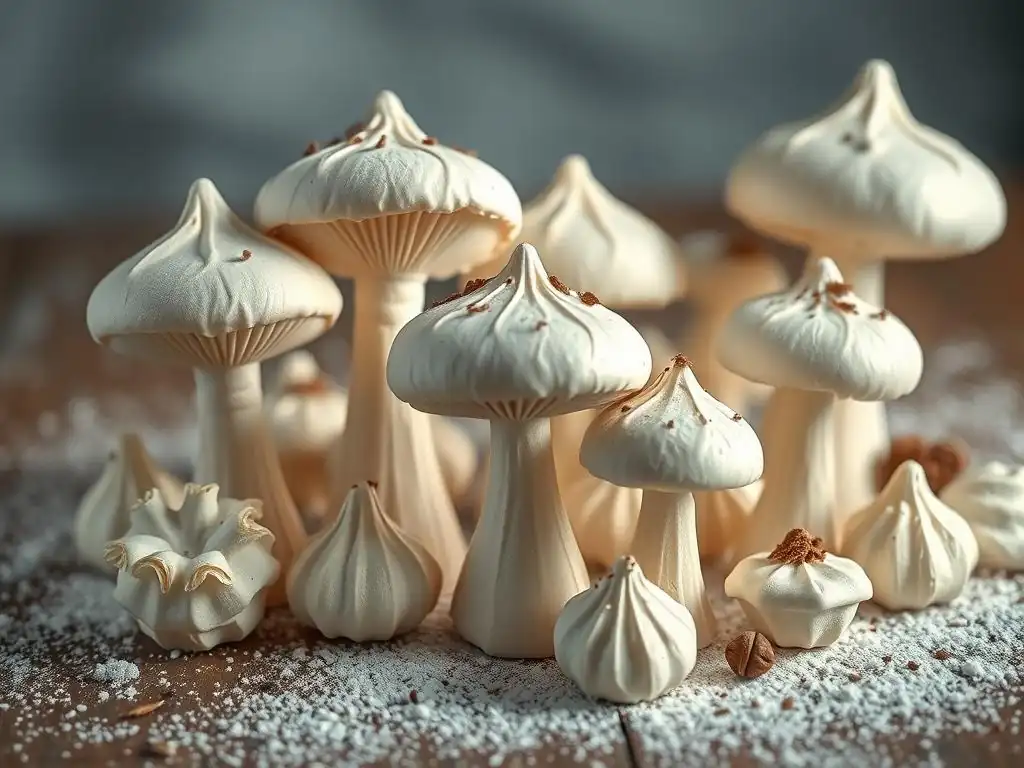
Meringue mushrooms are charming, whimsical decorations often used on festive cakes, particularly Bûche de Noël (Yule Log). They are made from baked French meringue, shaped to resemble mushroom caps and stems, and then assembled. They are relatively simple to make but add a delightful, professional touch to your baked goods.
Making meringue mushrooms is a specific application of creative meringue recipes using leftover egg whites that combines piping skills with low-temperature baking. The process involves piping two distinct shapes: small dome-like caps and slender stem shapes onto a baking sheet. These are then baked until crisp. While they require a bit more hands-on shaping and assembly than simple cookies, the result is an edible decoration that is both cute and delicious.
Shaping and Baking Meringue Mushrooms
To shape meringue mushrooms, use a pastry bag fitted with a plain round tip. For the caps, pipe small domes onto a parchment-lined baking sheet. For the stems, pipe short, thick logs or tapering cylinders. You can give the stems a slightly pointed bottom if desired. Ensure you pipe slightly more stems than caps, as some may break during handling or assembly.
Bake the meringue shapes in a very low oven, typically around 200°F (90°C), until they are completely dry and crisp, which can take 60-90 minutes or longer depending on size. They should be easy to lift from the parchment and feel light and hollow. Allow them to cool completely on the baking sheet before attempting to assemble them.
Assembling Your Meringue Mushroom Forest
Assembling the meringue mushrooms involves attaching the baked caps to the baked stems. The most common method is to use a small amount of melted chocolate or royal icing as "glue." Dip the flat bottom of a meringue stem into the melted chocolate or icing, then attach it to the underside center of a meringue cap. Hold it in place for a few seconds until it adheres.
Once assembled, you can dust the caps with cocoa powder using a fine sieve to give them a more realistic, earthy look. Arrange your meringue mushroom forest on your cake or dessert to create an enchanting scene. These delicate decorations are a testament to the artistic possibilities within creative meringue recipes using leftover egg whites.
Meringue Swirls: Cake Decorations
Beyond full mushrooms, simple meringue swirls offer an elegant and easy way to decorate cakes, cupcakes, or other pastries. Piped directly onto the baked good or onto a baking sheet to be baked separately and then placed on the cake, these swirls add height, texture, and a touch of sweetness. Using different piping tips can create various effects, from classic rosettes to intricate ruffles.
Baked meringue swirls are crisp and airy, providing a delightful textural contrast to soft cakes or creamy frostings. They are particularly effective on desserts that might be too delicate for heavier decorations. Plus, they are relatively quick to make and bake compared to larger meringue items, making them a convenient option for adding a flourish using leftover egg whites.
Piping Techniques
Achieving beautiful meringue swirls is all about piping technique. Use a sturdy pastry bag and choose your tip based on the desired effect. A large open star tip (like an Ateco 826 or Wilton 1M) is perfect for classic rosettes and swirls. A plain round tip can create smooth domes or ropes.
Fill the bag with your prepared meringue (Swiss or Italian often work best for piping decorations that won't be fully dried out, though French can also be used if baking until crisp). Hold the bag upright, perpendicular to the surface, and apply steady pressure while piping in a circular or swirling motion, starting from the center and working outwards, or vice versa. Practice on parchment paper first to get a feel for the pressure needed.
Coloring Your Meringue
Adding color to meringue can make your decorations even more vibrant and eye-catching. The best way to color meringue is using gel or powder food coloring. Liquid food coloring can add too much moisture, which can destabilize the meringue structure and prevent it from whipping properly or drying out correctly when baked.
Add the color after the meringue has reached stiff peaks. Start with a small amount and gently fold or whip it in until the desired shade is achieved. For marbled effects, you can stripe the inside of the piping bag with streaks of gel color before filling it with white meringue. This allows for even more creative expression within your creative meringue recipes using leftover egg whites.
Advanced Meringue Techniques & Flavor Combinations
Taking your meringue skills further involves exploring techniques like torching and incorporating various flavors directly into the mix, adding new dimensions to your creative meringue recipes using leftover egg whites.
Torched Meringue: Adding Smoky Flavor
Torching meringue is a popular technique, especially for toppings on pies, tarts, or baked Alaska. While traditional French meringue can be torched, Italian or Swiss meringue is generally preferred because the egg whites are already cooked, making the meringue safe to eat without further baking. Using a kitchen torch, you can quickly brown the peaks of the meringue, adding visual appeal and a delightful slightly smoky, caramelized flavor.
Hold the torch a few inches away from the meringue and move the flame constantly to achieve even browning and prevent burning. The high sugar content in the meringue caramelizes quickly under the heat, creating beautiful golden-brown tips. This technique adds a professional finish and a subtle depth of flavor that complements the sweetness of the meringue, elevating simple creative meringue recipes using leftover egg whites into gourmet delights.
Chocolate Meringue
Adding chocolate flavor to meringue is a simple way to transform the basic recipe into a decadent treat. This is typically done by incorporating cocoa powder into the meringue mixture. The cocoa powder replaces a small amount of the sugar or is folded in at the end.
Adding Cocoa Powder
To make chocolate meringue, use unsweetened cocoa powder. Sift the cocoa powder to remove any lumps. It can be whisked with the sugar before adding it to the egg whites, or gently folded into the finished meringue just before piping or spreading. A common ratio is about 1-2 tablespoons of cocoa powder per large egg white, adjusting slightly based on desired intensity. Be careful not to overmix once the cocoa is added, as this can deflate the meringue. The cocoa powder adds a subtle bitterness that balances the sweetness and yields beautiful brown meringues.
Coffee Meringue
For coffee lovers, incorporating coffee flavor into meringue offers another delicious variation. This is typically achieved by adding espresso powder or very finely ground instant coffee. Like cocoa, it's best added at the end or whisked with the sugar.
Using Espresso Powder
Espresso powder is ideal for coffee meringue as it is finely ground and dissolves easily. About 1-2 teaspoons of espresso powder per large egg white is a good starting point, but adjust to your taste. You can dissolve the powder in a tiny amount of hot water (just a few drops) or alcohol (like coffee liqueur) before adding it, or whisk it directly with the sugar before gradually adding the sugar to the egg whites. Coffee meringue pairs wonderfully with chocolate or caramel flavors.
Citrus Meringue
Adding citrus zest or extract brings a bright, refreshing note to meringue, cutting through some of the sweetness. Lemon, lime, and orange are all excellent choices.
Lemon, Lime, and Orange Variations
Citrus zest is particularly effective as it contains flavorful oils without adding excess liquid. Finely grate the zest of a lemon, lime, or orange and gently fold it into the finished meringue. For a more intense flavor, a small amount of pure citrus extract can be used, but be mindful of the liquid content. About 1 teaspoon of zest or 1/2 teaspoon of extract per large egg white is usually sufficient. The bright notes of citrus make for wonderfully light and zesty creative meringue recipes using leftover egg whites.
Storing and Enjoying Your Meringue Creations
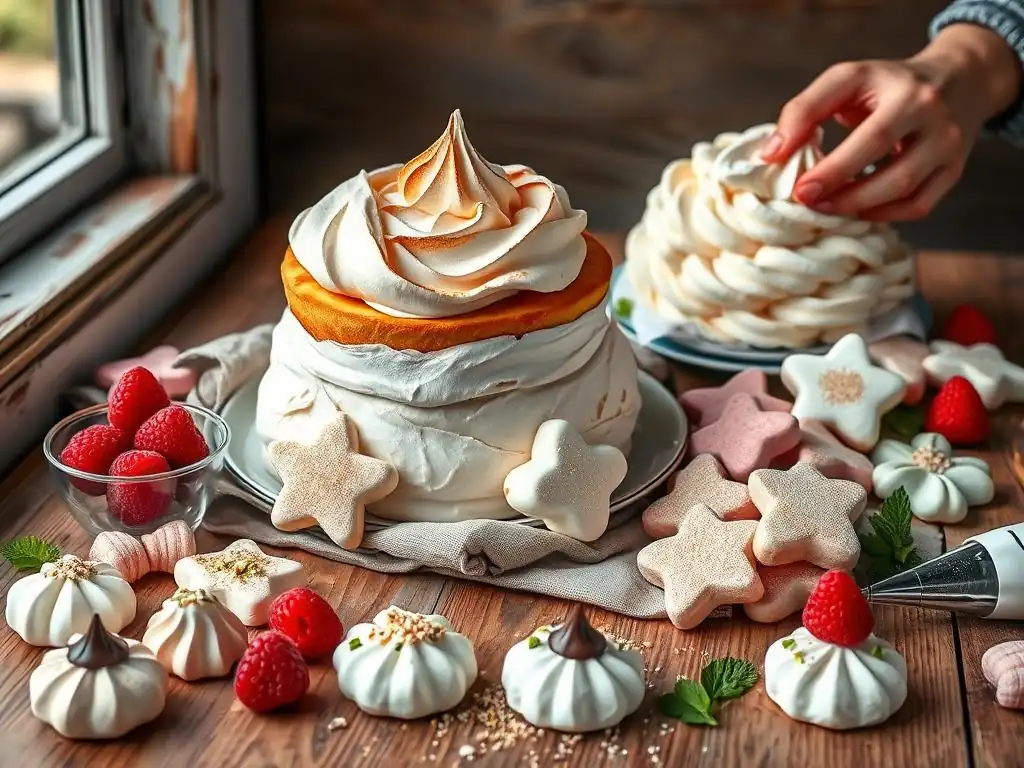
Proper storage is crucial for maintaining the crisp texture of baked meringues. Due to their high sugar content and dry nature, they are highly susceptible to absorbing moisture from the air, which will make them sticky and chewy.
Proper Storage
Once completely cooled, baked meringues should be stored in an airtight container. A metal tin or plastic container with a tight-fitting lid works best. Place parchment paper between layers if stacking different shapes to prevent them from sticking or breaking. Store the container in a cool, dry place, like a pantry shelf, not the refrigerator, as the cold environment can introduce moisture.
When stored correctly, meringue cookies and decorations can last for several days, often up to a week, while maintaining their crispness. Pavlova bases are best used within a day or two of baking, as their soft center can become more susceptible to moisture over time. Always check for texture before serving; if they've gone soft, they can sometimes be briefly re-baked at a very low temperature (around 200°F / 90°C) for 15-20 minutes to crisp them up again.
Serving Suggestions
Beyond eating them plain, your creative meringue recipes using leftover egg whites can be enjoyed in numerous ways. Crumble crisp meringue cookies over ice cream, yogurt, or fruit salad for added texture and sweetness. Use meringue kisses as edible garnishes on cakes, cupcakes, or plated desserts.
Pavlova, of course, is a complete dessert when topped with whipped cream and fruit. Meringue mushrooms are perfect for decorating woodland-themed cakes or holiday logs. You can also use larger baked meringue pieces as layers in a trifle or break them up to create an Eton Mess style dessert with whipped cream and berries. The possibilities are limited only by your imagination!
Conclusion: Embrace Meringue Magic
Elevating Baking with Meringue.
Using leftover egg whites to create meringues is a delightful and rewarding aspect of baking. It allows you to transform a simple byproduct into a range of beautiful, delicious, and texturally interesting treats. From classic crisp cookies and charming mushroom decorations to impressive Pavlovas and flavored swirls, the versatility of meringue is truly remarkable.
By mastering the basics of meringue making and exploring various techniques and flavors, you can elevate your baking and reduce kitchen waste simultaneously. So, the next time you find yourself with extra egg whites, don't let them go to waste. Embrace the magic of meringue and try out some of these creative meringue recipes using leftover egg whites to add a touch of airy sweetness and elegance to your culinary creations.
Frequently Asked Questions
What are some creative uses for leftover egg whites besides making a pie topping?
Meringues are incredibly versatile! You can create meringue cookies, pavlovas, or even use them to lighten up cakes and mousses. Experiment with different flavors and shapes!
Can I freeze leftover egg whites for later meringue recipes?
Yes, you can! Freezing egg whites is a great way to store them. Just thaw them completely in the refrigerator before using and bring them to room temperature for best results.
What is the key to achieving stiff peaks when whipping egg whites for meringue?
Ensure your bowl and whisk are completely clean and free of any grease. Adding a pinch of cream of tartar can also help stabilize the egg whites and achieve stiff, glossy peaks.
What kind of sugar is best for making meringues, and why?
Granulated sugar is generally recommended. It dissolves gradually into the egg whites, creating a stable and smooth meringue texture. Avoid powdered sugar, as it can sometimes lead to a grainy result.
How can I add flavor and color to my meringue recipes made with leftover egg whites?
Incorporate extracts like vanilla, almond, or lemon for flavor. For color, use gel food coloring sparingly. Liquid food coloring can thin the meringue mixture.
Final Reflection: Unlocking the Sweet Potential of Leftover Egg Whites
The humble egg white, often discarded, holds a surprising culinary power. This article has explored the transformative potential of those often-overlooked egg whites, demonstrating that they are far from kitchen waste, but rather, the key ingredient to a world of delicious meringue possibilities beyond the classic pie topping. We've moved beyond the basics, showcasing innovative and exciting recipes that breathe new life into a common kitchen byproduct.
The impact of simple resourcefulness, like utilizing leftover egg whites, extends beyond the individual kitchen. It speaks to a larger cultural shift towards mindful consumption and reducing food waste. This conscious approach, while seemingly small, contributes to a more sustainable and responsible culinary practice. Waste not, want not,
an old adage, rings truer than ever in today's world, reminding us to appreciate the full potential of every ingredient. This exploration of meringue recipes is a testament to that principle, proving that creativity can flourish even in the most unexpected places.
Now, it's your turn. Consider the next time you separate eggs for a recipe. Don't let those egg whites go to waste! Embrace the challenge, experiment with the recipes outlined in this article, and discover the joy of transforming a simple leftover into a delightful treat. Let your creativity soar, and unlock the sweet potential hidden within those seemingly insignificant egg whites. You might just surprise yourself with the delicious results.
Unlock Your Egg White Potential: Meringue Magic Awaits!
Thanks for exploring the wonderful world of leftover egg white possibilities! You've now got the know-how to transform those often-discarded whites into delicious treats. Ready to put your newfound skills to the test?
- Master the Art of the Meringue: Dive deeper into the science and art of perfect meringue making with our comprehensive guide. Experiment with different flavors and techniques!
- Share Your Sweet Successes: Show off your meringue masterpieces! Tag us on social media and inspire others with your creations.
- Challenge Yourself: Try a meringue recipe you've never attempted before! From pavlovas to macarons, the possibilities are endless.
What unexpected meringue flavor combination will you create next?