
Why Your Bread Tastes Like Just Flour (And How to Add Flavor)

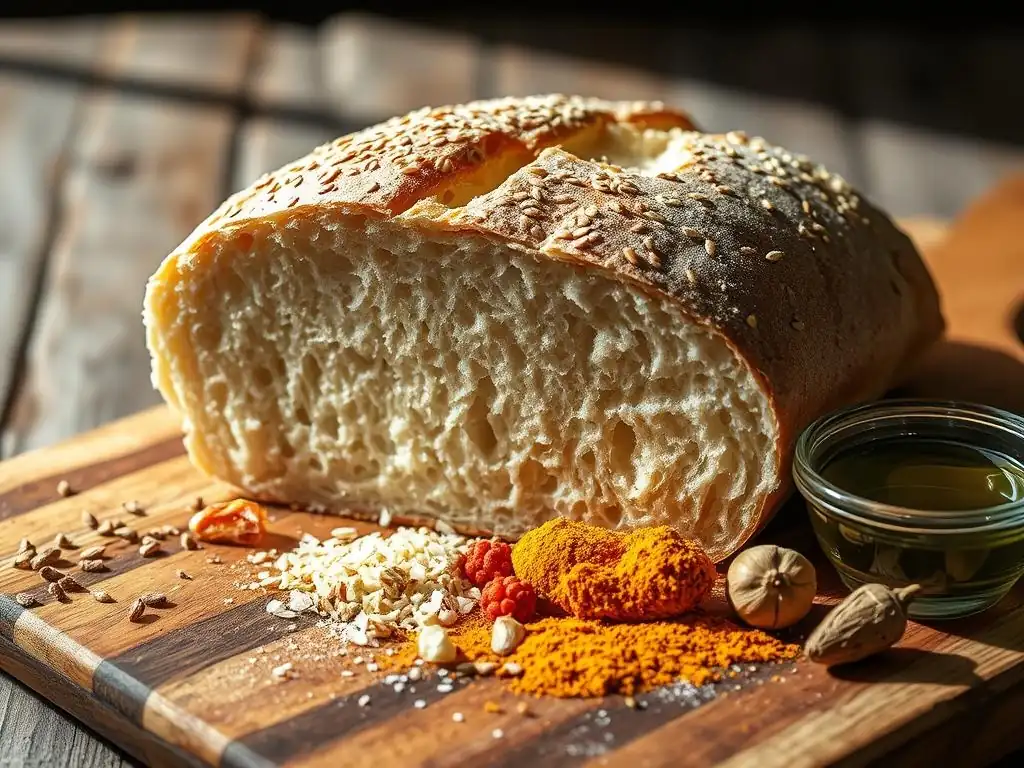
Welcome to BakeWithEase, your trusted guide to baking bliss! Ever wondered why your homemade bread falls flat, tasting more of raw flour than a delightful, flavorful loaf? You're not alone. Dive into our latest article, " Why Your Bread Tastes Like Just Flour (And How to Add Flavor)," and unlock the secrets to achieving that perfect, bakery-worthy taste. Discover simple tweaks and clever techniques that will transform your baking, leaving you with bread so delicious, you'll never buy store-bought again! Intrigued? Let's get baking!
- Why Your Sourdough Bread Tastes Bland (And How to Add Tang)
- Understanding the Bland Sourdough Problem: Why Doesn't My Sourdough Taste Sour?
- Troubleshooting: Common Reasons for Bland Sourdough
- Bland Sourdough Fix: Practical Solutions for Better Tang
- Beyond the Basics: Adding Complexity to Your Sourdough
- Bake With Ease: Preventing Bland Sourdough in the Future
-
Frequently Asked Questions
- Why does my homemade bread sometimes taste only of flour?
- How can I enhance the flavor of my bread beyond just flour?
- Does the type of flour I use affect the flavor of my bread?
- What role does the sourdough starter play in developing bread flavor?
- Can I use techniques other than fermentation to improve my bread's flavor?
- Final Reflection: Beyond the Bland: Reclaiming the Joy of Bread
- Unlock Your Bread's Flavor Potential!
Why Your Sourdough Bread Tastes Bland (And How to Add Tang)
Understanding the Bland Sourdough Problem: Why Doesn't My Sourdough Taste Sour?
Many home bakers excitedly pull their first sourdough loaf from the oven, only to find the crumb lacks the signature tang they were hoping for. Instead of a complex, slightly acidic flavor profile, they might encounter a taste that is simply... floury. This absence of the desired sourness is a common challenge, and it often leaves bakers wondering if their starter is truly active or if they've missed a crucial step in the process. Understanding the root causes is the first step towards achieving that perfect balance of flavors.
Achieving the characteristic tang in sourdough isn't just about having a bubbly starter; it's a delicate interplay of microbial activity, time, and temperature. When your bread tastes like just flour, it often signals that the lactic acid bacteria and wild yeasts in your starter haven't had the optimal conditions to produce the organic acids responsible for the sour flavor. This can lead to a disappointing finish, a kind of floury bread flavor fix is needed to elevate the taste beyond mere cooked flour.
Identifying the Root Cause of Bland Sourdough
The primary culprit behind bland sourdough is often insufficient production of lactic and acetic acids during fermentation. Your sourdough starter is a complex ecosystem of wild yeasts and lactic acid bacteria (LAB). The yeasts produce the carbon dioxide that makes your bread rise, while the LAB produce the acids that give sourdough its characteristic flavor profile. If the conditions aren't right for the LAB to thrive and produce these acids in sufficient quantities, your final loaf will lack tang.
Factors like the temperature of your kitchen, the hydration level of your starter and dough, the feeding ratio of your starter, and the type of flour used can all influence the balance and activity of the microbes. For instance, warmer temperatures (around 24-28°C or 75-82°F) tend to favor lactic acid production, resulting in a milder, yogurt-like tang, while cooler temperatures (below 20°C or 68°F) can favor acetic acid production, leading to a sharper, vinegar-like tang. A bland loaf often means neither type of acid developed adequately.
The Impact of Starter Activity on Bread Taste
A vigorous, well-maintained sourdough starter is fundamental to flavorful bread. A starter that isn't active enough, perhaps due to inconsistent feeding or incorrect ratios, won't have the microbial strength to properly ferment the dough and develop flavor. If your starter struggles to double or triple in volume within 4-8 hours after feeding, it might be too weak to impart significant tang to your bread. The yeasts might produce enough gas for rise, but the LAB activity, crucial for acidity, could be lagging.
Think of your starter as the engine of flavor production. If this engine is sputtering, it won't be able to power the complex chemical reactions needed to transform simple flour and water into a loaf with depth and character. A weak starter results in slow fermentation, which in turn means less time for acid development. This directly contributes to that undesirable floury bread flavor fix situation where the taste is predominantly just cooked flour.
Is Your Dough Properly Fermented? The Fermentation Factor in Sourdough
Beyond the starter itself, the fermentation process of the dough is paramount. Sourdough fermentation typically involves two main stages: bulk fermentation (the first rise) and proofing (the final rise before baking). The duration and temperature of these stages significantly impact the development of acids and other flavor compounds. Under-fermented dough is a major reason for a lack of tang and a dense, sometimes gummy texture.
During bulk fermentation, the dough develops structure and flavor. This is where the bulk of acid production happens. If this stage is cut short, or if the temperature is too low, the LAB won't have enough time to work their magic. Similarly, while proofing contributes less to acidity than bulk fermentation, it's still part of the overall flavor development. A dough that hasn't fermented sufficiently through these stages will inevitably taste flat and lack the signature sourness, presenting the common issue of a floury bread flavor fix being needed.
Troubleshooting: Common Reasons for Bland Sourdough
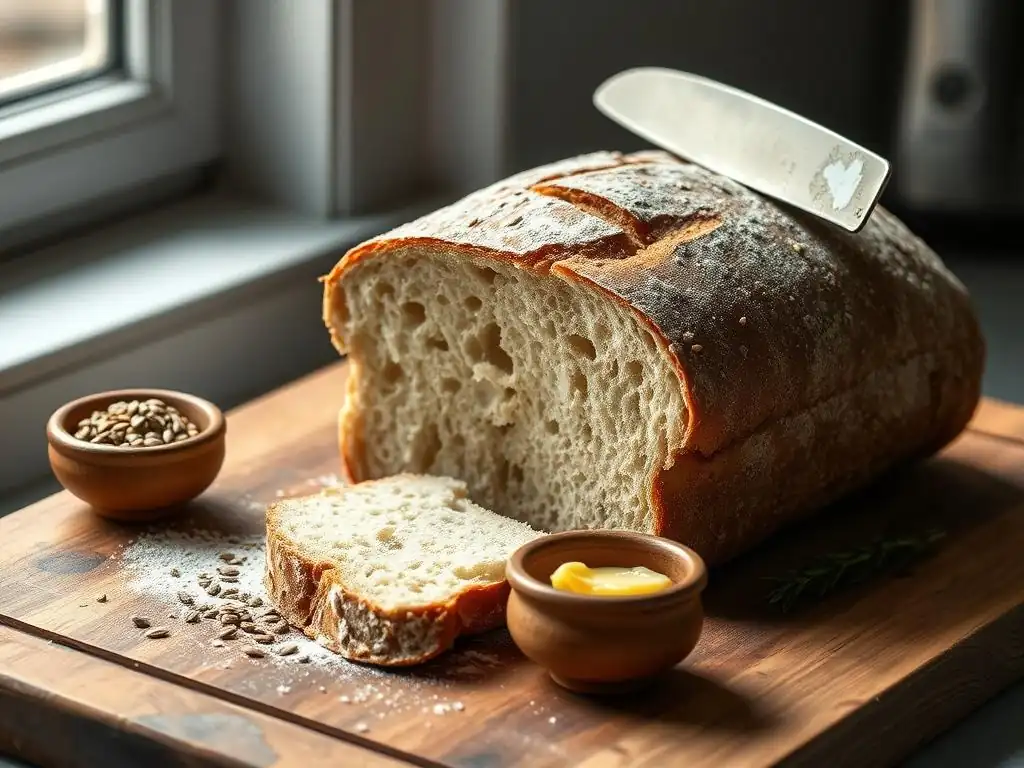
Identifying the specific issue causing your bland sourdough is key to fixing it. While several factors can contribute, some are more common than others. Often, the problem lies within the health and activity of your starter or the conditions under which your dough is fermenting. By systematically evaluating these areas, you can pinpoint the culprit and make targeted adjustments to improve your bread's flavor profile.
It's helpful to keep a baking journal. Note down your starter's feeding schedule and rise times, the ambient temperature of your kitchen, the hydration of your dough, and the duration and temperature of your bulk fermentation and proofing stages. Reviewing these details after a bake can help you identify patterns and isolate variables that might be contributing to a floury bread flavor fix.
Inactive Starter: Reviving a Weak Starter
A starter that consistently fails to double within a reasonable timeframe (e.g., 4-8 hours after feeding with a 1:1:1 ratio of starter:water:flour at room temperature) is likely inactive or weak. This weakness translates directly to less vigorous fermentation in your dough and, consequently, less flavor development. A common cause is inconsistent or infrequent feeding, which starves the microbes.
To revive a weak starter, try feeding it more frequently, perhaps twice a day, with a consistent ratio, like 1:2:2 (1 part starter, 2 parts water, 2 parts flour) by weight. Use lukewarm water (around 25-28°C or 78-82°F) to encourage microbial activity. Discard most of the starter before feeding, leaving only a small amount (e.g., 20-30 grams) to ensure the fresh food is consumed quickly. Within a few days to a week of consistent, frequent feeding, you should see increased activity and a more robust rise, which is essential for preventing a floury bread flavor fix.
Insufficient Fermentation Time: Under-Fermented Sourdough Problems
Under-fermentation is perhaps the most frequent cause of bland, dense sourdough. Yeast activity might be sufficient to give some rise, but the slower-working lactic acid bacteria need more time to produce flavor. If your bulk fermentation is too short, or the ambient temperature is too cool, the dough won't develop enough acidity. A common sign of under-fermentation is dough that still feels very dense and hasn't increased significantly in volume (aim for a 30-50% increase, sometimes more depending on hydration and temperature) by the end of bulk fermentation.
Extending the bulk fermentation time is often the simplest solution. If your recipe calls for 4 hours at room temperature (say, 22°C or 72°F) and your kitchen is cooler, you might need 6-8 hours or even longer. Alternatively, placing the dough in a slightly warmer spot (like an oven with the light on, reaching perhaps 24-26°C or 75-79°F) can accelerate fermentation.
Learn to rely on visual cues (dough volume increase, presence of bubbles) and the "poke test" rather than strictly adhering to time, as fermentation speed varies greatly with temperature and starter strength. This is critical for avoiding the floury bread flavor fix.
Incorrect Hydration: Achieving the Right Dough Consistency
While not as direct a cause of blandness as fermentation issues, incorrect hydration can impact dough structure and potentially affect fermentation dynamics. Very low hydration doughs (below 65-70%) can ferment more slowly and may not develop structure as easily, potentially leading to a denser crumb which can feel more floury. Conversely, excessively high hydration doughs (above 80-85%) can be difficult to handle and manage, sometimes masking fermentation progress.
Finding the right hydration for your flour and comfort level is important. Higher hydration can sometimes promote slightly faster fermentation and a more open crumb, which can enhance the perception of flavor. However, the primary impact of hydration is on dough handling and texture, not the core biochemical production of acids. Ensure your dough hydration aligns with your recipe and your ability to handle the dough effectively. A dough that is too stiff might hinder microbial movement, while one that is too wet might collapse if not properly fermented and proofed.
Bland Sourdough Fix: Practical Solutions for Better Tang
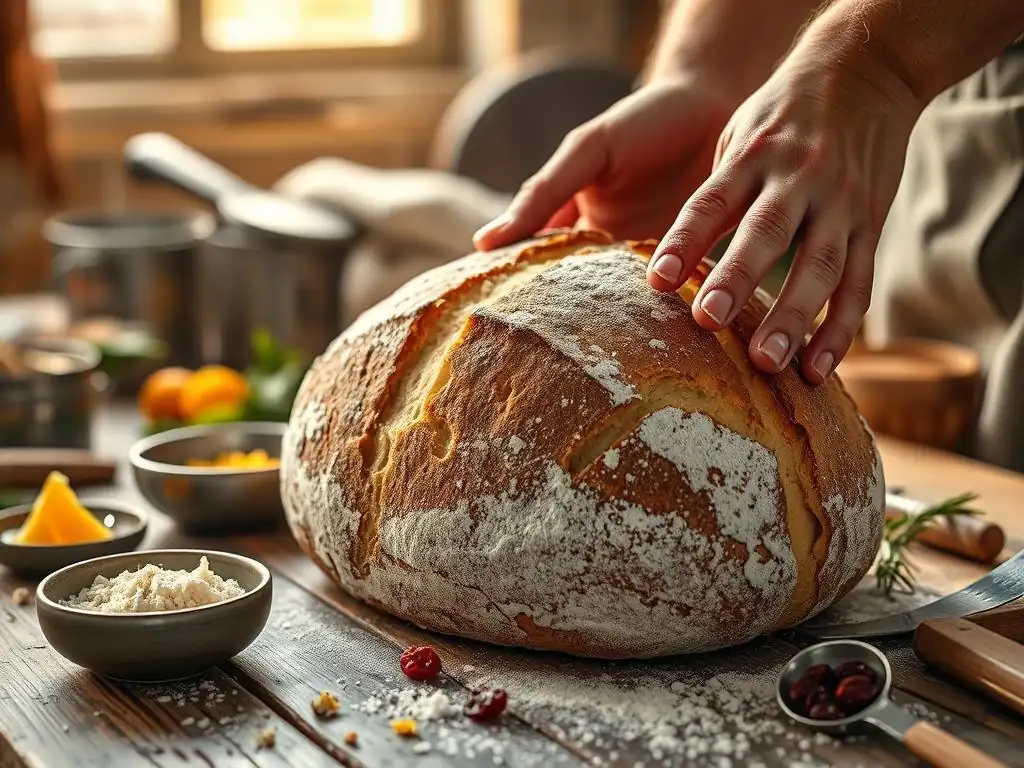
Now that we've explored the potential reasons behind a lack of tang, let's look at actionable steps you can take to improve your sourdough's flavor. Implementing these solutions requires patience and observation, but the reward is a loaf with a significantly more complex and satisfying taste profile, moving away from that simple floury bread flavor fix.
Remember that sourdough baking is an art as much as a science. Small adjustments can have noticeable impacts. Be prepared to experiment and find what works best with your specific starter, flour, and kitchen environment. Consistency in your process will yield more consistent results.
Solution 1: Strengthening Your Sourdough Starter
A healthy, active starter is the cornerstone of flavorful sourdough. If you suspect your starter is weak, focus on reviving and maintaining its vigor. This involves consistent feeding and observing its behavior. A strong starter will double or triple reliably, have a pleasant, slightly acidic aroma (not overly yeasty or like nail polish remover), and be full of bubbles.
Strengthening your starter is the most impactful floury bread flavor fix you can address at the source. By ensuring your starter culture is thriving, you provide the foundation for robust fermentation and acid production in your dough. This proactive approach is far more effective than trying to compensate later in the baking process.
Tips for Feeding: Consistent Feeding Schedules and Ratios
Consistency is key when feeding your starter. Aim for a regular schedule, ideally feeding it when it's peaked or just starting to fall after its previous feeding. For a starter kept at room temperature and used frequently, daily feeding is common. If you keep it in the fridge, feed it weekly and revive it with 2-3 room temperature feedings before baking.
Using a consistent feeding ratio is also crucial. Many bakers use 1:1:1 (starter:water:flour by weight) for maintenance, but a 1:2:2 or even 1:3:3 ratio can help strengthen a weak starter by providing more food relative to the microbial population. Use good quality flour, preferably a mix of bread flour and whole wheat or rye, as these provide more nutrients for the microbes. Ensure your water is non-chlorinated, as chlorine can inhibit microbial activity.
Solution 2: Adjusting Fermentation Time and Temperature for Optimal Sourness
Fermentation time and temperature are the primary levers for controlling sourdough tang. Longer fermentation times generally lead to more acid production, resulting in a tangier loaf. However, this needs to be balanced with dough strength – over-fermented dough can collapse. Temperature also plays a significant role; cooler temperatures favor acetic acid (sharp tang), while warmer temperatures favor lactic acid (mellow tang).
Experiment with extending your bulk fermentation. Instead of aiming for a specific time, watch the dough. Has it increased in volume by 30-50%? Are there visible bubbles? Does it feel lighter and more airy? If not, give it more time. Consider using a proofer or your oven with the light on to maintain a consistent temperature around 24-26°C (75-79°F) for bulk fermentation, which promotes a good balance of flavor development.
Bulk Fermentation: Controlling Temperature for Flavor Development
Controlling the temperature during bulk fermentation allows you to steer the flavor profile. For a tangier loaf with more acetic acid, try fermenting at a cooler room temperature, perhaps 20-22°C (68-72°F), for a longer period (e.g., 8-12 hours). This slower fermentation gives the acetic acid bacteria more time to work.
For a milder, more balanced tang from lactic acid, aim for a warmer bulk fermentation temperature, around 24-28°C (75-82°F). This warmer environment accelerates the metabolism of lactic acid bacteria. You can achieve this by using a proofing box, placing the dough in a warm part of your kitchen, or using an oven with the light on. Monitoring the dough's progression is key, as warmer temperatures mean fermentation will be faster.
Solution 3: Using Different Flours to Enhance Sourness
The type of flour you use can significantly impact the flavor of your sourdough. Different flours contain varying levels of nutrients and enzymes that affect microbial activity and the resulting flavor compounds. Using flours other than just white bread flour can be an effective floury bread flavor fix.
Incorporating a percentage of whole grain flours, especially rye or whole wheat, can boost the tang. These flours contain more diverse microbial populations and complex carbohydrates that the LAB can ferment. Even using a small amount (e.g., 10-20%) of a whole grain flour in your dough mix or your starter's feeding regimen can make a noticeable difference in the final flavor complexity and acidity.
Rye Flour: Increasing Acidity and Flavor
Rye flour is particularly known for promoting acidity in sourdough. It contains enzymes that break down starches into simpler sugars, providing readily available food for the microbes. Rye also has a higher concentration of certain LAB strains that contribute significantly to sourness.
Adding even a small percentage of rye flour to your starter feeding (e.g., using 10-20% rye and the rest bread flour) can make it more vigorous and tangy. Similarly, substituting 10-20% of the white flour in your bread recipe with rye flour will introduce more complex flavors and increase the potential for acid development during fermentation. This is a simple yet effective floury bread flavor fix for adding depth.
Beyond the Basics: Adding Complexity to Your Sourdough
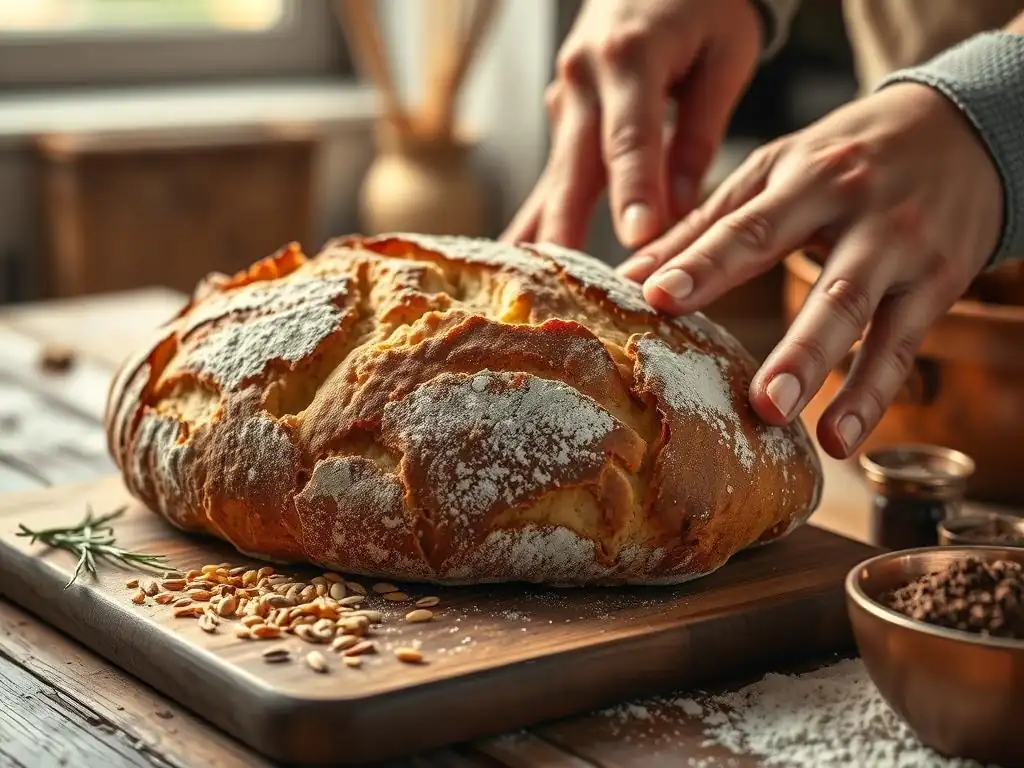
Once you've mastered the fundamentals of starter health and fermentation control, you can explore additional techniques to further enhance the flavor and complexity of your sourdough bread. These methods build upon the foundation of proper fermentation and offer ways to layer in additional dimensions of taste and texture, moving far beyond a simple floury bread flavor fix.
These advanced techniques allow for greater creativity and personalization in your baking. Don't be afraid to experiment with different approaches and see how they influence your final loaf.
Incorporating Whole Grains: Enhancing Flavor and Texture
As mentioned earlier, whole grains are flavor powerhouses. Beyond just rye, incorporating other whole grain flours like whole wheat, spelt, or einkorn into your dough adds nutty, earthy, and sweet notes that complement the sourdough tang. Whole grains also absorb water differently and contribute more fiber, which can affect crumb structure and keeping quality.
Start by substituting a small percentage (e.g., 15-30%) of your white flour with a whole grain flour. Observe how the dough handles and ferments, as whole grains can accelerate fermentation due to their higher enzyme content. Adjust hydration as needed, as whole grains typically require more water. The result is a loaf with a richer color, a more complex flavor profile, and a satisfying texture.
Using Different Hydration Levels: Exploring Dough Consistency
Varying the hydration level of your dough can influence both texture and, subtly, flavor development. Higher hydration doughs (75-85% or more) tend to have a more open, airy crumb, which can make the tang more apparent. The extra water might also facilitate microbial activity and nutrient transport within the dough.
Experimenting with hydration requires adjusting your handling techniques, as wetter doughs are stickier. However, mastering higher hydration can unlock new textures and potentially enhance flavor perception. Conversely, slightly lower hydration doughs can offer a tighter crumb and different handling properties, suitable for different bread styles.
Enhancing Flavor with Add-Ins: Seeds, Herbs, and Cheese
While the core sourdough flavor comes from fermentation, incorporating add-ins can introduce exciting new dimensions. Seeds like poppy, sesame, sunflower, or flax add crunch and nutty flavors when toasted. Fresh or dried herbs like rosemary or thyme can infuse the bread with aromatic notes.
Cheese, especially aged or hard varieties like cheddar or Parmesan, can add savory depth and richness. Mix-ins should generally be added during the final stages of mixing or during the first fold. The possibilities are vast, allowing you to create unique loaves tailored to your taste preferences and solving the need for a floury bread flavor fix by adding intentional, delicious flavors.
Bake With Ease: Preventing Bland Sourdough in the Future
Preventing bland sourdough is much easier than trying to fix it after the fact. By focusing on a few key areas – your starter's health, proper fermentation, and thoughtful ingredient selection – you can consistently bake flavorful loaves with that coveted sourdough tang.
Embrace the learning process. Each bake is an opportunity to understand your starter and dough better. Pay attention to the look, feel, and smell at every stage, and don't be discouraged by less-than-perfect results.
Mastering the Art of Sourdough Baking: Key Takeaways
Achieving great sourdough flavor boils down to nurturing your starter and allowing sufficient time for fermentation. A healthy, active starter fed consistently provides the necessary microbial power. Understanding how temperature and time influence fermentation allows you to control the tang level, moving away from a floury bread flavor fix towards intentional acidity.
Incorporating whole grains and experimenting with hydration and add-ins can further elevate your bread. Practice makes perfect, and by paying attention to these fundamental principles, you'll consistently produce delicious, flavorful sourdough bread that is far from bland.
Explore More Sourdough Techniques and Recipes
Dive deeper into the world of sourdough by exploring different techniques. Try autolysing your dough, experimenting with different folding methods, or playing with varying proofing times and temperatures (including cold proofing in the refrigerator, which can significantly increase tang).
BakeWithEase.com offers a wealth of resources, from beginner guides to advanced recipes. Continue learning, experimenting, and most importantly, enjoying the process of creating beautiful, flavorful sourdough bread right in your own kitchen.
Frequently Asked Questions
Why does my homemade bread sometimes taste only of flour?
A lack of proper fermentation is often the culprit. Insufficient time allows the flour flavor to dominate, rather than developing complex flavors. Proper kneading and proofing are crucial.
How can I enhance the flavor of my bread beyond just flour?
You can incorporate ingredients like herbs, spices, cheese, or seeds into your dough. Also, consider adjusting the hydration level for a chewier texture and richer taste.
Does the type of flour I use affect the flavor of my bread?
Yes, definitely! Different flours have distinct flavor profiles. Using high-quality bread flour or experimenting with whole wheat or rye flour can dramatically impact the taste.
What role does the sourdough starter play in developing bread flavor?
A well-maintained sourdough starter introduces beneficial bacteria and yeast that produce acids and complex flavors. It's a natural fermentation agent that adds depth and tang.
Can I use techniques other than fermentation to improve my bread's flavor?
Absolutely! Try autolysing the dough (mixing flour and water before adding yeast) to develop gluten and enhance flavor. Also, consider baking at a higher temperature for a crustier and more flavorful loaf.
Final Reflection: Beyond the Bland: Reclaiming the Joy of Bread
The pervasive problem of floury bread isn't just a culinary inconvenience; it's a missed opportunity to experience the true magic of baking. Millions of home bakers struggle with this issue, leaving them frustrated and potentially disillusioned with the craft. This article has explored the common culprits behind bland bread—from improper hydration and fermentation to the overlooked nuances of ingredient selection—and offered practical solutions to transform those disappointing loaves into flavorful masterpieces.
The quest for perfectly textured and flavorful bread is a journey that reflects our deeper connection to food and tradition. It's a pursuit that transcends mere sustenance; it's about creating something nourishing and delicious from simple ingredients, a process that connects us to generations past. Bread is the staff of life,
as the saying goes, and a truly satisfying loaf is more than just sustenance; it's a celebration of craftsmanship and the simple pleasures of home baking. This pursuit, and the frustration of a floury loaf, speaks to a deeper human need for connection and creativity.
Now, consider your own baking journey. What have you learned from exploring the techniques and tips outlined in this article? Don't let the fear of a floury loaf deter you. Experiment with different flours, adjust your hydration, and embrace the process of fermentation. Each loaf, whether a triumph or a learning experience, brings you closer to mastering the art of bread making and unlocking the profound satisfaction of creating something truly delicious from scratch. The journey is as important as the destination, and the taste of a perfectly baked loaf is a reward worth striving for.
Unlock Your Bread's Flavor Potential!
Thanks for taking the time to learn how to elevate your bread baking! You've now discovered the secrets to truly delicious homemade loaves. Ready to put your new knowledge into practice?
- Master the Art of Flavor Infusion: Experiment with different herbs, spices, or even fruits in your next batch – try adding rosemary and sea salt, or sun-dried tomatoes and olives! This is your chance to unleash your creativity.
- Share Your Baking Triumphs: Post a picture of your improved loaf on social media and tag us @BakeWithEase – we'd love to see your delicious creations!
- Dive Deeper into Bread Science: Explore our other articles on advanced bread-making techniques to further hone your skills.
What unique flavor combination will you try first to transform your bread from bland to grand?