
Butter Quality Matters: The Impact of Butter on Croissant Texture and Flavor

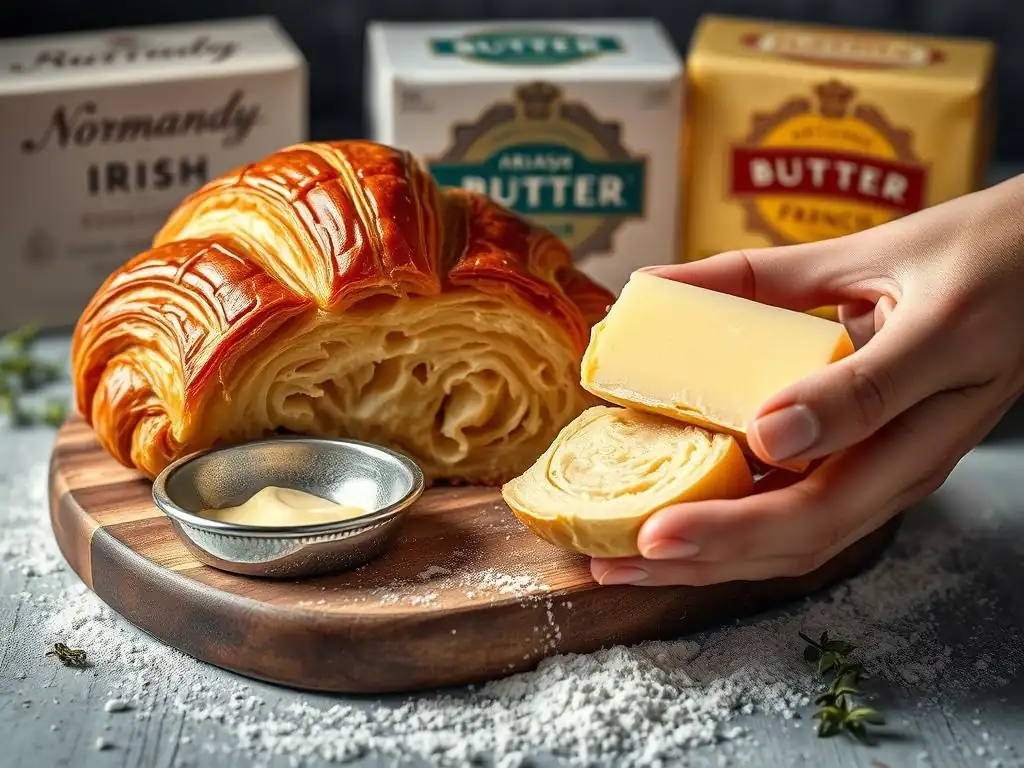
Welcome to BakeWithEase, where baking becomes a joy, not a chore! Ever wondered why some croissants are exquisitely flaky while others fall flat? The secret often lies in a single ingredient: butter. Today, we delve into the crucial topic of the best butter for croissants, exploring how its quality profoundly impacts both texture and flavor. Prepare to unlock the secrets to achieving croissant perfection – are you ready to elevate your baking game?
- Introduction: Why High-Quality Flour Matters for Perfect Croissants
- Understanding Flour Types and Their Impact on Croissant Baking
- The Best Flour for Croissants: Key Characteristics to Look For
- How Flour Quality Affects Croissant Texture
- How Flour Quality Impacts Croissant Flavor
- Recommended Flour Brands for Baking Exceptional Croissants
- Tips and Techniques for Working with Flour in Croissants
- Storing Flour Properly to Preserve Quality and Flavor
- Conclusion: Elevate Your Croissant Baking with the Best Flour
-
Frequently Asked Questions
- What makes butter so crucial for achieving the perfect croissant?
- Does the butter's fat percentage matter when making croissants?
- Are there specific types of butter recommended for croissant baking?
- Can I use salted butter instead of unsalted butter for my croissants?
- How does butter temperature affect the croissant-making process?
- Final Reflection: The Golden Standard of Croissant Perfection
- Unlock Flaky Perfection: Take Your Croissants to the Next Level
Introduction: Why High-Quality Flour Matters for Perfect Croissants
Achieving that iconic flaky, airy croissant is a baking triumph, and while much is discussed about the best butter for croissants and the intricate laminating process, the foundation of a truly exceptional croissant lies significantly in the quality and type of flour you choose. Flour isn't just a filler; it's the structural engineer of your pastry, dictating everything from the dough's elasticity to the final crumb texture and even contributing subtle nuances to the flavor.
Ignoring the role of flour in pursuit of the perfect croissant is like building a house on sand – even the finest butter layers won't compensate for a weak foundation.
Understanding flour's impact is crucial for any home baker aiming to elevate their croissant game. Different flours possess varying protein levels, milling characteristics, and inherent flavors, all of which interact uniquely during the dough development, lamination, and baking stages. By selecting the right flour and understanding how to work with it, you unlock the potential for croissants that boast a delicate crisp exterior, a wonderfully open honeycomb interior, and a rich, satisfying taste that goes beyond just the butter.
The Crucial Role of Flour in Croissant Baking at Home
Flour provides the necessary protein, primarily glutenin and gliadin, which, when hydrated and mixed, form gluten. This gluten network is the scaffolding that traps the steam created during baking, causing the dough layers to separate and puff up into those beautiful, distinct layers we associate with croissants. Without sufficient, properly developed gluten, the dough lacks the strength and elasticity needed to withstand the rolling, folding, and proofing stages, leading to flat, dense, or unevenly layered pastries.
Beyond structure, flour's absorption rate influences dough hydration, which in turn affects handling and proofing time. A flour with higher protein typically absorbs more liquid. This impacts the dough's consistency – too wet, and it's difficult to laminate; too dry, and it can tear, preventing even layering. Furthermore, the starch content in flour caramelizes during baking, contributing to the crust's golden-brown color and contributing to the overall flavor profile. Choosing a flour optimized for this complex process is a critical step that often gets less attention than selecting the best butter for croissants, but it's equally vital for success.
[Bakery Name/Technique]: Achieving Croissant Perfection with Quality Ingredients
Many renowned bakeries attribute their success not just to skilled technique but also to their unwavering commitment to sourcing the finest ingredients. Take for example, a hypothetical bakery like "Le Petit Croissant" in a bustling city. Their bakers might meticulously select a specific type of high-protein, unbleached flour from a regional mill, known for its consistent quality and unique flavor profile. They understand that this flour, combined with high-quality butter (often European-style with a higher fat content, sometimes considered the best butter for croissants by professionals), fresh yeast, and precise techniques, forms the cornerstone of their consistently excellent product.
This dedication to quality extends to the handling of the flour itself. They might store it in temperature-controlled environments to prevent degradation and measure it by weight for absolute accuracy, avoiding the inconsistencies of volume measurement. This holistic approach, where flour is treated with the same reverence as the premium butter layers, underscores the point that mastery in croissant baking is a sum of its parts, with flour playing a foundational, indispensable role in achieving that coveted texture and flavor.
Understanding Flour Types and Their Impact on Croissant Baking
Flour comes in various forms, each with characteristics that can significantly influence your baking outcomes. For croissants, the type of wheat used, the milling process, and especially the protein content are key factors to consider. Understanding these differences is the first step in selecting the flour that will give you the best chance at achieving those desirable flaky layers and open crumb.
Different flour types behave differently when mixed with water. A high-protein flour will develop a stronger, more elastic gluten network than a lower-protein flour. This elasticity is essential for the extensive rolling and folding required for lamination without tearing the dough. The starch content also varies slightly, affecting how the crust browns and crisps. Making an informed choice about your flour type sets the stage for successful lamination and a superior final product.
Bread Flour vs. All-Purpose Flour: A Comparison for Croissant Structure
Bread flour is typically milled from hard wheat varieties and boasts a higher protein content, generally ranging from 12% to 14%. This higher protein level means it has the potential to develop a robust gluten network. For croissants, this strong gluten structure is highly desirable as it provides the necessary elasticity and strength to withstand the repeated rolling and folding steps of lamination, ensuring the layers remain distinct and don't tear or merge. It creates a dough that is resilient and springs back, allowing for thin, even layers of dough and butter.
All-purpose flour, on the other hand, is a blend of hard and soft wheats, resulting in a moderate protein content, usually between 10% and 12%. While versatile for many baking applications, its lower protein means it develops a weaker gluten network compared to bread flour. Using all-purpose flour for croissants can result in a dough that is less elastic and more prone to tearing during lamination. This can lead to fewer, less defined layers and a denser interior crumb. While some recipes might suggest a mix, using primarily bread flour generally yields better structural results for classic, airy croissants.
Protein Content: How It Affects Gluten Development and Chew
The protein content in flour directly correlates to its gluten-forming potential. Gluten is the complex protein structure that gives dough its elasticity and extensibility. When water is added to flour and agitation occurs (like mixing or kneading), the glutenin and gliadin proteins link together, forming this network. A higher protein flour, like bread flour (12-14% protein), means more of these proteins are available to form strong, complex gluten chains. This results in a dough that is more elastic, can be stretched thinner without tearing, and has the strength to support the rise during proofing and baking.
This strong gluten development is critical for the croissant's signature texture. It allows the dough layers to expand dramatically in the oven, creating the large, open air pockets within the crumb structure. A dough made with lower protein flour (like AP flour at 10-12%) will develop a weaker gluten network.
While still functional for some pastries, it won't provide the same structural integrity needed for the extreme lamination and expansion of a croissant. This can lead to a tighter crumb and a less airy texture. The strength of the gluten also contributes to the slight chewiness that complements the flakiness of a perfect croissant.
Unbleached vs. Bleached Flour: Which is Better for Your Croissants?
Flour is sometimes treated with bleaching agents to whiten it and accelerate the aging process, which can affect protein structure. Bleached flour often has a finer texture and can absorb slightly more liquid. However, the bleaching process can weaken the protein structure to some degree, potentially impacting gluten development. While some bakers use it successfully, many prefer unbleached flour for laminated pastries like croissants.
Unbleached flour is naturally aged over time, which strengthens the gluten-forming proteins without chemical intervention. It typically has a slightly off-white or creamy color. For croissants, unbleached flour is often favored because its naturally aged protein structure is considered more robust and reliable for developing the strong, elastic gluten network needed for lamination. It provides consistent performance, contributing to better dough handling and ultimately, a more predictable and superior crumb structure in the final baked croissant. The subtle flavor differences are also generally preferred by artisan bakers.
The Best Flour for Croissants: Key Characteristics to Look For
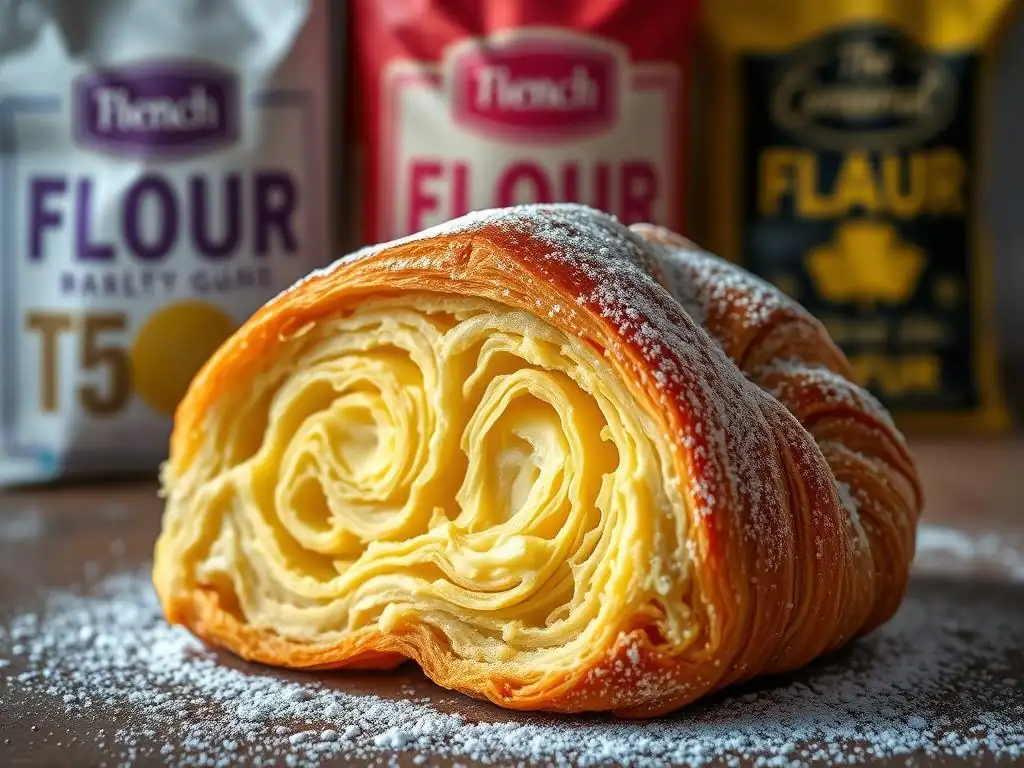
Selecting the ideal flour is a critical step in your croissant-making journey. It's not just about grabbing any bag off the shelf; understanding the key characteristics that contribute to croissant success will guide you toward the best choice. Focusing on protein content, milling, and flavor profile will significantly impact the final texture and taste of your pastries.
Aim for flour that is specifically suited for bread or pastry requiring strong gluten development. While the best butter for croissants gets a lot of attention for flakiness, the flour dictates the framework upon which those layers are built. Paying attention to these characteristics ensures your dough has the necessary strength and elasticity to perform beautifully throughout the complex process.
High Protein Content: The Secret to Strong Gluten Development
As discussed, a high protein content is paramount for croissant flour. Look for flours labeled as "Bread Flour" or sometimes "High-Gluten Flour," which typically have protein levels ranging from 12% to 14% or even higher. This elevated protein percentage provides the raw material needed to form a strong, elastic gluten network when hydrated and mixed. This strong network is what allows the dough to be rolled incredibly thin during lamination without tearing, encapsulating the butter layers effectively.
The strength provided by high-protein flour ensures that the dough can withstand the stress of multiple folds and the subsequent proofing, where it expands due to yeast activity. During baking, this robust gluten structure expands further as steam is released from the melting butter and dough water, creating those signature open air pockets within the croissant's crumb. Without sufficient protein (and thus, gluten strength), the dough would collapse or tear, resulting in a dense, flat pastry instead of a light, airy one.
Milling Process: Flour That's Finely Ground for Smooth Dough
The way flour is milled also plays a role. Different milling processes, such as roller milling (standard for most commercial flours) or stone milling, affect the particle size and how much of the wheat kernel is included. For croissants, a finely ground flour is generally preferred. Fine particles absorb water more uniformly and quickly, leading to a smoother, more homogeneous dough.
A smooth dough is easier to handle and roll thinly during lamination. Coarser flours, like some stone-ground varieties, can sometimes result in a dough that feels slightly gritty or tears more easily due to larger bran or germ particles (if they are included). While stone-ground flours can offer wonderful flavor, for the technical demands of croissant lamination, a finely roller-milled bread flour often provides the best balance of strength, elasticity, and smooth handling required for achieving thin, even layers and a consistent crumb structure.
Flavor Profile: Choosing Flour That Enhances, Not Overpowers
While butter contributes significantly to the rich flavor of a croissant, the flour also adds subtle notes. Different wheat varieties and milling processes can impart distinct flavors, from slightly sweet to nutty or earthy. For croissants, you generally want a flour whose flavor is pleasant but doesn't overpower the delicate taste of the butter and the fermentation notes.
Unbleached flours often retain more of the natural wheat flavor than bleached varieties. Some bakers prefer flours from specific wheat types or regions for their unique characteristics. While the flavor contribution of flour might be secondary to its structural role, choosing a fresh, high-quality flour ensures a clean, pleasant base flavor that complements the other ingredients. Stale or low-quality flour can impart off or cardboard-like flavors that detract from the overall sensory experience of a perfectly baked croissant, even if you've used the best butter for croissants available.
How Flour Quality Affects Croissant Texture
The texture of a croissant is its defining characteristic – the crisp exterior shattering into a multitude of delicate, airy layers. Achieving this requires a complex interplay of ingredients and technique, and flour quality is fundamental to building the necessary structure that allows this texture to develop during baking. It's the flour's gluten network that provides the scaffolding for the steam to create those iconic air pockets.
Understanding how flour contributes to texture goes beyond just protein content. The way the gluten develops, how well the dough holds its shape, and its ability to expand uniformly are all direct consequences of the flour's inherent quality and how it's treated.
The Science of Gluten Development: Flour's Role in Creating Structure
Gluten development is the cornerstone of croissant structure. It begins when the proteins glutenin and gliadin in flour are hydrated and mixed. The mixing process mechanically links these proteins, forming long, elastic chains known as gluten. High-quality bread flour, with its higher protein content (say, 13% compared to 10% in AP flour), has more potential building blocks for this network. Proper hydration and sufficient mixing (but not overmixing) are crucial to developing a strong yet extensible gluten network.
This developed gluten network forms a sort of balloon within the dough. During proofing, the yeast produces carbon dioxide gas, which gets trapped within this elastic network, causing the dough to rise. In the oven, as the butter melts and water turns to steam, this steam is also trapped by the gluten, forcing the layers apart and expanding the air pockets created by proofing. A strong, well-developed gluten structure from quality flour is essential for the dough to stretch and hold this expansion, resulting in an open, airy crumb and distinct layers.
Achieving the Perfect Open Crumb: Flour's Contribution
The hallmark of a well-made croissant is its open, airy crumb, sometimes described as a honeycomb structure. This texture is a direct result of the steam expansion during baking, facilitated by the strong gluten network formed by quality flour. As the water in the dough and the melting butter turns to steam (at around 212°F or 100°C), it pushes outwards, separating the layers of dough. The elastic gluten network allows the dough to stretch and form large, irregular air pockets.
If the flour quality is poor or the gluten isn't sufficiently developed (due to low protein or inadequate mixing), the network will be weak. It won't have the elasticity or strength to contain the expanding steam effectively. Instead of forming large, open cells, the dough might tear, or the layers might not separate properly, resulting in a dense, tight crumb with small, uniform holes or even solid patches. Using a strong, high-protein bread flour provides the necessary foundation for achieving that coveted light and airy interior texture.
Preventing Dough Weakness: Tips for Maintaining Texture
Flour quality directly impacts the dough's resilience and its ability to withstand the rigorous process of lamination and proofing. A dough made with high-quality, high-protein flour is inherently stronger and less prone to tearing during rolling. This strength is vital for maintaining the integrity of the many thin layers of dough and butter. Tears in the dough can lead to butter escaping during baking ("butter blow-out"), resulting in fused layers and a less flaky texture.
Furthermore, quality flour contributes to the dough's stability during proofing. A strong gluten network supports the dough as it expands, preventing it from collapsing. It also ensures the dough holds its shape during transfer to the oven and the initial stages of baking. Using stale or low-quality flour can result in a dough that is sticky, tears easily, collapses during proofing, or spreads excessively in the oven, all of which compromise the final texture. Proper hydration levels, adjusted for the specific flour's absorption, are also key to working with quality flour to prevent weakness or stiffness.
How Flour Quality Impacts Croissant Flavor
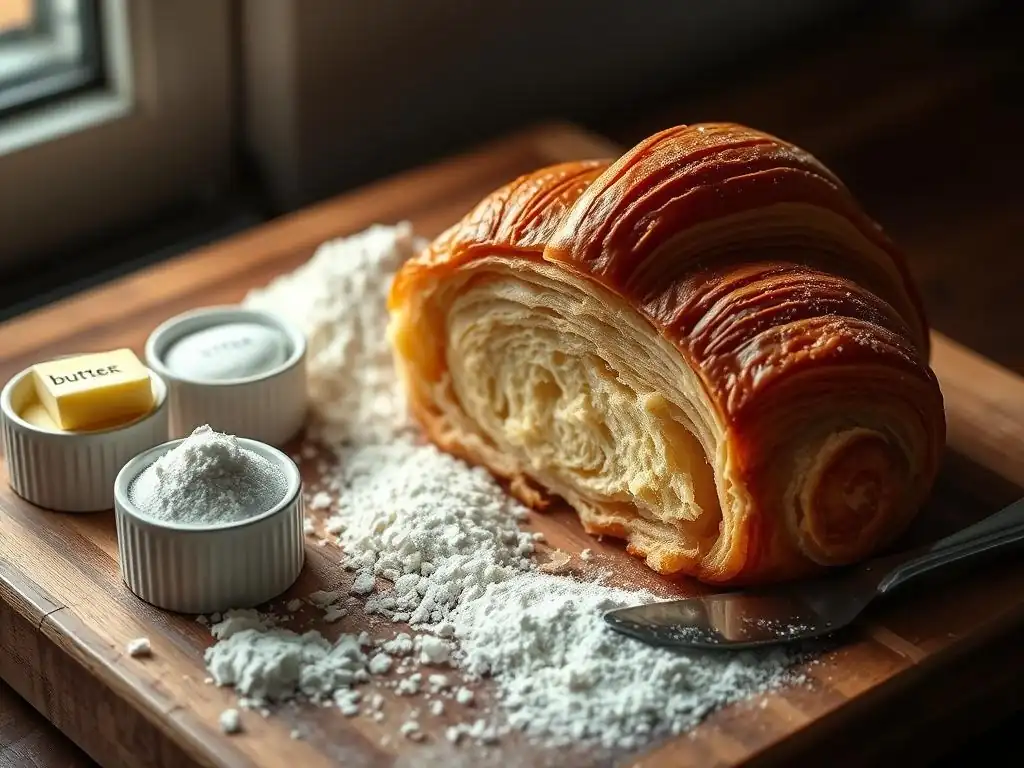
While the rich, buttery taste is what first comes to mind when thinking of croissants, the flour subtly contributes to the overall flavor profile. The type of wheat, the milling process, and the freshness of the flour all play a role in adding depth and character to the final baked good. It's not just about structure; flour contributes to the sensory experience in ways you might not immediately recognize.
Just as selecting the best butter for croissants enhances their richness, choosing quality flour ensures a clean, pleasant base flavor that allows the other ingredients to shine. Poor quality or stale flour can introduce off-flavors that detract from the overall enjoyment, no matter how good your butter is or how perfect your lamination technique.
Wheat Aroma: The Alluring Scent of a Well-Made Croissant
A freshly baked croissant made with high-quality flour often possesses a subtle, appealing aroma that complements the rich scent of butter. This aroma comes from volatile compounds present in the wheat itself. Different wheat varieties have distinct aromatic profiles. Artisan flours, often milled from specific heritage or regional wheat types, can impart more complex and nuanced aromas compared to standard commodity flours.
When the flour is fresh and of high quality, these natural wheat aromas are preserved. During baking, these compounds interact with the Maillard reactions and caramelization occurring in the crust, contributing to the overall inviting fragrance of the finished pastry. Stale flour, on the other hand, can develop unpleasant odors – often described as musty or cardboard-like – which will carry through into the baked product, masking the desirable aromas of fresh butter and baked dough.
Complexity and Depth: How Flour Impacts Flavor
Beyond just aroma, the flour contributes to the actual taste complexity of the croissant. The natural sugars present in the flour caramelize during baking, adding a hint of sweetness and contributing to the crust's flavor. The specific minerals and compounds in different wheat varieties add subtle layers of flavor – sometimes nutty, sometimes slightly earthy, sometimes simply a clean, wheaty taste.
For instance, a croissant made with a high-quality, unbleached bread flour milled from hard red wheat might have a slightly more robust and complex flavor compared to one made with a standard bleached all-purpose flour. While the butter provides the primary richness, the flour provides the underlying canvas and subtle background notes that contribute to a truly deep and satisfying flavor experience. This is why some bakers are particular about their flour sources, seeking out specific mills or wheat varieties known for their flavor characteristics.
Avoiding Off-Flavors: Choosing Fresh, High-Quality Flour
One of the most significant flavor contributions of flour is the absence of unpleasant tastes. Flour, especially whole wheat flour (though typically white flour is used for croissants), contains oils that can go rancid if exposed to air, heat, or moisture for too long. Stale flour can develop bitter, metallic, or just generally "off" flavors that ruin the taste of your baked goods.
Using fresh, high-quality flour from a reputable source is the best way to ensure you're starting with a clean, neutral, or positively flavorful base. Proper storage, as discussed later, is also crucial for maintaining freshness and preventing the development of off-flavors. Just as using the best butter for croissants ensures a pure, rich taste, using fresh, quality flour ensures the underlying dough flavor is clean and complementary, allowing the butter and yeast fermentation flavors to shine without interference.
Recommended Flour Brands for Baking Exceptional Croissants
Choosing a reputable brand known for quality and consistency is a great starting point when selecting flour for croissants. While many excellent regional mills exist, several widely available brands consistently deliver high-quality flour suitable for the demands of croissant baking. Remember to look for their bread flour varieties, focusing on protein content and whether they are unbleached.
Keep in mind that even within a brand, different types of flour exist. Always check the label for "Bread Flour" and the protein percentage if listed. While finding the absolute best butter for croissants might involve seeking out specific European styles, finding the best flour involves looking for consistency and the right protein level from trusted names.
King Arthur Flour: Pros, Cons, and Best Uses for Croissants
King Arthur Baking Company is a widely respected brand known for its high-quality, unbleached flours. Their King Arthur Bread Flour is a popular choice among home bakers for croissants.
- Pros: It has a consistent protein content, typically around 12.7%, which is excellent for developing strong gluten. It's unbleached, providing reliable gluten development. It's widely available in many grocery stores. The company is employee-owned and committed to quality.
- Cons: It can be slightly more expensive than generic store brands. While excellent, some artisan bakers might seek out flours with even higher protein (13-14%+) or from specific regional wheat types for nuanced characteristics.
- Best Uses for Croissants: King Arthur Bread Flour is an excellent all-around choice for home bakers making croissants. Its reliable protein content makes it easy to achieve a strong, elastic dough, leading to good structure, layering, and an open crumb. It's a solid performer that yields consistent results.
Central Milling Flour: Pros, Cons, and Best Uses for Croissants
Central Milling is highly regarded among professional bakers and increasingly available to home bakers, often through online retailers or specialty stores. They offer a range of flours, but their high-protein options are particularly well-suited for croissants.
- Pros: Known for exceptional quality, consistency, and often higher protein levels (some bread flours are 13-14%+). Many of their flours are organic and milled using methods that preserve flavor and quality. They supply many top bakeries.
- Cons: Less widely available than King Arthur, potentially requiring online ordering or trips to specialty stores. Can be more expensive. The variety of options might be slightly overwhelming for beginners.
- Best Uses for Croissants: Central Milling's High-Protein Bread Flours or Artisan Baker's Craft Plus (around 11.5% but known for performance) are fantastic choices for serious home bakers aiming for professional-level results. Their quality contributes significantly to both structure and flavor, making them a top contender if you can source them.
Bob's Red Mill Flour: Pros, Cons, and Best Uses for Croissants
Bob's Red Mill offers a wide variety of flours, including some suitable for bread baking. They are known for their stone-ground products and often focus on whole grains, but they also produce white flours.
- Pros: Widely available in many stores. Offers organic and unbleached options. Their Artisan Bread Flour is specifically formulated for bread baking.
- Cons: Protein content can sometimes vary between batches or types. Some of their flours are stone-ground, which might have slightly larger particles than preferred by some for very fine lamination (though this is debatable and depends on the specific grind). Their standard AP flour is not ideal for croissants.
- Best Uses for Croissants: Look specifically for Bob's Red Mill Artisan Bread Flour (typically 12-13% protein) or their High Gluten Flour (often 13-14%+). These options provide the necessary protein for croissant structure. Avoid their standard All-Purpose flour for this application. Their quality is generally good, making them a viable option if other brands aren't available.
Tips and Techniques for Working with Flour in Croissants
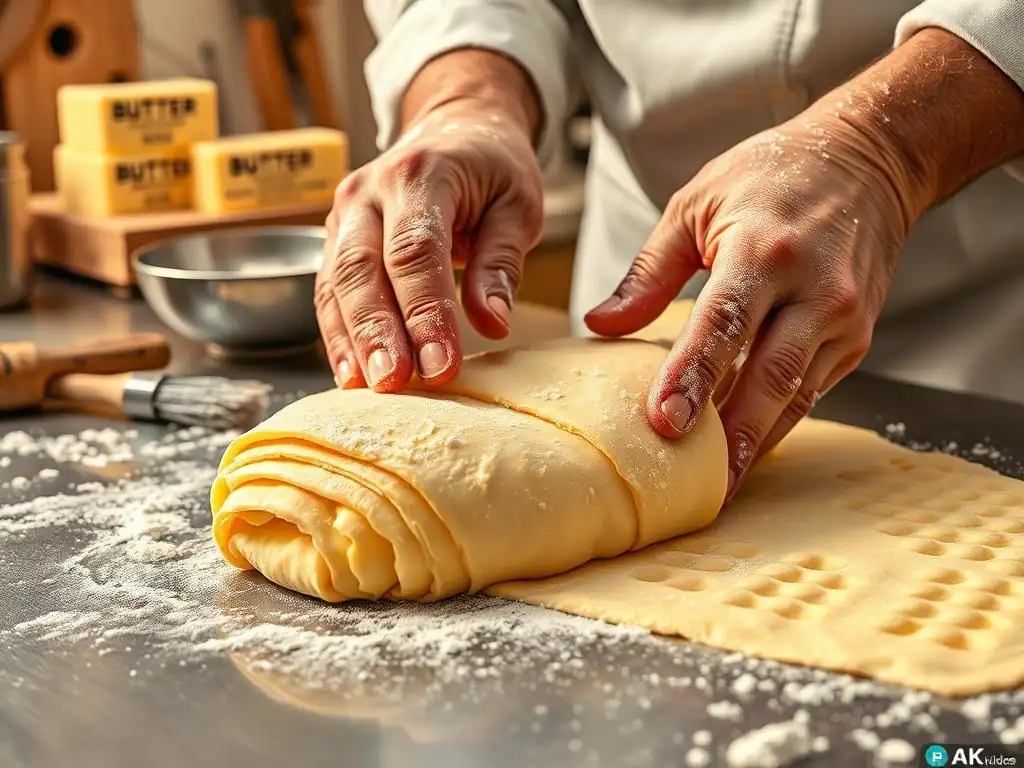
Even with the best flour, technique plays a crucial role in maximizing its potential. How you hydrate the flour, how you mix the dough, and how you troubleshoot common issues directly impact gluten development and the dough's handling properties. These techniques, combined with using the best butter for croissants, are key to unlocking success.
Paying careful attention to these steps ensures that the quality flour you've selected can perform as intended, yielding a dough that is strong, elastic, and ready for the intricate process of lamination.
Hydration Levels: Adjusting Water Content Based on Flour Type
Different flours absorb water at different rates, primarily due to variations in protein and starch content, as well as milling. High-protein flours generally require more water than lower-protein flours to achieve the same dough consistency. Getting the hydration level right is critical for croissant dough. Too little water, and the dough will be stiff, difficult to roll, and prone to tearing. Too much water, and the dough will be sticky, weak, and challenging to handle during lamination.
A typical hydration range for croissant dough might be around 55% to 65% of the flour weight, but this is just a guideline. You need to be prepared to adjust slightly based on the specific flour you are using and even environmental factors like humidity. Start with the recipe's recommended amount and feel the dough.
It should be firm, elastic, and not overly sticky. If it feels dry, add a tiny bit more water; if it's too wet, add a tiny sprinkle of flour, but try to avoid adding too much extra flour as it can throw off the balance. Paying attention to the dough's feel is paramount.
Mixing Techniques: Achieving Optimal Gluten Development
The goal of mixing croissant dough is to develop a strong, elastic gluten network without overworking it. Overmixing can lead to a tough dough that tears easily. Undermixing results in a weak dough with poor structure. The typical method involves mixing the ingredients until they just come together, followed by a period of rest (autolyse) to allow the flour to hydrate fully, and then a final mixing or kneading phase.
Using a stand mixer with a dough hook is common for convenience, typically mixing on a low speed for several minutes until the dough is smooth, elastic, and passes the "windowpane test" (you can gently stretch a small piece of dough thin enough to see light through it without it tearing). Some bakers prefer hand kneading, which allows for a better feel of the dough's development. Regardless of the method, stop mixing once the gluten is developed sufficiently – the dough should be smooth, elastic, and pull away cleanly from the sides of the bowl.
- Problem: Dough is tearing during rolling/lamination.
- Possible Flour Cause: Flour protein content is too low, gluten is underdeveloped due to insufficient mixing or rest, or flour is stale/low quality.
- Solution: Ensure you are using high-protein bread flour. Check mixing technique and duration. Allow adequate rest periods (like a bulk fermentation and chilling) for gluten to relax and strengthen. Consider switching flour brands if issues persist.
- Problem: Croissants are dense with a tight crumb.
- Possible Flour Cause: Weak gluten development (low protein flour, undermixing), or dough too dry (insufficient hydration for the flour type).
- Solution: Use high-protein flour. Ensure sufficient mixing to develop gluten. Check hydration levels – the dough should be firm but pliable. Ensure proper proofing time; dense crumb can also result from under-proofing.
- Problem: Dough is overly sticky and hard to handle.
- Possible Flour Cause: Hydration level is too high for the specific flour's absorption rate.
- Solution: Reduce the amount of water slightly in future batches, or add a tiny amount of flour (measured) if the current batch is unmanageable. Ensure you are measuring by weight for accuracy.
Storing Flour Properly to Preserve Quality and Flavor
Even the best quality flour can degrade if not stored correctly. Exposure to air, moisture, heat, and pests can lead to spoilage, rancidity, and the development of off-flavors. Proper storage is essential to maintain the freshness, performance, and flavor profile of your croissant flour, ensuring it's ready to deliver optimal results whenever you're ready to bake.
Think of flour storage with the same care you'd give to storing your high-quality butter for croissants. Both ingredients are sensitive to environmental conditions and require attention to detail to maintain their peak performance and flavor.
Best Practices for Storing Flour for Croissant Baking
The ideal way to store flour is in an airtight container in a cool, dry, and dark place. Exposure to air causes oxidation, which can degrade the flour's quality and lead to staleness. Moisture can lead to clumping, mold growth, and spoilage. Heat accelerates spoilage and can affect protein structure. Light can also degrade nutrients and quality over time.
Transferring flour from its paper bag into a rigid, airtight container (like a food-grade plastic bin with a sealing lid or a glass jar) is highly recommended. This protects it from the elements and pests. A pantry shelf away from the stove or oven is suitable, provided it stays relatively cool. For longer-term storage, or if you bake infrequently, storing flour in the refrigerator or freezer is an excellent option, as the cold temperatures significantly slow down degradation.
Avoiding Pests and Moisture: Maintaining Freshness
Flour is attractive to pantry pests like weevils and moths. An airtight container is the first line of defense against infestation. Before transferring flour, ensure the container is clean and completely dry. Introducing moisture is a common cause of spoilage and clumping. Use a dry scoop if you need to remove flour from the container.
When storing flour in the refrigerator or freezer, it's crucial to let it come back to room temperature before using it in a recipe, especially before measuring. Cold flour can affect dough temperature and hydration. If you store flour in the freezer, place the airtight container inside a freezer bag to offer an extra layer of protection against freezer burn and condensation when thawing. Properly stored white flour can last for 6-12 months in the pantry, and even longer in the fridge or freezer, ensuring your investment in quality flour pays off batch after batch.
Conclusion: Elevate Your Croissant Baking with the Best Flour
Mastering the art of croissant baking at home is a rewarding journey that involves honing your technique, understanding fermentation, and, crucially, selecting the right ingredients. While the lamination process and using the best butter for croissants often take center stage in discussions about flakiness, the quality of your flour is the fundamental building block that dictates the dough's strength, elasticity, and ability to form that coveted open crumb structure.
By understanding the impact of protein content, milling, and freshness, you can make informed choices that significantly improve your results. Opting for a high-quality, high-protein bread flour provides the necessary foundation for a resilient dough that can withstand the rigors of lamination and expand beautifully in the oven.
[Bakery Name/Technique]: Your Path to Croissant Mastery Starts with Quality Flour
Just as a skilled artisan baker meticulously selects their ingredients, your journey towards croissant mastery at home begins with choosing the best possible flour. Consider the flour as important as the butter – they work in tandem to create the magic. Whether you're aiming for a specific texture reminiscent of a favorite bakery or simply striving for consistent, delicious results, the flour you choose sets the stage.
Experimenting with reputable brands known for their consistency and protein levels, like King Arthur or Central Milling, can help you discover which flour yields the results you prefer. Paying attention to proper mixing and hydration techniques, tailored to your chosen flour, further ensures that its potential is fully realized in your dough.
Investing in Good Flour: A Worthwhile Choice for Delicious Croissants
While quality ingredients, including the best butter for croissants and premium flour, might come at a slightly higher price point than basic alternatives, the difference they make in the final product is undeniable. The improved handling of the dough, the enhanced structural integrity, the superior texture, and the cleaner flavor profile are well worth the investment for anyone serious about baking exceptional croissants at home.
Ultimately, your pursuit of the perfect flaky, airy, and flavorful croissant is significantly influenced by the quality of the flour you use. Choose wisely, handle it with care, and you'll find that your path to croissant mastery is built on a strong, delicious foundation.
Frequently Asked Questions
What makes butter so crucial for achieving the perfect croissant?
Butter is essential because it creates the flaky layers that define a croissant. The high fat content in butter melts during baking, leaving air pockets that result in the characteristic lightness and crispness. It also contributes significantly to the rich flavor.
Does the butter's fat percentage matter when making croissants?
Yes, the fat percentage is crucial. Butter with a high fat percentage, typically around 82% or higher, is ideal. This ensures better lamination and a more tender, flavorful croissant. Lower fat butter contains more water, leading to a tougher result.
Are there specific types of butter recommended for croissant baking?
European-style butter, often labeled as "European butter" or "cultured butter", is highly recommended. It has a higher butterfat content and a richer flavor profile due to the culturing process. This type of butter creates a superior croissant in both texture and taste.
Can I use salted butter instead of unsalted butter for my croissants?
Unsalted butter is generally preferred for baking, including croissants. Using unsalted butter allows you to control the salt content in the recipe. Salted butter can lead to inconsistencies in flavor and potentially affect the dough's texture.
How does butter temperature affect the croissant-making process?
Maintaining the correct butter temperature is vital. The butter should be cold and firm throughout the lamination process. This prevents it from melting into the dough, which would ruin the layers and result in a dense, less flaky croissant.
Final Reflection: The Golden Standard of Croissant Perfection
The pursuit of the perfect croissant is, ultimately, a pursuit of the perfect butter. This article has explored the nuanced relationship between butter quality and the resulting texture and flavor of this beloved pastry, highlighting the significant impact of fat content, milk type, and processing methods. The quest for the "best" butter for croissants isn't merely a culinary whim; it's a testament to the power of high-quality ingredients to elevate a simple recipe to an art form.
The journey through various butter types has underscored the profound influence of seemingly minor details on the final product. From the delicate flakiness achieved with high-fat butters to the rich, buttery notes imparted by specific milk sources, the subtle differences are undeniable. The proof of the pudding is in the eating,
and in this case, the proof of the butter is in the croissant's exquisite layers and melt-in-your-mouth texture. This exploration has not only informed my own baking but has also deepened my appreciation for the artistry and precision involved in creating truly exceptional food.
Now, armed with this knowledge, I invite you to embark on your own buttery adventure. Don't be afraid to experiment with different butter types, to savor the subtle variations in flavor and texture, and to discover your own personal "golden standard" for croissant perfection. The journey of culinary exploration is a rewarding one, and the perfect croissant awaits those willing to embrace the details. So, gather your ingredients, preheat your oven, and let the buttery magic begin!
Unlock Flaky Perfection: Take Your Croissants to the Next Level
Thanks for diving into the world of buttery croissants! We hope you now appreciate the profound impact butter quality has on achieving that perfect, melt-in-your-mouth texture and rich flavor. Ready to put your newfound knowledge to the test?
- Experiment with different butters: Try a high-fat European butter next time you bake – you’ll be amazed by the difference!
- Share your baking journey: Show us your croissant creations! Use #BakeWithEaseButter on social media to inspire others.
- Join our baking community: Connect with fellow enthusiasts on our forum to share tips, recipes, and get feedback.
What unique butter will you try for your next batch of croissants, and what delicious additions will you experiment with?