
Buttercream Breakdown: How Fats Stabilize and Soften Frostings

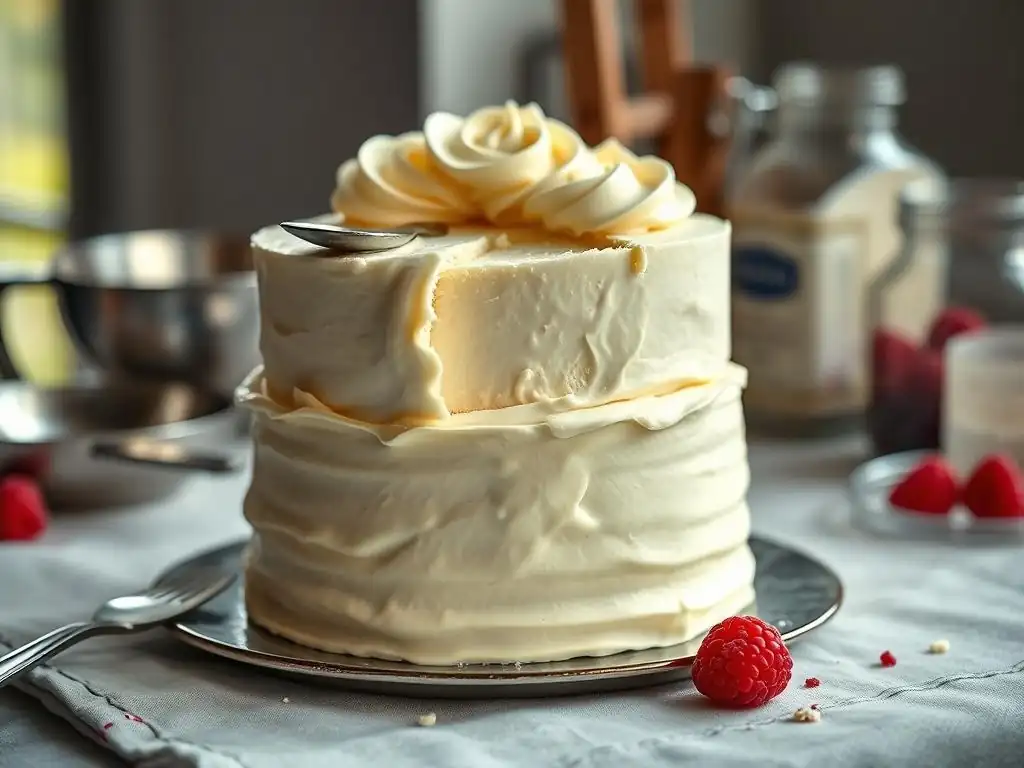
Welcome to BakeWithEase, your guide to stress-free baking! Ever wondered why your buttercream is stubbornly stiff? This week we dive deep into the creamy world of frostings, specifically addressing the age-old question: How to soften buttercream frosting? Discover the secrets of fat stabilization and unlock the perfect, spreadable consistency. Intrigued? Let's get started and transform your frosting from frustratingly firm to delightfully dreamy!
- Understanding Buttercream Frosting: The Role of Fats
- The Science of Softening Buttercream: Fats as Stabilizers
- Troubleshooting Buttercream: When Fats Go Wrong
- Mastering the Art of Softening Buttercream Frosting: Techniques and Tips
- Choosing the Right Fats for Optimal Buttercream Texture
- Achieving a Smooth and Spreadable Buttercream: The Importance of Temperature
- Preventing Common Buttercream Problems: Fat-Related Issues and Solutions
- Advanced Buttercream Techniques: Incorporating Fats for Unique Textures
- Beyond Butter: Exploring Other Fat-Based Frosting Options
- BakeWithEase Buttercream Recipes: Putting Fat Knowledge to Practice
- Conclusion: Mastering Fat for Perfect Buttercream Every Time
-
Frequently Asked Questions
- How does fat content affect buttercream frosting consistency?
- What are some common methods for softening buttercream that's too stiff?
- What kind of fats are best for achieving a stable yet soft buttercream frosting?
- Can overmixing buttercream frosting make it too stiff, and if so, how do I fix it?
- What role does temperature play in the softness of buttercream?
- Final Reflection: The Unexpected Science of a Sweet Treat
- Unlock Your Frosting Potential: Master the Art of Buttercream!
Understanding Buttercream Frosting: The Role of Fats
What is Buttercream Frosting and Why is Fat Crucial?
Buttercream frosting is a beloved confectionary topping, primarily composed of fat (like butter or shortening), sugar (usually powdered sugar), and a liquid (milk, cream, or extract). At its core, buttercream's texture and structure are dictated by the fat component. Fat provides the rich mouthfeel, contributes to flavor, and is essential for incorporating air and stabilizing the mixture. Without sufficient fat, you'd simply have a sugary syrup or paste, lacking the smooth, spreadable consistency we expect from buttercream.
The fat acts as a binder and aerator. During the creaming process, tiny air pockets are trapped within the fat crystals, creating volume and lightness. This structure is what allows buttercream to hold its shape when piped and spread smoothly onto cakes and cupcakes. The type and temperature of the fat directly influence how well it performs these functions, ultimately determining the final texture – from stiff and pipeable to soft and spreadable. For those learning how to soften buttercream frosting, understanding this foundational role of fat is the first step.
Different Types of Buttercream and Their Fat Content
Buttercream isn't a single entity; it encompasses several styles, each with varying fat contents and preparation methods that impact texture. American buttercream, perhaps the most common, is made by creaming softened butter or shortening with powdered sugar and a splash of liquid. It typically has a high ratio of sugar to fat, often around 1 part fat to 2-3 parts sugar by weight. This high sugar content contributes to its sweetness and can result in a denser, sometimes stiffer frosting compared to others.
Meringue-based buttercreams, such as Swiss Meringue or Italian Meringue, involve whisking butter into a stable meringue base. Swiss Meringue often uses a ratio closer to 1 part butter to 1.5-2 parts sugar (within the meringue). Italian Meringue can have similar ratios.
These types rely on the emulsifying properties of the meringue to create a lighter, silkier texture with less overall sugar relative to the volume. French buttercream uses egg yolks instead of whites for the base, resulting in a richer, custard-like frosting with a higher fat content from both butter and egg yolks. The method and the specific ratio of fat to other ingredients significantly influence how easily you can adjust the consistency and how to soften buttercream made with these different techniques.
The Science of Softening Buttercream: Fats as Stabilizers
How Fats Contribute to Buttercream Structure and Stability
The stability of buttercream, its ability to maintain shape and consistency, is largely due to the network formed by fat crystals. When butter or shortening is at the correct temperature (typically cool but not hard), it contains microscopic fat crystals interspersed with liquid fat. During creaming, mechanical energy (mixing) incorporates air into this matrix. The fat crystals provide structure, holding the air bubbles in place, while the liquid fat allows for smooth flow and spreadability. This fat crystal network is what gives buttercream its body and prevents it from collapsing.
The melting point of the fat is critical for stability, especially in warmer conditions. Butter melts around 90-95°F (32-35°C). Shortening, often made from hydrogenated vegetable oils, typically has a higher melting point, sometimes closer to 115-120°F (46-49°C). This higher melting point means shortening-based or shortening-enhanced buttercreams are more stable in heat. The crystalline structure of the fat determines its firmness; chilling buttercream causes more fat to crystallize, making it stiffer, while warming it melts crystals, making it softer. Understanding this crystalline behavior is key to successfully learning how to soften buttercream frosting that has become too firm.
Exploring the Impact of Different Fats on Buttercream Texture
The choice of fat profoundly impacts the final texture of buttercream. Unsalted butter is prized for its flavor and creamy texture, but its relatively low melting point means butter-only frostings can become quite soft in warm rooms. Shortening, on the other hand, provides excellent stability due to its higher melting point and uniform crystalline structure. It results in a very stable, often smoother frosting that holds up well, but lacks the rich dairy flavor of butter. Many bakers use a blend of butter and shortening, perhaps a 50/50 mix, to achieve a balance of flavor and stability.
Other fats have different effects. Using liquid oil, for instance, results in a very loose, unstable frosting because oil has no crystalline structure to trap air or provide body. Margarine varies widely in fat content (some contain less fat and more water than butter, around 80% fat for butter vs. potentially less for margarine) and emulsifiers, leading to unpredictable results. The specific fatty acid composition and processing (like hydrogenation) of the fat source determine its melting profile and crystalline structure, which in turn dictate how easily you can soften buttercream and how well it maintains its desired consistency.
Troubleshooting Buttercream: When Fats Go Wrong
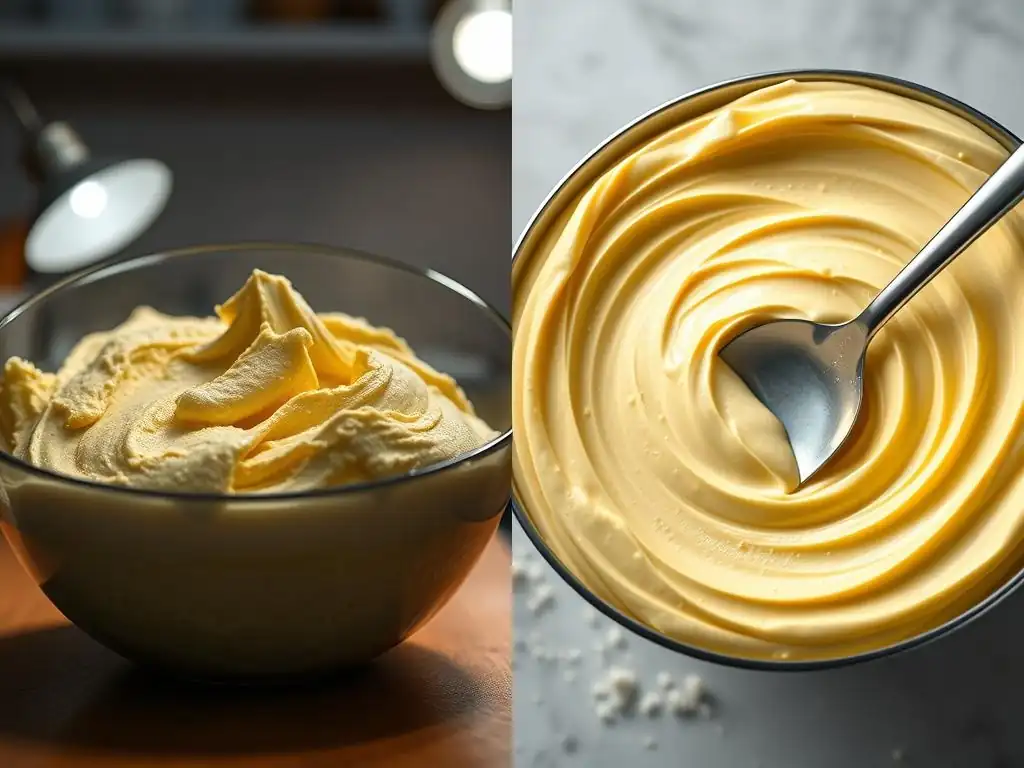
Buttercream Too Stiff: Understanding Fat Crystallization
A common issue is buttercream that is too stiff, making it difficult to spread or pipe smoothly. This is often due to the fat being too cold, leading to excessive crystallization. When butter or shortening is chilled, more of the liquid fat solidifies into crystals. These tightly packed crystals create a rigid structure. For example, butter straight from the refrigerator (around 35-40°F or 2-4°C) is hard and unyielding. Even butter left at a cool room temperature (say, below 68°F or 20°C) can become quite firm.
Overmixing can also sometimes contribute to stiffness by developing the fat structure excessively, especially in certain types of buttercream. However, the primary culprit for stiffness is cold fat. The solution lies in gently warming the frosting to melt some of the fat crystals, allowing the liquid fat component to increase and the overall structure to become more pliable. This process of warming is essentially the core technique for how to soften buttercream frosting that has become too firm.
Buttercream Too Soft: Emulsification and Fat Separation
Conversely, buttercream can become too soft, greasy, or even appear curdled or separated. This often happens when the fat becomes too warm and melts excessively, or when the emulsion breaks. In a stable buttercream, fat and water-based ingredients (like milk or meringue) are held together in a smooth emulsion. If the mixture gets too warm (above the fat's melting point), the fat melts completely, and the emulsion can break, causing the fat to separate from the liquid and sugar, resulting in a greasy, soupy texture.
Another cause can be adding liquid too quickly or in too large a quantity, overwhelming the fat's ability to emulsify it. For example, adding a full cup of milk to a pound of butter and powdered sugar too fast can cause the mixture to break. While adding liquid is a technique for how to soften buttercream, it must be done gradually and with care. Overmixing after the emulsion has formed, especially at high speeds for extended periods, can also potentially break the emulsion by disrupting the fat structure.
Mastering the Art of Softening Buttercream Frosting: Techniques and Tips
How to Soften Stiff Buttercream: Step-by-Step Guide
If your buttercream is too stiff, don't panic! It's usually an easy fix. The goal is to gently warm the fat just enough to make the frosting pliable without melting it completely or breaking the emulsion.
Here's a simple guide on how to soften buttercream frosting:
- [ ] Assess the Stiffness: Is it slightly firm or rock hard from the fridge?
- [ ] Option 1 (Slightly Stiff): Let it sit at room temperature (ideally 70-75°F or 21-24°C) for 15-30 minutes. Stir periodically.
- [ ] Option 2 (Very Stiff): Place a small amount (about 1-2 cups) in a microwave-safe bowl. Microwave on low power (20-30%) for 5-10 second intervals. Stir thoroughly after each interval. Repeat just until you see a tiny bit of softening around the edges.
- [ ] Option 3 (Very Stiff, No Microwave): Place the bowl of buttercream over a pot of warm (not hot) water (a double boiler setup, but don't let the bowl touch the water). Stir constantly until it begins to soften.
- [ ] Incorporate Softened Portion: Add the slightly softened portion back to the main batch of stiff buttercream.
- [ ] Mix: Beat the entire batch on low speed with a stand mixer or hand mixer for 1-3 minutes. The softened portion will help loosen the rest.
- [ ] Check Consistency: Continue mixing on low or repeat a warming step for a small portion if needed, until the desired consistency is reached.
Important: Avoid microwaving large amounts at once or using high power, as this can quickly melt the fat and cause separation. Gentle, gradual warming is key to successfully learning how to soften buttercream frosting.
Techniques for Achieving the Perfect Buttercream Consistency
Beyond warming, several techniques can help you achieve or maintain the ideal buttercream consistency for spreading or piping. One common method is adding a small amount of liquid. Start with just a tablespoon or two of milk, cream, or even a flavorful extract like vanilla or almond. Add it to the stiff buttercream and beat on low speed until fully incorporated. Assess the consistency and add more liquid, a tablespoon at a time, if needed. Be cautious, as adding too much liquid too quickly can make the buttercream too loose or cause separation.
Another technique involves mixing duration and speed. Sometimes, simply beating the buttercream at a low speed for an extra few minutes can help soften it slightly by incorporating more air and smoothing out the texture. This gentle agitation can help rearrange the fat crystals into a smoother network.
Conversely, if your buttercream is too soft, chilling it briefly in the refrigerator (15-20 minutes) will help firm up the fat. Remember to stir it after chilling, as the edges will firm up faster than the center. Mastering these subtle adjustments is part of mastering how to soften buttercream frosting and achieve professional results.
The Buttercream Softening Ratio: Factors Influencing Optimal Fat to Sugar Balance
The ratio of fat to sugar is a primary determinant of buttercream's inherent stiffness or softness. In American buttercream, a higher proportion of powdered sugar to butter results in a stiffer, sweeter frosting. For example, a recipe using 1 cup (2 sticks or 227g) of butter to 4 cups (about 480g) of powdered sugar will be significantly stiffer than one using the same amount of butter with only 3 cups (about 360g) of sugar. Reducing the sugar slightly relative to the fat is a fundamental way to create a softer starting consistency.
However, other factors influence the optimal ratio and the ease of softening. The temperature of your kitchen plays a huge role; a batch made with a 1:3 fat-to-sugar ratio might be perfect in a 70°F (21°C) room but too soft in an 85°F (30°C) room. The type of fat matters too; using shortening instead of butter, or a blend, will affect the required sugar ratio for a given consistency due to differences in melting points.
The amount and type of liquid added also shift the balance. Ultimately, achieving the desired consistency often involves starting with a good base ratio and making minor adjustments through temperature control or adding small amounts of liquid, particularly when learning how to soften buttercream frosting.
Choosing the Right Fats for Optimal Buttercream Texture
Butter vs. Shortening: Which Fat is Best for Soft Buttercream?
When aiming for a softer, more spreadable buttercream, the choice between butter and shortening, or a combination, is significant. Butter is beloved for its rich flavor and creamy texture. A buttercream made solely with butter tends to be softer at typical room temperatures compared to one made with shortening, especially if the room is warm. This is because butter's melting point is lower. If your primary goal is a soft, melt-in-your-mouth texture and flavor is paramount, butter is often the preferred choice.
Shortening, while lacking the flavor of butter, offers superior stability due to its higher melting point and engineered crystalline structure. A shortening-based buttercream will hold its shape better, especially in warmer environments, and is less prone to complete collapse. However, it can sometimes feel greasier on the palate.
For many bakers, a blend of butter and shortening (e.g., 50% butter, 50% shortening) provides a good compromise, offering some buttery flavor while benefiting from shortening's stability. This blend often results in a buttercream that is easier to manage in varying temperatures and provides a good balance when learning how to soften buttercream for different applications.
Exploring Other Fat Options: Oils, Margarine, and Their Effects
While butter and shortening are the standard fats for buttercream, other options exist, though they come with compromises in texture and stability. Liquid oils (like vegetable or canola oil) should generally be avoided as the primary fat in traditional buttercream. Since oil has no solid fat crystals at room temperature, it cannot trap air effectively or build a stable structure. Adding a small amount of oil can sometimes help soften a very stiff, butter-based buttercream, but too much will result in a greasy, loose frosting that won't hold its shape.
Margarine can be used, but its performance varies greatly depending on its composition. Margarines designed for spreading often contain less fat and more water than butter (butter is legally required to be at least 80% fat in many regions). The higher water content and different emulsifiers in margarine can lead to a less stable, sometimes grainy, or overly soft buttercream that is difficult to work with or pipe. For consistent results when making or learning how to soften buttercream frosting, sticking to high-quality butter, shortening, or a blend is generally recommended.
Achieving a Smooth and Spreadable Buttercream: The Importance of Temperature
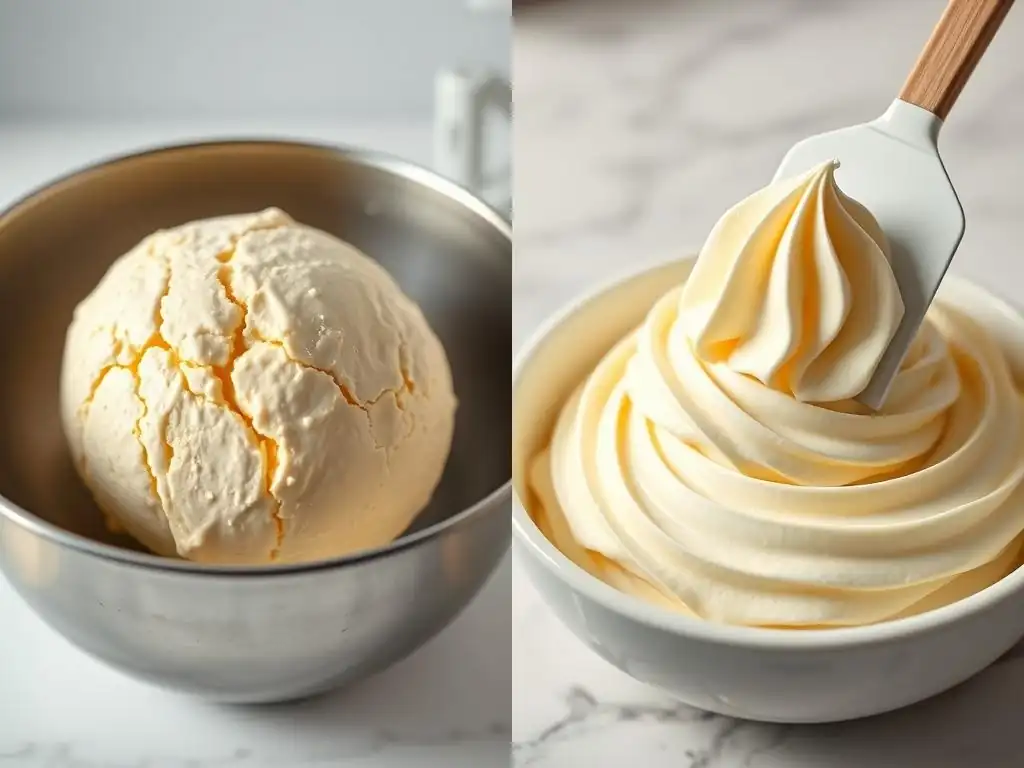
The Role of Temperature in Fat Consistency
Temperature is arguably the single most important factor influencing the consistency of buttercream. Fat's state changes dramatically with temperature. Below its melting point, fat is solid and crystalline, providing stiffness. As temperature rises, more crystals melt, and the fat becomes softer and more pliable. Above the melting point, the fat is entirely liquid, leading to a collapsed, greasy texture. For butter, the ideal working temperature for buttercream is typically when the butter itself is around 68-72°F (20-22°C) – soft but not melted.
If your buttercream ingredients are too cold, the fat will be too solid, resulting in a stiff frosting. If they are too warm, the fat will be too soft or even liquid, leading to a loose or separated frosting. Maintaining ingredients and the working environment within a moderate temperature range (around 70-75°F or 21-24°C) is crucial for achieving and maintaining a smooth, spreadable consistency. Fluctuations outside this range will necessitate adjustments, often involving techniques for how to soften buttercream if it's cold or firming it up if it's warm.
Softening Buttercream Through Controlled Heating
Controlled heating is the most direct method for how to soften buttercream frosting that has become too stiff, usually due to refrigeration or a cool environment. The key word is "controlled." You want to gently warm the fat just enough to bring it into its ideal working range, not melt it completely. Small batches can be warmed using short bursts in a microwave on low power (e.g., 10 seconds at 20-30% power), stirring thoroughly after each burst. This allows you to carefully monitor the change in consistency.
For larger batches, placing the bowl of buttercream over a pan of warm water (ensuring the bottom doesn't touch the water) while stirring constantly is a safer method that provides more even, gentle heat. Alternatively, simply allowing the buttercream to sit at a comfortable room temperature (70-75°F) for an hour or two, stirring occasionally, can be sufficient for less severe stiffness. Once the edges or a small test portion show signs of softening, vigorous mixing (on low speed) of the whole batch helps distribute the warmth and loosen the entire volume.
Overmixing and Fat Separation: Prevention Strategies
Overmixing, particularly after the buttercream has come together, can sometimes lead to fat-related issues, primarily separation. While initial mixing (creaming butter and sugar, or incorporating butter into meringue) is crucial for structure and air incorporation, excessive high-speed mixing later can disrupt the delicate emulsion holding the fat, sugar, and liquid together. This is more common in meringue-based buttercreams where the fat is emulsified into a water-based meringue.
To prevent this, stop mixing once the desired consistency is achieved. If using a stand mixer, switch to a paddle attachment on low speed for the final minute or two to smooth out the frosting without overworking the fat structure. Ensure all ingredients, especially the fat, are at the correct temperature before you begin mixing. Trying to force cold fat to incorporate quickly with other ingredients can lead to uneven mixing and potential separation later. Proper ingredient temperature and mindful mixing duration are key prevention strategies when dealing with how to soften buttercream and keep it stable.
Temperature Fluctuations: How to Maintain Buttercream Stability
Buttercream is highly susceptible to temperature changes. A frosting that is perfectly pipeable in a cool kitchen can become a runny mess on a warm day or under hot display lights. The primary way to maintain stability against temperature fluctuations is through ingredient choice and initial preparation. Using a blend of butter and shortening offers more stability than butter alone. Ensuring the initial creaming of butter and sugar is thorough also helps build a strong, stable structure.
Once made, storing buttercream properly is essential. For short periods, keep it at a moderate room temperature (70-75°F) away from direct sun or heat sources. For longer storage, refrigerate it. When bringing refrigerated buttercream back to room temperature, do so gradually.
Let it sit on the counter for several hours or overnight, depending on the amount. Avoid rapid heating. If it stiffens up slightly after sitting out, a quick whip on low speed will usually bring it back to the perfect consistency. Understanding how temperature impacts the fat crystals is fundamental to not only how to soften buttercream but also how to keep it stable.
Advanced Buttercream Techniques: Incorporating Fats for Unique Textures
Creating Silky Smooth Buttercream: The Swiss Meringue Method
Swiss Meringue Buttercream (SMBC) is renowned for its incredibly silky, smooth texture and less intensely sweet flavor compared to American buttercream. In this method, egg whites and sugar are heated over a double boiler until the sugar dissolves (reaching around 140-160°F or 60-70°C), then whipped into a glossy, stable meringue. Softened, but still cool, butter is then added gradually to the meringue while mixing.
The magic happens as the butter is incorporated. The whisking action emulsifies the butter into the meringue, creating a light, airy, and stable frosting. The fat is dispersed more finely within the meringue structure than in American buttercream, resulting in that characteristic silky mouthfeel. The temperature of the meringue and the butter are critical; if the meringue is too warm or the butter is too soft, the emulsion can break. Learning how to soften buttercream made with the Swiss method often involves gentle re-whipping if it appears curdled or slightly warming if it's too stiff after chilling.
Achieving a Light and Airy Buttercream: The Italian Meringue Method
Italian Meringue Buttercream (IMBC) is similar to SMBC but uses a hot sugar syrup (boiled to soft-ball stage, around 240°F or 115-118°C) poured into whipping egg whites. This creates a very stable, voluminous meringue. Like SMBC, softened butter is then whipped into the cooled meringue. This method is often considered the most stable of the meringue buttercreams due to the strength of the hot-syrup meringue.
IMBC also results in a light, airy, and silky frosting, similar to SMBC, because the fat is emulsified into the meringue base. The high temperature of the sugar syrup ensures the meringue is very stable, which can make the final buttercream slightly more resilient to temperature changes than SMBC.
The process of incorporating the butter is key to achieving the light texture; the butter must be added gradually and thoroughly mixed to emulsify properly. If an Italian Meringue Buttercream becomes stiff after chilling, the technique for how to soften buttercream is similar to SMBC: let it warm slightly at room temperature, then re-whip on low speed until smooth.
Beyond Butter: Exploring Other Fat-Based Frosting Options
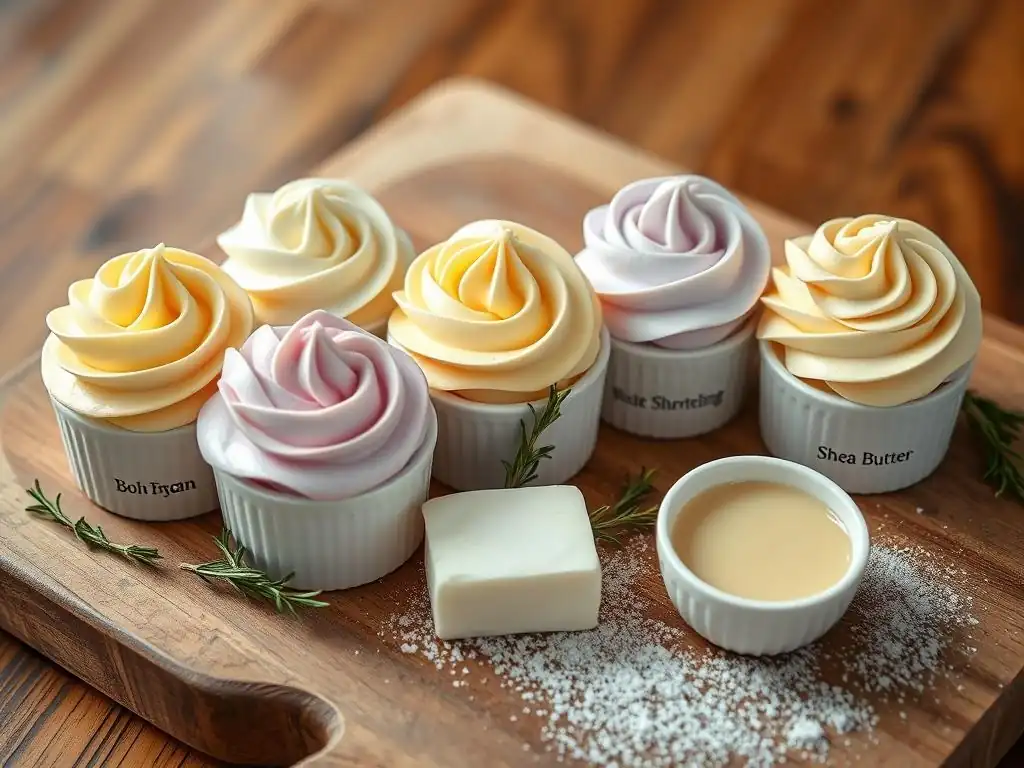
Cream Cheese Frosting: A Fat-Rich Alternative
While not technically a "buttercream" in the classic sense, cream cheese frosting is a popular fat-based frosting that offers a tangy flavor profile and a soft, creamy texture. It's made by beating softened cream cheese with softened butter, powdered sugar, and vanilla extract. The fat content comes from both the butter and the cream cheese (which typically contains around 30-35% fat).
Cream cheese frosting is inherently softer than many buttercreams due to the composition of cream cheese. It's less stable in heat and is best stored in the refrigerator. Achieving the right consistency involves ensuring both the cream cheese and butter are properly softened before mixing (not melted). If it's too soft, chilling is the primary solution. If it's slightly too stiff (less common), a tiny splash of milk or cream can help, similar to how to soften buttercream, but use caution due to the cream cheese's softer nature.
Ganache: Utilizing Chocolate's Fat Content for Frosting
Ganache is a luxurious, simple frosting or filling made from just two ingredients: chocolate and hot cream. The fat in ganache comes from the cocoa butter present in the chocolate (dark chocolate contains more cocoa butter than milk or white chocolate). When hot cream is poured over chopped chocolate, the heat melts the cocoa butter and other fats, and whisking creates a smooth, stable emulsion of fat, water, and sugar.
The ratio of chocolate to cream dictates the consistency. A 1:1 ratio (by weight) of chocolate to cream results in a thick, fudgy ganache suitable for frosting. A 2:1 ratio is even thicker, used for truffles. A 1:2 ratio is thinner, like a glaze.
Ganache firms up as it cools because the cocoa butter solidifies. To use it as a frosting, it's often cooled to a spreadable consistency, or even whipped once cooled for a lighter texture. Softening ganache that's become too firm involves gentle warming, much like how to soften buttercream, but be careful not to overheat, which can break the emulsion.
BakeWithEase Buttercream Recipes: Putting Fat Knowledge to Practice
Classic American Buttercream Recipe
Understanding the role of fat is key to making this versatile frosting. This recipe provides a good base for learning how to soften buttercream frosting by adjusting consistency.
Yields: Approx. 3 cups Prep time: 15 minutes
- 1 cup (2 sticks, 227g) unsalted butter, softened (around 70-72°F / 21-22°C)
- 4 cups (480g) powdered sugar, sifted
- 1/4 cup (60ml) milk or cream
- 1 teaspoon vanilla extract
- Pinch of salt (optional, balances sweetness)
- Beat the softened butter in a large bowl with a stand mixer or hand mixer on medium speed until creamy and pale, about 2-3 minutes. This incorporates air into the fat.
- Gradually add the sifted powdered sugar, about 1 cup at a time, mixing on low speed until combined. Scrape down the sides of the bowl as needed. The mixture will become quite stiff.
- With the mixer on low, slowly drizzle in the milk (or cream) and vanilla extract. Continue mixing until the frosting is smooth and reaches your desired consistency.
- If too stiff, add another tablespoon of liquid and mix. If too soft, add a few more tablespoons of sifted powdered sugar and mix.
Swiss Meringue Buttercream Recipe
This recipe uses the emulsifying power of meringue to create a lighter, less sweet frosting.
Yields: Approx. 4-5 cups Prep time: 25-30 minutes
- 5 large egg whites (about 150g)
- 1 1/4 cups (250g) granulated sugar
- 1 1/2 cups (3 sticks, 340g) unsalted butter, cut into tablespoons, softened but still cool (around 68-70°F / 20-21°C)
- 1 teaspoon vanilla extract
- Combine egg whites and granulated sugar in the heatproof bowl of a stand mixer set over a pot of simmering water (double boiler). Whisk constantly until the sugar is dissolved and the mixture reaches 140-160°F (60-70°C) and feels smooth when rubbed between your fingers.
- Remove the bowl from the heat and attach it to the stand mixer fitted with the whisk attachment. Whip on high speed until stiff, glossy peaks form and the meringue is completely cool to the touch (this can take 8-15 minutes).
- Switch to the paddle attachment. With the mixer on medium-low speed, add the softened butter one tablespoon at a time, waiting for each piece to be mostly incorporated before adding the next. The mixture may look curdled or separated – this is normal! Keep mixing.
- Continue mixing on medium speed. The frosting will come together and become smooth and silky after several minutes of beating.
- Mix in the vanilla extract.
- If the buttercream looks curdled after adding all the butter, it might be too warm or too cold. If too warm, chill the bowl for 10-15 minutes and whip again. If too cold, take out a cup, warm it gently, and add it back while mixing. The process for how to soften buttercream here is about temperature and continued mixing.
Conclusion: Mastering Fat for Perfect Buttercream Every Time
Understanding the role of fat – its crystalline structure, melting point, and how it interacts with other ingredients – is fundamental to mastering buttercream frosting. Whether you're aiming for a stable, pipeable frosting or a soft, spreadable one, fat is the key player. From choosing the right type of fat (butter, shortening, or a blend) to controlling its temperature during mixing and storage, every step influences the final texture.
Learning how to soften buttercream frosting when it's too stiff, or preventing it from becoming too soft in the first place, becomes much easier when you appreciate the science behind the fat. By paying attention to ingredient temperatures, ratios, and mixing techniques, you can confidently create delicious, perfectly textured buttercream for all your baking projects, ensuring smooth and beautiful results every time.
Frequently Asked Questions
How does fat content affect buttercream frosting consistency?
Fat content significantly impacts buttercream. More fat generally leads to a softer and more spreadable frosting, while less fat can result in a stiffer texture.
What are some common methods for softening buttercream that's too stiff?
Adding liquids like milk or cream, or incorporating softened butter, can help soften stiff buttercream. Gently warming the buttercream over a double boiler is another effective method.
What kind of fats are best for achieving a stable yet soft buttercream frosting?
Using a combination of fats, such as butter and shortening, can provide both flavor and stability. The type of fat influences the melting point and overall texture.
Can overmixing buttercream frosting make it too stiff, and if so, how do I fix it?
Yes, overmixing can incorporate too much air, leading to a stiffer consistency. Try gently folding in more softened butter or a small amount of liquid to re-emulsify it.
What role does temperature play in the softness of buttercream?
Buttercream is highly sensitive to temperature. Cold buttercream is always stiffer, while slightly warmer buttercream is softer. Maintaining a consistent room temperature is key.
Final Reflection: The Unexpected Science of a Sweet Treat
The seemingly simple act of softening buttercream frosting reveals a fascinating world of fat chemistry and culinary artistry. Understanding the role of fats—their melting points, crystallization, and interactions with other ingredients—is not just crucial for achieving the perfect frosting consistency, but also highlights the intricate science behind everyday cooking. This knowledge empowers us to troubleshoot common baking problems and elevate our creations to a new level.
The exploration of fat's impact on buttercream's texture has profoundly shaped my own baking journey. It's no longer just about following a recipe; it's about understanding why certain techniques work. The subtle nuances in texture, from a smooth, velvety finish to a slightly stiffer consistency, are now deeply connected to the scientific principles at play. The best things in life are simple, but not easy.
This quote perfectly encapsulates the seemingly straightforward task of making buttercream, which, upon closer inspection, reveals a complex interplay of ingredients and techniques.
Now, consider your own baking experiences. Have you ever struggled with a stubbornly stiff or overly soft frosting? I encourage you to revisit your recipes, armed with this new understanding of fat's role. Experiment with different fats, temperatures, and techniques. Embrace the science, and you'll not only achieve perfectly softened buttercream every time, but also unlock a deeper appreciation for the artistry and precision involved in baking. The journey of mastering buttercream is a journey of understanding, and the rewards are undeniably sweet.
Unlock Your Frosting Potential: Master the Art of Buttercream!
Thanks for diving deep into the world of buttercream with us! We hope you now feel more confident in understanding the science behind that perfectly smooth, stable frosting. Ready to put your new knowledge into practice?
- Whip up your dream buttercream: Try experimenting with different fats to see how they impact texture and flavor. Document your results – you might discover your new signature frosting!
- Share your frosting creations: Post a picture of your masterpiece on social media and tag us – we'd love to see what you bake!
- Explore our other baking guides: Discover even more tips and tricks to elevate your baking game on BakeWithEase.com.
What unique flavor combination are you going to try in your next buttercream adventure?