
Ancient Grains Flour Guide: Baking with Einkorn, Farro, etc. Made Easy

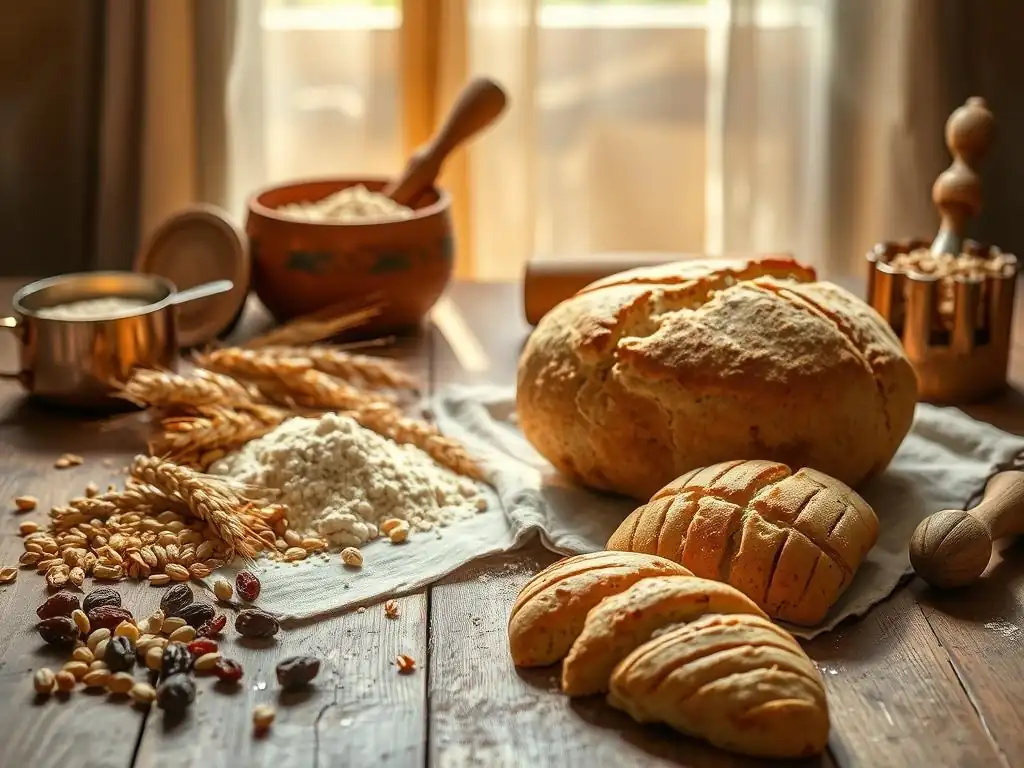
Welcome to BakeWithEase, where the joy of baking meets simplicity! Ever wondered about the secret to unlocking richer flavors and textures in your baked goods? This Einkorn flour baking guide is your key! Discover the incredible potential of ancient grains and learn how to effortlessly incorporate them into your favorite recipes. Are you ready to bake something truly extraordinary? Let's get started!
- Ancient Grains Flour Guide: Baking with Einkorn, Spelt, and Khorasan Wheat
- Understanding Ancient Grains for Baking
- Einkorn Flour Baking Guide
- Spelt Flour Baking Guide
- Khorasan Wheat Flour Baking Guide
- Other Ancient Grains for Baking
- Converting Recipes to Ancient Grains
- Storing Ancient Grains Flour
- The Future of Baking with Ancient Grains
-
Frequently Asked Questions
- What exactly is Einkorn flour, and why is it gaining popularity?
- Is Einkorn flour suitable for all types of baking, or are there limitations?
- Where can I find Einkorn flour, and is it more expensive than regular wheat flour?
- What are some key differences I should be aware of when substituting Einkorn flour for wheat flour in a recipe?
- What are the benefits of baking with Einkorn flour compared to other types of flour?
- Final Reflection: The Enduring Appeal of Ancient Grains
- Unleash Your Inner Baker: Master Ancient Grains Today!
Ancient Grains Flour Guide: Baking with Einkorn, Spelt, and Khorasan Wheat
Understanding Ancient Grains for Baking
Introduction to Ancient Grains for Bakers
Welcome to the wonderful world of ancient grains! As bakers, we often default to modern wheat flours, but there's a rich history and incredible diversity waiting to be explored in grains like einkorn, spelt, and khorasan wheat (often marketed as Kamut®). These grains have largely remained unchanged for thousands of years, unlike modern wheat which has undergone significant breeding. Exploring them offers not just a chance to bake something unique, but also to connect with agricultural history and potentially discover new favorite flavors and textures for your bread, pastries, and more.
Working with ancient grains can feel a bit different from baking with all-purpose or bread flour, primarily due to variations in gluten structure and absorption rates. However, with a little understanding and adjustment, these grains can yield truly spectacular results. Whether you're aiming for a rustic loaf of sourdough or a tender cake, incorporating ancient grains can elevate your baking game and introduce exciting new dimensions to familiar recipes. This guide aims to provide you with the knowledge you need to confidently begin your journey with flours like einkorn, spelt, and khorasan wheat.
Benefits and Nutritional Value of Baking with Ancient Grains
Beyond their fascinating history and unique baking properties, ancient grains offer notable nutritional advantages that appeal to many bakers and consumers today. Einkorn, for example, is often cited for its higher levels of protein and phosphorus compared to modern wheat. It also contains a different type of gluten structure which some individuals find easier to digest, though it is not gluten-free and should not be consumed by those with celiac disease.
Spelt and khorasan wheat are also packed with nutrients. Spelt is known for its good solubility, which some believe makes its nutrients more easily absorbed by the body. Khorasan wheat boasts a higher protein content than modern wheat, often around 14-18%, and is a good source of selenium, zinc, and magnesium. While the exact nutritional profile can vary based on growing conditions and processing, incorporating these flours is a simple way to add fiber, vitamins, and minerals to your baked goods, contributing to a more wholesome diet.
Einkorn Flour Baking Guide
History and Characteristics of Einkorn Flour
Einkorn ( Triticum monococcum) is considered the oldest cultivated wheat, with archaeological evidence suggesting it was first domesticated over 10,000 years ago in the Fertile Crescent. Its name, meaning "single grain" in German, refers to the fact that each spikelet contains only one kernel. Unlike modern wheat, which is hexaploid (six sets of chromosomes) or tetraploid (four sets), einkorn is diploid (two sets of chromosomes), representing a much simpler genetic structure. This ancient lineage gives einkorn its unique characteristics.
When milled into flour, einkorn has a beautiful golden hue and a slightly sweet, nutty flavor profile that adds depth to baked goods. Its gluten structure is weaker and less elastic than that of modern wheat, meaning doughs tend to be stickier and less extensible. This requires a different approach to mixing and handling. While it contains gluten, the protein structure is different from modern wheat, which is why some people with non-celiac gluten sensitivity report tolerating it better. Understanding these characteristics is the first step in successfully using this ancient grain.
Einkorn Flour vs. Modern Wheat Flour: Baking Differences
The primary difference when comparing einkorn flour to modern wheat flour in baking lies in the gluten. Modern wheat gluten forms a strong, elastic network that traps gases effectively, resulting in light, airy loaves with good structure. Einkorn's gluten, while present, is less strong and less elastic. This means einkorn doughs don't develop structure in the same way; they tend to be more fragile and can easily tear if overworked.
This difference impacts everything from mixing time to proofing. Modern wheat doughs benefit from vigorous kneading to develop gluten. Einkorn doughs require gentle handling and often longer, slower fermentation periods to build strength. Furthermore, einkorn flour absorbs liquids differently, often requiring less hydration than modern wheat flours. A typical hydration for an all-purpose flour bread might be 65-70%, whereas a similar einkorn bread might work best at 55-60% hydration. Mastering these adjustments is key to a successful einkorn flour baking guide experience.
Baking with Einkorn Flour: Tips and Techniques
Baking with einkorn flour requires patience and a willingness to adapt your usual methods. Because of its weaker gluten, avoid aggressive kneading; a gentle fold-and-rest method or using a stand mixer on a low speed for a short time is often sufficient. The dough will likely feel stickier and less cohesive than you're used to. Don't be tempted to add too much extra flour; rely on wet hands or a bench scraper for handling.
Proofing times might also need adjustment. Einkorn ferments more slowly, so longer, cold fermentation in the refrigerator can help develop flavor and strength without overproofing. Baking in a loaf pan or using a proofing basket can provide necessary support for the less structured dough. For pastries or cookies, einkorn's tenderness is an asset, but for bread, managing hydration and handling is critical. Following an einkorn flour baking guide specifically designed for this grain is highly recommended when starting out.
Adjusting Recipes for Einkorn Flour: Hydration and Gluten
When converting a recipe designed for modern wheat to einkorn flour, the most crucial adjustments involve hydration and recognizing the difference in gluten development. As mentioned, einkorn generally requires less liquid. A good starting point is to reduce the liquid in your original recipe by 10-20%. Observe the dough; it should be moist but not soupy. You can always add a tiny bit more liquid if needed, but it's harder to correct if it's too wet.
Regarding gluten, don't expect the dough to become smooth and elastic like a modern wheat dough. It will remain somewhat sticky and less developed. Embrace this difference rather than fighting it. Techniques like autolyse (mixing flour and water and letting it rest before adding other ingredients) can help the flour hydrate fully, and gentle stretch-and-folds over an hour or two can build some structure without tearing the delicate gluten network. This adaptive approach is fundamental to any effective einkorn flour baking guide.
Einkorn Flour Recipes: Sourdough Bread
Baking einkorn sourdough bread is a rewarding challenge that showcases the grain's unique flavor. A typical recipe might use 500g of whole einkorn flour, around 275-300g of water (55-60% hydration), 100g of active einkorn starter, and 9-10g of salt. The process often involves mixing the flour and water for an autolyse period of 30-60 minutes, then gently incorporating the starter and salt.
After mixing, the dough benefits from several sets of gentle stretch-and-folds performed every 30-45 minutes over 2-3 hours. Bulk fermentation might take 4-6 hours at room temperature (around 72°F/22°C), or significantly longer in the refrigerator (12-24 hours). Shaping is done gently, and the final proof is often shorter than with modern wheat sourdough, or done overnight in the fridge for easier handling.
Baking is typically done in a preheated oven at 450-475°F (230-245°C), often in a Dutch oven to provide steam and support the loaf's structure. The result is a dense, flavorful loaf with a unique crumb and rich aroma.
Spelt Flour Baking Guide
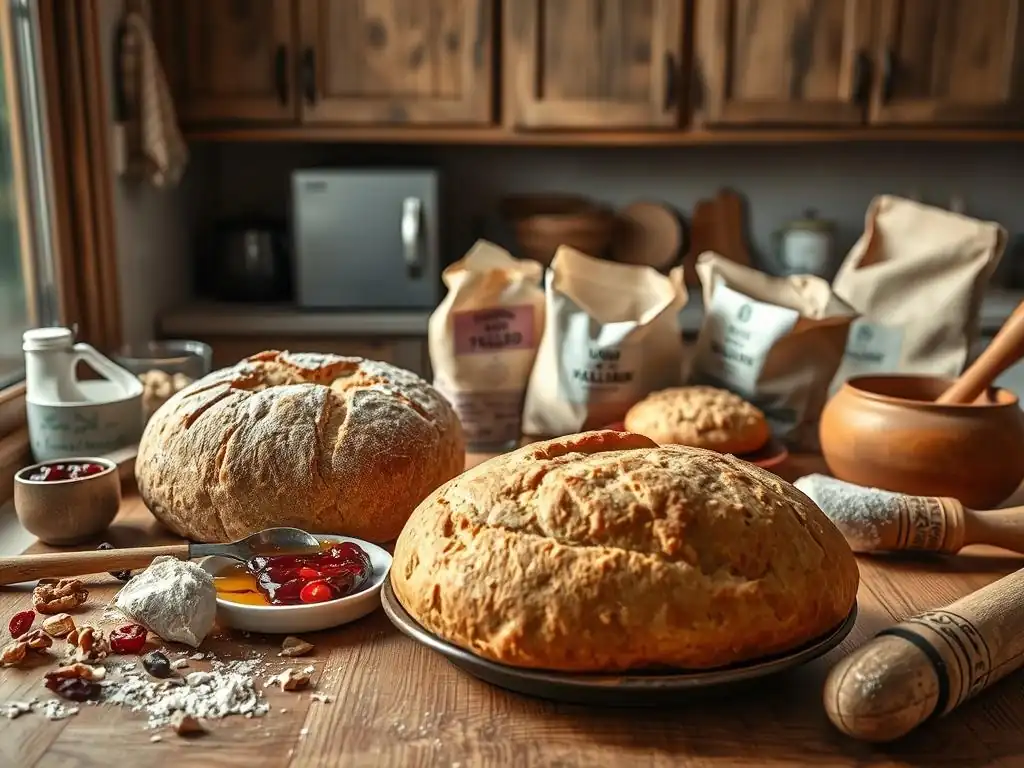
Properties of Spelt Flour
Spelt ( Triticum spelta) is another ancient wheat, though younger than einkorn. It was widely cultivated in Europe during the Middle Ages before being largely replaced by modern wheat varieties. Spelt is a hexaploid wheat, like modern common wheat ( Triticum aestivum), but it retains its hull after threshing, which helps protect the kernel but requires an extra processing step. Spelt flour has a slightly sweet, nutty, and sometimes subtly tangy flavor.
One of the key properties of spelt flour is its gluten. While present, spelt gluten is more fragile and water-soluble than modern wheat gluten. This means it breaks down more easily with overmixing or prolonged fermentation. Spelt doughs tend to become sticky quickly and can lose structure if handled too roughly or left to ferment for too long. However, this fragility also contributes to the tenderness of baked goods made with spelt.
Baking with Spelt Flour: Flavor and Texture
Baking with spelt flour imparts a lovely, nuanced flavor to everything from quick breads and muffins to yeast loaves. The flavor is generally less assertive than whole wheat but more complex than white flour. It pairs particularly well with fruits, nuts, and warm spices. In terms of texture, spelt tends to produce baked goods that are wonderfully tender and moist, thanks to its slightly different protein structure and hydration properties.
However, achieving a lofty, open crumb in yeast breads can be tricky due to the delicate gluten. Overmixing will cause the gluten to break down, resulting in a dense, gummy texture. Similarly, overproofing will lead to a dough that collapses. Gentle handling, shorter mixing times, and careful monitoring of proofing are essential for success. For recipes like pancakes, waffles, or quick breads where structure isn't as critical, spelt flour performs beautifully, lending its unique flavor and tender crumb.
Spelt Flour Recipes: Light and Airy Bread
Creating a light and airy yeast bread with spelt flour is achievable with the right technique. A good starting point is a simple recipe with a relatively short fermentation time. For a loaf using 500g of whole spelt flour, you might use around 350-375g of water (70-75% hydration), 7g of instant yeast, and 10g of salt. Unlike modern wheat, mixing should be brief – just until the ingredients are combined, perhaps 2-3 minutes on low speed in a mixer, or a few minutes by hand.
Bulk fermentation should be monitored closely; spelt dough can rise faster than modern wheat dough. A typical bulk ferment might be 60-90 minutes at room temperature, with one or two gentle folds if desired, but avoid aggressive handling. Shaping should also be done quickly and gently.
Final proofing is often shorter, perhaps 45-60 minutes, or until the loaf is visibly risen but not expanded to its maximum potential. Baking at a moderate temperature, like 375-400°F (190-200°C), can help prevent the crust from setting too quickly before the interior is fully baked. The result is a moist, flavorful loaf with a slightly tighter crumb than a typical white loaf, but still pleasantly light.
Khorasan Wheat Flour Baking Guide
Baking with Khorasan Wheat: Exploring its Potential
Khorasan wheat ( Triticum turgidum ssp. turanicum), often known by the brand name Kamut®, is an ancient grain believed to originate from the Fertile Crescent. It's a tetraploid wheat, like durum wheat (used for pasta), and is known for its large kernel size, rich, buttery flavor, and firm texture. Baking with khorasan wheat flour offers a chance to explore these unique characteristics in various applications, from rustic breads to tender pasta and even pastries.
Khorasan wheat flour has a moderate gluten content, typically higher in protein than modern all-purpose flour (often 14% or more). The gluten structure is stronger than einkorn but different from modern wheat, giving doughs a pleasant extensibility. It absorbs water well, and doughs are often less sticky than einkorn. This makes khorasan wheat relatively easier to work with for bakers accustomed to modern wheat, offering a stepping stone into ancient grains.
Khorasan Wheat Baking: Tips for Sweet and Savory Results
Khorasan wheat flour's rich, slightly sweet, and nutty flavor profile makes it versatile for both sweet and savory baking. For breads, it contributes a beautiful golden color and a satisfying chew. It performs well in both yeast-leavened and sourdough recipes, often yielding a more open crumb than einkorn or spelt. The dough is relatively easy to handle, though it can become a bit tough if overmixed, so moderate kneading is advised.
In savory applications, khorasan wheat flour shines in pasta dough, flatbreads, and pizza crusts, where its flavor and texture are highly appreciated. For sweet treats like muffins, cookies, or tarts, using a portion of khorasan flour adds nutritional value and a delightful depth of flavor. Because its flavor is more pronounced than white flour but less intense than whole wheat, it can often be substituted for a portion of the flour in existing recipes without overwhelming other ingredients.
Khorasan Wheat Recipes: Pasta Dough
Khorasan wheat flour is particularly well-suited for making fresh pasta dough. Its high protein content and unique gluten structure contribute to a firm, elastic dough that holds its shape well when cooked. A simple khorasan wheat pasta dough recipe might involve 200g of fine khorasan flour, 2 large eggs, and a pinch of salt. The flour is typically mounded on a surface, a well is made in the center, and the eggs are cracked into the well.
Using a fork, gently whisk the eggs, gradually incorporating the flour from the sides until a shaggy dough forms. Knead the dough for 8-10 minutes until it is smooth and elastic, though it may remain slightly less smooth than a durum wheat pasta dough. Rest the dough, wrapped tightly, for at least 30 minutes before rolling and cutting. The resulting pasta has a beautiful golden color and a wonderful, slightly chewy texture with a distinct, appealing flavor that elevates any sauce.
Other Ancient Grains for Baking
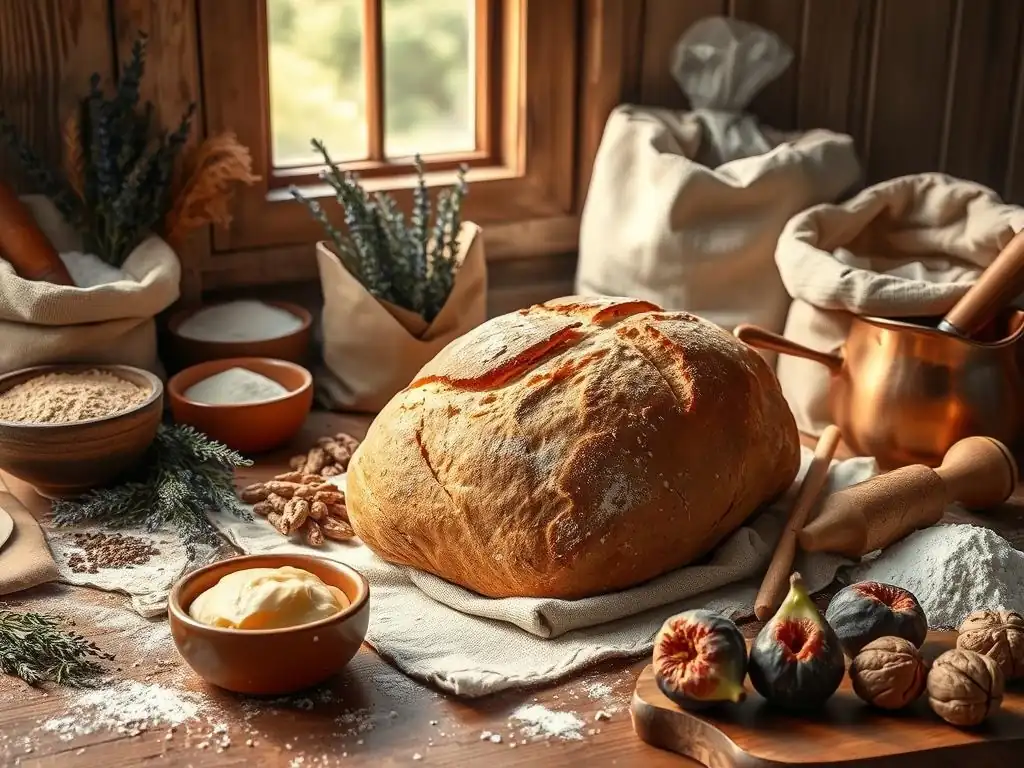
Teff Flour: Gluten-Free Baking
Teff ( Eragrostis tef) is a tiny, nutrient-rich grain originating from Ethiopia, where it is a staple food used to make the fermented flatbread, injera. It is naturally gluten-free, making it a valuable option for those with celiac disease or severe gluten sensitivity. Teff flour is available in both ivory and brown varieties, with brown teff having a stronger, earthy, molasses-like flavor.
Baking with teff flour can be a bit challenging due to the absence of gluten structure. It tends to produce dense baked goods. It's often used in combination with other gluten-free flours and binders like xanthan gum or psyllium husk to improve texture. While it might not make a light, airy loaf on its own, it's excellent in flatbreads, pancakes, waffles, and as a portion of the flour blend in muffins or quick breads, adding significant nutritional value and a distinct flavor.
Buckwheat Flour: Adding a Nutty Flavor
Buckwheat ( Fagopyrum esculentum) is often mistakenly thought of as a wheat, but it's actually a pseudocereal related to rhubarb and sorrel. It is naturally gluten-free and has a distinctive, robust, nutty flavor. Buckwheat flour is a common ingredient in pancakes (like French galettes or Russian blinis), soba noodles, and some traditional breads, particularly in Eastern Europe.
Using 100% buckwheat flour in baking can result in dense and crumbly textures due to the lack of gluten. It's frequently combined with other flours, both gluten-free and wheat-based, to improve structure. Even using a small percentage, say 20-30%, can impart its signature nutty flavor and beautiful dark color to breads, muffins, or quick loaves. It's a fantastic flour for adding complexity and nutritional value to your baking.
Millet Flour: A Versatile Baking Option
Millet refers to a group of small-seeded grasses widely grown in Asia and Africa. Like teff and buckwheat, millet is naturally gluten-free. When ground into flour, it has a mild, slightly sweet, and nutty flavor and a fine, powdery texture. Millet flour is a versatile ingredient in gluten-free baking and can also be used in combination with wheat flours.
Millet flour can absorb a good amount of liquid, and it helps create a tender crumb in baked goods. It's commonly used in gluten-free bread blends, muffins, cookies, and flatbreads. While it doesn't provide structure on its own, its neutral-to-mild flavor makes it a good base flour in gluten-free mixes. It's also highly nutritious, offering good amounts of protein, fiber, and minerals like magnesium and phosphorus.
Converting Recipes to Ancient Grains
Flour Ratios and Hydration Levels
Converting recipes to ancient grains isn't always a simple 1:1 substitution, especially when moving from modern wheat to einkorn or spelt. As highlighted in the einkorn flour baking guide section, hydration is often the most significant factor. Start by reducing the liquid by 10-20% when using einkorn or spelt in a recipe designed for modern wheat. Khorasan wheat is often closer to modern wheat in absorption, but still observe the dough and adjust as needed.
For a more reliable conversion, consider replacing only a portion of the modern wheat flour with an ancient grain, perhaps starting with 25-50%. This allows you to introduce the flavor and nutrition of the ancient grain while relying on the structural support of the modern wheat gluten. For gluten-free ancient grains like teff or buckwheat, substitution rates are even more complex and usually require adding binders or relying on recipes specifically developed for gluten-free baking.
Blending Ancient Grains and Modern Wheat
Blending ancient grains with modern wheat is an excellent way to ease into using these less familiar flours and achieve desirable baking results. Combining, for instance, 50% all-purpose flour with 50% whole einkorn flour allows you to benefit from einkorn's flavor and nutrition while the modern wheat provides a stronger, more elastic gluten network, making the dough easier to handle and resulting in a lighter texture than 100% einkorn.
Similarly, blending spelt or khorasan wheat with modern wheat can enhance the flavor and nutritional profile of your bakes without drastically changing your techniques. A blend of 70% modern bread flour and 30% whole spelt flour can yield a loaf with improved flavor and tenderness compared to 100% bread flour, while still having good structure. Experimenting with different ratios is part of the fun and learning process when exploring ancient grains.
Troubleshooting Ancient Grains Baking
Encountering challenges is part of the journey when baking with ancient grains. If your einkorn bread is dense and gummy, you might have overmixed the dough, used too much hydration, or not allowed sufficient bulk fermentation time. If your spelt bread collapsed, it likely overproofed or was handled too roughly, causing the fragile gluten to break down.
- Sticky Dough: This is common, especially with einkorn and spelt. Use wet hands, a bench scraper, and minimal extra flour during handling. Lower hydration in future attempts.
- Dense Crumb: Often due to underdeveloped or overdeveloped (broken down) gluten, insufficient leavening, or too short proofing. Ensure gentle mixing, adequate fermentation, and don't overproof delicate spelt or einkorn.
- Lack of Rise: Could be inactive starter/yeast, too little hydration (dough is too stiff), or dough that hasn't built enough structure (gentle folds can help).
- Crumbly Texture: More common with gluten-free ancient grains or if using too high a percentage of low-gluten ancient grains without sufficient support (like a pan or proofing basket).
Learning to read the dough and making small adjustments based on its feel and behavior is key to success with ancient grains. Consulting a specific einkorn flour baking guide or spelt guide when working with those grains is always helpful.
Storing Ancient Grains Flour
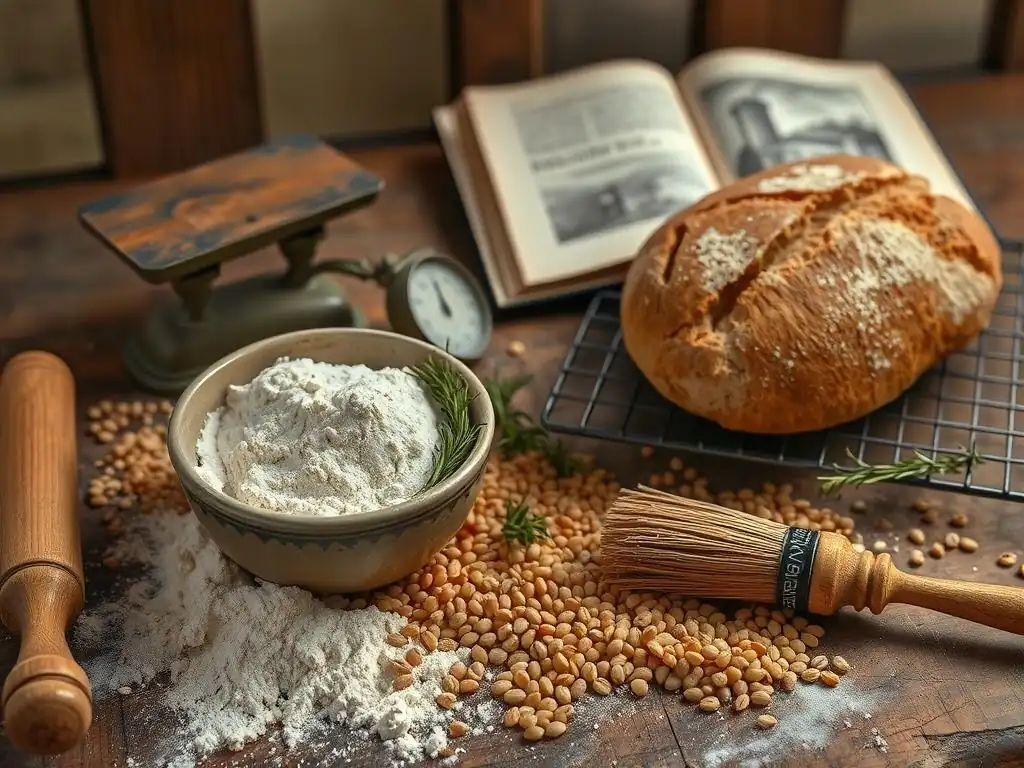
Best Practices for Maintaining Freshness
Proper storage is crucial for maintaining the quality and extending the shelf life of ancient grains flour. Like all whole grain flours, ancient grain flours contain the germ, which is rich in oils. These oils can go rancid over time, resulting in off-flavors. White ancient grain flours (where the bran and germ are removed) have a slightly longer shelf life but still benefit from cool storage.
The best place to store ancient grains flour is in an airtight container in the refrigerator or freezer. This significantly slows down the oxidation process that leads to rancidity. In the pantry, stored in a cool, dark place, whole ancient grain flours might last 1-3 months, while in the refrigerator they can last 6-12 months, and in the freezer even longer. Always check for a fresh, pleasant aroma before using; if it smells musty or like old crayons, it's likely rancid and should be discarded.
The Future of Baking with Ancient Grains
Exploring New Recipes and Techniques
The growing interest in ancient grains is constantly inspiring bakers to explore new recipes and techniques. Beyond traditional bread, bakers are experimenting with using einkorn in delicate pastries, spelt in enriched doughs like brioche, and khorasan wheat in pasta and flatbreads. The unique flavors and textures of these grains open up a world of creative possibilities in the kitchen.
As more resources become available, including specialized books and online communities dedicated to ancient grains, bakers are sharing their findings and developing best practices. Techniques like long, cold fermentation, different mixing methods tailored to weaker gluten, and blending ancient grains with other flours are becoming more refined. The future promises exciting innovations in utilizing the full potential of these historic grains.
Purchasing Ancient Grains Flour: Reliable Sources
As ancient grains become more popular, they are becoming more widely available. You can often find einkorn, spelt, and khorasan wheat flours in health food stores, specialty grocery stores, and increasingly, in the baking aisle of larger supermarkets. Look for reputable brands that specialize in ancient grains or organic flours.
Online retailers are also excellent sources, often offering a wider variety of ancient grains and different grinds (like whole grain, sifted, or bolted). Purchasing directly from millers or farms that specialize in ancient grains can also be a great option, ensuring freshness and supporting sustainable agriculture. When buying, check the packaging for information on the grain source and milling process, and consider buying smaller quantities initially if you are just beginning your ancient grains baking journey to ensure freshness.
Frequently Asked Questions
What exactly is Einkorn flour, and why is it gaining popularity?
Einkorn flour is an ancient grain known for its lower gluten content and nutty flavor. Its popularity stems from its digestibility and unique taste, appealing to those seeking alternatives to modern wheat.
Is Einkorn flour suitable for all types of baking, or are there limitations?
While versatile, Einkorn flour works best in recipes that don't require high gluten development, such as pancakes, cookies, and quick breads. It can be used in bread, but requires adjustments and care.
Where can I find Einkorn flour, and is it more expensive than regular wheat flour?
Einkorn flour is often found in health food stores and online retailers. It's generally more expensive than regular wheat flour due to its lower yield and specialized cultivation.
What are some key differences I should be aware of when substituting Einkorn flour for wheat flour in a recipe?
Einkorn flour absorbs less liquid than wheat flour, so you may need to adjust the liquid content in your recipes. Also, be mindful of overmixing, as it can lead to a tough texture.
What are the benefits of baking with Einkorn flour compared to other types of flour?
Baking with Einkorn flour can offer a unique flavor profile and may be easier to digest for some individuals. It also provides a source of nutrients and antioxidants.
Final Reflection: The Enduring Appeal of Ancient Grains
The resurgence of ancient grains isn't just a fleeting food trend; it's a conscious return to nourishing, flavorful ingredients that offer a richer baking experience. We've explored the unique properties of einkorn, farro, and other ancient grains, highlighting their nutritional benefits and demonstrating how easy they are to incorporate into your baking routine. This isn't about abandoning modern techniques, but rather enriching them with the wisdom of the past.
The shift towards ancient grains reflects a growing awareness of the impact our food choices have on our health and the environment. These grains, often grown sustainably and boasting higher nutrient densities than their modern counterparts, represent a powerful step towards a more conscious and mindful approach to food. The food we eat is a reflection of our values.
This quote rings true when considering the conscious choice to bake with ancient grains, a choice that speaks to a desire for quality, sustainability, and a deeper connection to the origins of our food.
Now, it's your turn. Consider the possibilities. Experiment with einkorn's delicate texture in a simple loaf, or let the nutty earthiness of farro elevate your next batch of cookies. Don't be afraid to explore the diverse world of ancient grains; each one offers a unique flavor profile and baking experience waiting to be discovered. Embrace the challenge, embrace the flavor, and embrace the journey towards a more nourishing and fulfilling baking practice.
Unleash Your Inner Baker: Master Ancient Grains Today!
Thanks for diving into the world of ancient grains with us! We hope you've discovered new baking possibilities and a deeper appreciation for these nutritious flours. Ready to put your newfound knowledge to the test?
- Bake your first ancient grain loaf: Start with a simple recipe using einkorn or farro – you’ll be surprised at the difference in flavor and texture! Our website offers beginner-friendly recipes to get you started.
- Share your baking journey: Tag us on social media with your creations and inspire others to explore ancient grains! We'd love to see what you bake.
- Try a unique recipe swap: Challenge a friend to exchange an ancient grain recipe and expand your baking horizons together!
What ancient grain are you most excited to experiment with next?