
Are Your Cookie Centers Too Hardened? Tips for a Tender, Chewy Snickerdoodle

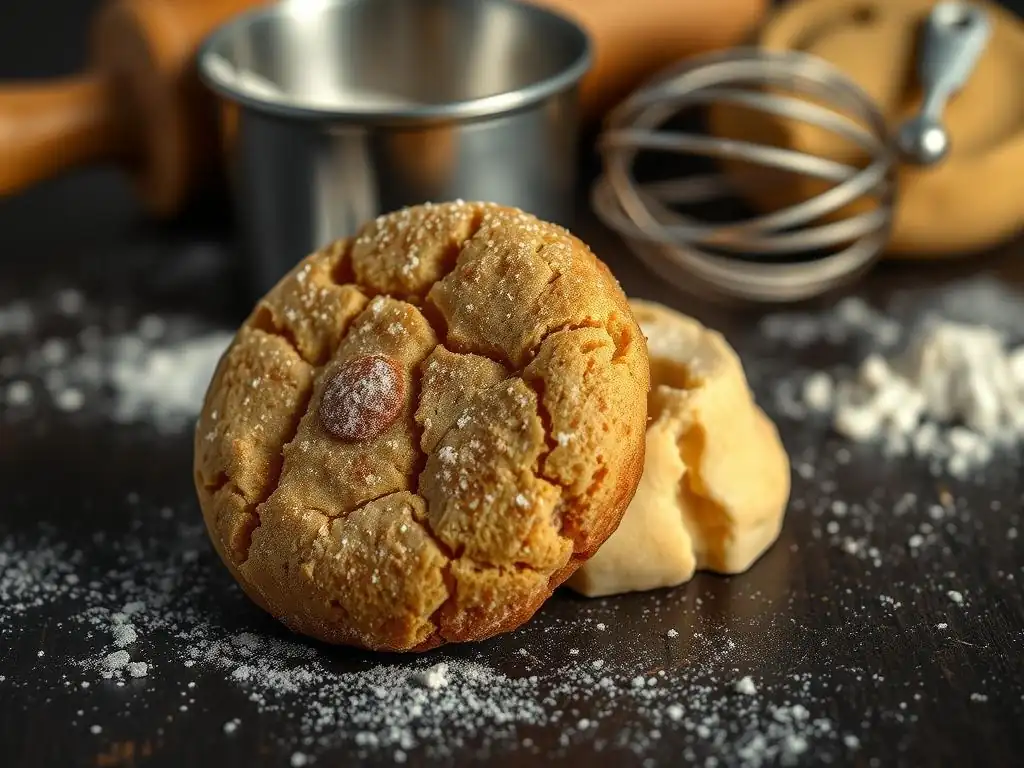
Welcome to BakeWithEase, your kitchen companion for conquering any baking challenge! Ever wondered why your Snickerdoodle dough texture isn't quite right, leaving you with cookies that are more rock than melt-in-your-mouth? We're diving deep into the secrets of achieving the perfect tender, chewy Snickerdoodle. Discover the common pitfalls and pro tips that will transform your baking game, starting now. Intrigued? Let's get baking!
- Achieving Tender Snickerdoodles: Troubleshooting Hard Centers
- Understanding Snickerdoodle Texture: Identifying the Root Causes of Hardness
- Mastering Snickerdoodle Dough: Techniques for a Chewy Result
- Baking Techniques for Tender Snickerdoodles: Achieving Perfection
- Proactive Tips for Soft and Chewy Snickerdoodles: Prevention is Key
- Snickerdoodle Variations: Exploring Flavor and Texture
- Troubleshooting Common Snickerdoodle Issues
-
Frequently Asked Questions
- How can I prevent my snickerdoodle cookies from being too hard in the center?
- What role does the type of fat play in snickerdoodle dough texture?
- Why is my snickerdoodle dough crumbly and difficult to work with?
- What causes snickerdoodles to spread too thin while baking?
- Can the baking time affect the chewiness of my snickerdoodles?
- Final Reflection: The Enduring Quest for the Perfect Snickerdoodle
- Unlock Your Perfect Snickerdoodle: Chewy Centers, Guaranteed!
Achieving Tender Snickerdoodles: Troubleshooting Hard Centers
Getting that perfect, soft, and chewy snickerdoodle texture is the dream for many bakers. However, sometimes you pull a batch from the oven only to find the centers are disappointingly hard or dry. This common issue is one of the frustrating snickerdoodle dough texture problems bakers face. Understanding why this happens and how to fix it is key to consistently baking those delightful, cinnamon-sugar coated treats.
Understanding Snickerdoodle Texture: Identifying the Root Causes of Hardness
Snickerdoodles are known for their signature soft interior, slightly crisp edge, and tangy flavor from cream of tartar. When this balance is off, leading to a hard center, it often points back to fundamental issues in the dough preparation or baking process. Addressing these snickerdoodle dough texture problems requires looking closely at the ingredients and techniques used.
Common Causes of Hard Snickerdoodle Centers: Overbaking, Incorrect Ratios, and Improper Mixing
One of the most frequent culprits behind hard snickerdoodle centers is simply overbaking. Cookies continue to bake for a minute or two even after they are removed from the hot oven due to residual heat. If they go into the oven for too long, or at too high a temperature, the moisture evaporates excessively, leaving a hard, dry center instead of a soft, chewy one. A difference of just 2-3 minutes can significantly impact the final texture.
Incorrect ingredient ratios also play a massive role in snickerdoodle dough texture problems. Too much flour, for instance, absorbs excess moisture, resulting in a dense and tough cookie. Conversely, not enough fat can lead to less tender results. Even improper mixing—overworking the dough after adding flour—can develop too much gluten, making the cookies tough and hard rather than tender.
The Science of Snickerdoodle Texture: Ingredient Roles and Interactions
Understanding how each ingredient functions is crucial for solving snickerdoodle dough texture problems. Flour provides structure, but its protein content (like in all-purpose flour, typically around 10-12%) determines gluten development. More gluten means a chewier, sometimes tougher, cookie if not handled correctly. Fats, like butter or shortening, tenderize the cookie by coating flour particles and inhibiting gluten formation.
Sugars contribute sweetness but also influence spread and moisture retention. Granulated sugar encourages spread and crispness, while brown sugar contains molasses, which adds moisture and chewiness. Cream of tartar, unique to snickerdoodles, is an acidic salt that reacts with baking soda to produce carbon dioxide, aiding in leavening. It also prevents sugar from crystallizing, contributing to that characteristic soft texture and tangy flavor.
Mastering Snickerdoodle Dough: Techniques for a Chewy Result
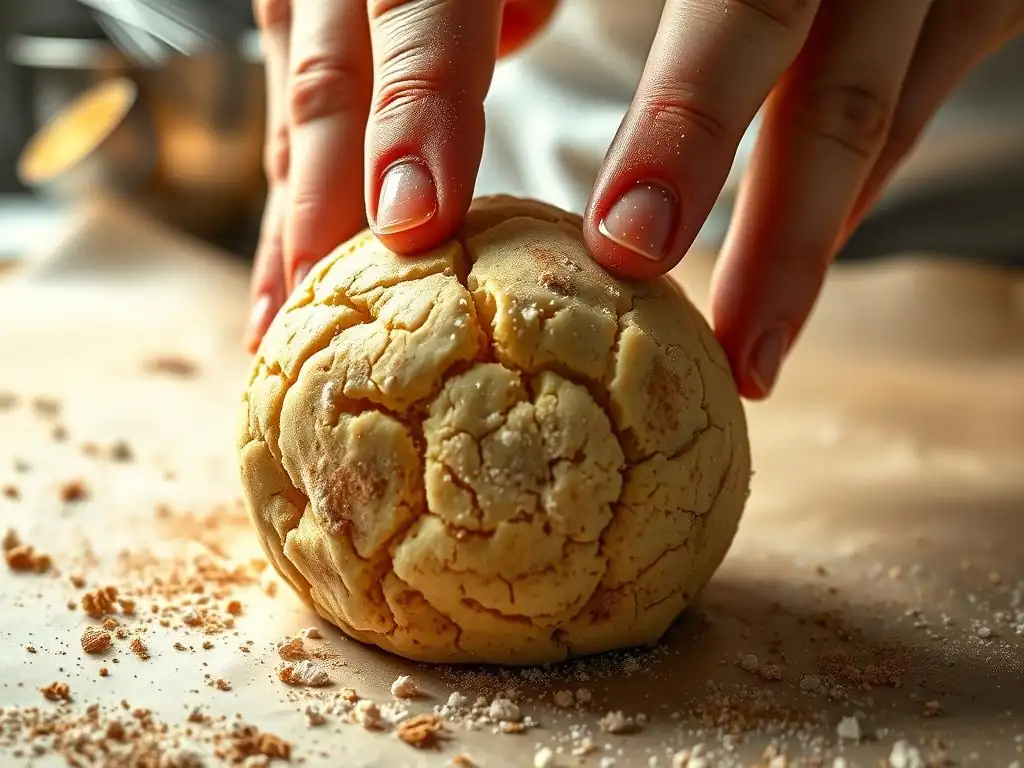
Creating the ideal snickerdoodle dough goes beyond just combining ingredients; it's about understanding how to handle them to achieve the desired soft and chewy outcome. Many snickerdoodle dough texture problems can be avoided or fixed at this stage through careful technique.
Flour Selection: The Impact of Protein Content on Snickerdoodle Texture
The type of flour you use significantly impacts your snickerdoodle texture. Standard all-purpose flour is commonly used, offering a good balance. However, using a flour with slightly lower protein content, like a pastry flour (often 8-9% protein), can result in a more tender cookie because less gluten is formed. If you're consistently getting tough cookies, considering your flour's protein level might be a key step in addressing your snickerdoodle dough texture problems.
Using too much flour, regardless of protein content, is a primary cause of hard cookies. It's often recommended to measure flour using the "spoon and level" method rather than scooping directly from the bag with your measuring cup, as scooping can compact the flour and add significantly more than intended—sometimes 20-30% more volume by weight.
Fat and Tenderness: Exploring Butter, Shortening, and Browned Butter
Fat is a tenderizer in baking. Using the right type and amount of fat is vital for preventing hard snickerdoodle centers. Butter provides flavor and helps with spread as it melts, but it also contains water (around 18%), which can evaporate during baking. Shortening, being 100% fat, creates a very tender crumb and helps cookies retain their shape and thickness, reducing spread compared to all-butter cookies.
A blend of butter and shortening is often favored for achieving a balance of flavor, tenderness, and structure. Some recipes even call for browned butter, which adds a nutty depth of flavor. While delicious, browning butter removes some water content, so ensure the recipe is specifically formulated for browned butter or adjust accordingly to avoid drying out the dough and contributing to snickerdoodle dough texture problems.
Sugar's Role: Balancing Granulated and Brown Sugar for Softness and Chew
The ratio of granulated sugar to brown sugar is critical for snickerdoodle texture. Granulated sugar helps cookies spread and contributes to a slightly crisp edge. Brown sugar, with its molasses content, is hygroscopic, meaning it attracts and retains moisture. This moisture is what gives cookies their characteristic chewiness and keeps the centers soft over time.
Many classic snickerdoodle recipes use only granulated sugar in the dough, relying solely on the butter, eggs, and cream of tartar for tenderness. However, incorporating even a small amount of brown sugar (e.g., replacing 1/4 cup of granulated sugar with brown sugar) can significantly improve the chewiness and help combat snickerdoodle dough texture problems related to dryness.
Cream of Tartar: Unlocking Tang and Texture in Snickerdoodles
Cream of tartar is a defining ingredient in snickerdoodles, providing the signature tangy flavor and contributing significantly to their unique texture. It's an acidic ingredient that reacts with baking soda (a base) to create lift, preventing the cookies from being too dense. More importantly for texture, cream of tartar inhibits sugar crystallization as the cookies cool.
Without cream of tartar, snickerdoodles would be more like sugar cookies – crispier and sweeter, lacking that soft, slightly chewy interior and tangy bite. Using fresh cream of tartar is important, as it can lose its potency over time. If your cream of tartar is old, it might not perform its job of preventing sugar crystallization effectively, potentially contributing to snickerdoodle dough texture problems.
Baking Techniques for Tender Snickerdoodles: Achieving Perfection
Even if your dough is perfect, improper baking can ruin the texture. Mastering the baking process is the final hurdle in ensuring your snickerdoodles are soft and chewy, free from hard centers. These techniques are crucial for avoiding post-dough snickerdoodle dough texture problems.
Mixing Methods: Avoiding Overmixing for a Delicate Crumb
The creaming method is standard for snickerdoodles: creaming together butter and sugar, then adding eggs and vanilla, followed by the dry ingredients. The initial creaming incorporates air, which helps with leavening. However, once the flour is added, mixing should be minimal. Overmixing develops gluten, which can lead to tough, hard cookies instead of tender ones.
Mix the dry ingredients into the wet ingredients just until they are combined and no dry streaks of flour remain. This usually takes only 30-60 seconds on low speed or gentle folding by hand. A slightly shaggy dough is preferable to a smooth, overmixed one when aiming for a tender crumb and avoiding snickerdoodle dough texture problems.
Dough Chilling: Enhancing Flavor and Preventing Spreading
Chilling snickerdoodle dough isn't strictly necessary for structure if the fat is cold, but it greatly benefits flavor and texture. Chilling allows the ingredients to meld together, deepening the flavor. More importantly, it firms up the fat, which helps the cookies spread less during baking. Less spread often means a thicker cookie, and thicker cookies tend to have softer centers than thin ones.
Chilling for at least 30 minutes, or even several hours, can make a noticeable difference in texture. If you're struggling with cookies spreading too thin and becoming hard, chilling the dough is a simple yet effective step to improve the outcome and combat those specific snickerdoodle dough texture problems.
Baking Time and Temperature: Achieving the Ideal Golden Brown
Baking time and temperature are arguably the most critical factors in preventing hard centers. Most snickerdoodle recipes call for a temperature around 350°F (175°C). The key is to bake them just until the edges are set and lightly golden, but the centers still look slightly soft or underbaked.
For a typical medium-sized cookie, this might be anywhere from 8 to 12 minutes, depending on your oven and the size of the cookie ball. When you remove them from the oven, they should look slightly puffy and maybe crackled, but the center shouldn't appear wet. They will flatten slightly as they cool on the baking sheet, and the residual heat will finish cooking the center to perfection. Baking too long, even by a minute or two, is a common source of hard snickerdoodle dough texture problems.
Oven Accuracy: Ensuring Consistent Baking Results
An inaccurate oven temperature can sabotage even the best dough. Many home ovens can be off by as much as 25-50°F (15-30°C). If your oven runs hot, your cookies will bake faster and are more likely to become hard before the edges look done. If it runs cool, they might spread too much or require longer baking times, potentially still leading to dryness.
Using an inexpensive oven thermometer is highly recommended. Place it in your oven to check the actual temperature. If your oven is consistently off, you can adjust the dial accordingly (e.g., set it to 375°F if it reads 350°F on the thermometer) or adjust your baking time. This simple check can significantly reduce many common snickerdoodle dough texture problems.
Proactive Tips for Soft and Chewy Snickerdoodles: Prevention is Key
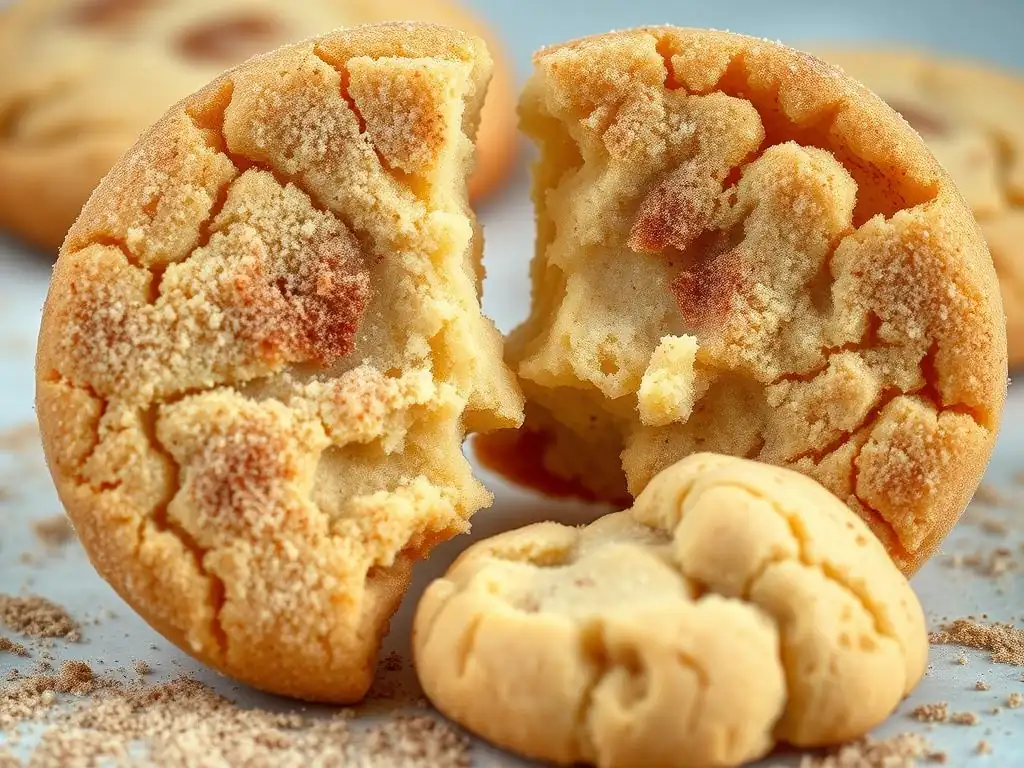
Beyond understanding the science and techniques, adopting some proactive habits can help you avoid snickerdoodle dough texture problems altogether. Consistency in your process leads to consistent results.
Accurate Measurement: Precision in Ingredients for Optimal Results
Baking is a science, and accurate measurement is fundamental. While volume measurements (cups) are common, they can be inconsistent, especially with flour. Investing in a digital kitchen scale allows you to measure ingredients by weight, which is far more precise. For example, one cup of all-purpose flour can weigh anywhere from 120g to 150g depending on how it's scooped and packed. This variation can drastically impact the dough's hydration and lead to snickerdoodle dough texture problems.
Using a scale ensures you use the exact amount of each ingredient specified in the recipe every time. This consistency helps eliminate one major variable when troubleshooting why your snickerdoodles aren't turning out as expected.
Proper Storage: Maintaining Softness and Chewiness After Baking
Even perfectly baked snickerdoodles can become hard if not stored correctly. Once completely cooled, store cookies in an airtight container at room temperature. Exposure to air allows moisture to escape, leading to dryness and hardness.
To help maintain softness, some bakers add a slice of bread or a half of an apple slice to the container with the cookies. The cookies will absorb moisture from the bread or apple, helping them stay soft and chewy for longer. Replace the bread or apple every day or two to prevent mold. This simple storage tip can extend the life of that perfect snickerdoodle texture.
Recipe Adjustments: Tweaking for Consistent Tenderness
If you've tried all the techniques and are still facing snickerdoodle dough texture problems, it might be time to slightly adjust your go-to recipe. Consider small tweaks:
- Reducing the flour by 1 or 2 tablespoons per cup.
- Adding an extra tablespoon of butter or shortening.
- Substituting a small amount of granulated sugar with brown sugar (as mentioned earlier).
- Reducing the baking powder slightly if the cookies are too cakey.
Keep track of any changes you make. Bake a small test batch after each adjustment to see how it affects the texture. This systematic approach helps you fine-tune a recipe to suit your specific ingredients, environment, and oven, leading to more consistent and tender snickerdoodles.
Snickerdoodle Variations: Exploring Flavor and Texture
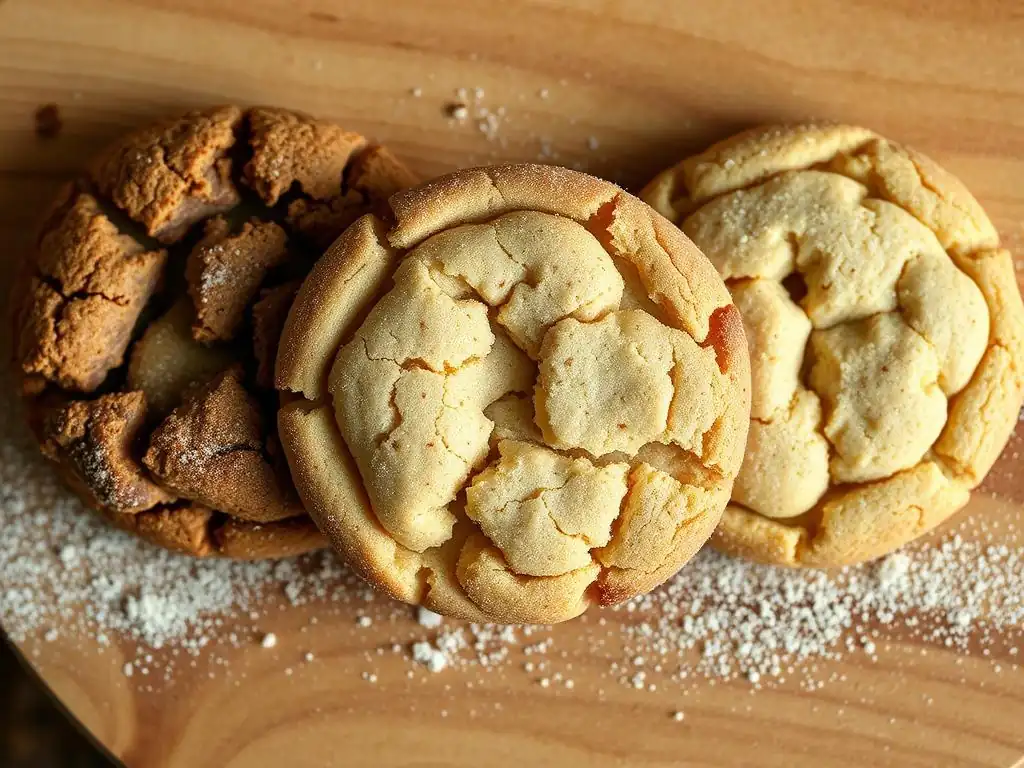
Once you've mastered the classic snickerdoodle texture, you might want to experiment with variations. Some additions can even proactively help with moisture and tenderness, offering delicious ways to enhance the base recipe and potentially mitigate future snickerdoodle dough texture problems.
Moisture-Boosting Additions: Yogurt, Sour Cream, or Applesauce for Extra Softness
Adding a small amount of a moist ingredient can provide a little extra insurance against dry, hard cookies. A tablespoon or two of full-fat yogurt, sour cream, or even unsweetened applesauce can introduce additional moisture and fat (in the case of yogurt/sour cream) into the dough.
These additions can make the cookies exceptionally soft and tender. Be careful not to add too much, as it can alter the dough consistency significantly. Start with a small amount, maybe 1-2 tablespoons per batch, and see how it affects the final texture and flavor. This can be a clever way to combat persistent snickerdoodle dough texture problems.
Flavor Combinations: Lemon Zest, Maple, or Brown Butter for Enhanced Taste
While focusing on texture, don't forget about flavor! Adding lemon zest to the dough or the cinnamon-sugar coating complements the tanginess of the cream of tartar beautifully. Using brown butter (cooled before creaming) instead of melted butter adds a wonderful nutty depth. Substituting some granulated sugar with maple sugar can infuse a subtle maple flavor.
Experimenting with flavor combinations keeps baking exciting. Just be mindful of how liquid additions (like extracts) or changes in fat structure (like brown butter) might impact the dough's consistency and potentially introduce new snickerdoodle dough texture problems if not accounted for in the recipe.
Troubleshooting Common Snickerdoodle Issues
Let's quickly address a few other common snickerdoodle dough texture problems you might encounter and their potential solutions.
Problem: Snickerdoodles Spread Too Thin - Solution: Chill Dough Longer
If your cookies are spreading into flat discs, the fat is likely melting too quickly before the structure sets.
- Ensure your butter isn't too soft when creaming. It should be cool but pliable.
- Chill the dough for at least 1-2 hours before baking.
- Try increasing the flour slightly (1-2 tablespoons) or reducing the sugar slightly.
- Make sure your oven temperature is accurate; a cool oven can cause excessive spread.
Problem: Snickerdoodles are Dry and Crumbly - Solution: Increase Fat Content
This is a classic sign of insufficient moisture or too much dry ingredient.
- Double-check your flour measurement, ideally using a scale.
- Ensure your butter is measured correctly; using less fat makes cookies dry.
- Consider adding an extra tablespoon of butter or substituting some granulated sugar with brown sugar.
- Avoid overmixing, which can make cookies tough and dry.
- Task List for Dry Cookies:
- [ ] Check flour measurement accuracy.
- [ ] Verify fat quantity in recipe.
- [ ] Add 1-2 tbsp extra butter or shortening.
- [ ] Swap some granulated sugar for brown sugar.
- [ ] Ensure minimal mixing after adding flour.
Problem: Snickerdoodles are Too Cakey - Solution: Reduce Baking Powder
Cakey cookies often have too much leavening (baking soda and/or baking powder, if used).
- Snickerdoodles traditionally use baking soda and cream of tartar. If your recipe includes baking powder, try reducing it by 1/4 teaspoon.
- Ensure your baking soda is fresh and measured accurately. Too much baking soda reacting with cream of tartar can cause excessive lift, leading to a cake-like texture.
- Check the ratio of cream of tartar to baking soda; it's typically 2:1 (e.g., 1 tsp cream of tartar to 1/2 tsp baking soda).
Frequently Asked Questions
The key is avoiding overbaking. Watch for the edges to be set, but the center still slightly soft. Also, cream the butter and sugar properly for a light and airy dough.
What role does the type of fat play in snickerdoodle dough texture?
Using unsalted butter at the correct temperature (softened, but not melted) is crucial. This helps create a tender crumb in your snickerdoodles. Avoid using substitutes that might alter the fat content.
Why is my snickerdoodle dough crumbly and difficult to work with?
This is often due to too much flour. Measure your flour carefully, preferably using a kitchen scale. Also, avoid overmixing the dough, as this can develop the gluten and make it tough.
What causes snickerdoodles to spread too thin while baking?
Too much sugar or butter can lead to excessive spreading. Make sure your ingredients are measured accurately and are at the correct temperature. Chilling the dough before baking can also help.
Can the baking time affect the chewiness of my snickerdoodles?
Absolutely! Overbaking results in a dry, hard cookie. Aim for a slightly underbaked center to achieve that signature chewy texture snickerdoodles are known for.
Final Reflection: The Enduring Quest for the Perfect Snickerdoodle
The seemingly simple snickerdoodle holds a surprising depth of culinary complexity. A perfectly textured cookie—tender, chewy, and not the least bit dry—is a testament to careful technique and a deep understanding of ingredient interaction. This pursuit, far from being frivolous, reflects our broader desire for mastery and the satisfaction found in creating something delicious and beautiful.
The quest for the ideal snickerdoodle dough speaks to a larger cultural yearning for comfort and nostalgia. The simple act of baking, and the specific joy of a perfectly executed snickerdoodle, connects us to generations past. It's a tradition, a shared experience, and a reminder of simpler times. Baking is at once child's play and adult joy. And love, of course.
This quote, though not specifically about snickerdoodles, perfectly captures the emotional resonance of baking and the pursuit of perfection within it.
So, reader, I urge you to consider the lessons learned here. Don't be discouraged by a batch of hardened centers; instead, view them as an opportunity to refine your technique, to experiment with ingredients, and to ultimately achieve that perfect, melt-in-your-mouth texture. The journey to the perfect snickerdoodle is a journey of culinary exploration, a testament to patience and precision, and a celebration of the simple joys in life. Embrace the challenge, and may your next batch be the best yet!
Unlock Your Perfect Snickerdoodle: Chewy Centers, Guaranteed!
Thanks for taking the time to explore the secrets to perfectly chewy snickerdoodles! We hope you’ve gained valuable insights into creating those irresistible, melt-in-your-mouth cookies. Ready to put your newfound knowledge to the test?
- Bake a batch of your own improved snickerdoodles today! Use the tips from the article to adjust your recipe and enjoy the results.
- Share your baking triumphs (or even your "oops" moments!) on social media using #BakeWithEaseSnickerdoodles. We’d love to see them!
- Try experimenting with different spices – what unique flavor combinations can you create?
Now, tell us: What's your favorite snickerdoodle tip – and are you ready to conquer perfectly chewy centers?