
The Easiest Vegan Egg Substitutes for Beginners


Welcome to BakeWithEase, where delicious baking becomes effortlessly achievable! Are you curious about creating delectable vegan treats but intimidated by the thought of egg substitutes? This article unlocks the secrets to mastering vegan egg substitutes, even if you're a complete beginner. Discover simple, fail-proof recipes and techniques that will revolutionize your baking. Ready to bake with confidence? Let's get started!
- Vegan Egg Substitutes for Baking: A Comprehensive Guide
- Understanding Vegan Egg Substitutes
- Top Vegan Egg Substitutes for Baking
- Comparing Egg Substitutes: Texture, Flavor, and Application
- Tips for Successful Vegan Baking
- Vegan Baking Recipes Using Egg Substitutes
- Troubleshooting Vegan Baking
- Conclusion: Vegan Baking Success
-
Frequently Asked Questions
- What are the most common vegan egg substitutes for beginners in baking?
- How do I know which egg substitute is best for a specific recipe?
- Can I use vegan egg replacer from the store, and is it easy for beginners?
- What's the ratio of flaxseed meal and water to replace one egg in a recipe?
- Are there any drawbacks to using vegan egg substitutes in baking?
- Final Reflection: Unlocking the Vegan Kitchen: Simple Swaps, Delicious Results
- Unlock Your Vegan Baking Potential!
Vegan Egg Substitutes for Baking: A Comprehensive Guide
Understanding Vegan Egg Substitutes
Why Replace Eggs in Baking?
Replacing eggs in baking is a fundamental step for anyone embarking on the journey of vegan baking or needing to accommodate egg allergies. The primary driver for many is adopting a plant-based lifestyle, which excludes all animal products, including eggs. This choice is often rooted in ethical considerations regarding animal welfare, environmental concerns related to animal agriculture, or perceived health benefits of a vegan diet. For individuals with egg allergies, which are among the most common food allergies, finding effective vegan egg substitutes is not just a preference but a necessity to safely enjoy baked goods.
Furthermore, exploring vegan egg substitutes opens up a world of new textures and flavors in baking. While the goal is often to replicate the functions of eggs, different substitutes bring unique characteristics to the final product. For instance, using mashed banana adds sweetness and moisture, while aquafaba can create light, airy structures similar to egg whites. Understanding why you are replacing eggs—whether for dietary needs, ethical alignment, or simply culinary exploration—helps in selecting the most appropriate substitute for a specific recipe, ensuring successful and delicious results in your beginner vegan baking endeavors.
The Functional Roles of Eggs in Baking
Eggs play multiple crucial roles in traditional baking, acting as binders, leaveners, sources of moisture, richness, and contributors to structure and color. As a binder, the proteins in eggs coagulate when heated, holding ingredients together and providing structure, preventing baked goods from crumbling. For leavening, whipped eggs or egg whites trap air, which expands during baking, helping cakes and soufflés rise and achieve a light texture.
Beyond structure and lift, eggs add significant moisture and fat, contributing to the richness and tenderness of baked goods like brioche or custards. They also help emulsify fats and liquids, leading to a smoother batter and a more uniform crumb. When finding vegan egg substitutes, the aim is to find ingredients or combinations that can perform one or more of these functions effectively. A single substitute rarely replicates all egg functions perfectly, which is why understanding the primary role the egg plays in a specific recipe is key to choosing the best alternative for your beginner vegan baking projects.
Top Vegan Egg Substitutes for Baking
1. Applesauce: Moisture and Mild Sweetness
Unsweetened applesauce is a popular and readily available vegan egg substitute known primarily for adding moisture and a subtle sweetness to baked goods. Its smooth consistency helps bind ingredients, making it suitable for recipes where moisture is key. Using applesauce can also contribute to a softer, more tender crumb structure in cakes and muffins. It's particularly favored by those new to beginner vegan baking due to its simplicity and common availability.
However, because applesauce adds moisture and density, it works best in recipes that don't rely heavily on eggs for leavening or structure. Using too much can result in a baked good that is too dense or gummy. It's important to use unsweetened applesauce to avoid making your baked goods overly sweet unless the recipe accounts for it. This substitute is a great starting point for simple substitutions in many standard recipes.
Usage Guidelines: Applesauce as an Egg Substitute
The standard substitution ratio when using applesauce is approximately 1/4 cup (about 60ml) of unsweetened applesauce per large egg replaced. This amount generally provides sufficient moisture and binding without overwhelming the texture of most recipes. It's crucial to use unsweetened applesauce, as sweetened varieties can significantly alter the sugar balance of your recipe, potentially affecting browning and overall sweetness.
When incorporating applesauce, simply whisk it into the wet ingredients as you would an egg. Because it adds moisture, you might sometimes need to slightly reduce other liquids in the recipe, though for many standard cake or muffin recipes using 1-2 eggs, a direct 1:1 volume substitution (1/4 cup applesauce for 1 egg) works well without further adjustments. Always start with the recommended ratio and note the results for future baking.
Ideal Applications: Cakes and Muffins
Applesauce excels as a vegan egg substitute in recipes where the primary function of the egg is to provide moisture and act as a binder, and where leavening is handled adequately by baking powder and baking soda. This makes it an ideal choice for various cakes, cupcakes, and muffins. For instance, a simple vegan vanilla cake or blueberry muffins benefit greatly from the moisture applesauce provides, resulting in a tender crumb.
It's less suitable for recipes that require significant lift or structure from eggs, such as meringues, angel food cakes, or some cookie recipes where egg proteins contribute to spread and crispness. For your beginner vegan baking projects involving moist, tender baked goods like a classic loaf cake or chocolate muffins, applesauce is often one of the easiest and most effective substitutes to start with.
2. Mashed Banana: Sweetness and Binding
Mashed ripe banana serves as another excellent vegan egg substitute, particularly valued for its binding properties and natural sweetness. Like applesauce, it adds significant moisture to baked goods. The starches and natural sugars in the banana help hold ingredients together, making it effective in denser items like quick breads and muffins. The riper the banana, the sweeter and easier it is to mash smoothly, which is desirable for even distribution in batter.
A key characteristic of using mashed banana is its distinct flavor. While delicious, the banana taste will be noticeable in the final product. This makes it perfect for recipes where banana flavor is welcome, such as banana bread, banana muffins, or spice cakes. However, it's less ideal for delicately flavored baked goods where you don't want the banana to dominate. Its density also means it's best suited for recipes where a slightly heavier, moist texture is desired.
Usage Guidelines: Mashed Banana in Baking
For substituting eggs with mashed banana, the general rule is to use about 1/4 cup (approximately 60g) of very ripe, well-mashed banana per large egg required. Ensure the banana is mashed thoroughly to a smooth consistency to avoid chunks in your baked goods and to ensure even binding. Overly ripe bananas mash more easily and provide more sweetness and moisture.
Integrate the mashed banana into the wet ingredients alongside other liquids and fats. Due to the added moisture and sugar from the banana, you might find that baked goods brown slightly faster. Keep an eye on baking times and consider reducing the oven temperature slightly if you notice excessive browning. This simple substitution works well for many beginner vegan baking recipes like quick breads.
Considerations: Flavor Impact and Density
The most significant consideration when using mashed banana as a vegan egg substitute is its strong flavor profile. This makes it a fantastic choice for recipes where banana is a primary flavor element, but problematic for recipes where a neutral taste is desired. A vanilla cake or sugar cookies, for example, would likely have their intended flavor masked by the banana.
Furthermore, mashed banana adds considerable density and moisture. While this is beneficial for moist, tender results in items like banana bread or dense muffins, it is not suitable for light, airy baked goods. Recipes requiring significant leavening or a delicate crumb structure (like sponge cakes or crisp cookies) will not work well with banana as the sole egg substitute. Always assess if the added banana flavor and density align with the desired outcome of your beginner vegan baking recipe.
3. Flaxseed Meal: Nutty Flavor and Binding
Flaxseed meal, or ground flaxseed, is a popular and effective vegan egg substitute, often referred to as a "flax egg." When mixed with water, the soluble fiber in the flaxseed absorbs the liquid and forms a gelatinous, egg-like consistency. This "flax egg" is particularly good at binding ingredients together, making it excellent for recipes where the egg's primary role is structure and cohesion.
Using flaxseed meal also adds a subtle nutty flavor and boosts the nutritional profile of your baked goods with omega-3 fatty acids and fiber. It's generally easy to prepare and works well in a variety of recipes, especially those that are already somewhat dense or rustic in nature. The slight graininess from the flaxseed meal is usually unnoticeable in heartier baked goods like muffins, cookies, and breads.
Preparing a Flaxseed Egg
Creating a "flax egg" is straightforward and requires just two ingredients: flaxseed meal and water. The standard ratio is 1 tablespoon of flaxseed meal mixed with 3 tablespoons of water per large egg you need to replace. Whisk the mixture together in a small bowl and let it sit for about 5 to 10 minutes.
During this resting period, the flaxseed meal will absorb the water and transform into a thick, gel-like consistency, similar to a raw egg white but with a brownish hue. This gel is what provides the binding power in your vegan egg substitution. It's important to use flaxseed meal (ground seeds), as whole flaxseeds will not absorb the water effectively to create the gel.
Baking Tips: Flaxseed Meal
When using a flax egg in your beginner vegan baking, incorporate the prepared gel into the wet ingredients just as you would a regular egg. Flax eggs are best suited for recipes that benefit from good binding, such as cookies, muffins, pancakes, waffles, and some quick breads. They are less effective as leavening agents, so ensure your recipe has adequate baking powder or baking soda if lift is required.
Flax eggs can sometimes result in a slightly denser or chewier texture compared to using eggs. For recipes requiring a lighter texture, you might consider combining flaxseed with another leavening agent substitute or using a different substitute altogether. The subtle nutty flavor is usually welcome in recipes like oatmeal cookies or whole wheat muffins, but might be noticeable in very mild batters.
4. Chia Seeds: Similar to Flaxseed, with Slight Texture

Chia seeds function very similarly to flaxseed meal as a vegan egg substitute, also forming a gel when mixed with water. Like flax, they are rich in fiber and omega-3 fatty acids, adding nutritional value to baked goods. The preparation method is nearly identical to that of a flax egg, making it an equally easy substitute for beginner vegan baking.
One key difference is the texture. While ground chia seeds (chia meal) can be used, whole chia seeds also form a gel, leaving tiny, slightly noticeable seeds in the final product. This can be desirable in some rustic baked goods like seedy bread or muffins, but might be less appealing in smooth cakes or cookies. The flavor of chia is milder than flax, making it a more neutral option if you want to avoid a nutty undertone.
Preparing a Chia Seed Egg
Preparing a chia seed egg follows the same principle as a flax egg. Combine 1 tablespoon of whole or ground chia seeds with 3 tablespoons of water for every large egg you wish to replace. Stir the mixture and let it sit for 5 to 10 minutes.
As with flax, the chia seeds will absorb the water and develop a gel-like consistency. If using whole seeds, the gel will surround the seeds. If using ground chia (chia meal), the result will be smoother, similar to a flax egg but slightly darker. This chia gel is ready to be used as a binder in your vegan egg substitution.
Best Uses: Dense Baked Goods
Chia seed eggs are particularly effective in baked goods that are already somewhat dense or benefit from extra texture. They work very well in muffins, quick breads (like zucchini bread or carrot cake), cookies, and as a binder in veggie burgers or fritters. The binding power is comparable to flax eggs, making them reliable for holding ingredients together.
Due to the texture from the seeds (if using whole chia) and their binding strength, chia eggs are not suitable for light, airy baked goods like sponge cakes or meringues. They are best utilized in recipes where a slightly heartier texture is expected or desired. For beginner vegan baking recipes like robust muffins or chewy cookies, chia seeds offer a reliable and nutritious egg alternative.
5. Aquafaba: The Vegan Egg White Alternative
Aquafaba, the liquid from canned chickpeas (or other legumes), is perhaps the most surprising and versatile vegan egg substitute, particularly renowned for its ability to mimic egg whites. This starchy, viscous liquid can be whipped into stiff peaks just like egg whites, making it revolutionary for vegan meringues, macarons, and mousses.
Its unique properties extend beyond whipping; it can also be used as a binder or emulsifier in other recipes, though its primary fame comes from its meringue-making capabilities. The flavor is remarkably neutral once baked, with no discernible chickpea taste, which is a major advantage over some other substitutes.
Understanding and Using Aquafaba
Aquafaba is the cooking liquid found in cans of chickpeas or that results from cooking dried chickpeas from scratch. The starches and proteins that leach into the water during cooking give it properties similar to egg whites. For beginner vegan baking, using the liquid from a can of unsalted chickpeas is the easiest method. Drain the liquid into a bowl, and it's ready to use.
For whipping, use an electric mixer (handheld or stand mixer) on high speed. It takes longer than egg whites, perhaps 8-15 minutes, to reach stiff peaks, but the result is a stable, airy foam. For binding or moisture in other recipes, it can often be used directly without whipping. Approximately 3 tablespoons of aquafaba is often considered equivalent to one large egg, while 2 tablespoons can substitute one egg white.
Applications: Meringues, Macarons, and Mousses
Aquafaba truly shines in applications traditionally reliant on whipped egg whites. It is the go-to vegan egg substitute for making vegan meringues, pavlovas, and macarons. When whipped with sugar and stabilized (often with a pinch of cream of tartar), it creates the crisp, airy structure characteristic of these delicate desserts.
Beyond meringues, aquafaba can be used to lighten batters, create fluffy chocolate mousses, or even make vegan mayonnaise. Its emulsifying properties help bind oil and liquid effectively. While it can be used as a general binder in some cakes or muffins (using about 3 tbsp per egg), its real strength lies in those recipes where the unique aeration and structural properties of whipped egg whites are essential, making previously impossible vegan desserts accessible for beginner vegan baking enthusiasts.
Comparing Egg Substitutes: Texture, Flavor, and Application
Texture and Flavor Profiles
Each vegan egg substitute brings its own unique texture and flavor profile to baked goods, which is crucial to consider when choosing the right one for a recipe. Applesauce and mashed banana add significant moisture and density, resulting in softer, often heavier textures. Applesauce has a mild, slightly tart sweetness, while banana imparts a distinct sweet, fruity flavor.
Flaxseed and chia seed eggs act primarily as binders, contributing to a slightly chewier or denser texture and adding a subtle nutty or seedy flavor. Aquafaba, on the other hand, is remarkable for its ability to create light, airy textures when whipped, and has a neutral flavor once baked, making it ideal for delicate items. Understanding these differences is key to achieving the desired outcome in your beginner vegan baking.
| Substitute | Primary Function | Texture Impact | Flavor Impact | Best For |
|---|---|---|---|---|
| Applesauce | Moisture, Binding | Soft, Moist, slightly dense | Mildly sweet, neutral | Cakes, Muffins |
| Mashed Banana | Binding, Moisture | Moist, Dense, Tender | Sweet, Banana | Banana Bread, Muffins, Spice Cakes |
| Flax Egg | Binding | Slightly Chewy/Dense | Nutty | Cookies, Muffins, Breads, Pancakes |
| Chia Egg | Binding | Slightly Chewy/Dense, Seedy | Mildly Nutty | Muffins, Breads, Cookies, Veggie Burgers |
| Aquafaba | Leavening (whipped), Binding | Light, Airy (whipped), Neutral | Neutral | Meringues, Macarons, Mousse, Light Cakes |
Substitute Selection for Specific Baking Needs
Choosing the correct vegan egg substitute depends heavily on the specific role the egg plays in the recipe you are veganizing and the desired outcome. For recipes where eggs primarily add moisture and bind ingredients in a relatively dense structure, such as muffins, quick breads, or some cookies, applesauce, mashed banana, flax eggs, or chia eggs are good options. Consider the flavor – use banana if you want banana flavor, flax/chia if a slight nuttiness is okay, and applesauce if you need a neutral, moist result.
If the recipe relies on eggs for significant leavening and a light, airy structure, particularly those calling for whipped egg whites, aquafaba is the unparalleled choice. For recipes where eggs add richness and act as an emulsifier but don't need to provide significant lift, a combination of substitutes might be needed, or sometimes a simple binder like a flax egg is sufficient. For successful beginner vegan baking, start by identifying the egg's main job in the original recipe and choose the substitute that best mimics that function.
Tips for Successful Vegan Baking
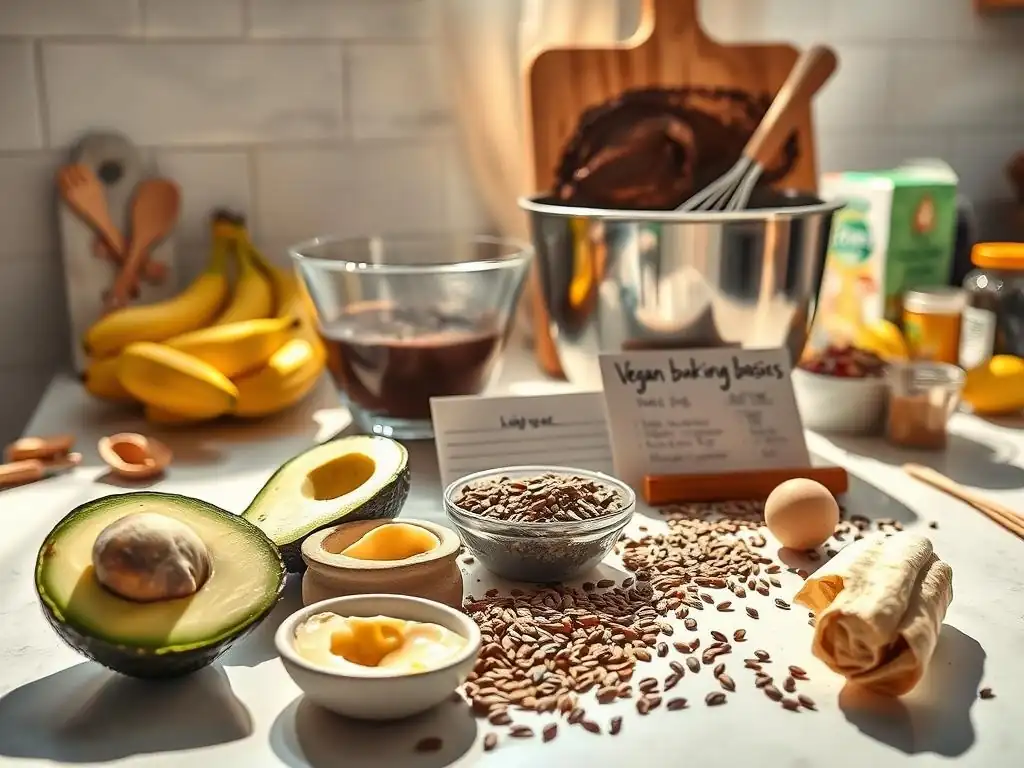
Accurate Measurement and Mixing
Accuracy in measurement is paramount in vegan baking, perhaps even more so than in traditional baking, as the substitutes can be less forgiving. Use kitchen scales for dry ingredients like flour and sugar whenever possible for the most consistent results. For liquid substitutes like applesauce or aquafaba, use liquid measuring cups and measure at eye level. Solid fats like vegan butter should be measured accurately, often by weight or using marked sticks.
Mixing technique also plays a vital role. Avoid overmixing batters, especially after adding flour and leavening agents, as this can develop gluten excessively and result in tough or dense baked goods. For recipes using substitutes like flax or chia eggs, ensure they are properly gelled before adding them to the batter. Gentle mixing until just combined is usually sufficient for most cakes, muffins, and cookies, helping to ensure a tender crumb in your beginner vegan baking.
Adjusting Baking Parameters
Vegan baked goods often behave differently in the oven than their traditional counterparts. They may take slightly longer to bake due to the different moisture content provided by vegan egg substitutes. It's important to rely on visual cues and the toothpick test rather than strictly adhering to the original recipe's baking time. A toothpick inserted into the center should come out clean (or with moist crumbs for things like brownies).
Sometimes, reducing the oven temperature by 25°F (about 15°C) and baking for a little longer can help prevent over-browning on the outside before the inside is fully cooked, especially when using substitutes like banana or applesauce which contain natural sugars that caramelize. Pay attention to how your specific oven performs and make small adjustments as needed for consistent results in your beginner vegan baking.
Vegan Baking Recipes Using Egg Substitutes
Vegan Chocolate Cake with Applesauce
This simple vegan chocolate cake uses applesauce as a key vegan egg substitute to provide moisture and binding, resulting in a wonderfully moist and tender cake.
Ingredients:
*   1 and 1/2 cups all-purpose flour
*   1 cup granulated sugar
*   1/4 cup unsweetened cocoa powder
*   1 teaspoon baking soda
*   1/2 teaspoon salt
*   1/4 cup unsweetened applesauce
*   1/3 cup vegetable oil
*   1 teaspoon vanilla extract
*   1 cup cold water or plant-based milk
*   1 tablespoon white vinegar
Instructions:
- Preheat oven to 350°F (175°C). Grease and flour an 8-inch round cake pan.
- In a large bowl, whisk together the flour, sugar, cocoa powder, baking soda, and salt.
- In a separate bowl, whisk together the applesauce, oil, vanilla, cold water/milk, and vinegar.
- Pour the wet ingredients into the dry ingredients and mix until just combined. Do not overmix.
- Pour batter into the prepared pan.
- Bake for 30-35 minutes, or until a toothpick inserted into the center comes out clean.
- Let cool in the pan for 10 minutes before inverting onto a wire rack to cool completely.
This recipe is a fantastic starting point for beginner vegan baking using applesauce.
Vegan Banana Muffins with Mashed Banana
These moist and flavorful muffins utilize mashed banana as the primary vegan egg substitute, adding sweetness, binding, and that classic banana bread texture.
Ingredients:
*   2 cups all-purpose flour
*   1 teaspoon baking soda
*   1/2 teaspoon baking powder
*   1/2 teaspoon salt
*   1/2 cup granulated sugar (adjust based on banana ripeness)
*   1 and 1/2 cups mashed ripe banana (about 3-4 medium bananas)
*   1/3 cup melted vegan butter or vegetable oil
*   1/4 cup plant-based milk
*   1 teaspoon vanilla extract
Instructions:
- Preheat oven to 375°F (190°C). Line a 12-cup muffin tin with liners.
- In a large bowl, whisk together the flour, baking soda, baking powder, salt, and sugar.
- In a separate bowl, mash the ripe bananas very well. Stir in the melted vegan butter/oil, plant-based milk, and vanilla extract.
- Add the wet ingredients to the dry ingredients and stir until just combined. A few lumps are okay.
- Divide the batter evenly among the muffin cups, filling each about two-thirds full.
- Bake for 20-25 minutes, or until a toothpick inserted into the center comes out clean.
- Let cool in the muffin tin for a few minutes before transferring to a wire rack to cool completely.
These muffins are a great example of how mashed banana can be a simple and effective vegan egg substitute in beginner vegan baking.
Troubleshooting Vegan Baking

Addressing Dryness
Dryness is a common issue encountered when first experimenting with vegan egg substitutes. It can occur if the substitute used didn't provide enough moisture, if the balance of wet-to-dry ingredients was off, or if the baked goods were overbaked. For substitutes like flax or chia eggs, which are primarily binders, ensure there is enough liquid and fat elsewhere in the recipe. Applesauce and banana add moisture, but using too little can still result in a dry product.
If a recipe consistently turns out dry, consider slightly increasing the amount of the moisture-providing substitute (like applesauce or banana, within reason) or adding a little extra plant-based milk or oil to the wet ingredients in future attempts. Also, double-check your oven temperature with an oven thermometer to ensure it's not running too hot, and start checking for doneness a few minutes earlier than the recipe suggests.
Addressing Density and Gummyness
Conversely, vegan baked goods can sometimes turn out too dense or even gummy. This often happens when using too much of a heavy, moist substitute like applesauce or mashed banana, or when overmixing the batter, which overdevelops gluten. Substitutes like flax or chia eggs, while good binders, can also contribute to density if used in excess in recipes requiring a light crumb.
To combat density, ensure you are using the correct ratio of substitute to replace the egg. If using applesauce or banana, stick to the recommended 1/4 cup per egg. For flax/chia, the 1:3 seed-to-water ratio is standard.
Avoid overmixing; mix only until the ingredients are just combined. For recipes needing more lift, ensure your leavening agents (baking powder/soda) are fresh, as their effectiveness is crucial when eggs aren't providing aeration. In some cases, combining a binder substitute (like flax) with a leavening substitute (like a pinch of baking soda activated with vinegar) might be necessary for a lighter result in your beginner vegan baking.
Conclusion: Vegan Baking Success
Embracing Vegan Baking Techniques
Successfully navigating the world of vegan baking, especially for beginners, means understanding the roles eggs play and how various vegan egg substitutes can fulfill those functions. It requires a willingness to experiment and learn from each baking attempt. While traditional recipes offer a starting point, adapting them with vegan egg substitutes often necessitates minor adjustments in ingredients and technique.
Embracing beginner vegan baking techniques involves accurate measurement, mindful mixing, and flexible baking times. By understanding the strengths and limitations of substitutes like applesauce, mashed banana, flax eggs, chia eggs, and aquafaba, you gain the knowledge to troubleshoot common issues like dryness or density. With practice, you'll develop an intuition for which substitute works best in different contexts, allowing you to create delicious, satisfying vegan baked goods with ease. The journey of substituting eggs in vegan recipes is rewarding, opening up a world of compassionate and creative baking possibilities.
Frequently Asked Questions
What are the most common vegan egg substitutes for beginners in baking?
The most popular and accessible vegan egg substitutes for beginners often include applesauce, mashed banana, and flaxseed meal mixed with water. These are generally easy to find and use.
How do I know which egg substitute is best for a specific recipe?
The best egg substitute depends on the recipe. Applesauce works well in cakes and muffins, while flaxseed meal is great for cookies and brownies offering binding properties.
Can I use vegan egg replacer from the store, and is it easy for beginners?
Yes, store-bought vegan egg replacers are a convenient option. They are formulated to mimic eggs' properties and usually come with clear instructions, making them beginner-friendly.
What's the ratio of flaxseed meal and water to replace one egg in a recipe?
To replace one egg, mix one tablespoon of flaxseed meal with three tablespoons of water. Let it sit for about 5 minutes until it forms a gelatinous consistency.
Are there any drawbacks to using vegan egg substitutes in baking?
Sometimes, vegan egg substitutes can slightly alter the texture or flavor of baked goods. It's important to experiment and find what works best for your taste preferences and the recipe.
Final Reflection: Unlocking the Vegan Kitchen: Simple Swaps, Delicious Results
The demand for accessible vegan recipes is exploding, and mastering simple egg replacements is key to unlocking a world of plant-based culinary possibilities. This isn't just about dietary choices; it's about embracing creativity and expanding our understanding of what's possible in the kitchen. The ease with which we can substitute common ingredients opens doors to a more sustainable and compassionate food system.
This exploration of beginner-friendly vegan egg substitutes has highlighted not just the practical aspects of cooking vegan, but also the broader cultural shift towards plant-based eating. The sheer variety of options available – from flaxseed "eggs" to silken tofu magic – demonstrates the ingenuity and resourcefulness of the vegan community. The best way to find yourself is to lose yourself in the service of others,
and in this case, that service extends to the planet and the animals we share it with. This journey into vegan cooking is a journey of self-discovery and a commitment to a more ethical and sustainable future.
Now, it's your turn. Don't be intimidated by the idea of vegan cooking. Choose one of the substitutes discussed, experiment in your kitchen, and discover the joy of creating delicious and compassionate meals. Embrace the challenge, adapt the recipes to your taste, and share your creations with others. The future of food is plant-powered, and you can be a part of it.
Unlock Your Vegan Baking Potential!
Thanks for diving into the world of vegan baking with us! We hope you now feel confident and equipped to create delicious, egg-free treats. Ready to put your newfound knowledge into practice?
- Whip up your first vegan masterpiece: Choose your favorite recipe from the article (or find a new one!) and try substituting the eggs with one of the methods we discussed. Let us know how it turns out!
- Share your creations: Show off your baking skills and inspire others by sharing your vegan baking journey on social media using #BakeWithEaseVegan.
- Explore our other vegan recipes: Discover a whole range of delicious vegan recipes on our website – from cakes and cookies to savory dishes. You might just find your new favorite treat!
What's the first vegan egg substitute you’ll be trying, and which recipe are you excited to make? Let us know in the comments below!