
The Ultimate Vegan Baking Substitution Guide for Beginners

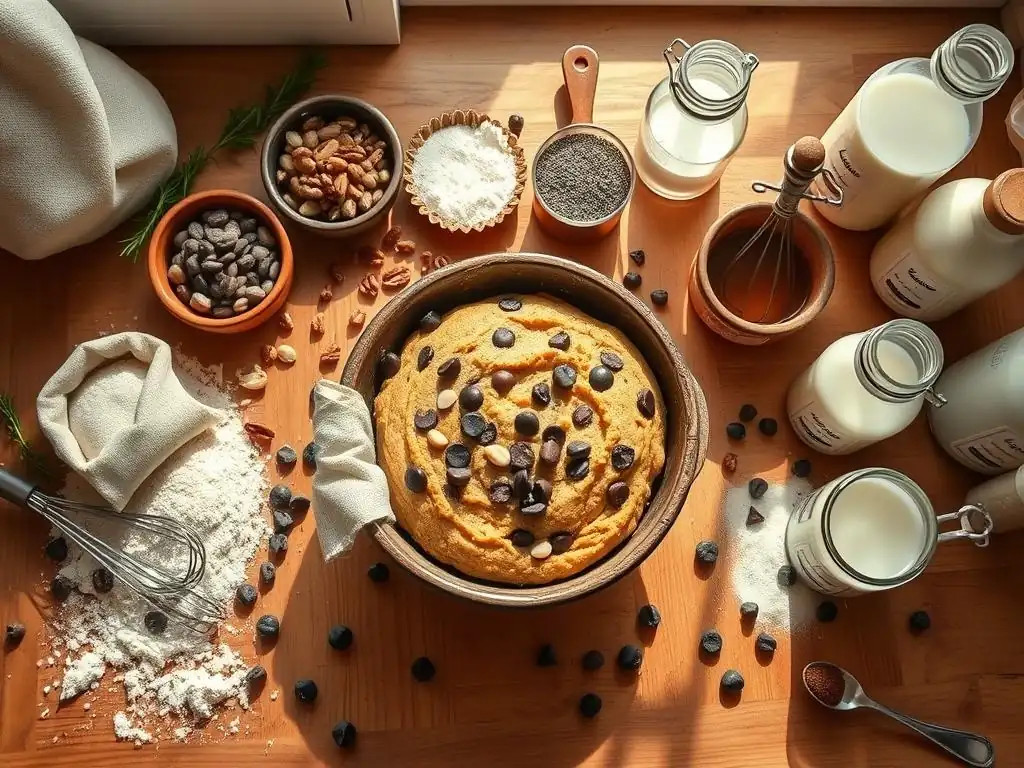
Welcome to BakeWithEase, your haven for effortless baking! Ever wondered how to achieve that perfect rise or decadent flavor without dairy or eggs? This isn't just another recipe site; it's your guide to unlocking the secrets of vegan baking ingredient substitutions. Discover how simple swaps can transform your favorite recipes into plant-based masterpieces, and get ready to impress with every bite. Intrigued? Let's dive in and explore a world of delicious possibilities!
- The Ultimate Guide to Ingredient Swaps in Vegan Baking
- Introduction to Plant-Based Baking Ingredient Modifications
- Replacing Eggs in Plant-Based Baking: A Detailed Guide
- Dairy-Free Milk Alternatives in Plant-Based Baking
- Replacing Butter in Plant-Based Baking: Achieving Optimal Texture
- Sugar Alternatives for Plant-Based Baking: Healthier Choices
- Gluten-Free Plant-Based Baking Swaps: Addressing the Challenges
- Troubleshooting Common Plant-Based Baking Issues
- Conclusion: Mastering Plant-Based Baking Modifications with Confidence
- Frequently Asked Questions
- Final Reflection: Embracing the Art of Vegan Baking
- Unlock Your Vegan Baking Potential!
The Ultimate Guide to Ingredient Swaps in Vegan Baking
Introduction to Plant-Based Baking Ingredient Modifications
Why Ingredient Swaps are Key to Successful Plant-Based Baking
Mastering vegan baking requires a fundamental understanding of how to replace traditional animal-based ingredients with plant-based alternatives while achieving similar results in texture, flavor, and structure. Successful vegan baking ingredient substitutions aren't just about removing eggs, dairy, or butter; they're about understanding the function each original ingredient played in the recipe and finding a plant-based counterpart that can perform that same role.
Eggs, for example, can act as binders, leaveners, or moisture providers, and the best vegan substitute depends entirely on which of these functions is most critical in a specific recipe, whether it's a light cake or a dense brownie.
Navigating the world of vegan baking ingredient substitutions opens up a realm of creative possibilities and allows you to adapt almost any conventional recipe. It's a skill that empowers bakers to create delicious, plant-based treats that can stand alongside their traditional counterparts. While there's a learning curve involved, armed with knowledge about common swaps and their properties, you can confidently experiment and bake everything from flaky vegan pastries to moist, tender cakes, ensuring successful outcomes and expanding your baking repertoire significantly.
Understanding the Fundamentals of Plant-Based Baking
At its core, plant-based baking is about chemistry. Traditional ingredients like eggs, butter, and milk contribute specific properties: eggs bind, provide structure, and help with leavening; butter adds fat for tenderness, flavor, and aids in gluten development or creates flakiness; and milk provides liquid, fat, and sometimes protein for structure and browning.
When making vegan baking ingredient substitutions, you need to select plant-based alternatives that replicate these functions. For instance, replacing the binding power of an egg might require something sticky like flaxseed or chia seed gel, while replacing the richness of butter might involve plant-based fats like coconut oil or vegan butter sticks.
Furthermore, understanding how leavening agents (like baking soda and baking powder) interact with acidic ingredients is crucial in plant-based baking, as the acidity profile can change when dairy or eggs are removed. Many plant-based milks are naturally less acidic than dairy milk, which might require adjusting leavening agents or adding a touch of acid like apple cider vinegar.
Paying attention to the original recipe's intent and the desired outcome – whether it's a light and airy cake, a chewy cookie, or a flaky pie crust – will guide your choices for effective vegan baking ingredient substitutions, ensuring your baked goods turn out just right.
Replacing Eggs in Plant-Based Baking: A Detailed Guide
Common Egg Replacements for Plant-Based Baking
Replacing eggs is often the trickiest part of vegan baking ingredient substitutions because eggs perform multiple roles. Here are some popular and effective options:
Unsweetened Applesauce: Uses and Limitations in Baking
Unsweetened applesauce is a popular vegan baking ingredient substitution, primarily used for adding moisture and acting as a binder in baked goods like muffins, quick breads, and some cakes. Typically, you can substitute about 1/4 cup of unsweetened applesauce for one large egg. Its high moisture content helps keep baked goods tender and prevents them from drying out.
However, applesauce has limitations. While it binds and adds moisture, it doesn't provide leavening, structure, or richness like an egg white or yolk would. Using too much applesauce can result in a dense or gummy texture. It's best suited for recipes where the primary function of the egg is moisture and binding, and where other leavening agents (like baking soda or powder) are already present in sufficient amounts. It also works well in recipes where a slight apple flavor is complementary.
Ground Flaxseed: How to Use it Effectively as an Egg Replacement
Ground flaxseed, often called "flax egg," is an excellent binding agent and is frequently used as a vegan baking ingredient substitution for eggs in items like cookies, brownies, muffins, and some breads. To make a flax egg, combine 1 tablespoon of finely ground flaxseed meal with 3 tablespoons of water. Stir them together and let the mixture sit for 5-10 minutes until it thickens into a gelatinous consistency. This gel is what provides the binding power, similar to the albumin in egg whites.
Flax eggs work well for binding ingredients together and adding some moisture and healthy fats. However, like applesauce, they don't provide significant leavening or structure. They can also leave tiny flecks in lighter-colored baked goods and impart a slightly nutty flavor. A flax egg is generally a good substitute for one egg when binding is the main requirement, but using more than one or two per recipe might lead to a slightly heavy or gummy result.
Chia Seeds: A Nutritious Egg Replacement Option
Similar to flaxseed, chia seeds can be used to create a "chia egg," serving as a binder in vegan baking ingredient substitutions. To make a chia egg, combine 1 tablespoon of whole or ground chia seeds with 3 tablespoons of water. Let it sit for about 10-15 minutes until it forms a gel. Chia seeds are highly absorbent and create a gel with a similar consistency to flax eggs, providing binding and some moisture.
Chia eggs function much like flax eggs, best used in recipes where binding is key, such as in dense cakes, muffins, cookies, or as a binder in veggie burgers. They are also rich in omega-3 fatty acids and fiber. Like flax eggs, they don't contribute to leavening and can leave visible specks, especially if using whole seeds. The flavor is relatively neutral, but the texture can be noticeable if not ground.
Mashed Banana: Best Uses in Specific Recipes
Mashed ripe banana is another common vegan baking ingredient substitution, primarily valued for its moisture and binding properties. About 1/4 cup of mashed ripe banana can replace one egg, particularly in recipes like banana bread (naturally! ), muffins, or dense cakes where the banana flavor is welcome. The natural sugars and pectin in bananas help to bind ingredients and keep the baked goods moist and tender.
Mashed banana works well as an egg substitute in recipes where a slightly denser, moister result is desired, and where the banana flavor complements the other ingredients. It does not provide leavening or structure. Using too much can make baked goods overly dense, gummy, or impart a strong banana flavor. It's less suitable for recipes requiring a light, airy texture or where banana flavor would be undesirable, like delicate cookies or white cakes.
Aquafaba: The Versatile Chickpea Brine
Aquafaba, the liquid from a can of chickpeas or other legumes, is perhaps one of the most surprising and versatile vegan baking ingredient substitutions, particularly effective at mimicking egg whites. It can be whipped into stiff peaks like meringue, making it ideal for macarons, pavlovas, mousses, and light cakes. As a general binder in recipes like muffins or brownies, about 3 tablespoons of aquafaba can replace one whole egg. For replacing egg whites, about 2 tablespoons of aquafaba can replace one egg white.
The magic of aquafaba lies in its ability to emulsify, bind, and, most notably, trap air when whipped. This makes it unique among many common vegan egg replacers, offering leavening capabilities similar to egg whites. It has a relatively neutral flavor, though some sensitive palates might detect a slight beaniness, which usually disappears upon baking. Its versatility makes it a go-to for recipes requiring aeration or strong binding without adding extra fat or flavor.
Selecting the Ideal Egg Replacement for Your Recipe
Choosing the right vegan baking ingredient substitution for eggs depends heavily on the specific function the egg performs in the original recipe and the desired outcome.
- If the egg is primarily for binding (like in cookies or brownies), flax eggs, chia eggs, or aquafaba (3 tbsp) are good choices.
- If the egg is mainly for moisture and a little binding (like in muffins or quick breads), applesauce or mashed banana work well, keeping in mind their flavor and density effects.
- If the egg is needed for leavening and structure (like in airy cakes or meringues), aquafaba is often the best option due to its whipping capabilities.
- For richness and emulsification (like in custards or some cakes), commercial egg replacers specifically designed for these functions, or a combination of binders and fats, might be necessary.
Consider the flavor profile, desired texture (light vs. dense, chewy vs. cakey), and color of your final product when making your selection. Often, successful vegan baking ingredient substitutions involve a bit of trial and error or consulting recipes specifically developed for plant-based ingredients.
Dairy-Free Milk Alternatives in Plant-Based Baking
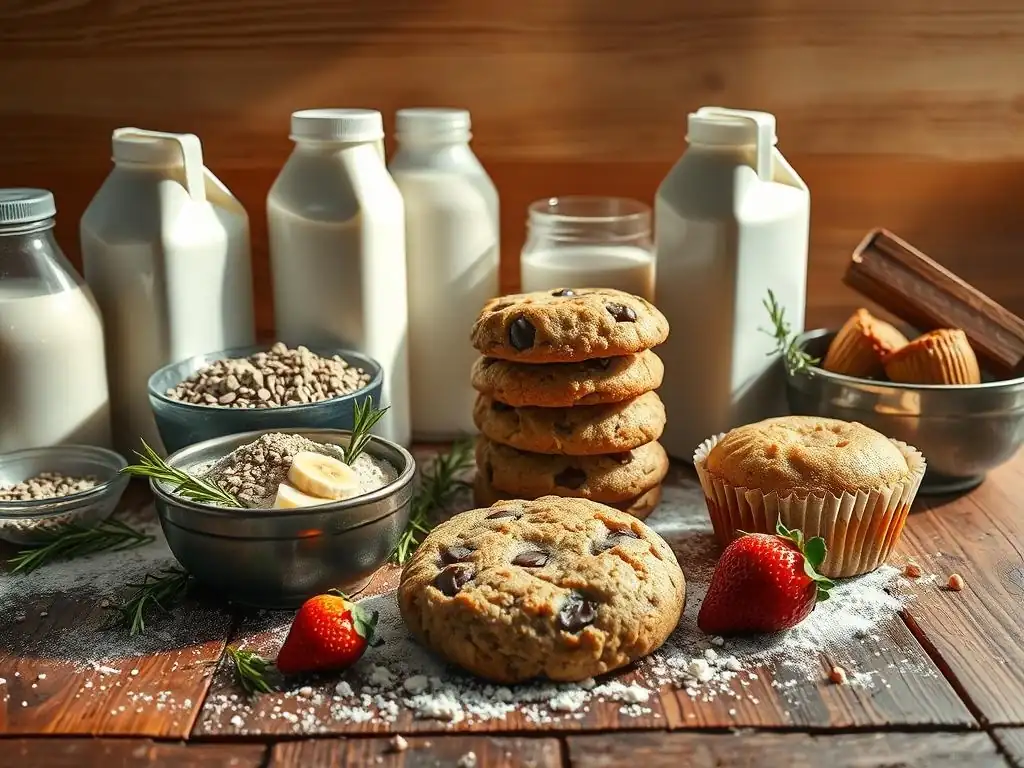
Replacing dairy milk with plant-based alternatives is one of the more straightforward vegan baking ingredient substitutions, as most can be swapped cup-for-cup in many recipes. However, the type of plant milk used can impact the final flavor, moisture, and richness of your baked goods.
Exploring Plant-Based Milk Options for Baking
The market is flooded with dairy-free milk options, each with its own characteristics. Understanding these differences is key to choosing the best one for your vegan baking ingredient substitutions.
Unsweetened Almond Milk: A Versatile Choice for Baking
Unsweetened almond milk is one of the most widely available and commonly used vegan baking ingredient substitutions for dairy milk. Its neutral flavor makes it incredibly versatile, rarely interfering with the intended taste of the baked good. It has a relatively thin consistency compared to dairy milk, typically containing about 1 gram of protein and 2.5 grams of fat per cup in its unsweetened form.
Due to its neutral profile and low fat content, unsweetened almond milk works well in a wide range of recipes, from cakes and muffins to pancakes and waffles, where the primary role of the milk is to provide liquid. However, in recipes that rely on the fat or protein content of dairy milk for richness, structure, or browning (like some custards or brioche-style breads), it might result in a slightly less rich or tender crumb compared to higher-fat alternatives.
Soy Milk: A Protein-Rich Alternative in Baking
Unsweetened soy milk is another excellent vegan baking ingredient substitution, offering a higher protein content (around 7-8 grams per cup) and a moderate fat content (about 4 grams per cup) compared to almond milk. This higher protein can contribute to better structure and browning in baked goods, making it a reliable swap in many recipes. Its flavor is slightly more distinct than almond milk but generally bakes away well.
Soy milk is particularly effective in recipes where the protein in dairy milk plays a structural role, such as in breads or some cakes. It also curdles nicely when combined with acids like vinegar or lemon juice, making it a good base for vegan "buttermilk" (1 cup soy milk + 1 tbsp acid, let sit for 5-10 minutes). While versatile, some people avoid soy, and its flavor is not as neutral as almond or rice milk, though typically not problematic in baked goods.
Oat Milk: Creamy and Delicious for Baking Applications
Oat milk has become increasingly popular as a vegan baking ingredient substitution due to its creamy texture and slight sweetness. Unsweetened varieties typically contain around 2-3 grams of protein and 1.5-2.5 grams of fat per cup. Barista-blend oat milks often have higher fat content for better richness and foamability, which can also benefit baking.
The creaminess of oat milk translates well into baked goods, contributing to a tender crumb, especially in cakes, muffins, and quick breads. Its natural sweetness can sometimes allow for a slight reduction in added sugar, depending on the recipe. Oat milk's mild, slightly oaty flavor is generally pleasant and doesn't clash with most baking profiles. It's a reliable, widely available option for most standard baking applications.
Full-Fat Coconut Milk: Adds Richness and Flavor to Baked Goods
Full-fat canned coconut milk (not the refrigerated beverage) is a fantastic vegan baking ingredient substitution when richness and a higher fat content are needed. The solid cream that separates from the liquid in a can is particularly useful. When whisked together, full-fat coconut milk can contain around 20-22 grams of fat per cup, significantly higher than other plant milks.
This high fat content makes full-fat coconut milk excellent for rich cakes, custards, ganaches, and frostings. It contributes moisture, tenderness, and a luxurious mouthfeel. It does, however, impart a distinct coconut flavor, which is wonderful in tropical-themed desserts but might be undesirable in others. For recipes where you want richness without the coconut flavor, refined coconut oil or other high-fat alternatives might be preferred.
Cashew Milk: A Rich and Neutral-Tasting Option
Unsweetened cashew milk, particularly homemade or higher-quality store-bought versions, offers a creamy texture and a neutral, slightly nutty flavor, making it a great vegan baking ingredient substitution. Commercial versions typically have around 1 gram of protein and 2-3 grams of fat per cup. Its natural creaminess comes from the cashews themselves.
Cashew milk's smooth texture and neutral flavor make it a versatile swap in many baked goods, similar to almond milk but often providing a slightly richer result due to the nature of cashews. It works well in cakes, muffins, sauces, and puddings. Like almond milk, its lower protein and fat content compared to soy or full-fat coconut milk means it might not provide the same structural support or richness in all recipes, particularly those heavily reliant on dairy protein or fat.
Dairy-Free Milk Modifications: Tips and Best Practices
When using plant-based milk alternatives as vegan baking ingredient substitutions, consider the fat and protein content. Recipes that rely on milk for richness (like brioche or pound cake) benefit from higher-fat options like full-fat coconut milk or barista-blend oat milk. For recipes needing structure (like yeast breads), soy milk's protein can be advantageous. Always opt for unsweetened varieties unless the recipe accounts for the added sugar.
If a recipe calls for buttermilk, you can easily create a vegan version using most plant milks (except perhaps very thick ones like canned coconut cream). Simply combine 1 cup of plant milk with 1 tablespoon of white vinegar or lemon juice and let it sit for 5-10 minutes until it curdles. This acidified milk helps activate baking soda for leavening and adds a tangy flavor that complements many baked goods.
Replacing Butter in Plant-Based Baking: Achieving Optimal Texture
Butter plays several key roles in baking: adding flavor, contributing to tenderness and flakiness (due to its fat content and solid state at room temperature), aiding in leavening by creating air pockets when creamed with sugar, and promoting browning. Effective vegan baking ingredient substitutions for butter need to address these functions to achieve a similar outcome.
Plant-Based Butter Alternatives for Baking
Finding the right fat substitute is crucial for texture in vegan baking ingredient substitutions.
Refined Coconut Oil: Using it Effectively in Recipes
Refined coconut oil is a popular vegan baking ingredient substitution for butter, especially in recipes where a neutral flavor is desired (unrefined coconut oil has a strong coconut taste). It is solid at room temperature and melts when heated, similar to butter. It contains almost 100% fat. When substituting for butter, you can often use a 1:1 ratio by weight or volume, depending on the recipe.
Coconut oil works well in recipes like cookies, muffins, and cakes, contributing moisture and tenderness. It can also help create flaky textures in pie crusts or biscuits if kept cold and cut into the flour like traditional butter.
However, because it melts at a lower temperature than butter (around 76°F or 24°C), baked goods made with coconut oil can spread more during baking and might have a slightly different texture once cooled compared to those made with butter. It does not cream with sugar in the same way butter does, so recipes relying heavily on the creaming method might require adjustments or a different fat.
Plant-Based Butter Sticks: Considerations and Brands
Commercial plant-based butter sticks are specifically formulated to mimic the properties of dairy butter, making them perhaps the most straightforward vegan baking ingredient substitutions. Brands like Miyoko's Kitchen, Earth Balance, or Melt Organic offer sticks designed for baking, often made from blends of oils like palm, soy, or coconut. They contain fat and some water, similar to dairy butter (typically around 80% fat).
These butter sticks are excellent for recipes where butter's solid state, creaming ability, and melting properties are critical, such as cookies (for chewiness and spread), cakes (for creaming and tenderness), pie crusts (for flakiness), and frostings. They can usually be substituted cup-for-cup or stick-for-stick. The main considerations are flavor (some brands have a distinct taste), how well they cream with sugar (some perform better than others), and their melting point, which varies by brand. Look for sticks labeled specifically for baking.
Olive Oil: Best Uses in Specific Baked Goods
Olive oil, particularly light or extra virgin, can be used as a vegan baking ingredient substitution for melted butter or other liquid oils in certain recipes. It is a liquid fat at room temperature. While you can sometimes substitute olive oil for butter in a 1:1 ratio by volume in recipes calling for melted butter, it's important to note that olive oil is 100% fat, whereas butter is closer to 80% fat and 20% water. This difference can affect texture.
Olive oil works best in recipes that are meant to be moist and dense, such as certain cakes (like olive oil cake, naturally), quick breads, or some muffins. It contributes moisture and richness. However, its distinct flavor might not be suitable for all baked goods, and it cannot be creamed with sugar to incorporate air, making it unsuitable for recipes that rely on this technique for leavening or structure. It also won't create flakiness in pastries like solid fats do.
Avocado: A Healthy and Creamy Butter Substitute
Mashed ripe avocado can serve as a vegan baking ingredient substitution for butter in some recipes, primarily contributing moisture and healthy fats. It's rich and creamy. A common substitution ratio is 1:1 by volume for butter, though this can vary. Avocado works by providing fat and moisture, contributing to a tender crumb in baked goods.
Avocado is best used in recipes where its green hue and mild, slightly nutty flavor won't be detrimental, such as chocolate cakes, brownies, or dark-colored muffins. It adds significant moisture and can reduce the need for other fats. However, like applesauce or banana, it doesn't help with leavening or structure, and it won't create flakiness. Using too much can result in a heavy, dense, or slightly oily texture. It's less versatile than coconut oil or plant-based butter sticks.
Achieving the Desired Texture with Plant-Based Butter Modifications
The key to successful vegan baking ingredient substitutions for butter lies in understanding the role of fat in the recipe and choosing a substitute that mimics that role.
- For flaky pastries like pie crusts or biscuits, a solid, cold fat that can be cut into the flour is essential. Cold plant-based butter sticks or solid refined coconut oil are the best options.
- For tender cakes and muffins that rely on creaming fat and sugar for aeration, plant-based butter sticks designed for baking are usually the most effective substitutes.
- For moist quick breads or cakes where melted fat is added, liquid oils like refined coconut oil or olive oil (flavor permitting) can work.
- For chewy cookies, a fat that spreads appropriately is needed. Plant-based butter sticks tend to work best, though refined coconut oil can also be used with potential adjustments for spread.
Experimentation is often necessary, as different fats behave differently. Pay attention to the temperature of your fat substitute; keeping solid fats cold is crucial for flakiness, just as with dairy butter.
Sugar Alternatives for Plant-Based Baking: Healthier Choices
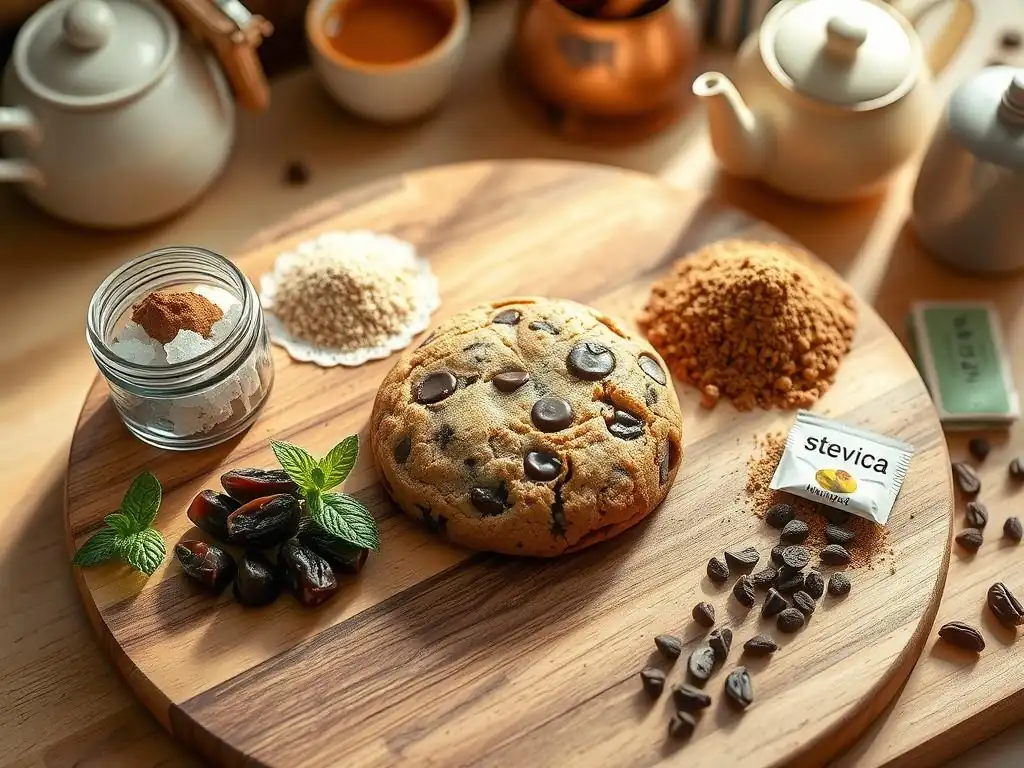
While white granulated sugar is vegan, many people exploring plant-based baking are also interested in using less refined or alternative sweeteners. Understanding how these alternatives function as vegan baking ingredient substitutions is important, as they can affect moisture, texture, and flavor.
Exploring Plant-Based-Friendly Sugar Replacements
Here are some common vegan baking ingredient substitutions for refined white sugar:
Maple Syrup: Adds Flavor and Moisture to Baked Goods
Pure maple syrup is a liquid sweetener and a popular vegan baking ingredient substitution for granulated sugar, offering a distinct flavor profile and adding moisture. It's a natural product tapped from maple trees. When substituting liquid sweeteners for granulated sugar, you typically need to reduce the amount of other liquids in the recipe to maintain the correct moisture balance. A common guideline is to substitute about 3/4 cup of maple syrup for every 1 cup of granulated sugar and reduce the total liquid in the recipe by 2-3 tablespoons.
Maple syrup works well in recipes like muffins, quick breads, cakes, and sauces where its flavor is complementary. It contributes to a moist and tender crumb due to its liquid nature. However, using too much can make baked goods overly moist or dense. It also causes baked goods to brown faster due to its sugar composition. It's less suitable for recipes that rely on creaming solid fat with granulated sugar for aeration or for recipes where a crisp texture is desired, like some cookies.
Agave Nectar: A High-Fructose Option for Sweetness
Agave nectar is a liquid sweetener derived from the agave plant. It is sweeter than sugar (about 1.5 times sweeter) and has a relatively neutral flavor compared to maple syrup or molasses. Like maple syrup, it adds moisture to baked goods. When using agave as a vegan baking ingredient substitution for granulated sugar, you typically use less (around 2/3 to 3/4 cup for 1 cup of sugar) and reduce other liquids slightly.
Agave nectar is useful in recipes where a neutral liquid sweetener is preferred, such as in some cakes, muffins, or sauces. Its high fructose content means it can make baked goods very moist and also contributes to browning. However, its high fructose content is a nutritional consideration for some. Like other liquid sweeteners, it's not suitable for recipes requiring the structure or creaming properties of granulated sugar.
Coconut Sugar: A Less Refined Sweetener for Baking
Coconut sugar is a granular sweetener made from the sap of coconut palm blossoms. It has a color and texture similar to brown sugar and a mild caramel-like flavor. It can often be used as a direct 1:1 vegan baking ingredient substitution for granulated sugar or brown sugar in many recipes, particularly cookies, muffins, and quick breads.
Coconut sugar adds moisture and a pleasant flavor to baked goods. Because it's less refined than white sugar, it retains more nutrients, though nutritionally it's quite similar to regular sugar in terms of calories and carbohydrate content. It functions well in recipes where brown sugar is typically used, contributing to chewiness in cookies, for example. It creams with fat similarly to granulated sugar, making it versatile.
Date Syrup: A Natural and Wholesome Substitute
Date syrup is a thick, dark liquid sweetener made from cooked and blended dates. It's a natural, whole-food-based vegan baking ingredient substitution, rich in nutrients and fiber (though much of the fiber is removed in the syrup form). It has a distinct, rich caramel-like flavor. Like other liquid sweeteners, it adds moisture to baked goods. Substitution ratios vary, but a common starting point is 1:1 by volume for granulated sugar, adjusting other liquids.
Date syrup works best in recipes where its strong flavor is desired, such as in spice cakes, gingerbread, or dense muffins. It makes baked goods very moist and can contribute to a slightly denser texture. It's an excellent natural option for those avoiding more processed sugars. Due to its thickness and strong flavor, it's not suitable for delicate recipes or those requiring a light texture.
Using Sugar Alternatives: Recipe Adjustments and Considerations
When making vegan baking ingredient substitutions for sugar, remember that different sweeteners affect not just sweetness but also moisture, texture, and browning. Liquid sweeteners add moisture, requiring a reduction in other liquids. Granular alternatives like coconut sugar often substitute cup-for-cup but contribute their own flavor profile.
Consider the glycemic index, nutritional profile, and processing of the sweetener if those are important factors for you. Always start with a recipe that is specifically designed for the alternative sweetener you plan to use, or be prepared to experiment and make adjustments to other ingredients (especially liquids) to achieve the desired outcome. Using a scale for accuracy is particularly helpful when substituting liquid sweeteners.
Gluten-Free Plant-Based Baking Swaps: Addressing the Challenges
Combining vegan baking ingredient substitutions with gluten-free requirements adds another layer of complexity. Gluten, the protein network in wheat flour, provides structure and elasticity. When removed, these functions must be replaced by other ingredients to prevent baked goods from becoming crumbly or dense.
Combining Plant-Based and Gluten-Free Baking Techniques
Successful gluten-free vegan baking requires carefully selected ingredients that can provide structure and binding without animal products or gluten.
Gluten-Free Flour Blends: A Necessity for Structure
Standard all-purpose gluten-free flour blends are essential vegan baking ingredient substitutions when removing wheat flour. These blends are typically a mix of different flours (like rice flour, sorghum flour, tapioca starch, potato starch, etc.) designed to mimic the properties of wheat flour as closely as possible. Different blends have different compositions and behave differently, so sticking to a specific blend recommended in a recipe or finding one you like and testing it is important.
These blends provide the bulk and some structure to baked goods. However, they lack the gluten network, meaning they won't develop elasticity when mixed. This is why additional binders are often necessary in gluten-free baking, especially in yeast breads. Using a blend specifically formulated for baking (rather than just a single gluten-free flour) provides a balance of starches and proteins that contribute to a better texture than using a single flour type.
Xanthan Gum: Replacing Gluten's Binding Role
Xanthan gum is a common additive used as a vegan baking ingredient substitution in gluten-free baking to replace the binding and elastic properties of gluten. It's a polysaccharide produced by fermentation. Just a small amount is needed to thicken batters and doughs and provide structure, preventing crumbly textures. The amount used varies depending on the type of baked good: typically 1/2 teaspoon per cup of gluten-free flour blend for cakes and muffins, and 1 teaspoon per cup for breads.
Xanthan gum helps hold ingredients together, gives dough elasticity (especially crucial for yeast breads), and prevents baked goods from falling apart. However, using too much can result in a gummy or unpleasant texture. Some gluten-free flour blends already contain xanthan gum, so check the ingredient list and adjust accordingly to avoid overusing it. It's a powerful tool for improving the texture of gluten-free vegan baked goods.
Tips for Achieving Success in Gluten-Free Plant-Based Baking
Successfully navigating gluten-free vegan baking ingredient substitutions involves more than just swapping flours and adding gum. It requires understanding how the ingredients interact. Gluten-free flours absorb liquid differently than wheat flour, often requiring slightly more moisture. Overmixing gluten-free batter or dough can still lead to toughness, even without gluten development, as starches can become gummy.
Allowing gluten-free batters or doughs to rest for 15-30 minutes before baking can sometimes improve texture by allowing the flours to fully hydrate. Using binders like flax eggs, chia eggs, or psyllium husk in combination with xanthan gum can further enhance structure and moisture retention. Additionally, using reliable recipes specifically developed for gluten-free and vegan requirements is highly recommended, as ratios and techniques are often tailored for this complex combination of substitutions.
Troubleshooting Common Plant-Based Baking Issues
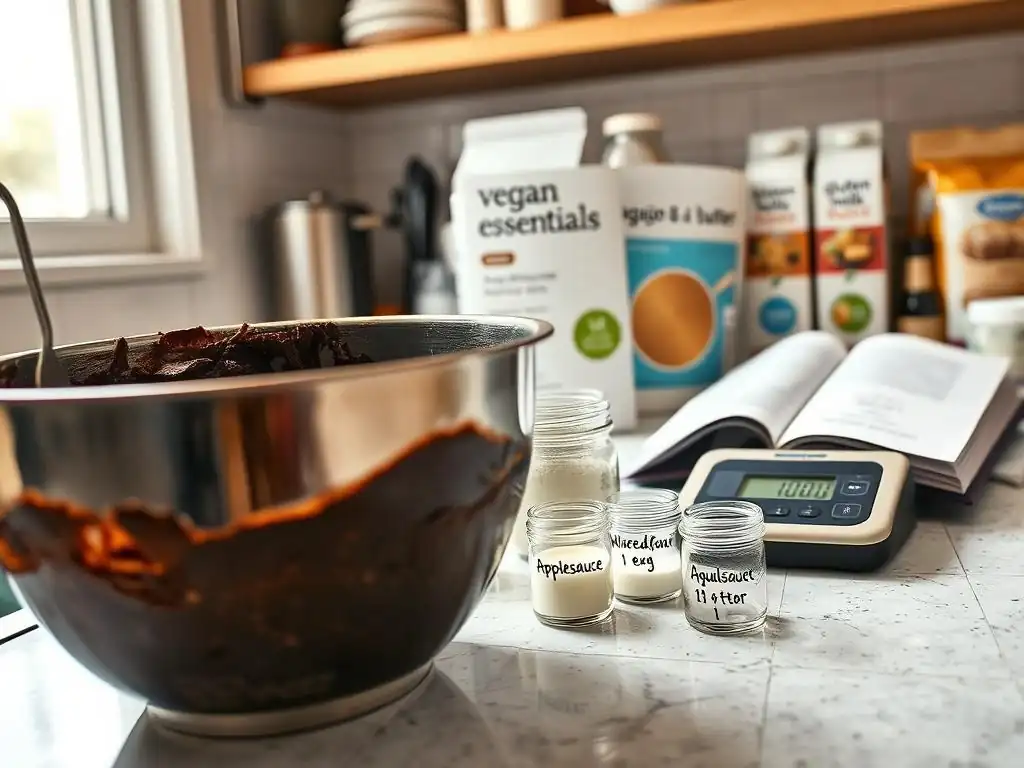
Even with careful vegan baking ingredient substitutions, you might encounter issues. Understanding the common problems and their likely causes can help you troubleshoot and improve your results.
Dry Baked Goods: Identifying Causes and Implementing Solutions
Dryness is a common issue when making vegan baking ingredient substitutions, often stemming from insufficient fat or moisture in the recipe. Plant-based milks typically have less fat than dairy milk, and some egg replacers (like applesauce or banana) can add moisture but dilute fat content if not balanced with other ingredients.
- [ ] Check your fat substitute: Did you use enough fat? Was it the right type of fat for the recipe's needs (e.g., solid fat for richness)? Ensure you're using appropriate vegan baking ingredient substitutions for butter or oil based on the recipe's requirements. Using a scale for accuracy is crucial for fats.
- [ ] Evaluate liquid content: Did you reduce liquid when using a liquid sweetener like maple syrup? Did your plant milk have sufficient fat? Sometimes adding a tablespoon or two of extra plant milk or a rich ingredient like vegan yogurt or applesauce can help.
- [ ] Consider your egg replacer: Did you use a binder that doesn't add much moisture where moisture was needed? For instance, a simple starch slurry won't add the moisture that applesauce or a flax egg would.
- [ ] Check baking time and temperature: Overbaking is a frequent culprit for dryness. Use an oven thermometer to ensure accuracy and check for doneness a few minutes before the minimum bake time.
Dense Baked Goods: Common Mistakes and Corrective Actions
Density can occur in vegan baking ingredient substitutions when there's inadequate leavening, too much binder, or the wrong type of fat.
- [ ] Leavening issues: Are your baking soda and baking powder fresh? Did you use enough acid (like vinegar or lemon juice) to activate the baking soda, especially if using a neutral plant milk? Ensure you have adequate leavening agents for the volume and weight of your batter.
- [ ] Too much binder: Using too much of sticky binders like flax eggs, chia eggs, or commercial egg replacers can make baked goods gummy and dense. Stick to recommended substitution ratios, typically 1-2 binders per recipe.
- [ ] Incorrect fat: Liquid fats (like olive oil) tend to produce denser results than solid fats (like vegan butter sticks or coconut oil) that can be creamed with sugar to incorporate air. Ensure your vegan baking ingredient substitutions for butter are appropriate for the recipe's leavening method.
- [ ] Overmixing: While gluten isn't an issue, overmixing can still develop starches and lead to a tough, dense texture, especially in gluten-free vegan baking ingredient substitutions. Mix just until combined.
Inadequate Rising: Addressing Leavening Challenges
Poor rise in vegan baked goods often points to issues with leavening agents or fat incorporation when making vegan baking ingredient substitutions.
- [ ] Inactive leavening: Ensure your baking powder and baking soda are active. Baking powder should fizz when mixed with hot water; baking soda should bubble vigorously when mixed with vinegar.
- [ ] Lack of acid: Baking soda needs an acid to react and produce carbon dioxide gas for lift. If your recipe uses baking soda but doesn't contain acidic ingredients (like vinegar, lemon juice, applesauce, or molasses), you might need to add some acid, especially if using a neutral plant milk.
- [ ] Fat creaming: For recipes that rely on creaming butter and sugar (like many cakes and cookies), using a plant-based butter stick that creams well is crucial. The air pockets created during creaming contribute significantly to lift. Refined coconut oil or liquid oils won't provide this aeration.
- [ ] Oven temperature: If your oven isn't hot enough, your baked goods might not rise properly before the structure sets. Use an oven thermometer.
Conclusion: Mastering Plant-Based Baking Modifications with Confidence
Embarking on the journey of vegan baking ingredient substitutions might seem daunting initially, but with a solid understanding of ingredient functions and common swaps, you can bake delicious plant-based treats successfully. It's about learning how different plant-based ingredients can replicate the roles of eggs, dairy, and butter, from binding and leavening to adding moisture and richness. Every successful swap is a step towards expanding your baking skills and creating compassionate, delightful desserts and savories.
The key to mastering vegan baking ingredient substitutions lies in patience, observation, and a willingness to experiment. Start with simple recipes and gradually work your way up. Pay attention to how different substitutes affect the texture and flavor of your baked goods. Don't be discouraged by initial failures; they are learning opportunities. With practice, you'll develop an intuitive sense for which vegan baking ingredient substitutions work best in different contexts, allowing you to bake confidently and creatively for any occasion.
Key Principles for Successful Plant-Based Baking
Here are some core principles to keep in mind when making vegan baking ingredient substitutions:
- Understand the function of the original ingredient (binding, leavening, moisture, fat).
- Choose a plant-based substitute that performs a similar function.
- Be mindful of the substitute's flavor and moisture content, and adjust other ingredients if necessary.
- For best results, use recipes specifically developed for vegan baking, especially when starting out.
- Use accurate measurements, preferably a kitchen scale, especially for tricky substitutions like fats or liquid sweeteners.
- Don't be afraid to experiment and learn from your results.
Resources for Further Learning and Recipe Inspiration
The world of vegan baking is constantly evolving, with new ingredients and techniques emerging. To continue refining your vegan baking ingredient substitutions and find inspiration:
- Explore reputable vegan baking blogs and websites.
- Look for cookbooks dedicated to vegan baking, often providing tested recipes and substitution charts.
- Join online communities or forums where bakers share tips and experiences with vegan baking ingredient substitutions.
- Attend local baking classes focusing on plant-based techniques if available.
By staying curious and informed, you'll continue to enhance your skills in plant-based baking and enjoy the rewarding process of creating delicious, ethical treats.
Frequently Asked Questions
What are the most common vegan baking ingredient substitutions?
The most common substitutions involve replacing eggs with things like applesauce, mashed banana, or flax eggs, and dairy with plant-based milks or yogurts. Using vegan butter or oil is also a typical swap.
How do I substitute eggs in vegan baking?
Eggs can be replaced with various options depending on their function. For binding, try flax eggs or chia seeds. For moisture, applesauce or mashed banana work well.
Can I substitute regular butter for vegan butter in all recipes?
While generally yes, be mindful of the type of vegan butter. Some have higher water content. Look for vegan butter sticks intended for baking for best results.
What are some alternatives to dairy milk in vegan baking?
Many plant-based milks work well! Almond milk, soy milk, and oat milk are popular choices. Consider the flavor profile each brings to the recipe.
Where can I find vegan baking ingredients?
Most grocery stores now carry a variety of vegan baking ingredients. Look in the natural foods section or the baking aisle for items like vegan butter, plant-based milks, and egg replacers.
Final Reflection: Embracing the Art of Vegan Baking
Vegan baking ingredient substitutions are not just a trend; they represent a profound shift in how we approach food and health today. As more people become aware of the environmental and ethical implications of their dietary choices, the demand for accessible vegan alternatives has surged. This guide serves as a beacon for beginners, illuminating the path to delicious and compassionate baking. The ability to create mouthwatering vegan treats is not only empowering but also a testament to the creativity and resilience of home bakers everywhere.
The influence of vegan baking extends far beyond the kitchen; it is reshaping cultural norms around food and community. As we embrace these substitutions, we foster an inclusive environment where everyone can enjoy the pleasures of baking, regardless of dietary restrictions. The journey of vegan baking encourages us to think critically about our ingredients and their sources. The future of food is plant-based, and it’s delicious.
This quote encapsulates the essence of our culinary evolution, as we discover that compassion and flavor can coexist harmoniously.
Now, I invite you to reflect on your own baking journey. Consider how you can incorporate these vegan substitutions into your recipes, not just as a necessity but as an opportunity for creativity and exploration. Let this guide inspire you to experiment, share, and connect with others through the joy of baking. As you embark on this delicious adventure, remember that every substitution is a step towards a more sustainable and compassionate world. Embrace the challenge, and let your kitchen become a canvas for your culinary dreams!
Unlock Your Vegan Baking Potential!
Thanks for joining us on this delicious journey into the world of vegan baking! We hope you've gained the confidence to tackle any recipe, knowing you have the right substitutions at your fingertips. Ready to get baking?
- Try out your first vegan swap today! Choose one recipe you've been wanting to try and make it vegan using the substitutions we’ve outlined. Share your results below!
- Explore our other articles for more tips and tricks on vegan baking, including delicious recipes and expert advice.
- Challenge a friend to join you in your vegan baking adventures! Let's create a supportive community of plant-based bakers.
What incredible vegan creation will you bake first?