
Understanding Sugar Ratios in Different Buttercream Recipes

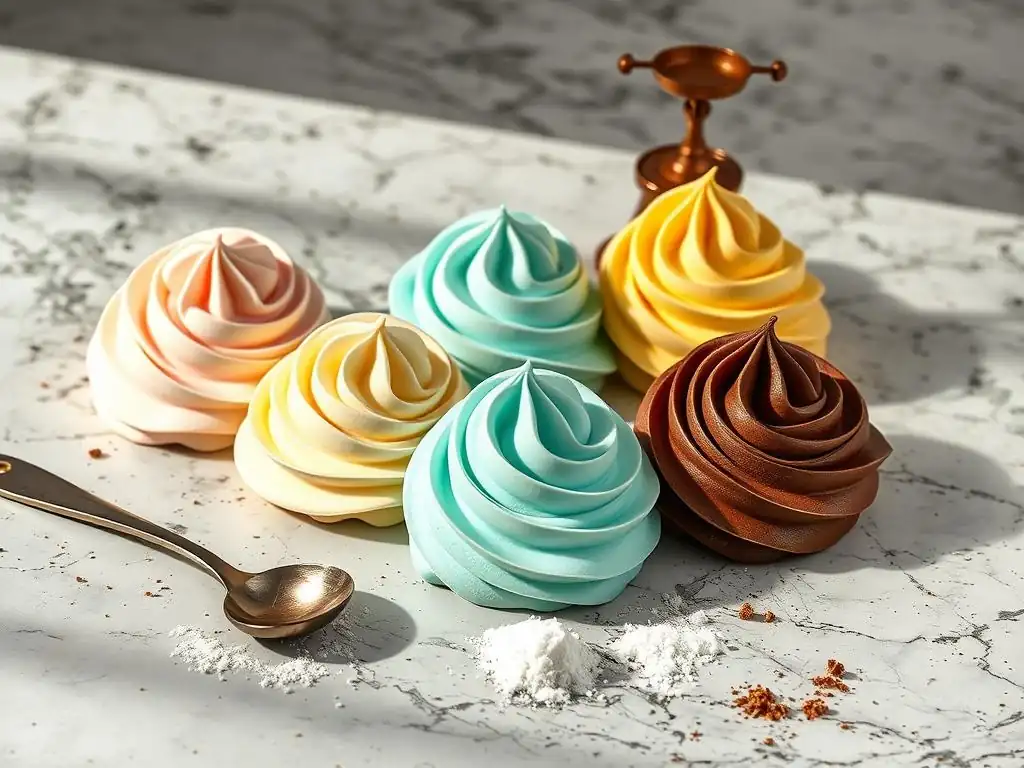
Welcome to BakeWithEase, where baking becomes a joy, not a chore! Ever wondered how to achieve that perfect, melt-in-your-mouth buttercream? This article dives deep into understanding sugar ratios in different buttercream recipes, unlocking the secrets to silky smooth textures and balanced sweetness. Get ready to elevate your frosting game – and discover why the right ratio is the key to buttercream bliss!
- Understanding Sugar Ratios in Different Buttercream Recipes for Perfect Frosting
- Introduction: Achieving Buttercream Perfection with Ideal Sugar Ratios
- The Science of Sugar in Buttercream: Sweetness, Stability, and Texture
-
Exploring Different Buttercream Types and Their Ideal Sugar Levels
- American Buttercream: The Classic and Its Sugar Content
- Swiss Meringue Buttercream: A Delicate Balance of Sugar and Egg Whites
- Italian Meringue Buttercream: Mastering the Hot Sugar Syrup Technique
- French Buttercream: The Rich and Decadent Option
- Korean Buttercream: A Lower Sugar Option for Intricate Designs
- Troubleshooting Buttercream Issues Related to Sugar Ratios
- Recipes and Sugar Ratio Examples for Different Buttercream Frostings
- Tips and Tricks for Measuring Sugar Accurately in Buttercream Recipes
- Adjusting Sugar Ratios for Dietary Needs and Preferences
- Conclusion: Mastering Sugar Ratios for Perfect Buttercream Every Time
-
Frequently Asked Questions
- What is the importance of sugar ratios in buttercream?
- How do sugar ratios differ between American and Swiss meringue buttercreams?
- Can I adjust the sugar ratio in a buttercream recipe to my preference?
- What happens if I accidentally use too much sugar in my buttercream?
- How does the type of sugar affect the buttercream's texture and sugar ratio?
- Final Reflection: The Sweet Science of Perfect Buttercream
- Unlock Your Perfect Buttercream: Master the Sugar Ratio!
Understanding Sugar Ratios in Different Buttercream Recipes for Perfect Frosting
Introduction: Achieving Buttercream Perfection with Ideal Sugar Ratios
Why Sugar Ratios Matter in Buttercream Frosting
Sugar is more than just a sweetener in buttercream; it's a fundamental structural component that dictates texture, stability, and overall mouthfeel. The ratio of sugar to other ingredients, particularly fat and liquid, is paramount in achieving the desired consistency for piping, spreading, and holding shape. An incorrect balance can lead to a host of issues, from a greasy, deflated mess to a dry, crumbly frosting that's impossible to work with. Mastering the perfect buttercream sugar ratios is a critical step for any baker aiming for professional-looking and tasting results.
Beyond just structural integrity, the sugar ratio significantly impacts how the buttercream feels on the palate. Too much sugar can result in an overwhelmingly sweet, sometimes gritty texture, while too little might leave the frosting feeling heavy and greasy, lacking the necessary lightness. Understanding how different types of sugar behave and interact within various buttercream bases is key to manipulating flavor and texture. Achieving the ideal balance ensures your frosting complements, rather than overpowers, the cake or dessert it adorns.
Understanding Buttercream Sweetness
The perception of sweetness in buttercream is directly tied to the sugar content, but it's also influenced by other ingredients like fat, salt, and flavorings. American buttercream, for instance, typically has a much higher sugar-to-fat ratio than meringue-based buttercreams, resulting in a noticeably sweeter frosting. This intense sweetness comes primarily from powdered sugar, which is usually the bulk ingredient after butter.
Meringue-based buttercreams, such as Swiss or Italian, often use granulated sugar cooked into a syrup. While the total sugar amount might still be substantial, the way it's incorporated (dissolved into egg whites) and its ratio to the large amount of butter often results in a less cloyingly sweet finish. French buttercream, using egg yolks, also offers a different sweetness profile due to the richness of the yolks balancing the sugar. Understanding these variations helps bakers choose the right type of buttercream, and its corresponding perfect buttercream sugar ratios, for their specific project and desired sweetness level.
The Science of Sugar in Buttercream: Sweetness, Stability, and Texture
The Role of Sugar in Buttercream Structure
Sugar plays several vital roles in the physical structure of buttercream. In American buttercream, powdered sugar's fine particles interfere with the crystallization of fat (butter), helping to create a smooth texture. It also absorbs liquid, contributing to the frosting's thickness and stability. A higher sugar ratio generally results in a firmer buttercream, better suited for intricate piping, while a lower ratio yields a softer, more spreadable consistency.
In meringue-based buttercreams, sugar's role is even more complex. When heated with egg whites (Swiss meringue) or cooked into a hot syrup added to egg whites (Italian meringue), sugar stabilizes the meringue. The dissolved sugar molecules coat the protein structure of the whipped egg whites, preventing the air bubbles from collapsing. This stable meringue then forms the base that emulsifies with the butter, creating a light, airy, and stable frosting structure. The perfect buttercream sugar ratios in these types are crucial for meringue integrity.
How Sugar Affects Buttercream Texture
The texture of buttercream is heavily influenced by the state and amount of sugar used. Powdered sugar, common in American buttercream, contains a small amount of cornstarch (often 3-5% by weight) which helps prevent clumping and contributes to a smooth finish, provided the sugar is fully incorporated. However, if not properly mixed or if the ratio is too high relative to liquid, it can result in a gritty or grainy texture.
In contrast, meringue buttercreams rely on fully dissolving granulated sugar, either by heating it with egg whites over a double boiler or by cooking it into a hot syrup. This complete dissolution prevents graininess, resulting in the characteristic silky smooth texture of Swiss and Italian buttercreams. The interaction between the dissolved sugar, stabilized protein network of the meringue, and the emulsified fat creates a uniquely light and luxurious mouthfeel, a hallmark of achieving the perfect buttercream sugar ratios for these styles.
Exploring Different Buttercream Types and Their Ideal Sugar Levels
American Buttercream: The Classic and Its Sugar Content
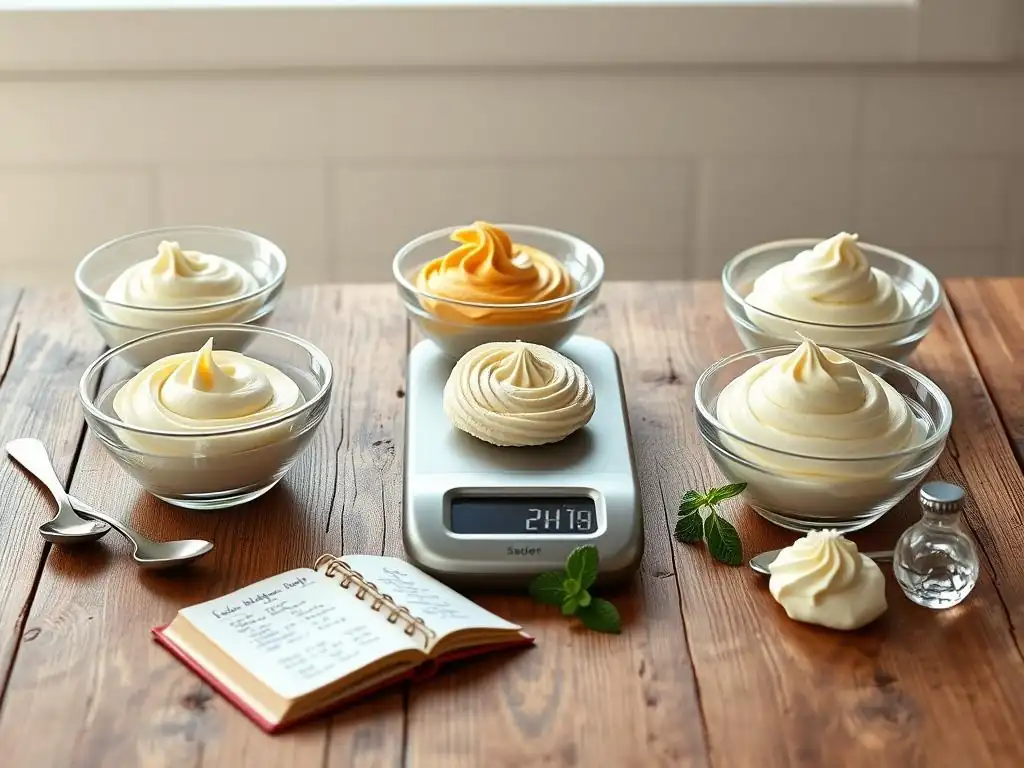
American buttercream is perhaps the simplest and quickest to make, typically involving creaming softened butter and gradually beating in a large quantity of powdered sugar, along with a liquid like milk or cream, and flavorings. Its defining characteristic is its sweetness, primarily due to the high proportion of powdered sugar relative to butter. It sets up quite firmly, making it excellent for piping borders, swirls, and covering cakes smoothly.
While recipes vary, a common starting point for American buttercream is often a 1:2 ratio of butter to powdered sugar by weight (e.g., 1 pound butter to 2 pounds powdered sugar) or even a 1:3 or 1:4 ratio by volume (e.g., 1 cup butter to 3-4 cups powdered sugar). This high sugar content contributes significantly to its stability, allowing it to hold sharp edges and intricate shapes when piped. Understanding this typical range is key to adjusting for your needs and achieving perfect buttercream sugar ratios for this classic type.
Understanding the Sugar-to-Butter Ratio in American Buttercream
The ratio of powdered sugar to butter is the primary determinant of American buttercream's consistency and sweetness. A ratio of roughly 1 part butter to 2 parts powdered sugar by weight (or 1:3 by volume) yields a very sweet, firm frosting suitable for structural piping. If you use less sugar, say a 1:1.5 ratio by weight, the frosting will be softer, less sweet, and perhaps better suited for filling cakes or a rustic smear.
Adjusting this ratio allows bakers to fine-tune the texture and sweetness. For instance, using 1 cup (about 227g) of unsalted butter and 3-4 cups (about 345-460g) of powdered sugar is typical. Adding more liquid (milk, cream, or water) will soften the frosting without adding sweetness, while adding more sugar will stiffen it and increase sweetness. Experimenting within this framework helps find your perfect buttercream sugar ratios.
Tips for Adjusting Sweetness in American Buttercream
While American buttercream is inherently sweet, you can subtly adjust the perceived sweetness without drastically changing the sugar ratio. Adding a pinch of salt (about 1/4 teaspoon per batch made with 1 cup butter) can help balance the sweetness and enhance other flavors like vanilla or chocolate. Using a high-quality vanilla extract or paste also adds depth that counteracts flat sweetness.
Incorporating an acidic component, such as a teaspoon or two of lemon juice or cream of tartar, can also cut through the richness and sweetness. Another technique is to use a flavorful liquid like coffee or fruit puree instead of milk, which adds complexity. For a less sweet result without changing the fundamental structure, some bakers slightly reduce the sugar (e.g., using 3 cups instead of 4 per cup of butter), but this will result in a softer frosting. Finding the perfect buttercream sugar ratios sometimes involves balancing sweetness with other flavor elements.
Swiss Meringue Buttercream: A Delicate Balance of Sugar and Egg Whites
Swiss Meringue Buttercream (SMBC) is renowned for its silky smooth texture, light consistency, and significantly less sweet profile compared to American buttercream. It's made by gently heating granulated sugar and egg whites over a double boiler until the sugar dissolves and the mixture reaches a specific temperature, then whipping this mixture into a stiff, glossy meringue before gradually incorporating softened butter.
The success of SMBC hinges on the precise ratio of sugar to egg whites and the temperature they reach. A common ratio is approximately 1 part sugar to 2 parts egg whites by weight (e.g., 100g sugar to 200g egg whites, or roughly 1 cup sugar to 4-5 large egg whites). This creates a stable meringue base that can successfully emulsify with a substantial amount of butter (often 2-3 times the weight of the sugar). Getting these perfect buttercream sugar ratios right ensures a stable, non-soupy final product.
Achieving Silky Smoothness: The Importance of Sugar Dissolution in Swiss Meringue
The characteristic silky smooth texture of Swiss Meringue Buttercream comes from ensuring that the granulated sugar is completely dissolved in the egg whites before whipping. This is achieved by heating the mixture over a double boiler while whisking constantly. The target temperature is typically between 130°F and 140°F (54°C to 60°C). Heating to this range not only dissolves the sugar but also pasteurizes the egg whites, making them safe to consume.
To check if the sugar is fully dissolved, you can rub a small amount of the mixture between your fingers. It should feel perfectly smooth with no gritty sugar crystals. If crystals are present, continue heating and whisking. Undissolved sugar will result in a grainy buttercream texture that cannot be fixed later. This step is non-negotiable for achieving the desired texture and is fundamental to the perfect buttercream sugar ratios process in SMBC.
Sugar Ratios for Optimal Swiss Meringue Buttercream Stability
The ratio of sugar to egg whites in the meringue base is critical for its stability, which in turn affects the final buttercream's structure. A typical starting point is a 1:2 ratio of sugar to egg whites by weight. For example, using 1 cup (about 200g) of granulated sugar with the egg whites from 4-5 large eggs (approx.
200g) creates a robust meringue. If the sugar ratio is too low relative to the egg whites, the meringue might not whip up as stiffly, potentially leading to a less stable buttercream that is prone to separating, especially when adding the butter.
Once the stable meringue is formed, the ratio of meringue to butter is the next consideration. A common ratio is roughly 1 part meringue base (sugar + egg whites) to 2-3 parts softened butter by weight. For example, a meringue made from 200g sugar and 200g egg whites (total 400g) might be combined with 800g to 1200g of butter. Using too little butter relative to the meringue can result in a sticky, less rich frosting, while too much butter can make it greasy. Finding these perfect buttercream sugar ratios ensures a light, stable, and emulsified frosting.
Italian Meringue Buttercream: Mastering the Hot Sugar Syrup Technique
Italian Meringue Buttercream (IMBC) is similar to Swiss in its light, silky texture and reduced sweetness compared to American, but it's made using a different meringue technique. Instead of heating sugar with egg whites, a hot sugar syrup is cooked to a specific temperature and then slowly poured into whipping egg whites. This process creates a very stable meringue base that is then combined with softened butter.
The key to IMBC lies in the precise temperature of the sugar syrup and its ratio to the egg whites being whipped. A typical sugar syrup uses a ratio of roughly 3-4 parts sugar to 1 part water by weight (e.g., 300-400g sugar to 100g water).
This syrup is then cooked to the soft-ball stage before being added to egg whites, which are often used in a ratio of about 1 part egg whites to 2 parts sugar from the syrup by weight (e.g., 150g egg whites for a syrup made with 300g sugar). Mastering these ratios and temperatures is essential for achieving perfect buttercream sugar ratios in IMBC.
The Key to Italian Meringue: Precise Sugar Syrup Temperature
The success of Italian Meringue Buttercream relies heavily on cooking the sugar syrup to the correct temperature before adding it to the whipping egg whites. The ideal temperature range is the soft-ball stage, typically between 235°F and 240°F (118°C to 120°C). Cooking the syrup to this temperature ensures that the sugar concentration is high enough to create a stable, strong meringue when incorporated into the egg whites.
Using a candy thermometer is crucial for accuracy. If the syrup is too cool, it won't properly stabilize the meringue, resulting in a weak base that can't hold the butter. If it's too hot (reaching hard-ball or crack stages), the sugar will crystallize upon hitting the egg whites, leading to a grainy texture, or worse, it could cook the egg whites too quickly. Hitting the perfect buttercream sugar ratios for the syrup temperature is a non-negotiable step for a stable IMBC.
Sugar Ratio Considerations for Italian Meringue Buttercream
In Italian Meringue Buttercream, the sugar ratio is considered in two parts: the sugar-to-water ratio for the syrup and the sugar (from the syrup) to egg white ratio for the meringue. A common syrup ratio is 3:1 or 4:1 sugar to water by weight. This concentration ensures the syrup reaches the soft-ball stage at the right temperature and consistency. For example, 300g sugar and 100g water.
The amount of sugar syrup used relative to the egg whites determines the meringue's strength. A typical ratio is roughly 2 parts sugar (from the cooked syrup) to 1 part egg whites by weight. So, for 150g of egg whites, you would use a syrup made from about 300g of sugar.
This creates a very stable, glossy meringue. Like SMBC, this meringue is then combined with butter, often in a ratio of 1 part meringue base to 2-3 parts butter by weight. Getting these specific perfect buttercream sugar ratios correct ensures a robust meringue that yields a stable, fluffy buttercream.
French Buttercream: The Rich and Decadent Option
French Buttercream is known for its rich, custardy texture and golden hue, derived from using egg yolks as the base instead of egg whites. It's made by whipping egg yolks and slowly drizzling in a hot sugar syrup cooked to the soft-ball stage, similar to Italian meringue, to create a light, airy base called a pâte à bombe. Softened butter is then gradually incorporated into this base.
Because it uses egg yolks, French buttercream is significantly richer and less sweet than American buttercream and has a distinct flavor profile compared to meringue-based types. The sugar syrup serves to both cook the egg yolks safely and lighten them into a stable, airy base. The ratio of sugar syrup to egg yolks, and subsequently the ratio of this base to butter, determines the final texture and richness. Achieving perfect buttercream sugar ratios here balances richness with stability.
Egg Yolk Power: How Sugar Interacts with Egg Yolks in French Buttercream
In French buttercream, the hot sugar syrup (cooked to 235-240°F or 118-120°C) is slowly streamed into whipping egg yolks. The heat from the syrup cooks the yolks, eliminating the risk of raw eggs, while the force of the mixer simultaneously whips air into the mixture. The sugar stabilizes the proteins in the egg yolks, allowing them to hold a significant amount of air and creating a light, voluminous base known as a pâte à bombe.
This pâte à bombe is essentially a rich, stable foam of egg yolks and sugar. It must be whipped until it cools significantly before adding the butter. The sugar's interaction with the egg yolk proteins provides the structure necessary to emulsify with a large quantity of butter, resulting in the characteristic smooth, rich texture of French buttercream. Understanding this process is key to mastering the perfect buttercream sugar ratios for this decadent frosting.
Sugar Ratio Recommendations for a Luxurious French Buttercream
The sugar ratio in French buttercream primarily involves the sugar syrup added to the egg yolks. A common ratio for the syrup itself is similar to Italian meringue, around 3:1 or 4:1 sugar to water by weight. The ratio of sugar (from the syrup) to egg yolks is typically around 1.5:1 or 2:1 by weight. For example, you might use the yolks from 6-8 large eggs (approx. 100-150g) and a sugar syrup made from 200-300g of sugar.
This creates a rich, stable pâte à bombe. This base is then combined with softened butter, often in a ratio of 1 part pâte à bombe to 2-3 parts butter by weight. The higher proportion of butter compared to the base contributes to the luxurious richness. Getting these perfect buttercream sugar ratios right is crucial for achieving the desired balance of airiness from the pâte à bombe, richness from the yolks and butter, and overall stability.
Korean Buttercream: A Lower Sugar Option for Intricate Designs
Korean buttercream has gained popularity for its unique texture, which is less sweet and incredibly smooth, making it ideal for piping intricate floral designs. Unlike traditional buttercreams that rely heavily on powdered sugar or meringue, Korean buttercream often uses a cooked flour paste or starch base (like rice flour or cornstarch) combined with butter and a relatively small amount of sugar.
The key characteristic is its lower sugar content compared to American or even meringue buttercreams. This reduced sweetness results in a less sticky frosting that holds its shape beautifully when piped through fine tips, allowing for incredibly detailed work. The sugar ratio is often much lower, perhaps around 1 part sugar to 1 part butter by weight before incorporating the starch paste, or even less, depending on the specific recipe base used. Understanding this lower sugar threshold is vital for achieving the desired piping consistency and finding the perfect buttercream sugar ratios for this style.
Lowering the Sweetness: The Secret to Korean Buttercream Flowers
The primary reason Korean buttercream is favored for piping delicate flowers is its significantly reduced sweetness and resulting texture. A traditional recipe might use a cooked base made from milk, flour, and a small amount of sugar, which is cooled and then beaten with butter and additional sugar. The proportion of added sugar is often much lower than in other buttercreams.
This lower sugar content means the frosting is less prone to becoming sticky or crusting over quickly, giving decorators more time to work and achieve fine details. The specific ratio varies greatly depending on the base used, but generally, the total sugar content by weight is less than or equal to the amount of butter, unlike American buttercream where sugar heavily outweighs butter. Mastering these lower perfect buttercream sugar ratios is the foundation for achieving the unique piping qualities of Korean buttercream.
Sugar Substitutes and Their Impact on Korean Buttercream
While Korean buttercream is already lower in sugar, bakers sometimes explore sugar substitutes for dietary reasons. However, substituting sugar in this type of buttercream can be tricky. The small amount of sugar used still plays a role in texture and stability, interacting with the cooked starch base and butter. Granular sugar substitutes like erythritol or xylitol might not dissolve as completely as fine granulated sugar or could add a cooling sensation.
Liquid sweeteners or alternative powdered sweeteners like allulose might behave differently with the starch base, potentially affecting the consistency and piping ability. Since the texture is so critical for intricate designs, experimenting with sugar substitutes requires careful testing. The precise interaction between the substitute, starch paste, and butter is complex, making it challenging to replicate the exact texture achieved with traditional perfect buttercream sugar ratios for Korean designs.
Buttercream Too Sweet: How to Fix It
If your buttercream tastes overwhelmingly sweet, especially American buttercream, there are a few ways to salvage it without starting over. One common method is to add a pinch of salt, which helps to balance sweetness and enhance other flavors. Start with about 1/4 teaspoon per batch made with 1 cup of butter and add more gradually to taste.
Incorporating an acidic element can also cut through the sweetness. A teaspoon or two of fresh lemon juice, cream of tartar, or even a fruit puree can brighten the flavor and reduce the perception of sweetness. Ensure the acid is well incorporated. For meringue-based buttercreams, adding a small amount of unsweetened chocolate or cocoa powder (if appropriate for the flavor profile) can also help temper the sweetness. Adjusting perfect buttercream sugar ratios after the fact is difficult, but these tricks can help mitigate excessive sweetness.
Buttercream Not Sweet Enough: Adjusting the Sugar Content
If your buttercream lacks sweetness, adding more sugar depends on the type of frosting. For American buttercream, simply sift in more powdered sugar gradually while mixing on low speed until the desired sweetness is reached. Be aware that adding more sugar will also make the frosting stiffer, so you might need to add a splash more liquid (milk, cream, or water) to thin it back out to the right consistency.
For meringue-based buttercreams (Swiss, Italian, French), adjusting sweetness after the fact is much harder because the sugar is incorporated into the base before adding butter. Adding powdered sugar directly will likely make it grainy. Your best bet is often to enhance sweetness with flavorings like more vanilla extract, almond extract, or liqueurs. In some cases, you might gently rewarm a small portion of the buttercream, whisk in a little dissolved sugar or simple syrup, and then re-whip, but this carries risks of separation. Getting the perfect buttercream sugar ratios right from the start is always preferable for meringue types.
Grainy Buttercream: Understanding Sugar Crystallization
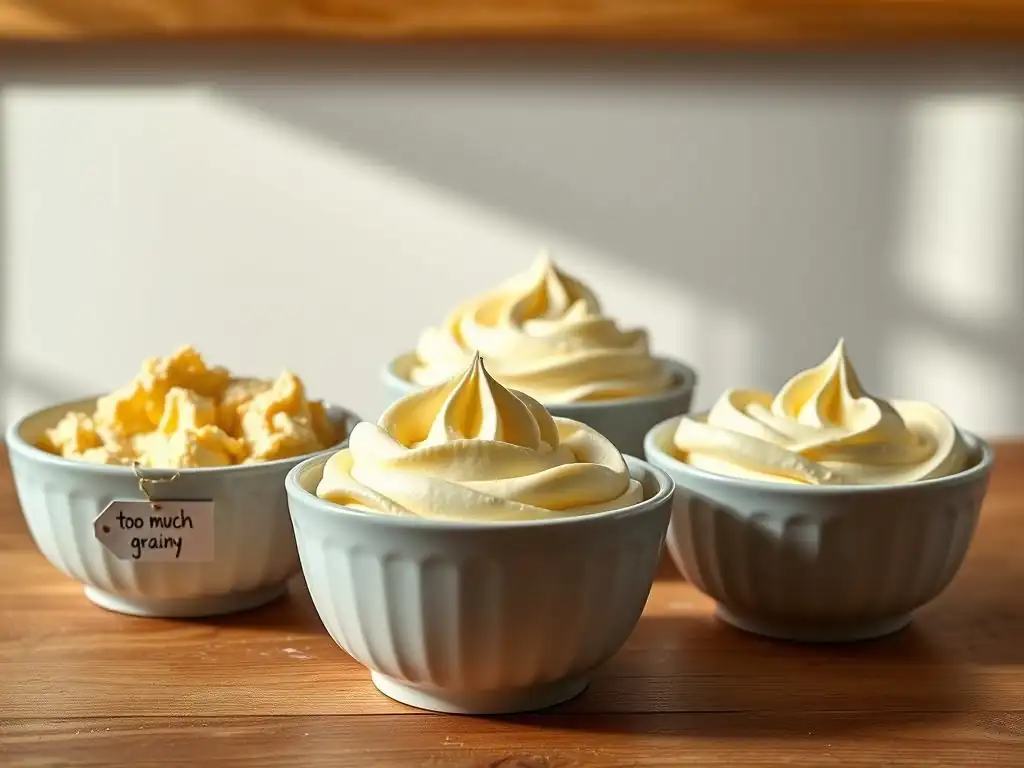
Grainy buttercream is almost always a result of undissolved sugar crystals. In American buttercream, this can happen if powdered sugar isn't sifted or if the mixing is too brief to fully disperse the fine crystals. In meringue-based buttercreams (Swiss, Italian, French), graininess occurs if the granulated sugar isn't completely dissolved when heated with egg whites (Swiss) or if the hot sugar syrup crystallizes when added to the egg whites (Italian, French), often due to syrup being too cool or hitting the whisk directly.
To fix slightly grainy American buttercream, you can try mixing it on high speed for several minutes to force the sugar to dissolve or disperse, or process it in a food processor for a minute or two. For meringue-based buttercreams, fixing graininess caused by sugar crystallization is very difficult, often impossible.
Prevention is key: ensure sugar is fully dissolved in Swiss meringue by rubbing a test sample between your fingers, and ensure the sugar syrup in Italian/French meringue is cooked to the correct temperature and poured carefully into the whipping egg whites without hitting the sides of the bowl or the whisk. Achieving perfect buttercream sugar ratios includes ensuring the sugar is in the right state.
Buttercream Separating: The Role of Sugar in Emulsification
Buttercream separation can happen for several reasons, including temperature issues (butter too cold or too warm) or adding butter too quickly. However, the sugar ratio also plays a role in the stability of the emulsion between the fat (butter) and the liquid/aqueous phase (meringue, milk/cream). In meringue-based buttercreams, the stable protein structure formed by whipping egg whites with dissolved sugar is what allows the butter to be incorporated smoothly.
If the meringue base isn't stable enough (often due to incorrect sugar ratios or temperatures during meringue making), it can't properly hold the butter, leading to separation. The sugar helps create a matrix that traps air and water, which is essential for a stable emulsion. In American buttercream, the powdered sugar helps absorb liquid and provides structure. While less prone to dramatic separation than meringue types, incorrect sugar ratios can result in a greasy texture where the butter seems to be 'breaking' or weeping liquid. Maintaining perfect buttercream sugar ratios contributes significantly to emulsion stability.
Recipes and Sugar Ratio Examples for Different Buttercream Frostings
Classic American Buttercream Recipe
Here's a basic outline of a classic American buttercream, highlighting typical perfect buttercream sugar ratios:
- Ingredients:
- 1 cup (2 sticks or 227g) unsalted butter, softened
- 3-4 cups (approx. 345-460g) powdered sugar, sifted
- 2-4 tablespoons milk or cream
- 1 teaspoon vanilla extract
- Pinch of salt (optional)
- Instructions:
- Beat softened butter until creamy.
- Gradually add sifted powdered sugar, one cup at a time, mixing on low until combined, then medium until fluffy.
- Add milk/cream, vanilla, and salt. Beat until smooth and desired consistency is reached. Add more liquid for a softer frosting, more sugar for a stiffer one.
This recipe demonstrates a common sugar-to-butter ratio of roughly 1.5:1 to 2:1 by weight or 3:1 to 4:1 by volume, showcasing the high sugar content typical of this style.
Silky Swiss Meringue Buttercream Recipe
A typical Swiss Meringue Buttercream recipe outline, focusing on the perfect buttercream sugar ratios:
- Ingredients:
- 4-5 large egg whites (approx. 150-200g)
- 1 cup (approx. 200g) granulated sugar
- 1 pound (454g) unsalted butter, softened and cut into cubes
- 2 teaspoons vanilla extract
- Instructions:
- Combine egg whites and sugar in a heatproof bowl over a pot of simmering water (double boiler).
- Whisk constantly until sugar is fully dissolved and mixture reaches 130-140°F (54-60°C).
- Remove from heat and whip mixture on high speed until a stiff, glossy meringue forms and the bowl is cool to the touch.
- Switch to low speed and add butter cubes one at a time, mixing until incorporated. The mixture may look curdled; keep mixing until smooth.
- Increase speed to medium-high and beat until light and fluffy. Mix in vanilla.
This recipe uses a sugar-to-egg white ratio of roughly 1:1 by weight for the meringue base, which is then combined with butter in a ratio of approximately 1:2 to 1:2.5 base-to-butter by weight.
Rich Italian Meringue Buttercream Recipe
An outline for Rich Italian Meringue Buttercream, highlighting the specific perfect buttercream sugar ratios and temperatures:
- Ingredients:
- 1 1/2 cups (approx. 300g) granulated sugar
- 1/2 cup (approx. 120g) water
- 4-5 large egg whites (approx. 150g)
- 1 pound (454g) unsalted butter, softened and cut into cubes
- 1 teaspoon vanilla extract
- Instructions:
- Combine sugar and water in a saucepan. Heat over medium heat, stirring until sugar dissolves. Stop stirring.
- Begin whipping egg whites on medium speed until soft peaks form.
- Continue cooking sugar syrup without stirring until it reaches 235-240°F (118-120°C).
- With the mixer on high speed, carefully and slowly pour the hot sugar syrup down the side of the bowl in a thin stream into the whipping egg whites.
- Continue whipping on high speed until the meringue is stiff, glossy, and the bowl is completely cool to the touch.
- Reduce speed to low and add butter cubes one at a time, mixing until incorporated. Continue mixing until smooth.
- Increase speed to medium-high and beat until light and fluffy. Mix in vanilla.
This recipe utilizes a sugar-to-water ratio of approximately 2.5:1 by weight for the syrup, which is then used with egg whites in a sugar-to-egg white ratio of roughly 2:1 by weight for the meringue base. The base is then combined with butter at about a 1:2 to 1:3 base-to-butter ratio by weight.
Tips and Tricks for Measuring Sugar Accurately in Buttercream Recipes
The Importance of Accurate Sugar Measurement
Accurate measurement of sugar is non-negotiable for consistent buttercream results, especially when aiming for perfect buttercream sugar ratios. Using too much or too little sugar can drastically alter the texture and stability of your frosting. Even small deviations can mean the difference between a perfectly pipeable buttercream and one that is too soft or too stiff, or between a smooth frosting and a grainy one.
Precision in measurement ensures that the delicate balance between sugar, fat, and liquid is maintained, which is particularly crucial in temperature-sensitive meringue-based buttercreams. Relying on guesswork or imprecise methods can lead to unpredictable outcomes, wasting ingredients and effort. For reliable, repeatable results, treating sugar measurement with care is a fundamental baking practice.
Using a Kitchen Scale for Precise Sugar Ratios
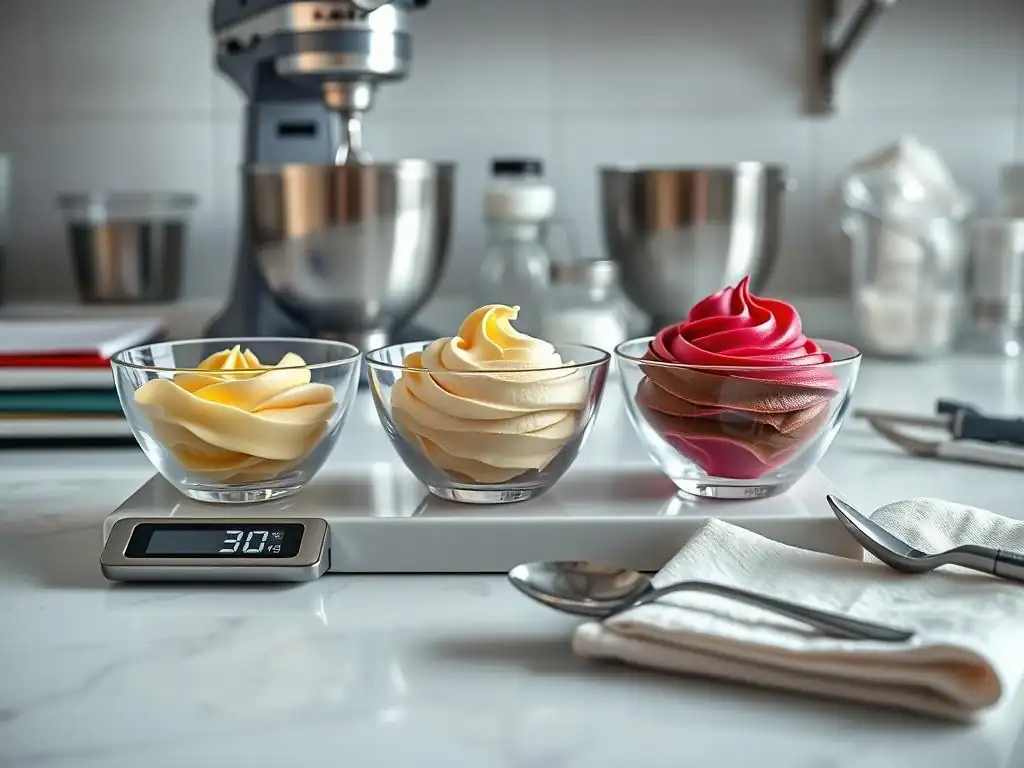
For the most accurate measurement of sugar, especially in recipes that specify weight, a digital kitchen scale is indispensable. Measuring by weight provides a consistent amount every time, regardless of how densely the sugar is packed. This is particularly important for powdered sugar, which can vary significantly in volume depending on how it's scooped and packed.
For example, 1 cup of sifted powdered sugar might weigh around 115-120 grams, while 1 cup of unsifted, packed powdered sugar could weigh considerably more. Using a scale eliminates this variability. Many professional recipes and those aiming for perfect buttercream sugar ratios provide measurements in grams or ounces for this very reason. Investing in a scale is a worthwhile step towards mastering buttercream.
Volume vs. Weight: Understanding Sugar Measurement Differences
While many older or simpler recipes use volume measurements (cups, tablespoons), weight measurements (grams, ounces) are generally more accurate, especially for dry ingredients like sugar. The density of sugar can vary, and how it's measured by volume (scooped and leveled, spooned in) can lead to inconsistent amounts.
For instance, 1 cup of granulated sugar by volume is typically around 200-205 grams. However, 1 cup of powdered sugar is much lighter, around 115-120 grams sifted. Using weight ensures you're adding the exact amount of sugar intended by the recipe developer, leading to more predictable results and helping you achieve those perfect buttercream sugar ratios consistently across batches. Whenever possible, use a scale for sugar.
Adjusting Sugar Ratios for Dietary Needs and Preferences
Reducing Sugar in Buttercream: Substitutes and Techniques
For those looking to reduce the sugar content in buttercream, especially in types like American buttercream, it's possible but requires careful consideration of texture. Simply reducing the amount of sugar will result in a softer, potentially greasier frosting. To compensate, you might need to slightly increase other stabilizers, although this is challenging in simple American buttercream.
Using sugar substitutes is an option, but they behave differently than sugar. Some may not provide the same bulk or texture. Others might require a binding agent or thickener. For example, substituting a portion of the powdered sugar in American buttercream with a powdered sugar substitute might work, but the resulting texture and sweetness profile will differ. Achieving perfect buttercream sugar ratios with reduced sugar often involves recipe reformulation rather than simple substitution.
Sugar-Free Buttercream Options: Exploring Alternative Sweeteners
Creating entirely sugar-free buttercream requires replacing sugar with alternative sweeteners. For American buttercream, powdered erythritol, xylitol (use with caution around pets as it is toxic to them), or allulose can be used. These often need to be combined with a thickening agent like a small amount of cornstarch or tapioca starch if the substitute doesn't contain an anti-caking agent like traditional powdered sugar.
For meringue-based buttercreams, using granulated erythritol or similar substitutes in the meringue base can be challenging as they may not dissolve or whip up into a stable meringue as effectively as real sugar. Some substitutes might crystalize differently when heated. Specialized recipes designed for sugar substitutes are often the best approach to ensure stability and texture when aiming for perfect buttercream sugar ratios in a sugar-free context.
Vegan Buttercream: Sugar Considerations and Plant-Based Alternatives
Vegan buttercream replaces dairy butter with plant-based butter or shortening. The sugar considerations remain similar to their dairy counterparts, but the interaction with plant-based fats can differ slightly. For American-style vegan buttercream, powdered sugar is still the primary sweetener and thickener. Ensure the powdered sugar is truly vegan, as some brands use bone char in processing (though this is becoming less common).
Meringue-based vegan buttercreams are more complex, often using aquafaba (chickpea liquid) or a protein powder blend to create a meringue base. Granulated sugar is typically heated with aquafaba to create a stable base before adding vegan butter. The perfect buttercream sugar ratios for vegan meringues can vary compared to egg-based ones, as aquafaba behaves differently. Experimentation with specific vegan recipes is key to success.
Conclusion: Mastering Sugar Ratios for Perfect Buttercream Every Time
Key Takeaways for Achieving Ideal Buttercream Sweetness
Mastering buttercream is largely about understanding the role of sugar and achieving the perfect buttercream sugar ratios for the specific type you are making. Sugar provides sweetness, but more importantly, it contributes significantly to structure, stability, and texture. American buttercream relies on high quantities of powdered sugar for body, while meringue-based types depend on dissolved sugar to stabilize whipped egg whites or yolks.
Accurate measurement, preferably by weight, is crucial for consistency. Each buttercream type has its own characteristic sugar ratio range that dictates its properties. Troubleshooting issues like graininess or separation often traces back to how sugar was measured, incorporated, or heated. By paying close attention to these details, you can reliably produce beautiful, stable, and delicious buttercream frosting.
Further Resources for Buttercream Baking Success
To continue your journey towards mastering buttercream and understanding perfect buttercream sugar ratios, explore detailed guides on specific buttercream types. Look for resources that provide weight measurements and explain the science behind each step, such as why temperatures are critical in meringue-based frostings or how different fats interact with sugar. Practice is key! The more you make buttercream, the better you'll become at recognizing the correct textures and adjusting as needed. Consult reliable baking websites and cookbooks that specialize in pastry techniques to deepen your knowledge.
Frequently Asked Questions
What is the importance of sugar ratios in buttercream?
The sugar ratio is crucial because it affects the texture and sweetness of your buttercream. Too little sugar can make it grainy, while too much can make it overly sweet or difficult to pipe. Getting the ratio right is key for stability and flavor.
How do sugar ratios differ between American and Swiss meringue buttercreams?
American buttercream typically uses a higher sugar ratio (more sugar) to butter, resulting in a sweeter, crusting buttercream. Swiss meringue buttercream uses a lower sugar ratio that's balanced when cooked with egg whites, creating a silkier, less sweet result.
Can I adjust the sugar ratio in a buttercream recipe to my preference?
While you can adjust it, do so cautiously. Altering the ratio significantly can affect the buttercream's stability and texture. Small adjustments are generally okay, but drastic changes are not recommended.
What happens if I accidentally use too much sugar in my buttercream?
Overly sugary buttercream can be difficult to pipe and may taste excessively sweet. You can sometimes salvage it by adding a small amount of unsalted butter or a touch of liquid, but it's better to avoid over-sugaring in the first place.
How does the type of sugar affect the buttercream's texture and sugar ratio?
Different sugars have varying crystal sizes and sweetness levels, which impact the final product. Powdered sugar (confectioners' sugar) is most common because it dissolves easily, creating a smooth texture; granulated sugar may require more mixing. The sugar ratio might need slight adjustments depending on the specific sugar used.
Final Reflection: The Sweet Science of Perfect Buttercream
Understanding the precise sugar ratios in buttercream recipes is not merely a matter of taste; it's the key to unlocking consistently flawless results. A seemingly small adjustment in sugar can dramatically alter the texture, stability, and overall quality of your buttercream, impacting everything from its spreadability to its ability to hold intricate decorations. This understanding is more relevant than ever in a world of increasingly sophisticated baking techniques and expectations.
The pursuit of the "perfect" buttercream ratio is a journey that reflects our ongoing desire for culinary precision and the satisfaction of mastering a classic technique. It's a testament to the enduring power of simple ingredients transformed by careful manipulation. The difference between ordinary and extraordinary is that little extra.
This quote, while not specifically about buttercream, perfectly encapsulates the impact of paying close attention to detail in achieving baking excellence. The subtle shifts in texture and taste, brought about by even minor adjustments to the sugar ratio, highlight the artistry involved in baking.
Now, armed with a deeper understanding of sugar's role in buttercream, I invite you to experiment. Don't be afraid to tweak the ratios slightly, to observe the changes, and to discover your own perfect balance. The journey of finding your perfect buttercream is a deeply personal one, a testament to your own culinary exploration and creativity. Embrace the process, savor the results, and most importantly, enjoy the sweet rewards of your efforts.
Unlock Your Perfect Buttercream: Master the Sugar Ratio!
Thanks for diving into the world of buttercream with us! We hope you now feel confident in understanding the nuances of sugar ratios and their impact on texture. Ready to put your newfound knowledge into practice?
- Bake your dream cake: Choose your favorite recipe and experiment with different sugar ratios to find your perfect buttercream consistency. Note the results! This is where the real learning happens.
- Share your creations: Show off your buttercream masterpieces on social media using #BakeWithEaseButtercream – we’d love to see your baking journey!
- Join our baking community: Head over to our forum (link removed as per instructions) to discuss your experiences and learn from other passionate bakers. What surprising discoveries did you make while experimenting with sugar ratios?