
Pure Vanilla Extract vs. The Whole Bean: Flavour, Cost, and Usage Explained

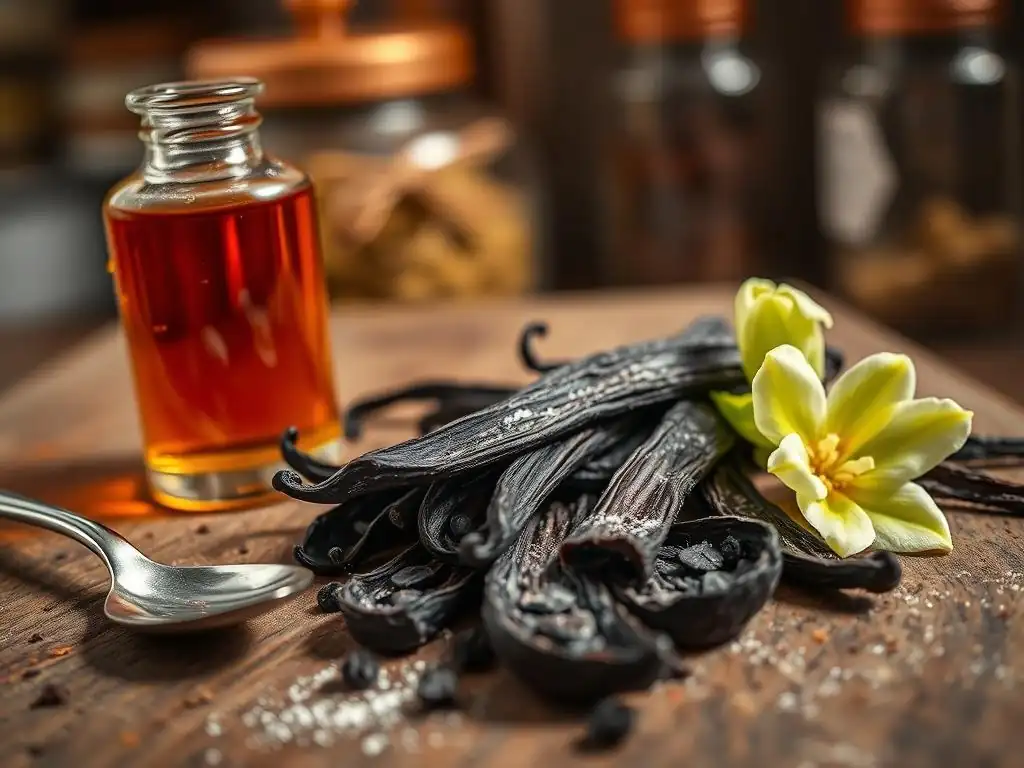
Welcome to BakeWithEase, your trusted guide to baking brilliance! Ever wondered about the secret ingredient that elevates your baked goods from good to extraordinary? Dive into our Ingredient Deep Dives and unlock the mysteries behind flavour profiles, costs, and best practices. Today, we're exploring the fascinating world of vanilla: is it better to reach for Pure Vanilla Extract or harness the full potential of the Whole Bean? Prepare to be amazed as we reveal the secrets to choosing the perfect vanilla for your next baking masterpiece, leaving you with a deeper understanding and a desire to experiment!
- Pure Vanilla Extract vs. The Whole Bean: Flavor, Cost, and Usage Explained
- BakeWithEase's Guide to Vanilla: Extract vs. Bean
- Understanding Pure Vanilla Extract: A Baker's Staple
-
Exploring the Whole Vanilla Bean: The Gourmet Choice
- What is a Vanilla Bean? Understanding the Pod and Seeds
- Different Types of Vanilla Beans: Madagascar, Tahitian, and Mexican
- Flavor Differences in Vanilla Bean Varieties
- How to Use a Vanilla Bean: Scraping, Infusing, and Making Vanilla Sugar
- Recipes Where Vanilla Beans Truly Shine: Crème brûlée, Ice Cream, and Panna Cotta
- Vanilla Extract vs. Bean: A Detailed Comparison
- Optimizing Vanilla Flavor: Tips for Both Extract and Bean
- Choosing the Right Vanilla for Your Baking Needs
- Vanilla Bean and Extract Alternatives: Vanilla Paste and Powder
- Common Mistakes to Avoid When Using Vanilla
- Final Thoughts: Mastering Vanilla in Your Baking
-
Frequently Asked Questions
- What's the main difference in flavour between using pure vanilla extract and vanilla bean?
- Is it more expensive to use vanilla beans versus pure vanilla extract in baking?
- How do I properly use a vanilla bean in my baking recipes?
- Can I substitute pure vanilla extract for a vanilla bean (or vice versa) in recipes?
- What are some dishes where using a vanilla bean is particularly beneficial?
- Final Reflection: The Enduring Allure of Vanilla
- Unleash Your Inner Baker: Elevate Your Baking Today!
Pure Vanilla Extract vs. The Whole Bean: Flavor, Cost, and Usage Explained
BakeWithEase's Guide to Vanilla: Extract vs. Bean
Vanilla is one of the most beloved flavors in baking, offering warmth, sweetness, and a comforting aroma that elevates everything from simple cookies to elaborate custards. But when faced with the choice between a bottle of pure vanilla extract and a precious vanilla bean, many bakers pause. Which is better?
Which should you use for your recipe? This deep dive explores the nuances of pure vanilla extract versus the whole vanilla bean, providing a comprehensive vanilla extract bean comparison to help you make the best choice for your baking adventures. We'll look at how they're made, their distinct flavor profiles, typical costs, and how best to deploy them in your kitchen.
Choosing the right form of vanilla can significantly impact the final outcome of your baked goods. Understanding the strengths and weaknesses of both extract and beans is key to unlocking the full potential of this incredible spice. Whether you're whipping up a batch of classic sugar cookies or attempting a delicate crème brûlée, knowing your vanilla options empowers you to bake with confidence and achieve truly delicious results.
Understanding Pure Vanilla Extract: A Baker's Staple
Pure vanilla extract is a ubiquitous ingredient in pantries worldwide, recognized for its convenience and consistent flavor. It's the go-to vanilla source for countless everyday baking recipes, providing a reliable burst of that familiar sweet, aromatic note. Its liquid form makes it easy to measure and incorporate into batters and doughs, making it a staple for bakers of all skill levels. While often considered the standard, understanding its production and characteristics reveals why it performs differently than its whole bean counterpart.
The accessibility and ease of use of vanilla extract contribute significantly to its popularity. A quick pour from the bottle adds flavor without the need for scraping or infusion, saving time and effort. This makes it ideal for busy bakers or recipes requiring large quantities of vanilla flavor dispersed evenly throughout the mix.
What is Pure Vanilla Extract?
Pure vanilla extract is defined by government regulations in countries like the United States. The U.S. Food and Drug Administration (FDA) standard dictates that pure vanilla extract must contain the extractive matter of not less than 13.35 ounces of vanilla beans per gallon of solvent. This solvent is typically a solution containing at least 35% alcohol by volume, combined with water. The alcohol is crucial as it helps to extract and preserve the over 200 flavor compounds found in vanilla beans, with vanillin being the most prominent.
This strict definition ensures a certain level of quality and concentration for products labeled "pure." Any product labeled "vanilla flavor" or "imitation vanilla" does not meet these standards and likely contains synthetic vanillin, which lacks the complex, nuanced flavor profile of real vanilla. Understanding this distinction is vital when purchasing vanilla products, as imitation versions simply cannot replicate the depth and richness of pure vanilla extract.
How Vanilla Extract is Made: The Alcohol Extraction Process
The creation of pure vanilla extract is essentially a maceration process. Cured vanilla beans are chopped or ground and steeped in a mixture of alcohol and water for a period ranging from several weeks to several months. During this time, the alcohol acts as a solvent, drawing out the fat-soluble and water-soluble flavor compounds from the vanilla beans. The mixture is agitated periodically to facilitate the extraction.
Once the extraction is complete, the liquid is filtered to remove the spent bean material. The resulting liquid is pure vanilla extract. The quality of the extract is heavily influenced by the quality and type of vanilla beans used, the concentration of beans per gallon, and the duration and method of the extraction process. Some premium extracts undergo longer extraction times or use higher concentrations of beans, resulting in a more intense and complex flavor profile.
The Flavor Profile of Vanilla Extract: Sweet, Warm, and Complex
Pure vanilla extract boasts a flavor profile that is predominantly sweet, warm, and aromatic, with underlying complex notes. While vanillin is the main component contributing to the classic vanilla taste, the numerous other compounds extracted from the bean add layers of flavor, including hints of caramel, chocolate, fruit, or spice, depending on the origin and curing of the beans. This complexity is what differentiates pure extract from synthetic vanillin.
When used in baking, vanilla extract provides a foundational flavor that enhances and rounds out other ingredients. It doesn't typically overpower other flavors but rather harmonizes with them, adding depth and warmth. For instance, in a chocolate cake, vanilla extract doesn't taste distinctly of vanilla but makes the chocolate flavor richer and more profound. Its consistent flavor makes it reliable for producing predictable results in a wide range of recipes.
Vanilla extract is incredibly versatile and finds its way into nearly every category of baked goods. Its liquid form integrates easily into batters and doughs, ensuring even distribution of flavor. It is particularly well-suited for recipes where the vanilla flavor is part of a larger ensemble of ingredients rather than the star.
Classic uses include chocolate chip cookies, where a teaspoon or two of extract enhances the buttery, sugary, and chocolate notes; vanilla cakes, where it provides the primary flavor base; and simple custards or puddings. It's also excellent in whipped cream, frostings, muffins, and quick breads.
For recipes requiring baking at high temperatures or for long periods, such as dense fruitcakes or certain breads, the flavor compounds in extract tend to hold up well compared to the more delicate notes of fresh vanilla bean seeds. A typical cookie recipe calling for 1 teaspoon (approximately 5ml) of extract is a perfect example of its standard application.
Exploring the Whole Vanilla Bean: The Gourmet Choice
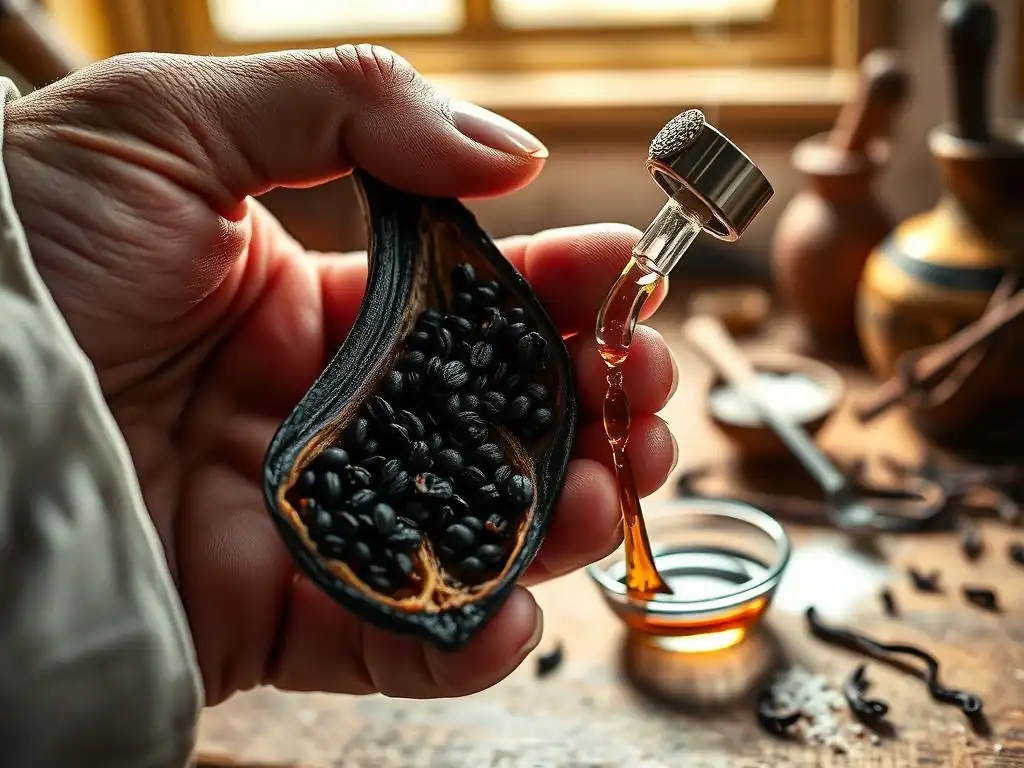
The whole vanilla bean, often referred to as the pod, represents vanilla in its most natural and potent form. It is considered the gourmet choice by many chefs and bakers, offering a depth and purity of flavor that is distinct from extract. Working with a whole bean involves a bit more effort, but the reward is a visibly speckled product and an intense, nuanced vanilla aroma and taste that can elevate a dish from good to extraordinary.
Choosing to use a whole vanilla bean is often an intentional decision for recipes where vanilla is meant to be the star, showcasing its full spectrum of aromas and flavors. The visual presence of the tiny black seeds, often called "vanilla caviar," also adds a touch of elegance and proof of using a premium ingredient.
What is a Vanilla Bean? Understanding the Pod and Seeds
A vanilla bean is the fruit of orchids in the Vanilla genus, primarily Vanilla planifolia. It is a long, slender pod that is harvested green and then undergoes a complex curing process that can take several months. This curing is crucial as it develops the characteristic vanilla flavor and aroma. Inside the cured pod are millions of tiny, black, oily seeds embedded in a sticky paste.
The pod itself also contains flavor compounds, particularly in its outer skin. While the seeds are the most concentrated source of flavor and the most visually appealing, the spent pod can be reused to infuse liquids or make vanilla sugar, ensuring no part of this precious ingredient goes to waste. A well-cured vanilla bean should be pliable, glossy, and have a rich, sweet aroma.
Different Types of Vanilla Beans: Madagascar, Tahitian, and Mexican
The flavor profile of vanilla beans varies significantly depending on their origin and the species of vanilla orchid. The three most common types encountered in baking are Madagascar Bourbon, Tahitian, and Mexican.
- Madagascar Bourbon Vanilla Beans: These are the most popular and widely available, primarily from Vanilla planifolia orchids grown in Madagascar and other islands in the Indian Ocean (though "Bourbon" refers to the Île Bourbon, now Réunion, not the whiskey). They are known for their classic, sweet, creamy, and rich flavor profile, often described as having notes of custard and caramel. A typical Madagascar bean might be 6-8 inches long and feel plump and oily.
- Tahitian Vanilla Beans: From the Vanilla tahitensis species, grown in French Polynesia (Tahiti). These beans are generally plumper and contain fewer seeds than Madagascar beans. Their flavor is more floral and fruity, with notes of cherry, anise, or even wine. They are often favored in delicate desserts that benefit from their unique aromatic qualities.
- Mexican Vanilla Beans: Also from Vanilla planifolia, grown in Mexico, the birthplace of vanilla. Mexican beans often have a smoky, spicy flavor profile with hints of clove or nutmeg. They pair particularly well with chocolate and cinnamon, making them excellent for mole sauces or spiced baked goods.
Understanding these differences allows bakers to select a bean type that best complements the other flavors in their recipe, offering a more nuanced vanilla extract bean comparison than simply using extract.
Flavor Differences in Vanilla Bean Varieties
As mentioned, the origin dictates distinct flavor characteristics. Madagascar beans offer the classic, sweet vanilla taste that most people associate with vanilla ice cream or sugar cookies. This makes them incredibly versatile for general baking where a clean, sweet vanilla note is desired.
Tahitian beans, with their pronounced floral and fruity notes, are superb in lighter, fruit-based desserts, custards, or pastry creams where their unique aroma can shine without being overwhelmed. Imagine a panna cotta infused with Tahitian vanilla – the difference is noticeable. Mexican beans, with their warm, smoky, and spicy undertones, are a natural fit for recipes featuring chocolate, chilies, or warming spices like cinnamon and clove, such as brownies, chocolate cakes, or spiced custards. A side-by-side taste test of custards made with each bean type would reveal these fascinating differences.
How to Use a Vanilla Bean: Scraping, Infusing, and Making Vanilla Sugar
Using a whole vanilla bean requires a few simple steps. First, lay the bean on a cutting board and use a sharp paring knife to split it lengthwise down the center, being careful not to cut all the way through the other side. Open the pod flat and use the back of the knife or a small spoon to scrape down the length of each half, collecting the paste and tiny seeds. This paste is often called "vanilla caviar" and is the most potent part of the bean.
The scraped seeds and paste are then added directly to your recipe, often steeped in warm liquids like milk or cream for custards or sauces, or mixed into doughs and batters. The spent pod should not be discarded. It can be rinsed, dried slightly, and then placed in a jar of sugar to infuse it with vanilla flavor, creating delicious vanilla sugar over time. Alternatively, spent pods can be added to liquids being heated for other purposes (like simple syrup) to extract residual flavor before being removed.
Recipes Where Vanilla Beans Truly Shine: Crème brûlée, Ice Cream, and Panna Cotta
Certain recipes benefit dramatically from the intensity, complexity, and visual appeal of using a whole vanilla bean. Dishes where vanilla is the primary flavor component and served cold or at room temperature are ideal candidates.
Classic examples include crème brûlée, where the seeds are steeped in the cream before baking, creating a rich custard speckled with black vanilla seeds; homemade vanilla ice cream, which benefits immensely from the pure, intense flavor and creamy texture contributed by fresh seeds; and panna cotta, a delicate Italian dessert where vanilla bean infusion is traditional. Other great uses include pastry cream, custards, sauces like crème anglaise, and simple syrups for cocktails or soaking cakes.
Using a whole bean (or even half a bean) in a recipe designed to highlight vanilla provides a depth of flavor that extract, while good, often cannot replicate.
Vanilla Extract vs. Bean: A Detailed Comparison
Making an informed decision between vanilla extract and vanilla beans involves weighing several factors: flavor intensity, cost, ease of use, shelf life, and versatility. While both come from the same source, their processed forms offer different advantages and disadvantages in the kitchen. This vanilla extract bean comparison helps highlight which might be the better choice for your specific baking needs and budget.
Understanding these differences is key to optimizing your baking results. Sometimes the convenience of extract is paramount, while other times the superior flavor and visual appeal of the bean are worth the extra effort and cost.
Flavor Intensity: Extract vs. Fresh Bean
Generally speaking, a fresh vanilla bean contains a higher concentration of flavor compounds than an equivalent amount of pure vanilla extract. The scraped seeds and paste from one average-sized vanilla bean (around 6-8 inches) are often considered roughly equivalent in flavor intensity to about 1 to 2 teaspoons of pure vanilla extract, though this can vary based on the bean's quality and the extract's concentration.
The flavor from a bean is also often perceived as 'fresher' and more nuanced, as it contains the full spectrum of volatile compounds that might be slightly altered or lost during the extraction and bottling process of extract. When you scrape a bean, you are getting the flavor directly from the source, with all its subtle undertones intact. This is why beans are preferred for applications where vanilla is the star.
Cost Analysis: Vanilla Extract vs. Vanilla Bean Price Comparison
Cost is a significant factor in the vanilla extract bean comparison. Pure vanilla extract is typically more cost-effective per use for everyday baking than whole vanilla beans. A small bottle of pure vanilla extract (say, 4 ounces) might cost between $10 and $20 and contain enough for 20-40 recipes that call for 1-2 teaspoons.
In contrast, a single high-quality vanilla bean can cost anywhere from $5 to $10 or more, depending on the type, origin, and market fluctuations. If one bean is equivalent to roughly 1-2 teaspoons of extract, using beans for multiple recipes quickly becomes significantly more expensive. For instance, making a large batch of cookies might require 2 teaspoons of extract (costing perhaps $0.50 - $1.00), whereas using a whole bean might cost $5.00 - $10.00 for the same amount of flavor. This price difference is why beans are often reserved for special recipes or occasions.
Ease of Use: Convenience of Extract vs. Preparation of Bean
Pure vanilla extract is undeniably easier and more convenient to use. It's a liquid that can be measured directly from the bottle and stirred into ingredients with minimal effort. There's no scraping, steeping, or processing required. This makes it perfect for quick recipes or when precision in liquid measurement is important.
Using a whole vanilla bean, while not difficult, requires a few extra steps: splitting the bean, scraping out the seeds, and often steeping the pod and seeds in a liquid. This adds a few minutes to your preparation time and requires a bit more technique. For a busy weeknight baking project, the convenience of extract is often the deciding factor. For a leisurely weekend bake, the process of preparing a bean can be part of the enjoyable ritual.
Shelf Life and Storage: Maintaining Vanilla Quality
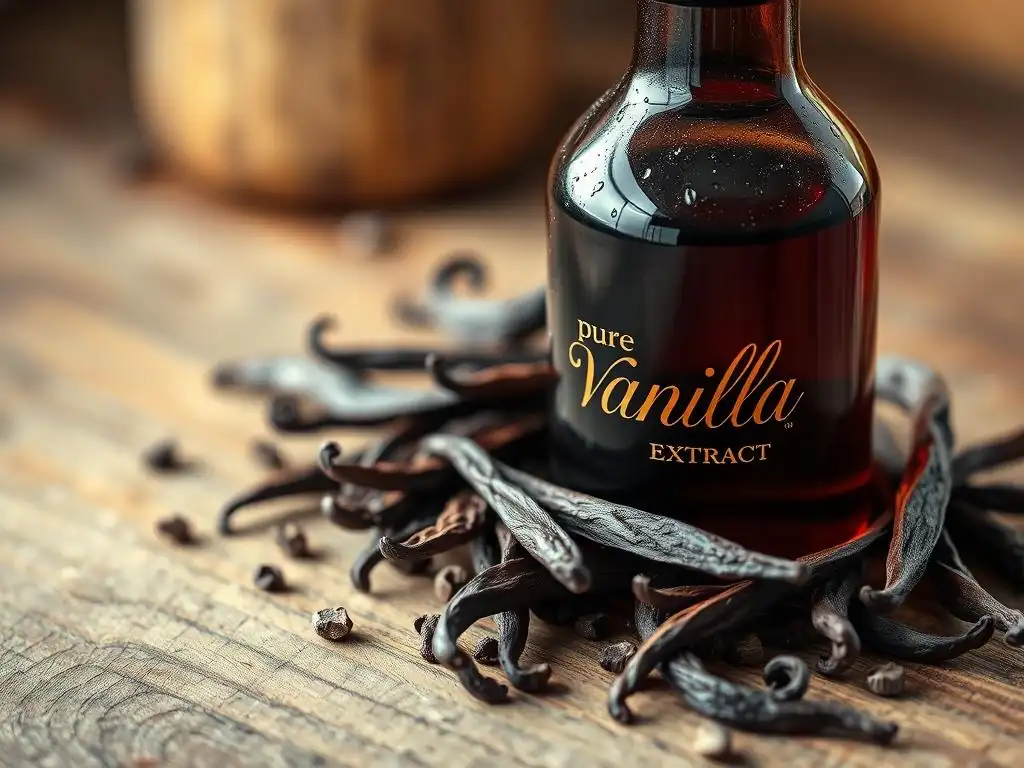
Pure vanilla extract has a remarkably long shelf life. Because it is preserved in alcohol, a sealed bottle of pure vanilla extract can last for years, often improving in flavor over time as the compounds continue to meld. It should be stored in a cool, dark place, away from direct sunlight and heat, to maintain its quality.
Whole vanilla beans, while also having a decent shelf life if stored correctly, are more perishable than extract. Unused beans should be stored in an airtight container (like a glass tube or a small zip-top bag with air pressed out) in a cool, dark place, not in the refrigerator, which can dry them out. Properly stored, they can last for several months up to a year. If they become dry and brittle, they can still be used for infusing liquids, but the seeds are harder to scrape.
Versatility in Baking: Extract and Bean Applications Compared
Both extract and beans are versatile, but they excel in different applications. Vanilla extract is suitable for almost any baked good or dessert, especially those where the vanilla flavor is subtle or cooked at high temperatures. It distributes evenly and is easy to measure for consistent results across large batches.
Vanilla beans are particularly suited for recipes where vanilla is the primary flavor and where the delicate, fresh notes are best showcased, especially in uncooked or gently heated preparations. Custards, ice creams, panna cotta, and sauces are prime examples. The visual appeal of the seeds also makes beans ideal for showcase desserts. While you can use beans in cookies or cakes, the distinct flavor might be less noticeable after baking compared to a custard, and the cost difference becomes more pronounced for less impact.
Optimizing Vanilla Flavor: Tips for Both Extract and Bean
Regardless of whether you choose extract or beans, a few tips can help you get the most out of your vanilla and ensure it contributes its full potential to your baking. Proper usage techniques and thoughtful pairing with other ingredients can enhance the vanilla notes, making your baked goods truly shine.
Maximizing Flavor from Vanilla Extract: Pairing with Other Flavors
To maximize the impact of pure vanilla extract, consider how it interacts with other ingredients. Vanilla flavor is alcohol-soluble, so adding it at different stages of mixing or cooking can yield slightly different results. For most baking, adding extract with the wet ingredients is standard. However, adding a touch after baking to frostings or glazes can provide a brighter, more pronounced vanilla aroma.
Vanilla extract pairs beautifully with a wide range of flavors. It enhances chocolate, coffee, citrus zests (like lemon or orange), spices (cinnamon, nutmeg, ginger), and fruit flavors. For example, adding a teaspoon of vanilla extract to a batch of brownies deepens the chocolate flavor significantly. In a lemon cake, vanilla rounds out the tartness of the lemon, adding warmth. Don't be afraid to use vanilla alongside other flavors; it often acts as a bridge, harmonizing the different components of a recipe.
Enhancing Flavor from Vanilla Beans: Infusion Methods and Tips
When using vanilla beans, the key to enhancing their flavor is often through infusion. Steeping the scraped seeds and sometimes the split pod in warm liquids (like milk, cream, or sugar syrup) for a period allows the flavor compounds to fully disperse. For instance, when making ice cream base or pastry cream, heat the milk or cream with the scraped bean seeds and the split pod, let it steep for 15-30 minutes off the heat, then remove the pod before proceeding.
Gently warming the bean before splitting can also make it easier to scrape. You can do this by briefly running it under warm water or gently warming it in your hands. Ensure the beans are pliable before using them. Don't discard the spent pod; store it in sugar or use it to infuse liquids for other purposes, extracting every last bit of flavor. For maximum visual impact and flavor intensity, add the scraped seeds directly to mixtures that won't be subjected to high heat for long periods, like whipped cream or frosting, right before using.
Choosing the Right Vanilla for Your Baking Needs
Deciding between vanilla extract and a whole vanilla bean ultimately depends on the recipe, your budget, and the desired outcome. Both have their place in the baker's pantry, and understanding when each is the optimal choice is a valuable skill. This vanilla extract bean comparison guide aims to empower you to make that decision confidently.
Consider the prominence of vanilla in the recipe, the temperature at which it will be cooked, and whether the visual presence of seeds is important. Your budget also plays a significant role, as beans are a more significant investment per use.
When to Choose Vanilla Extract for Baking Projects
Pure vanilla extract is the workhorse for everyday baking. Choose vanilla extract when:
- Cost is a primary concern: Extract is significantly more budget-friendly for regular use.
- Convenience is key: Extract requires no preparation beyond measuring.
- Vanilla is not the dominant flavor: In recipes with many strong flavors (like chocolate cakes, spice cookies, or fruit pies), extract provides a necessary background note without being the star.
- Recipes are baked at high temperatures or for long periods: The flavor compounds in extract tend to be more stable under prolonged heat.
- You need consistent results: The flavor profile of a good quality extract is reliable from bottle to bottle.
- You are making large batches: Measuring extract is faster and easier for scaling recipes.
Recipes like chocolate chip cookies, muffins, brownies, basic cakes, and everyday frostings are perfect candidates for using vanilla extract.
When to Splurge on Vanilla Beans: Special Occasions and Recipes
Whole vanilla beans are ideal for recipes where vanilla is meant to be the star and its pure, complex flavor and visual appeal are desired. Splurge on vanilla beans when:
- Vanilla is the dominant or sole flavor: Recipes like vanilla ice cream, panna cotta, crème brûlée, or simple custards benefit most from the intense, fresh flavor of beans.
- The visual appearance of vanilla seeds ("caviar") is desired: The tiny black specks signal quality and add elegance.
- You are making uncooked or lightly cooked desserts: Cold desserts or those requiring minimal heat allow the delicate notes of the bean to shine.
- It's a special occasion: Using a whole bean feels luxurious and adds a gourmet touch.
- You want the purest, most complex vanilla flavor: The full spectrum of compounds in the bean provides a depth unmatched by extract.
Consider using a whole bean for a special anniversary crème brûlée or a homemade vanilla bean ice cream that you want to be truly exceptional.
Vanilla Bean and Extract Alternatives: Vanilla Paste and Powder
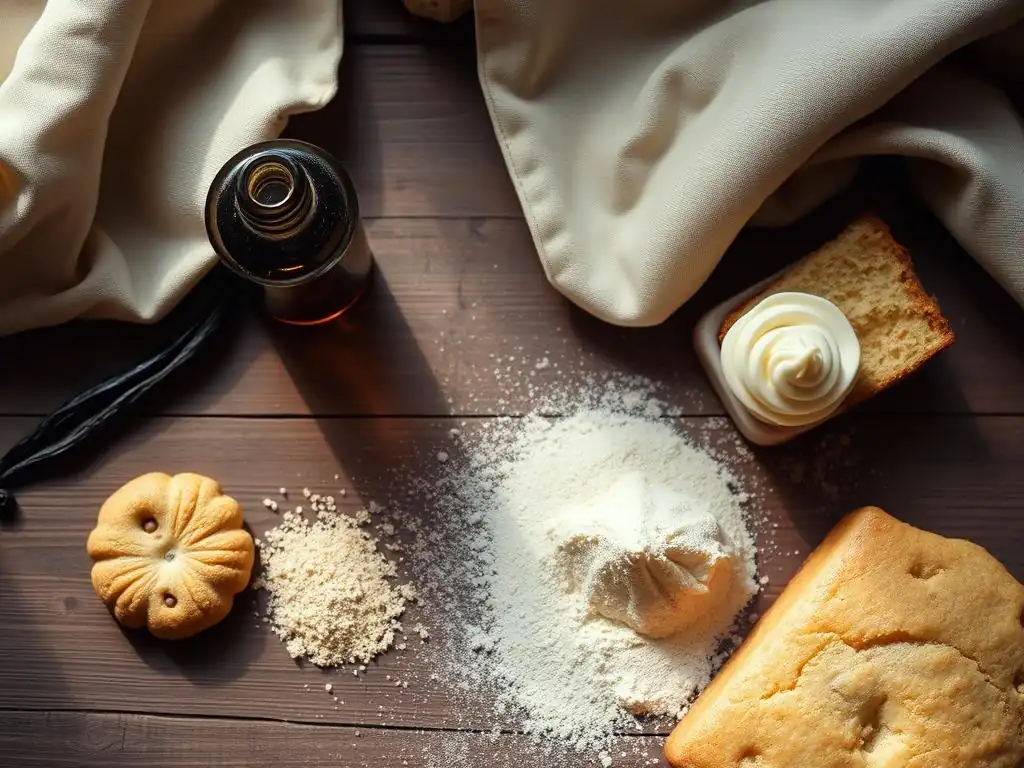
While pure extract and whole beans are the most common forms of real vanilla, two other alternatives offer different advantages: vanilla paste and vanilla powder. Understanding these options provides a more complete vanilla extract bean comparison picture and offers additional flexibility in your baking.
Vanilla Powder: A Convenient Alternative
Vanilla powder is made from dried vanilla beans that have been ground into a fine powder. It's a less common but very useful form of vanilla. Because it contains no alcohol or liquid, it's excellent for dry mixes, rubs, or recipes where adding liquid would disrupt the balance, such as macarons or certain types of meringues.
Vanilla powder provides a concentrated vanilla flavor and, like beans, contains the tiny black seeds, offering visual appeal. It's also heat-stable, making it suitable for recipes baked at high temperatures. Its flavor is generally pure and intense, capturing the essence of the dried bean. Store vanilla powder in an airtight container away from moisture.
Vanilla Paste: Bridging the Gap
Vanilla paste is a thick, syrupy product made from concentrated vanilla extract and vanilla bean seeds, often thickened with a natural gum. It offers a convenient middle ground between extract and beans. You get the intense flavor and visible seeds of a bean with the ease of use of an extract (though it's thicker).
Vanilla paste is excellent for recipes where you want both strong vanilla flavor and the visual presence of seeds without the need to scrape a bean. It's often used in ice cream, custards, pastry creams, and frostings. A typical substitution ratio is 1 teaspoon of paste for 1 teaspoon of extract, or sometimes for half a vanilla bean, though this can vary by brand. Paste is generally more expensive than extract but less so than using multiple whole beans.
Common Mistakes to Avoid When Using Vanilla
Even with the best ingredients, improper usage or storage can diminish the wonderful flavor of vanilla. Avoiding a few common pitfalls ensures that your investment in quality vanilla pays off in delicious results.
Overusing Vanilla Extract: Avoiding Bitterness
While it might seem counterintuitive, adding too much pure vanilla extract can actually introduce a slightly bitter or medicinal note to your baked goods. This is particularly true for extracts with higher alcohol content or those made with lower-quality beans. The delicate balance of flavor compounds can be disrupted by excess.
Stick to the amounts recommended in recipes, which are typically 1-2 teaspoons for a standard batch of cookies or cake. If you want a stronger vanilla flavor, consider using a higher-quality extract, pairing it strategically with other flavors, or, for certain applications, opting for a vanilla bean or paste in the first place. Doubling the extract doesn't necessarily double the pleasant vanilla flavor; it can sometimes detract from it.
Improper Vanilla Bean Storage: Keeping Beans Fresh
A common mistake is storing vanilla beans incorrectly, leading them to dry out and lose their potency and pliability. Storing them in the refrigerator is a frequent error, as the cold, dry air can dehydrate the beans quickly.
Always store vanilla beans in an airtight container at room temperature in a cool, dark place. A glass tube, a tightly sealed jar, or a zip-top bag with as much air removed as possible works well. If you buy beans in vacuum-sealed packaging, transfer them to an airtight container once opened. Properly stored, pliable beans are easy to split and scrape, yielding the maximum amount of fragrant seeds and paste. Dry, brittle beans are much harder to work with and have less vibrant flavor.
Final Thoughts: Mastering Vanilla in Your Baking
Mastering the use of vanilla, whether pure vanilla extract or the whole bean, involves understanding their unique characteristics and knowing when to use each for optimal results. Both are invaluable ingredients that contribute warmth, depth, and complexity to baked goods, but they offer different experiences in terms of flavor, cost, and ease of use. The vanilla extract bean comparison reveals that neither is inherently "better" in all situations; the best choice depends on the specific context of your baking project.
Experimentation is key! Try making the same recipe (like simple sugar cookies or a basic custard) using pure extract and then using a whole vanilla bean to taste the difference firsthand. This personal experience will be the most insightful guide in your baking journey.
BakeWithEase's Recommendation: The Best Approach to Vanilla
For most home bakers, having both pure vanilla extract and a few high-quality vanilla beans on hand is the ideal approach. Use pure vanilla extract for your everyday baking – cookies, cakes, muffins, and frostings – where its convenience and consistent flavor are perfectly suited. Keep whole vanilla beans for those special recipes where vanilla is the star – homemade ice cream, crème brûlée, panna cotta, or delicate sauces – allowing their intense, nuanced flavor and visual appeal to shine.
Consider adding vanilla paste to your collection as well, offering a bridge between the two for situations where you want visible seeds and strong flavor with more convenience than scraping a bean. Ultimately, the best vanilla for your baking is the one that fits your recipe, budget, and desired outcome, used correctly to unlock its full aromatic potential. Happy baking!
Frequently Asked Questions
What's the main difference in flavour between using pure vanilla extract and vanilla bean?
Vanilla bean tends to offer a more complex and nuanced flavour, while pure vanilla extract provides a consistent and readily available vanilla essence. The bean often has subtle notes not found in all extracts.
Is it more expensive to use vanilla beans versus pure vanilla extract in baking?
Generally, using vanilla beans is more expensive than using pure vanilla extract. The cost of a single vanilla bean can be significantly higher than a bottle of extract, especially for high-quality beans.
How do I properly use a vanilla bean in my baking recipes?
To use a vanilla bean, split it lengthwise and scrape out the seeds. Add the seeds directly into your batter or mixture. You can also infuse the pod in milk or cream for added flavour.
Can I substitute pure vanilla extract for a vanilla bean (or vice versa) in recipes?
Yes, you can substitute. A general rule of thumb is to use 1 teaspoon of pure vanilla extract for every 1 inch of vanilla bean. Adjust to taste, considering the flavour differences.
What are some dishes where using a vanilla bean is particularly beneficial?
Vanilla beans shine in recipes where their distinct and complex flavour can truly stand out, such as vanilla ice cream, crème brûlée, or delicate pastries where the vanilla is the star.
Final Reflection: The Enduring Allure of Vanilla
The quest for the perfect vanilla flavor is far from over, and understanding the nuances between pure vanilla extract and whole vanilla beans remains crucial in today's culinary landscape. The subtle differences in taste, cost, and application, as explored throughout this article, highlight the importance of informed choices in the kitchen, impacting both the final product and the overall cooking experience.
The enduring popularity of vanilla, transcending cultural boundaries and culinary traditions, speaks volumes about its unique appeal. Its versatility, from the simplest baking projects to the most complex gourmet creations, is a testament to its timeless quality. Vanilla is the queen of flavors; it is the most versatile and the most adaptable of all spices.
This quote, though its origin is debated, perfectly encapsulates the enduring power of this aromatic treasure. The journey from bean to extract, as detailed here, reveals a fascinating story of transformation and the impact of processing on the final product.
Consider your own relationship with vanilla. Do you reach for the convenience of extract, or do you savor the ritual of working with whole beans? This article isn't just about comparing products; it's about understanding the choices we make and how those choices impact the flavors we create and share. I encourage you to experiment, to explore the differences firsthand, and to discover the perfect vanilla experience for your own palate and culinary style. Let the aroma guide you, and let the taste inspire you.
Unleash Your Inner Baker: Elevate Your Baking Today!
Thanks for exploring the wonderful world of vanilla with us! We hope you now feel confident in choosing the perfect vanilla for your next baking masterpiece. Ready to put your new knowledge to the test?
- Bake something amazing! Try a recipe using your preferred vanilla extract – we'd love to see your creations! Share your photos on social media using #BakeWithEaseVanilla.
- Experiment with different vanilla types. Compare the subtle nuances in flavor between pure extract and whole bean vanilla in your favorite cookie or cake recipe.
- Join our baking community! Share your experiences and tips on using vanilla in our comments section below – let's inspire each other!
What unique vanilla-infused treat will you bake next?