
Best Pans for Baking Cream Pies and Tarts for Optimal Results

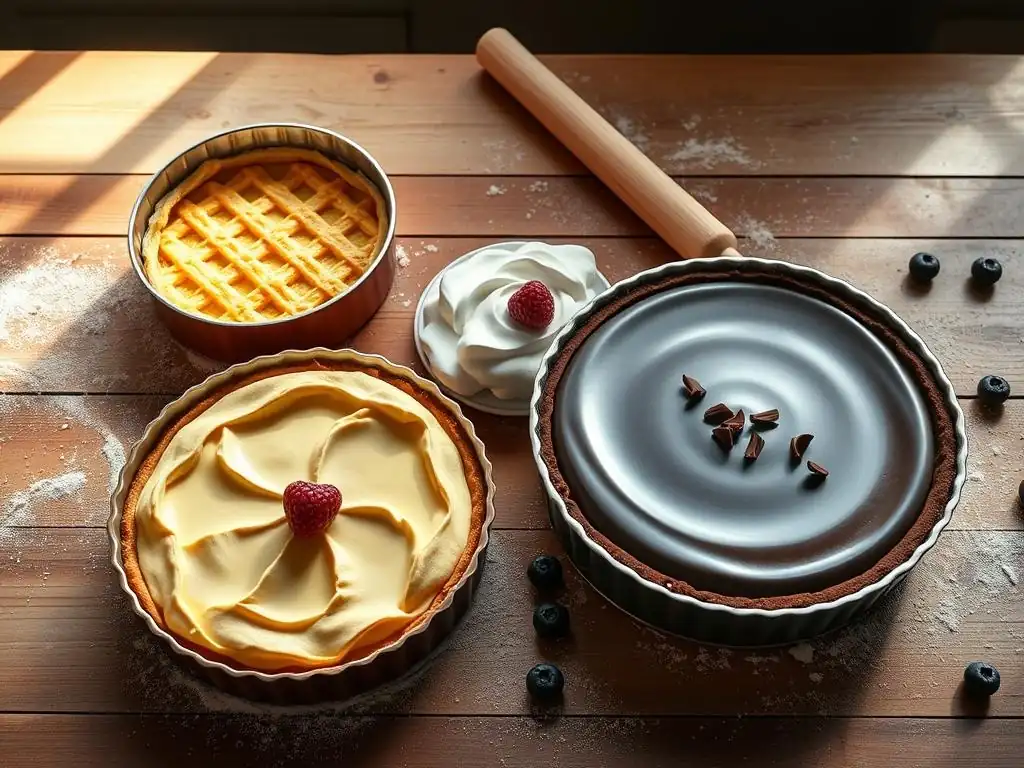
Welcome to BakeWithEase, your guide to baking bliss! Ever wondered what the secret is to achieving that perfectly set custard and flaky crust in your cream pies? This week, we're diving deep into the essential tools for pastry perfection. Join us as we uncover the best pans for baking cream pies and tarts, revealing how the right equipment can dramatically elevate your dessert game. Ready to finally achieve bakery-worthy results at home? Let's get baking!
- Best Pans for Baking Quiche and Tarts for Optimal Results | BakeWithEase.com
- Introduction: Achieving Baking Perfection with the Right Quiche and Tart Pans
- Understanding the Importance of Pan Material for Quiche Baking
- Pan Size and Shape: Choosing the Ideal Dimensions for Your Quiche
- Features to Look for in Quiche and Tart Pans
-
Top Recommended Pans for Baking Quiche and Tarts
- Best Overall Quiche Pan for Even Baking: USA Pan 12-Inch Aluminized Steel Quiche Pan
- Best Tart Pan with Removable Bottom: Fox Run Non-Stick Tart Pan with Removable Bottom
- Best Budget-Friendly Quiche Pan: Wilton Excelle Elite 9-Inch Tart Pan
- Best Deep-Dish Quiche Pan: Emile Henry HR Modern Classics Pie Dish
- Tips for Using Your Baking Pans for Optimal Quiche and Tart Results
- Cleaning and Maintaining Your Baking Pans
- Troubleshooting Common Baking Issues Related to Pans
- Conclusion: Elevating Your Quiche and Tart Baking with the Perfect Pan
-
Frequently Asked Questions
- What type of pan material is generally considered best for baking cream pies?
- What size pan should I use when baking a cream pie?
- Can I use a tart pan with a removable bottom for baking cream pies?
- Is there a specific pan depth that works best for cream pies?
- How does pan color affect the baking of a cream pie crust?
- Final Reflection: The Perfect Crust, the Perfect Pie: A Baker's Journey
- Unleash Your Inner Pastry Chef!
Best Pans for Baking Quiche and Tarts for Optimal Results | BakeWithEase.com
Introduction: Achieving Baking Perfection with the Right Quiche and Tart Pans
Welcome to BakeWithEase! Whether you're crafting a savory quiche for brunch or a delicate fruit tart for dessert, the pan you choose plays a surprisingly big role in your success. Just like finding the right ingredients, selecting the best pans for baking is crucial for achieving that perfectly golden crust and evenly cooked filling. A quality pan ensures consistent heat distribution, proper crust development, and easy release, transforming a good bake into a great one.
This guide will walk you through everything you need to know about selecting and using the best pans for baking quiche and tarts. We'll explore different materials, sizes, and features, helping you understand how each element impacts your final result. By the end, you'll be equipped to choose the ideal baking pan for any quiche or tart recipe, ensuring your crusts are crisp and your fillings are flawless, making your baking journey smoother and more rewarding.
Understanding the Importance of Pan Material for Quiche Baking
The material your baking pan is made from is more than just a detail; it fundamentally affects how heat transfers to your dough and filling. Different materials conduct and retain heat in distinct ways, directly influencing the color, texture, and crispness of your quiche or tart crust. Understanding these differences is key to mastering your bake and achieving that desired flaky, golden-brown finish.
Choosing the right material helps prevent common issues like soggy bottoms or burnt edges. Some materials heat up quickly, promoting rapid browning, while others heat more gradually, offering a gentler bake. The pan material also impacts durability and ease of cleaning, factors that contribute to the overall baking experience. Selecting the best pans baking cream pies or savory tarts starts with considering the material.
How Pan Material Affects Crust Browning and Texture
The science behind pan material and crust involves heat transfer. Metals like aluminum and carbon steel are excellent heat conductors, meaning they heat up quickly and distribute heat evenly across the pan's surface. This rapid and consistent heat helps the crust cook through efficiently, promoting the Maillard reaction and caramelization that give baked goods their golden color and complex flavors. For instance, carbon steel heats very fast, which is excellent for achieving a super crispy crust, often desired in savory quiches.
In contrast, materials like glass and ceramic are poorer conductors but excellent heat retainers. They heat up more slowly but hold onto heat for longer. This can result in a less intense initial browning but provides a more stable baking temperature once heated.
A glass pan, for example, allows you to see the crust browning through the sides, which is helpful for monitoring, though it might require a slightly longer bake time to achieve the same level of bottom crispness as metal pans. The texture, from flaky layers to a firm base, is significantly shaped by how quickly and evenly heat reaches the dough.
Common Pan Materials for Baking Quiches: A Comparison
When searching for the best pans baking cream pies, quiches, or tarts, you'll encounter a few primary materials, each with its own set of advantages and considerations. Comparing these materials helps you decide which is best suited for your specific baking needs and desired results. Understanding their properties is a fundamental step in selecting the right tool for the job.
Let's break down the most common materials you'll find in baking pans designed for quiches and tarts. Each offers a unique baking experience and outcome, influencing everything from the crust's color to how easily your finished product releases from the pan.
Aluminum Pans: Affordability and Even Heat Distribution
Aluminum is a popular choice for baking pans, largely due to its affordability and excellent heat conductivity. It heats up quickly and distributes heat very evenly, which is crucial for preventing hot spots that can lead to unevenly baked crusts. Anodized aluminum pans, in particular, are treated to create a harder, non-reactive surface, making them more durable and less likely to react with acidic ingredients.
While pure aluminum can sometimes cause slight discoloration with acidic fillings, anodized versions mitigate this. These pans are lightweight and generally easy to handle. They are a reliable option for achieving consistently baked crusts, providing a good balance between price and performance, making them a staple for many home bakers looking for versatile baking pans.
Glass Pans: Visual Monitoring and Elegant Presentation
Glass baking pans are often favored for their aesthetic appeal and the ability to visually monitor the baking process. You can easily see how the crust is browning on the bottom and sides without needing to lift the pan. Glass is a poor heat conductor compared to metal, meaning it heats up more slowly, but it retains heat exceptionally well. This can result in a slightly longer baking time but provides a very stable temperature once the pan is hot.
One advantage of glass is its non-reactive surface, making it safe for all types of fillings, including acidic ones. They transition beautifully from oven to table, offering an elegant presentation. However, glass is susceptible to thermal shock (cracking when exposed to sudden temperature changes) and can be heavier than metal pans. Achieving a perfectly crisp bottom crust in a glass pan sometimes requires a slightly higher baking temperature or longer bake time compared to metal.
Ceramic Pans: Stylish Baking and Easy Release
Ceramic pans, often made from stoneware or porcelain, are another material known for their heat retention properties and attractive appearance, allowing them to double as serving dishes. Like glass, ceramic heats up slowly but retains heat very well, providing a gentle, even bake. This can be beneficial for delicate fillings. Many ceramic pans feature a glazed interior surface, which offers excellent non-stick properties, making release easier and cleaning simpler.
Ceramic pans are non-reactive and durable, though they can be prone to chipping or breaking if dropped. They are excellent for achieving a well-baked, evenly colored crust, and their ability to retain heat means your quiche or tart stays warm longer after coming out of the oven. They represent a blend of functionality and style, making them a lovely addition to any kitchen's collection of baking pans.
Carbon Steel Pans: Durability and Excellent Heat Retention
Carbon steel is a heavy-duty material that combines the heat conductivity of cast iron with the lighter weight and smoother surface of steel. It heats up very quickly and retains heat exceptionally well, making it ideal for achieving deeply browned and crispy crusts. This material is often used for professional bakeware due to its durability and performance.
Carbon steel pans typically require seasoning, similar to cast iron, to build a natural non-stick surface and prevent rust. While they demand a bit more maintenance than non-stick or glass pans, the results they deliver in terms of crust quality are often superior, particularly for recipes where a very crisp base is desired. Their robustness ensures they can withstand high temperatures and last for many years, making them a worthwhile investment for serious bakers seeking the best pans baking cream pies and savory dishes.
Pan Size and Shape: Choosing the Ideal Dimensions for Your Quiche
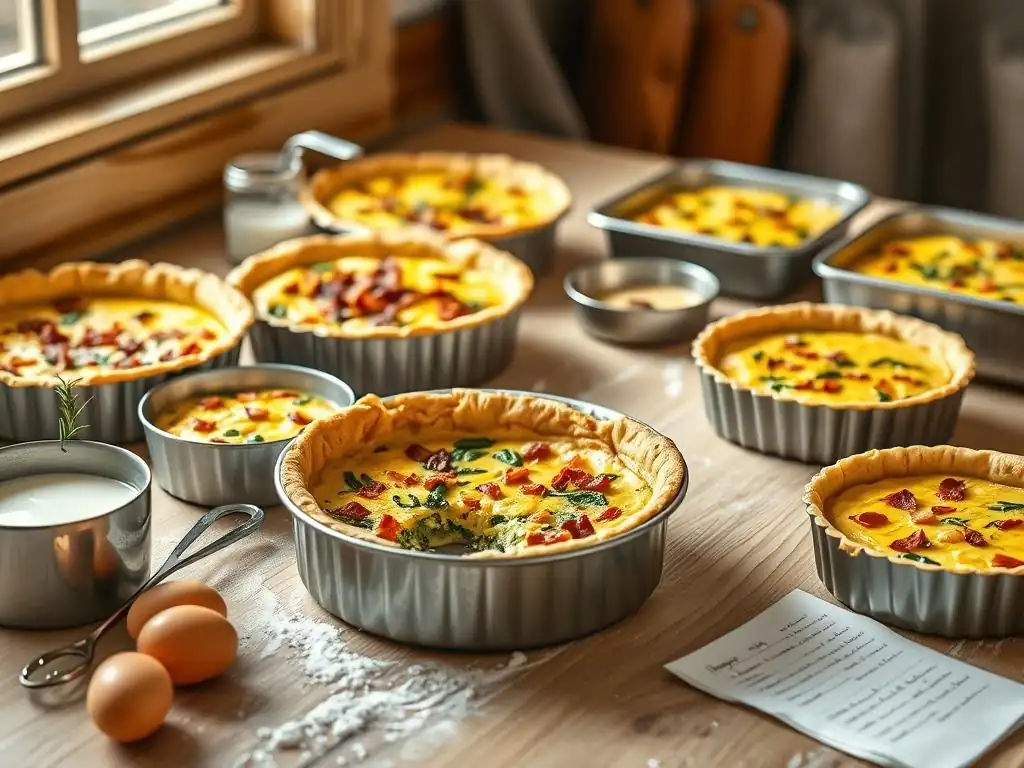
Beyond the material, the size and shape of your baking pan significantly influence the outcome of your quiche or tart. The dimensions determine the volume of filling your pan can hold, the thickness of your crust relative to the filling, and the overall baking time. Selecting the appropriate size and shape ensures your recipe proportions work correctly and your bake is even throughout.
Consider the number of servings you need and the desired ratio of crust to filling. A shallower pan will yield more crust per bite, while a deeper pan will feature a more substantial filling. The shape, whether round, square, or individual, also impacts presentation and serving. Choosing the best pans baking cream pies or quiches means considering these practical aspects.
Standard Quiche Pans vs. Tart Pans: Key Differences
While often used interchangeably, standard quiche pans and tart pans have some key differences, primarily in depth and side profile. A traditional quiche pan typically has straight, relatively deep sides (often 1.5 to 2 inches) and fluted edges. This depth allows for a substantial filling, characteristic of hearty quiches. The straight sides provide a clean, upright edge to the finished dish.
Tart pans, on the other hand, generally have shallower sides (often 1 inch or less) and are almost always characterized by prominent fluted edges. Many tart pans also feature a removable bottom. The shallower depth results in a higher crust-to-filling ratio, emphasizing the pastry. The fluted edges are primarily for decoration but also add a bit of structural support. While you can bake a quiche in a tart pan or vice versa, the intended design influences the final appearance and texture balance.
Deep-Dish vs. Shallow Pans: Impact on Filling Ratio and Baking Time
The depth of your pan has a direct impact on the ratio of filling to crust and the overall baking time. A deep-dish pan, like a standard pie dish or a deeper quiche pan (say, 2 inches or more), accommodates a larger volume of filling relative to the crust.
This is ideal for recipes where the filling is the star, such as a hearty Lorraine quiche or a substantial pot pie. However, deep dishes require longer baking times to ensure the center filling is set and the bottom crust is fully cooked, sometimes necessitating techniques like covering the edges to prevent over-browning.
Shallow pans, typical of tart pans (around 1 inch deep), result in a higher proportion of crust to filling. This is perfect for recipes where the crust's texture and flavor are meant to be prominent, like fruit tarts with a thin layer of filling or delicate custard tarts. Shallow pans bake faster because the heat penetrates the filling more quickly. Choosing between deep and shallow depends entirely on the specific recipe and your desired balance of crust and filling.
Individual Tartlets vs. Large Tarts: Serving Considerations
Deciding between baking one large quiche or tart and baking several individual tartlets depends largely on serving considerations and presentation preferences. Individual tartlet pans, usually 3-4 inches in diameter, are perfect for creating single-serving portions. They bake relatively quickly and offer a charming presentation, making them ideal for parties, brunches, or controlled portion sizes. Baking in individual pans ensures each person gets a perfect crust-to-filling ratio.
Baking a large quiche or tart (typically 9-12 inches in diameter) is more efficient for serving a group or a family meal. It requires less preparation time (only one crust to form) but a longer baking time. Slicing a large tart or quiche provides a classic presentation. Many of the best pans baking cream pies are available in both large and individual sizes, allowing flexibility depending on the occasion.
Features to Look for in Quiche and Tart Pans
Beyond material, size, and shape, several specific features can enhance the performance and usability of quiche and tart pans. These thoughtful design elements are intended to improve crust quality, facilitate easy release, and add to the overall aesthetic appeal of your baked goods. Recognizing these features can help you choose the best pans baking cream pies, quiches, and tarts for your needs.
From decorative edges to practical removable bottoms, these features distinguish specialized quiche and tart pans from standard pie dishes. They are designed with the unique challenges of baking these dishes in mind, aiming to make the process smoother and the results more professional-looking.
Fluted Edges: Adding Decorative Appeal and Structural Support
Fluted edges are a hallmark of many quiche and tart pans. Their primary purpose is decorative, creating a beautiful, classic wavy border around the edge of the finished product. This elegant finish is particularly appealing for tarts and quiches that are served directly from the pan or presented whole.
Beyond aesthetics, the fluted shape also provides a bit of structural support to the edge of the crust during baking. The crimped design can help the pastry hold its shape and prevent excessive slumping as it bakes. While not strictly necessary for function, fluted edges are a desirable feature for achieving that signature look of a perfectly baked tart or quiche.
Removable Bottoms: Facilitating Easy Tart Removal and Presentation
A removable bottom is perhaps one of the most coveted features in a tart pan, and it's increasingly found in some quiche pans as well. This design consists of a ring or side piece and a separate base that fits snugly inside. Once the tart or quiche is baked and cooled slightly, you can place the pan on an elevated surface (like a can or a small bowl) and gently push the sides down, leaving the finished tart resting on its base.
This feature is invaluable for easily removing delicate tarts and quiches without damaging the crust. It allows for flawless presentation, as you can slide the finished product directly onto a serving plate. While pans without removable bottoms require careful inverting or serving directly from the pan, a removable bottom simplifies the process significantly and is a key feature for anyone who wants their baked goods to look as good as they taste. Many of the best pans baking cream pies feature this design for easy slicing.
Perforated Pans: Promoting Crispy Crusts
Perforated pans, featuring small holes across the bottom and sometimes up the sides, are specifically designed to promote airflow around the crust during baking. This increased air circulation helps moisture escape from the dough more efficiently, leading to a crispier bottom crust. Soggy bottoms are a common baking woe, particularly with wet fillings, and perforated pans are a targeted solution.
The perforations allow the heat to reach the underside of the crust more directly, ensuring it bakes through and dries out sufficiently to become crisp. While they might require slightly more careful handling of the raw dough (to prevent it from pushing through the holes), the benefit of a consistently crispy base is often worth the effort. These pans are particularly effective for blind baking crusts before adding the filling.
Top Recommended Pans for Baking Quiche and Tarts
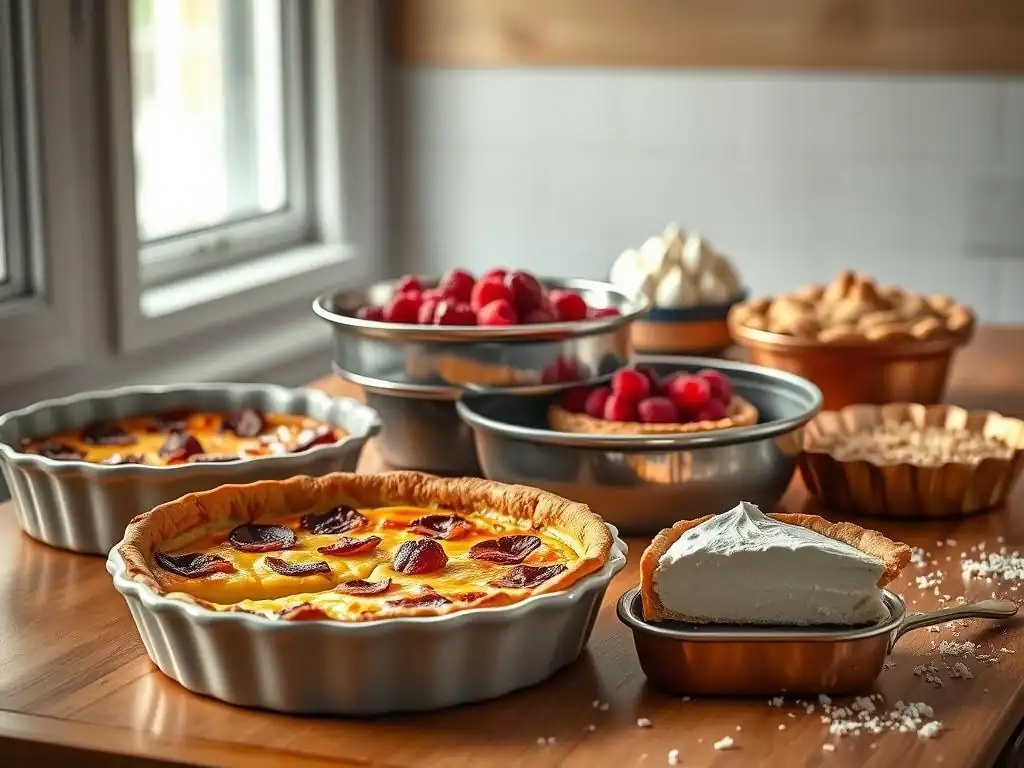
Choosing from the vast array of baking pans available can be overwhelming. To help simplify your decision, we've highlighted a few highly-regarded options known for their performance and reliability when baking quiches and tarts. These selections represent different materials and features, offering excellent results for various baking needs.
Remember that the "best" pan often depends on your personal preferences and the type of baking you do most often. However, these recommended pans are consistently praised by bakers for their quality and ability to produce beautiful, delicious quiches and tarts.
Best Overall Quiche Pan for Even Baking: USA Pan 12-Inch Aluminized Steel Quiche Pan
The USA Pan 12-Inch Aluminized Steel Quiche Pan is a top contender for its exceptional performance. Made from heavy-gauge aluminized steel, it provides superior heat distribution, ensuring your crust bakes evenly every time. The fluted edges give a classic look, and the pan's construction is robust and durable.
This pan features a non-stick silicone coating (PTFE and PFOA free) that facilitates easy release and cleanup. Its 12-inch diameter is generous, perfect for family-sized quiches. Users consistently praise this pan for producing perfectly browned, crispy crusts without hot spots. It's a reliable, high-quality pan that justifies its price point for serious home bakers.
Best Tart Pan with Removable Bottom: Fox Run Non-Stick Tart Pan with Removable Bottom
For those prioritizing easy release and perfect presentation, the Fox Run Non-Stick Tart Pan with Removable Bottom is an excellent choice. Available in various sizes, including the popular 9-inch, this pan features a durable non-stick coating and the essential removable bottom design.
The fluted edges create a lovely presentation, and the non-stick surface ensures your delicate tart crust lifts away cleanly from the sides and base. While it's a budget-friendly option, it performs reliably for sweet and savory tarts. It's one of the best pans baking cream pies or fruit tarts where a clean, intact crust is paramount.
Best Budget-Friendly Quiche Pan: Wilton Excelle Elite 9-Inch Tart Pan
If you're just starting out or looking for an affordable option that still performs well, the Wilton Excelle Elite 9-Inch Tart Pan is a great pick. This pan, often labeled as a tart pan but suitable for smaller quiches, is made from steel and features a non-stick coating.
It offers good value, providing even heating and relatively easy release. While it may not be as heavy-duty as premium pans, it's perfectly capable of producing delicious quiches and tarts. Its 9-inch size is versatile for smaller recipes or individual servings. It's a solid entry point into using specialized baking pans.
Best Deep-Dish Quiche Pan: Emile Henry HR Modern Classics Pie Dish
For those who love a deep, hearty quiche or substantial pie, the Emile Henry HR Modern Classics Pie Dish is a standout. Made from high-resistance ceramic, this dish offers exceptional heat retention, ensuring the filling cooks through evenly while the crust achieves a beautiful golden color.
Emile Henry ceramic bakeware is known for its durability, chip resistance, and ability to transition directly from the oven to the table. While technically a pie dish, its depth and straight-ish sides make it perfect for deep quiches. The glaze provides a naturally non-stick surface for easier cleaning. It's a premium option that delivers consistent results and beautiful presentation.
Tips for Using Your Baking Pans for Optimal Quiche and Tart Results
Having the right pan is only half the battle; knowing how to use it effectively is just as important. A few simple techniques can significantly improve your baking results, ensuring your crust is perfectly baked and your filling is set just right. These tips apply whether you're using the best pans baking cream pies, quiches, or any other tart.
Mastering these techniques will help you avoid common pitfalls like soggy bottoms or sticking crusts and ensure your quiches and tarts turn out beautifully every time.
Preparing Your Pan: Greasing, Flourishing, and Parchment Paper
Proper pan preparation is the first step to a successful bake and easy release. For most metal pans, especially those without a strong non-stick coating, greasing and flouring are recommended. Use a solid fat like butter or shortening to coat the inside surface thoroughly, then dust with flour, tapping out any excess. This creates a barrier that prevents the dough from sticking.
For pans with good non-stick coatings or ceramic/glass pans, a light greasing might suffice, or it might not be necessary depending on the pan and recipe. For pans with removable bottoms or perforated pans, consider lining the bottom with a circle of parchment paper before adding the dough. This provides an extra layer of protection against sticking and helps contain any moisture that might seep through perforations, ensuring a clean release.
Achieving a Golden-Brown Crust: Temperature and Baking Time Guidelines
Achieving a perfectly golden-brown crust requires the right balance of temperature and time. Most quiche and tart crusts are baked at relatively high temperatures, often between 375°F and 425°F (190°C to 220°C). High heat helps the fat in the dough melt and create flaky layers while promoting rapid browning.
However, the exact temperature and time will depend on your pan material, the thickness of your crust, the size and depth of the pan, and your oven's calibration. Keep a close eye on the crust, especially the edges, which tend to brown faster. If the edges are browning too quickly while the center is still pale, you can loosely cover the edges with strips of aluminum foil to shield them from direct heat. Trust your visual cues more than just the clock.
Preventing Soggy Crusts: Blind Baking Techniques and Pan Selection
A soggy bottom crust is arguably the most common frustration in quiche and tart baking, particularly with wet fillings. Preventing this requires ensuring the bottom crust is sufficiently baked and sealed before the filling is added. This is where blind baking comes in. Blind baking involves partially or fully baking the crust without the filling.
To blind bake, line the raw crust with parchment paper and fill it with pie weights, dried beans, or rice to hold its shape. Bake for a portion of the total time, then remove the weights and parchment and continue baking until the bottom is lightly golden and looks dry. For especially wet fillings, you might bake the crust until fully done. Using a pan material that conducts heat well (like metal) or a perforated pan also significantly helps in achieving a crisp bottom crust by allowing heat to reach the base efficiently.
Cooling and Unmolding Your Quiches and Tarts
Patience is key when it comes to cooling and unmolding. Allow your quiche or tart to cool in the pan for a significant amount of time before attempting to remove it or slice it. For tarts baked in pans with removable bottoms, letting it cool for at least 20-30 minutes allows the crust to set and become sturdy enough to handle. Place the pan on an elevated surface and gently push the sides down.
For quiches or tarts in standard pans, cooling helps the filling set completely, making slicing much cleaner. Attempting to slice or remove while too hot can lead to crumbling crusts and runny fillings. Allow them to cool on a wire rack. For pans without removable bottoms, you'll typically serve directly from the pan. Using the best pans baking cream pies often involves this crucial cooling step for a perfect slice.
Cleaning and Maintaining Your Baking Pans
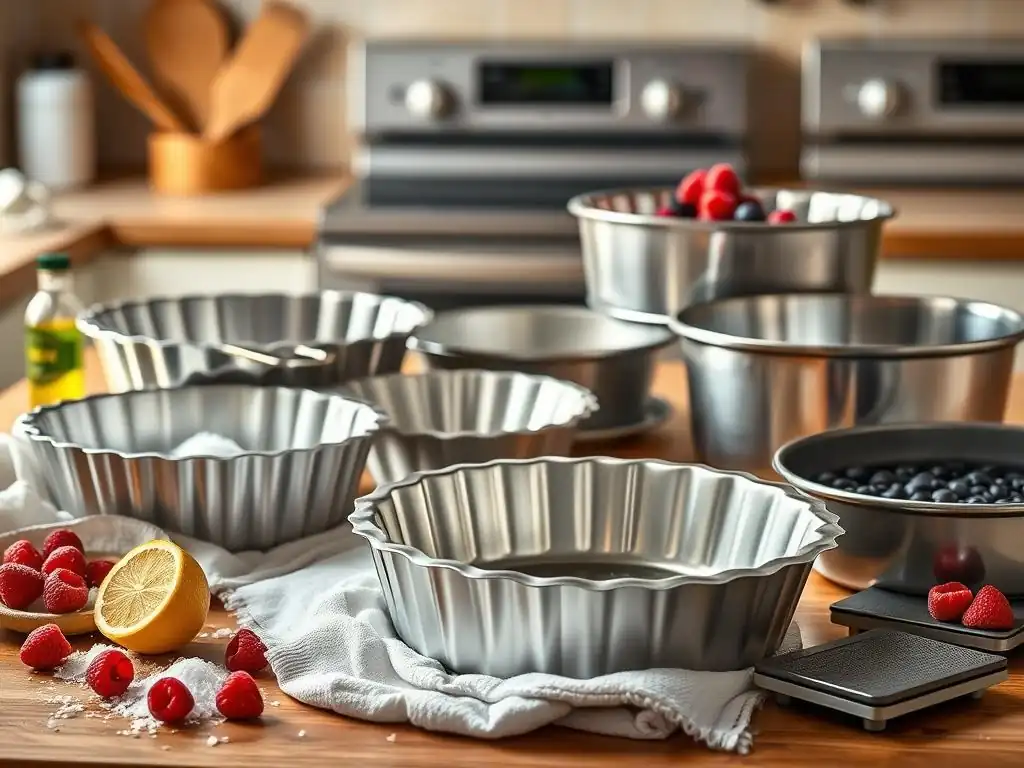
Proper care ensures your baking pans remain in excellent condition, performing reliably bake after bake. Cleaning methods vary depending on the pan material and whether it has a non-stick coating. Taking a few moments for proper maintenance will extend the life of your pans and keep them looking and performing their best.
Avoid abrasive cleaners or metal scouring pads, as these can damage surfaces, especially non-stick coatings. Gentle cleaning is usually sufficient and recommended.
Proper Washing Techniques for Different Pan Materials
- Non-Stick Metal Pans: Wash with warm, soapy water and a soft sponge immediately after use. Avoid dishwashers, as the harsh detergents and high heat can degrade the non-stick coating over time. Dry thoroughly to prevent rust, especially around edges or seams.
- Aluminum Pans: Wash with warm, soapy water. Avoid abrasive cleaners or steel wool. Hand drying is best to prevent water spots.
- Glass and Ceramic Pans: These are generally dishwasher safe, but hand washing with warm, soapy water is also easy due to their smooth, non-reactive surfaces. For baked-on messes, soaking can help loosen residue.
- Carbon Steel Pans: Wash with hot water and a stiff brush. Avoid soap if the pan is seasoned, as soap can strip the seasoning. Dry immediately and thoroughly, then apply a thin layer of cooking oil to maintain the seasoning and prevent rust.
Storing Your Pans to Prevent Damage
How you store your baking pans can prevent scratches, dents, and warping. Avoid stacking pans directly on top of each other, especially if they have non-stick coatings or delicate finishes.
Use protectors like paper towels, soft cloths, or pan separators between stacked pans. Store pans in a dry place to prevent rust. If storing pans with removable bottoms, keep the bottoms with their corresponding rings to avoid losing parts. Proper storage ensures your best pans baking cream pies, quiches, and tarts are ready to go whenever inspiration strikes.
Even with the best pans, baking can sometimes present challenges. Understanding how your pan might contribute to common issues allows you to troubleshoot effectively and improve your technique. Many problems related to crust texture or evenness can be traced back to pan selection or usage.
Here, we address a few frequent problems and how your pan choice and handling can provide solutions.
Uneven Baking: Identifying and Addressing Hot Spots
Uneven baking, where one part of the crust is darker or more cooked than another, can sometimes be caused by hot spots in your oven, but it can also be exacerbated by the pan material. Pans made from materials with poor heat distribution or thin spots can contribute to unevenness.
If you suspect your pan is contributing, try rotating the pan halfway through the baking time. Ensure the pan is centered in the oven and not touching the oven walls. Using high-quality pans made from materials known for even heat transfer, like heavy-gauge aluminized steel or ceramic, can help minimize this issue.
Sticking Crusts: Solutions for Clean Release
A crust sticking to the pan is frustrating, ruining the presentation and potentially damaging your baked good. This is often due to insufficient pan preparation or using a pan without adequate non-stick properties or a removable bottom.
Ensure you are properly greasing and flouring non-non-stick pans. Consider lining the bottom with parchment paper, especially for pans with intricate designs or removable bottoms. Using pans with a good non-stick coating or a removable bottom is the most straightforward solution. Allowing the quiche or tart to cool sufficiently before attempting to remove it also helps the crust firm up and release more cleanly.
Warped Pans: Prevention and Repair
Pan warping, where a pan distorts or bends, usually occurs when a pan is exposed to sudden, drastic temperature changes, like placing a hot pan under cold water. Thin, lightweight metal pans are more susceptible to warping.
Prevent warping by avoiding sudden temperature changes. Always let pans cool down gradually before washing. Store pans properly to avoid putting excessive weight or pressure on them. While minor warping might sometimes correct itself with heat, severely warped pans can affect baking performance and might need to be replaced. Investing in heavier-gauge, more durable pans can prevent warping in the first place.
Conclusion: Elevating Your Quiche and Tart Baking with the Perfect Pan
Choosing the right baking pan is a foundational step towards achieving perfect quiches and tarts every time. From understanding how different materials like aluminum, glass, ceramic, and carbon steel influence your crust's texture and color to selecting the appropriate size and appreciating the benefits of features like removable bottoms and fluted edges, each decision impacts your final result. The best pans baking cream pies and savory dishes are those that align with your recipe and desired outcome.
By considering the tips for pan preparation, baking techniques, and proper maintenance, you can maximize the performance of your bakeware and troubleshoot common issues effectively. Investing in quality pans and learning how to use them well will not only improve the taste and appearance of your quiches and tarts but also make the baking process more enjoyable. Happy baking!
Frequently Asked Questions
What type of pan material is generally considered best for baking cream pies?
Glass or light-colored metal pans are often preferred. Glass allows you to monitor the browning of the crust, while light metal conducts heat evenly.
What size pan should I use when baking a cream pie?
A standard 9-inch pie pan is the most common and widely recommended size. This ensures the pie bakes evenly and provides the correct filling-to-crust ratio.
Can I use a tart pan with a removable bottom for baking cream pies?
Yes, tart pans with removable bottoms are excellent, especially for tarts. They allow for easy removal and produce beautiful, clean edges for your finished pie.
Is there a specific pan depth that works best for cream pies?
A pan with a depth of around 1.5 to 2 inches is ideal. This provides sufficient space for the filling without overflowing during baking.
How does pan color affect the baking of a cream pie crust?
Darker pans absorb more heat, potentially leading to a burnt crust. Lighter-colored pans promote more even browning and a gentler bake.
Final Reflection: The Perfect Crust, the Perfect Pie: A Baker's Journey
The pursuit of the perfect pie crust is a timeless quest, and the right pan is the unsung hero in achieving that flaky, golden perfection. Choosing the wrong pan can lead to soggy bottoms, uneven baking, and a less-than-stellar dessert experience, ultimately diminishing the joy of creating something beautiful and delicious. This article has explored the nuances of pan selection, highlighting the crucial role they play in baking exceptional cream pies and tarts.
The impact of the right baking pan extends beyond mere functionality; it's about elevating the entire baking experience. The satisfaction of seeing a perfectly browned crust, knowing you've chosen the right tool for the job, is deeply rewarding. It's a connection to generations of bakers who have perfected their craft, using simple tools to create culinary masterpieces. As Julia Child wisely said, Find something you're passionate about and keep tremendously interested in it.
For me, that passion is baking, and finding the perfect pan is a crucial part of that journey.
Now, it's your turn. Consider the pans you currently use. Do they truly serve your baking needs? Perhaps this article has inspired you to explore new options, to invest in a pan that will elevate your pie-making to the next level. Don't just bake a pie; craft a culinary experience. Embrace the process, experiment with different pans, and discover the joy of creating truly exceptional cream pies and tarts. The perfect crust awaits.
Unleash Your Inner Pastry Chef!
Thanks for joining us on this delicious journey into the world of cream pies and tarts! We hope you now feel confident in choosing the perfect pan for your next baking masterpiece. Ready to take your baking to the next level?
- Invest in your dream pan: Now's the time to order that high-quality pan you've been eyeing. Imagine the perfectly golden crust and flawlessly smooth filling!
- Share your baking triumphs: Post a picture of your creation on social media and tag us – we'd love to see your results! Use #BakeWithEasePies.
- Explore new recipes: Challenge yourself with a new pie or tart recipe using your newfound pan knowledge. What exciting flavor combinations will you create?
What's the first delicious cream pie or tart you're going to bake? Let us know in the comments!