
Achieving Airy GlutenFree Cakes: The Right Flour Combinations

Welcome to BakeWithEase, where baking becomes a joy, not a chore! Ever wondered how to achieve that perfect, airy texture in your gluten-free cakes? Our latest article dives deep into the secrets of crafting the ideal glutenfree cake flour blend. Discover the precise combinations that will transform your baking and leave you with cakes that are light, delicious, and surprisingly easy to make. Ready to unlock the secrets to gluten-free baking success?
- Achieving Airy Gluten-Free Cakes: The Right Flour Combinations for Bake It Better
- Introduction: Baking Light & Airy Gluten-Free Cakes
- Understanding Gluten-Free Flour Options for Cakes
- Creating the Perfect Gluten-Free Cake Flour Blend: A Step-by-Step Guide
- Top 3 Gluten-Free Cake Flour Blend Recipes for Bake It Better
- Tips and Tricks for Using Gluten-Free Cake Flour Blends
- Troubleshooting Common Gluten-Free Cake Baking Issues
- Conclusion: Mastering Gluten-Free Cake Baking with the Right Flour Blend
-
Frequently Asked Questions
- What exactly is gluten-free cake flour blend, and why is it important for airy cakes?
- What are some common ingredients found in a good gluten-free cake flour blend?
- Can I use a general-purpose gluten-free flour blend instead of a specific gluten-free cake flour blend?
- Where can I purchase a reliable gluten-free cake flour blend, or is it better to make my own?
- What are some tips for successfully using gluten-free cake flour blend in a cake recipe?
- Final Reflection: The Lightness of Gluten-Free Baking
- Unlock Your Airy Gluten-Free Baking Secrets!
Achieving Airy Gluten-Free Cakes: The Right Flour Combinations for Bake It Better
Introduction: Baking Light & Airy Gluten-Free Cakes
The Challenge of Gluten-Free Baking: Replicating Gluten's Magic
Baking without gluten presents a unique set of challenges, primarily because gluten itself, a protein composite found in wheat, barley, and rye, plays a crucial role in traditional baking. When flour is mixed with liquid, gluten proteins form a network that provides structure, elasticity, and chewiness to baked goods. This network traps gases produced by leavening agents like baking powder or yeast, allowing dough and batter to rise and achieve that desirable light and airy texture. Without gluten, bakers face the difficult task of replicating these functions using alternative ingredients.
The absence of gluten often results in baked goods that are dense, crumbly, or gummy. Flours like rice, almond, or oat, while suitable for gluten-free diets, lack the inherent structure-building capacity of wheat flour. Simply substituting one gluten-free flour for wheat flour in a traditional recipe rarely yields successful results. For instance, using only rice flour can lead to a gritty, dry cake, while relying solely on almond flour might produce something too heavy and oily. Therefore, creating a balanced structure and texture requires a more nuanced approach, focusing on the interplay of different ingredients.
Why Flour Blends are Key to Gluten-Free Cake Success
The secret to achieving light, moist, and well-structured gluten-free cakes lies in using a carefully crafted glutenfree cake flour blend. A single gluten-free flour simply cannot replicate the complex properties of wheat flour. A blend, however, combines several different flours and starches, each contributing unique characteristics to the final product. For example, starches like tapioca or potato starch can provide elasticity and moisture retention, while flours like rice or sorghum offer structure.
By combining these components in specific ratios, a glutenfree cake flour blend works synergistically to mimic gluten's function. This strategic mix helps bind ingredients together, provides structure that allows the cake to rise without collapsing, and contributes to a tender crumb. Developing the right glutenfree cake flour blend for a specific type of cake – whether it's a delicate sponge or a rich chocolate cake – is paramount. It allows bakers to overcome the common pitfalls of gluten-free baking and consistently produce delicious, high-quality cakes that rival their gluten-containing counterparts.
Understanding Gluten-Free Flour Options for Cakes
Exploring Single Gluten-Free Flours and Their Properties
Understanding the properties of individual gluten-free flours and starches is the foundation for creating an effective glutenfree cake flour blend. Each ingredient brings something different to the table, and their interaction determines the final texture, flavor, and structure of your gluten-free cake. Knowing how each component behaves allows you to select and combine them strategically to achieve your desired baking results. This knowledge is crucial whether you're developing your own blend or adjusting a pre-made one.
For instance, some flours are primarily for structure, while others contribute moisture or bind ingredients together. Starches are often used to lighten the texture and improve the crumb. Balancing these elements is key to avoiding common issues like grittiness, dryness, or gumminess. Let's delve into some common gluten-free flours and starches used in cake baking and explore their specific roles within a glutenfree cake flour blend.
Rice Flour: White vs. Brown for Cake Texture
Rice flour is a staple in many gluten-free blends, often forming the base. White rice flour, milled from polished rice, has a fine texture and neutral flavor, making it versatile. It provides structure but can lead to a dry or slightly gritty texture if used in large quantities without balancing starches.
Brown rice flour, made from whole grain rice, retains the bran and germ, offering more fiber and nutrients. It has a nuttier flavor and can result in a slightly denser texture compared to white rice flour. For lighter cakes, white rice flour is generally preferred in a glutenfree cake flour blend.
Tapioca Starch: Adding Binding and Chew
Tapioca starch, extracted from the cassava root, is a fantastic binder and thickener in gluten-free baking. It contributes to the chewiness and elasticity of baked goods, helping to hold the structure together. It also gives cakes a desirable slightly springy texture. Using a moderate amount of tapioca starch in your glutenfree cake flour blend can prevent crumbling and improve the overall mouthfeel. However, too much tapioca starch can result in a gummy texture, so balance is essential.
Potato Starch: Creating Lightness and Moisture
Potato starch, derived from potatoes, is another valuable starch for gluten-free cakes. It is excellent at absorbing and retaining moisture, which helps prevent dryness. It also contributes to a light, tender crumb and helps the cake rise well. Potato starch has a very fine, powdery texture and a neutral flavor. It's often used in combination with other starches and flours in a glutenfree cake flour blend to achieve optimal lightness and moisture distribution throughout the cake.
Cornstarch: Enhancing Softness and Structure
Cornstarch is a widely available starch known for its ability to thicken and stabilize. In gluten-free cakes, it contributes to a soft, tender crumb and helps provide some structural support. It can be used similarly to potato starch to lighten the texture. Cornstarch is a common component in many commercial glutenfree cake flour blends and can be a reliable addition to your homemade mixes to improve the overall softness and fineness of the cake's texture.
Sorghum Flour: A Nutty Flavor and Binding Agent
Sorghum flour, milled from the ancient grain sorghum, offers a slightly sweet, nutty flavor and a smooth texture. It acts as a good binder and provides structure in gluten-free baked goods. Sorghum flour is relatively high in protein and fiber compared to some other gluten-free flours, which can add nutritional value. Including sorghum flour in a glutenfree cake flour blend can contribute to a more robust flavor profile and a well-structured crumb, balancing lighter flours and starches.
Almond Flour: Adding Moisture and Richness
Almond flour, made from ground almonds, is popular for its rich flavor and moistening properties. It is higher in fat and protein than most grain-based flours. Using almond flour in a glutenfree cake flour blend adds moisture, tenderness, and a pleasant nutty taste. It works particularly well in cakes where a slightly denser, more moist texture is desired, such as loaf cakes or muffins. However, its higher fat content means it's typically used in smaller proportions in blends aiming for extreme lightness, like sponge cakes.
Oat Flour: A Fiber-Rich Option for Gluten-Free Cakes
Oat flour, made from ground gluten-free oats, adds fiber, nutrients, and a slightly chewy texture to baked goods. It has a mild, slightly sweet flavor. Ensure you use certified gluten-free oat flour to avoid cross-contamination if baking for individuals with celiac disease. Oat flour can absorb a good amount of liquid, contributing to moisture retention. When incorporated into a glutenfree cake flour blend, it can enhance the nutritional profile and add a pleasant, hearty element to the texture.
Creating the Perfect Gluten-Free Cake Flour Blend: A Step-by-Step Guide
Step 1: Understanding the Role of Each Flour in the Blend
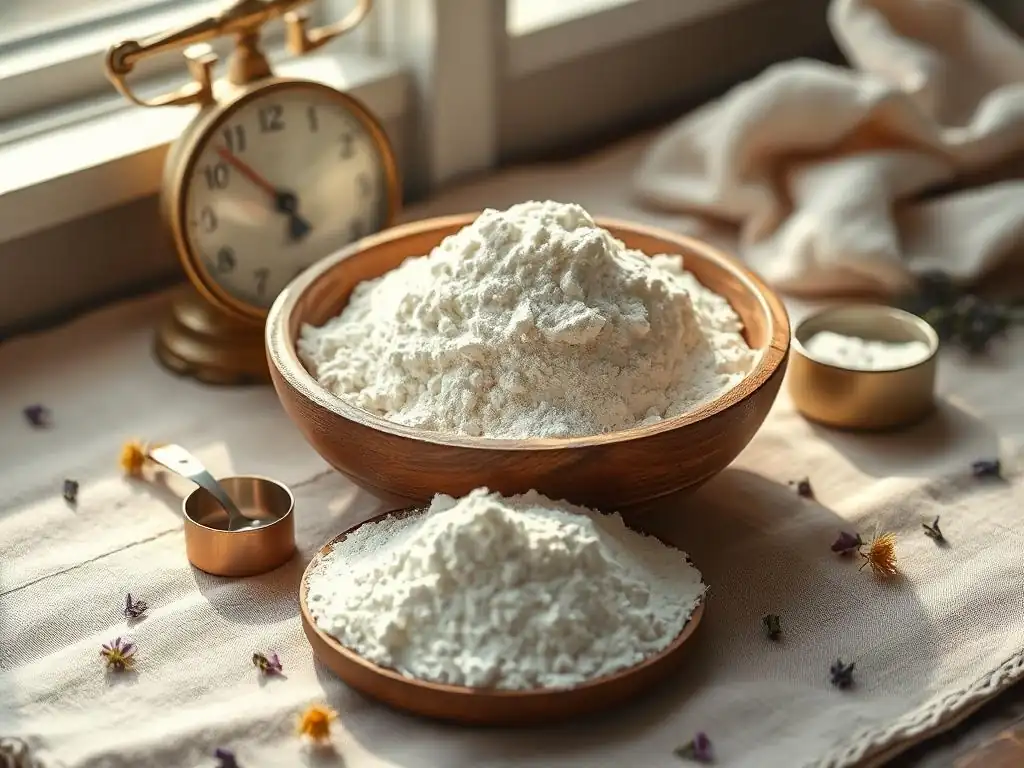
Creating your own glutenfree cake flour blend begins with a clear understanding of what each component contributes. Think of it like building a team: you need players with different skills. You'll need a base flour for structure (like rice or sorghum), starches for lightness, moisture, and binding (like tapioca, potato, or cornstarch), and potentially other flours for flavor, moisture, or added structure (like almond or oat). A common structure for a general-purpose glutenfree cake flour blend might involve roughly 40-60% base flour, 20-40% starches, and 0-20% other flours.
For example, white rice flour provides structure but can be dry. Tapioca starch adds chewiness and binding but can be gummy if overused. Potato starch adds lightness and moisture retention but can make things fragile if too much is used. Sorghum flour adds structure and flavor. Almond flour adds richness and moisture but can be heavy. By knowing these roles, you can adjust ratios based on the specific cake you want to bake. A light sponge cake will require a higher proportion of starches than a dense carrot cake, which might benefit from some almond or oat flour.
Step 2: Determining the Right Ratios for Your Cake Recipe
Determining the precise ratios for your glutenfree cake flour blend depends heavily on the type of cake you are making and the desired outcome. There isn't one single "perfect" ratio that works for every cake. A good starting point for a versatile glutenfree cake flour blend might be a ratio of approximately 60% flours (like rice, sorghum, or a mix) to 40% starches (like tapioca, potato, and cornstarch). Within the starch portion, a common split is roughly equal parts of each starch, though some bakers prefer more tapioca for chewiness or more potato starch for lightness.
Experimentation is key here. Start with a widely recommended ratio, such as 40% white rice flour, 20% brown rice flour, 20% tapioca starch, and 20% potato starch (percentages by weight). Bake a simple vanilla cake using this blend. Observe the texture, crumb, and moisture. Did it seem too dense? Increase the starches slightly in your next blend. Was it too crumbly? Perhaps increase the tapioca starch or add a small amount of xanthan gum (which we'll discuss later). Keeping notes on your adjustments and results will help you fine-tune your glutenfree cake flour blend for different recipes over time.
Step 3: Weighing vs. Measuring Gluten-Free Flours Accurately
Accuracy is paramount when working with a glutenfree cake flour blend, and weighing your ingredients is significantly more accurate than measuring by volume (cups). Gluten-free flours and starches vary greatly in density. Scooping a cup of rice flour might result in a drastically different weight than scooping a cup of tapioca starch, even if the volume looks the same. This inconsistency can throw off the delicate balance of your blend and lead to unpredictable baking results.
Using a digital kitchen scale ensures that you are using the precise amount of each flour and starch specified in your blend recipe, whether it's based on weight percentages or grams. For example, if a recipe calls for 200 grams of your homemade glutenfree cake flour blend, weighing out 80g white rice flour, 40g brown rice flour, 40g tapioca starch, and 40g potato starch (based on the 40/20/20/20 example) will be far more consistent than trying to measure these components by volume. This precision is a crucial factor in achieving consistent success with your gluten-free cakes.
Step 4: Mixing Your Gluten-Free Cake Flour Blend Evenly
Once you have accurately weighed out the individual components of your glutenfree cake flour blend, the next crucial step is to mix them thoroughly and evenly. This ensures that each scoop or portion of the blend contains the correct ratio of flours and starches, which is vital for consistent results in your baking. Simply stirring with a spoon might not be sufficient to fully disperse the different densities of the flours and starches.
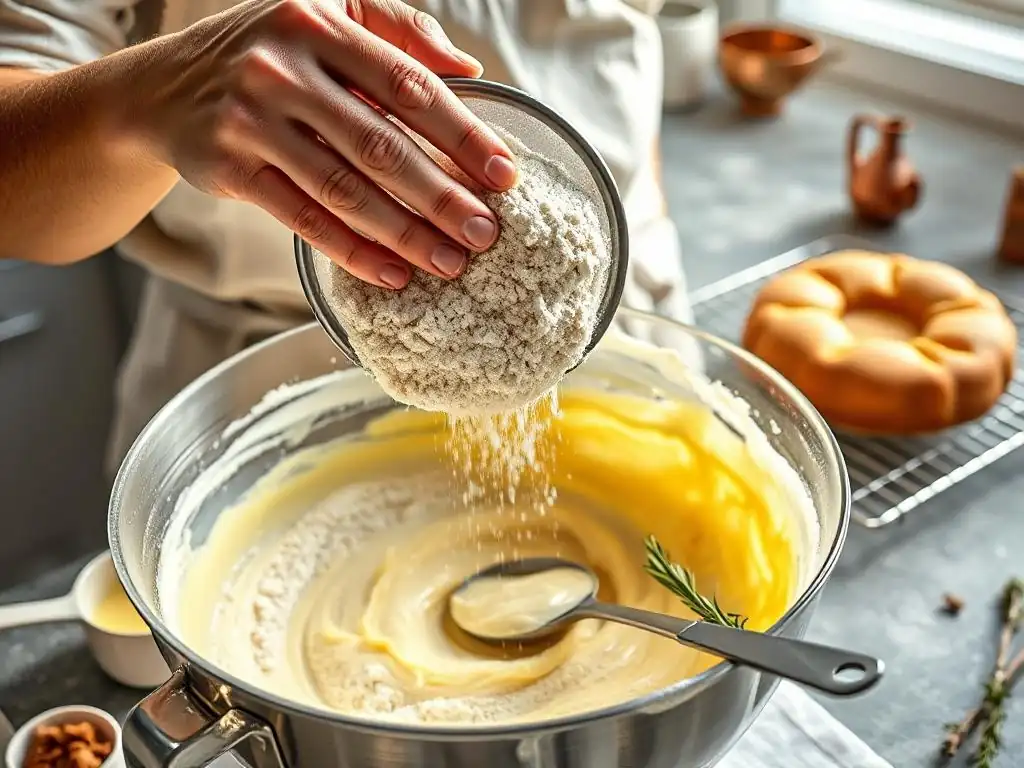
The best way to achieve a uniform blend is to whisk the ingredients together vigorously in a large bowl for several minutes. Alternatively, you can pulse them a few times in a food processor (be careful not to over-process and create heat) or sift them together multiple times. Sifting is particularly effective as it helps to break up any clumps and ensures an even distribution of the finer starches with the coarser flours. Store your finished glutenfree cake flour blend in an airtight container in a cool, dark place or the refrigerator to maintain freshness.
Top 3 Gluten-Free Cake Flour Blend Recipes for Bake It Better
Developing go-to glutenfree cake flour blends can simplify your baking and lead to consistently excellent results. While endless variations exist, having a few reliable blends tailored to different cake types provides a great starting point. These examples are designed to showcase how adjusting ratios impacts the final cake texture, giving you a framework for your own gluten-free baking adventures.
Remember that these are illustrative examples, and minor adjustments might be needed based on the specific brands of flours and starches you use, as their moisture content and grind size can vary. Think of these as foundational recipes for different types of gluten-free cakes that you can adapt.
Blend #1: The All-Purpose Gluten-Free Cake Flour Blend
This blend is designed to be a versatile workhorse, suitable for a wide range of gluten-free cake recipes where a balanced structure and crumb are desired. It aims to replicate the properties of a standard all-purpose wheat flour blend often used for cakes, providing a good balance of structure from the rice flours and lightness/binding from the starches. This is a great blend to start with if you're new to making your own glutenfree cake flour blend.
It's a reliable option for many classic cake recipes that don't require extreme lightness or density. Using this general glutenfree cake flour blend simplifies the process of converting existing recipes, as you can often substitute it cup-for-cup or gram-for-gram with a standard gluten-free all-purpose blend called for in a recipe.
Recipe for the All-Purpose Blend
Here is a common ratio for an all-purpose glutenfree cake flour blend (by weight):
White Rice Flour: 40%Brown Rice Flour: 20%Tapioca Starch: 20%Potato Starch: 20%
Combine all ingredients and whisk or sift thoroughly until evenly mixed. Store in an airtight container.
Best Uses: Vanilla Cake, Chocolate Cake
This glutenfree cake flour blend is ideal for standard cake recipes like vanilla cake, chocolate cake, or basic loaf cakes. It provides sufficient structure for these types of batters, which often contain butter and eggs for richness. The blend helps create a tender, moist crumb without being overly dense or crumbly, making it a reliable choice for everyday baking.
Blend #2: The Ultra-Light and Airy Gluten-Free Cake Flour Blend
This blend is formulated to achieve the delicate, airy texture characteristic of cakes like angel food or sponge cake, which rely heavily on whipped eggs for leavening. It features a higher proportion of starches compared to flours, which helps to create a very fine, light crumb and prevents the cake from becoming heavy or tough. This blend minimizes ingredients that could weigh down the batter.
Achieving true lightness in gluten-free baking is challenging, but this specific glutenfree cake flour blend is designed to maximize lift and tenderness. The high starch content helps absorb moisture without becoming gummy, contributing to that desirable melt-in-your-mouth quality.
Recipe for the Ultra-Light Blend
A typical ratio for an ultra-light glutenfree cake flour blend (by weight):
White Rice Flour: 30%Tapioca Starch: 35%Potato Starch: 35%
Combine all ingredients and whisk or sift thoroughly until evenly mixed. Store in an airtight container. Note the absence of brown rice flour and the lower overall flour percentage.
Best Uses: Angel Food Cake, Sponge Cake
This glutenfree cake flour blend is specifically suited for light and airy cakes such as angel food cake, sponge cake, or chiffon cake. These recipes often involve folding whipped egg whites into the batter, and this blend is designed to support that delicate structure and allow maximum rise without collapsing. The high starch content contributes to the characteristic fine, tender crumb of these cake types.
Blend #3: The Rich and Moist Gluten-Free Cake Flour Blend
This blend is designed for cakes that benefit from extra moisture and richness, often those containing fruits, vegetables (like carrots or zucchini), or cocoa powder and chocolate. It incorporates flours like almond or oat, which add moisture, flavor, and a slightly denser, more substantial texture than purely starch-based blends. This blend balances structure with ingredients that keep the cake from drying out.
The inclusion of flours higher in fat and fiber helps to create a cake that is not only moist but also has a satisfying texture and depth of flavor. This glutenfree cake flour blend is particularly effective in recipes where the added ingredients (like grated carrots or chocolate chips) contribute weight and require a blend that can support them while remaining tender.
Recipe for the Rich and Moist Blend
An example ratio for a rich and moist glutenfree cake flour blend (by weight):
Brown Rice Flour: 30%Sorghum Flour: 20%Tapioca Starch: 20%Potato Starch: 20%Almond FlourorOat Flour: 10%
Combine all ingredients and whisk or sift thoroughly until evenly mixed. Store in an airtight container.
Best Uses: Carrot Cake, Red Velvet Cake
This glutenfree cake flour blend is excellent for cakes like carrot cake, zucchini bread, red velvet cake, or spice cakes. The combination of flours and starches provides good structure to hold up to heavier add-ins, while the almond or oat flour contributes moisture and a richer flavor profile. This blend helps ensure these cakes remain moist and tender over time, avoiding the common dryness sometimes found in gluten-free versions.
Tips and Tricks for Using Gluten-Free Cake Flour Blends
Mastering gluten-free cake baking involves more than just using the right glutenfree cake flour blend; it also requires adjusting your techniques. Gluten-free batters behave differently than wheat-based ones, and understanding these differences can drastically improve your results. Small adjustments in hydration, mixing, and baking can make the difference between a good cake and a truly exceptional one.
Paying attention to these details will help you get the most out of your chosen glutenfree cake flour blend. These tips are applicable whether you're using a store-bought blend or your own custom glutenfree cake flour blend recipe.
Hydration is Key: Adjusting Liquid in Your Recipe
Gluten-free flours and starches often absorb liquids differently than wheat flour. Some can be very absorbent, while others less so. When using a glutenfree cake flour blend, you may find that you need to adjust the amount of liquid (milk, water, eggs, oil) in your recipe. A batter that looks right when using wheat flour might be too thick or too thin with a gluten-free blend. It's often recommended to let gluten-free batters sit for 10-15 minutes before baking to allow the flours time to absorb the liquid fully, giving you a better sense of the final consistency.
As a general guideline, you might need slightly more liquid when converting a traditional recipe to use a glutenfree cake flour blend, especially if your blend is high in absorbent flours like brown rice or oat flour. The batter should typically be a bit thicker than a traditional cake batter, but still pourable. Pay attention to visual cues – the batter should look smooth and well-combined, not dry or overly stiff. Add liquid a tablespoon at a time until the desired consistency is reached.
The Importance of Xanthan Gum in Gluten-Free Cakes
Xanthan gum is a common additive in gluten-free baking and plays a critical role in replicating the elasticity and binding properties that gluten provides. It's a polysaccharide created by fermenting sugar with a microorganism. When added to a glutenfree cake flour blend or batter, it helps to hold the structure together, preventing crumbling and improving the texture. It provides that necessary 'stretch' and cohesion that gluten-free flours lack on their own.
The amount of xanthan gum needed depends on the type of baked good. For cakes, a typical ratio is about ¼ to ½ teaspoon of xanthan gum per cup of glutenfree cake flour blend (using the cup-for-cup volume measurement here for simplicity, though weighing is more accurate). Too little can result in a crumbly cake, while too much can make the cake gummy or heavy. Some pre-made glutenfree cake flour blends already contain xanthan gum, so check the ingredients list. If your blend doesn't include it, adding the appropriate amount is usually necessary for a successful gluten-free cake.
Mixing Techniques for Gluten-Free Cake Batter: Avoid Overmixing
Unlike wheat-based batters where mixing develops gluten, gluten-free batters benefit from minimal mixing once the wet and dry ingredients are combined. Overmixing a gluten-free batter can incorporate too much air, leading to a cake that rises too quickly and then falls, or results in a tough, gummy texture. The goal is simply to combine the ingredients until no dry streaks of your glutenfree cake flour blend remain.
Use a gentle hand or mix on low speed with an electric mixer. Stop as soon as the batter looks uniform. Remember that resting the batter for a few minutes after mixing, as mentioned regarding hydration, can also help improve texture. This allows the starches in your glutenfree cake flour blend to fully hydrate, contributing to a moister and more tender crumb.
Baking Temperature and Time Adjustments for Gluten-Free Cakes
Gluten-free cakes sometimes require slightly different baking times and temperatures compared to their gluten-containing counterparts. They can sometimes take a little longer to bake through, and baking at a slightly lower temperature might help prevent the edges from drying out before the center is cooked. A common adjustment is to reduce the oven temperature by about 15-25°F (about 8-15°C) from the traditional recipe and increase the baking time slightly.
Always rely on visual cues and the toothpick test to determine doneness. The cake should be golden brown, pull slightly away from the sides of the pan, and a toothpick inserted into the center should come out clean. Baking times can vary significantly depending on the specific glutenfree cake flour blend used, the recipe's hydration level, and your oven calibration, so monitoring is key.
Cooling Your Gluten-Free Cake Properly: Preventing Crumbly Textures
Proper cooling is crucial for gluten-free cakes, as they can be more delicate and prone to crumbling when hot. Allowing the cake to cool in the pan for the recommended time (usually 10-15 minutes) allows it to firm up and set its structure. Trying to remove it too soon can cause it to break apart.
After the initial cooling period in the pan, invert the cake onto a wire rack to cool completely. A wire rack ensures air circulation around the entire cake, preventing moisture buildup on the bottom, which could make it soggy. Ensure the cake is entirely cool before frosting or slicing. Attempting to handle or cut a warm gluten-free cake made with a glutenfree cake flour blend often results in a frustratingly crumbly mess.
Troubleshooting Common Gluten-Free Cake Baking Issues
Even with the best glutenfree cake flour blend and techniques, you might encounter issues. Understanding the common problems and their likely causes can help you diagnose what went wrong and make adjustments for your next baking attempt. Don't be discouraged by setbacks; they are part of the learning process in mastering gluten-free baking.
Identifying the specific symptoms of your cake's failure can point you directly to the most probable cause, whether it's related to your glutenfree cake flour blend ratio, mixing, leavening, or baking temperature.
Dense and Gummy Gluten-Free Cakes: Identifying the Cause
A dense or gummy texture is a common frustration in gluten-free baking. This can often be attributed to an imbalance in your glutenfree cake flour blend, specifically too high a proportion of starches (like tapioca or cornstarch) relative to flours, or too much xanthan gum. Starches absorb a lot of liquid and can become glue-like if overused. Overmixing the batter can also lead to gumminess by developing the xanthan gum too much.
Other potential causes include insufficient leavening agents (baking powder or baking soda), which don't create enough lift, or the oven temperature being too low, preventing the cake from setting properly. Ensure your leavening agents are fresh and that your oven is accurately calibrated. Adjusting the starch-to-flour ratio in your glutenfree cake flour blend or reducing the amount of xanthan gum are good starting points for troubleshooting density and gumminess.
Dry and Crumbly Gluten-Free Cakes: Solutions for Moisture Retention
Conversely, a dry and crumbly texture often indicates insufficient moisture or structure in the cake. This can happen if your glutenfree cake flour blend is too high in flours that don't absorb moisture well (like white rice flour) and too low in starches or moisture-retaining flours (like potato starch, almond flour, or oat flour). Insufficient fat (butter, oil) or liquid in the recipe can also contribute to dryness.
To combat dryness and crumbling, you can try increasing the proportion of starches or moisture-rich flours in your glutenfree cake flour blend. Ensure you are using enough fat and liquid in the recipe. Sometimes, adding ingredients like applesauce, yogurt, or sour cream can boost moisture. Make sure you are not over-baking the cake, as even a few extra minutes in the oven can dry it out significantly, especially when using a glutenfree cake flour blend that is prone to drying.
Sunken Gluten-Free Cakes: Preventing Collapsed Cakes
A cake that rises beautifully in the oven only to sink in the middle can be disheartening. Several factors can cause a gluten-free cake to sink. It might indicate that the cake was underbaked, meaning the internal structure wasn't fully set before it was removed from the oven. Opening the oven door too early during baking can also cause a sudden temperature drop, leading to collapse.
Other causes include using too much leavening agent, which creates bubbles that are too large and collapse, or an incorrect balance in your glutenfree cake flour blend that doesn't provide enough structural support for the rise. Ensure your oven temperature is correct and avoid opening the oven door until the cake is close to being done. If using your own glutenfree cake flour blend, check the ratios of structural flours to starches and consider adjusting the amount of leavening.
Uneven Texture in Gluten-Free Cakes: Achieving Uniform Baking
An uneven texture, such as a cake that is dense on the bottom and crumbly on top, or has large tunnels, can be frustrating. This is often related to improper mixing or uneven distribution of ingredients. If your glutenfree cake flour blend wasn't thoroughly mixed, you might have pockets with different flour-to-starch ratios, leading to inconsistent results in the baked cake. Overmixing can create air pockets (tunnels), while undermixing can leave clumps of unhydrated flour.
Ensure you thoroughly whisk or sift your homemade glutenfree cake flour blend before measuring it for your recipe. When mixing the batter, combine wet and dry ingredients just until no dry streaks remain. Also, check your oven for hot spots, which can cause uneven baking. Rotating the cake halfway through the baking time can help ensure more uniform heat distribution and a consistent texture throughout the finished product made with your glutenfree cake flour blend.
Conclusion: Mastering Gluten-Free Cake Baking with the Right Flour Blend
Embrace Experimentation and Find Your Perfect Blend
Mastering the art of baking airy gluten-free cakes is a journey that often involves experimentation. There is no single magic glutenfree cake flour blend that works perfectly for every recipe and every baker. By understanding the unique properties of individual gluten-free flours and starches, and how they behave in different ratios, you empower yourself to tailor your blends to your specific needs and desired outcomes. Don't be afraid to tweak the ratios in the blends we've discussed or even create entirely new ones based on your experiences.
Keep a baking journal to track your experiments. Note the ratios in your glutenfree cake flour blend, any adjustments to the recipe (liquid, leavening, xanthan gum), baking time and temperature, and importantly, the results. Was the cake moist? Airy? Crumbly? Dense? This detailed record will be invaluable as you refine your techniques and discover which glutenfree cake flour blend works best for your favorite recipes and your palate. Your perfect gluten-free cake is achievable through informed practice and a willingness to learn from each bake.
Bake It Better: Your Partner in Gluten-Free Baking Success.
At BakeWithEase, we are committed to helping you navigate the nuances of gluten-free baking and achieve delicious results. Understanding how to select and use the right glutenfree cake flour blend is a fundamental step in this process. By providing detailed information on flour properties, blend creation, and troubleshooting, we aim to equip you with the knowledge and confidence needed to bake successful gluten-free cakes consistently.
Whether you choose to use a trusted commercial glutenfree cake flour blend or embark on creating your own custom mixes, the principles remain the same: balance, accuracy, and technique are key. Explore our other resources on gluten-free baking substitutions and tips to further enhance your skills. With the right approach and a little practice, you can bake light, airy, and delicious gluten-free cakes that everyone will enjoy.
Frequently Asked Questions
What exactly is gluten-free cake flour blend, and why is it important for airy cakes?
Gluten-free cake flour blend is a specially formulated mix of gluten-free flours and starches designed to mimic the properties of traditional cake flour. It's crucial because it provides the structure and lightness needed for airy gluten-free cakes, which gluten-free flours alone often lack.
What are some common ingredients found in a good gluten-free cake flour blend?
Typical ingredients include a combination of fine rice flour, tapioca starch, and potato starch. Some blends also incorporate ingredients like sweet rice flour or even a small amount of xanthan gum for added binding.
Can I use a general-purpose gluten-free flour blend instead of a specific gluten-free cake flour blend?
While you can, it's generally not recommended for achieving the best results in airy cakes. General-purpose blends often have a higher protein content and can result in a denser, less delicate texture.
Where can I purchase a reliable gluten-free cake flour blend, or is it better to make my own?
Many grocery stores and online retailers carry gluten-free cake flour blends. Making your own allows for customization and control over ingredients, but pre-made blends offer convenience and consistency.
What are some tips for successfully using gluten-free cake flour blend in a cake recipe?
It's important to measure your ingredients precisely, avoid overmixing the batter, and allow the cake to cool completely before frosting. Consider adding extra moisture in the form of applesauce or yogurt to compensate for the dryness of gluten-free flours.
Final Reflection: The Lightness of Gluten-Free Baking
The quest for a truly airy gluten-free cake is not just a culinary pursuit; it's a testament to the power of innovation and adaptation in the face of dietary restrictions. The right flour blend isn't merely a recipe ingredient; it's the key that unlocks the potential for light, fluffy textures previously thought impossible in gluten-free baking. This article has explored various flour combinations, highlighting their unique properties and how they contribute to the overall success of a gluten-free cake.
The journey to mastering gluten-free baking has been a fascinating one, revealing the intricate science behind achieving the perfect crumb. It's a journey that continues to evolve, with new flours and techniques constantly emerging. The most beautiful discovery true friends make is that they can grow separately without growing apart.
This quote, while not directly about baking, perfectly encapsulates the evolving nature of gluten-free baking; new discoveries and techniques constantly emerge, yet the core principle of creating delicious and satisfying cakes remains. The ongoing exploration of different flour blends reflects a broader societal shift towards inclusivity and catering to diverse dietary needs.
Now, consider your own baking journey. What have you learned about the nuances of gluten-free flour blends? Don't be afraid to experiment! The recipes and insights shared in this article are a starting point, a springboard for your own culinary creativity. Embrace the challenge, explore different combinations, and discover the joy of creating light, airy gluten-free cakes that delight both you and your loved ones. The perfect blend awaits your discovery.
Unlock Your Airy Gluten-Free Baking Secrets!
Thanks for taking the time to explore the world of light and fluffy gluten-free cakes! You’ve just learned the key to achieving that perfect texture. Now, it’s time to put your new knowledge into practice.
Here's how to take the next step:
- Experiment with your favorite flour blend: Try baking a cake using the flour combination you found most appealing in the article. Don’t be afraid to adjust the ratios slightly to find your perfect balance! This is your chance to become a gluten-free baking wizard.
- Share your baking triumph: Snap a photo of your airy masterpiece and share it on social media, tagging #BakeWithEaseGlutenFree. Let's inspire others to achieve gluten-free baking greatness!
- Dive deeper into our gluten-free baking resources: Explore more recipes and tips on our website to expand your gluten-free baking repertoire. You might be surprised by what you discover!
Ready to create your own unforgettable gluten-free cake? What exciting flavor combinations will you try first?