
Quinoa Flour: Adding Nutrition and Structure to GF Recipes

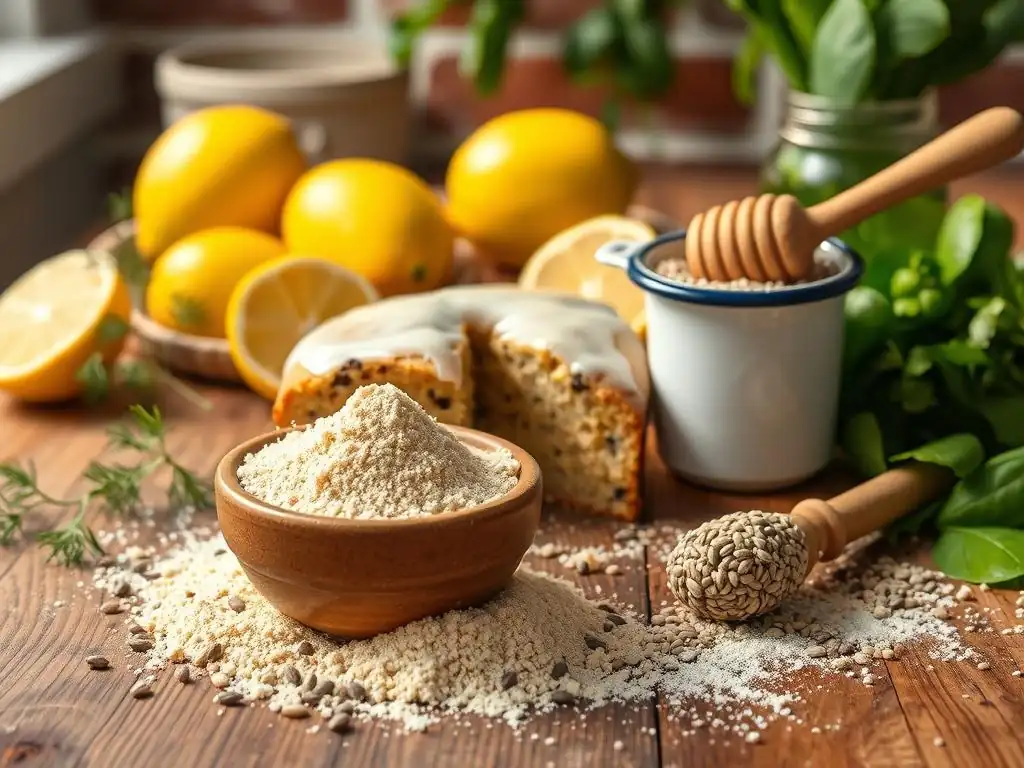
Welcome to BakeWithEase, your partner in creating delicious baked goods! Ever wondered how to elevate your gluten-free baking game while adding a nutritional punch? Dive into our secrets for using quinoa flour in your recipes. Unlock the potential of this versatile ingredient and discover how it can bring both structure and flavor to your gluten-free creations. Get ready to transform your baking with these simple tips and tricks!
- Understanding Teff Flour for Gluten-Free Baking
- Teff Flour vs. Other Gluten-Free Flours: A Comparison
- Mastering Gluten-Free Baking with Teff Flour: Tips and Techniques
- Teff Flour Recipes: Delicious Gluten-Free Baking Ideas
- Troubleshooting Common Issues When Baking with Teff Flour
- Storing Teff Flour and Baked Goods
- Is Teff Flour Right for Your Gluten-Free Baking? A Final Verdict
-
Frequently Asked Questions
- What are the primary benefits of using quinoa flour in gluten-free baking?
- How does quinoa flour affect the texture of gluten-free baked goods?
- What types of recipes are best suited for incorporating quinoa flour?
- Are there any specific considerations when baking with quinoa flour compared to wheat flour?
- Where can I typically find quinoa flour, and is there anything to look for when purchasing it?
- Final Reflection: The Rising Star of Gluten-Free Baking
- Unleash the Power of Quinoa Flour!
Understanding Teff Flour for Gluten-Free Baking
What is Teff Flour? An Ancient Grain for Modern Baking
Teff flour is derived from teff, a tiny, ancient grain native to Ethiopia and Eritrea. It's one of the world's smallest grains, about the size of a poppy seed, yet it packs a significant nutritional punch. Teff comes in various colors, including ivory and brown, with the ivory variety having a milder flavor and the brown a more pronounced, earthy taste. This grain has been cultivated for thousands of years and is a staple in traditional Ethiopian cuisine, most famously used to make the spongy, fermented flatbread called injera.
Despite its ancient origins, teff flour has gained popularity in modern gluten-free baking due to its unique properties and nutritional profile. Unlike many refined gluten-free flours, teff is a whole grain, meaning it retains all parts of the grain kernel – the bran, germ, and endosperm. This contributes to its rich nutrient content and distinct flavor. Its fine texture, despite being a whole grain, allows it to blend well in various recipes, offering an alternative to common gluten-free flour blends.
The Benefits of Using Teff Flour in Gluten-Free Recipes
Incorporating teff flour into your gluten-free baking offers several advantages, primarily centered around its nutritional value and structural contribution. Nutritionally, teff is a powerhouse. It's particularly high in dietary fiber, offering around 8 grams per quarter cup, which can aid digestion and contribute to a feeling of fullness. It's also a good source of plant-based protein, containing roughly 7 grams per quarter cup, making it a valuable addition for those seeking to boost their protein intake through baked goods.
Beyond its macronutrients, teff flour is notable for its mineral content. It contains significantly higher levels of iron and calcium compared to many other grains, including some common gluten-free alternatives. For instance, a quarter cup of teff can provide approximately 30% of the daily recommended intake for iron and about 10% for calcium. Structurally, teff flour has good binding properties due to its natural mucilage content, which can help improve the texture and reduce crumbling often associated with gluten-free baked goods, lessening the need for added gums in some recipes.
Teff Flour vs. Other Gluten-Free Flours: A Comparison
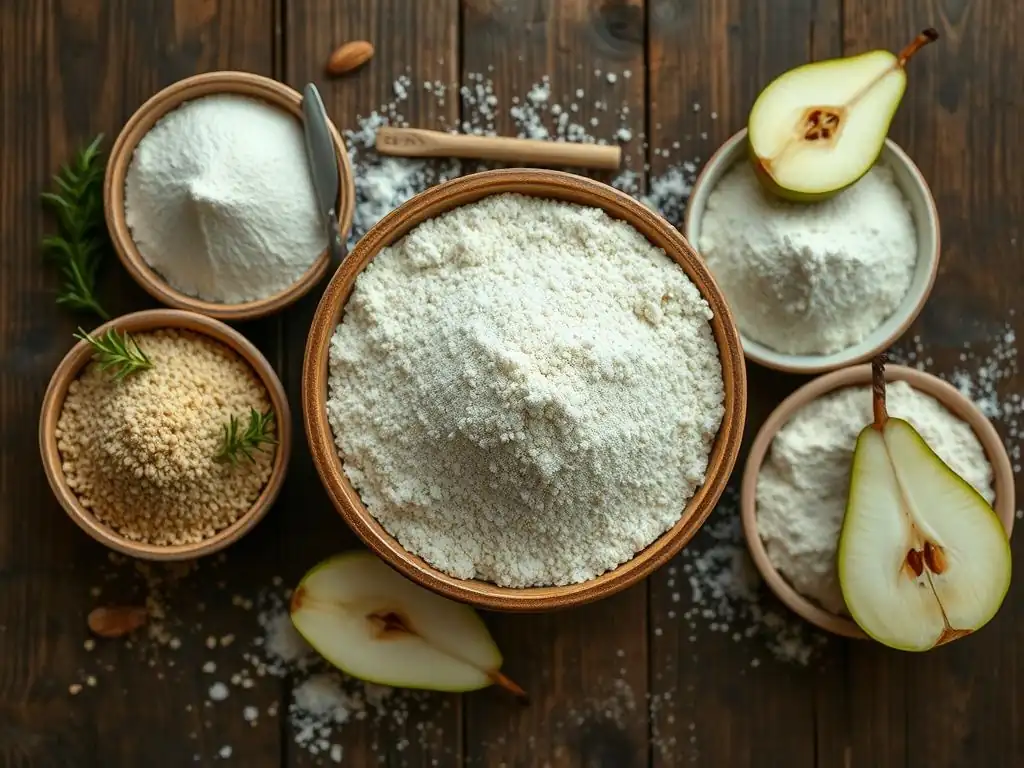
Teff Flour vs. Sorghum Flour: Flavor and Texture Profiles
When comparing teff flour to sorghum flour, both are whole-grain gluten-free options, but they differ notably in flavor and how they impact texture. Teff flour has a distinct, earthy, and slightly nutty flavor, which can be quite pronounced, especially in the brown variety. This strong flavor makes it excellent for recipes where you want that earthy note to come through, like rustic breads or chocolate baked goods. Sorghum flour, on the other hand, is much milder and slightly sweet, making it a more neutral base in gluten-free flour blends that won't overpower other flavors.
In terms of texture, teff flour tends to be denser and has a finer consistency, contributing to a more compact crumb. Its natural stickiness can help bind ingredients together effectively. Sorghum flour, while also relatively fine, often results in a lighter, more tender crumb compared to teff. Sorghum flour is less absorbent than teff, meaning recipes may require less liquid when substituting sorghum for teff. Choosing between the two often depends on the desired flavor profile and the structural role the flour needs to play in the specific recipe.
Teff Flour vs. Buckwheat Flour: Nutritional Advantages and Baking Uses
Comparing teff flour and buckwheat flour reveals differences in both their nutritional highlights and how they function in baking. Nutritionally, while both are considered highly nutritious whole grains (despite buckwheat technically being a pseudocereal), teff generally boasts higher levels of iron and calcium. Buckwheat, however, is particularly well-known for its rutin content, an antioxidant, and provides a good balance of amino acids. Both are good sources of fiber and protein.
In baking, buckwheat flour has a strong, distinct earthy or slightly bitter flavor, often described as "grassy," which is different from teff's nutty earthiness. Buckwheat tends to produce a more crumbly texture in baked goods unless combined with binders or other flours. Teff flour, with its natural binding properties, can contribute more structure and density. Buckwheat is commonly used in pancakes, noodles (like soba), and some rustic bread recipes, while teff is versatile, used in everything from flatbreads to cakes and muffins, often blended with other flours to temper its strong flavor and optimize texture.
Teff Flour vs. Oat Flour: Gluten Content and Recipe Adaptability
The comparison between teff flour and oat flour centers significantly on gluten content and how this affects their use in gluten-free baking. Teff is naturally gluten-free, and as long as it is processed in a dedicated gluten-free facility, it is considered safe for individuals with celiac disease or gluten sensitivity. Oat flour, derived from oats, is also naturally gluten-free, but oats are frequently cross-contaminated with wheat, barley, or rye during growing, harvesting, or processing. Therefore, using certified gluten-free oat flour is crucial for strict gluten-free diets.
In terms of recipe adaptability, both flours are quite versatile but behave differently. Oat flour, especially finely ground, can add a moistness and tenderness to baked goods, often resulting in a chewier texture. It has a mild, slightly sweet flavor that works well in many recipes.
Teff flour provides a denser structure and its unique earthy flavor. Teff is also more absorbent than oat flour, which needs to be considered when adapting recipes. While oat flour is popular for muffins, cookies, and some quick breads, teff's binding ability makes it valuable for more structured items like loaves and flatbreads, often blended with other flours like rice or tapioca starch.
Mastering Gluten-Free Baking with Teff Flour: Tips and Techniques
How to Use Teff Flour in Gluten-Free Bread Recipes
Baking gluten-free bread with teff flour can yield loaves with a wonderful depth of flavor and nutritional boost, but it requires understanding its unique properties. Teff flour is quite absorbent and has a strong flavor, so it's rarely used as the sole flour in gluten-free bread recipes. A common approach is to use teff flour as a portion of the total flour blend, perhaps ranging from 15% to 30%. This allows its nutritional benefits and subtle binding properties to enhance the loaf without making it too dense or the flavor too overpowering.
When incorporating teff flour into bread dough, pay close attention to hydration levels. Teff absorbs liquid more slowly but ultimately requires more liquid than many other gluten-free flours like rice flour. The dough might feel a bit sticky, which is normal. Using a combination of teff with starches (like tapioca or potato starch) and lighter flours (like brown rice or sorghum) helps balance the texture and flavor. Allowing adequate rest time or fermentation can also improve the structure and reduce any potential gumminess, resulting in a more pleasant crumb texture in your finished gluten-free bread.
Teff Flour in Pancakes and Waffles: Creating Light and Airy Textures
Teff flour can add a delightful nutty flavor and nutritional boost to gluten-free pancakes and waffles. While its density might initially seem counterintuitive for light textures, it can be successfully used by adjusting the ratio and leavening agents. Using teff flour as part of a gluten-free blend, perhaps accounting for 25% to 50% of the total flour, is a good starting point. Combining it with lighter flours like white rice flour or a starch like cornstarch or tapioca starch helps prevent the pancakes or waffles from becoming too heavy or dense.
To achieve light and airy results when using teff flour, proper leavening is key. Ensure your recipe uses sufficient baking powder and/or baking soda, activated by an acid (like buttermilk, yogurt, or vinegar mixed with plant-based milk). Avoid overmixing the batter; mix just until the ingredients are combined. Allowing the batter to rest for 5-10 minutes before cooking can also help the teff flour absorb the liquid fully, leading to a better texture. The result is pancakes or waffles with a unique flavor profile and a slightly more robust texture than those made with only lighter flours.
Using Teff Flour in Brownie Recipes: Adding Depth of Flavor
Teff flour's earthy, slightly malty flavor pairs exceptionally well with chocolate, making it a fantastic addition to gluten-free brownie recipes. It can contribute to a rich, deep flavor profile that complements the cocoa. When substituting teff flour in a standard gluten-free brownie recipe, you can often replace a portion of the existing flour blend with teff, perhaps between 25% and 50%. Start with a smaller substitution (e.g., 1/4 cup teff for every cup of blend) and adjust in future batches based on your preference for the teff flavor intensity and texture.
Beyond flavor, teff flour can also positively impact the texture of gluten-free brownies. Its natural binding properties can help create a fudgier, less crumbly texture, which is often desired in brownies. The fine grind of teff allows it to blend smoothly into the batter.
Because teff is absorbent, you might find that using teff flour results in a slightly moister brownie, or you may need to slightly increase the liquid (like milk or oil) in the recipe to achieve the desired batter consistency. The result is a brownie that is not only gluten-free but also boasts a complex flavor and satisfyingly dense, moist texture.
Teff Flour Recipes: Delicious Gluten-Free Baking Ideas

Injera: Traditional Ethiopian Flatbread
Injera is perhaps the most iconic use of teff flour and a cornerstone of Ethiopian and Eritrean cuisine. This soft, spongy, slightly sour flatbread serves as both the plate and the utensil for eating stews (wats). Traditionally, injera is made using only teff flour and water, undergoing a fermentation process that can last from one to three days. This fermentation is crucial; it develops the characteristic tangy flavor and the bubbly, porous texture (known as "eyes") that are essential for soaking up sauces.
Making traditional injera involves mixing teff flour with water to form a thin batter, similar to crepe batter. This batter is then left to ferment at room temperature. A starter, or "ersho," from a previous batch is often used to kickstart the fermentation.
Once fermented, a portion of the batter is cooked briefly on a hot griddle or pan, creating a thick, pancake-like bread with one side smooth and the other covered in small holes. While challenging to master outside of its native climate and traditional methods, attempting injera is a rewarding way to experience the unique properties of teff flour in its most authentic form.
Teff Flour Chocolate Cake: Rich and Decadent
Teff flour lends itself beautifully to chocolate cake, adding a subtle nutty undertone and contributing to a moist, rich crumb. A gluten-free teff flour chocolate cake can be surprisingly decadent. Typically, teff flour is used as part of the flour blend in such recipes, often combined with a gluten-free all-purpose mix or other single flours like rice flour or sorghum flour. A common ratio might use teff for about 25-35% of the total flour weight.
The natural binding ability of teff flour helps hold the cake together, reducing the need for excessive gums and contributing to a tender crumb. The earthy notes of the teff complement the deep flavor of cocoa powder, creating a more complex taste than cakes made with only milder flours. Ensure adequate liquid in the recipe, as teff is absorbent. Using ingredients like yogurt, sour cream (dairy or non-dairy), or extra oil can help maintain moisture. Baking at the correct temperature and not overmixing the batter are also key to achieving a light yet moist teff flour chocolate cake.
Teff Flour Pizza Crust: A Nutty and Earthy Base
For a unique and flavorful gluten-free pizza crust, teff flour can be an excellent ingredient. It imparts a pleasant nutty and earthy flavor that works particularly well with savory toppings like roasted vegetables, strong cheeses, or spiced meats. As with bread, teff flour is usually combined with other gluten-free flours and starches to achieve the desired texture. A blend incorporating teff for around 20-40% of the total flour weight often provides a good balance of flavor and structure.
Using teff flour in pizza crust helps create a base that is less prone to crumbling than crusts made solely from rice flour or starches. Its binding properties contribute to a dough that is easier to handle and roll out. The crust bakes up with a slightly denser, chewier texture compared to a standard wheat crust or lighter gluten-free versions.
Because teff is absorbent, ensure the dough is sufficiently hydrated but not overly sticky. Allowing the dough to rest briefly before shaping can also improve its workability. The resulting teff flour pizza crust offers a substantial base with a distinct flavor that elevates your homemade pizza experience.
Troubleshooting Common Issues When Baking with Teff Flour
Balancing the Earthy Flavor of Teff Flour
One of the most common challenges when baking with teff flour is its pronounced earthy or slightly bitter flavor, particularly noticeable with brown teff. While this flavor is desirable in some applications like injera or chocolate goods, it can be overwhelming in more delicately flavored baked items. The primary strategy for managing this is to use teff flour as only a portion of your total gluten-free flour blend, rather than using it alone. Blending it with milder flours like white rice flour, sorghum flour, or tapioca starch helps to dilute the strong taste.
Another effective technique is to pair teff flour with ingredients that complement or mask its earthy notes. Chocolate, cocoa powder, coffee, and warm spices like cinnamon, nutmeg, or ginger work wonderfully. Sweeteners like brown sugar, maple syrup, or molasses can also help balance the flavor. In savory applications, ingredients like herbs, garlic, onions, or strong cheeses can stand up to or complement the teff flavor. Experimenting with different ratios of teff flour in your blends and pairing it with robust flavors will help you find the right balance for your recipes.
Preventing Gummy Textures in Teff Flour Baked Goods
Teff flour contains natural gums and is quite absorbent, which can sometimes lead to a gummy or heavy texture in baked goods if not handled correctly. One key to avoiding gumminess is proper hydration. While teff is absorbent, adding too much liquid can result in a sticky, dense crumb. Conversely, not enough liquid can lead to dryness and crumbling. It's often best to follow recipes specifically developed for teff flour or adjust liquid gradually if substituting in a recipe designed for a different blend.
Overmixing the batter or dough is another common cause of gumminess when using teff flour. Mixing develops the natural gums in the flour, and excessive mixing can make the texture rubbery. Mix just until the ingredients are combined. Allowing batters (like for pancakes or muffins) or doughs (like for bread) to rest briefly before cooking or baking can help the flour hydrate evenly and improve the final texture. Using an acidic ingredient (like vinegar or lemon juice) in conjunction with baking soda can also help create a lighter texture by promoting better leavening.
Hydration Considerations When Baking with Teff Flour
Understanding the hydration needs of teff flour is crucial for successful gluten-free baking. Teff is a highly absorbent flour, often requiring more liquid than many other common gluten-free flours like rice flour or cornstarch. However, it absorbs liquid more slowly than some other flours. This means that when using teff flour, you may need to increase the overall liquid content in your recipe compared to a recipe using a less absorbent blend.
It's often beneficial to allow batters or doughs containing teff flour to rest for 10-20 minutes before baking. This resting period gives the teff flour time to fully absorb the liquid, leading to a more consistent texture and preventing the baked good from being dry internally despite having enough moisture added initially. Pay attention to the batter or dough consistency described in recipes specifically designed for teff.
If adapting a recipe, start by substituting a portion of the flour with teff and slightly increasing the liquid, then adjust in future attempts based on the results. Achieving the right hydration level is key to avoiding both dryness and gumminess.
Storing Teff Flour and Baked Goods
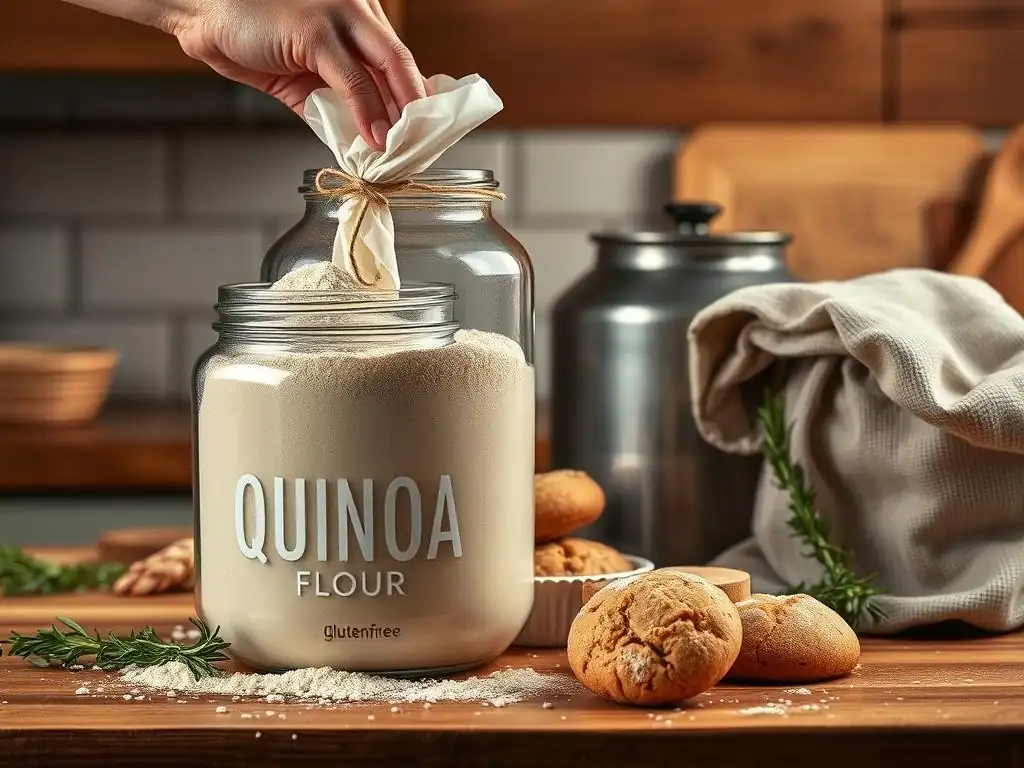
Optimal Storage Conditions for Teff Flour
Proper storage is essential to maintain the freshness and quality of teff flour, as it is a whole grain and contains natural oils that can become rancid over time. The best way to store teff flour is in an airtight container. This protects it from moisture, air, and potential pantry pests. Glass jars, plastic containers with tight-fitting lids, or heavy-duty resealable bags work well.
Store the airtight container in a cool, dark place. A pantry or cupboard away from heat sources like ovens or windows is ideal. For longer storage, especially in warmer climates or if you don't use it frequently, storing teff flour in the refrigerator or freezer is highly recommended. In the refrigerator, it can last for several months, and in the freezer, it can remain fresh for up to a year or even longer. Before using frozen teff flour, allow it to come to room temperature to prevent condensation, which can introduce unwanted moisture.
Maintaining the Freshness of Teff Flour Baked Goods
Baked goods made with teff flour, like other gluten-free items, can sometimes dry out more quickly than traditional wheat-based goods. To maintain their freshness and optimal texture, proper storage after baking is important. Once completely cooled, store teff flour baked goods in an airtight container at room temperature for a few days. This prevents them from drying out and becoming stale.
For longer storage, baked goods made with teff flour freeze exceptionally well. Cool them completely, then wrap individual portions or the entire item tightly in plastic wrap or aluminum foil before placing them in a freezer-safe bag or container. This helps prevent freezer burn. Frozen teff flour baked goods can maintain their quality for up to 2-3 months. Thaw them at room temperature or gently reheat in an oven or microwave, depending on the item, to restore their texture.
Is Teff Flour Right for Your Gluten-Free Baking? A Final Verdict
The Unique Characteristics and Culinary Applications of Teff Flour
Teff flour is a uniquely valuable ingredient in the world of gluten-free baking. Its most defining characteristics are its tiny size, whole-grain status, impressive nutritional profile (particularly high in iron, calcium, and fiber), distinct earthy and nutty flavor, and natural binding properties. These traits set it apart from many other gluten-free flours. While some flours offer neutral flavor or specific textural benefits (like the crispness from rice flour or chewiness from oat flour), teff brings a combination of nutritional density, structural help, and a flavor that can enhance certain recipes.
Its culinary applications are diverse, ranging from its traditional use in fermented injera flatbread to modern adaptations in loaves of bread, pancakes, waffles, muffins, cakes, cookies, and even pizza crusts. It pairs exceptionally well with strong flavors like chocolate, coffee, and spices, making it a favorite in richer baked goods. While its strong flavor and density require careful consideration and often blending with other flours, its benefits make it a worthy addition to any gluten-free baker's pantry.
Incorporating Teff Flour into a Diverse Gluten-Free Diet
Incorporating teff flour into your gluten-free diet through baking is an excellent way to add nutritional variety and explore new flavors. Many gluten-free diets can sometimes rely heavily on refined starches and white rice flour, which lack the fiber, protein, and minerals found in whole grains. Teff flour provides a simple way to boost the nutritional content of your baked goods significantly.
Start by experimenting with teff flour in recipes where its flavor is a welcome addition, such as chocolate cakes or rustic bread blends. Begin by substituting a small percentage of your usual flour blend with teff (e.g., 15-25%) and gradually increase as you become comfortable with its properties and flavor. Pay attention to hydration and don't be afraid to adjust liquid levels slightly. By understanding its unique characteristics and following best practices, you can successfully integrate teff flour into a diverse range of gluten-free recipes, enjoying both its health benefits and its distinct contribution to flavor and texture.
Frequently Asked Questions
What are the primary benefits of using quinoa flour in gluten-free baking?
Quinoa flour adds nutritional value like protein and fiber, and it can also improve the structure of gluten-free baked goods. It contributes a slightly nutty flavor too.
How does quinoa flour affect the texture of gluten-free baked goods?
Quinoa flour can sometimes result in a slightly drier or denser texture if used alone in large quantities. It's often best used in combination with other gluten-free flours and binders.
What types of recipes are best suited for incorporating quinoa flour?
Quinoa flour works well in recipes like muffins, pancakes, cookies, and breads, especially when combined with other flours. It is great for adding nutritional value to everyday favorites.
Are there any specific considerations when baking with quinoa flour compared to wheat flour?
Yes, quinoa flour lacks gluten, so you'll need to use binding agents like xanthan gum or psyllium husk. Also, you may need to adjust the liquid in your recipe.
Where can I typically find quinoa flour, and is there anything to look for when purchasing it?
Quinoa flour is widely available in health food stores, specialty grocery stores, and online retailers. Look for finely ground flour to avoid a gritty texture in your baked goods.
Final Reflection: The Rising Star of Gluten-Free Baking
The demand for gluten-free alternatives continues to surge, and quinoa flour stands out as a versatile and nutritious option, offering both structural integrity and a wealth of health benefits to those seeking delicious and wholesome gluten-free recipes. Its rising popularity isn't just a trend; it's a testament to the growing awareness of dietary needs and the desire for flavorful, satisfying food choices that don't compromise on health.
Quinoa flour's impact extends beyond simply providing a gluten-free substitute. It's reshaping the landscape of baking, allowing for the creation of breads, cakes, and pastries that were once considered impossible without gluten. Its unique protein and fiber content contribute to a more satisfying and nutritious eating experience. As one baker eloquently put it, Quinoa flour isn't just a replacement; it's an enhancement, adding a subtle nutty flavor and a delightful texture that elevates gluten-free baking to a new level.
This sentiment reflects the transformative power of this ingredient within the culinary world.
Now, it's your turn. Consider the recipes explored in this article and experiment with quinoa flour in your own kitchen. Don't be afraid to get creative, to adapt existing recipes, and to discover the unique possibilities this remarkable ingredient offers. Embrace the challenge of gluten-free baking, and unlock the potential for delicious and healthy meals that nourish both your body and your soul. The journey of culinary exploration awaits!
Unleash the Power of Quinoa Flour!
Thanks for diving into the world of quinoa flour with us! We hope you've discovered how this incredible ingredient can boost both the nutrition and texture of your gluten-free baking. Ready to put your newfound knowledge into practice?
- Bake your first quinoa flour recipe today! Start with a simple cookie or muffin recipe – you'll be amazed by the difference.
- Share your quinoa flour creations with us on social media! Use #BakeWithEaseQuinoa and inspire others.
- Explore alternative gluten-free flours and experiment with blends – discover your perfect baking formula.
What delicious quinoa flour recipe will you tackle first? Let us know in the comments below!