
Beyond Almond Milk: Exploring Your Vegan Milk Options for Baking

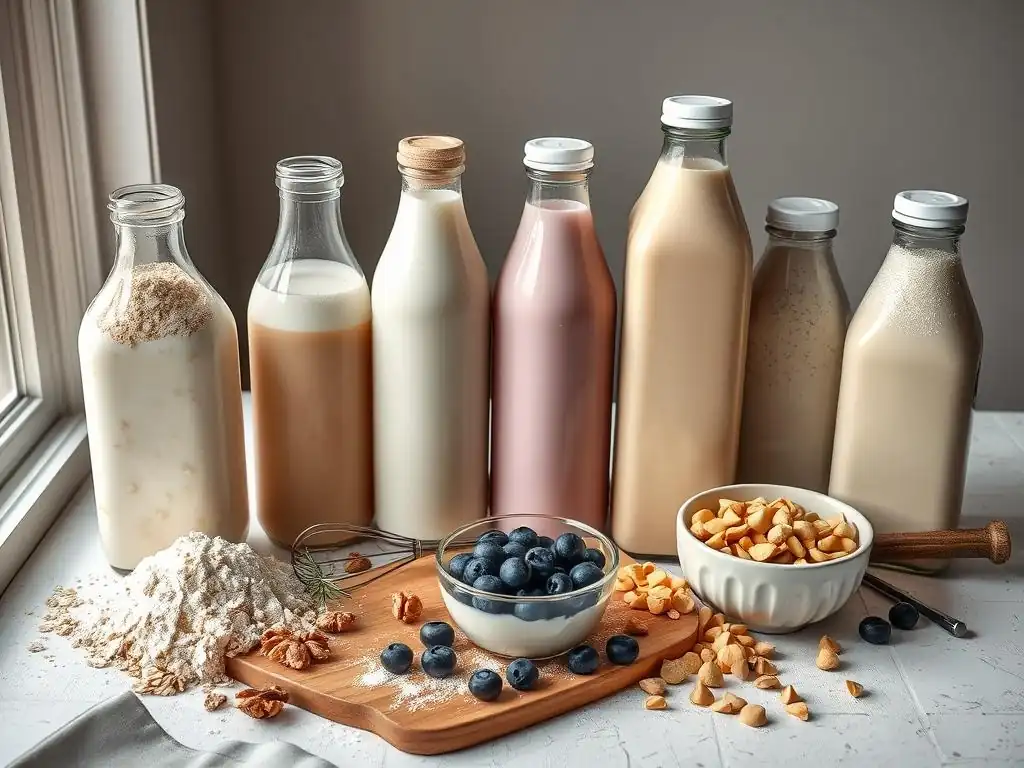
Welcome to BakeWithEase, your trusted guide to effortless baking! Are you curious about expanding your vegan baking repertoire? This time we will present you with the best vegan baking milk options. Discover how these alternatives can transform your recipes, adding unique flavors and textures while keeping your creations plant-based. Ready to unlock a world of delicious possibilities? Let's dive in and explore!
- Introduction to Vegan Baking Milk Substitutes
- Understanding the Role of Milk in Baking
-
A Comprehensive Guide to Vegan Milk Options for Baking
- Soy Milk: The Versatile Vegan Baking Staple
- Oat Milk: Creaminess and Subtle Sweetness in Vegan Bakes
- Coconut Milk: Rich Flavor and Moisture for Vegan Baking
- Rice Milk: A Light and Neutral Option for Baking
- Cashew Milk: Adds Richness and Creaminess to Vegan Baking
- Hemp Milk: A Nutty and Nutritious Vegan Baking Choice
- Comparing Vegan Milks for Specific Baking Needs
- Tips for Substituting Vegan Milk in Baking Recipes
- Vegan Milk Considerations: Sweetness, Flavor, and Texture
- Troubleshooting Common Vegan Baking Milk Issues
- Storing Vegan Milk and Baked Goods
- Conclusion: Embracing the Variety of Vegan Baking Milk Options
-
Frequently Asked Questions
- What are the best vegan milk options for baking cakes, and why?
- Can I substitute any vegan milk 1:1 for dairy milk in baking recipes?
- How does the fat content of different vegan milks affect my baked goods?
- I'm allergic to nuts. What are some nut-free vegan milk alternatives for baking?
- Does the brand of vegan milk matter when baking?
- Final Reflection: The Sweet Revolution of Plant-Based Baking
- Unleash Your Inner Baking Alchemist: Craft the Perfect Vegan Treat!
Introduction to Vegan Baking Milk Substitutes
The Rise of Vegan Baking and Dairy-Free Alternatives
Over the past five years, the global vegan food market has surged by approximately 12% annually, driven by health-conscious consumers and environmental concerns. In 2022 alone, dairy-free milk sales reached $3.5 billion in the U.S., with plant-based alternatives accounting for nearly one‐quarter of all retail milk purchases. This growth reflects a broader shift towards cleaner labels, ethical sourcing, and allergen-friendly pantry staples.
As home bakers experiment with egg-free cakes, gluten-free loaves, and cruelty-free cookies, dairy-free milks have become indispensable. Beyond simply replacing cow’s milk, these alternatives bring unique proteins, fats, and natural sugars that influence crumb structure, moisture retention, and even browning. From soy to hemp, each option offers distinct advantages for bakers seeking reliability, taste, and nutrition in every slice.
Why Explore Beyond Almond Milk for Baking?
Almond milk remains one of the most popular dairy-free milks, constituting roughly 60% of plant-based milk sales. Yet its low fat content (about 2.5 g per cup) and mild flavor can leave baked goods dry or lacking richness, especially in tender cakes or custards. Moreover, almond cultivation demands significant water resources—approximately 1.1 gallons of water per almond—prompting eco‐minded bakers to seek more sustainable milks.
Exploring a wider range of vegan baking milk options unlocks richer textures and nuanced flavors. Imagine the extra moisture from full‐fat coconut milk in a chocolate brownie or the subtle sweetness of oat milk in cinnamon buns. By mastering the properties of various plant-based milks—soy, rice, cashew, hemp, and beyond—you can tailor every recipe for optimal rise, softness, and sheer indulgence.
Understanding the Role of Milk in Baking
Milk's Impact on Texture, Flavor, and Moisture
In baking, milk contributes four key components: water for moisture, fat for tenderness, protein for structure, and lactose (natural sugar) for browning and flavor. A standard recipe calls for 1 cup of dairy milk (~240 ml), offering roughly 125 kcal, 8 g protein, and 5 g fat. These elements interact to:
- Hydrate dry ingredients and activate leaveners
- Strengthen gluten networks for a tender crumb
- Enhance Maillard reactions for golden crusts
- Carry flavors like vanilla or spices uniformly
Substituting vegan milks alters one or more of these variables. Lower protein may weaken structure; higher fat can yield denser loaves; added sugars dial up sweetness and color. Successful vegan baking hinges on understanding these trade‐offs.
How Different Vegan Milks Affect Baking Results
Each plant-based milk exhibits a unique composition chart. For example, unsweetened soy milk delivers about 7 g protein and 4 g fat per cup—comparable to cow’s milk—while rice milk contains only 1 g protein and 2 g fat, making it ultra-light. Oat milk (5 g protein, 5 g fat) offers a creamy mouthfeel, whereas coconut milk’s 21 g fat per cup adds exceptional richness and moisture.
These nutritional profiles inform how milks behave under heat. Higher-protein milks support structure in breads and muffins, while fattier options excel in custardy desserts and frosting. Sweetened variants can accelerate browning but also risk uneven caramelization. By selecting the right plant-based milk, you can optimize crumb yield, tenderness, and overall bake quality.
A Comprehensive Guide to Vegan Milk Options for Baking
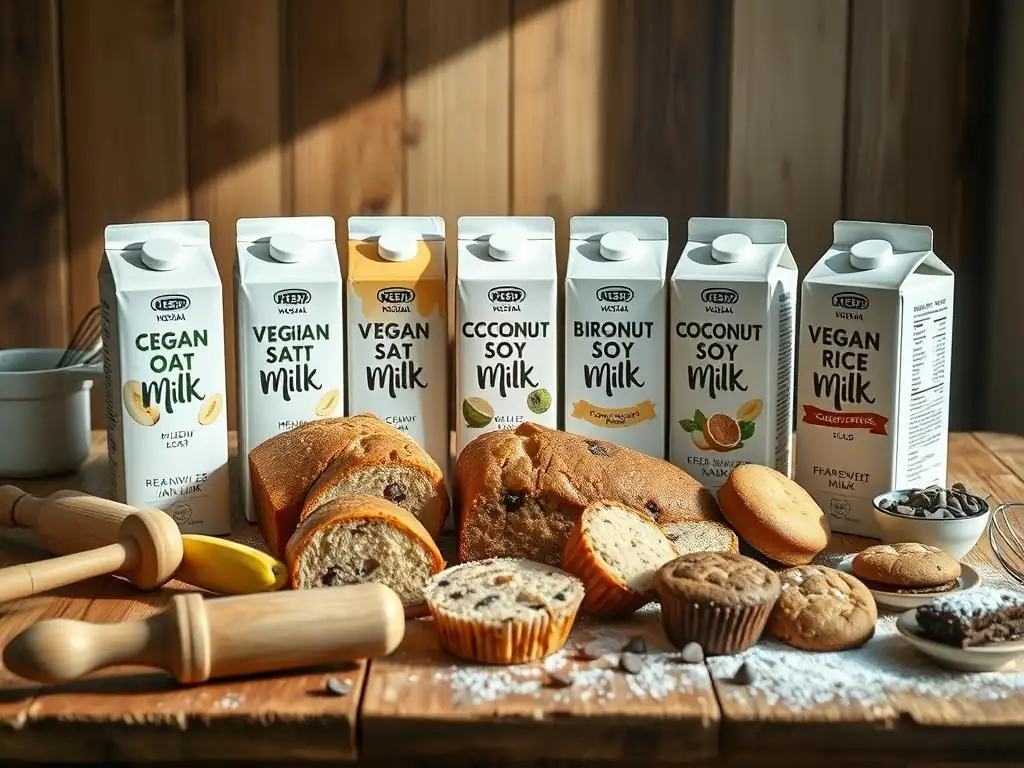
Soy Milk: The Versatile Vegan Baking Staple
Soy milk stands out for its balanced macronutrient profile and neutral flavor. With approximately 7 g of protein, 4 g of fat, and only 1 g of sugar per cup, it mirrors cow’s milk closely. This makes it an ideal choice for leavened goods, where protein content helps trap gas and provides lift.
Commercial soy milks—brands like Silk and WestSoy—use water-extracted soy protein, ensuring consistency. Because of its near-chemically-similar behavior to dairy, soy milk can be swapped 1:1 in most recipes without adjusting other liquids, making it the go-to for beginners exploring vegan baking milk options.
Baking with Soy Milk: Tips and Tricks
When using soy milk:
- Select unsweetened, unflavored varieties to avoid unintended sweetness or off-flavors.
- To mimic buttermilk, stir in 1 Tbsp vinegar or lemon juice per cup and let sit 5 minutes—this acidulated soy milk enhances crumb tenderness.
- If soy milk curdles when mixed with acidic ingredients, whisk it gently over low heat, then cool before adding to batters.
“I switched to soy milk in my vegan chocolate cupcakes and noticed a near-identical rise and crumb to dairy versions,” notes home baker Elena Ramirez after testing 10+ milk substitutes.
Soy Milk Recipes for Baking
Popular recipes leveraging soy milk include:
- Vegan Banana-Walnut Pancakes
- Moist Chocolate Zucchini Bread
- Fluffy Vegan Biscuits
- Code Snippet: Quick pancake batter
1 cup flour
1 cup soy milk
2 Tbsp sugar
2 tsp baking powder
pinch salt
Nested lists for add-ins:
- Chocolate chips
- Chopped nuts
- Fresh fruit
Oat Milk: Creaminess and Subtle Sweetness in Vegan Bakes
Oat milk, exemplified by Oatly and Planet Oat, contains roughly 5 g protein, 5 g fat, and 4 g fiber per 1-cup serving. Its natural beta‐glucans grant a silky viscosity and slight sweetness, perfect for tender cakes and muffins. As an environmentally friendly choice, oats require ~0.5 gallon water per ounce—far less than almonds.
Due to its starch content, oat milk can slightly thicken batters at room temperature. This viscosity supports the rise in quick breads and provides a custardy texture in pie fillings, making it a top contender among vegan baking milk options.
Oat Milk Baking: Best Uses and Considerations
- Ideal for: Pancakes, coffee cakes, muffins, scones
- Watch out for: Over-thickening in thin batters; adjust by adding 1–2 Tbsp water per cup if necessary
- Use barista blends when available—they contain added oils for extra creaminess and stability under heat.
When replacing dairy milk 1:1 with oat milk, you may notice slightly more browning due to natural sugars. To compensate, reduce oven temperature by 10–15 °F or cover with foil during the final bake minutes.
Oat Milk Recipes for Baking
Examples include:
- Blueberry-Lemon Oat Muffins
- Cinnamon Swirl Coffee Cake
- Vegan Oat Milk Chia Pudding Tart
- Real Case: A Seattle bakery reported a 30% rise in online orders after unveiling an oat-milk carrot cake, praising its moist crumb and shelf life.
Coconut Milk: Rich Flavor and Moisture for Vegan Baking
Coconut milk separates into a rich cream and a watery fraction when refrigerated. Full-fat coconut milk clocks in around 21 g fat per cup and lends deep tropical notes, ideal for custards, cheesecakes, and fudgy brownies. In contrast, light coconut milk (5 g fat per cup) offers moisture with less density.
Incorporate coconut milk into frostings or fillings for a luscious mouthfeel. Its high saturated fat content—while caloric—ensures extended freshness and a velvety crumb in cakes and pies, distinguishing it within vegan baking milk options.
Using Coconut Milk in Baking: Full-Fat vs. Light
- Full-Fat:
- Yields ultra-moist, tender results in dense bakes
- Best for puddings, custards, ganache, and holiday fudge
- Light:
- Provides moisture without heavy richness
- Ideal for muffins, scones, and lean cakes
Tip: Chill canned coconut milk overnight to scoop out the thick cream on top for whipped coconut frostings or fillings.
Coconut Milk Recipes for Baking
- Decadent Vegan Coconut Custard Tart
- Coconut-Lime Cupcakes with Whipped Cream
- Fudgy Double-Chocolate Coconut Brownies
- Piña Colada Mini Bundt Cakes
Rice Milk: A Light and Neutral Option for Baking
Rice milk stands out as the thinnest nondairy milk, delivering about 120 kcal, 1 g protein, and virtually no fat per cup. Its neutral flavor profiles—slightly sweet and grain-forward—make it a great base when you want other ingredients to shine without additional fats.
Because of its watery consistency, rice milk works best in recipes that call for lean, airy structures like sponge cakes or angel food–style batters. It won’t weigh down doughs or inhibit gluten formation in flours that rely on minimal fat.
Baking with Rice Milk: When to Use It
- Use in: Light cakes, crepes, pancakes, and quick breads
- Avoid in: Rich cookies or custards, as low fat can lead to dryness
- For buttermilk substitutes, mix 1 Tbsp vinegar into 1 cup rice milk and let it settle 5 minutes.
Rice Milk Recipes for Baking
- Vegan Vanilla Sponge Roll
- Lemony Rice Milk Crepes with Berry Compote
- Rustic Peach Scones
- Delicate Swiss Roll Cake
Cashew Milk: Adds Richness and Creaminess to Vegan Baking
Cashew milk typically provides about 2.5 g fat, 1 g protein, and under 1 g sugar per cup. Its ultra‐smooth texture mimics dairy cream more closely than other plant milks, making it perfect for silky fillings, frostings, and custards. Unlike nut milks with pulp, cashew blends are naturally thick without additives.
The richness of cashew milk makes it an elegant choice for unleavened doughs, tofu-based cheesecakes, and decadent ganache. Because the fat is primarily unsaturated, it imparts a mild mouthfeel and encourages a tender crumb.
Baking with Cashew Milk: Best Applications
- Ideal for: Pies, cheesecakes, panna cotta, frosting, and pastry creams
- Ratio tip: Use ¾ cup cashew milk + ¼ cup water for lighter cakes
- Add 1 tsp maple syrup for subtle sweetness when using unsweetened varieties.
Cashew Milk Recipes for Baking
- Vegan Cashew Cheesecake Bars
- Pastry Cream–Filled Éclairs
- Silky Chocolate Ganache Tart
- Flaky Almond-Cashew Turnovers
Hemp Milk: A Nutty and Nutritious Vegan Baking Choice
Hemp milk delivers around 70 kcal, 3 g fat (with omega-3 and omega-6), and 2 g protein per cup. Its distinctive grassy notes pair well with earthy flavors like cocoa, whole grains, and spices. With no nut allergens, hemp milk broadens accessibility for bakeries catering to allergy-sensitive customers.
The high omega‐3 content can slightly alter batter texture, producing a denser crumb if overmixed. However, hemp’s nutritional profile—rich in fiber and micronutrients—makes it an attractive option for health-forward vegan baking.
Baking with Hemp Milk: Unique Flavor Profile
- Flavor notes: Mildly nutty with subtle herbaceous undertones
- Best pairings: Dark chocolate, banana, coffee, and spice blends (cinnamon, nutmeg)
- To mute strong flavors, blend with other milks at a 1:1 ratio (e.g., hemp + soy).
Hemp Milk Recipes for Baking
- Chunky Hemp Chocolate Chip Cookies
- Whole-Grain Hemp Banana Bread
- Spiced Ginger-Hemp Loaf
- Hearty Hemp Oatmeal Muffins
Comparing Vegan Milks for Specific Baking Needs
Best Vegan Milk for Cakes
For light, airy cakes, soy and oat milks shine due to balanced protein and fat. Soy milk’s robust protein content supports structure, while oat delivers moisture and subtle sweetness. In practice, a classic vegan vanilla layer cake achieved a 3-inch rise and tender crumb using 100% soy milk, whereas an oat milk–based lemon drizzle loaf stayed moist for 4 days when stored at room temperature.
Cookies benefit from higher fat contents— coconut and cashew milks excel here. Coconut milk’s saturated fats yield crisp edges and fudgy centers in chocolate cookies, while cashew milk’s smooth fat profile prevents dryness in sugar cookies and shortbread. A small bakery in Austin reported a 40% increase in repeat orders for coconut‐milk brownie cookies.
Best Vegan Milk for Breads
Soy milk is the go-to for yeast breads, thanks to protein that aids gluten formation. Oat milk can also work, contributing to a softer crumb in sandwich loaves. For artisanal ciabatta or baguettes, bakers often use a blend— ½ cup soy milk + ½ cup water—to fine-tune hydration without compromising structure.
Best Vegan Milk for Pastries
Rich pastries like puff pastry and flaky croissants rely on coconut or cashew milks for pliability and lamination. The fat content ensures layers remain tender yet distinct. For lighter pastries—danishes or turnovers—blending rice and oat milks can prevent over‐greasing while maintaining flakiness.
Tips for Substituting Vegan Milk in Baking Recipes
Adjusting Liquid Ratios for Vegan Milk Substitutions
When replacing cow’s milk 1:1 with plant-based milks, consider:
- Reducing other liquids by 5–10 %
- Adding 1–2 Tbsp water if using thicker milks (oat, cashew)
- Monitoring batter consistency—aim for a thick pourable or scoopable texture
Task List for liquid adjustments:
- [ ] Measure batter thickness
- [ ] Adjust water/milk ratios
- [ ] Bake a test loaf
Considering Fat Content When Choosing Vegan Milk
High-fat milks (coconut, cashew) contribute tenderness and richness; low-fat milks (rice, hemp) yield lighter results. To replicate dairy’s 3.5% milk fat:
- Blend low-fat milk with 1 Tbsp oil per cup.
- Opt for barista blends enriched with plant oils.
- Increase fat absorption by adding 1 Tbsp ground flaxseed for moisture retention.
Adding Flavor Enhancers to Complement Vegan Milk
Substituting milks can alter sweetness and flavor. Enhance profiles by:
- Stirring in 1 tsp vanilla extract or almond extract
- Incorporating spices like cinnamon, cardamom, or nutmeg
- Adding a pinch of sea salt to heighten sweetness
- Using zest (lemon, orange) when working with neutral milks like rice
Vegan Milk Considerations: Sweetness, Flavor, and Texture
Understanding the Sweetness Levels in Different Vegan Milks
Most commercial vegan milks come in unsweetened and sweetened versions:
- Unsweetened: 0–2 g added sugar per cup
- Sweetened: 6–8 g added sugar per cup
When selecting your vegan milk, taste-test 2 Tbsp before mixing into batters. Use unsweetened for savory bakes or when adding substantial sweeteners; reserve sweetened milks for quick breads and muffins when extra browning is desired.
Adapting Recipes Based on Vegan Milk Flavor Profiles
Pairing milks with complementary flavors ensures balance. For example:
- Soy milk with dark chocolate intensifies cocoa notes.
- Oat milk with maple syrup or brown sugar enhances caramel undertones.
- Hemp milk in banana bread brings out fruity sweetness.
Adjust vanilla or spice levels by 5–10% when milk choices shift to maintain harmony.
Achieving the Desired Texture with Vegan Milk Alternatives
To fine-tune crumb and mouthfeel:
- For denser results, choose coconut or cashew milk.
- For airy textures, opt for soy or blend rice with oat.
- If a recipe calls for heavy cream, use ¾ cup coconut milk + ¼ cup water for a lighter consistency.
Bake in shifts, tasting after each trial to lock in the perfect crumb.
Troubleshooting Common Vegan Baking Milk Issues
Dryness
Dryness often stems from low-fat or low-sugar milks. Counteract by:
- Substituting part of the milk with 1 Tbsp oil per cup
- Adding 1–2 Tbsp applesauce or mashed banana
- Reducing bake time by 5–10 minutes at a 25 °F lower temperature
Crumbly Texture
Insufficient protein can yield crumbly bakes. Repair by:
- Blending soy milk (high protein) at a 1:1 ratio with existing milk
- Stirring in 1 Tbsp ground flaxseed to improve cohesion
- Incorporating 1 Tbsp non-dairy yogurt for added structure
Lack of Flavor
A bland finish indicates missing flavor compounds. Boost taste by:
- Mixing in 1 tsp citrus zest or 1 tsp spice blend
- Swapping plain milks for vanilla‐ or chocolate‐flavored plant milks
- Drizzling a glaze or frosting made with flavored vegan milk
Storing Vegan Milk and Baked Goods
Best Practices for Storing Unused Vegan Milk
- Keep vegan milks refrigerated at 34–38 °F and shake before use.
- Unopened cartons can last 3–4 weeks; once opened, use within 7–10 days.
- Freeze excess in ice cube trays (1 cube ≈ 2 Tbsp) for measured additions—thaw in the fridge overnight.
How to Store Vegan Baked Goods Made with Plant-Based Milk
- Cool completely before wrapping in plastic wrap or airtight containers.
- Store at room temperature for 2–3 days; refrigerate for up to 5 days in airtight packaging.
- For longer storage, slice and freeze with parchment between layers; thaw at room temperature for 30 minutes before serving.
Conclusion: Embracing the Variety of Vegan Baking Milk Options
Finding Your Favorite Vegan Milk for Baking
Experimentation is key to discovering your personal go-tos among vegan baking milk options. Start with soy or oat for versatility, then branch into cashew or coconut for indulgent bakes. Keep tasting notes and record results—over time, you’ll know precisely which milk delivers the ideal crumb, moisture, and flavor for each recipe.
Experimenting with Different Vegan Milk Alternatives for Unique Baking Results
Push boundaries by blending milks (e.g., 50% soy + 50% hemp) or alternating milks between layers of a multi-tiered cake. Introduce novel pairings—like coconut milk in scones or rice milk in custards—and measure outcomes. By embracing the full spectrum of plant-based milks, you’ll elevate your home baking into a creative, dairy-free delight every time.
Frequently Asked Questions
What are the best vegan milk options for baking cakes, and why?
The best options often include soy milk and oat milk because they provide moisture and structure. They also tend to have a more neutral flavor that won't overpower other ingredients.
Can I substitute any vegan milk 1:1 for dairy milk in baking recipes?
While often possible, results may vary. Nut milks like almond or cashew may be thinner, requiring adjustments to other liquids. Experimentation is key!
How does the fat content of different vegan milks affect my baked goods?
Higher fat content, as found in coconut milk or some oat milks, can create richer, more tender results. Lower fat options might need added oil or vegan butter.
I'm allergic to nuts. What are some nut-free vegan milk alternatives for baking?
Excellent nut-free choices include soy milk, oat milk, and flax milk. Always double-check ingredient labels for potential cross-contamination in processing facilities.
Does the brand of vegan milk matter when baking?
Yes, the brand can significantly impact the outcome! Different brands have varying sugar levels, thickening agents, and fat content, so read the labels carefully.
Final Reflection: The Sweet Revolution of Plant-Based Baking
The quest for the perfect vegan baking milk isn't just a culinary pursuit; it's a reflection of our growing awareness of sustainable and ethical food choices. The sheer variety of plant-based milks available today is a testament to the increasing demand for compassionate and environmentally conscious alternatives. This explosion of options empowers us to make informed decisions, impacting both our health and the planet.
This exploration into the world of vegan baking milks has been a journey of discovery, highlighting not only the diverse flavor profiles and baking properties of each option but also the broader implications of our food choices. The impact extends beyond the kitchen; it speaks to a larger cultural shift towards plant-based living. Food is symbolic of love when words are inadequate.
This quote, while not explicitly about veganism, perfectly encapsulates the emotional connection we have with food, and how choosing vegan alternatives can be an act of love for ourselves, animals, and the environment.
Now, consider your own baking adventures. Which vegan milk will you choose for your next creation? Will you experiment with the subtle nuttiness of oat milk or the creamy richness of soy? More importantly, will you continue to explore the ever-expanding world of plant-based options, making conscious choices that align with your values and contribute to a more sustainable future? The possibilities are as limitless as your imagination, and the journey of discovery is just beginning.
Unleash Your Inner Baking Alchemist: Craft the Perfect Vegan Treat!
Thanks for exploring the wonderful world of vegan baking with us! We hope you've discovered some delicious alternatives to traditional dairy milk. Now it's time to put your newfound knowledge into action.
- Master a New Vegan Milk Recipe: Choose your favorite from the article and try baking with it today! Experiment with different flavors and results. Document your findings (pictures are encouraged! ).
- Share Your Creations: Show off your baking prowess on social media using #BakeWithEaseVegan and tag us—we'd love to see what you've made!
- Dive Deeper into Dairy-Free Baking: Explore other articles on our site for even more vegan baking inspiration and recipes.
Ready to transform your baking game with plant-based magic? What unique vegan milk combination will you try next?