
The Baker's Secret Weapon: Understanding Different Flours

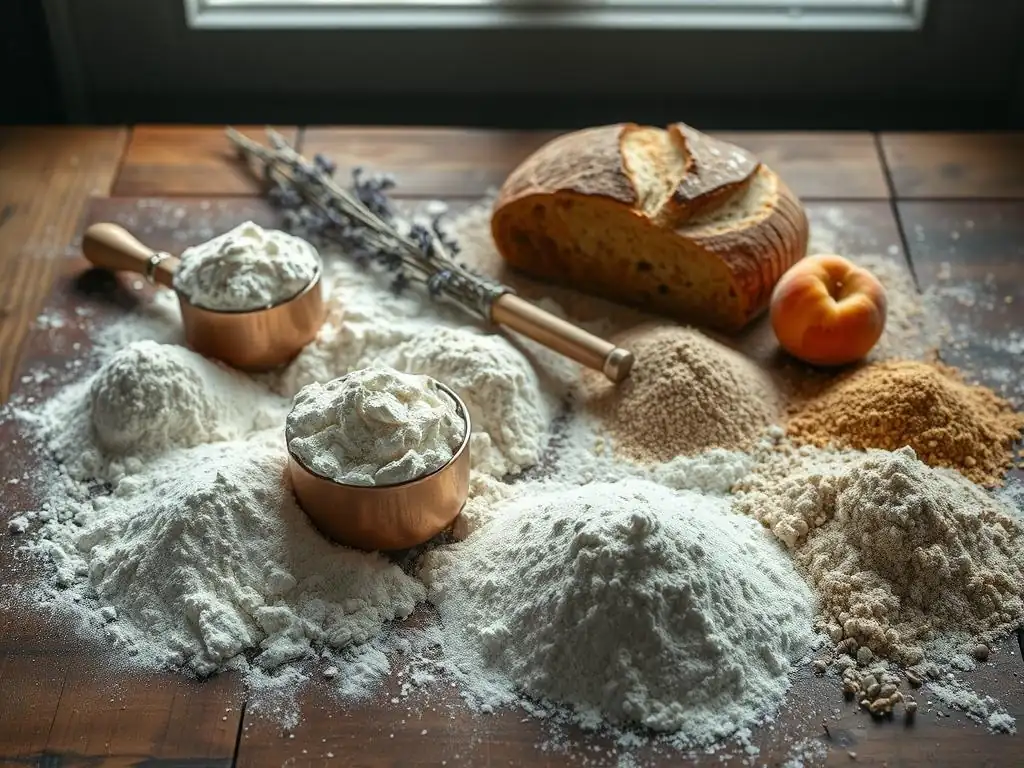
Welcome to BakeWithEase, your partner in creating delicious baked goods! Ever wondered if you're using the right flour for that perfect cake or chewy cookie? Unlock the secrets to baking success as we delve into the world of different flour types baking, revealing how each variety impacts your creations. Discover the nuances that will elevate your baking from good to unforgettable, and start baking with confidence today!
- The Baker's Secret Weapon: Understanding Different Flour Types for Baking
- BakeWithEase: Mastering Flour Selection for Perfect Baking
- Why Understanding Different Flour Types is Crucial for Baking Success
- Exploring Common Flour Types Used in Baking
- Beyond the Basics: Exploring Specialty Flours for Baking
- Understanding Flour Protein Content and Its Impact on Baking
- Storing Flour Properly to Maintain Freshness and Quality
- Tips for Choosing the Right Flour for Your Baking Project
-
Frequently Asked Questions
- What are the main different flour types used in baking, and how do they differ?
- Why is it important to understand different flour types when baking?
- Can I substitute one type of flour for another, and what adjustments should I make?
- What is the difference between bleached and unbleached all-purpose flour, and does it matter for my baking?
- Where can I find more information on different flour types and their best uses for baking?
- Final Reflection: The Flour Power Within
- Unleash Your Inner Baker: Flour Power Awaits!
The Baker's Secret Weapon: Understanding Different Flour Types for Baking
BakeWithEase: Mastering Flour Selection for Perfect Baking
Welcome to BakeWithEase, your friendly guide to unlocking the secrets of delicious baked goods! Today, we're diving deep into a topic that might seem simple on the surface but is absolutely fundamental to your baking success: understanding different flour types for baking. Think of flour as the backbone of most recipes; its type and characteristics determine everything from the structure of your bread to the tenderness of your cake.
Choosing the right flour isn't just about following a recipe – it's about understanding how each type behaves and why. This knowledge empowers you to troubleshoot issues, adapt recipes, and even create your own masterpieces. Whether you're aiming for a chewy sourdough loaf or a delicate sponge cake, the flour you pick is your first and most critical decision.
Why Understanding Different Flour Types is Crucial for Baking Success
Achieving Consistent Results: The Importance of Flour Choice
The type of flour you use directly impacts the outcome of your baking. Flour contains protein, and when mixed with liquid, these proteins form gluten – the network that provides structure and elasticity to dough and batter. Different flour types have varying protein levels, which means they develop different amounts of gluten, leading to vastly different textures in the final product. Using the correct flour ensures that your baked goods have the intended structure, rise, and crumb.
For instance, a recipe designed for high-protein bread flour relies on strong gluten development to create a chewy, airy loaf. If you substitute low-protein cake flour, the dough won't have the necessary structure to hold its shape or trap gases effectively, resulting in a dense, flat loaf. Conversely, using bread flour in a delicate cake recipe will develop too much gluten, leading to a tough, rubbery texture instead of the desired tender crumb. Understanding these relationships allows you to predict and control your baking results, moving you from guesswork to consistent success.
Avoiding Baking Disasters: Selecting the Right Flour for Each Recipe
Using the wrong flour is a common culprit behind baking mishaps. Imagine attempting to make flaky pie crusts with bread flour; the high gluten content would make the dough elastic and difficult to roll, and the resulting crust would be tough, not tender and flaky. Similarly, trying to bake light and airy angel food cake with all-purpose flour instead of cake flour would result in a heavier, less delicate texture because the higher protein in all-purpose flour creates more gluten than is desirable for such a delicate cake.
Selecting the appropriate flour for each specific recipe is a fundamental step in preventing these kinds of disappointments. Recipes are often developed with a particular flour type in mind because its protein content and characteristics are essential to achieving the desired texture and structure. By paying attention to the flour specified and understanding why it's chosen, you significantly reduce the risk of common baking failures like tough cookies, flat cakes, or dense breads, leading to more enjoyable and successful baking experiences.
Exploring Common Flour Types Used in Baking
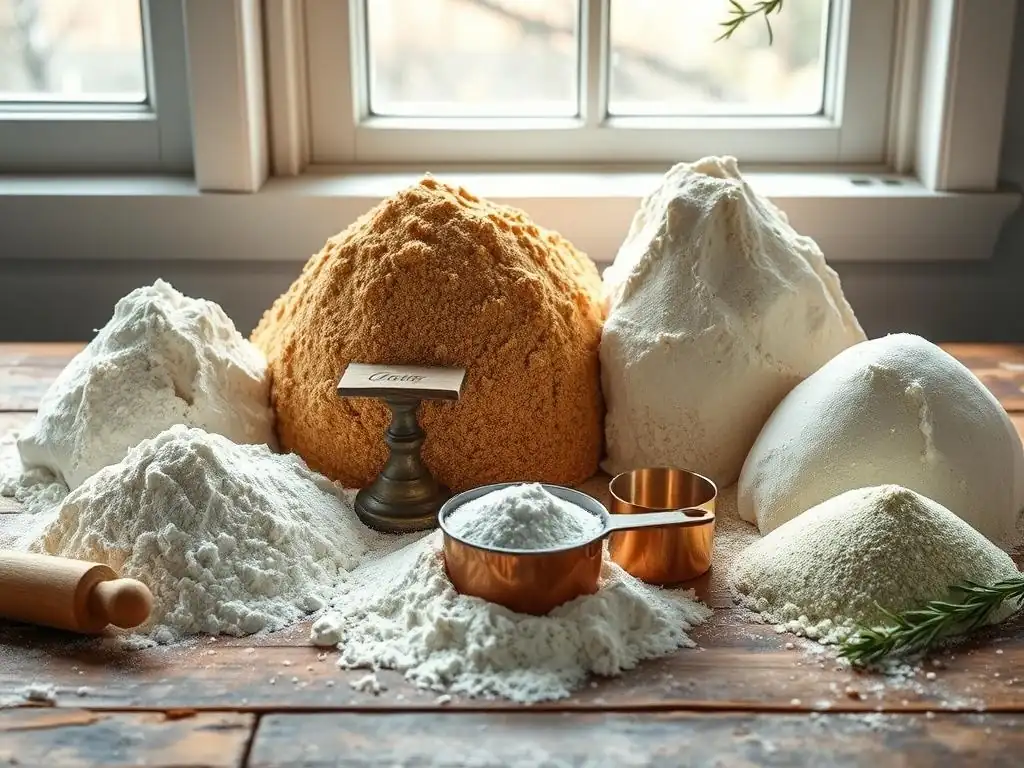
All-Purpose Flour: The Versatile Baking Staple
All-purpose flour is a blend of hard and soft wheat flours, designed to be versatile enough for a wide range of baking applications. It's the go-to flour for many home bakers because it strikes a balance between protein content – typically ranging from 10% to 12% – making it suitable for everything from cookies and cakes to biscuits and some breads. Its moderate protein level allows for enough gluten development to provide structure without making baked goods overly tough, assuming proper mixing techniques are used.
This flour is bleached or unbleached; unbleached flour is slightly denser and has a creamier color. While versatile, it might not yield the absolute best results for items that require very specific gluten development, such as extremely chewy artisan bread (which benefits from higher protein bread flour) or exceptionally tender cakes (which are better with lower protein cake flour). However, for most everyday baking tasks, all-purpose flour is a reliable and convenient choice, serving as a foundational ingredient in countless recipes.
Uses for All-Purpose Flour in Baking: Cookies, Muffins, and Quick Breads
All-purpose flour truly shines in recipes where a moderate amount of gluten is desired to provide structure without excessive chewiness. It's the standard flour for countless cookie recipes, offering enough structure to hold their shape while allowing for a tender bite. Muffins and quick breads, like banana bread or zucchini bread, also rely heavily on all-purpose flour; its protein content helps the batter rise and set without becoming tough.
Beyond these, it's commonly used in pancakes, waffles, scones (when a slightly firmer crumb is acceptable compared to pastry flour), and many pie crusts (though pastry flour can yield flakier results). Its adaptability makes it the workhorse in the pantry, suitable for thickening sauces and gravies as well as baking, proving its name "all-purpose" is well-earned for the home cook.
Protein Content of All-Purpose Flour: Balancing Structure and Tenderness
The protein content in all-purpose flour, generally falling between 10% and 12%, is key to its versatility. This range allows it to develop a moderate gluten network when hydrated and kneaded or mixed. This moderate gluten provides enough structural integrity to hold the shape of cookies or the rise of muffins, preventing them from collapsing.
At the same time, the protein level isn't so high that it automatically creates excessive toughness. For recipes where tenderness is crucial, like cakes or biscuits, the slightly lower end of the all-purpose protein range (closer to 10%) is preferable, and care is taken during mixing to minimize gluten development. This balance is why all-purpose flour can bridge the gap between needing some structure (like in a loaf cake) and desiring some tenderness (like in a cookie).
Bread Flour: Achieving Optimal Gluten Development
Bread flour is specifically milled from hard wheat varieties, giving it a significantly higher protein content compared to all-purpose or cake flour, typically ranging from 12% to 14%. This higher protein level is crucial for developing a strong, elastic gluten network. When mixed with water and kneaded, the gluten proteins (gliadin and glutenin) link together extensively, creating a resilient structure that can stretch and hold the carbon dioxide gas produced by yeast during fermentation.
This robust gluten development is what gives bread its characteristic chewy texture and airy interior structure with large holes (alveoli). Using bread flour is essential for recipes that rely on yeast leavening and require dough that can withstand significant stretching and shaping, such as in artisan loaves or enriched doughs like brioche. It provides the necessary strength for a good rise and a satisfying chew.
High Protein Content in Bread Flour: The Key to Chewy Bread
The defining feature of bread flour is its elevated protein content, often 12% or more. This high percentage means there are more protein building blocks available to form gluten when the flour is mixed with liquid. As dough made with bread flour is kneaded, these proteins hydrate and link up, creating a strong, elastic, and extensible network.
This strong gluten network is vital for trapping the gases produced by yeast as the dough ferments and bakes. It allows the dough to expand significantly without collapsing, leading to a well-risen loaf with a desirable open crumb structure and that signature chewy texture that is the hallmark of good bread. Without this high protein and subsequent strong gluten, achieving a truly chewy, well-structured bread is challenging.
Best Uses for Bread Flour: Sourdough, Baguettes, and Pizza Dough
Bread flour is the optimal choice for virtually any recipe where a strong, elastic dough and a chewy texture are desired. It is the standard for classic artisan breads like sourdough, where the long fermentation times and high hydration levels demand a robust gluten structure to maintain shape and develop an open crumb. Baguettes, with their crisp crust and chewy interior, also benefit greatly from the high protein in bread flour.
Beyond traditional loaves, bread flour is excellent for pizza dough, providing the necessary elasticity to stretch thin without tearing and resulting in a satisfying chew once baked. It's also the preferred flour for enriched doughs like challah, brioche, and cinnamon rolls, where the strong gluten network helps support the added fat and sugar while still allowing for a good rise and structure.
Cake Flour: For Tender and Delicate Baked Goods
Cake flour is milled from soft wheat and is known for having the lowest protein content among common wheat flours, typically ranging from 6% to 8%. It is also very finely milled and often bleached, which further weakens the protein and helps the flour absorb more liquid and sugar than other flours. This combination of low protein and fine texture is specifically designed to minimize gluten development.
The goal when baking delicate cakes is to create a tender, fine crumb, not a chewy one. Cake flour achieves this by limiting the formation of strong gluten networks. The result is baked goods that are light, airy, and have a soft, velvety texture. While it's not suitable for structured items like bread, it is indispensable for achieving the desired tenderness in specific types of cakes.
Low Protein Content in Cake Flour: Creating a Light and Airy Texture
With a protein content typically between 6% and 8%, cake flour is at the opposite end of the spectrum from bread flour. This low protein level means that when mixed with liquid, significantly less gluten will form. For cakes, this is highly desirable, as excessive gluten would lead to a tough, rubbery texture.
The fine milling process and common bleaching of cake flour also contribute to its ability to produce tender baked goods. The fine particles create a delicate structure, while the bleaching process slightly alters the starch and protein, allowing the flour to hold more sugar and moisture, which also contributes to a moister, more tender crumb. This unique composition makes it the secret ingredient for achieving that signature light and airy texture in delicate cakes.
Using Cake Flour in Recipes: Cakes, Sponge Cakes, and Angel Food Cakes
Cake flour is specifically formulated for recipes where tenderness and a delicate crumb are paramount. Its primary use is, unsurprisingly, in cakes – particularly those aiming for a light, fine texture like layer cakes, cupcakes, and pound cakes (though some pound cake recipes use all-purpose). It is absolutely essential for classic sponge cakes, where its ability to create a stable, airy structure with minimal gluten is key to the cake's ethereal texture.
Angel food cake, which relies solely on whipped egg whites for leavening and requires a very tender structure that won't collapse, is another prime example where cake flour is indispensable. While you can sometimes approximate cake flour by substituting some cornstarch for a portion of all-purpose flour, using true cake flour yields the most consistent and superior results for these delicate baked goods.
Pastry Flour: Achieving Flaky Perfection
Pastry flour falls between cake flour and all-purpose flour in terms of protein content, typically ranging from 8% to 10%. Like cake flour, it is milled from soft wheat, which contributes to tenderness. However, its slightly higher protein level compared to cake flour allows for a bit more structure, which is ideal for baked goods that require both tenderness and some degree of flakiness or structure, but not chewiness.
This intermediate protein level strikes a balance, allowing just enough gluten development to hold layers (like in pie crusts) or provide a tender, crumbly structure (like in biscuits or scones) without becoming tough. It's specifically designed to produce tender, flaky, and crumbly textures, making it a favorite for specific applications where all-purpose flour might be slightly too strong and cake flour too weak.
Moderate Protein Content in Pastry Flour: Ideal for Pie Crusts and Biscuits
The protein content of pastry flour, usually between 8% and 10%, is perfectly suited for achieving tender and flaky results. This range allows for limited gluten development. In recipes like pie crusts, where fat is cut into the flour, minimal gluten is desired so that the fat remains in distinct pockets. These pockets melt during baking, creating steam that pushes the layers of dough apart, resulting in flakiness. Too much gluten would create a tough, continuous network, preventing this separation.
For biscuits and scones, this protein level provides just enough structure to hold their shape and rise, while ensuring a tender, crumbly interior. Using flour with higher protein would lead to a tougher biscuit, while flour with significantly lower protein might not provide enough structure. Pastry flour hits the sweet spot for these types of baked goods, balancing structural integrity with desirable tenderness and flakiness.
How to Use Pastry Flour: Making Pie Dough and Tender Scones
Pastry flour is the champion for achieving tender, flaky results in specific baked goods. Its most classic application is in pie doughs. When combined with cold fat (like butter or shortening) and minimal liquid, its moderate protein content ensures minimal gluten development, allowing the fat to create those crucial flaky layers during baking. Using pastry flour is often considered the secret to a truly tender and flaky pie crust.
It is also excellent for making tender biscuits and scones. The slightly higher protein than cake flour provides enough structure for a good rise, while still keeping the crumb soft and crumbly. While all-purpose flour is often used for these items, substituting pastry flour can elevate the texture, resulting in a more delicate and tender bite. It's worth seeking out pastry flour if these specific baked goods are frequent additions to your baking repertoire.
Self-Rising Flour: Convenience and Considerations
Self-rising flour is a convenience product that contains a leavening agent and salt already mixed in with the flour. It's typically made from a soft wheat flour, similar to pastry or some all-purpose flours, meaning it generally has a lower to moderate protein content (around 8% to 10%). The standard ratio is usually 1 cup of flour mixed with about 1 ½ teaspoons of baking powder and ¼ teaspoon of salt.
While convenient for certain quick recipes, it's important to remember that the leavening agent in self-rising flour has a limited shelf life and can lose potency over time, potentially leading to flat results. Also, because the salt and leavening are pre-mixed, it cannot be directly substituted for all-purpose flour in recipes that call for specific amounts of baking powder, baking soda, or salt, as this would throw off the chemical balance of the recipe. It's best used in recipes specifically formulated for it.
Ingredients in Self-Rising Flour: Flour, Baking Powder, and Salt
Self-rising flour is a pre-mixed blend designed to simplify baking certain items. Its composition is straightforward: it consists of soft wheat flour (similar to pastry or a low-protein all-purpose), a chemical leavening agent (typically double-acting baking powder), and fine salt. The precise ratio can vary slightly by brand, but a common approximation is 1 cup flour to 1 ½ teaspoons baking powder and ¼ teaspoon salt.
This pre-measured combination means that when you use self-rising flour in a recipe, you usually do not need to add additional baking powder or salt. This saves a step and ensures consistent leavening and seasoning for recipes developed specifically for this type of flour. However, the inclusion of these ingredients also limits its use in recipes that require different leavening methods (like yeast) or different salt levels.
Using Self-Rising Flour: Biscuits, Pancakes, and Some Cakes
Self-rising flour is particularly popular in Southern baking for items like fluffy biscuits. Because the leavening and salt are already present, it simplifies the process – often requiring just the addition of a liquid (like buttermilk) and fat. This makes it incredibly convenient for quick preparations.
It's also frequently used for making pancakes and waffles, providing reliable lift and tenderness with minimal effort. Some simple cake recipes, particularly those of the "dump cake" or quick-mix variety, are formulated to use self-rising flour. However, it's crucial to only use self-rising flour in recipes that specifically call for it, as substituting it for all-purpose flour (or vice versa) without adjusting the other leavening agents and salt will almost certainly lead to an undesirable outcome.
Beyond the Basics: Exploring Specialty Flours for Baking
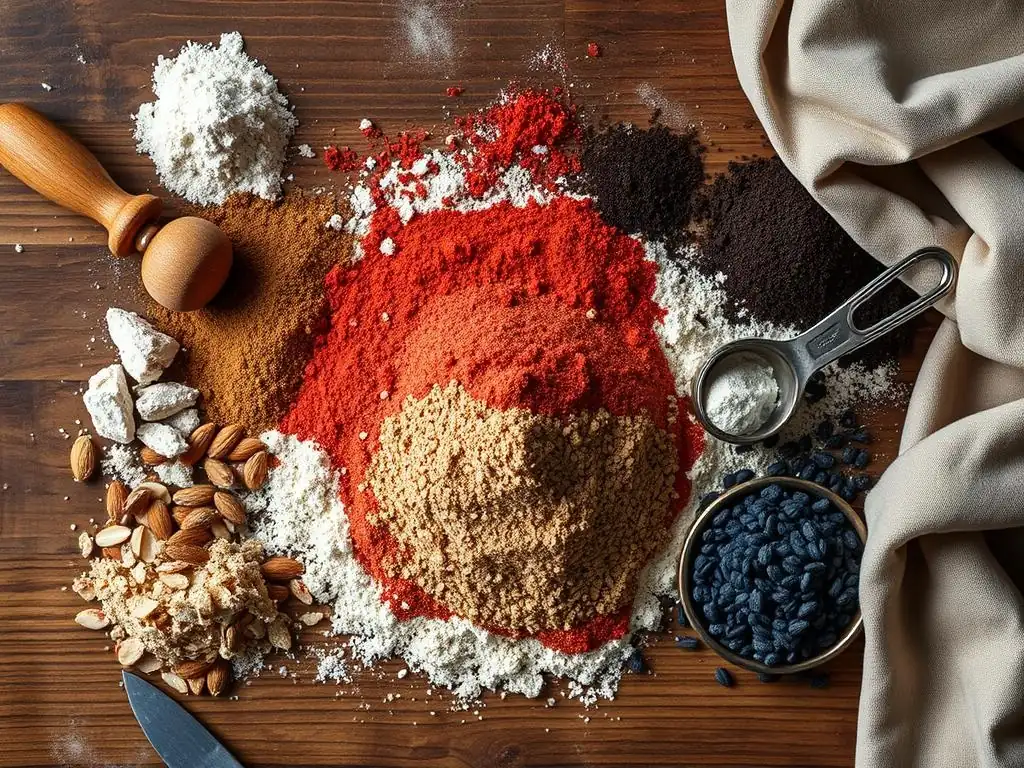
Whole Wheat Flour: Adding Nutrients and Flavor to Your Baking
Whole wheat flour is made from grinding the entire wheat kernel, including the bran, germ, and endosperm. This differs from white flours (like all-purpose, bread, cake, and pastry), which are milled from only the endosperm. Including the bran and germ means whole wheat flour is significantly more nutritious, containing more fiber, vitamins (like B vitamins), minerals (like iron and magnesium), and beneficial oils.
From a baking perspective, the presence of the bran and germ adds a distinct, earthy, and slightly nutty flavor. However, these components also affect texture and gluten development. The sharp edges of the bran can cut the developing gluten strands, and the germ contains fats that can interfere with gluten formation, often resulting in a denser loaf compared to one made with white bread flour. It also absorbs more liquid than white flour due to the fiber content.
Benefits of Whole Wheat Flour: Fiber, Nutrients, and Earthy Flavor
The primary benefits of using whole wheat flour in baking are its enhanced nutritional profile and its unique flavor. By incorporating the bran and germ, whole wheat flour provides substantially more dietary fiber, which is beneficial for digestive health and can help regulate blood sugar. It also contains a wider array of vitamins and minerals compared to refined white flours, which lose many nutrients during processing (though white flours are often enriched).
Beyond nutrition, whole wheat flour imparts a rustic, earthy flavor to baked goods that many people find appealing. This flavor is more pronounced than that of white flour and pairs well with ingredients like nuts, seeds, and dried fruits. While it can result in a denser texture, the trade-off in terms of health benefits and flavor is often worthwhile, especially for breads, muffins, and cookies.
Baking with Whole Wheat Flour: Adjusting Hydration and Gluten Development
Baking with 100% whole wheat flour presents some unique challenges compared to white flour, primarily due to its higher absorbency and the presence of bran and germ. Whole wheat flour typically requires more liquid than white flour because the bran absorbs a significant amount of water. Recipes often need to be adjusted to include more hydration to achieve the correct dough consistency.
Furthermore, the bran particles interfere with gluten development by physically cutting the protein strands. This means whole wheat doughs may feel less elastic and require longer kneading or a longer rest period (autolyse) to allow the bran to soften and the gluten to develop as much as possible. Often, bakers use a blend of whole wheat and white bread flour to get the nutritional benefits and flavor of whole wheat while maintaining sufficient gluten structure for a good rise.
Gluten-Free Flour Blends: Baking Without Gluten
Gluten-free baking relies on flour blends made from grains and starches that do not contain gluten, the protein found in wheat, barley, and rye. Since gluten is crucial for structure, elasticity, and trapping gases in traditional baking, gluten-free blends must combine various ingredients to mimic these functions. A single gluten-free flour rarely works as a direct substitute for wheat flour.
These blends are typically a mix of different flours and starches, such as rice flour (brown or white), tapioca starch, potato starch, sorghum flour, or millet flour. Often, a binder like xanthan gum or guar gum is added to the blend (or needs to be added separately to the recipe) to help provide structure and prevent crumbling, mimicking some of the properties that gluten provides.
Understanding Gluten-Free Flour Blends: Rice Flour, Tapioca Starch, and Potato Starch
Gluten-free flour blends are carefully formulated combinations of different ingredients, each contributing specific characteristics to the final baked good. Rice flour, both brown and white, often forms the base of many blends, providing structure and a relatively neutral flavor. White rice flour is finer and lighter, while brown rice flour adds more fiber and a slightly nuttier taste.
Tapioca starch (from the cassava root) and potato starch are common additions, contributing lightness, crispness, and binding properties. Other flours like sorghum, millet, or buckwheat can add flavor and nutrients. The goal is to create a blend that balances protein, starch, and fiber to provide structure, texture, and moisture retention without gluten. The ratios of these components vary significantly between commercial blends and homemade mixes, leading to different results in baking.
Baking Gluten-Free: Tips and Tricks for Successful Gluten-Free Baking
Baking without gluten requires understanding that the dough or batter will behave differently than wheat-based versions. Gluten-free doughs often lack the elasticity and extensibility of wheat dough and can be more crumbly or batter-like. Using binders like xanthan gum (typically ¼ to 1 teaspoon per cup of flour blend, depending on the recipe) is often essential to provide necessary structure and prevent baked goods from falling apart.
It's often best to follow recipes specifically developed for gluten-free baking, as they account for the unique properties of the flour blends and may include different mixing techniques or hydration levels. Allowing gluten-free batters or doughs to rest before baking can also improve texture. Experimentation is key, as different blends perform differently, but starting with a reliable recipe and understanding the role of binders are crucial steps for successful gluten-free baking.
Alternative Flours: Rye Flour, Spelt Flour, and Almond Flour
Beyond the common wheat and gluten-free blends, a world of alternative flours offers unique flavors, textures, and nutritional profiles for baking. Rye flour, milled from the rye grain, contains some gluten-like proteins but not the same type of gluten as wheat, resulting in dense, flavorful breads. Spelt flour, an ancient relative of wheat, contains gluten but in a different structure that is sometimes easier for people with mild gluten sensitivities to digest; it offers a slightly nutty flavor and works well in many recipes.
Almond flour, made from ground blanched almonds, is grain-free, gluten-free, and adds moisture, richness, and a subtle sweet flavor to baked goods. Other alternative flours include oat flour (often used in quick breads and cookies), coconut flour (highly absorbent and used in small quantities), and various nut and seed flours, each bringing its own unique characteristics to the baking process.
Exploring Alternative Flours: Unique Flavors and Textures for Baking
Alternative flours introduce a diverse palette of flavors and textures that can transform familiar baked goods. Rye flour, for example, imparts a distinct tangy, slightly sour flavor and creates a dense, hearty crumb, making it perfect for traditional rye bread but also interesting in crackers or muffins. Spelt flour has a milder, nutty taste compared to modern wheat and often yields a tender crumb, making it suitable for everything from loaves to pastries.
Almond flour provides a rich, slightly sweet flavor and contributes moisture and tenderness to baked goods like cookies, cakes, and macarons. Coconut flour, while very absorbent and requiring careful hydration, adds a tropical note and significant fiber. Exploring these flours allows bakers to move beyond standard textures and flavors, creating unique and exciting results that cater to different tastes and dietary needs.
Using Alternative Flours: Experimenting with Different Baking Recipes
Incorporating alternative flours into your baking often requires some experimentation and adjustment, as they behave differently than wheat flour. For flours containing gluten (like rye or spelt), you may need to adjust hydration levels or mixing times based on their protein structure. Rye's gluten doesn't develop the same way as wheat gluten, so rye breads often rely more on fermentation acids for structure and have a denser crumb. Spelt can often be substituted for wheat flour in a 1:1 ratio by weight, but the dough may be stickier.
For gluten-free alternative flours like almond or coconut flour, direct substitution for wheat flour is usually not possible. These flours require specific recipes formulated to account for their lack of gluten and high absorbency. Almond flour, for instance, adds fat and moisture and works well in recipes where a tender, slightly dense texture is desired. Coconut flour is incredibly absorbent and typically used in much smaller quantities. Start by finding recipes specifically designed for the alternative flour you want to use, and then feel free to experiment with blends once you understand their properties.
Understanding Flour Protein Content and Its Impact on Baking
The Role of Gluten in Baking: Strength and Structure
Gluten is perhaps the most critical component in wheat flour when it comes to baking structure. It's not present in dry flour but forms when the proteins gliadin and glutenin come into contact with liquid. As dough or batter is mixed and kneaded, these two proteins link together, creating an elastic network called gluten. This network is capable of stretching and expanding.
In yeast-leavened breads, the gluten network traps the carbon dioxide gas produced by the yeast, causing the dough to rise. During baking, this protein structure sets, providing the framework that gives bread its shape and chewy texture. Even in quick breads and cakes, where gluten development is minimized, the small amount of gluten formed still contributes some structure, preventing the baked goods from collapsing. The strength and elasticity of the gluten network are directly related to the protein content of the flour used.
How Protein Content Affects Texture: From Chewy to Tender
The percentage of protein in flour is a direct predictor of the potential gluten development and, consequently, the final texture of your baked goods. Flours with high protein content, like bread flour (12-14%), develop a strong, elastic gluten network, resulting in chewy textures characteristic of artisan breads, bagels, and pizza crusts. The extensive gluten strands provide significant structure and resistance to tearing.
Conversely, flours with low protein content, such as cake flour (6-8%), form minimal gluten. This lack of a strong protein network results in tender, delicate, and crumbly textures, which are highly desirable in cakes, pastries, and biscuits. All-purpose flour, with its moderate protein (10-12%), falls in between, offering a balance that can yield results ranging from moderately chewy to reasonably tender depending on how much the dough/batter is mixed. Understanding this relationship is fundamental to controlling the texture of your baking.
Adjusting Recipes Based on Flour Protein Content: Adding Vital Wheat Gluten or Reducing Mixing Time
While it's ideal to use the flour specified in a recipe, sometimes you may need to make adjustments or substitute. If you need to increase the effective protein content of an all-purpose flour to approximate bread flour for a yeast bread, you can add vital wheat gluten. This is a concentrated form of gluten protein, typically added at a rate of about 1 to 2 teaspoons per cup of flour. This boosts the protein level and improves gluten development for a stronger dough.
Conversely, if using a higher protein flour (like all-purpose) in a recipe that calls for lower protein flour (like cake flour) and you want to minimize toughness, you can reduce the mixing time significantly. Over-mixing develops more gluten. For delicate items like cakes or muffins, mix just until the ingredients are combined to limit gluten formation. While these adjustments can help, they may not perfectly replicate the results of using the intended flour type, but they offer ways to adapt when necessary.
Storing Flour Properly to Maintain Freshness and Quality
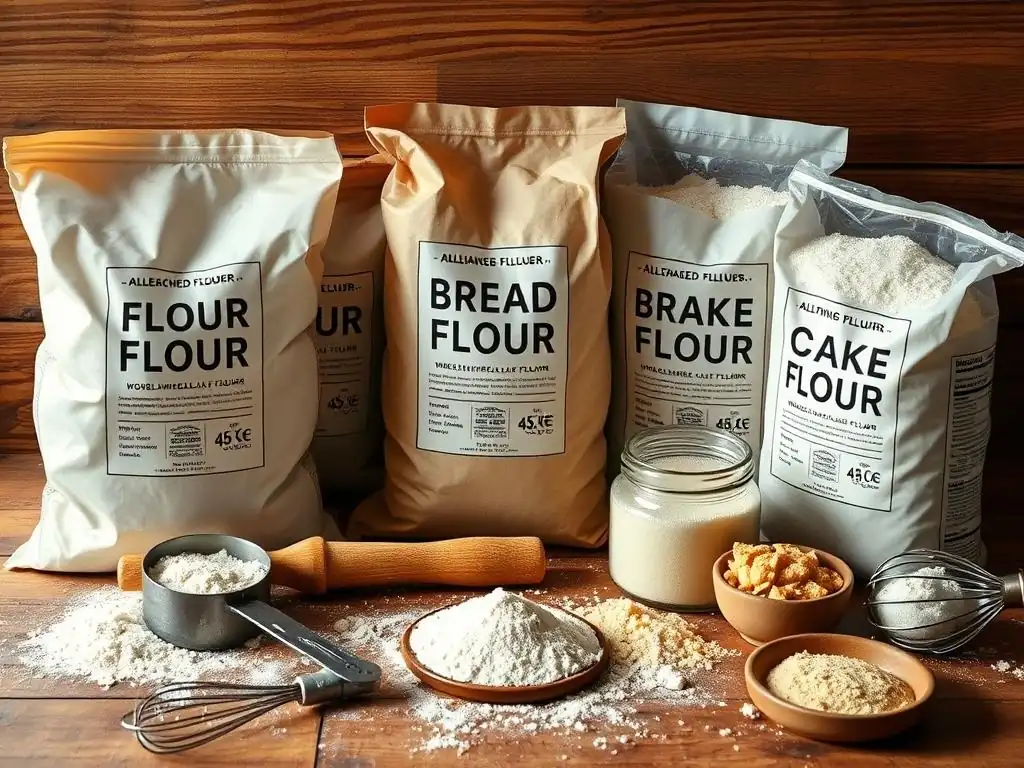
Best Practices for Flour Storage: Airtight Containers and Cool, Dry Places
Proper storage is essential to keep your different flour types fresh and prevent spoilage or pest infestation. Flour should always be stored in an airtight container. This protects it from moisture, which can lead to clumping and mold, and prevents it from absorbing odors from its surroundings. Airtight containers also act as a barrier against pantry pests like weevils.
Ideal storage conditions are cool, dry, and dark. Heat and light can degrade the quality of the flour and shorten its shelf life. A pantry or cupboard away from the oven or direct sunlight is suitable. While white flours (all-purpose, bread, cake, pastry) can last for several months stored this way (often 6-12 months), whole wheat flour and other whole grain or specialty flours (like nut flours) contain oils in the germ that can go rancid more quickly, typically lasting only 1-3 months at room temperature.
Recognizing Signs of Spoilage: Musty Smell, Presence of Bugs, and Clumping
It's important to inspect your flour before use, especially if it's been stored for a while. One of the first signs of spoilage is an off odor. Fresh flour has a neutral, slightly sweet smell; spoiled flour might smell musty, stale, or even slightly rancid (especially whole grain flours). If you detect an unpleasant odor, it's best to discard the flour.
Another clear sign is the presence of pantry pests, such as small beetles (weevils) or larvae. These pests are attracted to grains and can infest improperly stored flour. Clumping can also indicate that moisture has gotten into the flour, potentially leading to mold growth, which may not always be visible on the surface. If you notice bugs, significant clumping that doesn't break apart easily, or a strange smell, it's safest to dispose of the flour to avoid ruining your baked goods or risking health issues.
Extending Flour Shelf Life: Freezing Flour
For flours you don't use frequently, or for more perishable types like whole wheat, nut flours, or gluten-free blends, the freezer is an excellent option for extending shelf life. Freezing significantly slows down the oxidation of fats (preventing rancidity in whole grain/nut flours) and inhibits the growth of mold and the activity of pests.
Before freezing, ensure the flour is in a truly airtight and moisture-proof container or heavy-duty freezer bag to prevent freezer burn and moisture absorption. When you need to use the frozen flour, measure out the required amount and allow it to come to room temperature before incorporating it into your recipe. This prevents condensation from adding excess moisture to your dry ingredients. Stored properly in the freezer, most flours can last for up to 2 years.
Tips for Choosing the Right Flour for Your Baking Project
Matching Flour Type to Recipe Requirements: Bread - Bread Flour, Cake - Cake Flour
The most fundamental tip for choosing the right flour is to match the flour type to the desired outcome of your baked good, often guided by the recipe itself. As we've explored, bread recipes typically call for bread flour because its high protein content facilitates the strong gluten structure needed for chewy, airy loaves. Cake recipes, especially delicate ones, specify cake flour to ensure a tender, fine crumb due to its low protein.
For items like cookies, muffins, and quick breads where a balance of structure and tenderness is needed, all-purpose flour is usually the standard. Pastry flour is the go-to for flaky pie crusts and tender biscuits. Always check the recipe's recommended flour type and consider the characteristics you want in your final product. Understanding the impact of protein content on texture is your best tool here.
Experimenting with Different Flour Combinations: Creating Unique Flavors and Textures
Once you understand the basic properties of different flours, you can begin to experiment by combining them to achieve unique flavors and textures. For example, blending whole wheat flour with bread flour allows you to incorporate the nutritional benefits and earthy flavor of whole wheat while maintaining sufficient gluten development for a good rise and crumb structure in yeast breads (e.g., a 50/50 mix is common).
You might also mix a portion of rye flour into a wheat bread recipe for a subtle tang and denser texture, or combine almond flour with all-purpose flour in muffins or cookies for added moisture and a nutty flavor. For gluten-free baking, creating your own blends from individual flours and starches allows you to customize the texture and flavor profile for specific recipes. Don't be afraid to play around, starting with small substitutions and noting the results to discover new favorites.
Resources for Further Learning: King Arthur Baking Website, Local Baking Classes
To deepen your understanding of different flour types and baking techniques, there are many excellent resources available. Many reputable flour producers and baking ingredient suppliers, like the King Arthur Baking website, offer extensive online guides, articles, and videos detailing the properties of various flours and how to use them effectively. These sites often include conversion charts and expert tips.
Consider attending local baking classes offered by culinary schools, community centers, or specialty baking stores. Hands-on instruction can provide invaluable insights into how different flours behave in practice and allow you to ask questions. Baking books focused on specific types of baking (like bread baking or pastry) also provide detailed information on the flours best suited for those applications. Continuous learning and practice are key to mastering the art of using different flour types for baking.
Frequently Asked Questions
What are the main different flour types used in baking, and how do they differ?
Different flours include all-purpose flour, bread flour, cake flour, and pastry flour. They differ primarily in their protein content, which affects gluten development and the final texture of baked goods.
Why is it important to understand different flour types when baking?
Using the wrong flour can significantly impact the outcome. Understanding flour types allows you to choose the best one for a specific recipe, resulting in the desired texture and structure.
Can I substitute one type of flour for another, and what adjustments should I make?
Substitution is possible, but often requires adjustments. For instance, substituting bread flour for all-purpose might require less liquid due to the higher protein content.
What is the difference between bleached and unbleached all-purpose flour, and does it matter for my baking?
Bleached flour is treated with chemicals to whiten it and weaken the gluten, while unbleached flour ages naturally. Unbleached flour is often preferred for breads and recipes needing stronger structure.
Where can I find more information on different flour types and their best uses for baking?
BakeWithEase.com is an excellent resource for learning about different flour types, offering recipes, tips, and step-by-step guides. You'll find information on various flours and their applications.
Final Reflection: The Flour Power Within
Understanding the nuances of different flour types isn't just a baker's whim; it's the key to unlocking a world of culinary possibilities and achieving consistent, delicious results. The seemingly simple act of choosing a flour profoundly impacts the texture, flavor, and overall success of your baked goods. This exploration into the diverse world of flours highlights the crucial role this ingredient plays, far beyond simply providing structure.
The impact of flour choice extends far beyond the individual kitchen; it influences the very fabric of our culinary traditions and cultural heritage. Different regions boast unique flour varieties, reflecting local grains and historical practices. This diversity is a testament to the ingenuity and adaptability of bakers throughout history. Bread is the staff of life,
a simple phrase that belies the complex relationship between humanity and this fundamental ingredient, shaped so profoundly by the flour used. Understanding this connection allows us to appreciate the artistry and science behind baking on a deeper level.
Now, consider your own baking journey. What new flour will you experiment with? Will you explore the nutty depth of whole wheat, the airy lightness of cake flour, or the gluten-rich power of bread flour? The possibilities are as limitless as your imagination. Embrace the knowledge gained here, and let the flour become your secret weapon, empowering you to create baked goods that are not only delicious but also deeply satisfying, reflecting your own unique culinary voice.
Unleash Your Inner Baker: Flour Power Awaits!
Thanks for taking the time to explore the wonderful world of flours! We hope you now feel more confident in choosing the perfect flour for your next baking masterpiece. Ready to put your newfound knowledge into practice?
- Bake something amazing! Try out a new recipe using one of the flours you learned about – maybe that sourdough you've been eyeing?
- Share your baking journey! Post a picture of your creation on social media and tag us – we'd love to see what you bake!
- Deepen your flour knowledge: Explore our other articles on baking techniques and recipes for even more baking inspiration!
What unique flour are you most excited to experiment with, and what delicious treat will you create?