
German Cookie Baking for Beginners: An Easy and Delicious Start

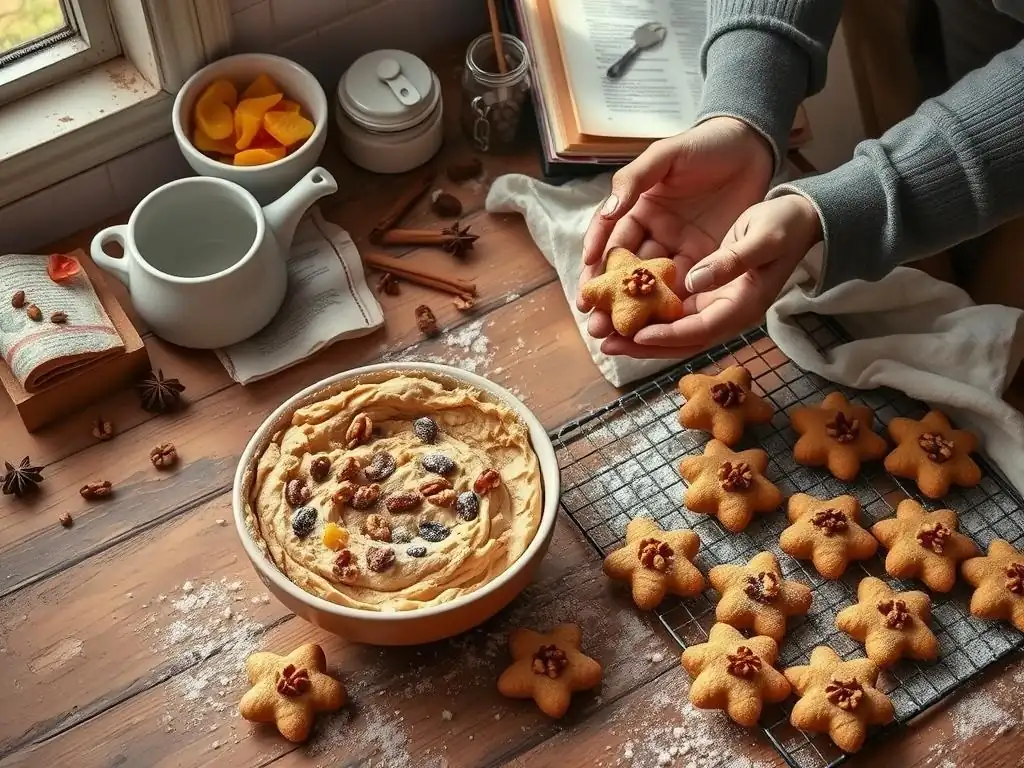
Welcome to BakeWithEase, your guide to unlocking the joy of baking! Ever dreamed of filling your kitchen with the warm, comforting aroma of freshly baked cookies? Dive into our world of simple recipes and expert tips, and discover the delightful secrets behind authentic baking. Today, we're starting with something truly special: Easy German cookie recipes. But what makes these cookies so unique, and how can you create them at home with ease? Let's find out!
- BakeWithEase Presents: Your Guide to Simple German Cookies
- Essential Tools and Equipment for German Cookie Baking
- Top 3 Easy German Cookie Recipes for Beginners
- Mastering the Basics: Dough Handling and Baking Techniques
- Troubleshooting Common Baking Problems in German Cookie Recipes
- Variations and Adaptations of Easy German Cookie Recipes
- Enjoying Your German Baking Delights: Serving Suggestions
- Conclusion: Embrace the Joy of Easy German Cookie Baking
-
Frequently Asked Questions
- What makes German cookie recipes easy for beginners?
- Where can I find easy-to-find ingredients for German cookies?
- What are some common types of easy German cookies to start with?
- What baking techniques are essential for making German cookies successfully?
- Are there any special tools or equipment needed to bake easy German cookies?
- Final Reflection: The Sweetness of Tradition, the Joy of Creation
- Unleash Your Inner Bäcker: Bake Your First German Cookie!
The Simplicity and Deliciousness of German Baking
German cookies, or Plätzchen as they are often called, are an ideal starting point for anyone new to baking. Many traditional German cookie recipes rely on fundamental baking techniques like creaming butter and sugar, mixing dough, and simple shaping methods like rolling, cutting, or forming small balls. Unlike some intricate pastries, the focus is often on the quality of basic ingredients and straightforward processes, making them less intimidating for novices. The inherent simplicity means that achieving a delicious result is highly probable, providing a rewarding experience early in your baking journey.
Furthermore, the flavors are wonderfully comforting and familiar, often centered around butter, vanilla, nuts, and warm spices like cinnamon and cloves. Think of the classic Butterplätzchen (butter cookies), a staple during the Christmas season but delightful year-round, which highlights pure butter flavor. Or the festive Zimtsterne (cinnamon stars), which require minimal ingredients but deliver a powerful punch of spice and almond. These easy German cookie recipes offer a taste of traditional European baking without demanding advanced skills, allowing beginners to build confidence while creating truly delightful treats.
Easy-to-Find Ingredients for Authentic German Treats
One of the great advantages of diving into easy German cookie recipes is that the required ingredients are standard pantry staples readily available in most supermarkets. You won't need to hunt for obscure flours or specialty extracts. The foundation of many recipes includes all-purpose flour, granulated sugar, butter, eggs, and baking powder or soda. Common additions like vanilla extract, ground cinnamon, ground cloves, almonds, and hazelnuts are also widely accessible.
Even for recipes that seem a bit more specific, like Haselnussmakronen (hazelnut macaroons), the key ingredient is ground hazelnuts, which are commonly sold in baking aisles or can be easily made by processing whole hazelnuts. This accessibility removes a significant barrier for beginners who might be discouraged by recipes requiring specialized components. Mastering these easy German cookie recipes is not just about learning techniques; it's also about discovering how simple, everyday ingredients can be transformed into exquisite baked goods right in your own kitchen.
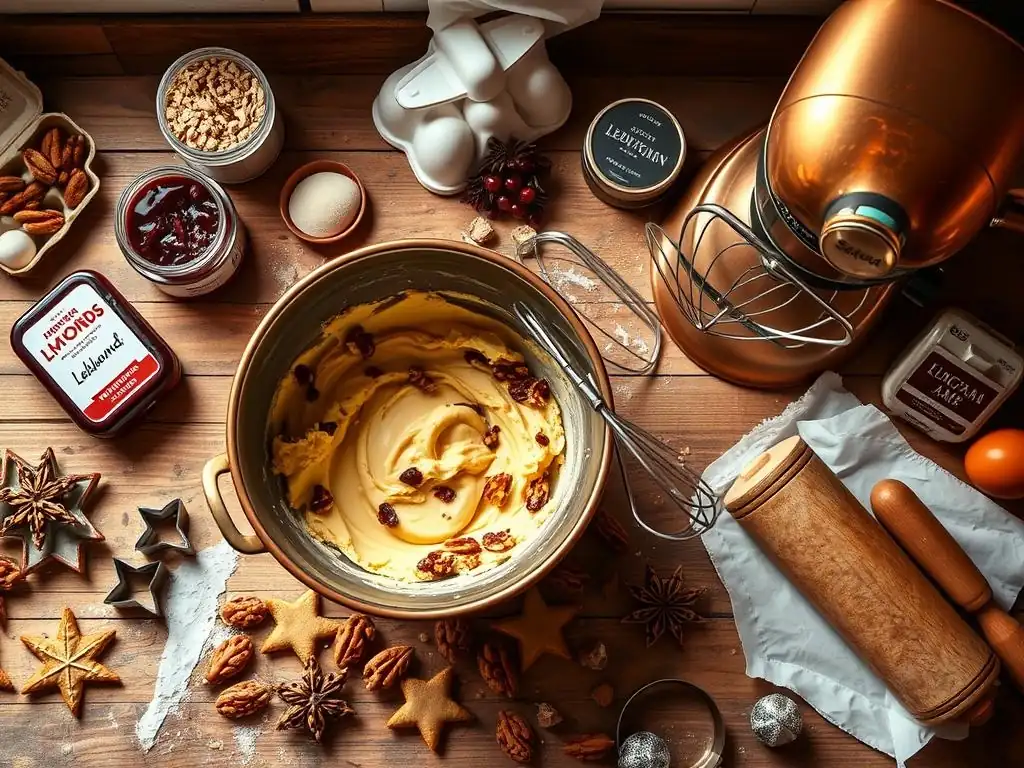
To successfully tackle easy German cookie recipes, you don't need a professional kitchen setup, but a few essential tools will make the process much smoother. A good set of mixing bowls in various sizes is crucial for combining ingredients without spills. Measuring cups and spoons are non-negotiable for accuracy, especially when starting out, as precise ratios are key in baking. A hand mixer or a stand mixer is highly recommended for creaming butter and sugar properly, which is vital for cookie texture.
Other indispensable items include a sturdy rolling pin for flat cookie doughs like Butterplätzchen, and cookie cutters, which are part of the fun! Parchment paper or silicone baking mats are essential for lining baking sheets, preventing sticking and ensuring even baking. Finally, multiple baking sheets allow you to bake batches efficiently, and a wire cooling rack is necessary for letting your freshly baked easy German cookies cool completely before storing or decorating.
Tips for Choosing the Right Equipment for Beginners
When starting with easy German cookie recipes, opt for reliability and simplicity in your tools rather than fancy gadgets. For mixing, a basic electric hand mixer is perfectly adequate and more budget-friendly than a stand mixer. Look for measuring tools that are clearly marked and durable. For rolling pins, a classic wooden one is versatile and easy to handle. Don't feel pressured to buy dozens of cookie cutters; start with a few basic shapes like circles, stars, or hearts.
Investing in good quality baking sheets that are flat and heavy will help distribute heat evenly, preventing burnt bottoms or pale tops on your easy German cookies. Non-stick versions or always using parchment paper simplifies cleanup. A simple wire rack is sufficient for cooling; ensure it allows air circulation underneath the cookies. Remember, the goal is to make baking easy and enjoyable, so choose tools that feel comfortable and are simple to use and clean.
Butterplätzchen are the quintessential German cookie, especially popular around Christmas, but truly a delight any time of year. Their appeal lies in their straightforward dough and the simple joy of cutting out shapes and decorating them. This is arguably one of the easiest German cookie recipes to master, requiring minimal technique but delivering a buttery, crisp result that everyone loves. The dough is forgiving and handles well, making it perfect for practicing rolling and cutting skills.
The key to delicious Butterplätzchen is good quality butter and not overworking the dough. Once baked, they are a blank canvas for creativity, whether you choose to decorate them with simple icing, sprinkles, or leave them plain to appreciate their pure, rich flavor. Making these easy German cookies is a fantastic way to introduce yourself to classic European baking methods and create a batch of simple, crowd-pleasing treats.
Ingredients for Easy Butterplätzchen
250gunsalted butter, softened150ggranulated sugar1large egg1teaspoon vanilla extract350gall-purpose flour- A pinch of salt
Step-by-Step Baking Instructions for Perfect Butterplätzchen
- Cream the softened butter and sugar in a large bowl until light and fluffy, about 3-5 minutes.
- Beat in the egg and vanilla extract until well combined.
- In a separate bowl, whisk together the flour and salt.
- Gradually add the dry ingredients to the wet ingredients, mixing on low speed until just combined and a dough forms. Do not overmix.
- Divide the dough into two discs, wrap in plastic wrap, and chill in the refrigerator for at least 30 minutes (or up to 2 days).
- Preheat your oven to
180°C (350°F). Line baking sheets with parchment paper. - On a lightly floured surface, roll out one disc of chilled dough to about
5mmthickness. - Cut out shapes using your favorite cookie cutters. Carefully transfer cookies to the prepared baking sheets.
- Bake for 10-12 minutes, or until the edges are lightly golden.
- Let cookies cool on the baking sheet for a few minutes before transferring to a wire rack to cool completely.
Tips for Decorating Your Butterplätzchen
Decorating Butterplätzchen is part of the fun! A simple glaze can be made by mixing powdered sugar with a little milk or lemon juice until it reaches a pourable consistency. You can also use melted chocolate, sprinkles, edible glitter, or small candies. For a traditional look, brush the tops with a beaten egg yolk mixed with a tablespoon of milk before baking, then sprinkle with coarse sugar. Get creative and make each cookie unique!
Recipe 2: Simple German Cinnamon Stars (Zimtsterne) - Gluten-Free Option
Zimtsterne are elegant, chewy cookies with a distinctive star shape and a rich cinnamon-almond flavor, often topped with a crisp meringue. What makes this one of the easy German cookie recipes is that the dough is typically made without flour, relying on ground almonds or hazelnuts, making them naturally gluten-free. The process involves mixing ground nuts, sugar, cinnamon, and stiffly beaten egg whites, followed by cutting out shapes and applying a meringue topping before baking.
While shaping requires a little care, the dough is relatively simple to handle compared to traditional flour-based cookie doughs. The result is a fragrant, festive cookie that is both beautiful and delicious, showcasing classic German flavors. Mastering Zimtsterne allows beginners to work with alternative flours (nuts) and practice meringue technique, expanding their baking repertoire with minimal complexity.
Ingredients for Easy Zimtsterne
3large egg whites250gpowdered sugar, sifted1teaspoon ground cinnamon200gfinely ground almonds (or hazelnuts)- Extra powdered sugar for dusting
Baking Instructions for Delicious Cinnamon Stars
- Beat the egg whites in a clean, grease-free bowl using an electric mixer until stiff peaks form.
- Gradually add about
100gof the sifted powdered sugar, continuing to beat until the meringue is thick and glossy. This will be your topping. Reserve about 1/4 of this meringue for later. - Gently fold the remaining
150gpowdered sugar, ground almonds, and cinnamon into the larger portion of the meringue using a spatula until just combined into a dough. - Dust your work surface generously with powdered sugar. Roll or pat out the dough to about
1 cmthickness. - Dip a star-shaped cookie cutter in powdered sugar before each cut to prevent sticking. Cut out stars and place them on baking sheets lined with parchment paper.
- Spread a thin layer of the reserved meringue topping over each star using a small spatula or knife.
- Let the cookies air dry at room temperature for at least 4-6 hours, or overnight, until the surface is dry to the touch. This helps the meringue set before baking.
- Preheat your oven to a very low temperature, around
140°C (275°F). - Bake the Zimtsterne for 15-20 minutes. They should remain pale and slightly chewy inside, with a firm meringue topping. Do not let them brown.
- Let cool completely on the baking sheet before carefully transferring.
Achieving the Perfect Star Shape for Zimtsterne
Working with the sticky almond dough for Zimtsterne requires a generous amount of powdered sugar on your work surface, rolling pin (if used for patting), and especially on your cookie cutter. Dip the cutter into powdered sugar before cutting each individual star. This prevents the dough from sticking inside the cutter and helps you achieve clean, defined edges. If the dough becomes too soft while working, pop it back into the refrigerator for 10-15 minutes. Patience and a liberal hand with the powdered sugar are key to beautifully shaped cinnamon stars.
Haselnussmakronen are wonderfully chewy, nutty cookies that are incredibly simple to make, making them another excellent addition to your collection of easy German cookie recipes. Like Zimtsterne, they are often made without flour, relying on ground hazelnuts and egg whites, which naturally makes them gluten-free. The method is straightforward: whip egg whites, fold in sugar and ground hazelnuts, and spoon small mounds onto a baking sheet.
These macaroons are quick to mix up and bake relatively fast. Their rustic, slightly cracked appearance is part of their charm, so there's no pressure for perfect uniformity. The intense hazelnut flavor and chewy texture are truly satisfying. This recipe is ideal for beginners looking for a quick win in the kitchen, resulting in delicious cookies with minimal effort and ingredients.
Ingredients for Easy Haselnussmakronen
2large egg whites100ggranulated sugar1teaspoon vanilla extract200gfinely ground hazelnuts- Whole hazelnuts for topping (optional)
Baking Instructions for Chewy Hazelnut Cookies
- Preheat your oven to
160°C (325°F). Line baking sheets with parchment paper. - In a clean, grease-free bowl, beat the egg whites using an electric mixer until stiff peaks form.
- Gradually add the granulated sugar, one tablespoon at a time, beating until the meringue is thick, glossy, and the sugar is dissolved (about 5-7 minutes).
- Gently fold in the vanilla extract and the finely ground hazelnuts using a spatula until just combined. Be careful not to deflate the meringue.
- Drop rounded teaspoons or small mounds of the mixture onto the prepared baking sheets, leaving about 2-3 cm space between them.
- If desired, gently press a whole hazelnut into the center of each cookie.
- Bake for 12-15 minutes, or until the edges are lightly golden and the centers are slightly soft. They should feel firm but still a bit chewy.
- Let the cookies cool completely on the baking sheet before carefully removing them.
Tips for Preventing Your Macaroons from Spreading
While a little natural spread is expected with Haselnussmakronen, excessive spreading can lead to flat, thin cookies. Ensure your egg whites are beaten to very stiff peaks before folding in the sugar and hazelnuts – this structure is key to the cookie's shape. Also, avoid overmixing once the hazelnuts are added, as this can deflate the meringue. Ensure your ground hazelnuts are finely ground; coarse nuts can sometimes affect the structure. Baking at the specified lower temperature ( 160°C or 325°F) is also crucial, as it allows the cookies to set properly without spreading too quickly.
Mastering the Basics: Dough Handling and Baking Techniques
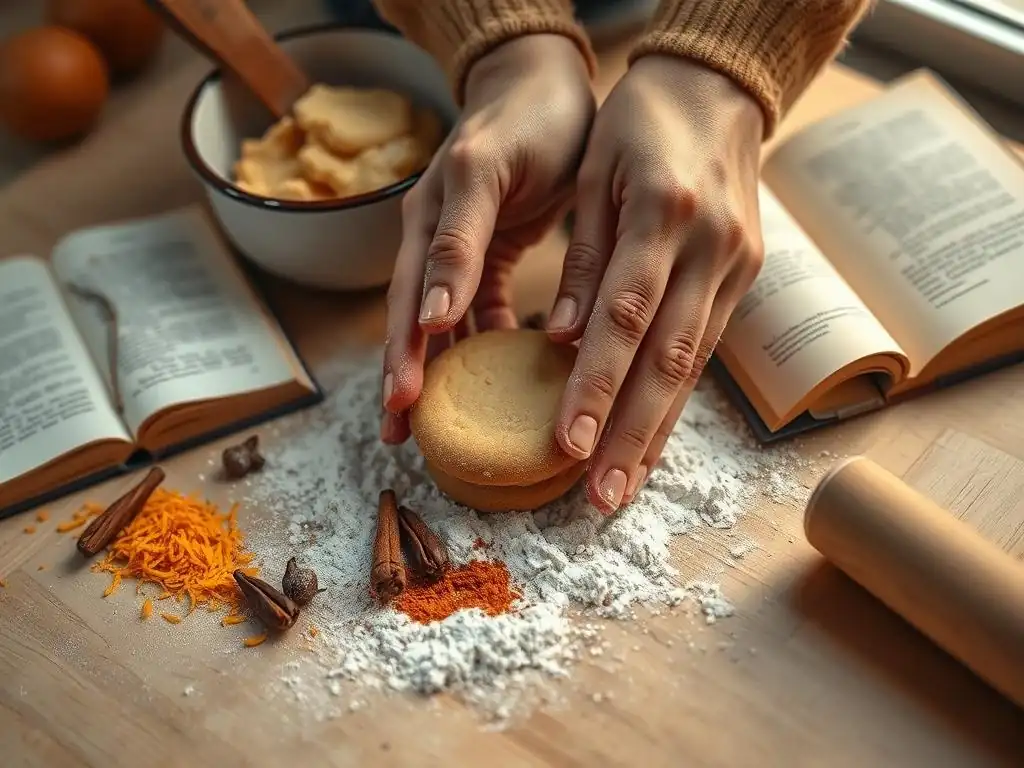
Proper dough handling is fundamental to successful cookie baking, especially with easy German cookie recipes that often involve rolling and cutting. For recipes like Butterplätzchen, chilling the dough is a non-negotiable step. Chilling solidifies the butter, making the dough much easier to roll without sticking and helps the cookies hold their shape while baking. Aim for at least 30 minutes, but chilling for a few hours or even overnight often yields better results. When rolling, work on a lightly floured surface, but avoid adding excessive flour, which can make the cookies tough and dry.
For softer, stickier doughs like those used for Zimtsterne or Haselnussmakronen, which aren't typically rolled, using parchment paper is your best friend. Spooning or piping the dough directly onto parchment prevents sticking and makes transfer easy. If the dough is too sticky to handle or scoop neatly, chilling it briefly (15-20 minutes) can make it more manageable. Always handle dough gently; overworking can develop gluten in flour-based doughs, leading to tough cookies, and can deflate the meringue in nut-based macaroons.
Baking time and temperature are critical variables that significantly impact the final texture of your easy German cookies. Most cookie recipes call for baking at moderate temperatures, typically between 160°C (325°F) and 180°C (350°F). Baking at too high a temperature can cause the edges to burn while the centers remain raw, while too low a temperature might result in cookies that spread too much or are overly pale and lack crispness (unless a chewy texture is desired, as with macaroons).
Pay close attention to the recommended baking time range in your recipe, but use it as a guideline. Ovens can vary, and the exact time needed will depend on the size and thickness of your cookies and your specific oven's calibration. Look for visual cues: Butterplätzchen are done when the edges are lightly golden, while Zimtsterne should remain pale with a set meringue top.
Haselnussmakronen are ready when the edges are firm and slightly colored, and the centers are still a bit chewy. It's often better to underbake slightly than overbake, especially for cookies intended to be soft or chewy.
Proper cooling and storage are the final steps to ensure your easy German cookies maintain their delicious texture and flavor. After baking, allow cookies to rest on the hot baking sheet for a few minutes (usually 2-5 minutes) before attempting to move them. This allows them to firm up slightly, reducing the risk of breakage, especially for delicate or crumbly types. After this initial rest, carefully transfer the cookies to a wire cooling rack using a spatula.
Ensure cookies cool completely on the wire rack before storing them. Storing warm cookies can create condensation, leading to sogginess. Once fully cooled, store your cookies in an airtight container at room temperature. Different types of cookies can be stored together, but be mindful that strong flavors might transfer. For best results, store different varieties separately. Most easy German cookie recipes will keep well for 1-2 weeks when stored properly, although their freshness is highest in the first few days.
Dry, crumbly cookies are a common issue that can plague even the easiest German cookie recipes. This problem is often caused by too much flour or not enough liquid/fat. When measuring flour, avoid scooping directly from the bag, as this can compact the flour and lead to using too much; instead, spoon the flour into your measuring cup and level it off. Ensure your butter is properly softened (but not melted) when creaming, as this incorporates air and moisture into the dough.
If your dough feels excessively dry and crumbly before baking, you can sometimes rescue it by adding a tiny amount of liquid, like a teaspoon of milk or cream, and mixing minimally until the dough just comes together. However, prevention is key: measure accurately, use ingredients at the correct temperature (softened butter, room temperature eggs), and avoid overmixing the dough once the flour is added.
Preventing Spread: Chilling and Flour Adjustments
Cookies that spread into flat, shapeless discs are another common baking woe. This is often due to butter that is too soft or melted, dough that hasn't been chilled sufficiently, or an incorrect ratio of flour to fat/sugar. For easy German cookie recipes like Butterplätzchen that rely on cut shapes, chilling the dough before rolling and cutting, and often chilling the cut shapes again before baking, is crucial. Cold butter melts slower in the oven, helping the cookies hold their structure.
Ensure your butter is softened, not melted, when creaming. Using cold eggs straight from the fridge can also help keep the dough temperature down. In some cases, slightly increasing the amount of flour (by a tablespoon or two) can help if a recipe consistently spreads too much, but this should be done cautiously to avoid dryness. Ensure your oven temperature is accurate; an oven that is too cool can cause excessive spreading before the cookie sets.
Cracked surfaces on cookies, particularly on macaroons like Haselnussmakronen or cookies with a low moisture content, can occur if the cookie dries out too quickly during baking or if the dough is too stiff. For macaroon-style cookies, ensuring the meringue base is properly whipped and the nuts are gently folded in helps maintain moisture. Baking at a slightly lower temperature ( 160°C or 325°F) for a bit longer can also help prevent the surface from setting and cracking before the interior is baked.
For roll-and-cut cookies, a dough that is too dry from the start (due to too much flour or not enough fat/liquid) is the main culprit. Ensure accurate measuring and proper ingredient temperatures. If rolling, avoid adding excessive flour to the surface, which can be incorporated into the dough. Sometimes, slightly humid conditions can help prevent cracking, but relying on proper dough hydration and controlled baking temperature is a more reliable approach.
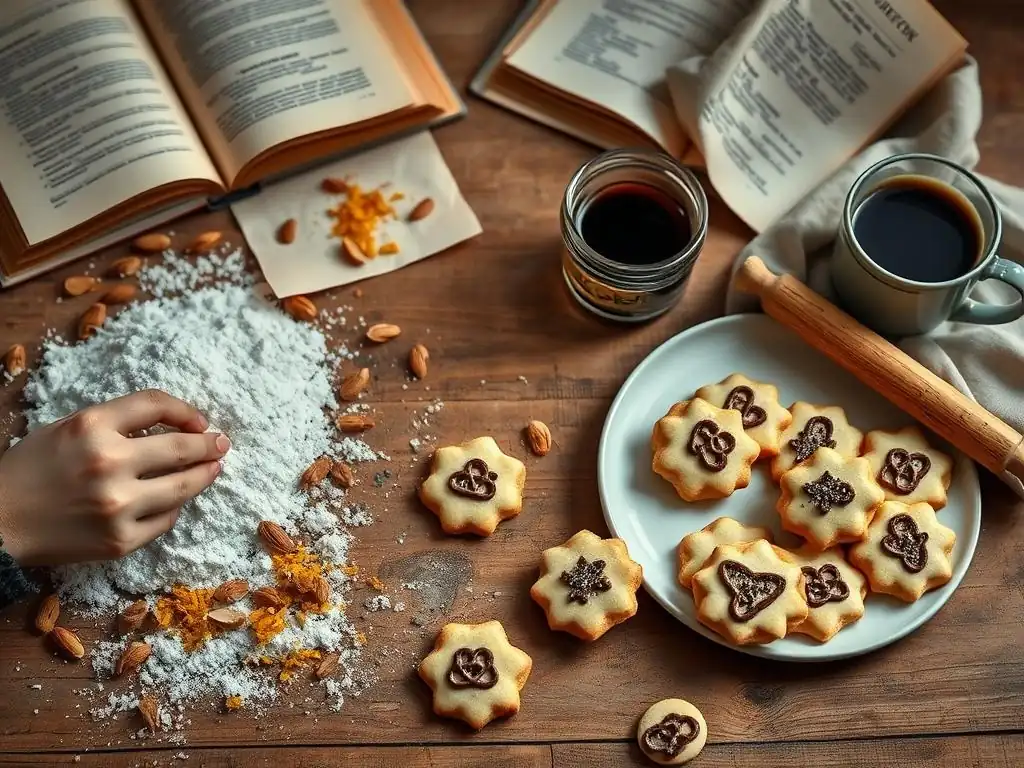
Once you've mastered the basic easy German cookie recipes, feel free to experiment with flavor variations. For Butterplätzchen, you can substitute a portion of the vanilla extract with almond extract for a nutty undertone, or add citrus zest (lemon or orange) to the dough for brightness. Incorporating warm spices like cardamom, nutmeg, or a pre-mixed gingerbread spice blend can transform the basic butter cookie into something festive and new.
For nut-based macaroons like Haselnussmakronen, you can substitute hazelnuts with other ground nuts like almonds or walnuts for a different flavor profile. Adding a pinch of clove or a touch of orange zest can also complement the nuttiness beautifully. Consider adding finely chopped chocolate or cocoa powder to the dough for a chocolatey twist on many easy German cookie recipes. Start with small additions (like 1/2 to 1 teaspoon of spice per batch) and adjust in future batches based on your preference.
Vegan and Gluten-Free Adaptations for Dietary Needs
Adapting easy German cookie recipes for dietary needs is often quite achievable. For gluten-free versions of flour-based cookies like Butterplätzchen, a good quality gluten-free all-purpose flour blend (one that contains xanthan gum) can often be substituted directly. You might need a tiny bit more liquid or a brief rest time for the dough to hydrate properly. As mentioned earlier, Zimtsterne and Haselnussmakronen are naturally gluten-free as they use ground nuts instead of flour, making them excellent options for those avoiding gluten.
Creating vegan versions typically involves replacing butter with a plant-based butter substitute and eggs with an egg replacer. For cookies where the egg is primarily a binder, options like applesauce, mashed banana, or commercial egg replacers can work. For recipes where egg whites are whipped (like Zimtsterne or Haselnussmakronen), aquafaba (the liquid from canned chickpeas) can be whipped into a meringue-like consistency to replace the egg whites. Experimentation is key when adapting recipes, so start with small batches.
Part of the fun of making easy German cookie recipes like Butterplätzchen is the opportunity for creative shaping and design. While traditional shapes are charming, feel free to use any cookie cutters you like – animals, letters, geometric shapes. For macaroons, instead of simple mounds, you can try piping them using a piping bag with a round tip for a more uniform look.
Beyond cut-outs, consider shaping dough by hand into small balls, pressing them flat with a fork (like peanut butter cookies), or rolling the dough into logs, chilling them, and then slicing into rounds before baking. For a marbled effect, lightly swirl together two different colored doughs before rolling and cutting. Decorating techniques can range from simple sprinkles and glazes to more detailed royal icing or using edible markers. Let your imagination run wild and make your easy German cookies uniquely yours!
Enjoying Your German Baking Delights: Serving Suggestions
Easy German cookie recipes are meant to be enjoyed, and they pair beautifully with warm beverages. A classic combination is serving cookies with a cup of freshly brewed coffee ( Kaffee). The rich, sometimes spicy, and buttery flavors of the cookies complement the bitterness of coffee wonderfully. For a lighter option, tea is also an excellent companion. Herbal teas or classic black teas provide a soothing backdrop for the cookie's sweetness.
During the festive season, or on a chilly evening, pairing your homemade German cookies with Glühwein (mulled wine) is a traditional and delightful experience. The warm, spiced wine enhances the cinnamon and nutty notes often found in German cookies like Zimtsterne or spice-infused Butterplätzchen. Serving a small platter of assorted easy German cookies alongside these drinks creates a cozy and inviting atmosphere for sharing with family and friends.
Homemade easy German cookies make wonderful gifts, especially during holidays or for special occasions. Thoughtful packaging elevates the gift and shows the care you put into baking. Simple cellophane bags tied with festive ribbons are quick and allow the beautiful cookies to be seen. Small decorative tins or boxes lined with parchment paper are also excellent choices, offering protection and a reusable container for the recipient.
For an extra touch, consider layering different types of easy German cookies with small sheets of parchment paper in the tin to prevent them from sticking or breaking. Add a handwritten tag listing the types of cookies included. Presenting a selection of your easy German cookie recipes – maybe a mix of buttery, nutty, and spiced varieties – offers a delightful tasting experience and a truly personal gift that will be warmly appreciated.
Frequently Asked Questions
German cookie recipes often use simple ingredients and straightforward techniques, making them a great starting point for new bakers. Many recipes also have easily achievable results.
Most German cookie recipes rely on common pantry staples like flour, butter, sugar, and eggs, readily available at most grocery stores. Specialty ingredients are often optional or easily substituted.
Popular beginner-friendly options include Vanillekipferl (vanilla crescent cookies), Zimtsterne (cinnamon stars), and Butterplätzchen (butter cookies). These generally involve simple mixing and shaping.
Proper measuring of ingredients is crucial for consistent results. Understanding how to cream butter and sugar correctly is another important technique. Avoid overbaking!
Generally, you'll only need basic baking equipment like mixing bowls, measuring cups and spoons, baking sheets, and parchment paper. Cookie cutters can enhance the visual appeal, but are not always necessary.
Final Reflection: The Sweetness of Tradition, the Joy of Creation
The simple act of baking a German cookie transcends mere culinary creation; it's a direct connection to a rich cultural heritage, readily accessible to anyone, regardless of experience. These easy recipes, designed for beginners, offer a delightful entry point into a world of delicious flavors and time-honored techniques. The ease of preparation belies the profound satisfaction derived from crafting something beautiful and delicious from scratch.
The enduring appeal of traditional recipes lies not just in their taste, but in the stories they carry, the memories they evoke, and the connections they forge. Baking these cookies isn't simply following a recipe; it's participating in a centuries-old tradition, a silent conversation across generations. As I researched and tested these recipes, I was struck by the sense of community and shared experience that surrounds baking, a sentiment beautifully captured by this quote: The best things in life are the people we love, the places we've been, and the memories we've made along the way.
Baking these cookies, in a way, becomes a tangible manifestation of this sentiment.
Now, it's your turn. Don't be intimidated by the prospect of creating something authentic and delicious. Choose a recipe, gather your ingredients, and embark on this delightful journey. Let the aroma of warm spices and sweet dough fill your kitchen, and allow yourself to be transported to a world of warmth, tradition, and the simple joy of creating something truly special. The experience, I promise, will be as rewarding as the taste.
Thanks for taking the time to explore the delightful world of German baking! We hope you’ve gained some confidence and inspiration to create your own delicious treats. Now it's time to put your newfound knowledge into action.
- Bake your first Springerle cookie! This is your chance to experience the unique flavour and texture firsthand. We've made it easy to follow – just grab the recipe and get started.
- Share your baking journey! Snap a photo of your creation and post it on social media using #BakeWithEaseGermanCookies. We'd love to see your results.
- Explore other classic German cookie recipes on BakeWithEase.com (Not included per instructions)
Ready to transform your kitchen into a little piece of Germany? What’s the first German cookie you plan on mastering?