
Elevate Your Baking: A Detailed Look at the Best Butters for Every Need

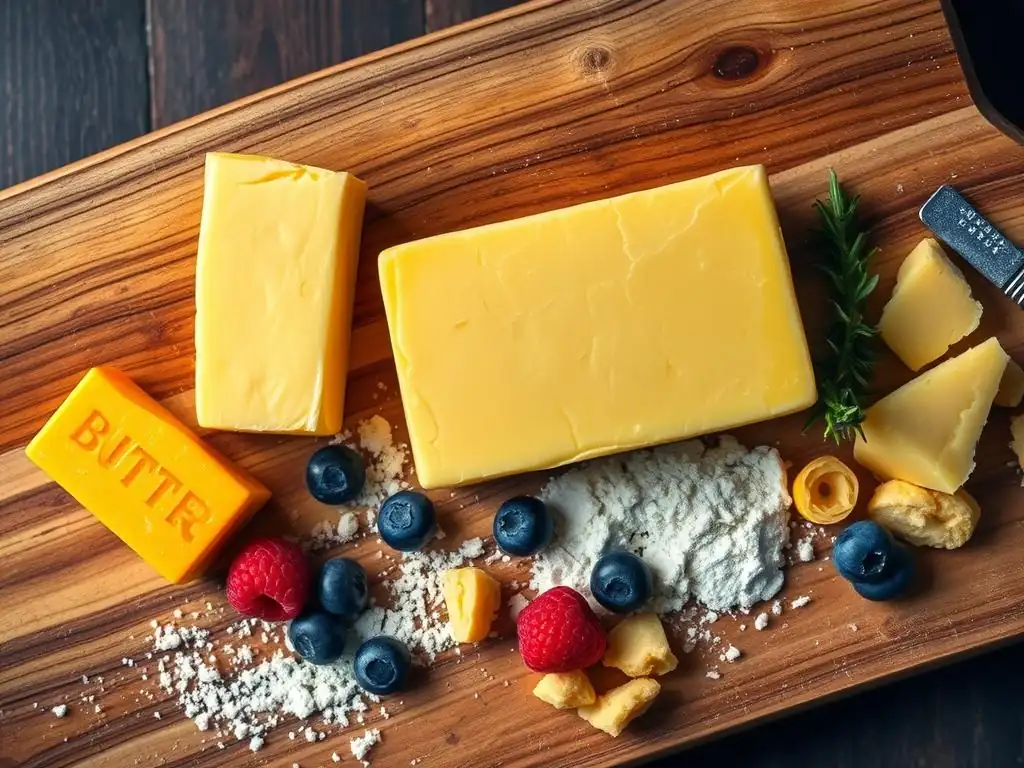
Welcome to BakeWithEase, your guide to unlocking baking brilliance! Ever wondered if the best butter for baking truly makes a difference? Prepare to have your assumptions challenged and your recipes elevated. Discover the secrets behind achieving that perfect crumb, flaky crust, and irresistibly rich flavor – it all starts with the butter you choose. Let's dive in and explore the world of premium baking ingredients, one delicious pat at a time.
- Introduction: Finding the Perfect Butter for Baking Success
- Understanding Baking Butter: Types and Their Properties
- The Best Butters for Baking: A Comprehensive Review & Comparison
- Choosing the Right Butter for Your Baking Project: A Decision Guide
- Tips & Tricks for Baking with Butter: Maximizing Flavor and Texture
- Conclusion: Mastering Baking with the Best Butter
-
Frequently Asked Questions
- What makes one butter "better" than another for baking?
- Why does BakeWithEase recommend using unsalted butter in most baking recipes?
- Can I substitute margarine or a butter alternative for real butter in baking recipes?
- What's the difference between European-style butter and regular butter, and when should I use it?
- How does the temperature of butter affect baking results?
- Final Reflection: The Golden Standard of Baking – Butter's Enduring Power
- Unleash Your Inner Pastry Chef!
Introduction: Finding the Perfect Butter for Baking Success
Why Butter Matters: The Cornerstone of Delicious Baked Goods
Butter is far more than just an ingredient; it's the foundation upon which countless beloved baked goods are built. Its unique composition of fat, water, and milk solids interacts in complex ways during baking, contributing significantly to texture, flavor, and structure. The fat content, typically around 80% in standard American butter, is crucial for creating tenderness by coating flour particles and preventing excessive gluten development. It also provides richness and helps carry flavors throughout the bake.
Beyond tenderness, butter plays a vital role in leavening. In recipes like cookies, cakes, and muffins, creaming butter with sugar creates tiny air pockets that expand in the oven, contributing to a light and airy texture. For flaky pastries like pie crusts or croissants, cold butter is cut into the flour, creating layers that steam apart during baking, resulting in those desirable delicate flakes. The milk solids in butter toast and caramelize, adding depth and a signature golden color and nutty flavor. Choosing the best butter for baking is the first step towards achieving truly exceptional results.
BakeWithEase's Guide to the Best Butters: Taste Test & Comparison
Welcome to the BakeWithEase comprehensive guide, designed to help you navigate the world of butter and find the best butter for baking all your favorite treats. We understand that with so many options available – from standard supermarket sticks to artisanal European varieties and plant-based alternatives – deciding which butter is right for your specific baking project can be overwhelming. Our goal is to demystify the choices and provide clear insights based on performance, flavor, and suitability for different recipes.
In this guide, we delve into the properties that make certain butters stand out, offering a detailed look at popular and premium options. We've considered how factors like fat percentage, salt content, and culturing affect the final outcome of your baked goods. Whether you're aiming for the flakiest pie crust, the richest cookie, or the most tender cake, our taste test and comparison will help you understand the nuances and make informed decisions. Get ready to elevate your baking game by selecting the best butter for baking success, every time.
Understanding Baking Butter: Types and Their Properties
Salted vs. Unsalted Butter for Baking: A Crucial Difference
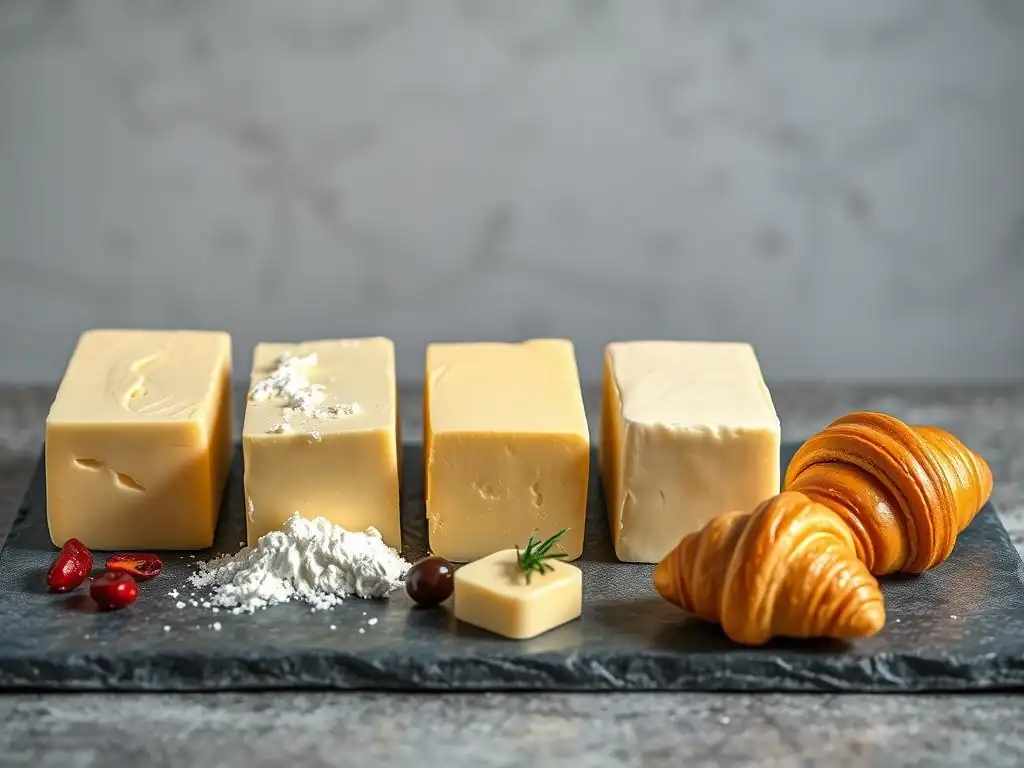
One of the most fundamental distinctions when choosing butter for baking is whether it contains salt. Unsalted butter is widely preferred by professional bakers and recipe developers because it provides complete control over the amount of salt in a recipe. The salt content in salted butter can vary significantly between brands, typically ranging from 1.5% to 3% by weight. Using salted butter when a recipe calls for unsalted can lead to baked goods that are unexpectedly salty, throwing off the intended flavor balance.
Furthermore, the salt in salted butter can affect its shelf life and moisture content compared to unsalted varieties. Unsalted butter is often fresher on the shelves because salt acts as a preservative, meaning older stock might be sold as salted butter.
For precise and consistent results, especially in delicate pastries or recipes where butter flavor is paramount, unsalted butter is generally the best butter for baking. If you only have salted butter on hand and a recipe requires unsalted, you can sometimes adjust the added salt, but it's not an exact science and unsalted is always the safer bet for predictable outcomes.
European-Style Butter: High Fat Content for Richer Flavor
European-style butter is known for its higher fat content compared to traditional American butter. While American butter typically contains a minimum of 80% butterfat, European-style varieties often boast 82% to 84% butterfat. This higher fat percentage means less water content, resulting in a richer flavor, a more pliable texture at room temperature, and superior performance in recipes where butter is key to texture, like flaky pastries and tender cakes.
The higher fat content contributes to more distinct layers in croissants and puff pastry, and a more tender crumb in cakes and cookies. Many European-style butters, like Kerrygold or Vermont Creamery, are also cultured, meaning active bacterial cultures are added to the cream before churning. This culturing process develops a slightly tangy, more complex flavor profile that adds another layer of deliciousness to baked goods. For bakers seeking premium results and a richer taste, European-style butter is often considered among the best butter for baking.
Clarified Butter (Ghee): The Ideal Choice for High-Heat Baking
Clarified butter, often known as ghee in Indian cuisine, is butter that has been gently heated to separate the milk solids and water from the butterfat. The milk solids are skimmed off, and the water evaporates, leaving behind pure butterfat. This process results in a product with a much higher smoke point – around 450-480°F (230-250°C) for ghee, compared to 300-350°F (150-175°C) for regular butter – making it excellent for high-heat cooking applications like searing or frying.
While not a direct substitute for solid butter in most creaming or cut-in methods used in traditional baking, clarified butter or ghee can be useful in specific baking contexts. It can be brushed onto pastry dough for added richness before baking, or used in certain ethnic recipes like some types of flatbreads or cookies where its unique properties are desired. Its intense, nutty flavor, derived from the toasted milk solids before they are removed, can also add depth to certain baked goods, though it lacks the structure needed for creaming or creating flaky layers.
Plant-Based Butters: Vegan Alternatives for Baking
For bakers following a vegan diet or those with dairy allergies, plant-based butters offer a viable alternative to traditional dairy butter. These products are typically made from a blend of vegetable oils (such as palm, shea, coconut, and sunflower), water, and sometimes plant-based milk, along with emulsifiers and flavorings to mimic the taste and texture of dairy butter. The composition can vary significantly between brands, affecting their performance in different baking applications.
Finding the best butter for baking in the plant-based category often involves experimentation. Some plant-based butters are formulated specifically for baking, designed to cream well with sugar and provide structure in cookies and cakes. Others are better suited for melting or spreading. Cultured vegan butters, like Miyoko's Kitchen, aim to replicate the tangy flavor and performance of European-style dairy butter. While results can differ from dairy butter, many plant-based options now allow vegans to achieve excellent texture and flavor in their baked goods.
The Best Butters for Baking: A Comprehensive Review & Comparison
Challenge Dairy Unsalted Butter: The All-Purpose Workhorse
Challenge Dairy Unsalted Butter is a widely available and reliable choice for everyday baking. Produced by a farmer-owned cooperative, it's known for its consistent quality and straightforward butter flavor. For many home bakers, it represents a dependable option that performs well across a broad range of recipes, making it a go-to for everything from simple cookies to complex cakes.
With a standard fat content around 80%, Challenge Dairy Unsalted Butter handles creaming and melting effectively. It's a staple in many kitchens because it's easy to find in most supermarkets and offers good value. While it may not have the high fat content or complex flavor of a premium European butter, its consistency and performance make it an excellent all-purpose option for ensuring reliable results in your baking.
Key Features of Challenge Dairy Butter for Baking
Challenge Dairy Unsalted Butter provides a consistent 80% butterfat content, which is the standard for most American baking recipes. This specific fat-to-water ratio is crucial for achieving predictable results when creaming with sugar for cakes and cookies, or cutting into flour for pie crusts and biscuits. Its neutral, clean butter flavor doesn't overpower other ingredients, making it versatile for a wide variety of sweet and savory bakes.
The texture of Challenge Dairy Unsalted Butter is typically firm when cold but softens predictably at room temperature, which is important for proper creaming. Its widespread availability means you can rely on finding it whenever you need to bake, avoiding last-minute searches for a specific brand. This makes it a practical and effective choice when you need a dependable best butter for baking that won't introduce unexpected variables into your recipes.
Pros and Cons of Challenge Dairy Butter: Is it Right for You?
A major pro of Challenge Dairy Unsalted Butter is its accessibility and consistent performance. It's readily available in most grocery stores and delivers reliable results for standard baking applications like chocolate chip cookies, brownies, and everyday cakes. Its price point is generally more budget-friendly than premium or European-style butters, making it an economical choice for frequent bakers. It's a solid, no-fuss option.
On the con side, Challenge Dairy Unsalted Butter has a lower fat content than European-style butters (80% vs. 82-84%), which can result in slightly less tender or flaky outcomes in recipes specifically designed to benefit from higher fat, such as croissants or puff pastry. Its flavor profile is also simpler and less complex than cultured or higher-fat butters. While excellent for general use, it might not be the best butter for baking if you are aiming for truly artisanal richness or flakiness.
Recipes Where Challenge Dairy Butter Shines: Classic Chocolate Chip Cookies and Simple Vanilla Cake
Challenge Dairy Unsalted Butter is perfectly suited for classic baking recipes where a reliable structure and pleasant butter flavor are needed without being overly dominant. It performs exceptionally well in classic Chocolate Chip Cookies. Creaming this butter with sugar creates the necessary aeration for chewiness, and its melting properties contribute to the cookie's spread and texture. The resulting cookies have a comforting, familiar butter taste that pairs well with chocolate.
It's also a fantastic choice for a simple Vanilla Cake. When creamed properly, Challenge Dairy Unsalted Butter helps incorporate air, leading to a tender and even crumb. The butter flavor complements the vanilla without competing with it, providing a moist and delicious base for frosting or enjoyment on its own. For these foundational recipes, this butter proves to be a reliable and effective best butter for baking.
Kerrygold Irish Butter: The Rich & Creamy Choice
Kerrygold Irish Butter stands out in the dairy aisle with its distinctive gold foil packaging and rich, golden hue. Sourced from grass-fed cows in Ireland, this butter is renowned for its high butterfat content, typically around 82%, and its creamy texture and rich flavor. This higher fat percentage and the diet of the cows contribute to a butter that is softer, more pliable, and has a deeper, more complex taste than many standard American butters.
The superior quality and flavor of Kerrygold make it a favorite among many bakers looking to elevate their creations. Its richness translates directly into more tender crumbs, flakier layers, and a distinct, appealing butter flavor in the finished product. While often priced higher than conventional butters, many find the improvement in taste and texture well worth the cost, especially for recipes where butter is a prominent flavor component. It's frequently cited as a top contender for the best butter for baking when flavor and texture are paramount.
Why Kerrygold Elevates Your Baked Goods: Flavor and Texture
The key to Kerrygold's superior performance lies in its composition and sourcing. The higher butterfat content (around 82%) means less water, resulting in a butter that creams beautifully, melts evenly, and contributes to a more tender final product. This higher fat is particularly beneficial in pastries, helping to create distinct, flaky layers.
Beyond texture, the flavor is a major differentiator. Derived from the milk of grass-fed cows, Kerrygold has a richer, slightly tangy, and more complex taste compared to butters from grain-fed cows. This unique flavor profile adds depth and deliciousness to baked goods, making them stand out. For recipes where butter flavor is center stage, like shortbread or butter cookies, using Kerrygold can make a significant difference, making it a strong candidate for the best butter for baking these items.
Kerrygold Butter in Baking: Ideal Uses
Kerrygold's properties make it particularly well-suited for recipes that benefit from high fat content and rich flavor. It's an excellent choice for pastries like croissants, puff pastry, and pie crusts, where its pliability and high fat help create exceptionally flaky layers. The richness also shines in tender baked goods like scones and biscuits, contributing to a moist crumb and delicious buttery taste.
It's also superb in simple recipes where the butter flavor can truly shine, such as shortbread, butter cookies, and pound cake. While it works in most recipes, its premium qualities might be slightly less noticeable in heavily flavored items like spiced gingerbread or chocolate fudge brownies. However, for classic, butter-forward bakes, Kerrygold is often considered among the best butter for baking.
Recipes Where Kerrygold Butter Shines: Scones and Shortbread
Kerrygold Irish Butter is truly exceptional in Scones. When cut into the dry ingredients, its higher fat content and pliability create perfect pockets that expand in the oven, resulting in incredibly tender and flaky scones with a beautiful rise. The rich, slightly tangy flavor of the butter permeates the scone, making it delicious even without any additions.
It is also the gold standard for traditional Shortbread. Shortbread relies almost entirely on the quality and flavor of the butter for its taste and texture. Using Kerrygold results in a wonderfully crumbly yet tender shortbread with a deep, satisfying buttery flavor that simply cannot be achieved with lower-quality butters. For these recipes, Kerrygold is undoubtedly a contender for the title of best butter for baking.
Miyoko's Kitchen Cultured Vegan Butter: Plant-Based Baking Perfection
Miyoko's Kitchen Cultured Vegan Butter is a highly regarded plant-based alternative designed specifically to perform like traditional dairy butter in baking. Made from a blend of organic cashews, coconut oil, and sunflower oil, and cultured with live active cultures, it aims to replicate the flavor, texture, and functional properties of high-quality European-style dairy butter. This product has been a game-changer for vegan bakers and those with dairy sensitivities.
Unlike some earlier vegan butter alternatives that struggled to replicate dairy butter's performance, Miyoko's is formulated to cream properly with sugar, cut into flour for pastries, and melt and brown similarly to dairy butter. Its cultured nature provides a tangy depth of flavor that is often missing in other plant-based options, making it a top choice for achieving delicious, dairy-free baked goods. Many consider it the best butter for baking within the vegan category.
Miyoko's Vegan Butter: A Dairy-Free Game Changer
Miyoko's Kitchen Cultured Vegan Butter distinguishes itself through its carefully crafted composition and culturing process. By blending specific plant-based fats and fermenting them with cultures, it achieves a texture that is firm when cold, yet softens and creams much like dairy butter. This functional similarity is critical for vegan baking, enabling techniques that were previously difficult or impossible with other vegan fats.
The inclusion of organic cashews contributes to its richness and creamy mouthfeel, while the culturing process develops a complex, slightly tangy flavor profile that closely mimics high-quality dairy butter. This isn't just a spreadable margarine; it's engineered to integrate into baking recipes, providing structure, richness, and flavor. For those seeking a high-performing vegan best butter for baking, Miyoko's is frequently the top recommendation.
Baking with Miyoko's Butter: Tips and Tricks
When baking with Miyoko's Kitchen Cultured Vegan Butter, treat it as you would high-quality dairy butter. Ensure it's at the correct temperature specified in the recipe – cold for pastries, softened for creaming. Because it's cultured, its melting point might be slightly different than some other plant-based butters, so pay attention during steps like browning.
It creams beautifully with sugar for cookies and cakes, incorporating air effectively. For flaky pastries, cut cold Miyoko's butter into the flour using a pastry blender or your fingers, just as you would with dairy butter. Be aware that results can sometimes vary slightly depending on the recipe and oven, but overall, it provides excellent functionality. Its rich flavor means it can even be used in recipes where butter flavor is prominent, making it a versatile best butter for baking for vegan needs.
Recipes Where Miyoko's Butter Shines: Vegan Chocolate Chip Cookies
Miyoko's Kitchen Cultured Vegan Butter is exceptional in Vegan Chocolate Chip Cookies. Its ability to cream with sugar creates the necessary structure and aeration for a chewy center and slightly crisp edge, much like traditional cookies. The rich, buttery flavor developed through the culturing process ensures that even without dairy, the cookies taste indulgent and satisfyingly buttery.
It also works wonderfully in vegan versions of Flaky Biscuits. When cut into the dry ingredients while cold, Miyoko's creates layers that steam apart during baking, resulting in tender, flaky biscuits. The rich flavor adds to their appeal. For these classic treats, Miyoko's proves that a dairy-free best butter for baking is indeed possible.
Land O' Lakes Unsalted Butter: The Budget-Friendly Option
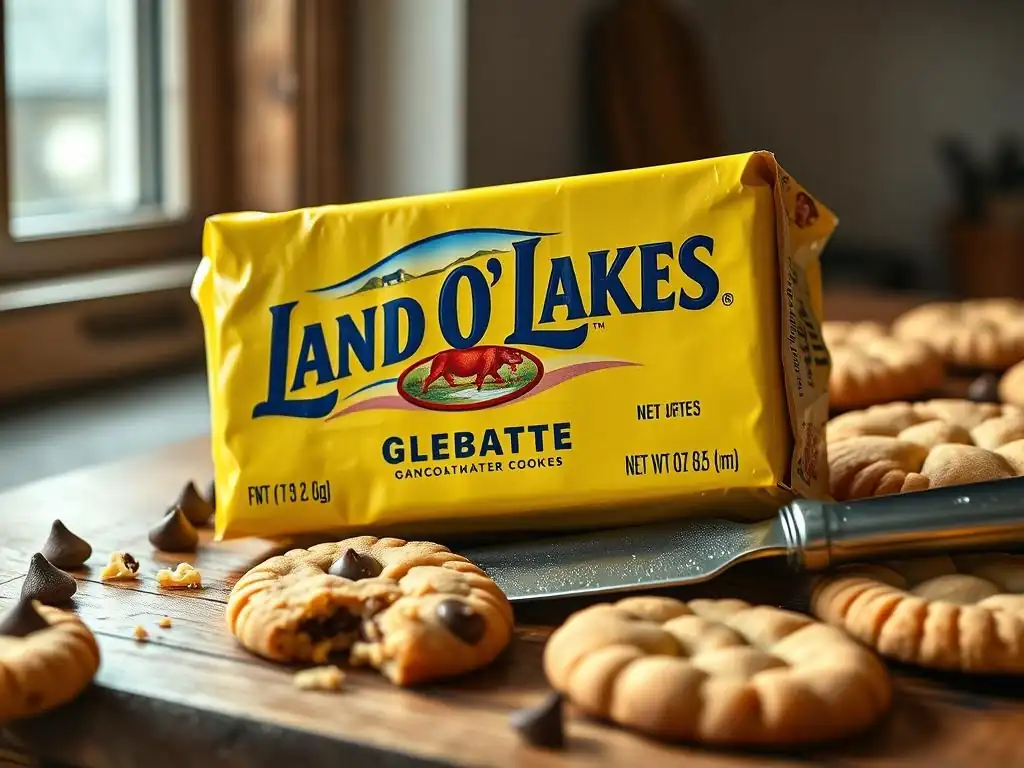
Land O' Lakes Unsalted Butter is a staple in American kitchens, widely available and consistently priced as a budget-friendly option. It's a reliable choice for everyday baking needs, offering standard performance at an accessible price point. While it may not have the premium qualities of European or artisanal butters, it provides dependable results for a vast array of recipes, making it a practical choice for many home bakers.
This butter typically contains the standard 80% butterfat found in most American butters. Its neutral flavor makes it versatile, suitable for both sweet and savory applications where a straightforward butter taste is desired. For bakers who go through a lot of butter or are just starting out and need a reliable, affordable option, Land O' Lakes Unsalted is a strong contender for the best butter for baking on a budget.
Land O' Lakes: A Reliable and Affordable Choice
The primary appeal of Land O' Lakes Unsalted Butter is its combination of reliability and affordability. It consistently performs well in standard baking procedures like creaming and melting, making it suitable for the majority of cake, cookie, and muffin recipes. Its widespread availability means you can count on finding it in virtually any grocery store, which is a significant convenience for busy bakers.
While its flavor is more straightforward than premium butters, it is clean and pleasant, integrating well into recipes without introducing off-notes. For bakers who prioritize consistent, good results without the higher cost of specialty butters, Land O' Lakes offers excellent value. It's a solid foundation for learning and practicing baking techniques, proving that you don't always need the most expensive ingredient to achieve good results. It's a practical best butter for baking for everyday use.
Baking with Land O' Lakes: When to Use It
Land O' Lakes Unsalted Butter is an excellent choice for a wide range of everyday baking applications. It's perfect for recipes where the butter is creamed with sugar, such as Cakes and Muffins. Its standard fat content and predictable softening properties ensure proper aeration and a tender crumb in these baked goods.
It's also well-suited for recipes where butter is melted, like in brownies or some types of cookie bars. For simple cookie recipes like sugar cookies or oatmeal cookies, Land O' Lakes provides a reliable structure and pleasant flavor. While it can be used in pastries, its lower fat content compared to European butters might result in slightly less dramatic flakiness. For reliable, everyday baking without breaking the bank, Land O' Lakes is a very good best butter for baking.
Recipes Where Land O' Lakes Butter Shines: Cakes and Muffins
Land O' Lakes Unsalted Butter is a go-to for classic Cakes. Whether it's a simple pound cake or a layered birthday cake, its ability to cream effectively with sugar is essential for incorporating air and developing a tender, moist crumb. The butter provides structure and richness without overpowering other flavors like vanilla, chocolate, or fruit.
Similarly, it's ideal for making light and fluffy Muffins. Creaming or melting Land O' Lakes butter and combining it with other ingredients ensures even distribution of fat, contributing to moisture and tenderness. It handles the standard muffin method (combining wet and dry ingredients separately) with ease, yielding consistent results every time. For these baking staples, Land O' Lakes is a perfectly capable and budget-friendly best butter for baking.
Vermont Creamery Cultured Butter represents the artisanal end of the butter spectrum. Made in Vermont using fresh cream and traditional culturing methods, this butter boasts a high butterfat content, typically 82%, and a distinct, tangy flavor profile developed by the added cultures. Its quality and craftsmanship make it a favorite among serious bakers and chefs seeking superior flavor and performance.
The culturing process gives this butter a complex, slightly acidic taste that adds depth to baked goods. Its higher fat content results in a more pliable texture and contributes to exceptional flakiness in pastries. While a premium product with a higher price point, using Vermont Creamery butter can truly elevate the taste and texture of special occasion bakes, making it a strong contender for the best butter for baking when quality is the absolute top priority.
The Art of Cultured Butter: Vermont Creamery's Expertise
Vermont Creamery's approach to butter-making involves a slower, more traditional process. They use fresh cream from local dairy farms and add live bacterial cultures, allowing the cream to ferment slightly before churning. This culturing process develops lactic acid, which contributes to the butter's characteristic tangy flavor and aroma.
Combined with a churning process that results in an 82% butterfat content, higher than standard American butter, Vermont Creamery produces a butter that is not only rich and flavorful but also functionally superior for many baking tasks. Its pliability and lower water content are ideal for creating delicate layers in pastries, and its complex flavor enhances the overall taste of the final product. This dedication to process makes it a standout choice for a premium best butter for baking.
Vermont Creamery Butter in Baking: For Special Occasions
Vermont Creamery Cultured Butter is best reserved for baking projects where its premium qualities can truly shine and be appreciated. It's exceptional in recipes that rely heavily on butter for both flavor and texture, such as laminated doughs like croissants and puff pastry, or rich brioche and challah. The high fat content contributes to perfect layers and tender crumbs, while the cultured flavor adds a sophisticated dimension.
It's also a wonderful choice for simple, butter-forward items like madeleines, financiers, or high-quality butter cookies where the nuanced taste of the butter is a primary component. While it can be used in everyday recipes, its higher cost might make it less practical for routine baking. However, for those special occasions or when you want to achieve truly outstanding results, Vermont Creamery is often considered the best butter for baking.
Recipes Where Vermont Creamery Butter Shines: Croissants and Brioche
Vermont Creamery Cultured Butter is arguably one of the best butter for baking demanding pastries like Croissants. Its high fat content (82%) is crucial for creating the numerous distinct layers required for a classic flaky croissant. The butter's pliability makes it easier to work with during the lamination process, preventing it from breaking or melting prematurely. The cultured flavor also adds an authentic, delicious taste to the finished pastry.
It is equally superb in Brioche. Brioche is a rich, tender bread where butter is incorporated in significant quantities. Vermont Creamery's high fat content and creamy texture contribute to an incredibly soft, moist crumb and a rich, luxurious flavor that is characteristic of well-made brioche. The cultured notes subtly enhance the overall taste profile, making it a truly indulgent bread.
Choosing the Right Butter for Your Baking Project: A Decision Guide
Considering Your Recipe: Matching Butter to Baking Needs
Selecting the best butter for baking starts with understanding the specific requirements of your recipe. Different recipes call for butter in different states and rely on its unique properties in varied ways. For instance, recipes for flaky pastries like pie crust or biscuits require cold, firm butter to be cut into the dry ingredients, creating pockets of fat that steam and separate layers during baking. A butter with a higher fat content and lower water is often preferred here for maximum flakiness.
Conversely, recipes for cakes and cookies often call for softened butter to be creamed with sugar. This process incorporates air, contributing to leavening and texture. A standard American butter with 80% fat works well, but a higher-fat butter can sometimes yield a more tender crumb. For recipes where butter is melted, like brownies or some bar cookies, the primary consideration might be flavor, making a cultured or high-quality butter a good choice, though standard butter also works fine. Always check the recipe's instructions regarding butter temperature and form (melted, softened, cold) to guide your selection.
Budget Considerations: Finding the Best Butter Within Your Price Range
Butter prices can vary significantly, from value-brand sticks to premium artisanal and imported varieties. When deciding on the best butter for baking for your needs, it's important to consider your budget and the context of your baking. For everyday baking like simple cookies, muffins, or family-favorite cakes, a reliable, budget-friendly unsalted butter like Land O' Lakes or a store brand can provide excellent results without a high cost.
If you're working on a special project, like croissants, a wedding cake, or holiday shortbread, investing in a higher-quality butter like Kerrygold or Vermont Creamery might be worthwhile to achieve superior flavor and texture. Consider the cost per pound and how frequently you bake. Buying in bulk when butter is on sale can also be a smart strategy. The goal is to find a butter that offers the best balance of performance and price for the type of baking you do most often.
Taste Preferences: Exploring Different Butter Flavors
Butter isn't just about fat and function; it also contributes flavor. Different butters have distinct tastes that can impact the final outcome of your baked goods. Standard American unsalted butter typically has a clean, neutral flavor. European-style and cultured butters, on the other hand, often have a richer, sometimes slightly tangy or nutty taste due to higher fat content and the culturing process. Butters made from grass-fed cows, like Kerrygold, often have a more pronounced, golden flavor.
When choosing the best butter for baking, consider the desired flavor profile of your finished product. For delicate flavors like vanilla or almond, a neutral unsalted butter might be preferred so as not to compete. For rich, butter-forward recipes like shortbread or pound cake, a cultured or high-fat butter can add wonderful complexity. Don't be afraid to try different brands and types to discover which flavors you prefer and how they perform in your favorite recipes.
Availability: Sourcing the Best Baking Butter Near You
Even the theoretically best butter for baking is useless if you can't find it. Practicality dictates that availability plays a significant role in your choice. Major national brands like Land O' Lakes and Challenge Dairy are widely available in most supermarkets across the country, making them convenient everyday options.
Premium and imported butters like Kerrygold, Vermont Creamery, or artisanal local brands might be available in larger supermarkets, specialty food stores, or farmers' markets. Plant-based butters also vary in availability depending on the store. Before committing to a specific butter for a recipe, especially if it's a less common type, check local grocery stores to ensure you can reliably source it. Having a few go-to options that are easily accessible will save you time and frustration in the long run.
Tips & Tricks for Baking with Butter: Maximizing Flavor and Texture
The Importance of Cold Butter in Baking: Achieving Flaky Perfection
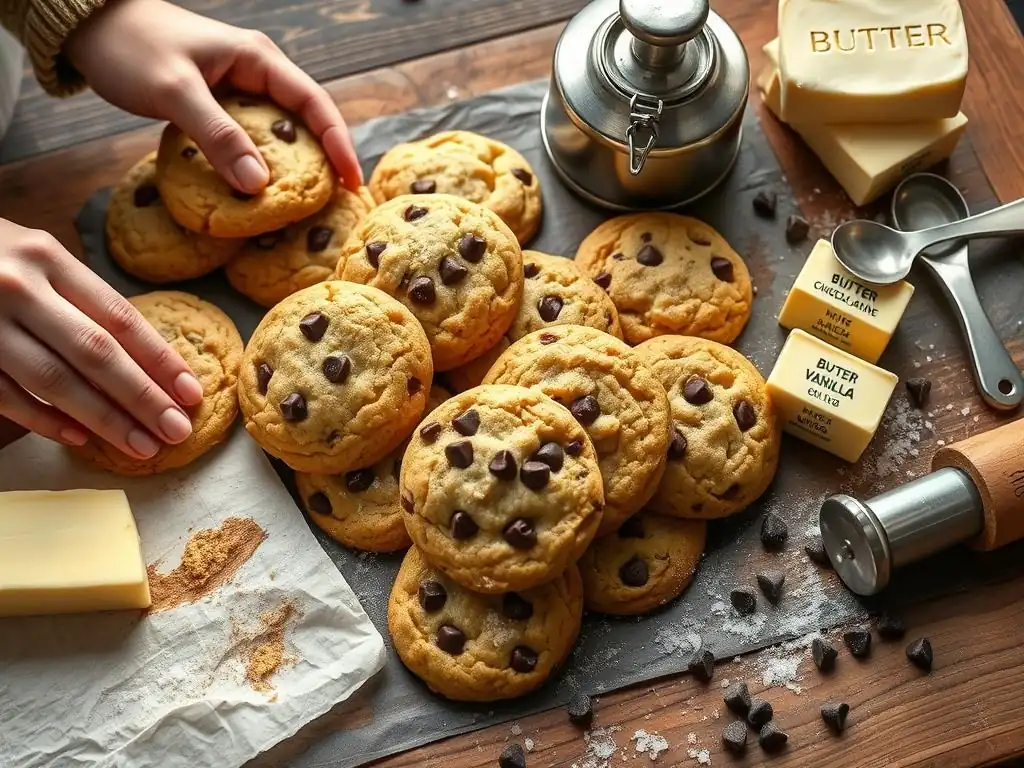
Using cold butter is absolutely critical for achieving flaky textures in baked goods like pie crusts, biscuits, scones, and puff pastry. When cold butter is cut into flour, it creates small, distinct pieces throughout the dough. As the dough bakes, the water in these butter pieces turns to steam, which expands and pushes apart the layers of dough. The melting fat then coats the flour particles, preventing them from sticking together and helping the layers set.
If the butter is too warm or melted when incorporated, it will blend into the flour rather than remaining in separate pieces. This results in a more uniform, less layered texture – think crumbly instead of flaky. Always ensure your butter is well-chilled, straight from the refrigerator, before cutting it into your dry ingredients for flaky pastries. Using a pastry blender or your fingertips quickly helps keep the butter cold and in distinct pieces, essential for the best butter for baking flaky items.
Creaming Butter and Sugar: The Foundation of Many Recipes
Creaming butter and sugar together is a fundamental technique in many cake, cookie, and muffin recipes, and it's essential for incorporating air into the batter. Softened butter (usually around 65-68°F or 18-20°C) is beaten with granulated sugar until the mixture becomes light, fluffy, and pale yellow. The sharp edges of the sugar crystals cut into the butter, creating tiny air pockets. As the mixture is beaten, these air pockets expand, and more are incorporated, resulting in increased volume.
This aeration is a crucial form of leavening. During baking, these trapped air pockets expand further from the heat, contributing to the rise and tender crumb of the finished product. Over-creaming or under-creaming can negatively impact texture, so beating until the mixture is visibly lighter in color and fluffy is key. Using the best butter for baking that softens predictably and has a good fat structure helps achieve optimal creaming results.
Browning Butter: Adding Depth and Complexity to Your Bakes
Browning butter is a simple technique that dramatically enhances flavor by toasting the milk solids present in the butter. When butter is heated gently in a pan, the water evaporates, and the milk solids separate and begin to brown, undergoing the Maillard reaction. This process develops complex, nutty, and caramel-like flavors that add wonderful depth to baked goods.
Browned butter can be used in place of melted butter in many recipes, such as cookies, brownies, and certain cakes, to add a layer of sophisticated flavor. To brown butter, melt it over medium heat, stirring occasionally. It will foam, then clear, and finally, the milk solids at the bottom will turn golden brown and smell nutty.
Remove it from the heat immediately and pour it into a heatproof bowl to stop the cooking. Using a high-quality butter with good flavor can enhance the nutty notes when browning, making it a great way to utilize the best butter for baking for flavor.
Storing Butter Properly: Maintaining Freshness and Flavor
Proper storage is essential to keep your butter fresh and prevent it from absorbing odors from the refrigerator. Butter should be kept tightly wrapped in its original packaging or stored in an airtight container in the coldest part of the refrigerator. This protects it from light and air, which can cause it to oxidize and develop off-flavors. Unsalted butter is generally more perishable than salted butter, so pay close attention to its expiration date, especially if you plan to use it as the best butter for baking.
For longer storage, butter freezes exceptionally well. Wrap it tightly in plastic wrap, then place it in a freezer bag or airtight container. Frozen unsalted butter can last for six months or even longer, while salted butter lasts slightly less due to the salt content potentially affecting texture over extended freezing. Thaw frozen butter in the refrigerator before use, allowing it to come to the correct temperature (cold or softened) as required by your recipe.
Conclusion: Mastering Baking with the Best Butter
Elevate Your Baking with the Right Butter Choice
Choosing the best butter for baking is a simple step that can have a profound impact on the quality of your homemade treats. Understanding the different types of butter – from standard unsalted and salted varieties to high-fat European styles and plant-based alternatives – and how their properties affect texture, flavor, and structure is key to mastering your craft.
By considering your recipe's needs, your budget, taste preferences, and local availability, you can confidently select the butter that will help you achieve your desired results, whether that's a super flaky pastry, a rich and tender cake, or a perfectly chewy cookie.
Experimenting with different butters can be a fun and delicious way to deepen your understanding of baking science and flavor. Notice how a higher-fat butter changes the flakiness of your pie crust, or how a cultured butter adds a new dimension to your shortbread. Paying attention to butter temperature and mastering techniques like creaming and cutting in are equally important for maximizing its potential. With the right butter and proper technique, you are well on your way to elevating your baking from good to truly exceptional.
BakeWithEase's Recommendation: A Few Options for Success
For the home baker seeking a reliable, all-purpose best butter for baking that is widely available and performs consistently in most standard recipes like cookies, cakes, and muffins, a good quality unsalted American butter like Challenge Dairy or Land O' Lakes is an excellent choice. They offer great value and dependable results for everyday baking.
If you are passionate about flaky pastries, rich brioche, or butter-forward cookies and are willing to invest a bit more, opting for a high-fat, cultured European-style butter like Kerrygold or Vermont Creamery will significantly enhance flavor and texture. For vegan bakers, Miyoko's Kitchen Cultured Vegan Butter stands out as a high-performing alternative that successfully mimics dairy butter in many applications. Ultimately, the "best" butter depends on your specific baking goals and what you want to achieve with your delicious creations.
Frequently Asked Questions
What makes one butter "better" than another for baking?
The "best" butter often depends on the recipe. Key factors include fat content, moisture content, and whether it's salted or unsalted, as these impact the final texture and flavor of your baked goods.
Why does BakeWithEase recommend using unsalted butter in most baking recipes?
Unsalted butter gives you complete control over the salt level in your recipe. This is crucial for achieving the desired flavor profile and preventing overly salty results.
Can I substitute margarine or a butter alternative for real butter in baking recipes?
While possible, substituting butter alternatives can significantly affect taste and texture. Margarine, for example, usually has a higher water content, which can lead to flatter, less flavorful baked goods.
What's the difference between European-style butter and regular butter, and when should I use it?
European-style butter generally has a higher butterfat content than American butter. This results in richer, more tender baked goods and is ideal for pastries like croissants or pie crusts.
How does the temperature of butter affect baking results?
Different recipes require butter at different temperatures, such as cold, softened, or melted. Using butter at the wrong temperature can drastically alter the texture and structure of your final product.
Final Reflection: The Golden Standard of Baking – Butter's Enduring Power
The perfect bake hinges on the perfect butter, and understanding the nuances of different butters is more than just a culinary curiosity; it's the key to unlocking truly exceptional results. Choosing the right fat for your recipe isn't merely a matter of preference; it directly impacts texture, flavor, and overall success. This exploration into the world of baking butters reveals a depth often overlooked, highlighting the crucial role this seemingly simple ingredient plays.
The impact of butter on our culinary landscape extends far beyond the simple act of baking. It's woven into the fabric of countless traditions, memories, and family recipes. The aroma of freshly baked bread, the flaky layers of a perfectly executed croissant – these sensory experiences are intrinsically linked to the quality of the butter used. As Julia Child wisely said, Find something you're passionate about and keep tremendously interested in it.
For many, that passion is baking, and understanding the role of butter is a crucial step in mastering this art.
Now, consider your own baking journey. What have you learned about the subtle differences between butter types? Which butter will you reach for next time you bake a cake, a pie, or a simple batch of cookies? I encourage you to experiment, to explore the diverse world of butters, and to discover the unique magic each one brings to your creations. The pursuit of the perfect bake is a lifelong journey, and understanding the foundation – the butter – is the first step towards truly elevating your culinary skills.
Unleash Your Inner Pastry Chef!
Thanks for taking the time to explore the wonderful world of butter with us! We hope you now feel more confident in choosing the perfect butter for your next baking masterpiece. Ready to put your newfound knowledge to the test?
- Bake something amazing! Use your newly acquired butter expertise to create your dream dessert – from flaky croissants to rich, decadent cakes. This is where the real fun begins!
- Share your creations! Post pictures of your butter-enhanced baking on social media and tag us @BakeWithEase – we'd love to see what you whip up!
- Explore our other baking guides: Dive deeper into the BakeWithEase library for more tips, tricks, and delicious recipes to expand your baking skills even further.
So, what incredible baking adventure will you embark on first?