
Why Use Sourdough? Benefits Beyond Just Bread

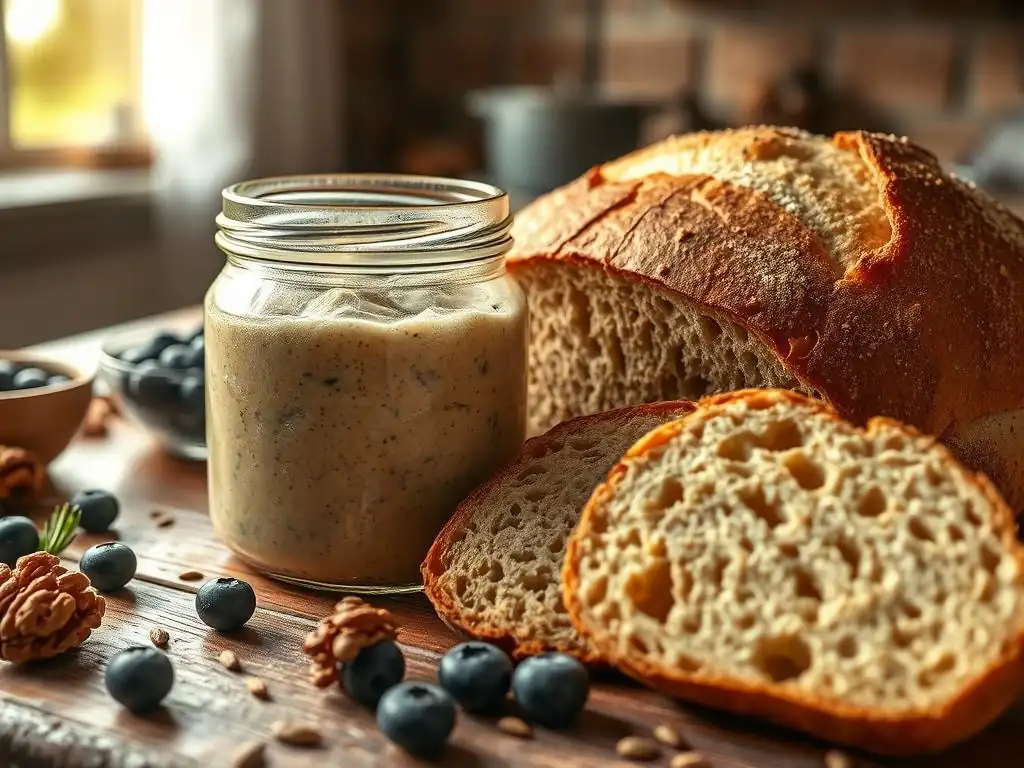
Welcome to BakeWithEase, your trusted guide to the delightful world of baking! Are you ready to unlock the secrets of a tangy, flavorful universe? Beyond the crusty loaves you know and love, sourdough holds a wealth of potential. Discover the amazing sourdough starter benefits and uses beyond just bread in this article. Intrigued? Let's explore the delicious possibilities together!
- The Benefits of Sourdough Bread: More Than Just Taste
- Introduction to Sourdough: A Naturally Leavened Bread
- Health Benefits of Sourdough: Digestion and Nutrition
- Sourdough's Distinctive Flavor and Texture
- Beyond Bread: Versatile Uses for Sourdough Starter
- Maintaining a Healthy Sourdough Starter
- Sourdough vs. Commercial Yeast: A Comparison of Baking Methods
- Sourdough and Gluten Sensitivity: Considerations and Limitations
- Conclusion: Embracing the Art of Sourdough Baking
-
Frequently Asked Questions
- What are the primary benefits of using a sourdough starter in baking?
- How does sourdough bread differ from bread made with commercial yeast?
- Can a sourdough starter be used for more than just bread?
- What are some tips for maintaining a healthy sourdough starter?
- What are some common problems bakers face with sourdough and how can they be solved?
- Final Reflection: The Enduring Allure of the Sourdough Starter
- Unleash Your Inner Baker: Discover the Sourdough Revolution!
The Benefits of Sourdough Bread: More Than Just Taste
Introduction to Sourdough: A Naturally Leavened Bread
The Appeal of Sourdough: A Traditional Baking Method
Sourdough baking taps into a rich tradition that spans centuries, offering a connection to how bread was made long before commercial yeast became widely available. This ancient method relies on a naturally fermented culture of wild yeast and bacteria, known as a sourdough starter.
The appeal lies not just in the unique flavor profile it imparts to bread but also in the rewarding process of nurturing a living culture and transforming simple ingredients—flour, water, and salt—into something truly special. Many home bakers find the daily or weekly ritual of feeding their starter and baking with it a deeply satisfying craft.
Engaging with sourdough starter benefits and uses goes beyond simply following a recipe; it involves understanding a dynamic ecosystem. Unlike using a packet of dried yeast with predictable results, working with a sourdough starter requires patience, observation, and adaptation to environmental factors like temperature and humidity. This hands-on approach fosters a deeper appreciation for the ingredients and the natural processes involved in creating delicious, wholesome bread right in your own kitchen. It's a journey that teaches valuable lessons in patience and rewards persistence with incredible flavor and texture.
What Makes Sourdough Different? Natural Fermentation and Flavor
The key difference between sourdough and commercially leavened bread lies in the fermentation process. Sourdough relies on a symbiotic culture of lactic acid bacteria (LAB) and wild yeasts present naturally in flour and the environment. These microorganisms work together, with the yeasts producing carbon dioxide to leaven the dough and the bacteria producing organic acids, primarily lactic and acetic acids, which contribute to the characteristic tangy flavor and aroma. This slow, natural fermentation breaks down components in the flour, leading to changes in texture, flavor, and potentially, digestibility.
This prolonged fermentation process, often taking many hours or even days compared to the rapid rise induced by commercial yeast, allows for the complex development of flavors and aromas that are impossible to achieve with yeast alone. The balance between lactic acid (milder, yogurt-like tang) and acetic acid (sharper, vinegar-like tang) can be influenced by factors like hydration level, fermentation temperature, and the feeding schedule of the sourdough starter. Understanding these nuances allows bakers to control the flavor profile, making sourdough baking a fascinating exploration of microbial activity and its impact on food.
Health Benefits of Sourdough: Digestion and Nutrition
Sourdough Fermentation: Enhancing Bioavailability of Nutrients
One of the significant sourdough starter benefits and uses relates to its impact on the nutritional quality of the bread. The fermentation process helps to break down phytic acid, a compound found in grains that can bind to minerals like iron, zinc, and calcium, making them less available for absorption by the body. As the sourdough starter works on the flour, the LAB produce enzymes, including phytase, which effectively degrade phytic acid. This can lead to increased bioavailability of these essential minerals.
Studies have shown that the reduction in phytic acid can be substantial. For example, fermentation using a sourdough starter can reduce phytic acid levels in whole wheat flour by over 90% under optimal conditions. This means that the valuable minerals present in whole grains become more accessible to your digestive system, contributing to the overall nutritional value of the bread. This enhanced nutrient availability is a compelling reason to choose sourdough, especially when using whole grain flours rich in these minerals.
Gluten Reduction: How Sourdough Fermentation Aids Digestion
While sourdough bread is not gluten-free and is not suitable for individuals with celiac disease, the long fermentation process can lead to a partial breakdown of gluten proteins. The enzymes produced by the sourdough starter, particularly proteases, can cleave the long protein chains of gluten into smaller peptides and amino acids. This breakdown process can make the bread easier to digest for some individuals who experience non-celiac gluten sensitivity or general digestive discomfort with commercially leavened bread.
Research indicates that specific strains of LAB found in sourdough starters are particularly effective at degrading gluten. For instance, Lactobacillus sanfranciscensis, a common sourdough bacterium, has been shown to efficiently hydrolyze gluten proteins during fermentation. While the extent of gluten breakdown varies depending on fermentation time, temperature, starter activity, and flour type, this enzymatic activity is one of the widely discussed sourdough starter benefits and uses regarding digestibility. It's important to reiterate that this is a reduction, not elimination, of gluten.
Increased Nutrient Absorption: Minerals and Vitamins in Sourdough
Beyond reducing phytic acid, sourdough fermentation can also influence the levels and absorption of other nutrients, including certain vitamins. The metabolic activity of the yeasts and bacteria in the starter can produce some B vitamins, such as folate, adding to the nutritional profile of the bread. Furthermore, the altered structure of the dough resulting from fermentation, combined with reduced phytic acid, can potentially enhance the absorption of other nutrients present in the flour.
The slow fermentation process also contributes to a lower glycemic index compared to many types of commercially produced bread. The organic acids produced by the LAB can slow down the rate at which starches are converted into glucose during digestion, leading to a more gradual rise in blood sugar levels. This makes sourdough a potentially better choice for individuals managing blood sugar, adding another layer to the health-related sourdough starter benefits and uses that appeal to health-conscious bakers and consumers.
Sourdough's Distinctive Flavor and Texture
Achieving the Perfect Tang: Factors Influencing Sourdough Flavor
The signature tang of sourdough bread is a direct result of the organic acids, primarily lactic and acetic acids, produced by the lactic acid bacteria in the starter. The balance between these two acids dictates the type and intensity of the sour flavor. Lactic acid contributes a milder, creamy tang, while acetic acid provides a sharper, more vinegary note. Several factors influence this balance and, consequently, the final flavor of your loaf.
Temperature plays a crucial role: warmer fermentation temperatures (around 75-80°F or 24-27°C) tend to favor lactic acid production, resulting in a milder tang, while cooler temperatures (below 70°F or 21°C), especially during the bulk fermentation or proofing stages, encourage acetic acid production, leading to a more pronounced sourness. The hydration level of your starter and dough also matters; higher hydration can sometimes favor lactic acid.
Additionally, the frequency of feeding your starter affects its acidity; a starter fed less frequently or kept in the fridge for longer periods before use will generally be more acidic and contribute a stronger tang to the bread. Mastering these variables is key to controlling the sourdough flavor profile.
The Texture Spectrum: From Crusty Loaves to Soft Batards
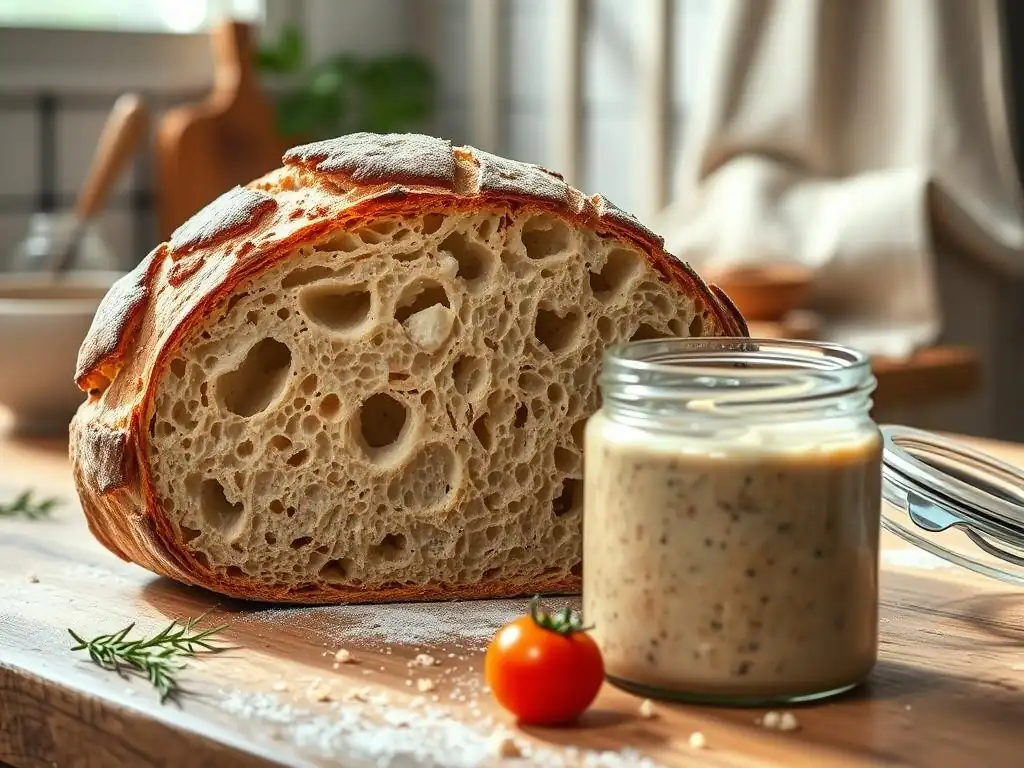
Sourdough bread is renowned for its incredible texture, which can range from a deeply caramelized, shatteringly crisp crust to a soft, airy interior crumb with a beautiful open structure (alveoli). This texture is achieved through a combination of factors unique to the sourdough process. The strong gluten network developed during the mixing, stretching, and folding of the dough, supported by the slow and steady production of carbon dioxide by the wild yeasts, allows the dough to hold its shape and expand significantly during baking.
The long fermentation time also contributes to the development of complex carbohydrates and proteins, which affect the dough's structure and the final crumb. The high temperatures typically used for baking sourdough (often starting around 450-500°F or 230-260°C), especially when baked in a Dutch oven or with steam, are crucial for developing the thick, crisp crust.
The trapped steam allows the dough to expand fully before the crust sets. The versatility of sourdough starter benefits and uses extends to creating different textures; by adjusting hydration, fermentation time, and baking method, you can produce everything from dense, rustic rye loaves to light, tender sandwich bread or classic open-crumb country loaves.
Beyond Bread: Versatile Uses for Sourdough Starter
Sourdough Bread: A Foundation for Delicious Baking
While classic rustic loaves immediately come to mind when thinking of sourdough, the sourdough starter benefits and uses provide a foundation for an incredible variety of breads. From simple lean doughs made with just flour, water, and salt to enriched doughs including milk, eggs, and butter, the starter can leaven them all. This versatility means you can bake everything from traditional boules and batards to sandwich loaves, bagels, and even enriched sweet breads like babka or cinnamon rolls.
Exploring different flour combinations also opens up a world of possibilities. Using varying percentages of whole wheat, rye, spelt, or other grains alongside white flour drastically changes the flavor, texture, and nutritional profile of the bread. Each flour interacts differently with the starter and contributes its unique characteristics to the final loaf. The foundational skill of maintaining and using an active sourdough starter unlocks the potential for countless delicious bread creations, making it a cornerstone for ambitious home bakers.
Sourdough in Other Recipes: Pizza Dough, Crackers, and More
The utility of an active sourdough starter goes far beyond just baking loaves of bread. Its leavening power and unique flavor profile make it an excellent addition to a wide range of other baked goods. Sourdough pizza dough, for instance, develops a wonderful chewy texture and slightly tangy flavor that elevates homemade pizza to a new level. The slow fermentation also makes the crust potentially easier to digest for some people.
Crackers are another fantastic application, using either active starter or discard to create thin, crispy snacks with a depth of flavor not found in commercially made versions. Sourdough starter benefits and uses extend to recipes like flatbreads, pretzels, and even pasta dough, where the fermentation adds complexity and texture. Experimenting with your starter in these different formats is a great way to utilize it regularly and discover new favorite recipes.
Sourdough Discard Recipes: Pancakes, Waffles, and Cakes
One of the most practical sourdough starter benefits and uses is finding ways to use the "discard" – the portion of starter removed before feeding. Instead of throwing it away, this less active starter can be incorporated into numerous recipes where its primary role isn't leavening but rather adding flavor, moisture, and a tender crumb. Discard recipes are a great way to minimize waste and enjoy the unique taste of sourdough in non-bread items.
Classic discard recipes include pancakes and waffles, where the discard adds a slight tang and contributes to a light, fluffy texture when combined with baking powder or soda. Muffins, quick breads, biscuits, and even chocolate cake can benefit from the addition of sourdough discard, which adds moisture and a subtle complexity without making the final product overtly sour. Utilizing discard in these ways makes maintaining a starter more sustainable and enjoyable.
Maintaining a Healthy Sourdough Starter
Feeding and Refreshing Your Starter for Optimal Baking
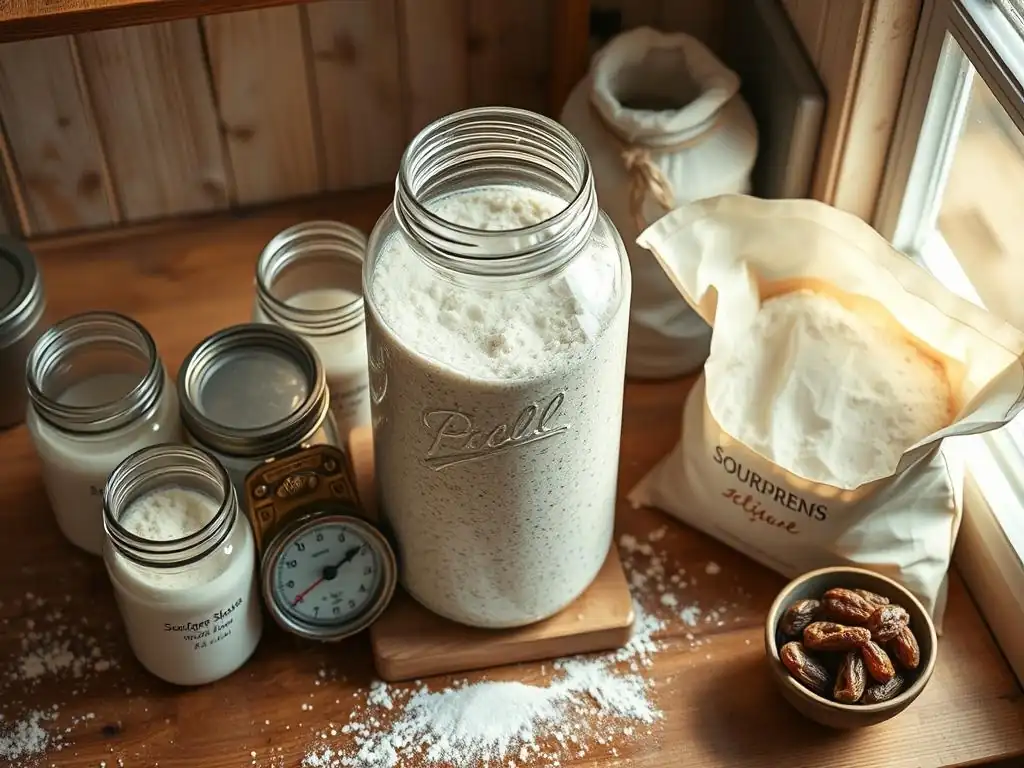
Maintaining a healthy, active sourdough starter is fundamental to successful sourdough baking. A starter is a living ecosystem of wild yeasts and lactic acid bacteria that requires regular feeding to remain vigorous. The most common feeding ratio is 1:1:1 by weight (starter : fresh flour : fresh water). For instance, keeping 50g of starter and feeding it with 50g of flour and 50g of water provides ample food for the microorganisms to thrive.
Regular feeding removes the acidic waste products of fermentation and introduces new nutrients (flour) and moisture (water). A well-fed starter will consistently double or triple in volume within a few hours at room temperature (typically 4-12 hours depending on temperature and flour), become bubbly, and pass the float test (a small dollop floats in water). Consistency in feeding time (e.g., every 24 hours if kept at room temperature) and ratio helps maintain its strength, ensuring reliable leavening for all your sourdough starter benefits and uses in baking.
Troubleshooting Starter Problems: Consistency, Mold, and Activity
Even with consistent feeding, sourdough starters can sometimes present issues. One common problem is 'hooch,' a layer of liquid that forms on top of the starter. This is usually clear or brownish and indicates the starter is hungry and needs feeding. Simply stir it back in or pour it off before feeding. A sluggish starter that doesn't rise much might need more frequent feeding, warmer temperatures, or a switch to a different type of flour (like strong bread flour or rye flour, which can boost activity).
Mold is a more serious issue and requires discarding the starter entirely. Mold can appear as fuzzy spots of various colors (white, green, black, pink). If you see mold, it's safest to start over. Another issue can be a starter that becomes too liquid or too stiff; adjusting the water-to-flour ratio during feeding can correct the consistency. Patience and observation are key to troubleshooting; understanding these potential issues ensures you can continue to reap all the sourdough starter benefits and uses.
Starter Feeding Schedules: Adapting to Your Baking Needs
The ideal starter feeding schedule depends largely on how often you plan to bake. If you bake frequently (daily or every few days), keeping your starter at room temperature and feeding it once or twice a day is best to maintain peak activity. This ensures it's always ready to use as a leavening agent. A room-temperature starter will typically require feeding every 12-24 hours, depending on the ambient temperature.
For less frequent baking (once a week or less), storing your starter in the refrigerator is a convenient option. Refrigeration significantly slows down the fermentation process, reducing the need for frequent feeding. A refrigerated starter typically only needs to be fed once a week. Before baking, you'll need to revive it by feeding it a couple of times at room temperature until it becomes active and bubbly again. Adapting your feeding schedule to your baking habits is essential for managing your starter effectively and enjoying the sourdough starter benefits and uses without excessive maintenance.
Sourdough vs. Commercial Yeast: A Comparison of Baking Methods
Natural Fermentation vs. Commercial Yeast: Benefits and Drawbacks
The fundamental difference between sourdough and commercial yeast baking lies in the leavening agent and the fermentation process it drives. Commercial yeast, typically Saccharomyces cerevisiae, is a single strain of yeast bred for rapid, vigorous carbon dioxide production. This allows for quick rises, often within 1-2 hours, making it highly convenient and predictable for bakers. It requires less time and attention than maintaining a living starter, and results are generally consistent across different environments.
Natural fermentation using a sourdough starter, on the other hand, is a slower process involving a complex community of wild yeasts and bacteria. While it requires more time (fermentation often takes 4-12 hours or longer per stage) and the results can be more variable depending on the starter's health and environmental conditions, it imparts unique qualities to the bread. The benefits include the development of complex flavors, potential improvements in digestibility and nutrient bioavailability, and the satisfaction of working with a traditional, natural leavening agent. The main drawbacks are the time commitment and the need to maintain the starter.
Flavor Profiles: The Nuances of Sourdough and Yeast Breads
The flavor profiles of sourdough and commercial yeast breads are distinctly different due to their respective fermentation processes. Yeast-leavened breads tend to have a relatively uniform, often slightly sweet or yeasty flavor. The rapid fermentation doesn't allow for the extensive breakdown of starches and proteins or the production of the wide array of organic acids and volatile compounds found in sourdough.
Sourdough bread, however, boasts a much more complex and nuanced flavor profile characterized by varying degrees of tanginess, depth, and aroma. The interaction between the wild yeasts and lactic acid bacteria creates a symphony of flavors – from the sharp notes of acetic acid to the creamy, yogurt-like notes of lactic acid, and numerous other compounds produced during the long fermentation.
This complexity is one of the most celebrated sourdough starter benefits and uses, making sourdough bread a culinary experience far richer than typical yeast bread. The specific flavor intensity can be controlled by the baker, adding another layer of craft to the process.
Sourdough and Gluten Sensitivity: Considerations and Limitations
Sourdough and Gluten Content: Understanding the Facts
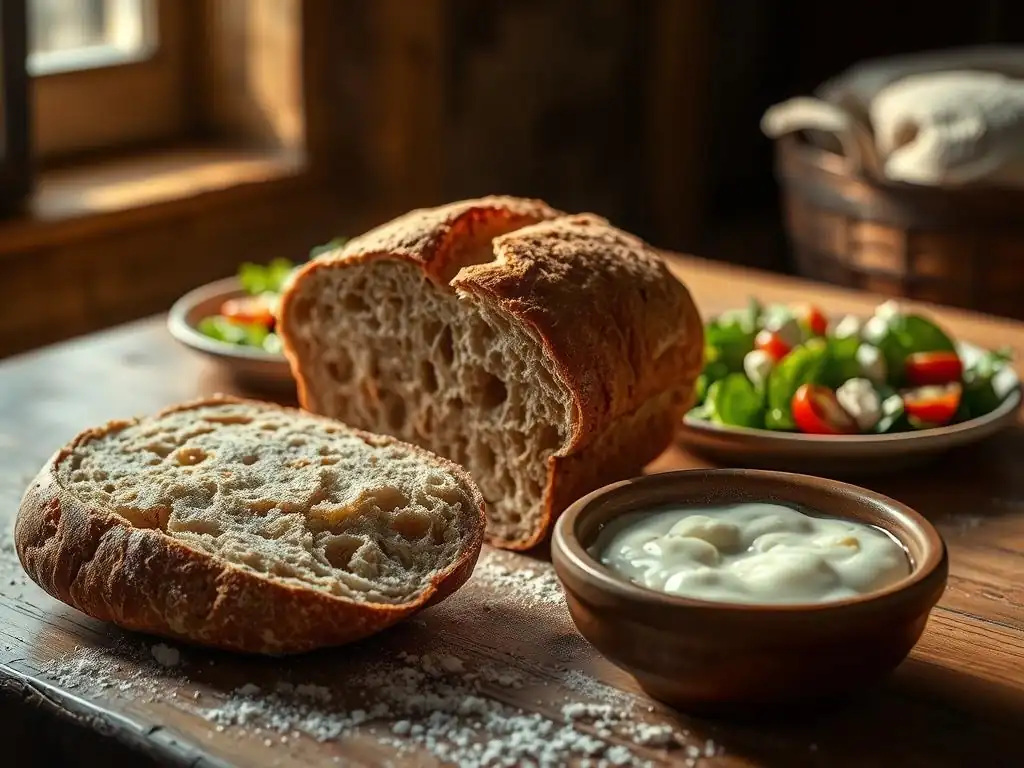
It is crucial to understand that sourdough bread is not gluten-free. Gluten is a protein complex found in wheat, barley, and rye. While the fermentation process involving lactic acid bacteria and wild yeasts can break down some of the gluten proteins into smaller peptides, it does not eliminate gluten entirely. The extent of this breakdown varies greatly depending on factors like fermentation time, the specific microbial composition of the starter, and the type of flour used.
For individuals with celiac disease, consuming even small amounts of gluten can cause significant health issues. Therefore, sourdough bread made from wheat, barley, or rye flours is not a safe option for them. While some individuals with non-celiac gluten sensitivity might find sourdough easier to digest due to the partial gluten breakdown and reduced FODMAPs (fermentable carbohydrates), this is highly individual, and sourdough should not be considered a substitute for a gluten-free diet for medical conditions. Understanding these facts is vital when discussing sourdough starter benefits and uses regarding dietary needs.
Choosing Flours for Lower Gluten Sourdough Baking
If you are interested in exploring lower-gluten options within the sourdough framework (again, not for celiac disease), you can experiment with flours that naturally contain less gluten than hard wheat, such as spelt, einkorn, or Kamut. These ancient grains still contain gluten but in different forms and structures compared to modern wheat, which some people find easier to tolerate. However, they are not gluten-free.
Alternatively, you can explore sourdough baking with naturally gluten-free flours like rice, sorghum, buckwheat, or millet. Maintaining a gluten-free sourdough starter requires feeding it exclusively with gluten-free flours and water. Baking with gluten-free sourdough involves different techniques and often requires a blend of flours and binders (like psyllium husk or xanthan gum) to achieve structure, as there is no gluten network to rely on. This opens up the sourdough starter benefits and uses to bakers following a medically necessary gluten-free diet, allowing them to enjoy naturally leavened bread made from alternative grains.
Conclusion: Embracing the Art of Sourdough Baking
Why Sourdough is Rewarding: Health, Flavor, and Tradition
Embracing sourdough baking is a rewarding journey that offers numerous benefits beyond simply producing a loaf of bread. From a health perspective, the natural fermentation process can enhance nutrient bioavailability and may aid digestion for some individuals by reducing phytic acid and partially breaking down gluten. While not a cure-all, these potential health advantages are significant sourdough starter benefits and uses that resonate with many bakers.
Aesthetically and culinarily, sourdough stands apart. The distinctive tangy flavor, the complex aroma, and the incredible range of textures achievable – from a rustic, crackling crust to a soft, open crumb – make sourdough bread a truly special food. The versatility of the starter extends its uses far beyond traditional loaves, into pizzas, crackers, and even sweets, minimizing waste and maximizing flavor.
Finally, there's the profound satisfaction of engaging with a traditional craft, nurturing a living culture, and creating something delicious and nourishing from simple ingredients. It's a practice that combines science, art, and patience, enriching the baking experience in countless ways.
Frequently Asked Questions
What are the primary benefits of using a sourdough starter in baking?
Sourdough starters offer numerous benefits, including improved digestion due to the fermentation process, enhanced nutrient availability, and a unique tangy flavor profile.
How does sourdough bread differ from bread made with commercial yeast?
Sourdough bread relies on a natural fermentation process using wild yeasts and bacteria, unlike commercial yeast breads. This results in a slower rise, a complex flavor, and often better keeping qualities.
Can a sourdough starter be used for more than just bread?
Yes! Sourdough starters are versatile and can be used in a variety of recipes, including pancakes, waffles, cakes, and even pizza dough, adding a distinctive flavor and texture.
What are some tips for maintaining a healthy sourdough starter?
Regular feeding with equal parts flour and water is crucial. Store it in a cool place and discard a portion before feeding to prevent overgrowth and maintain activity.
What are some common problems bakers face with sourdough and how can they be solved?
Common problems include a weak starter, which can be revived with regular feeding and warmth. Another issue is over-proofing, which can be avoided by monitoring the dough closely and adjusting proofing times.
Final Reflection: The Enduring Allure of the Sourdough Starter
The humble sourdough starter, a bubbling testament to patience and natural fermentation, is far more than just a bread-making ingredient; it's a living ecosystem reflecting our growing interest in sustainable and healthy living. Its resurgence isn't a fleeting trend; it's a powerful symbol of a shift towards mindful consumption and a deeper connection with our food.
The impact of sourdough extends beyond the delicious crusty loaves it produces. It represents a return to traditional methods, a rejection of mass-produced convenience, and a rediscovery of the simple pleasures found in nurturing something living. The sourdough starter is a metaphor for life itself: it requires care, attention, and patience, but the rewards are immeasurable.
This sentiment, though my own, reflects the growing appreciation for the slow-food movement and the satisfaction derived from creating something with one's own hands, fostering a sense of connection to the process and the final product.
Now, consider your own kitchen. Imagine the possibilities: the satisfying rise of the dough, the aroma of freshly baked bread, and the pride in creating something truly unique. Will you embrace the challenge of nurturing a sourdough starter? Will you embark on this journey of discovery, learning not only about baking but also about the interconnectedness of nature, tradition, and the simple joys of mindful living? The answer, as with the starter itself, is entirely up to you, but the potential rewards are truly worth exploring.
Unleash Your Inner Baker: Discover the Sourdough Revolution!
Thanks for exploring the amazing world of sourdough with us! We hope you now appreciate the incredible depth of flavor and health benefits this ancient method offers. Ready to take the next step?
- Dive into our comprehensive Sourdough Starter Guide: This free guide walks you through creating and maintaining your own starter—the heart of every sourdough creation! It's the perfect first step on your sourdough journey.
- Share your sourdough successes (or challenges!) with our vibrant community on BakeWithEase.com. Connect with fellow bakers, share tips, and learn from each other's experiences.
- Try our beginner-friendly Sourdough Bread recipe: It's easier than you think! We've designed it to guide you through the process, step-by-step.
What unique sourdough creation will you bake first? Let us know in the comments!