
Why Your Holiday Cutouts Spread and Blur Festive Shapes


Welcome to BakeWithEase, your kitchen companion for stress-free baking! Ever wondered why your meticulously shaped holiday cookies morph into amorphous blobs in the oven? Dive into our latest article, “Why Your Holiday Cutouts Spread and Blur Festive Shapes,” and unlock the secrets to perfectly defined, festive cookies. Discover simple techniques and easy-to-find ingredients that will transform your baking this season, leaving you with cookies that are as beautiful as they are delicious. Ready to say goodbye to cookie spread and hello to baking bliss? Let's get started!
- Why Your Holiday Cutouts Spread and Blur: A Baking Guide
- Understanding Cookie Spreading: Common Causes
- Troubleshooting Spreading Cookies: Practical Solutions
- Refining Your Cookie Dough Recipe
- Mastering the Baking Process
- Advanced Techniques
- Achieving Perfection: Final Tips
-
Frequently Asked Questions
- Why do my holiday cookie cutouts lose their shape and spread during baking?
- What type of flour works best for preventing holiday cookie cutout spreading?
- Should I chill my holiday cookie dough before cutting out shapes?
- What oven temperature is ideal for baking holiday cookie cutouts to avoid spreading?
- Can the type of baking sheet affect holiday cookie cutout spreading?
- Final Reflection: The Enduring Magic (and Frustration) of Holiday Cookie Cutouts
- Unleash Your Inner Holiday Baking Artist!
Why Your Holiday Cutouts Spread and Blur: A Baking Guide
Holiday cookie cutouts are a beloved tradition, but nothing dampens the festive spirit faster than seeing those carefully shaped stars, trees, and gingerbread people melt into formless blobs on the baking sheet. Understanding why your holiday cookie cutouts are spreading and blurring is the first step to achieving beautifully defined shapes that hold their form. This guide will walk you through the common culprits behind these frustrating holiday cookie cutouts spreading issues and provide practical solutions to help you bake perfect, festive shapes every time.
Achieving crisp edges on your holiday cutouts isn't just about the recipe; it's also about technique and understanding ingredient interactions. Many factors contribute to cookie spreading, from the temperature of your butter to the type of flour you use. By addressing these common issues, you can significantly improve the outcome of your holiday baking. Let's dive into the science behind cookie spreading and how to prevent those blurry shapes.
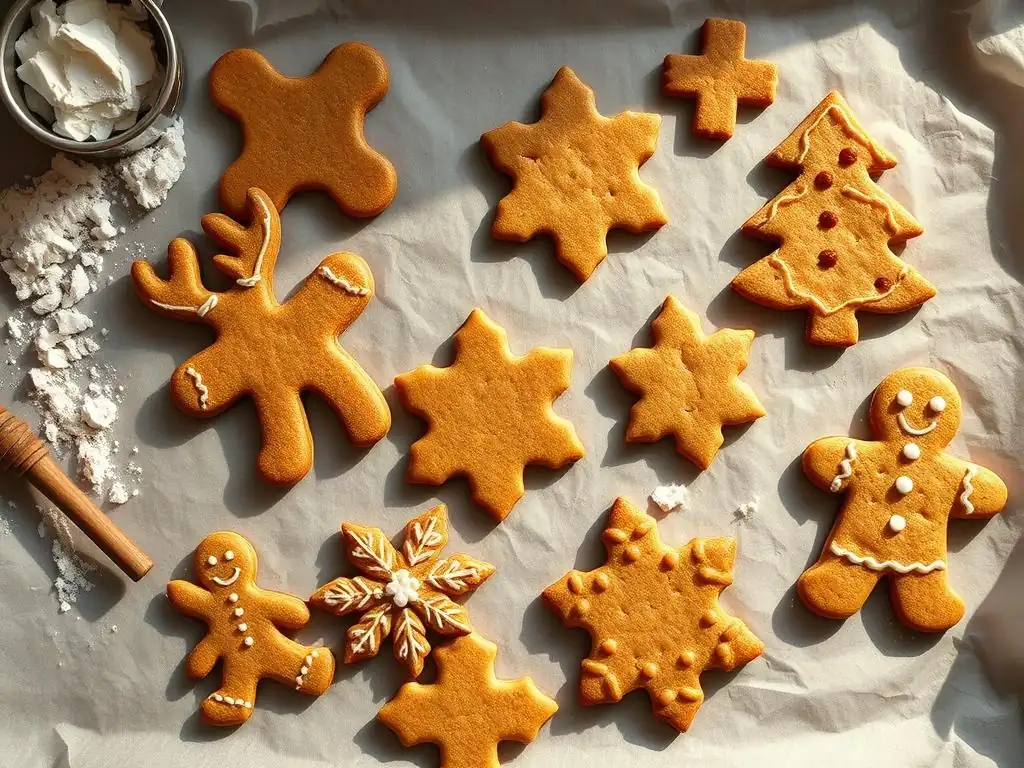
When you place cookie dough in a hot oven, several things happen simultaneously. Butter melts, sugar caramelizes, and leavening agents produce gas. The key to preventing holiday cookie cutouts spreading issues lies in controlling these reactions so the cookie structure sets before it spreads too much. Let's break down some of the primary reasons your festive shapes might be losing their definition.
Excessive spreading is a common frustration, especially with intricate holiday cookie designs. It often stems from an imbalance in the dough's composition or how it's handled before baking. Identifying the specific cause of your cookie spreading can help you make targeted adjustments rather than guessing.
The Role of Butter Temperature
The temperature of your butter is perhaps the most significant factor influencing how much your cookie dough spreads. If your recipe calls for softened butter and you use butter that is too warm or melted, it will melt even faster in the oven, causing the cookies to spread rapidly before the structure can set.
Using butter that is too cold, however, can lead to a crumbly dough that is difficult to roll and cut. The ideal softened butter for cutouts is cool to the touch but yields slightly when pressed, typically around 65°F (18°C). This temperature allows the butter to incorporate properly during mixing without being so soft that it encourages premature spreading during baking. Aiming for this specific temperature is crucial for minimizing holiday cookie cutouts spreading issues.
Sugar does more than just sweeten cookies; it also affects their texture and spread. Granulated sugar contributes to spreading because it melts into a liquid at baking temperatures. The more granulated sugar in a recipe, the more likely your cookies are to spread.
Conversely, powdered sugar (confectioners' sugar) contains cornstarch, which absorbs moisture and helps the cookie maintain its shape. Recipes specifically designed for cutouts often use a higher proportion of powdered sugar or a mix of granulated and powdered sugar to reduce spreading. Using too much granulated sugar can exacerbate holiday cookie cutouts spreading issues, leading to flat, blurry shapes.
Flour Type and Its Impact
The type and amount of flour used in your cookie dough play a vital role in structure. Flour contains gluten, a protein network that provides structure and prevents excessive spreading. Using too little flour means there isn't enough structure to hold the cookie's shape as the butter melts.
All-purpose flour is standard for many cookie recipes, but using a lower protein flour like cake flour can sometimes increase spreading due to less gluten development. Conversely, using too much flour can result in dry, tough cookies. The key is using the correct amount of the right type of flour specified in the recipe to provide adequate structure and combat holiday cookie cutouts spreading issues.
Baking Powder/Soda: Too Much Can Cause Spreading
Baking powder and baking soda are leavening agents that create gas, causing cookies to rise. While essential for texture, using too much can contribute to spreading, especially in recipes already prone to it. As the dough heats, the leavening agents activate, producing carbon dioxide bubbles.
If there's too much leavening relative to the flour and fat content, the dough expands outwards as much as upwards before the structure sets. For cutout cookies where maintaining shape is paramount, recipes often use minimal leavening or rely solely on mechanical leavening (creaming butter and sugar) and steam for lift. An excess of baking powder or soda is a frequent contributor to holiday cookie cutouts spreading issues.
Now that we understand the common causes, let's explore practical steps you can take to prevent your holiday cookie cutouts from spreading and blurring. These techniques are straightforward and can make a significant difference in the final appearance of your festive shapes. Implementing these solutions can turn frustrating holiday cookie cutouts spreading issues into a thing of the past.
Often, a combination of these methods is most effective. Don't be afraid to experiment with one or two adjustments at a time to see what works best for your specific recipe and baking environment. Patience and precision are key when troubleshooting cookie problems.
Chilling the Dough: A Crucial Step
Chilling cookie dough is perhaps the most effective way to prevent spreading. Refrigeration solidifies the butter, making it melt more slowly in the oven. This gives the cookie's structure (provided by the flour and eggs) time to set before the fat completely melts and causes the dough to spread outwards.
For cutout cookies, chilling the dough for at least 30-60 minutes before rolling is highly recommended. Some recipes even suggest chilling for several hours or overnight for best results. You can also chill the cut shapes on the baking sheet for 10-15 minutes before baking. Proper chilling is a non-negotiable step to avoid holiday cookie cutouts spreading issues.
Adjusting Oven Temperature
An oven that isn't calibrated correctly or is set too low can contribute to spreading. If the oven temperature is too low, the dough heats up gradually, allowing the butter to melt and spread before the dough structure has a chance to firm up.
Baking cutout cookies at a slightly higher temperature, often between 350°F (175°C) and 375°F (190°C), can help the edges set quickly, limiting spread. It's wise to use an oven thermometer to ensure your oven is reaching and maintaining the correct temperature. Baking at the right temperature helps mitigate holiday cookie cutouts spreading issues.
Parchment Paper vs. Silicone Mats
The surface you bake on can also impact spread. Parchment paper generally provides a bit more grip than silicone baking mats, which can sometimes allow dough to spread slightly more easily.
While both are excellent non-stick surfaces, if you're struggling with significant spreading, try baking on parchment paper. Avoid greasing the baking sheet directly, as adding extra fat will definitely encourage spreading and worsen holiday cookie cutouts spreading issues.
Using the Right Amount of Flour
Precision is key in baking, and accurately measuring your flour is critical to preventing spread. Too little flour means the dough lacks the structural integrity needed to hold its shape in the oven.
Always measure flour using the spoon-and-level method: lightly spoon flour into your measuring cup until it's overflowing, then level it off with a straight edge. Scooping directly from the bag can compact the flour, resulting in too much flour, while simply pouring can result in too little. The correct flour-to-fat ratio is essential for controlling holiday cookie cutouts spreading issues.
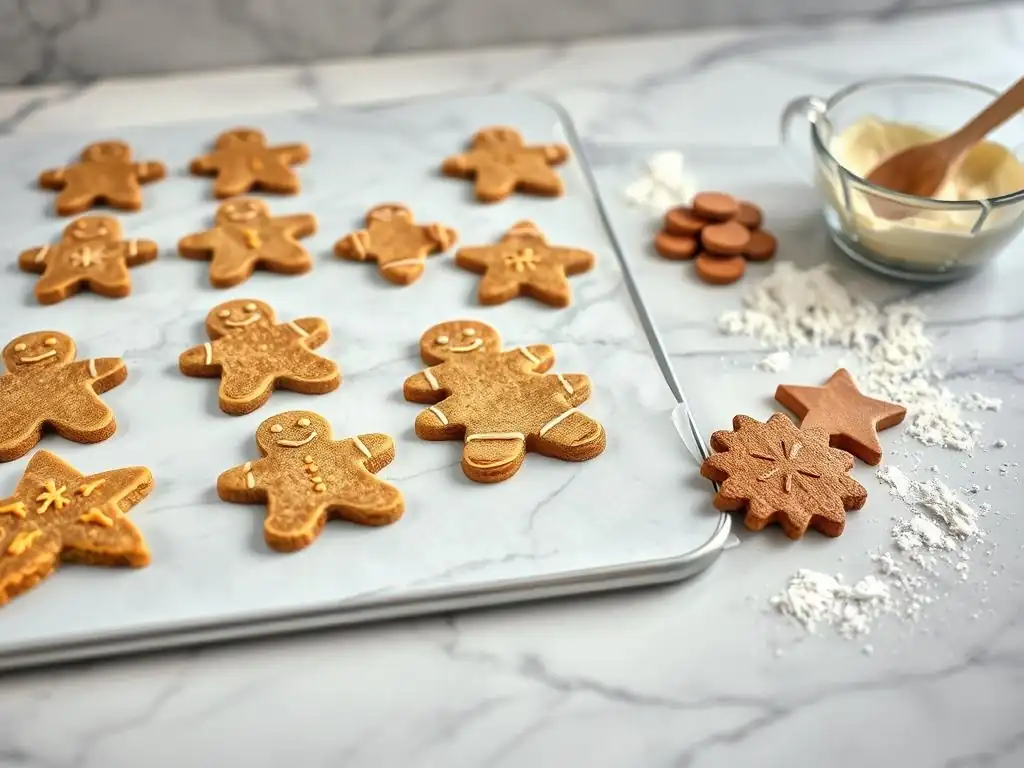
Sometimes, the issue isn't just technique but the recipe itself. Some cookie dough recipes are inherently designed to spread more than others (think thin, crispy cookies). For cutout cookies, you need a recipe specifically formulated for minimal spread. Tweaking an existing recipe can help address holiday cookie cutouts spreading issues.
Making small adjustments to the ratios of key ingredients like butter, sugar, and flour can significantly impact how much your dough spreads. Consider these modifications if your current recipe consistently results in blurry shapes.
Reducing Butter Content
Butter contributes to tenderness and flavor, but it's also the primary culprit for spreading. If your recipe is causing excessive spread, slightly reducing the amount of butter can help.
For example, if a recipe calls for 1 cup (2 sticks) of butter, try reducing it by 1-2 tablespoons. This subtle change reduces the amount of fat that melts in the oven, providing more structural integrity to the dough and helping to curb holiday cookie cutouts spreading issues. Be mindful not to reduce it too much, or your cookies might become dry or tough.
Substituting Sugar
As mentioned earlier, different types of sugar affect spread differently. If your recipe uses only granulated sugar and you're experiencing significant spreading, consider replacing a portion of the granulated sugar with powdered sugar.
For instance, if a recipe calls for 1 cup of granulated sugar, you might try using 1/2 cup granulated sugar and 1/2 cup powdered sugar. The cornstarch in the powdered sugar will help absorb moisture and create a more stable dough that is less prone to spreading, directly addressing holiday cookie cutouts spreading issues related to sugar.
Adding Acidic Ingredients
Adding a small amount of an acidic ingredient, like a teaspoon of vinegar or lemon juice, can sometimes help reduce spread. Acid reacts with baking soda (if present) and can also affect gluten development, creating a slightly firmer dough.
While not a guaranteed fix for all recipes, this is a technique sometimes employed in recipes where baking soda is used as a leavening agent. The acid helps control the leavening reaction, potentially reducing the outward push during baking and minimizing holiday cookie cutouts spreading issues.
Mastering the Baking Process
Even with the perfect dough, how you handle and bake the cookies can still lead to spreading problems. The steps you take from the moment the dough hits the baking sheet until it cools are crucial for maintaining those crisp, defined holiday shapes. Paying attention to these details is vital for avoiding holiday cookie cutouts spreading issues.
Proper technique during the baking phase ensures that the dough sets correctly and maintains the shape it had when it went into the oven. Simple adjustments to your baking routine can yield significantly better results.
Avoiding Overcrowding the Baking Sheet
Placing too many cookies on a single baking sheet is a common mistake that can contribute to spreading issues. Cookies need space to bake evenly and allow hot air to circulate around them.
When baking holiday cutouts, leave at least 1-2 inches of space between each cookie. If cookies are placed too close together, they can merge as they spread, and the confined space can lead to uneven baking and increased spreading as steam is trapped. Giving your cookies room to breathe helps prevent holiday cookie cutouts spreading issues.
Rotating Baking Sheets
Ovens often have hot spots, meaning different areas within the oven might be hotter or cooler than others. This can lead to uneven baking and potentially uneven spreading.
Rotating your baking sheet halfway through the baking time ensures that all cookies are exposed to similar temperatures, promoting even baking and consistent shape. For example, if baking for 10 minutes, rotate the sheet after 5 minutes. This simple step helps manage holiday cookie cutouts spreading issues caused by uneven oven temperatures.
While cooling doesn't directly cause spreading during baking, improper cooling can affect the final shape and texture. Leaving hot cookies on a warm baking sheet for too long continues the baking process and can lead to them becoming too fragile or potentially losing some definition as they cool slowly.
Allow cookies to set on the baking sheet for just a minute or two after removing them from the oven before carefully transferring them to a wire rack to cool completely. Cooling on a rack allows air circulation, stopping the baking process and helping the cookie firm up properly, ensuring your festive shapes maintain their crisp edges and preventing further holiday cookie cutouts spreading issues after baking.
Advanced Techniques
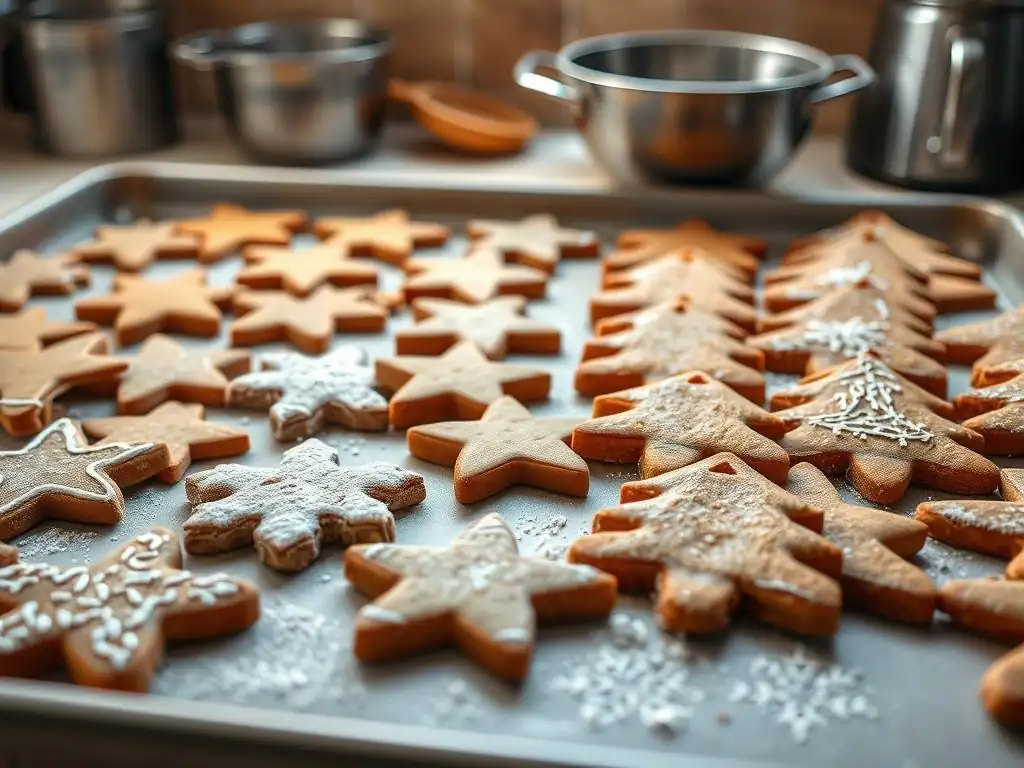
For those who have mastered the basics and are still seeking ways to perfect their holiday cutouts, a few more advanced techniques can help achieve exceptionally crisp edges and minimal spread. These methods often require specific tools or slight variations in the process.
These techniques are particularly useful when working with intricate cutter designs where maintaining sharp lines is paramount. They build upon the foundational principles of controlling fat and structure during baking.
The tool you use to cut your shapes can also make a difference. Cutters with sharp, clean edges create a defined line in the dough. Cutters with dull or rounded edges can compress the dough around the edges, which can encourage spreading during baking.
When cutting shapes, press straight down firmly without twisting. Twisting can seal the edges of the dough, potentially trapping air or moisture and leading to uneven spreading. Using sharp cutters is a subtle but effective way to combat holiday cookie cutouts spreading issues.
Freezing Cutout Shapes
Taking the chilling step even further by freezing the cut shapes before baking is an excellent technique for preventing spread, especially with very delicate or intricate designs.
After cutting shapes and placing them on a parchment-lined baking sheet, pop the entire sheet into the freezer for 10-15 minutes, or until the shapes are firm. Bake directly from frozen, adding a minute or two to the total baking time if necessary. The frozen butter will melt much more slowly, giving the dough maximum time to set before spreading. This is a highly effective method against stubborn holiday cookie cutouts spreading issues.
Experimenting with Different Gluten Levels
For serious cookie enthusiasts, exploring different flours with varying protein (and thus gluten) levels can offer fine-tuning control over texture and spread. Higher protein flours (like bread flour) develop more gluten, providing more structure, while lower protein flours (like cake flour) develop less.
While most cutout cookie recipes use all-purpose flour, experimenting with a blend (e.g., adding a small amount of bread flour) might increase structure and reduce spread for some recipes. Conversely, if a recipe is too stiff, a bit of cake flour might help. Understanding how gluten affects dough structure helps in tackling holiday cookie cutouts spreading issues.
Achieving Perfection: Final Tips
Once your beautifully shaped holiday cutouts are baked and cooled, the final steps involve decorating and storing them. While these steps don't prevent spreading during baking, they are crucial for enjoying your perfect festive cookies.
Presenting and preserving your cookies properly ensures that the effort you put into preventing holiday cookie cutouts spreading issues results in lasting enjoyment.
Decorating Techniques
Before decorating, ensure cookies are completely cooled. Applying icing or decorations to warm cookies can cause the icing to melt or the cookies to break. Royal icing is popular for cutouts as it dries hard and smooth, maintaining the cookie's defined edge.
For simple decorations, a glaze or a dusting of powdered sugar works wonderfully and highlights the crisp shapes you worked hard to achieve. Take pride in decorating those perfectly shaped cookies that didn't succumb to holiday cookie cutouts spreading issues!
Store cooled, undecorated cookies in an airtight container at room temperature for up to a week. If decorated with royal icing, ensure the icing is fully dry (which can take several hours, even overnight) before layering them in a container with parchment paper in between layers to prevent sticking and damage.
Proper storage keeps your cookies fresh and prevents them from becoming stale, allowing you to enjoy your perfectly shaped, spread-free holiday cutouts for days to come.
Frequently Asked Questions
The spreading is often due to too much butter or sugar in the dough, or the dough being too warm when it goes into the oven. These factors cause the cookies to flatten and lose definition.
Using cake flour or pastry flour, which have lower protein content than all-purpose flour, can help. Lower protein means less gluten development, resulting in a more tender cookie that is less likely to spread.
Absolutely! Chilling the dough is crucial to preventing spreading. Cold butter and sugar are less likely to melt quickly in the oven, helping the cookies hold their shape during baking.
A slightly higher temperature, around 375°F (190°C), can help the cookies set quickly. This prevents the butter from melting too rapidly and the cookies from spreading excessively. Always monitor your oven temperature for accuracy.
Yes! Using light-colored baking sheets helps to prevent over-browning on the bottom, which can contribute to spreading. Also, avoid greasing the baking sheet; instead, use parchment paper for easy removal and to prevent excess oil from contributing to spreading.
The seemingly simple act of cutting holiday cookies reveals a surprisingly complex interplay of physics, baking science, and the enduring human desire for festive perfection. From the frustrating spread of dough to the blurry edges of our carefully crafted shapes, the challenges we face in creating these treats mirror the larger challenges of achieving our holiday goals – a pursuit often marked by both delightful successes and endearing imperfections.
The struggle to achieve perfectly crisp, defined shapes in our holiday baking is a microcosm of the larger human experience. We strive for precision, for control, yet often find ourselves embracing the happy accidents and charming imperfections that arise. The best things in life are the unplanned ones.
This sentiment rings true not only for holiday baking but for life itself; sometimes, the most memorable moments are the ones that deviate from our meticulously crafted plans.
Consider the lessons learned from your own cookie-cutting experiences. Did you adjust your dough recipe, your chilling time, or your cutting technique? Did you learn to embrace the slightly wonky snowman or the charmingly misshapen star? This holiday season, let the imperfections of your cookie cutouts serve as a reminder to embrace the imperfections in life itself. Let the joy of the process, the shared moments of creation, and the delicious results outweigh the pursuit of unattainable perfection. Let the slightly blurred edges remind you that the true spirit of the holidays lies in connection, not in flawless execution.
Unleash Your Inner Holiday Baking Artist!
Thanks for joining us on this festive journey into the world of holiday cutout cookies! We hope you learned some valuable tips to perfect your baking skills. Now it's time to put that knowledge into action!
- Master the art of the perfect cutout: Practice your newly acquired techniques with a fresh batch of dough – experiment with different shapes and sizes! Don't be afraid to get creative!
- Share your creations: Show off your beautifully crisp and perfectly shaped cookies on social media – use #BakeWithEaseHoliday to connect with our community!
- Challenge a friend: See who can create the most intricate and delicious holiday cookie masterpiece! Record your baking adventure and share it with us!
Ready to transform your holiday baking from blurry to breathtaking?