
Montmorillonite Clays and Sodium Bicarbonate: Unusual Leaveners to Try

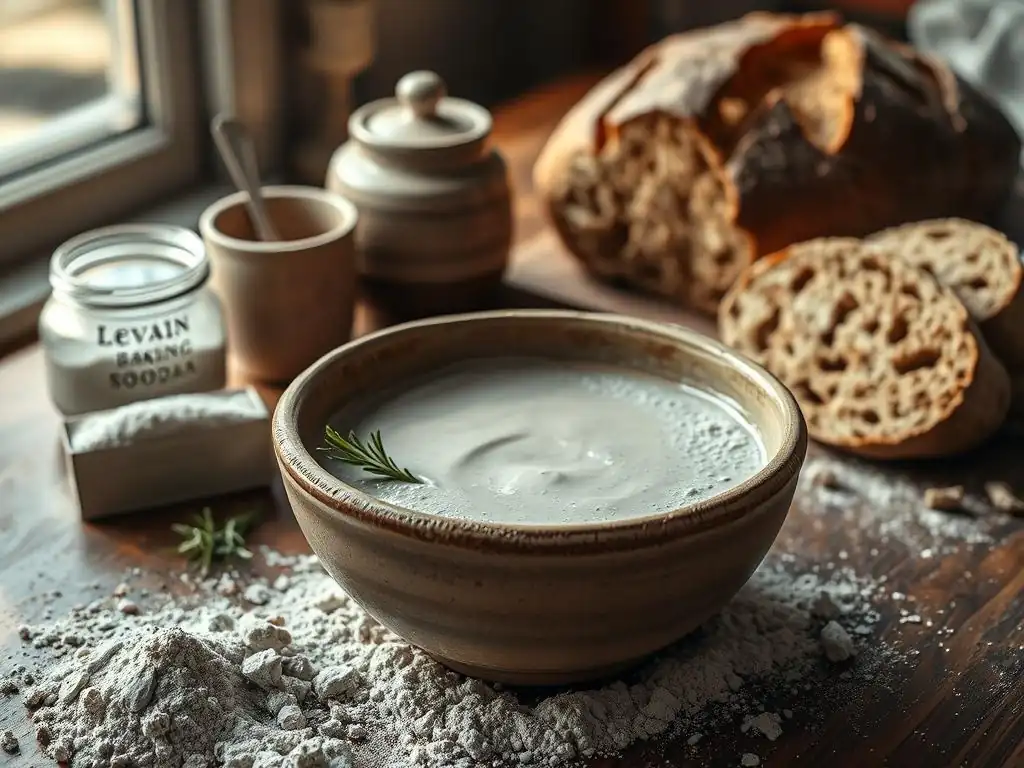
Welcome to BakeWithEase, your guide to confident baking! Ever wondered if there's more to sourdough than just flour, water, and time? This week, we're diving into the surprising world of alternative leaveners. Prepare to challenge your baking norms as we explore the intriguing potential of montmorillonite clays and sodium bicarbonate as additions to your starter. Could these unexpected ingredients be the key to a tangier, more robust loaf? Read on to discover fascinating sodium bicarbonate sourdough starter tips and unlock a new dimension of flavor!
- Unusual Leaveners: Diastatic Malt Powder and Ascorbic Acid in Bread Baking
- Introduction to Alternative Leavening Agents in Bread
- Understanding Diastatic Malt Powder in Bread Baking
- Ascorbic Acid: Beyond Vitamin C
- Diastatic Malt Powder vs. Ascorbic Acid: A Comparison
- Incorporating Diastatic Malt Powder into Your Bread Dough
- Using Ascorbic Acid Effectively in Bread Dough
- The Science Behind Diastatic Malt Powder and Ascorbic Acid in Bread Making
- Where to Find Diastatic Malt Powder and High-Quality Ascorbic Acid
- Conclusion: Expanding Your Bread Baking Horizons
-
Frequently Asked Questions
- What is the role of sodium bicarbonate when used with a sourdough starter?
- How can montmorillonite clays be used in baking, particularly with sourdough?
- Are sodium bicarbonate and baking powder the same thing when used with sourdough?
- What are the potential risks or downsides of using sodium bicarbonate in a sourdough starter?
- Where can I find more detailed instructions and recipes using sodium bicarbonate or montmorillonite clays in sourdough?
- Final Reflection: The Unexpected Alchemy of Baking
- Unleash Your Inner Baking Alchemist!
Unusual Leaveners: Diastatic Malt Powder and Ascorbic Acid in Bread Baking
Introduction to Alternative Leavening Agents in Bread
Exploring Beyond Yeast and Baking Powder for Enhanced Bread Quality
While yeast remains the cornerstone of most bread baking, and chemical leaveners like baking powder or sodium bicarbonate are essential for quick breads, there's a fascinating world of dough conditioners and enhancers that can significantly impact your loaf's texture, rise, and flavor. Moving beyond the basics allows bakers to fine-tune their results, addressing common issues like dense crumb, poor oven spring, or lack of crust color.
These additives aren't strictly leaveners in the way yeast or baking powder are – they don't produce the primary gas for expansion – but they work alongside the leavening process to create a better structure capable of holding that gas, leading to a superior final product.
Consider the subtle differences you notice between a standard supermarket loaf and an artisan sourdough. Part of that distinction comes from fermentation time and technique, but often, specific ingredients are added in small amounts to optimize the dough. Unlike exploring tips for using sodium bicarbonate in sourdough recipes where it's added for a chemical lift in certain situations, we're looking at ingredients that modify the dough's gluten structure or enhance yeast activity, providing a different kind of improvement. These "unusual" additions can solve specific baking challenges and open up new possibilities for your bread.
Bread Innovation: Discovering Novel Leavening Techniques
Innovation in bread baking isn't always about inventing a completely new way to make dough rise; sometimes, it's about understanding and utilizing ingredients that support the existing leavening process in novel ways at the home baking level. Diastatic malt powder and ascorbic acid are two such ingredients. While widely used in commercial baking for decades to ensure consistent quality and performance across large batches, they are less commonly understood or utilized by home bakers.
Learning about these additives empowers you to troubleshoot issues you might encounter with different flours or long fermentation times. For instance, understanding how ascorbic acid affects gluten can help you manage sticky or slack dough, while knowing about diastatic malt can improve the crust development and crumb softness of whole grain loaves. Embracing these techniques allows you to take more control over your baking outcomes, moving from simply following a recipe to truly understanding and influencing the bread-making process.
Understanding Diastatic Malt Powder in Bread Baking
What is Diastatic Malt Powder? A Baker's Perspective
Diastatic malt powder is a powerful ingredient derived from germinated grains, typically barley, that have been dried and ground. The key word here is "diastatic," which refers to the presence of active enzymes, specifically amylase. When grains germinate, they produce enzymes to break down their stored starches into simpler sugars, which the growing plant can use for energy. In baking, these enzymes perform a similar function within the dough.
The amylase enzymes in diastatic malt powder break down complex starches in the flour into simple sugars like maltose and glucose. These sugars serve as readily available food for the yeast, boosting fermentation activity. This is particularly beneficial when using flours that are low in natural sugars or when undertaking long, slow ferments where the yeast might otherwise run out of easily digestible food. The presence of these sugars also contributes to better browning of the crust during baking, as sugars caramelize at high temperatures.
Diastatic Malt Powder as a Natural Dough Improver
Beyond providing food for yeast, diastatic malt powder acts as a natural dough improver. The increased fermentation activity it promotes helps the dough rise more effectively. Furthermore, the sugars produced contribute to a softer crumb and better moisture retention in the finished loaf, extending its shelf life slightly.
Think of it as giving your yeast a helpful snack bar to keep them energized throughout the proofing process. A typical addition rate for diastatic malt powder is quite low, often ranging from 0.1% to 0.5% of the total flour weight. For a standard loaf using 500 grams of flour, this would be just 0.5 to 2.5 grams – less than a teaspoon. Using too much can be detrimental, leading to excessive enzymatic activity that degrades the gluten structure, resulting in a gummy crumb and sticky dough.
How Diastatic Malt Powder Affects Dough Strength and Fermentation
Diastatic malt powder primarily impacts fermentation speed and efficiency by providing readily available sugars for the yeast. This can lead to a more vigorous rise. While it doesn't directly strengthen the gluten network like some other additives, its positive effect on fermentation helps the dough develop gas more consistently, leading to a better-structured loaf.
The enzymes also influence the dough's rheology (flow properties) slightly. By breaking down some starch, they can make the dough feel a little softer and more extensible. This needs to be balanced with proper gluten development through kneading or folding. In a sourdough starter, adding a tiny pinch of diastatic malt to the dough (not the starter itself) can sometimes give it a little boost if you suspect your flour isn't providing enough fermentable sugars, offering a different strategy compared to troubleshooting a sluggish starter with specific sodium bicarbonate sourdough starter tips for balancing acidity.
Ascorbic Acid: Beyond Vitamin C
The Versatility of Ascorbic Acid in Bread Baking
Ascorbic acid, commonly known as Vitamin C, is a powerful antioxidant in the human body, but in bread dough, it plays a completely different role. When exposed to oxygen in the dough, ascorbic acid is converted into dehydroascorbic acid, which then acts as an oxidizing agent. This oxidation process has a strengthening effect on the gluten network within the dough.
This strengthening effect is particularly beneficial when working with flours that have weaker gluten, or when aiming for a loaf with significant volume and structure, such as a tall sandwich loaf or a large boule with excellent oven spring. A very small amount can make a noticeable difference in how the dough handles, making it less sticky and more elastic. It's a versatile tool for bakers looking to improve dough handling and final loaf structure.
Ascorbic Acid Dough Conditioner Tips for Enhanced Volume
Ascorbic acid works by helping to form more disulfide bonds between the gluten proteins (glutenin and gliadin). These bonds create a stronger, more cohesive network, which is better able to trap the carbon dioxide gas produced by the yeast during fermentation and proofing. This leads to a dough that holds its shape better and expands more effectively in the oven.
The result is often increased loaf volume and a more open crumb structure. Usage rates for ascorbic acid are incredibly low, typically measured in parts per million (ppm), which translates to fractions of a gram for a home batch. A common range is 20 to 100 ppm, or about 0.002% to 0.01% of the flour weight. For 500g of flour, this is between 0.01 and 0.05 grams – an amount so small it's hard to measure without a jeweler's scale. It's often added dissolved in the liquid or mixed directly into the flour.
Balancing Oxidation: Ascorbic Acid and Dough Development
While ascorbic acid strengthens the gluten network through oxidation, it's important to use it judiciously. Too much ascorbic acid can lead to an overly tight or "buckwheat-like" dough that is difficult to shape and tears easily. It can also negatively impact the dough's extensibility, making it hard to stretch and fold. The goal is to find the right balance to improve dough handling and volume without making the dough stiff.
The effectiveness of ascorbic acid is also influenced by the mixing time and the presence of oxygen. More intense mixing incorporates more oxygen, which helps activate the ascorbic acid. Unlike sodium bicarbonate, which provides an immediate chemical lift when combined with acid, ascorbic acid's effect is on the gluten structure developed over time during mixing and fermentation, supporting the yeast's gradual gas production.
Diastatic Malt Powder vs. Ascorbic Acid: A Comparison
Leavening Support: Malt vs. Ascorbic Acid
When comparing diastatic malt powder and ascorbic acid, it's crucial to understand their primary functions. Diastatic malt powder supports leavening indirectly by feeding the yeast, boosting fermentation and gas production. It ensures the yeast has a consistent food source, leading to a more reliable and potentially faster rise, especially in doughs with complex flours or long proofing times.
Ascorbic acid, on the other hand, supports leavening by strengthening the dough's structure. It doesn't feed the yeast or produce gas itself. Instead, it makes the gluten network more robust and elastic, allowing the dough to trap more gas and expand more effectively during fermentation and oven spring. It helps the dough hold the shape created by the yeast's activity.
Dough Properties: The Impact of Each Additive
The impact on dough properties differs significantly. Diastatic malt powder tends to make dough slightly softer and more extensible due to enzymatic breakdown of starches. It also contributes to a richer crust color and softer crumb due to increased sugar content.
Ascorbic acid makes dough stronger, more elastic, and less sticky. It improves dough handling and makes shaping easier, particularly for high-hydration doughs. It promotes better volume and a more open crumb structure by allowing the dough to expand more fully without collapsing.
| Feature | Diastatic Malt Powder | Ascorbic Acid |
|---|---|---|
| Primary Role | Yeast food/Enzymatic activity | Gluten strengthener/Oxidizer |
| Effect on Yeast | Boosts fermentation | No direct effect (supports structure) |
| Effect on Gluten | Slightly softens/increases extensibility | Strengthens/increases elasticity |
| Impact on Crumb | Softer, more moist | More open, better structure |
| Impact on Crust | Enhances browning | Improves oven spring/volume |
| Usage Rate | Higher (0.1% - 0.5% of flour) | Much lower (0.002% - 0.01% of flour) |
Usage Considerations: When to Use Malt or Ascorbic Acid
Deciding whether to use diastatic malt powder or ascorbic acid depends on the specific challenge you're trying to address and the type of bread you are making.
- Use Diastatic Malt Powder when:
- You want to improve crust color and achieve a rich brown.
- You are using whole grain flours or flours low in natural sugars.
- You are doing a long, slow fermentation and want to ensure the yeast stays active.
- You want a softer, more moist crumb.
- Considerations: Use sparingly to avoid a gummy texture.
- Use Ascorbic Acid when:
- You are working with a flour that has weak gluten.
- You have a high-hydration dough that is difficult to handle and shape.
- You want to achieve maximum loaf volume and oven spring.
- You want a more open crumb structure.
- Considerations: Use tiny amounts to avoid a tight, stiff dough.
It's also possible to use both, as they address different aspects of dough development. A small amount of diastatic malt can feed the yeast while a tiny pinch of ascorbic acid strengthens the gluten to hold the resulting gas. This differs from using sodium bicarbonate in certain sourdough recipes, which is typically an immediate chemical reaction for a specific quick lift rather than a slow dough development aid.
Incorporating Diastatic Malt Powder into Your Bread Dough
Step-by-Step Guide: Adding Malt Powder to Bread Dough
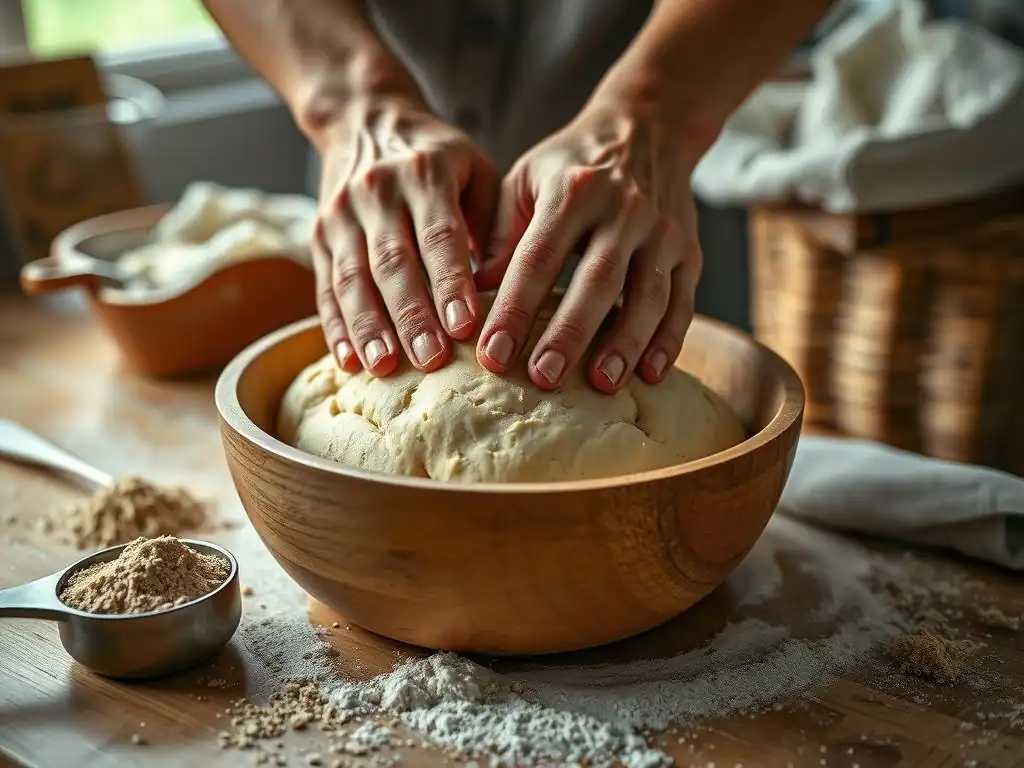
Adding diastatic malt powder to your bread dough is straightforward, but precision is key due to the small quantities used.
- Determine the Amount: Calculate the amount needed based on your flour weight. Aim for 0.1% to 0.5% of the flour weight. For example, if using 500g flour, you'd need 0.5g to 2.5g of diastatic malt. Using a precise scale is highly recommended.
- Weigh Carefully: Measure the diastatic malt powder accurately. Remember, too much can ruin your dough.
- Mix with Flour: The easiest way to ensure even distribution is to whisk the measured malt powder thoroughly into your dry flour before adding any liquids.
- Proceed with Recipe: Continue following your standard bread recipe steps for mixing, kneading, fermentation, and baking.
- [ ] Measure flour
- [ ] Calculate malt amount (e.g., 0.3% of flour weight)
- [ ] Weigh malt powder precisely
- [ ] Whisk malt powder into dry flour
- [ ] Follow remaining recipe steps
Whole Wheat Bread Recipe: Diastatic Malt Powder for Improved Rise
Here's a simple example recipe structure showing where you'd incorporate diastatic malt powder in a whole wheat loaf, known for sometimes being dense.
**Whole Wheat Loaf with Diastatic Malt**

Yields: 1 loaf
Prep time: 3 hours
Bake time: 35-40 minutes

**Ingredients:**

*   500g Whole Wheat Flour
*   350g Water (70% hydration)
*   10g Salt (2%)
*   7g Instant Yeast (1.4%)
*   **1.5g Diastatic Malt Powder (0.3%)**

**Instructions:**

1.  In a large bowl, whisk together the whole wheat flour and diastatic malt powder.
2.  In a separate bowl, combine the water and yeast. Pour the liquid mixture into the dry ingredients.
3.  Mix until a shaggy dough forms. Let rest for 20-30 minutes (autolyse).
4.  Add the salt to the dough.
5.  Knead the dough for 8-10 minutes until it becomes reasonably smooth and elastic.
6.  Place the dough in a lightly oiled bowl, cover, and let it rise at room temperature until doubled in size (approx. 1.5 - 2 hours, depending on temperature).
7.  Shape the dough into a loaf.
8.  Place the shaped loaf in a proofing basket or loaf pan, cover, and let it proof until nearly doubled (approx. 45-60 minutes).
9.  Preheat oven to 450°F (230°C) with a baking stone or Dutch oven inside.
10. Score the loaf, transfer to the hot baking vessel or stone, and bake for 35-40 minutes, or until deeply golden brown and the internal temperature reaches 200-210°F (93-99°C).
11. Cool on a wire rack before slicing.
Tips for Baking with Malt: Achieving Optimal Results
- Start Low: If you're new to using diastatic malt powder, begin with a lower percentage (like 0.1% or 0.2%) to see how it affects your specific flour and recipe before increasing the amount.
- Measure Accurately: As mentioned, a scale is almost essential for measuring these small amounts correctly. Eyeballing can easily lead to using too much.
- Observe Dough Behavior: Pay attention to how your dough ferments. With malt, it might move a bit faster. Adjust proofing times accordingly.
- Check Crumb Texture: After baking, evaluate the crumb. If it's gummy or excessively sticky, you likely used too much malt. Reduce the amount next time. If the crust browning is still pale and the crumb could be softer, you could try a slightly higher percentage, staying within the recommended range.
Using Ascorbic Acid Effectively in Bread Dough
Controlling Dough Oxidation with Ascorbic Acid
Ascorbic acid acts as an oxidizer in dough, strengthening the gluten network. This is particularly useful for controlling dough spread and improving its ability to hold shape, especially in wetter doughs or those made with lower-protein flours. The oxidation helps create a more stable structure that resists collapsing during proofing and baking.
Think of it like tightening the net that traps the gas bubbles. This controlled oxidation is a subtle but powerful tool. It's different from the rapid acid-base reaction you get when combining sodium bicarbonate with an acidic ingredient in a dough, which causes an immediate burst of CO2. Ascorbic acid's effect is on the dough's physical structure, enhancing its ability to retain the gas produced by yeast over a longer period.
Sourdough Boule Recipe: Ascorbic Acid for Enhanced Oven Spring
Ascorbic acid can be particularly beneficial in sourdough baking, where achieving good oven spring can sometimes be challenging, especially with high-hydration doughs. It helps the dough maintain tension and structure as it expands rapidly in the hot oven.
Here’s how you might incorporate a tiny amount into a sourdough recipe:
**High-Hydration Sourdough Boule with Ascorbic Acid**

Yields: 1 boule
Prep time: 12-24 hours (including bulk fermentation)
Bake time: 40-45 minutes

**Ingredients:**

*   500g Strong Bread Flour
*   375g Water (75% hydration)
*   100g Active Sourdough Starter
*   10g Salt (2%)
*   **~0.02g Ascorbic Acid Powder (approx. 40 ppm)**

**Instructions:**

1.  In a large bowl, mix the flour and water until just combined. Let rest for 30-60 minutes (autolyse).
2.  Add the active sourdough starter, salt, and the *tiny* amount of ascorbic acid powder.
3.  Mix to incorporate, then knead or perform stretch and folds over 2-3 hours until the dough develops strength. The ascorbic acid will help the dough feel stronger and less sticky during this process.
4.  Allow the dough to bulk ferment at room temperature until increased in volume and puffy (timing varies greatly based on starter activity and temperature, approx. 4-12 hours).
5.  Shape the dough into a boule.
6.  Place in a floured proofing basket and cold proof in the refrigerator for 8-16 hours.
7.  Preheat oven to 500°F (260°C) with a Dutch oven inside.
8.  Carefully transfer the dough to the hot Dutch oven, score, cover, and bake for 20 minutes.
9.  Reduce oven temperature to 450°F (230°C), remove lid, and bake for another 20-25 minutes until the crust is dark golden brown.
10. Cool completely on a wire rack before slicing.
Note: Measuring 0.02g precisely without a laboratory-grade scale is extremely difficult. For home use, some bakers dilute ascorbic acid powder in water or ethanol to create a solution, or simply add a tiny pinch, accepting the lack of precise dosage.
Avoiding Common Mistakes: Ascorbic Acid Baking Tips
- Less is More: This is perhaps the most critical tip for using ascorbic acid. Start with the absolute minimum detectable amount if you cannot measure precisely. Too much will make your dough tough and difficult to work with.
- Add Early: Incorporate the ascorbic acid at the beginning of the mixing process to allow it time to react with the gluten proteins as the dough develops.
- Observe Dough Handling: The effect of ascorbic acid is often most noticeable in how the dough feels during kneading or folding – it should feel noticeably stronger and more elastic.
- Don't Expect Leavening: Remember, ascorbic acid is not a leavener. It improves the structure that supports the leavening action of yeast or sourdough starter. It doesn't produce gas like yeast or the chemical reaction you get with sodium bicarbonate and acid.
The Science Behind Diastatic Malt Powder and Ascorbic Acid in Bread Making

Enzymatic Reactions: How They Work
Diastatic malt powder's primary action is enzymatic. It contains alpha-amylase and beta-amylase. Alpha-amylase randomly breaks down starch molecules into smaller chains (dextrins), while beta-amylase cleaves off maltose units from the ends of starch chains. These shorter chains and maltose are simple sugars that are easily consumed by yeast.
This enzymatic activity continues throughout the bulk fermentation and proofing stages, provided there is sufficient moisture and an appropriate temperature range (typically between 130-150°F or 55-65°C, though significant activity occurs at dough temperatures). By ensuring a steady supply of fermentable sugars, the enzymes help sustain yeast activity, leading to a more consistent and complete rise, and contributing to the Maillard reaction and caramelization during baking for better crust color.
Understanding Redox Potential and Dough Development
Ascorbic acid's role is tied to the redox (reduction-oxidation) potential of the dough. In the presence of oxygen, ascorbic acid is oxidized to dehydroascorbic acid. Dehydroascorbic acid then acts as an oxidizing agent, reacting with sulfhydryl groups on gluten proteins. These sulfhydryl groups are converted into disulfide bonds, which link different protein chains together.
This increase in disulfide bonds strengthens the overall gluten network, making the dough more elastic and stable. It's a chemical process that affects the physical properties of the dough, improving its ability to trap gas and resist deformation. This oxidative effect is why ascorbic acid is considered a dough conditioner, enhancing the dough's structure to support the leavening action, much like how careful handling and folding support the gas development in a sodium bicarbonate-leavened quick bread before baking.
Further Reading: Scientific Studies on Malt and Ascorbic Acid in Bread
The effects of diastatic malt and ascorbic acid on bread dough have been extensively studied in food science. Research published in journals like the Journal of Cereal Science or Food Chemistry often details the enzymatic kinetics of amylases in dough systems or the specific oxidative pathways influenced by ascorbic acid. These studies quantify the impact of varying concentrations on dough rheology, fermentation rates, and final bread quality parameters like specific volume, crumb structure, and texture profile analysis.
For example, studies have shown that adding as little as 50 ppm of ascorbic acid can significantly increase loaf volume in certain wheat flours. Similarly, research on malt has demonstrated optimal usage percentages based on the flour's natural enzymatic activity to avoid undesirable effects like stickiness or gummy crumb texture, providing specific data points that inform the general recommendations for home bakers.
Where to Find Diastatic Malt Powder and High-Quality Ascorbic Acid
Sourcing Reliable Baking Ingredients
Finding high-quality diastatic malt powder and food-grade ascorbic acid is crucial for consistent baking results. While you might find ascorbic acid labeled as Vitamin C powder in pharmacies or health food stores, ensure it is pure and food-grade, without fillers or anti-caking agents that could interfere with baking. Diastatic malt powder is more specifically a baking ingredient.
Look for suppliers that cater to bakers or brewing enthusiasts (malt is also used in brewing). Reputable online baking supply stores or specialty flour mills are good places to start. Ensure the product description specifies "diastatic" for the malt powder, as non-diastatic malt (like malted milk powder or diastatic malt syrup that has been heated and enzymes deactivated) will not have the same enzymatic effect.
Recommended Food-Grade Suppliers
Several online retailers specialize in baking ingredients and are reliable sources for both diastatic malt powder and food-grade ascorbic acid. Companies like King Arthur Baking, Breadtopia, or Amazon often carry these items. You might also find them at local health food stores or pharmacies, particularly the ascorbic acid, just double-check the "food grade" or "USP" (United States Pharmacopeia) designation to ensure purity.
When purchasing ascorbic acid, it often comes in crystalline powder form. For diastatic malt, it will be a fine powder. Store both in airtight containers in a cool, dry place away from light to maintain their potency, especially the enzymes in the malt. Proper storage ensures these ingredients remain effective for supporting your yeast or enhancing your dough structure, unlike perhaps how you might store ingredients for sodium bicarbonate sourdough starter tips, where moisture is the primary concern before mixing.
Conclusion: Expanding Your Bread Baking Horizons
Embrace Unusual Additives for Creative Bread Making
Exploring additives like diastatic malt powder and ascorbic acid might seem intimidating at first, but they are powerful tools that can elevate your bread baking. They allow you to move beyond standard recipes and troubleshoot common issues, leading to more consistent, professional-quality results at home. By understanding how these ingredients interact with flour and yeast, you gain greater control over the fermentation process, dough handling, and the final characteristics of your loaf.
Whether you aim for a deeper crust color and softer crumb with malt or seek improved volume and structure with ascorbic acid, these additions open up new avenues for experimentation. They represent a step towards mastering the science behind baking, giving you the knowledge to adapt recipes and techniques to your specific ingredients and desired outcomes.
Further Experimentation: Adjusting Malt and Ascorbic Acid Levels
The beauty of using these ingredients in small quantities is that you can experiment to find the levels that work best for your specific flours and recipes. Start with the recommended low percentages and make small adjustments in subsequent bakes.
- Try increasing diastatic malt slightly if your whole wheat loaves are consistently pale or dense.
- Add a tiny pinch of ascorbic acid if your high-hydration doughs are too sticky or your sourdough boules lack oven spring.
Keep detailed notes on your adjustments and the results. This empirical approach will help you understand the subtle yet significant impact these "unusual" leaveners and dough improvers can have, differentiating your baking from standard methods and helping you achieve truly outstanding bread, perhaps even refining your overall approach compared to simply following sodium bicarbonate sourdough starter tips for specific recipes.
Frequently Asked Questions
What is the role of sodium bicarbonate when used with a sourdough starter?
Sodium bicarbonate, also known as baking soda, can be used to increase the pH of a sourdough starter. This can sometimes boost activity if the starter is overly acidic, making it rise faster.
How can montmorillonite clays be used in baking, particularly with sourdough?
Montmorillonite clays, like bentonite, can be added to sourdough to improve texture and structure. They can absorb excess moisture and help create a chewier, more stable dough.
Are sodium bicarbonate and baking powder the same thing when used with sourdough?
No, sodium bicarbonate is different from baking powder. Baking powder contains both sodium bicarbonate and an acid. Using baking powder in sourdough will add both a base and acid, potentially affecting the flavor and rise.
What are the potential risks or downsides of using sodium bicarbonate in a sourdough starter?
Overuse of sodium bicarbonate can negatively impact the flavor of your sourdough, making it taste soapy or alkaline. It can also inhibit yeast activity if the pH becomes too high.
Where can I find more detailed instructions and recipes using sodium bicarbonate or montmorillonite clays in sourdough?
For more in-depth guides, visit BakeWithEase.com and search for "Sodium Bicarbonate Sourdough Starter Tips." You'll find step-by-step instructions and ingredient information.
Final Reflection: The Unexpected Alchemy of Baking
The quest for the perfect sourdough loaf often leads down well-trodden paths, but the exploration of alternative leaveners like montmorillonite clays and sodium bicarbonate opens up a world of exciting possibilities and unexpected flavors. This isn't just about finding a new sourdough starter; it's about reimagining the very foundation of baking, pushing the boundaries of tradition, and embracing innovation in the kitchen.
The subtle interplay between these unusual ingredients and the familiar tang of sourdough starter profoundly impacted my understanding of baking chemistry. It's a journey of discovery, constantly revealing new nuances and textures. The most beautiful discovery true science has ever made is the unexpected.
- Louis Pasteur. This quote perfectly encapsulates the thrill of experimenting with these unconventional leaveners, where each bake unveils a fresh perspective on the art of bread making. The impact extends beyond the individual loaf; it encourages a deeper appreciation for the scientific principles underpinning culinary creativity.
Consider the potential. You, the reader, now possess the knowledge to experiment with these unique leaveners, to craft your own sourdough starter variations, and to push the boundaries of your baking skills. Don't be afraid to deviate from the norm; embrace the unexpected results, learn from each experiment, and most importantly, enjoy the process of creating something truly unique and delicious. The journey of baking, much like life itself, is about the exploration and the discovery, not just the final product. So, go forth and bake!
Unleash Your Inner Baking Alchemist!
Thanks for exploring the fascinating world of unusual leaveners with us! You've just discovered how montmorillonite clays and sodium bicarbonate can elevate your baking game. Ready to experiment?
- Try a montmorillonite clay bread recipe today! This is your chance to experience a truly unique texture and subtle flavor. Don't be intimidated – it's easier than you think!
- Share your baking adventures! Let our community know what you tried and how it turned out. We love seeing your creations!
- Research other unusual baking ingredients. Explore the vast world of natural leaveners and discover new ways to surprise and delight your taste buds.
What unexpected ingredient will you experiment with next in your baking journey?