
Dry Cake? Check Your Sugar Ratios! How Sugar Affects Moisture

Welcome to BakeWithEase, your haven for all things baking! Ever wondered why your cakes sometimes turn out drier than the Sahara? The secret often lies in the delicate balance of ingredients. This week, we're diving deep into the critical connection between sugar ratios and cake moisture. Discover how understanding these ratios can transform your baking, guaranteeing a perfectly moist crumb every single time. Ready to unlock the secrets to consistently delicious cakes? Let's get started!
- Achieving Moist Cakes: The Importance of Sugar Ratios
- Understanding Sugar's Role in Cake Moisture
- The Science Behind Sugar and Cake Hydration
- Sugar Ratios and Cake Texture: Finding the Sweet Spot
- Troubleshooting Dry Cake: Sugar Ratio Adjustments
- Other Factors Affecting Cake Moisture
- Recipe Adjustments: Practical Examples
- Accurate Sugar Measurement for Baking
- Mastering Sugar and Moisture for Baking Success
- Frequently Asked Questions
- Final Reflection: The Sweet Science of Moist Cakes
- Unlock Your Baking Potential: Perfect Cakes Every Time!
Achieving Moist Cakes: The Importance of Sugar Ratios
Understanding Sugar's Role in Cake Moisture
Sugar is far more than just a sweetener in baking; it plays a critical role in the texture, structure, and, most importantly, the moisture of your cakes. When you combine sugar with other ingredients, it interacts in complex ways that impact the final outcome. Understanding these interactions is key to consistently baking delicious, moist cakes. It's not just about the amount of sugar, but also the type and how it's balanced with other components in your recipe.
Beyond sweetness, sugar contributes to the tenderness of a cake by interfering with gluten development. Gluten, formed when flour proteins (glutenin and gliadin) mix with liquid, provides structure but can also make a cake tough if overdeveloped. Sugar competes with flour for moisture, limiting gluten formation and resulting in a softer crumb. This delicate balance, especially concerning sugar ratios and cake moisture, is a fundamental concept for any baker aiming for perfection.
Baker's Insights: Achieving Perfect Cake Texture
For experienced bakers, mastering sugar's function is a cornerstone skill. They know that the ratio of sugar to other ingredients, particularly flour and liquids, directly influences the cake's final texture. Too much sugar can lead to a cake that's excessively moist to the point of being gummy or collapses easily, while too little can result in a dry, dense, or crumbly texture. It's a common challenge, and adjusting sugar ratios for cake moisture is often the first step in troubleshooting.
Consider a classic butter cake recipe where the sugar weight might be close to the flour weight. This high sugar ratio contributes significantly to tenderness and moisture. In contrast, a lean cake like a genoise often has a lower sugar-to-flour ratio, relying more on whipped eggs for structure and moisture, resulting in a lighter, less intensely moist crumb. These variations highlight why understanding sugar ratios is crucial for controlling cake moisture and achieving the desired texture.
The Science Behind Sugar and Cake Hydration
The impact of sugar on cake moisture is rooted in its chemical properties. Sugar is a carbohydrate, and its crystalline structure allows it to interact uniquely with water and other liquids in a batter. This interaction is primarily driven by sugar's hygroscopic nature, which means it attracts and retains moisture from its surroundings.
When sugar dissolves in the liquid ingredients of a cake batter, it forms a syrup. As the cake bakes, this syrup heats up and affects how water evaporates. Sugar raises the boiling point of the batter, which means water stays in liquid form for longer during the baking process.
This extended presence of liquid allows starches to gelatinize more fully and proteins to set more gently, contributing to a moister, more tender crumb. The hygroscopic nature continues even after baking, as the sugar molecules in the finished cake draw moisture from the air, helping to keep the cake soft and preventing it from drying out quickly.
Hygroscopic Properties: Why Sugar Attracts Water
Sugar molecules, such as sucrose (common table sugar), have many hydroxyl (-OH) groups. These groups are polar, meaning they have a slight electrical charge distribution, making them highly attracted to water molecules, which are also polar. This strong attraction is what makes sugar so effective at absorbing and holding onto moisture from the environment.
Imagine sugar acting like tiny sponges throughout your cake batter and the baked cake. As the cake cools and sits, these sugar molecules continue to pull in available moisture, whether it's from the other ingredients within the cake or even humidity in the air. This ongoing moisture retention is a key reason why cakes made with adequate sugar levels tend to stay moist and fresh for longer compared to those made with less sugar. This is a fundamental aspect of how sugar ratios influence cake moisture.
How Different Sugars Affect Cake Moisture
Not all sugars behave identically in baking, and the type of sugar used can significantly impact cake moisture and texture. Different sugars have varying levels of moisture content themselves and different crystal structures, leading to subtle but important differences in how they interact with other ingredients and contribute to the final crumb.
For instance, while granulated sugar provides sweetness and tenderness, brown sugar brings added moisture due to the presence of molasses. Honey, a liquid sugar, is even more hygroscopic than granulated sugar and imparts a distinct flavor and moistness. Choosing the right type of sugar, in addition to the correct sugar ratios for cake moisture, is a crucial decision in recipe development.
Granulated Sugar: Balancing Sweetness and Structure
Granulated sugar, also known as table sugar, is the most common sugar used in baking. It consists of fine, relatively uniform crystals of sucrose. Its primary roles are to provide sweetness, contribute to tenderness by interfering with gluten, and aid in creaming with butter to create air pockets for leavening.
While granulated sugar is hygroscopic, its crystalline form means it needs to dissolve to exert its full moisture-retaining effect. When creamed with fat, the sharp edges of the crystals cut into the fat, creating tiny air cells that expand during baking, contributing to the cake's rise and structure. The amount of granulated sugar, relative to flour and fat, is a primary factor in determining the final moisture level and crumb structure. Getting the sugar ratios right for cake moisture using granulated sugar is a foundational baking skill.
Brown Sugar: Enhancing Moisture and Flavor
Brown sugar is essentially granulated sugar with the addition of molasses. The presence of molasses gives brown sugar its characteristic color, flavor, and, crucially, its moisture. Light brown sugar typically contains about 3.5% molasses by weight, while dark brown sugar contains around 6.5%.
Because of the molasses content, brown sugar is inherently moister than granulated sugar and also more hygroscopic. When used in cakes, it contributes extra moisture, resulting in a softer, chewier texture and a richer flavor profile. Recipes for items like gingerbread, carrot cake, or certain types of chocolate cakes often use brown sugar specifically for these moisture-enhancing and flavor-deepening qualities. Swapping brown sugar for a portion of granulated sugar is a common technique to increase cake moisture.
Honey: Adding Natural Sweetness and Humectancy
Honey is a natural liquid sweetener composed primarily of fructose and glucose. It is significantly more hygroscopic than sucrose (granulated sugar). This means honey is exceptionally good at attracting and retaining moisture, making it an excellent ingredient for keeping baked goods soft and moist over time.
Using honey in cakes not only adds a distinctive flavor but also contributes substantially to moisture retention. However, because it's a liquid and sweeter than granulated sugar, recipes often need adjustments to the liquid content and overall sugar amount when substituting honey. As a general guideline, you might use about ⅔ to ¾ cup of honey for every cup of granulated sugar, while also reducing other liquids slightly. Its high humectancy means cakes made with honey tend to stay moist for days.
Sugar Ratios and Cake Texture: Finding the Sweet Spot
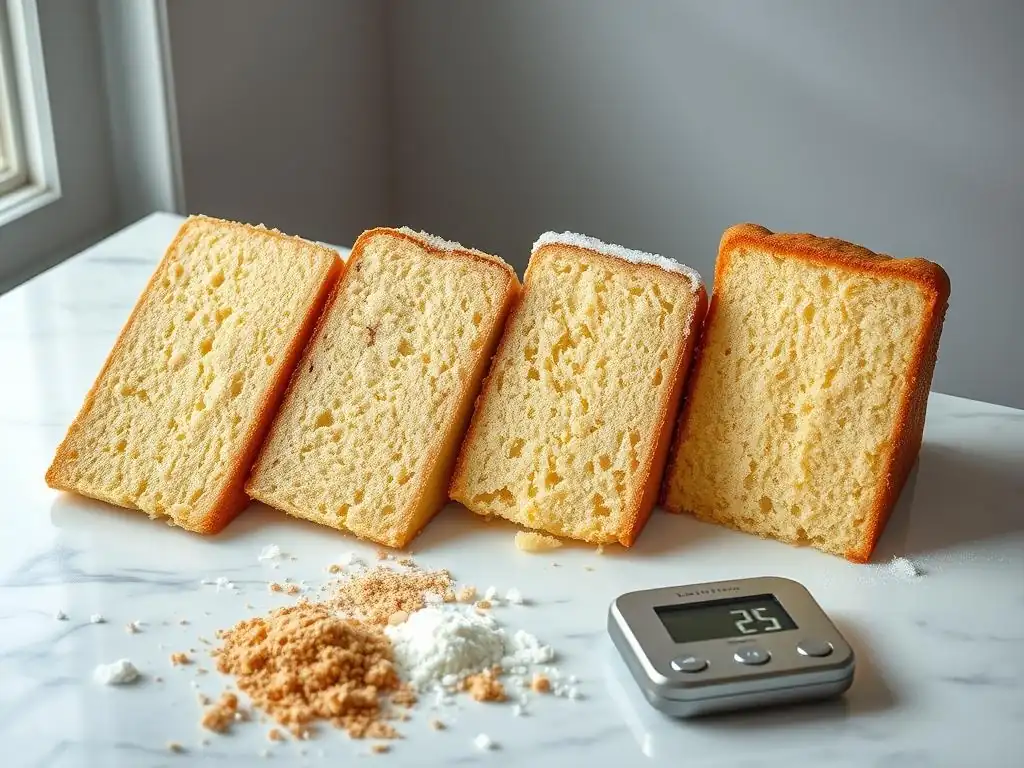
The ratio of sugar to other key ingredients like flour, fat, and liquids is perhaps the most critical factor determining cake texture and moisture. There isn't one single "perfect" ratio, as it varies depending on the desired outcome (light and fluffy vs. dense and moist) and the specific type of cake. However, understanding the general principles allows bakers to troubleshoot and adapt recipes effectively.
Balancing the sugar ratios for cake moisture involves considering how sugar interacts with gluten development, fat creaming, and liquid absorption. A higher sugar ratio generally leads to a more tender, moist, and softer cake, while a lower ratio results in a firmer, potentially drier, and less sweet cake. Finding the "sweet spot" is about achieving the desired balance of structure, tenderness, and moisture for a specific recipe.
Optimal Sugar-to-Flour Ratio for Moist Cakes
While precise ratios vary, a common range for sugar in many moist cake recipes falls between 60% and 100% of the flour weight. For example, if a recipe uses 200 grams of flour, it might use anywhere from 120 to 200 grams of sugar. Cakes with higher fat and liquid content can often handle a higher sugar ratio without becoming gummy, as these ingredients also contribute to tenderness and moisture.
A classic pound cake, for instance, famously uses equal weights of butter, sugar, eggs, and flour (1:1:1:1 ratio). Here, the sugar is 100% of the flour weight, contributing significantly to the cake's dense, moist crumb, balanced by high amounts of fat and eggs. In contrast, a lighter sponge cake might have a sugar-to-flour ratio closer to 50-70%, resulting in a less moist but airier texture. Mastering sugar ratios for cake moisture involves understanding these typical ranges and how they interact with other ingredients.
Consequences of Excessive Sugar
Using too much sugar in a cake batter can lead to several undesirable outcomes. While sugar adds moisture and tenderness, an excess can overwhelm the structure provided by flour and eggs.
Weakened Structure and Over-Browning
When the sugar ratio is too high, the sugar competes excessively for liquid, hindering sufficient gluten development needed to support the cake's structure. This can result in a cake that sinks in the middle, has a gummy or dense layer at the bottom, or crumbles easily because the structure is too weak to hold together.
Furthermore, sugar caramelizes when heated, contributing to the browning of the cake crust. Excessive sugar accelerates this browning process, potentially leading to a cake that is too dark or even burnt on the outside before the inside is fully cooked. The high sugar content also keeps the interior very moist, requiring a longer bake time, which exacerbates the over-browning problem. Adjusting sugar ratios for cake moisture is also about preventing these structural and browning issues.
Consequences of Insufficient Sugar
Conversely, using too little sugar can also negatively impact the cake, resulting in a product that is less appealing in both taste and texture.
Drier Texture and Reduced Sweetness
With insufficient sugar, there are fewer hygroscopic molecules to attract and retain moisture. This leads to a batter with less dissolved sugar syrup, which doesn't interfere as much with gluten development or raise the boiling point effectively. The result is a cake that tends to be drier, denser, and less tender.
Lack of sugar also means less browning during baking and less moisture retention after baking. The cake might feel dry, crumbly, and stale more quickly. Of course, the most obvious consequence is a significant reduction in sweetness, which might make the cake taste bland or unbalanced depending on the recipe. Balancing sugar ratios for cake moisture is therefore essential for both texture and flavor.
Troubleshooting Dry Cake: Sugar Ratio Adjustments
If you've baked a cake that turned out dry, the sugar ratio could be a primary culprit. However, it's important to assess the entire recipe and your baking process before making adjustments. A dry cake can also result from over-baking, insufficient fat or liquid, or using the wrong type of flour.
Once you've considered other factors, evaluating the sugar level relative to other ingredients is a logical step. Comparing your recipe's sugar ratio to similar recipes known for being moist can provide clues. For instance, if your recipe calls for 150g of sugar with 250g of flour (a 60% ratio) for a butter cake that typically uses a 1:1 ratio, the low sugar could be a significant factor contributing to dryness.
Recipe Assessment: Identifying Sugar Imbalances
To identify a potential sugar imbalance, look at the ingredient list and compare the weight of sugar to the weight of flour. As mentioned, a range of 60-100% sugar by flour weight is common for moist cakes, but this is just a guideline. Consider the other ingredients: Is the amount of butter or oil generous? Are there moist ingredients like yogurt, sour cream, or fruit puree? These factors influence how much sugar is needed for optimal moisture.
Also, think about the type of sugar used. If a recipe relies solely on granulated sugar and is dry, incorporating some brown sugar could help. If the recipe seems to have a reasonable sugar-to-flour ratio but still produces dry results, consider if the liquid or fat content might be insufficient for that amount of sugar. Evaluating sugar ratios for cake moisture requires looking at the recipe holistically.
Adjusting Sugar Levels for Optimal Moisture
Adjusting sugar levels in a recipe requires careful consideration, as it impacts sweetness, structure, and browning, not just moisture. Small adjustments are best initially.
Reducing Sugar: Compensating with Wet Ingredients
If you suspect your recipe has too much sugar, leading to a gummy or collapsing cake, you can try reducing the sugar amount by 10-15%. However, sugar contributes to the overall bulk and liquid balance of the batter. To compensate for the reduced sugar, you might need to slightly increase the amount of liquid (like milk or buttermilk) or fat (like butter or oil) to maintain the correct consistency and prevent the cake from becoming dry from the reduction in total volume and liquid contribution from the sugar itself.
For example, if a recipe calls for 250g flour and 250g sugar (1:1 ratio) and produces a gummy cake, you might reduce sugar to 220g (88% ratio) and add an extra tablespoon or two of milk. This adjustment helps balance the sugar ratios for cake moisture and structure.
Increasing Sugar: Balancing Sweetness and Moisture
If your cake is consistently dry and the sugar ratio seems low (e.g., below 60% of flour weight for a standard butter cake), you could try increasing the sugar by 10-15%. This will add moisture and tenderness. However, be mindful that increasing sugar also increases sweetness and potential for over-browning.
To mitigate excessive sweetness or browning, ensure you are baking at the correct temperature and time. You might also consider adding a touch more leavening (like baking powder) if the increased sugar is significantly weighing down the batter, or slightly increasing liquid to help dissolve the extra sugar and maintain batter consistency. Finding the right sugar ratios for cake moisture is an iterative process of testing and adjustment.
Other Factors Affecting Cake Moisture
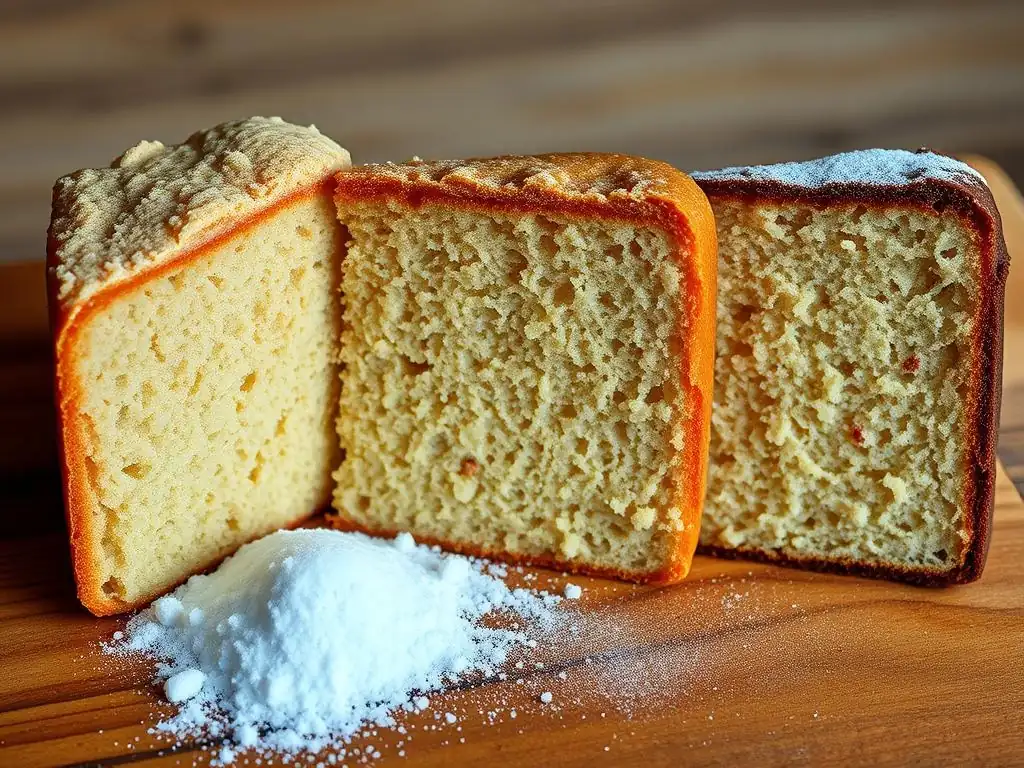
While sugar ratios are crucial for cake moisture, they are not the only factor at play. A cake's final texture and moistness are the result of the complex interplay between all ingredients and the baking process itself.
Understanding how fats, liquids, and even baking time and temperature influence moisture is essential for comprehensive baking success. Addressing dryness often requires looking beyond just the sugar content.
The Role of Fats: Butter, Oil, and Texture
Fats like butter and oil contribute significantly to cake moisture and tenderness. They coat flour particles, inhibiting gluten development and creating a softer crumb. Fats also hold onto moisture and help distribute it throughout the cake.
Butter contributes flavor and aids in leavening when creamed with sugar, creating a tender crumb. Oil, being liquid at room temperature, coats flour particles more effectively than solid butter, often resulting in a cake that feels even moister and stays soft longer. The type and amount of fat in relation to sugar ratios also impact cake moisture. A recipe with a high fat content can often tolerate a slightly higher sugar ratio without becoming dry.
Liquid Ingredients: Milk, Buttermilk, and Hydration
Liquid ingredients such as milk, buttermilk, yogurt, sour cream, water, or juice are essential for hydrating the flour, dissolving sugar and leavening agents, and developing the batter structure. The amount and type of liquid have a direct impact on the cake's moistness.
Buttermilk and yogurt, due to their acidity, not only react with baking soda to aid leavening but also contribute to a tender crumb by further inhibiting gluten development. Using too little liquid will inevitably result in a dry cake, regardless of the sugar ratio. Ensuring the correct balance of liquid to dry ingredients, alongside appropriate sugar ratios for cake moisture, is vital.
Baking Time and Temperature: Preventing Dryness
Even with perfect sugar ratios and ingredient balance, improper baking can ruin a cake's moisture. Over-baking is one of the most common causes of dry cake. As a cake bakes, moisture evaporates. Baking for too long, or at too high a temperature, allows excessive moisture to escape, resulting in a dry crumb.
Conversely, baking at too low a temperature might not allow the cake structure to set properly before moisture evaporates, potentially leading to a dense or unevenly baked cake. Using an oven thermometer to ensure your oven is calibrated correctly and checking for doneness using cues like a clean toothpick or gentle spring-back are crucial steps to prevent over-baking and preserve cake moisture.
Recipe Adjustments: Practical Examples
Let's look at how understanding sugar ratios and their interaction with other ingredients can help in practical recipe adjustment to improve cake moisture.
These examples illustrate how small tweaks, guided by an understanding of ingredient functions, can make a significant difference in the final product.
Example 1: Adapting a Vanilla Cake Recipe for Increased Moisture
Suppose you have a basic vanilla cake recipe that uses 2 cups (approx. 240g) all-purpose flour and 1.5 cups (approx. 300g) granulated sugar. This gives a sugar-to-flour ratio of about 125%. While seemingly high, if the recipe also uses a lot of eggs and butter, it might result in a tender but potentially slightly dry cake if overbaked, or too crumbly.
To increase moisture and tenderness, you could try substituting half of the granulated sugar with light brown sugar. So, use ¾ cup (approx. 150g) granulated sugar and ¾ cup (approx. 165g) light brown sugar. The brown sugar's molasses content adds inherent moisture and hygroscopic properties. You might also consider adding an extra tablespoon of buttermilk or sour cream for added richness and moisture, slightly adjusting the liquid balance to accommodate the change in sugar types and maintain optimal sugar ratios for cake moisture.
Example 2: Balancing Sugar in a Carrot Cake Recipe
Carrot cakes often use a mix of granulated and brown sugar and include moist ingredients like shredded carrots, oil, and sometimes crushed pineapple or applesauce. Imagine a recipe with 2 cups (approx. 240g) flour, 1 cup (approx. 200g) granulated sugar, and 1 cup (approx. 220g) brown sugar, plus 1 cup (approx. 240ml) oil and 2 cups (approx. 250g) shredded carrots. The total sugar is 420g, giving a sugar-to-flour ratio of about 175%.
If this cake turns out too moist, gummy, or collapses, the sugar ratio might be too high for the amount of structure provided by the flour and eggs, even with the moist additions. You could try reducing the total sugar by 10-15%, perhaps using ¾ cup granulated sugar (150g) and ¾ cup brown sugar (165g), bringing the total sugar to 315g (approx. 131% ratio). This reduction in sugar ratios for cake moisture should help strengthen the structure while still retaining significant moisture from the oil and carrots.
Accurate Sugar Measurement for Baking
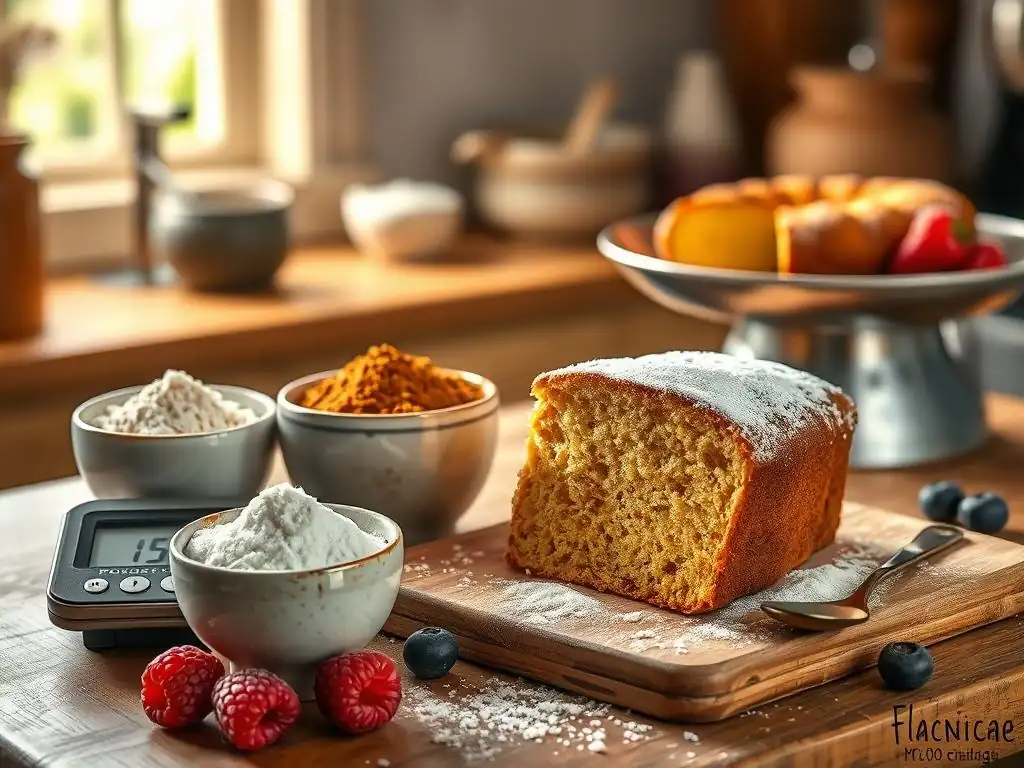
Precision in measuring ingredients, especially sugar, is paramount in baking. Small errors in sugar quantities can significantly impact the final outcome, affecting not just sweetness but crucially, cake moisture and texture. Using accurate measuring techniques helps ensure consistent results and successful application of desired sugar ratios.
While some bakers use volume measurements (cups), weighing ingredients provides the most accurate and consistent results. This is particularly true for granular ingredients like sugar and flour, where packing density in a measuring cup can vary.
Weighing vs. Volume Measurements
Weighing sugar using a digital kitchen scale is the most reliable method. A cup of granulated sugar typically weighs around 200 grams, but this can vary slightly depending on how it's scooped and leveled. A cup of brown sugar, particularly if packed, weighs more, often around 220 grams.
Relying on volume measurements can introduce variability. Scooping sugar directly from the bag might result in less dense packing than spooning it into the cup and leveling. This variance, even by a few grams, can affect the delicate balance of sugar ratios and cake moisture, especially in sensitive recipes. For best results, always weigh your sugar.
Sugar Substitutes and Their Impact
Sugar substitutes, both artificial and natural (like stevia or erythritol), behave differently from granulated sugar in baking. They often do not provide the same bulk, contribute to browning in the same way, or possess the same hygroscopic properties.
Using sugar substitutes usually requires recipes specifically formulated for them, or significant adjustments to traditional recipes. Simply swapping sugar cup-for-cup with a substitute often results in cakes that are dry, lack structure, don't brown properly, and may have an off-flavor or texture. If using substitutes, research how they affect moisture and structure or find recipes specifically designed for them to maintain optimal sugar ratios for cake moisture, even when sugar isn't the primary sweetener.
Mastering Sugar and Moisture for Baking Success
Understanding the multifaceted role of sugar in baking – from providing sweetness and tenderness to its critical function in retaining moisture – is a game-changer for any baker. By paying attention to sugar ratios, the type of sugar used, and how sugar interacts with other ingredients and the baking process, you gain greater control over the outcome of your cakes.
Troubleshooting dry cakes often leads back to evaluating sugar ratios and making careful adjustments. Remember that baking is a science, but also an art that improves with practice and observation.
Baker's Insights: Continuing Your Baking Journey
Achieving consistently moist cakes is a hallmark of a skilled baker. It involves more than just following a recipe; it requires understanding the 'why' behind the ingredients and techniques. As you continue your baking journey, experiment with different sugar types and ratios in recipes, observe the results, and take notes.
Don't be afraid to adjust recipes based on your understanding of how sugar ratios affect cake moisture. Start with small changes and learn from each bake. With practice and attention to detail, you'll master the art of using sugar to create cakes that are perfectly moist, tender, and delicious every time. Happy baking!
Frequently Asked Questions
How does sugar affect the moisture content of a cake?
Sugar is hygroscopic, meaning it attracts and holds water. A higher sugar ratio in a cake recipe will result in a more moist cake due to its ability to retain more liquid and prevent it from drying out during baking.
What happens if I reduce the amount of sugar in a cake recipe?
Reducing sugar can lead to a drier cake. It also affects the cake's texture, potentially making it denser and less tender. You might need to adjust liquid ingredients to compensate.
What is the ideal sugar ratio for a moist cake?
There's no single "ideal" ratio, as it depends on the specific recipe and other ingredients. However, a generally accepted range is a 1:1 ratio of sugar to flour by weight, or slightly higher for a noticeably moister crumb.
Can too much sugar negatively impact cake moisture?
Yes, excessive sugar can actually lead to a gummy or overly dense texture. While it attracts moisture, too much can also interfere with gluten development, resulting in a poorly structured cake that can be too moist.
Are there any other factors besides sugar that influence cake moisture?
Absolutely! Other factors include the type and amount of fat (butter, oil), the addition of moist ingredients (sour cream, applesauce), and the baking time and temperature. Overbaking is a common cause of dryness, regardless of sugar ratio.
Final Reflection: The Sweet Science of Moist Cakes
Understanding sugar ratios is not just about achieving the perfect sweetness; it's the key to unlocking the full potential of your baking, ensuring consistently moist and delicious cakes every time. The seemingly simple act of measuring sugar holds the power to transform a dry, crumbly disaster into a tender, flavorful masterpiece. This knowledge, once mastered, elevates baking from a frustrating trial-and-error process to a precise and rewarding art.
The impact of sugar on cake texture is a subtle yet profound element of baking that often goes overlooked. Many bakers focus solely on the type of flour or the leavening agent, neglecting the crucial role of sugar in moisture retention. This often leads to disappointing results, reinforcing the misconception that baking is inherently unpredictable. The best bakers are those who understand the science behind their craft, not just the recipes themselves.
This quote highlights the importance of understanding the fundamental principles, like sugar ratios, to achieve consistent success. By understanding the role of sugar in creating a moist cake, we gain a deeper appreciation for the delicate balance of ingredients and their interactions.
Now, it's your turn. Consider the next cake you bake. Don't just follow a recipe blindly; take a moment to analyze the sugar-to-flour ratio. Experiment with slight adjustments, observing the changes in texture and moisture. This active engagement with the process will not only improve your baking skills but also deepen your understanding of the science behind this beloved culinary art. Embrace the challenge, explore the possibilities, and discover the joy of consistently creating moist, delicious cakes that will impress you and everyone you share them with.
Unlock Your Baking Potential: Perfect Cakes Every Time!
Thanks for diving into the world of moist, delicious cakes! You now understand the crucial role sugar plays in achieving the perfect texture. Ready to put your newfound knowledge into practice?
- Bake a test cake: Experiment with the sugar ratios discussed, and see the difference firsthand. Pay close attention to the crumb!
- Share your results: Show off your baking triumph (or your learning experience!) on social media. Tag us #BakeWithEaseSuccess – we’d love to see it!
- Explore advanced techniques: Dive deeper into our recipe archives for even more tips on mastering cake moisture.
So, what unique sugar ratio will you try next to elevate your baking game?