
Piping Bags Demystified: Reusable vs Disposable and When to Use Each

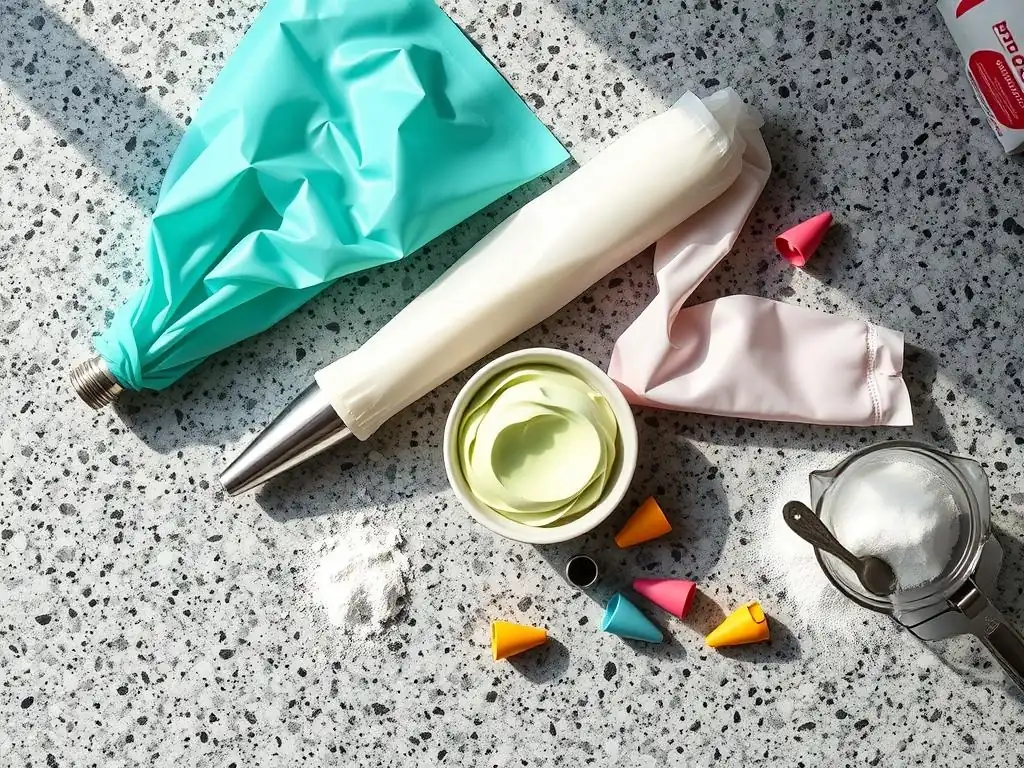
Welcome to BakeWithEase, your baking haven! Ever wrestled with piping bags, wondering which is best for the job? Reusable or disposable? This guide demystifies it all! Discover the secrets to mastering your pastry creations with our comprehensive reusable piping bags tutorial guide, and unlock a world of effortless baking. Ready to elevate your decorating game? Let's get started!
- Piping Bags: Reusable vs. Disposable for Cake Decorating
- Mastering Cake Decorating: Choosing the Right Piping Bag
- Piping Bags: An Essential Tool for Cake Decorators
- Reusable Piping Bags: A Guide for Cake Decorators
- Disposable Piping Bags: A Convenient Option
-
Reusable vs. Disposable: A Detailed Comparison
- Material and Durability: Comparing Bag Strength
- Cleaning and Maintenance: Assessing Ease of Cleaning
- Cost-Effectiveness: Analyzing Long-Term Costs
- Environmental Impact: Considering Sustainability
- Best Uses for Reusable Piping Bags: When to Choose Durability
- Best Uses for Disposable Piping Bags: When to Opt for Convenience
- Mastering Piping Techniques
- Troubleshooting Common Piping Problems
- Choosing the Perfect Piping Bag
- Elevate Your Cake Decorating.
-
Frequently Asked Questions
- What are the main benefits of using reusable piping bags?
- How do I properly clean a reusable piping bag?
- When is it more appropriate to use a disposable piping bag instead of a reusable one?
- What materials are reusable piping bags typically made from, and which is the best?
- Can I use a reusable piping bag with any type of piping tip?
- Final Reflection: Mastering the Art of Piping – Reusable or Disposable?
- Unleash Your Inner Pastry Chef: Master the Art of Piping!
Piping Bags: Reusable vs. Disposable for Cake Decorating
Mastering Cake Decorating: Choosing the Right Piping Bag
Choosing the right tools is fundamental to elevating your cake decorating skills, and piping bags are arguably one of the most versatile items in your baking arsenal. Whether you're a beginner just learning to pipe simple swirls or an experienced baker creating intricate floral designs, the type of piping bag you use can significantly impact your results and overall experience. This article will guide you through the world of piping bags, comparing reusable and disposable options, and help you decide which is best for your decorating needs.
Understanding the nuances between reusable and disposable piping bags goes beyond just cost or convenience. It involves considering factors like durability, control, hygiene, and environmental impact. By the end of this guide, you'll have a clear understanding of when to reach for a sturdy reusable bag for a complex project and when a quick, disposable option is the smarter choice. Let's dive into the specifics to help you master your piping techniques.
Piping Bags: An Essential Tool for Cake Decorators
What are Piping Bags and Why Are They Important for Cake Decorating?
Piping bags, also known as pastry bags, are cone-shaped tools used to hold and dispense soft food mixtures like frosting, whipped cream, meringue, and even savory fillings. They are typically used in conjunction with piping tips (or nozzles) inserted into the narrow end, which shape the food as it is squeezed out. This allows decorators to create a wide variety of effects, from simple lines and dots to complex rosettes, shells, leaves, and intricate lettering.
The importance of piping bags in cake decorating cannot be overstated. They provide the control and precision necessary to transform a plain cake into a work of art. Without a piping bag, achieving smooth, consistent frosting layers, sharp borders, or detailed embellishments would be incredibly difficult, if not impossible. They are the key to adding professional finishing touches that truly make a cake stand out. Mastering the use of this tool is a core part of any comprehensive cake decorating tutorial guide.
Exploring Different Types of Piping Bags
Piping bags primarily fall into two main categories: reusable and disposable. However, within these categories, there are variations in material and design that affect their performance and suitability for different tasks. Understanding these differences is crucial for selecting the best bag for your specific project and skill level.
Reusable bags are often made from durable materials like canvas, silicone, or polyurethane-coated nylon (TPU). They are designed for repeated use, offering a sturdier feel and potentially more control for certain techniques. Disposable bags, on the other hand, are typically made from thin plastic or polyethylene and are intended for single use, offering unparalleled convenience and hygiene, especially when working with multiple colors or flavors.
Reusable Piping Bags: A Guide for Cake Decorators
What are Reusable Piping Bags?
Reusable piping bags are designed to be washed and used multiple times, making them a more sustainable and often more economical choice in the long run. They are constructed from robust materials capable of withstanding repeated filling, squeezing, and cleaning. These bags come in various sizes, from small ones perfect for delicate details to large ones capable of holding enough frosting for an entire cake.
Unlike their disposable counterparts, reusable bags require proper care and maintenance after each use to ensure hygiene and longevity. They offer a different feel in hand – often thicker and sometimes less flexible than disposable bags – which can influence the pressure and control applied during piping. For anyone looking for a long-term piping bag tutorial guide, understanding reusable options is key.
Advantages of Using Reusable Piping Bags
Eco-Friendly Decorating: Reducing Waste
One of the most significant advantages of opting for reusable piping bags is their positive environmental impact. In a world increasingly conscious of waste, choosing a reusable option dramatically reduces the amount of single-use plastic sent to landfills. Consider a busy bakery or even a home baker who decorates cakes frequently; using a disposable bag for each color or project quickly generates a substantial pile of plastic waste.
Switching to reusable bags means you use the same few bags over and over, minimizing your footprint. While there's energy and water used in cleaning, the cumulative environmental cost is generally much lower than the continuous production and disposal of plastic bags. This makes reusable bags a smart choice for the environmentally conscious decorator.
Cost-Effectiveness: Long-Term Savings
While the initial cost of a quality reusable piping bag might be higher than a single disposable one – perhaps ranging from $5 to $20 depending on material and brand – the long-term savings are considerable. A durable reusable bag can last for years, potentially hundreds or even thousands of uses, with proper care.
Compare this to disposable bags which can cost anywhere from $0.10 to $0.50 or more per bag, especially when bought in smaller quantities. If you decorate frequently, using even just a few disposable bags per week, the cost adds up quickly. Over a year, you could easily spend $50-$200 or more on disposable bags, whereas your initial investment in a few reusable bags pays for itself relatively quickly. This is a key point in any reusable piping bags tutorial guide focusing on value.
Durability and Control: Benefits of a Stronger Bag
Reusable piping bags are typically made from thicker, more robust materials than disposable ones. This inherent strength provides a greater sense of control and stability during piping, especially for techniques that require firm pressure or intricate detail work. A strong bag is less likely to stretch, bulge, or even burst under pressure, which can be particularly frustrating when working with stiff buttercreams or large quantities of frosting.
The durability also means they are less prone to tearing, especially around the seam or when using couplers and tips. This reliability allows you to focus on your decorating technique rather than worrying about the bag failing. Many experienced decorators prefer the feel and control offered by a sturdy reusable bag, finding it enhances their ability to create precise designs.
Cleaning and Maintenance: Challenges of Reusable Bags
The primary drawback of reusable piping bags is the necessity of cleaning them after every single use. This process can be time-consuming and sometimes messy, especially after piping greasy frostings like buttercream. The cone shape and potentially textured interior can make it challenging to remove all residue thoroughly.
Proper cleaning involves emptying the bag, rinsing it out, washing it with hot soapy water (often requiring a bottle brush or similar tool to reach the bottom), rinsing again, and then allowing it to dry completely. If not dried properly, reusable bags can become breeding grounds for bacteria or develop mildew, posing a hygiene risk. This cleaning step adds extra time to your baking process that you wouldn't have with disposables.
Potential for Cross-Contamination: Maintaining Hygiene
Because reusable bags are used repeatedly, there is a potential risk of cross-contamination if they are not cleaned meticulously between uses, particularly when switching between different types of ingredients (e.g., dairy-based frosting to meringue, or different allergens). Even with thorough washing, trace amounts might linger if not careful.
To mitigate this, dedicated bags for specific types of ingredients or thorough sanitization steps (like using a dilute bleach solution followed by extensive rinsing) are sometimes necessary. This adds another layer of complexity to using reusable bags and requires a commitment to strict hygiene practices to ensure food safety.
Choosing the Right Reusable Piping Bag Material
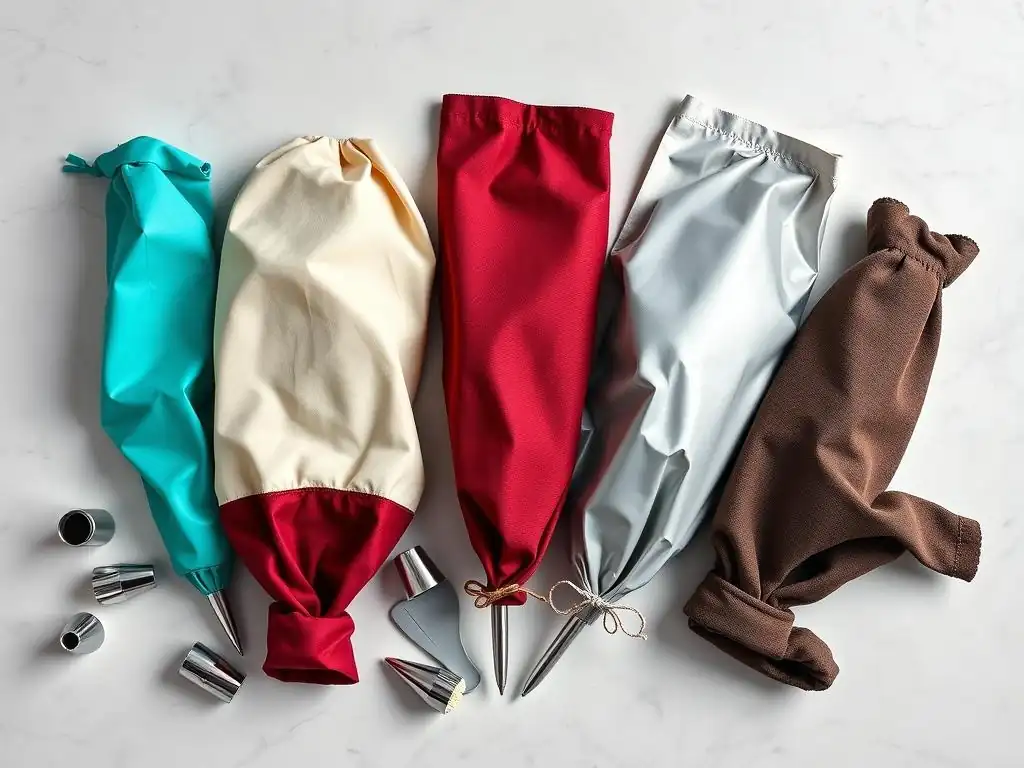
Reusable piping bags come in several common materials, each with its own characteristics affecting flexibility, durability, and ease of cleaning.
Canvas Piping Bags: Durable and Traditional
Traditional canvas or cotton-lined canvas bags are known for their exceptional durability. They are very sturdy and can handle stiff frostings and heavy use over many years. The fabric provides a good grip, which some decorators prefer for stability.
However, canvas bags are the most challenging to clean. The fabric can absorb grease and colors, and ensuring they are completely free of residue and thoroughly dried can be difficult. They can also become stiff over time. Despite the cleaning challenge, their robustness makes them a classic choice for heavy-duty piping tasks.
Silicone Piping Bags: Flexible and Easy to Clean
Silicone bags are popular for their flexibility and non-porous surface, which makes them significantly easier to clean than canvas. Frosting tends to rinse out more readily, and they dry relatively quickly. Silicone is also very durable and can withstand a wide range of temperatures.
While flexible, some users find silicone bags can be a bit too flexible or even slightly slippery compared to fabric bags, potentially offering slightly less control for very fine work. They also tend to be a bit thicker than plastic disposable bags. Overall, they strike a good balance between durability, flexibility, and ease of maintenance, making them a favored option in many a reusable piping bags tutorial guide.
TPU Piping Bags: A Modern Alternative
TPU (thermoplastic polyurethane) bags, often coated or laminated fabric bags, represent a modern evolution. They combine the flexibility and non-porosity of silicone with the traditional feel of a fabric bag. The smooth interior makes them very easy to clean – often just a quick rinse is sufficient for most residues.
TPU bags are durable, flexible, and offer excellent control. They dry quickly and don't absorb colors or odors. Many professional-grade reusable bags are made from this material. They are generally considered an excellent all-around choice, offering many benefits with fewer drawbacks than canvas or pure silicone.
Cleaning and Maintaining Reusable Piping Bags
Proper cleaning is paramount to the longevity and hygiene of reusable piping bags. Here is a typical cleaning process:
- Step 1: Empty Thoroughly: Scrape out as much residual frosting or filling as possible using a spatula.
- Step 2: Rinse: Rinse the bag inside and out with warm water to remove initial residue.
- Step 3: Wash: Turn the bag inside out if possible (many modern bags allow this) or use a bottle brush to scrub the interior and exterior with hot, soapy water. Pay close attention to seams and the tip opening.
- Step 4: Rinse Again: Rinse thoroughly with hot water until no soap residue remains. For extra sanitization, a brief soak in a weak bleach solution (e.g., 1 teaspoon bleach per quart of water) followed by extensive rinsing is an option for some materials.
- Step 5: Dry Completely: This is crucial. Hang the bags upside down or place them over a drying rack or bottle dryer to ensure air circulation and complete drying. Avoid storing until absolutely dry.
Following these steps diligently ensures your reusable bags remain clean, hygienic, and ready for your next decorating project.
Disposable Piping Bags: A Convenient Option
What are Disposable Piping Bags?
Disposable piping bags are single-use bags, typically made from thin, flexible plastic (usually polyethylene). They are designed to be filled, used once, and then discarded. They come in various sizes and thicknesses, often sold in rolls or large packs.
Their main appeal lies in their convenience and the elimination of the cleaning step. Once you're done piping, you simply remove the tip (if using one) and throw the bag away. This makes them ideal for situations where speed, hygiene, and minimal cleanup are priorities.
Advantages of Using Disposable Piping Bags
Convenience and Hygiene: The Ease of Disposable Bags
The most significant advantage of disposable piping bags is the unparalleled convenience they offer. There is no washing, no scrubbing, and no drying required. Simply grab a bag, fill it, use it, and discard it. This saves considerable time, especially when decorating multiple cakes or using many different colors of frosting in one session.
Furthermore, disposable bags offer superior hygiene, particularly in professional settings or when dealing with allergens. Since each bag is new and used only once, the risk of cross-contamination from previous uses is eliminated. This ensures a clean and safe decorating process every time.
No Cleaning Required: Saving Time
As mentioned, the absence of the cleaning step is a major time-saver. Imagine decorating a cake with five different colors. With reusable bags, you'd have five bags to meticulously clean. With disposable bags, you simply finish with a color, discard the bag, and move on.
For busy bakers, caterers, or anyone facing time constraints, the efficiency gained by using disposable bags is invaluable. It allows you to focus more time on the actual decorating and less time on post-project cleanup. This ease of use is a key reason many beginners start with disposables before exploring a reusable piping bags tutorial guide.
Perfect for Small Batches and Multiple Colors
Disposable bags are exceptionally well-suited for projects requiring small amounts of frosting or multiple colors. If you only need a tiny bit of a specific color for details, using a small disposable bag is far more practical and less wasteful (in terms of cleaning effort and water) than setting up and cleaning a reusable bag.
When decorating with many different colors, using a separate disposable bag for each color simplifies the process immensely. You don't have to wash bags between color changes, allowing for a smoother workflow and preventing colors from accidentally mixing.
Environmental Impact: The Waste Factor
The most significant disadvantage of disposable piping bags is their negative environmental impact. Made primarily from plastic, they contribute to plastic waste in landfills, which takes hundreds of years to decompose. For every cake decorated, multiple bags might be used and discarded, quickly accumulating waste.
While some disposable bags might be made from potentially recyclable materials, many are not easily recycled due to food residue. The sheer volume of disposable bags used globally represents a substantial environmental burden.
Cost Over Time: The Expense of Repeated Purchases
While inexpensive per bag, the cost of disposable piping bags adds up significantly over time, especially for frequent decorators. A box of 100 disposable bags might cost $10-$20, but if you use several bags per decorating session, that box might only last a few weeks or months.
Compared to the single purchase of a durable reusable bag that lasts for years, the cumulative expense of constantly repurchasing disposable bags can be considerably higher in the long run. This ongoing cost is a factor to consider when choosing between the two types.
Potential for Tearing: Limitations of Disposable Bag Strength
Disposable bags, being made from thinner plastic, are generally less durable than reusable bags. They can be prone to stretching, bulging, or even tearing, particularly when filled with stiff frostings, used with large tips requiring pressure, or handled roughly.
A bag bursting mid-decoration can be frustrating, messy, and potentially ruin your work. While thicker, higher-quality disposable bags exist, they are often more expensive, reducing the cost advantage. The lack of robustness can also affect control during intricate piping.
Choosing the Right Disposable Piping Bag Material
Most disposable piping bags are made from plastic, but there are variations.
Plastic Piping Bags: Affordable and Common
The most common type is made from low-density polyethylene (LDPE). These bags are flexible, widely available, and relatively inexpensive. They come in various thicknesses; thicker bags offer slightly more durability and are less prone to tearing.
Some plastic bags feature a textured exterior for better grip. While convenient, their single-use nature contributes to plastic waste.
Parchment Paper Piping Bags: A DIY Option
A traditional, albeit less common now, disposable option is to create a piping bag from parchment paper. A square or rectangle of parchment can be rolled into a cone shape and filled. This is a good impromptu solution if you're in a pinch or only need a very small amount of frosting for fine detail.
Parchment cones are less durable than plastic bags and are best suited for soft frostings or melted chocolate. They require a bit of practice to fold correctly and are not ideal for large quantities or stiff mixtures.
Tips for Effective Use of Disposable Piping Bags
Even with disposable bags, a few tips can help you get the most out of them:
- Don't Overfill: Filling the bag more than two-thirds full makes it hard to handle and increases the chance of bursting.
- Twist the Top: Twist the top of the bag firmly after filling to prevent frosting from coming out the back.
- Use a Coupler: If you plan to change tips frequently, use a piping bag coupler. This allows you to unscrew the tip and replace it without emptying the bag.
- Thicker Bags for Stiffer Frostings: If working with thick buttercream or doughs (like churro dough), opt for thicker, stronger disposable bags to prevent tearing.
Following these simple tips can make your experience with disposable bags smoother and more effective.
Reusable vs. Disposable: A Detailed Comparison
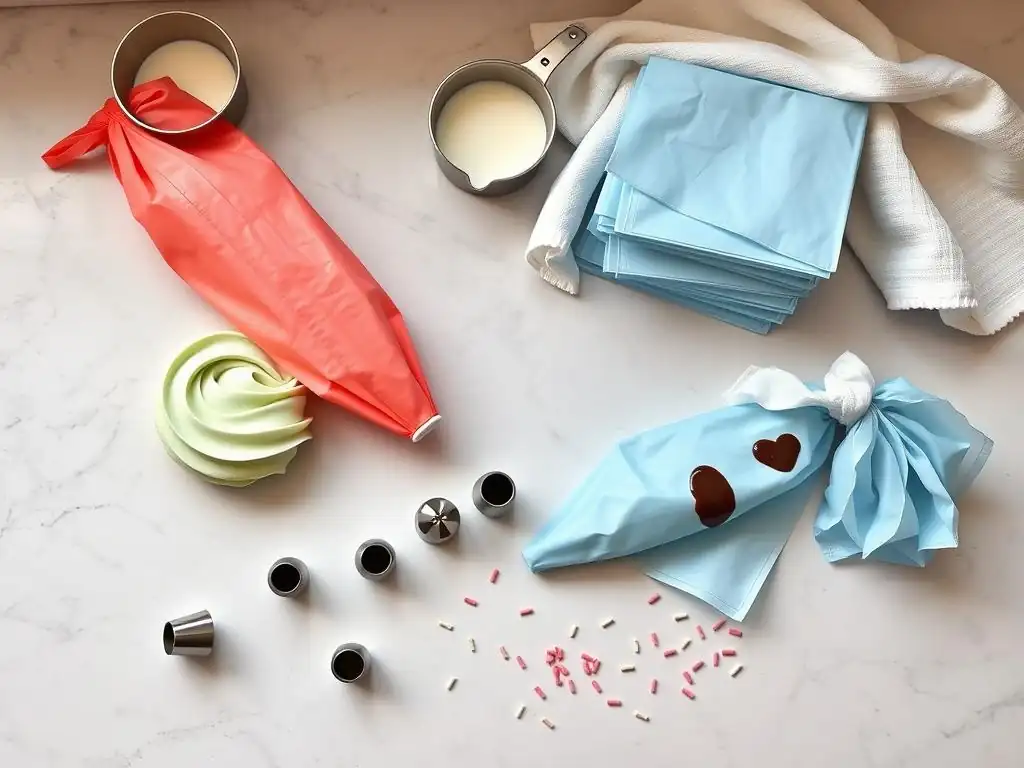
Let's break down the key differences side-by-side to help you make an informed decision.
Material and Durability: Comparing Bag Strength
- Reusable: Made from durable materials like canvas, silicone, or TPU. Designed for strength and longevity. Less prone to stretching or bursting under pressure.
- Disposable: Made from thin plastic. Less durable, more prone to stretching, bulging, or tearing, especially with stiff contents or high pressure.
Cleaning and Maintenance: Assessing Ease of Cleaning
- Reusable: Requires thorough cleaning after each use. Can be time-consuming and challenging to ensure complete hygiene, especially with fabric bags. Needs proper drying to prevent mildew.
- Disposable: No cleaning required. Use once and discard. Offers ultimate convenience and hygiene.
Cost-Effectiveness: Analyzing Long-Term Costs
- Reusable: Higher initial cost ($5-$20+ per bag) but significantly lower cost per use as they last for years. More economical in the long run for frequent decorators.
- Disposable: Low cost per bag ($0.10-$0.50+), but the cost adds up rapidly with frequent use. More expensive over time compared to reusable bags.
Environmental Impact: Considering Sustainability
- Reusable: Much lower environmental impact as they reduce plastic waste significantly. A sustainable choice for conscious bakers.
- Disposable: High environmental impact due to single-use plastic waste. Contributes to landfill burden.
Best Uses for Reusable Piping Bags: When to Choose Durability
Reusable piping bags are ideal for:
- Frequent decorating where long-term cost savings are desired.
- Projects requiring stiff frostings or doughs that need significant pressure.
- Techniques where consistent control and a firm grip are beneficial.
- Decorators prioritizing sustainability and reducing waste.
- Learning a reusable piping bags tutorial guide for mastering advanced techniques.
Best Uses for Disposable Piping Bags: When to Opt for Convenience
Disposable piping bags are best suited for:
- Infrequent or small decorating tasks.
- Projects requiring many different colors or small amounts of various frostings.
- Situations where speed and minimal cleanup are essential (e.g., commercial kitchens, large events).
- Working with ingredients that could cause cross-contamination (e.g., allergens, strong flavors).
- Beginners who are just trying out piping for the first time.
Mastering Piping Techniques
Regardless of the bag type you choose, mastering basic piping techniques is key to successful decorating.
Filling Techniques: Preventing Air Bubbles
Properly filling your piping bag is crucial to avoid frustrating air bubbles that cause breaks in your piped lines. Use a spatula to spoon the frosting into the bag, pushing it down towards the tip as you fill. Don't just drop large dollops in. Once filled (no more than 2/3 full), gently squeeze the bag while holding the tip up to expel any trapped air before twisting the top.
A common method is to place the bag tip-down in a tall glass or container and fold the edges over the rim before filling. This helps keep the outside of the bag clean and makes filling easier.
Holding the Piping Bag: Achieving Steady Pressure
Hold the twisted top of the bag firmly in your dominant hand, using the pressure from this hand to push the frosting down. Your non-dominant hand should guide the tip of the bag. Maintain consistent, even pressure from your dominant hand as you pipe. Avoid squeezing too hard or too lightly, as this will result in uneven lines or shapes.
Practice applying steady pressure on a piece of parchment paper until you can create consistent lines and dots. This control is fundamental to all piping techniques, whether you're following a basic piping bag tutorial or attempting complex designs.
Using Different Piping Tips: Creating Designs
Piping tips, also called nozzles, come in an enormous variety of shapes and sizes, each creating a different effect. Common types include round tips (for dots, lines, lettering), star tips (for shells, swirls, rosettes), petal tips (for flowers, ruffles), leaf tips (for leaves), and specialty tips.
To use a tip, snip off the very end of the piping bag (just enough for the tip to poke through) or insert a coupler base before adding the tip. Practice using different tips with various consistencies of frosting to see how they perform. Experimenting with tips is one of the most fun parts of learning cake decorating!
Troubleshooting Common Piping Problems
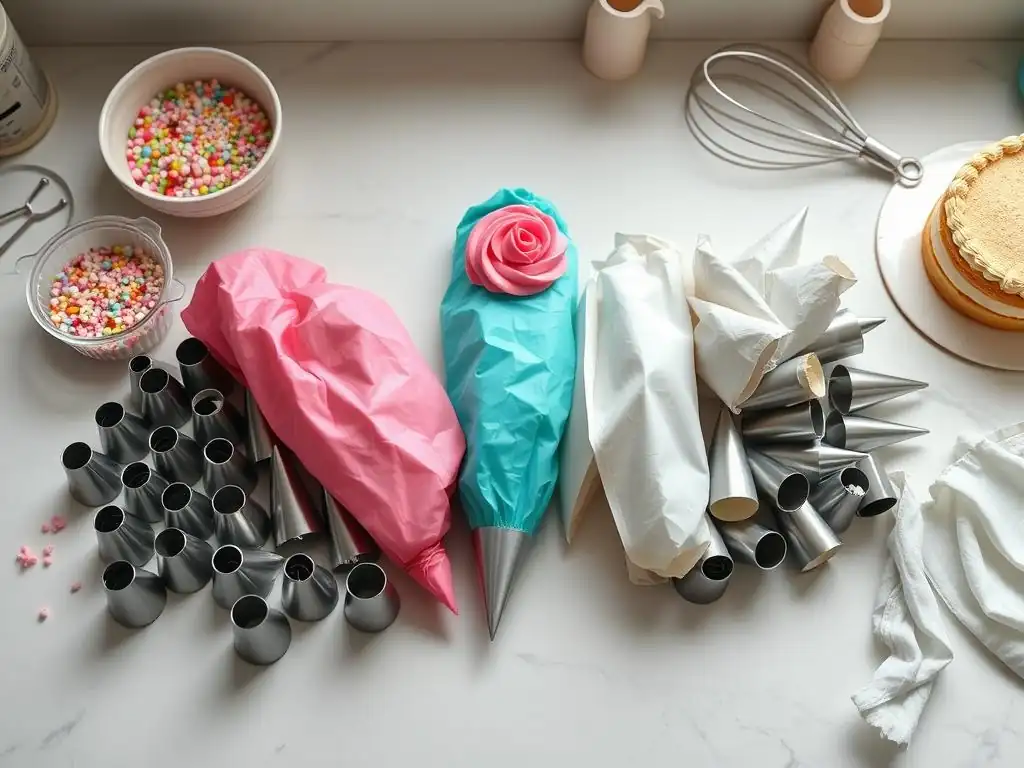
Even experienced decorators encounter issues. Here are solutions to some common piping problems.
Piping Bag Bursting: Causes and Solutions
A bursting piping bag is usually caused by overfilling the bag, using a bag that is too thin or weak for the consistency of the filling, or applying excessive pressure, especially with stiff frostings.
To prevent this, avoid overfilling the bag. If using disposable bags, opt for thicker ones when working with stiff mixtures. If using reusable bags, ensure they are made from durable material like TPU or canvas. Practice using steady, controlled pressure rather than forceful squeezing. If a bag starts to feel like it might burst, stop, transfer the contents to a stronger bag, or warm the frosting slightly to soften it.
Uneven Piping: Achieving Consistency
Uneven piping (lines that vary in thickness, wobbly shapes, inconsistent swirls) is often due to inconsistent pressure or an unsteady hand.
Ensure you are applying steady, even pressure from your dominant hand. Your guiding hand should move smoothly and consistently. Practice piping straight lines and simple shapes repeatedly on parchment paper until you can maintain consistency. Sometimes, the consistency of your frosting might be off – too stiff or too soft can make even piping difficult. Adjusting frosting consistency can help.
Clogged Piping Tips: Prevention and Clearing
Piping tips can become clogged with crumbs, bits of hardened frosting, or chunks of ingredients within the filling. This results in broken or distorted piped shapes.
To prevent clogging, ensure your frosting is smooth and free of debris. Sift powdered sugar if necessary. Avoid scraping the bottom of the mixing bowl where hardened bits might collect. If a tip becomes clogged, stop piping immediately. You can try gently squeezing the bag harder to force the clog through (be careful not to burst the bag! ), or carefully use a toothpick or skewer to poke through the tip opening to dislodge the obstruction. For persistent clogs, you may need to remove the tip and clear it completely before reattaching.
Choosing the Perfect Piping Bag
Deciding between reusable and disposable bags depends on your individual needs, preferences, and values.
Considering Decorating Frequency and Project Size
If you decorate cakes or cookies frequently, especially large batches or elaborate designs, the cost-effectiveness and durability of reusable bags make them a compelling choice. A reusable piping bags tutorial guide is particularly valuable for dedicated decorators.
If you only decorate occasionally, need bags for small detail work with many colors, or prioritize speed and minimal cleanup for one-off projects, disposable bags offer unmatched convenience.
Evaluating Budget and Environmental Concerns
Consider your budget – while reusable bags have a higher upfront cost, they save money over time. Factor in your environmental values – if reducing waste is a priority, reusable bags are the clear winner.
Many bakers find a hybrid approach works best, using reusable bags for main frosting tasks and disposable bags for small amounts of vibrant colors or intricate details where washing multiple bags would be tedious.
Selecting the Right Bag for Specific Projects (e.g., Buttercream Flowers, Lettering)
For techniques requiring significant pressure and fine control, like piping stiff buttercream flowers (e.g., roses or peonies), a sturdy reusable bag (like TPU or canvas) often provides better stability and less risk of bursting than a thin disposable bag.
For intricate lettering or delicate details with small amounts of frosting, a small disposable bag or even a parchment cone can offer the precision needed without the hassle of cleaning a larger reusable bag for just a few lines. Piping shells or borders with large star tips works well with both types, but a durable reusable bag might feel more secure with the volume and pressure involved.
Elevate Your Cake Decorating.
Frequently Asked Questions
What are the main benefits of using reusable piping bags?
Reusable piping bags are eco-friendly and cost-effective in the long run. They also tend to be more durable and can withstand thicker icings or doughs compared to disposable options.
How do I properly clean a reusable piping bag?
Thorough cleaning is crucial; rinse with warm, soapy water immediately after use. Turn the bag inside out and scrub gently, then air dry completely to prevent bacterial growth and mold.
When is it more appropriate to use a disposable piping bag instead of a reusable one?
Disposable bags are ideal for messy tasks involving food coloring or intricate designs, as they eliminate the hassle of cleaning. They're also suitable for one-time use situations.
What materials are reusable piping bags typically made from, and which is the best?
Reusable bags are often made from silicone, nylon, or coated cotton. Silicone is generally considered best due to its flexibility, durability, and ease of cleaning.
Can I use a reusable piping bag with any type of piping tip?
Yes, most reusable piping bags are compatible with standard piping tips. You may need a coupler to securely attach the tip and prevent leakage for optimal precision.
Final Reflection: Mastering the Art of Piping – Reusable or Disposable?
The choice between reusable and disposable piping bags isn't merely a matter of convenience; it's a reflection of our commitment to both culinary artistry and environmental responsibility. The increasing popularity of baking and cake decorating, coupled with a growing awareness of sustainability, makes this decision more critical than ever. Our exploration of the pros and cons of each option highlights the need for a thoughtful approach, one that balances practicality with mindful consumption.
This journey through the world of piping bags has underscored the profound impact seemingly small choices can have. The shift towards reusable options isn't just about saving money; it's about contributing to a larger conversation surrounding waste reduction and responsible resource management. As we strive for perfection in our baking, let's also strive for excellence in our environmental stewardship. The best things in life are simple, but not always easy.
This sentiment rings true when considering the initial investment and learning curve associated with reusable piping bags, but the long-term rewards – both culinary and environmental – are undeniable.
Now, armed with this knowledge, I invite you to consider your own piping practices. Will you embrace the challenge of mastering reusable bags, reaping the rewards of sustainability and superior control? Or will you opt for the convenience of disposables, understanding the environmental implications? Regardless of your choice, remember that the true artistry lies not just in the beautiful swirls of frosting, but in the mindful decisions that shape our creative process and our impact on the world. Let your next piping project be a testament to both your skill and your commitment to a more sustainable future.
Unleash Your Inner Pastry Chef: Master the Art of Piping!
Thanks for exploring the world of piping bags with us! We hope you now feel more confident in choosing the right tool for your baking projects. Ready to put your new knowledge into practice?
- Master a new piping technique: Try a challenging design you've always admired – rose swirls, intricate borders, or even those perfectly piped macarons you've been eyeing. This is your chance to shine!
- Share your creations: Post your piping masterpieces on social media and tag us @BakeWithEase – we'd love to see your baking journey!
- Experiment with different fillings: Discover the perfect consistency for your chosen piping bag and nozzle. What unexpected flavors will you create?
What exciting piping project will you tackle first? Let us know in the comments below!