
Is Your Baking Powder Dead? How it Affects Your Cake

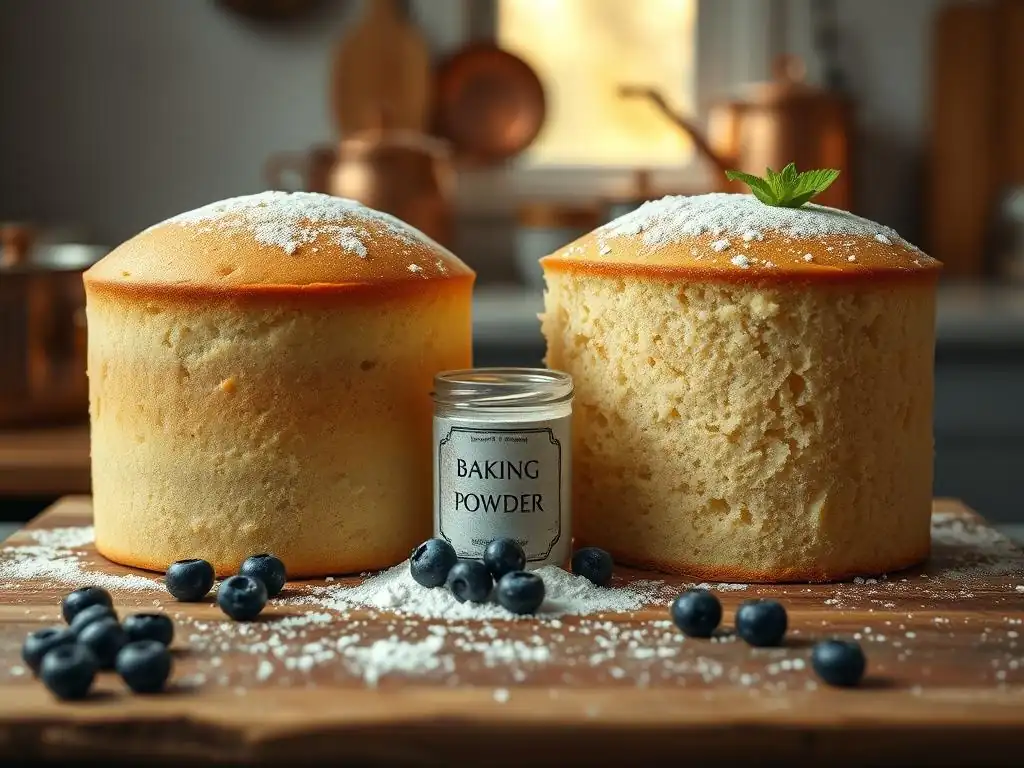
Welcome to BakeWithEase, your partner in creating delightful baked goods! Ever wondered why your cakes aren't reaching their full, fluffy potential? The secret might be simpler than you think. This article dives into a critical yet often overlooked ingredient: baking powder. Discover how its potency directly affects cake rise and learn simple tests to ensure your baked goods always reach cloud-like perfection. Read on to unlock the secrets to baking success!
- Introduction: Understanding Baking Powder's Role in Cake Rise
- How to Tell if Your Baking Powder is Inactive
- The Impact of Inactive Baking Powder on Your Cake's Texture and Rise
- Troubleshooting Cake Problems Related to Baking Powder
- How to Store Baking Powder Properly
- Baking Powder Alternatives
- Reviving Slightly Inactive Baking Powder: Is it Possible?
- Conclusion: Ensuring a Perfect Cake with Active Baking Powder
- Frequently Asked Questions
- Final Reflection: The Silent Saboteur in Your Baking
- Ready to Bake the Perfect Cake?
Introduction: Understanding Baking Powder's Role in Cake Rise
Why Baking Powder is Essential for Light and Fluffy Cakes
Baking powder is the unsung hero that transforms dense batter into a cloud-like cake. By releasing carbon dioxide gas when moistened and heated, it creates countless tiny air pockets, giving cakes their light and fluffy texture. Without active baking powder, your cake batter remains flat, leading to a heavy, gummy crumb that disappoints both the eye and the palate.
In commercial bakeries, recipes often specify precise amounts—typically 1 to 1¼ teaspoons per cup of flour—to ensure consistent rise. Home bakers should note that even small deviations can change volume by up to 20%. This is why understanding how baking powder affects cake rise is crucial for mastering perfect bakes every time.
The Science Behind Baking Powder Leavening
At its core, baking powder is a chemical leavener composed of an acid (usually cream of tartar) and a base (sodium bicarbonate), plus a buffer like cornstarch. When you whisk it into batter, moisture begins to react slowly. A double-acting formula reacts once at room temperature and again in the oven, giving a two-stage lift that stabilizes structure until set.
Thermal activation occurs around 60 °C (140 °F), so the second burst of carbon dioxide happens during baking. In a 20 cm round cake pan, this can add 3–4 cm of additional height. Without this timed reaction, bubbles collapse before the batter sets, illustrating precisely how baking powder affects cake rise on a molecular level.
How to Tell if Your Baking Powder is Inactive
The Hot Water Test: A Simple Way to Test Baking Powder Activity
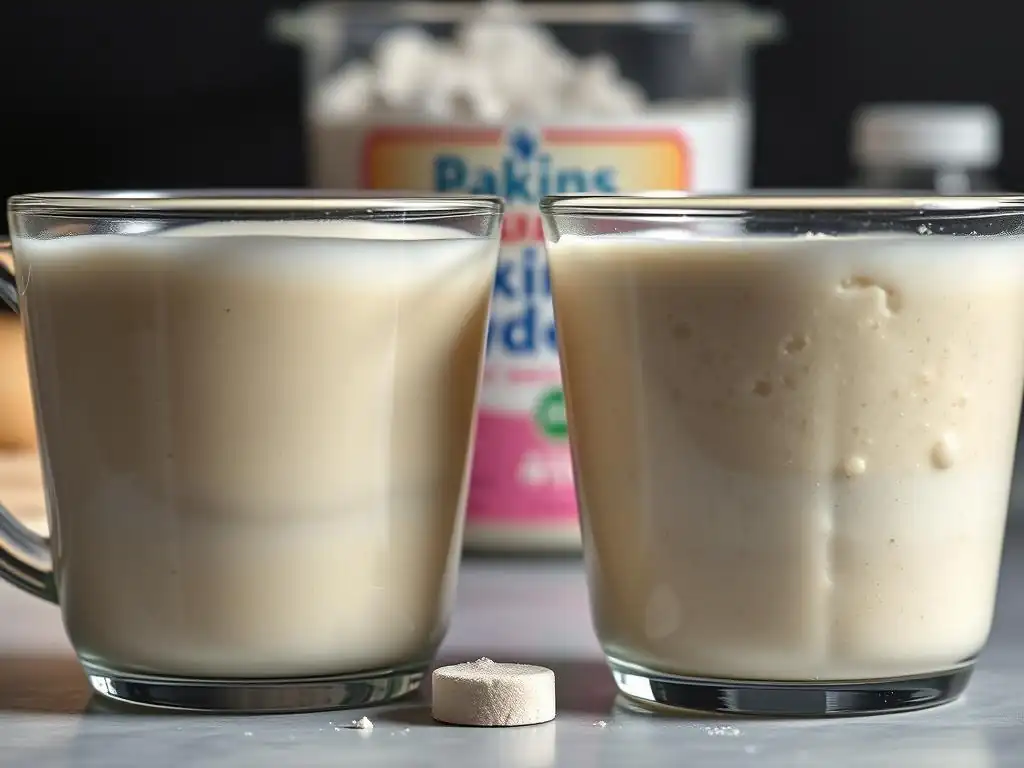
One of the quickest ways to check viability is the hot water test. Measure 1 teaspoon of baking powder and pour 1/4 cup of near-boiling water over it. Within 5 seconds, you should observe vigorous bubbling—a clear sign of active leavener. If bubbles are sparse or nonexistent, your baking powder has likely lost its potency.
# Hot Water Test Steps
1. scoop 1 tsp baking powder
2. pour 60 ml hot water (~90 °C)
3. observe for ≥5 seconds of bubbling
If the bubbling is weak, discard and replace. Keep in mind that even a 25% drop in activity can yield a cake that is 1–2 cm shorter than intended.
Visual Signs of Inactive Baking Powder: Clumping
Beyond the hot water test, visual inspection can offer clues. Fresh baking powder has a free-flowing, dusty texture due to its cornstarch content. When exposed to humidity over time, it forms hard lumps or clumps. These solid masses indicate moisture absorption, which triggers premature acid-base reactions and reduces leavening power.
Look for discoloration as well—fresh powder is off-white, while stale batches may turn slightly yellowish. If you spot any hard aggregates, ~keep baking powder~ is a recipe for disappointment: swap in a new tin for best results.
The Impact of Inactive Baking Powder on Your Cake's Texture and Rise
Flat Cakes: The Most Common Result of Inactive Baking Powder
A dead baking powder often leaves cakes virtually flat, with little to no dome or lift. Imagine a 23 cm sponge cake that should rise to 5 cm, instead peaking at only 2 cm. That’s a 60% loss in height, translating into a dense and underwhelming mouthfeel. Without the CO₂ bubble network, the batter struggles to trap air, so no lift occurs.
This issue is most noticeable in recipes calling for high moisture (e.g., fruit-laden batters), where water content suppresses traditional egg-foam aeration. The result? A slab of under-risen cake rather than the signature soft, springy texture you expect.
Dense and Heavy Cake Texture Due to Insufficient Leavening
When leavening is compromised, the gluten network tightens instead of expanding, creating a tight crumb like a pound-cake gone wrong. Instead of the desired open, even crumb with 2–3 mm air pockets, you get a gummy, doughy interior that feels heavy in the mouth. Bakers often report this sensation as “lead-like” when slicing through.
A typical vanilla butter cake weighs around 400 g before baking. With inactive leavener, it can weigh nearly 5–10% more after bake due to moisture retention, further contributing to the sensation of density.
Uneven Cake Rise
Inactive or unevenly distributed baking powder can also cause lopsided and irregular rise. If one part of the batter contains more viable leavener than another, you might see an off-center dome, steep slopes, or even one side that’s flat and underbaked. This not only looks unprofessional but can complicate layering and decorating.
Home bakers sometimes compensate by rotating pans mid-bake, but this doesn’t fix the core issue. A uniform distribution of fresh, active baking powder is the key to even expansion from edge to center.
Other Factors Affecting Cake Rise: Oven Temperature and Mixing Techniques
Even with fresh baking powder, oven temperature and mixing methods play huge roles. An oven that runs 10 °C hotter can cause rapid gas expansion and collapse, while one too cool may not activate all the leavener. Using an oven thermometer and preheating for at least 15 minutes can minimize these variables.
Mixing technique matters too: over-mixing develops too much gluten, resisting bubble expansion, whereas under-mixing fails to incorporate air. Aim for a balance: beat at medium speed for 2–3 minutes until batter ribbons off the whisk. This integrates air without over-strengthening the flour network.
Measuring Baking Powder Accurately for Optimal Results
Precision is vital. A variance of just 0.5 gram per teaspoon (standard is 4.6 g) can alter rise by 10%. Use a digital scale when you can:
- weigh 4.6 g baking powder per tsp
- level with a straight edge, not compressed
- adjust by ±0.2 g for altitude or humidity
Task List:
- [ ] Calibrate scale monthly
- [ ] Replace measuring spoons every two years
- [ ] Sift dry ingredients together
Double-Acting vs. Single-Acting Baking Powder
Most store-bought powders are double-acting, reacting in two phases (at room temperature and in the oven). This gives a more consistent rise over baking times of 25–35 minutes. In contrast, single-acting powder releases all CO₂ upon hydration, demanding immediate baking lest the gas escape.
For recipes like chiffon cakes that rest before bake, single-acting can yield unpredictable results. Double-acting is generally recommended for home baking to accommodate typical prep and bake schedules without sacrifice to volume.
How to Store Baking Powder Properly
Best Storage Conditions: Cool and Dry
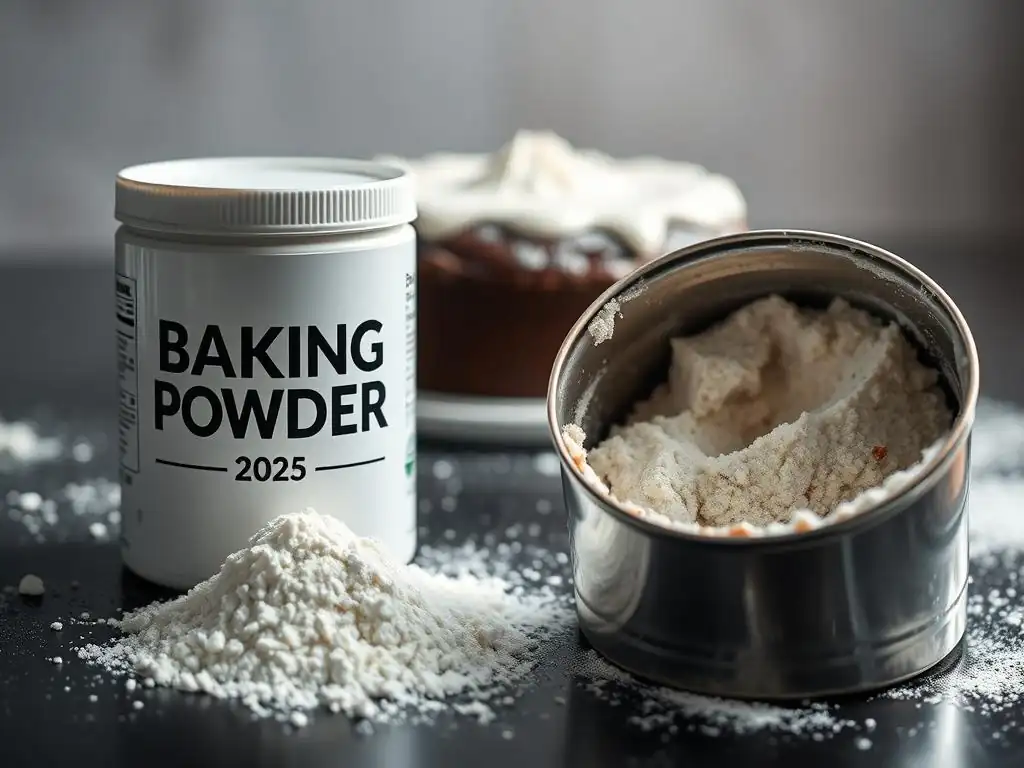
To preserve leavening strength, keep baking powder away from heat and humidity. Ideal storage is below 25 °C with relative humidity under 50%. A pantry shelf, away from the oven, is usually perfect. Avoid storing above the fridge or near the stovetop, where temperature fluctuations and steam abound.
Quantities matter too: smaller tins are replaced more frequently, reducing time exposed to air. Aim to use each container within 6 months of opening for peak performance.
The Importance of Airtight Containers
An airtight seal prevents moisture intrusion and contamination from odors or oils. Original tins often come with shrink-wrapped lids—retain this barrier. If transferring to a new container, choose BPA-free plastic or glass jars with tight-fitting lids and silicone gaskets.
“Moisture is the enemy of active leaveners,” says pastry chef Monique Dupont. “One inadvertent splash of water in your container can render hundreds of recipes flat.”
Avoiding Contamination
Never dip a wet spoon into the baking powder—it triggers acid-base reactions prematurely. Use a clean, dry scoop or spoon. Store powders away from flour dust or sugar crystals which can cake together and harbor moisture. If you notice a musty or rancid odor, discard immediately; fresh cornstarch loses moisture best in small batches.
Baking Powder Alternatives
Using Baking Soda and Acid as a Substitute
When you’re out of baking powder, you can replicate it by mixing 1/4 tsp baking soda + 1/2 tsp cream of tartar per teaspoon of powder required. Alternatively, replace cream of tartar with vinegar or lemon juice: combine 1/4 tsp baking soda + 1 tsp white vinegar. This custom blend mimics the two-phase reaction, creating an on-demand leavener.
Keep in mind that these substitutions may impart a slight tang. For delicate flavors like vanilla sponge, opt for cream of tartar. For robust chocolate cakes, the acid flash can enhance cocoa depth.
Whipped Egg Whites as a Leavening Agent
Egg whites beaten to stiff peaks can introduce significant lift, especially in genoise or chiffon cakes. By folding in 3–4 whipped egg whites, you can cut or even eliminate chemical leaveners. The protein network traps air bubbles, offering up to a 30% increase in volume.
Steps to follow:
- Separate eggs carefully (no yolk trace)
- Add 1/4 tsp cream of tartar per 2 whites
- Beat to stiff, glossy peaks
- Gently fold into the batter in thirds
Reviving Slightly Inactive Baking Powder: Is it Possible?
Adjusting Baking Powder Quantity for Reduced Leavening Power
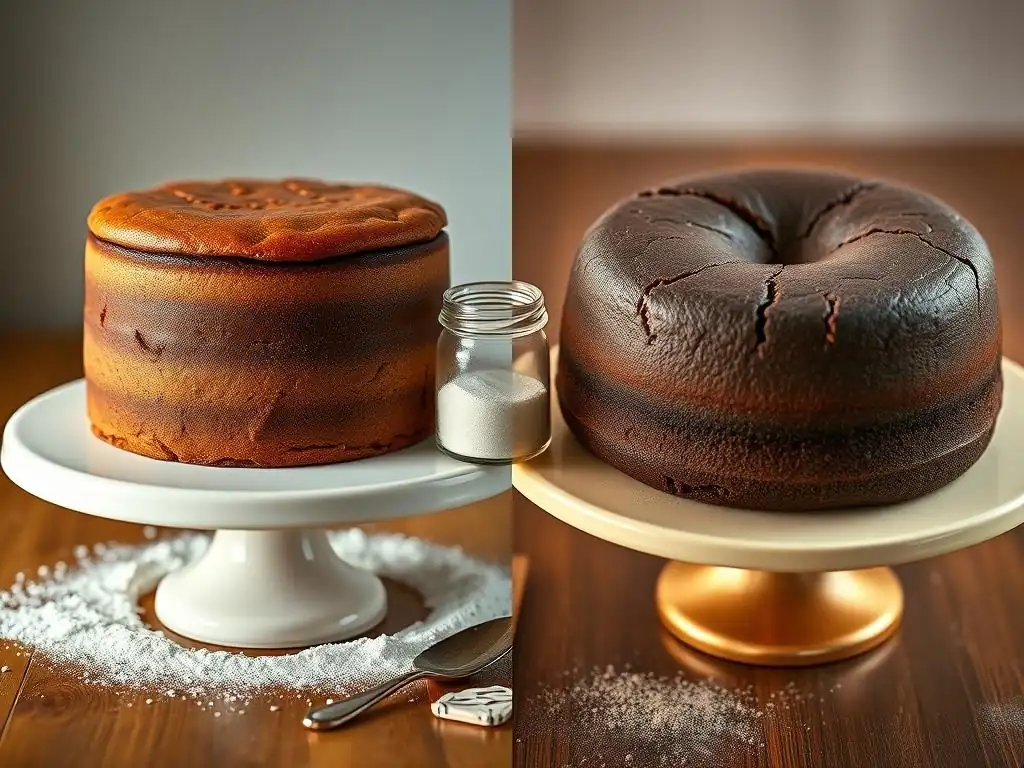
If a test shows 70–80% activity, you might compensate by upping the amount by 25%. For instance, use 1¼ tsp instead of 1 tsp per cup of flour. Proceed with caution—too much can impart a metallic aftertaste or cause over-expansion and collapse.
Maintain records: in a standard vanilla cake recipe, increasing baking powder from 10 g to 12.5 g can restore rise, but don’t exceed 15 g to avoid flavor issues. Always test bake a small batch before committing to a large one.
Conclusion: Ensuring a Perfect Cake with Active Baking Powder
The Importance of Active Ingredients for Successful Baking
Your cake’s success hinges on fresh, active leaveners working in harmony with flour, eggs, and sugar. Baking powder affects cake rise more than most bakers realize; its activity level directly translates to height, crumb structure, and moisture retention. Diligent testing and proper storage ensure that every bake achieves its intended loft and texture.
Recap: How to Test and Store Baking Powder
- Perform the hot water test regularly to confirm viability.
- Inspect for clumping and discoloration before use.
- Store in cool, dry, airtight containers and use within 6 months.
- When in doubt, replace rather than risk a flat cake.
By following these guidelines, you’ll consistently deliver cakes that rise beautifully, slice cleanly, and delight every taste bud. Happy baking!
Frequently Asked Questions
How does baking powder affect cake rise?
Baking powder is a leavening agent that releases carbon dioxide gas when mixed with liquid. This gas creates bubbles within the batter, causing the cake to rise and become light and fluffy.
What happens if my baking powder is expired or "dead"?
Expired baking powder loses its potency, meaning it won't release enough carbon dioxide. This results in a cake that is dense, flat, and doesn't rise properly. You may notice the cake is also tough or chewy.
How can I test if my baking powder is still active?
You can test baking powder by mixing a teaspoon of it with a 1/2 cup of hot water. If it fizzes vigorously, it's still good. No fizz means it's time to replace it.
What are the different types of baking powder, and which is best for cakes?
There are two main types: single-acting and double-acting. Double-acting is generally preferred for cakes as it releases gas both when mixed and when heated, providing a more reliable rise.
Can I substitute baking soda for baking powder in a cake recipe?
While possible, it's not a direct substitution. Baking soda requires an acidic ingredient (like buttermilk or lemon juice) to activate, otherwise, the cake will taste metallic. Baking powder is self-activating and therefore easier to use.
Final Reflection: The Silent Saboteur in Your Baking
The freshness of your baking powder is not a trivial detail; it's the often-unsung hero (or villain) determining the success or failure of your cake. A seemingly small ingredient, baking powder holds the key to achieving that perfect, light-as-air texture we all crave. Ignoring its potency can lead to dense, disappointing results, highlighting the crucial role of ingredient quality in baking.
The impact of understanding baking powder's role extends far beyond the individual cake. It speaks to a broader appreciation for the science behind cooking and the importance of paying attention to detail. The best bakers are scientists in disguise.
This quote, though not directly about baking powder, perfectly encapsulates the need for understanding the fundamental principles at play in achieving culinary excellence. The subtle nuances of ingredient interaction, like the gradual loss of potency in baking powder, teach us the value of observation and careful preparation in any creative endeavor.
Now, consider your own baking experiences. Have you ever encountered a flat, disappointing cake? Take a moment to reflect on the ingredients you used, particularly your baking powder. I challenge you to check the expiration date on your canister and, perhaps more importantly, to actively observe the rise of your batter next time you bake. By understanding the subtle science behind baking powder and its effect on your cake, you'll not only improve your baking skills but also gain a deeper appreciation for the intricate dance of ingredients that transforms simple components into something truly delicious.
Ready to Bake the Perfect Cake?
Thanks for taking the time to learn about the importance of fresh baking powder! You've now got the knowledge to avoid those disappointing flat cakes. Let's put that knowledge into action:
- Bake a test cake today! Use fresh baking powder and see the incredible difference it makes in your cake's texture and rise. This is your chance to put your newfound baking skills to the test!
- Share this article with your baking buddies – let them avoid the dreaded flat cake fate! Imagine the collective success!
- Try experimenting with different types of baking powder and compare the results. What unexpected flavor or texture differences will you discover?
What's your favorite baking powder tip or trick to ensure perfectly light and fluffy cakes? Let's discuss!