
Millet Flour: A Versatile Base for Your GlutenFree Pantry

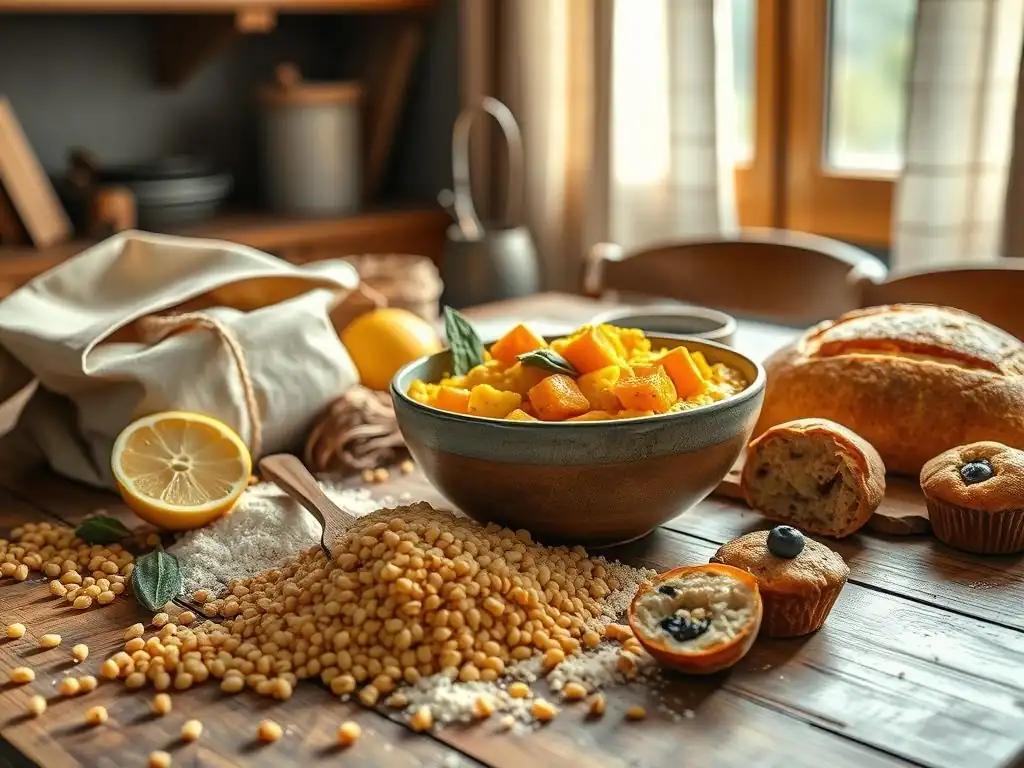
Welcome to BakeWithEase, your guide to unlocking the joy of baking! Discover how simple it can be to create delicious treats, no matter your skill level. Are you ready to explore the amazing world of gluten-free baking? Dive into our latest article and discover the incredible versatility of millet flour with our easy-to-follow gluten-free millet flour recipes. Prepare to be amazed at the textures and flavors you can achieve!
- Sorghum Flour: A Gluten-Free Grain for Baking and Cooking
- Introduction to Sorghum Flour for Gluten-Free Recipes
- Understanding Sorghum Flour's Characteristics
- Gluten-Free Sorghum Flour Recipes: Getting Started
- Delicious Gluten-Free Sorghum Flour Recipes
- Advanced Baking Techniques with Sorghum Flour
- Storing and Maintaining Sorghum Flour
- Troubleshooting Gluten-Free Sorghum Flour Recipes
- Conclusion: Embracing Sorghum Flour in Gluten-Free Cooking and Baking
-
Frequently Asked Questions
- What exactly is millet flour and why is it a good option for gluten-free baking?
- How does millet flour compare to other gluten-free flours like almond or rice flour?
- Can I substitute millet flour 1:1 for wheat flour in my existing recipes?
- What types of recipes are best suited for using millet flour as a key ingredient?
- Where can I purchase millet flour and how should I store it to maintain freshness?
- Final Reflection: Millet Flour: A Culinary Revolution in the Making
- Unleash the Power of Millet Flour!
Sorghum Flour: A Gluten-Free Grain for Baking and Cooking
Introduction to Sorghum Flour for Gluten-Free Recipes
What is Sorghum Flour and Its Advantages?
Sorghum flour is a versatile grain flour derived from the ancient cereal grain, sorghum. This grain has been cultivated for thousands of years across Africa and is gaining popularity globally, particularly in gluten-free baking. Unlike wheat, barley, and rye, sorghum is naturally free of gluten, making it an excellent alternative for individuals with celiac disease or gluten sensitivity. Its mild, slightly sweet flavor profile makes it adaptable to both sweet and savory gluten-free sorghum flour recipes.
One of the key advantages of using sorghum flour in baking is its nutritional density. It is a good source of dietary fiber, protein, iron, and antioxidants. Incorporating sorghum flour into your gluten-free baking provides these valuable nutrients while offering a pleasant texture and taste. Furthermore, sorghum is often considered a sustainable crop, requiring less water compared to some other grains, which adds an environmental benefit to its use in gluten-free applications.
Gluten-Free Diets: The Growing Popularity of Sorghum
The adoption of gluten-free diets has significantly increased in recent years, driven by medical necessity for those with celiac disease or non-celiac gluten sensitivity, as well as personal preference for perceived health benefits. This surge in demand has fueled innovation in gluten-free baking, bringing grains like sorghum to the forefront. Sorghum flour offers a whole-grain option that provides more nutritional value and complex carbohydrates compared to refined gluten-free starches often used in early gluten-free products.
As bakers and consumers seek more nutritious and flavorful gluten-free alternatives, sorghum flour has become a staple in many gluten-free pantries. Its neutral flavor allows it to blend well with other gluten-free flours, creating balanced and functional flour mixes for various gluten-free sorghum flour recipes. The accessibility and increasing availability of high-quality sorghum flour make it a convenient and reliable ingredient for anyone exploring gluten-free baking and cooking.
Exploring Gluten-Free Options
Navigating the world of gluten-free baking can be daunting, but exploring the variety of available flours is the first step. Beyond common options like rice flour and tapioca starch, grains such as sorghum, millet, buckwheat, and teff offer unique characteristics and nutritional profiles. Each flour behaves differently when baked, affecting texture, moisture retention, and flavor. Understanding these differences is crucial for successful gluten-free baking.
Sorghum flour stands out for its relatively neutral taste and good structure when combined correctly with binders. It provides a wholesome base that can be used in a wide range of applications, from breads and muffins to cookies and pancakes. Experimenting with sorghum flour allows you to expand your repertoire of gluten-free sorghum flour recipes and discover new favorite baked goods that are both delicious and free from gluten.
Understanding Sorghum Flour's Characteristics
Nutritional Value of Sorghum Flour in Gluten-Free Applications
Sorghum flour is a nutritional powerhouse, offering significant health benefits, especially within a gluten-free diet which can sometimes lack certain nutrients found in fortified wheat products. A typical serving of sorghum flour is rich in fiber, which aids digestion and helps maintain stable blood sugar levels. It also provides a good amount of plant-based protein, essential for building and repairing tissues.
Moreover, sorghum contains various vitamins and minerals, including B vitamins, iron, phosphorus, and potassium. It's also notable for its high antioxidant content, particularly phenolic compounds, which are believed to have anti-inflammatory properties. Integrating sorghum flour into your gluten-free sorghum flour recipes not only replaces wheat but also enhances the nutritional profile of your baked goods, contributing to a more balanced and healthy diet.
Sorghum Flour's Texture and Taste: A Detailed Look
Sorghum flour possesses a fine texture, similar to wheat flour, which makes it appealing for baking. However, it lacks gluten, the protein network that gives structure and elasticity to traditional baked goods. This means that while the flour itself is fine, baked goods made solely with sorghum flour can sometimes be crumbly or dense without proper formulation. Its taste is mild and slightly sweet, with subtle nutty undertones, making it less assertive than some other gluten-free flours like buckwheat or teff.
The mild flavor profile of sorghum flour is a significant advantage, as it doesn't overpower other ingredients in a recipe. This versatility allows it to be used in a wide range of gluten-free sorghum flour recipes, from delicate cakes to hearty breads. To achieve the best texture in gluten-free baking with sorghum, it is often combined with starches and binders like xanthan gum or psyllium husk to mimic the role of gluten, resulting in baked goods that are light, airy, and hold together well.
Comparing Sorghum Flour to Other Gluten-Free Alternatives (e.g., Tapioca, Potato Starch)
When building a gluten-free flour blend for baking, it's common to combine whole-grain flours like sorghum with lighter starches such as tapioca or potato starch. Sorghum flour provides the structure, fiber, protein, and nutrients, while starches contribute lightness, tenderness, and crispiness. For example, using 100% sorghum flour might result in a dense product, but blending it with tapioca starch can improve the crumb structure and make it less heavy.
Compared to rice flour, sorghum often offers a finer texture and less gritty mouthfeel. While brown rice flour is nutritious, it can sometimes result in drier baked goods. Against starches like cornstarch or potato starch, sorghum provides substance and nutritional value; starches primarily contribute to texture and binding without adding significant fiber or protein. Understanding how sorghum interacts with these other flours is key to developing successful and balanced gluten-free sorghum flour recipes.
Gluten-Free Sorghum Flour Recipes: Getting Started
Basic Gluten-Free Sorghum Flour Blend
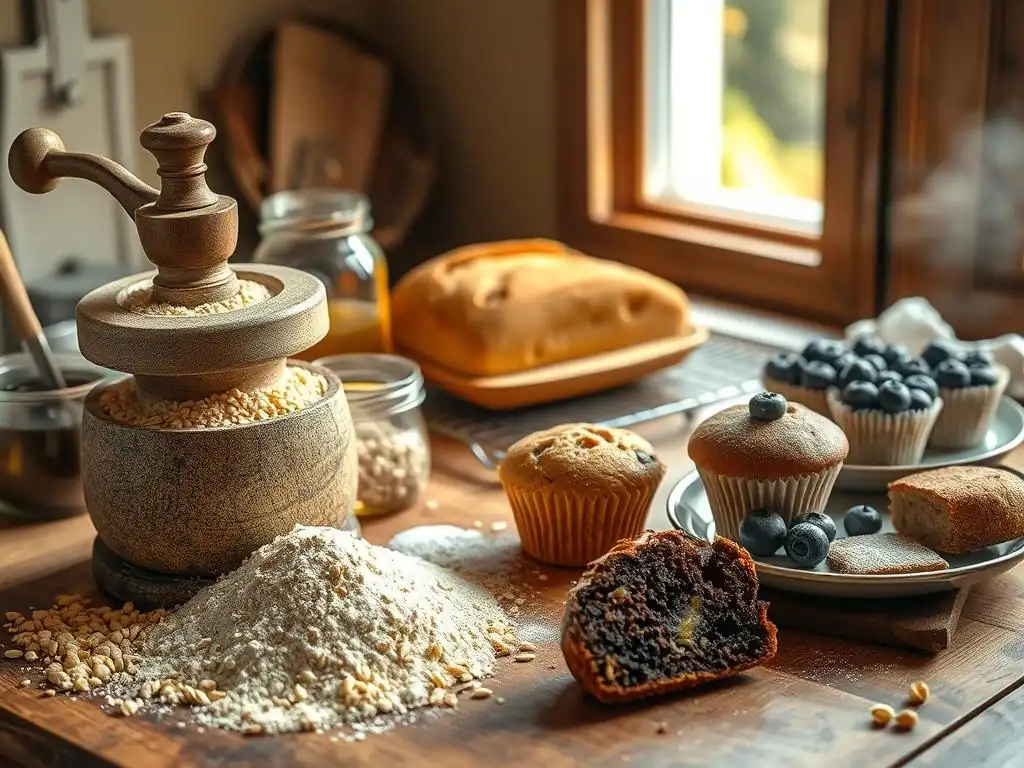
Creating your own gluten-free flour blend using sorghum as a base allows you to customize it for different baking needs. A common approach is to combine a whole-grain flour (like sorghum) with a starch and potentially another gluten-free flour for flavor or texture. A good starting point could be a blend consisting of 40% sorghum flour, 30% white rice flour, 20% potato starch, and 10% tapioca starch. You might also add 1 teaspoon of xanthan gum per cup of the blend for structure.
This basic blend can be used as a cup-for-cup substitute in many traditional recipes, though results will vary. The key is the ratio; sorghum provides the backbone, while the starches and other flours modify the texture. Adjusting the percentages allows you to tailor the blend for specific gluten-free sorghum flour recipes, such as increasing starch for lighter cakes or adding more sorghum for heartier breads.
Best Practices for Baking with Sorghum Flour
Successful baking with sorghum flour involves a few key practices to compensate for the absence of gluten. Firstly, always use a binder like xanthan gum, guar gum, or psyllium husk. These ingredients help provide the necessary structure and elasticity that gluten would typically offer. The amount needed varies depending on the recipe and binder type, but generally, 1/4 to 1/2 teaspoon of xanthan gum per cup of flour blend is a good starting point for cakes and cookies, increasing to 1 teaspoon per cup for breads.
Secondly, ensure your ingredients are at room temperature unless the recipe specifies otherwise. This helps with proper emulsification and rising. Hydration is also crucial; gluten-free doughs often require slightly more liquid than wheat-based doughs, and resting the batter or dough can help the flours absorb moisture evenly, preventing a gritty texture. Following these tips will significantly improve your results with gluten-free sorghum flour recipes.
Avoiding Pitfalls When Using Sorghum Flour
One common pitfall when using sorghum flour is ending up with dense or crumbly baked goods. This is often due to insufficient binder or improper hydration. Don't be afraid to experiment with binder amounts within recommended ranges to find what works best for your specific recipe and blend. Another issue can be a slightly bitter aftertaste if using older or improperly stored flour; always store sorghum flour in a cool, dark place and check the expiration date.
Over-mixing is another pitfall. Just like with wheat flour, over-mixing gluten-free batters can develop toughness, although for different reasons (often related to starch development or binder activation). Mix just until ingredients are combined. Finally, remember that sorghum flour absorbs liquid differently than wheat flour, so you might need to adjust liquid amounts slightly when adapting traditional recipes into gluten-free sorghum flour recipes.
Delicious Gluten-Free Sorghum Flour Recipes
Gluten-Free Sorghum Flour Bread: A Simple Recipe
Baking a good gluten-free bread can be challenging, but sorghum flour provides a hearty base. This simple recipe yields a loaf with a pleasant crumb and flavor. It utilizes a blend to ensure a balanced texture.
Ingredients for Sorghum Flour Bread
- 1.5 cups (about 210g) Sorghum Flour
- 1 cup (about 140g) White Rice Flour
- 0.5 cup (about 60g) Tapioca Starch
- 2 tsp Xanthan Gum
- 1 tsp Salt
- 1 tbsp Sugar (or honey/maple syrup)
- 2.25 tsp Instant Yeast
- 1.5 cups Warm Water (105-115°F / 40-46°C)
- 2 tbsp Olive Oil or Melted Butter
- 1 large Egg (optional, for richer crumb)
- Preheat oven to 375°F (190°C).
- Grease a standard loaf pan.
- In a large bowl, whisk together sorghum flour, rice flour, tapioca starch, xanthan gum, salt, sugar, and yeast.
- In a separate bowl, whisk together warm water, olive oil, and egg (if using).
- Pour wet ingredients into dry ingredients and mix with a stand mixer fitted with a paddle attachment or a sturdy spoon until a thick, sticky dough forms.
- Scrape dough into the prepared loaf pan and smooth the top with a wet spatula.
- Cover and let rise in a warm place for 30-45 minutes, or until dough is slightly risen and puffy.
- Bake for 40-50 minutes, or until the crust is golden brown and the internal temperature reaches 200-210°F (93-99°C).
- Let cool in the pan for 10 minutes, then transfer to a wire rack to cool completely before slicing.
Baking Instructions for Sorghum Flour Bread
Following the instructions carefully is key to achieving a successful loaf of gluten-free sorghum flour bread. The initial mixing ensures all ingredients are well combined and the binder is activated. The rising time is often shorter than for wheat bread because there's no gluten structure to develop, but it's still important for lightness.
Baking at the specified temperature ensures the bread cooks through evenly and develops a good crust. Using an internal thermometer is the most reliable way to check for doneness in gluten-free bread, as the appearance can sometimes be misleading. Allowing the bread to cool completely before slicing is crucial; slicing too early can result in a gummy texture, a common issue with gluten-free loaves.
Gluten-Free Sorghum Flour Flatbread: A Versatile Option
Flatbreads are a quick and easy way to enjoy the flavor and texture of sorghum flour without the complexities of leavened bread. This recipe is adaptable and perfect for wraps, pizzas, or dipping.
Easy Sorghum Flour Flatbread Recipe
- 1 cup (about 140g) Sorghum Flour
- 0.5 cup (about 60g) Tapioca Starch
- 1 tsp Baking Powder
- 0.5 tsp Salt
- 1 tbsp Olive Oil
- 0.5 - 0.75 cup Warm Water
Combine dry ingredients in a bowl. Add olive oil and about half the water. Mix, adding more water gradually until a soft, slightly sticky dough forms that pulls away from the sides of the bowl. Knead briefly on a lightly floured surface (using sorghum or rice flour) until smooth. Divide into 4-6 portions. Roll each portion very thinly into a circle. Heat a dry non-stick skillet or griddle over medium-high heat. Cook each flatbread for 2-3 minutes per side, until puffed and lightly browned.
Serving Suggestions and Variations for Sorghum Flour Flatbread
These gluten-free sorghum flour flatbreads are incredibly versatile. Serve them warm with dips like hummus or baba ghanoush. Use them as a base for mini pizzas, adding your favorite toppings and baking until cheese is melted. They also make excellent wraps for grilled vegetables, falafel, or chicken.
To vary the recipe, you can add herbs like rosemary or thyme to the dough, or spices like garlic powder or cumin for a savory twist. A pinch of sugar can enhance the browning. For a richer flavor, you can use melted butter instead of olive oil. The key is to roll the dough thinly for a pliable flatbread.
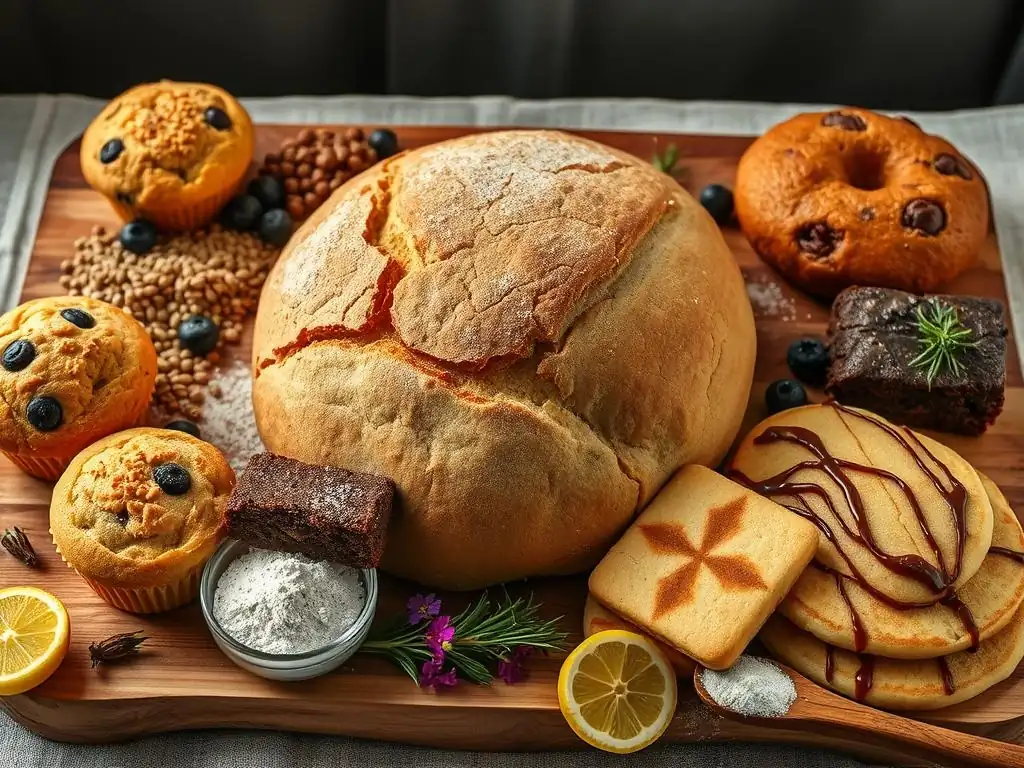
Sorghum flour works wonderfully in cookies, providing a subtle sweetness and pleasant texture that isn't overly crumbly. These chocolate chip cookies are a great introduction to sweet gluten-free sorghum flour recipes.
Chocolate Chip Sorghum Flour Cookies Recipe
- 1 cup (about 140g) Sorghum Flour
- 0.5 cup (about 60g) Potato Starch
- 0.5 tsp Baking Soda
- 0.25 tsp Salt
- 0.5 cup (1 stick, 113g) Unsalted Butter, softened
- 0.5 cup Granulated Sugar
- 0.5 cup Packed Brown Sugar
- 1 large Egg
- 1 tsp Vanilla Extract
- 1 cup Chocolate Chips
Preheat oven to 350°F (175°C). Line baking sheets with parchment paper. In a medium bowl, whisk together sorghum flour, potato starch, baking soda, and salt. In a large bowl, cream together the softened butter, granulated sugar, and brown sugar until light and fluffy. Beat in the egg and vanilla extract. Gradually add the dry ingredients to the wet ingredients, mixing until just combined. Stir in the chocolate chips. Drop rounded tablespoons of dough onto the prepared baking sheets, leaving space between cookies. Bake for 10-12 minutes, or until edges are golden and centers are set but still slightly soft. Let cool on baking sheets for a few minutes before transferring to a wire rack to cool completely.
Enhancements and Add-ins for Sorghum Flour Cookies
These gluten-free sorghum flour cookies are delicious as is, but you can easily customize them. Swap chocolate chips for white chocolate, butterscotch chips, or chopped nuts like walnuts or pecans. Add a teaspoon of cinnamon or a pinch of nutmeg for spice. Dried cranberries or raisins are also good additions.
For a chewier cookie, you can slightly underbake them and let them finish setting on the hot baking sheet. For a crispier cookie, bake a minute or two longer. Chilling the dough for at least 30 minutes before baking can also help prevent excessive spreading and result in a thicker cookie.
Advanced Baking Techniques with Sorghum Flour
Enhancing Texture and Structure in Sorghum Flour Recipes
Achieving the perfect texture in gluten-free baking with sorghum flour often requires more than just a simple binder. Techniques like using a "psyllium gel" can significantly improve structure and elasticity in bread doughs. This involves whisking psyllium husk powder with water and letting it sit for a few minutes until it forms a gel before adding it to the dry ingredients. This provides a more robust binding network than dry psyllium or xanthan gum alone.
Another technique is incorporating protein-rich ingredients like finely ground nuts (almond flour) or seeds (sunflower seed flour) into your sorghum blend. These add structure and tenderness. For cakes and muffins, using methods that incorporate air, such as whipping eggs whites to stiff peaks or creaming butter and sugar extensively, is vital since the batter won't rely on gluten development for lift. These advanced approaches can elevate your gluten-free sorghum flour recipes to new levels.
Combining Sorghum Flour with Other Gluten-Free Flour Types
Successful gluten-free baking often relies on strategic blending of different flours and starches to mimic the properties of wheat flour. Sorghum flour pairs well with a variety of other gluten-free options. For example, combining it with brown rice flour provides more structure and nutrients, while mixing with oat flour adds chewiness and a slightly different flavor profile.
For lighter textures, pairing sorghum with starches like cornstarch, potato starch, or arrowroot starch is common. Adding small amounts of strongly flavored flours like teff or buckwheat can add complexity, but use sparingly so they don't overpower the mildness of the sorghum. Experimenting with different ratios and combinations is key to discovering the ideal blends for your specific gluten-free sorghum flour recipes, whether they are for delicate pastries or robust loaves.
Investigating Various Sorghum Varieties and Their Flour
While often simply labeled "sorghum flour," there are different varieties of sorghum grain, which can subtly affect the flour's properties. White sorghum is the most common variety used for flour in Western markets due to its neutral color and mild flavor, making it highly versatile in baking where you don't want the flour to impart a strong color or taste.
Other varieties exist, such as red or black sorghum, which are higher in antioxidants and pigments. Flour made from these varieties will have a darker color and potentially a slightly different, perhaps more robust or earthy, flavor. While less commonly available as flour for home baking, understanding that variations exist is useful. Most gluten-free sorghum flour recipes assume the use of white sorghum flour unless otherwise specified. Always check the packaging if you are looking for a specific type.
Storing and Maintaining Sorghum Flour
Optimal Storage Methods for Preserving Freshness
Proper storage is crucial for maintaining the quality and extending the shelf life of sorghum flour, just like any other whole-grain flour. Due to its oil content, sorghum flour can go rancid if not stored correctly. The best method is to keep it in an airtight container to protect it from moisture, air, and pests. Glass jars, sturdy plastic containers with tight-fitting lids, or vacuum-sealed bags work well.
Store the airtight container in a cool, dark place. A pantry shelf away from heat sources (like ovens or stoves) is suitable for short-term storage. For longer storage, especially in warmer climates or if you buy in bulk, the refrigerator or freezer is recommended. Freezing is particularly effective at preserving freshness and extending shelf life significantly without affecting baking performance.
Sorghum Flour's Shelf Life and How to Maximize It
The typical shelf life of sorghum flour stored at room temperature is around 3-6 months. If stored in the refrigerator, it can last for 6-12 months, and in the freezer, it can remain fresh for up to 2 years. Always check the "best by" date on the packaging, but also rely on your senses. Fresh sorghum flour has a mild, slightly sweet aroma. If it smells bitter, musty, or like old crayons, it has likely gone rancid and should be discarded.
To maximize shelf life, minimize exposure to air and moisture. Always seal the container tightly after each use. Avoid storing it in areas with fluctuating temperatures or high humidity, such as above the stove or near a sink. Buying smaller quantities if you don't bake frequently with sorghum flour can also help ensure you use it while it's at its best for your gluten-free sorghum flour recipes.
Purchasing High-Quality Sorghum Flour
When purchasing sorghum flour, look for brands that specialize in gluten-free products or organic grains, as they often have stricter quality control measures to prevent cross-contamination with gluten. Check the ingredient list to ensure it is 100% sorghum flour with no additives unless you are buying a pre-mixed blend.
Consider where the grain was sourced and processed. Reputable suppliers will often provide information about their milling process and testing for gluten. Buying from stores with high turnover ensures the flour hasn't been sitting on the shelf for too long. While you can sometimes find sorghum grain to mill yourself, purchasing pre-ground flour from a trusted source is convenient and generally provides a consistent texture suitable for most gluten-free sorghum flour recipes.
Troubleshooting Gluten-Free Sorghum Flour Recipes
Common Problems and Solutions When Cooking with Sorghum Flour
One frequent issue encountered when working with sorghum flour is a slightly dry or crumbly texture in baked goods. This often happens because sorghum absorbs liquid differently than wheat. Solution: Increase the liquid slightly in your recipe or add ingredients that boost moisture, such as applesauce, yogurt, or extra fat (oil/butter). Ensuring adequate binder (like xanthan or psyllium) is also crucial for holding everything together.
Another problem can be a slightly gritty mouthfeel. This is usually due to insufficient hydration or not allowing the batter/dough to rest. Solution: Let your batter or dough rest for 15-30 minutes before baking. This allows the flour particles to fully absorb the liquid, resulting in a smoother texture. Using very finely milled sorghum flour can also help prevent grittiness in your gluten-free sorghum flour recipes.
Adapting Recipes for Different Sorghum Flour Brands
Not all sorghum flours are created equal. The grind size can vary between brands, affecting how much liquid the flour absorbs and the final texture of your baked goods. A coarser grind might absorb less liquid initially and could result in a slightly grittier texture if not properly hydrated and rested.
When trying a new brand of sorghum flour, it's wise to start by following your trusted gluten-free sorghum flour recipes but be prepared to make slight adjustments to the liquid content. If the dough or batter seems too dry, add a tablespoon of liquid at a time until the desired consistency is reached. Conversely, if it's too wet, you might need to add a little extra flour or starch. Keeping notes on how different brands perform can be very helpful.
Preventing a Gritty Texture in Sorghum Flour Baked Goods
Preventing that undesirable gritty texture is key to enjoyable gluten-free sorghum flour recipes. Beyond adequate hydration and resting the dough/batter, the quality and fineness of the sorghum flour itself play a significant role. Opt for stone-ground or finely milled sorghum flour whenever possible, as these tend to be less gritty.
Combining sorghum flour with smoother starches like tapioca starch or cornstarch in your flour blend can also help improve the overall texture. Using a binder like psyllium husk, which forms a gel, can effectively bind the flour particles and starches together, leading to a smoother, more cohesive crumb that is free from grittiness.
Conclusion: Embracing Sorghum Flour in Gluten-Free Cooking and Baking
Expanding Your Gluten-Free Culinary Options with Sorghum Flour
Sorghum flour is a valuable addition to any gluten-free pantry, offering a nutritious, versatile, and delicious alternative to wheat. Its mild flavor and fine texture make it suitable for a wide array of gluten-free sorghum flour recipes, from wholesome breads and flatbreads to sweet cookies and cakes. Embracing sorghum opens up new possibilities for enjoying baked goods while adhering to a gluten-free diet.
By understanding its characteristics, learning best practices for working with it, and experimenting with blends and techniques, you can successfully incorporate sorghum flour into your cooking and baking routine. It provides not just a gluten-free solution, but also added nutritional benefits, making your baked treats more wholesome and satisfying.
Resources for Gluten-Free Cooking and Baking
Embarking on your journey with gluten-free sorghum flour recipes is made easier with reliable resources. Look for reputable gluten-free cookbooks that feature sorghum flour or provide guidance on creating your own flour blends. Many food blogs and websites dedicated to gluten-free baking offer tested recipes and helpful tips specifically for using alternative flours like sorghum.
Joining online communities or forums focused on gluten-free living can also provide a wealth of knowledge, troubleshooting advice, and recipe ideas from experienced gluten-free bakers. Don't be afraid to experiment in your own kitchen; practice is the best way to become comfortable working with sorghum flour and perfect your favorite gluten-free sorghum flour recipes.
Frequently Asked Questions
What exactly is millet flour and why is it a good option for gluten-free baking?
Millet flour is a gluten-free flour made from ground millet seeds. It’s a good option because it's naturally gluten-free and offers a slightly sweet, nutty flavor.
How does millet flour compare to other gluten-free flours like almond or rice flour?
Millet flour often provides a better texture compared to some gluten-free flours, avoiding the grittiness of rice flour. It's also generally less expensive than almond flour.
Can I substitute millet flour 1:1 for wheat flour in my existing recipes?
No, a direct 1:1 substitution is usually not recommended. Millet flour works best in blends or when used with binding agents like xanthan gum or psyllium husk.
What types of recipes are best suited for using millet flour as a key ingredient?
Millet flour works well in recipes like pancakes, muffins, cookies, and even some types of bread. It’s particularly good for recipes where a slightly nutty flavor is desired.
Where can I purchase millet flour and how should I store it to maintain freshness?
Millet flour can be found in many health food stores or online retailers. To maintain freshness, store it in an airtight container in a cool, dark place.
Final Reflection: Millet Flour: A Culinary Revolution in the Making
The resurgence of millet flour isn't just a trend; it's a vital step towards a more inclusive and healthier culinary landscape. The versatility and nutritional powerhouse that is millet flour offers a compelling alternative for those seeking gluten-free options, and its rising popularity signals a growing awareness of dietary needs and the importance of sustainable food choices. This shift towards mindful eating is crucial for both individual well-being and the future of our food systems.
The journey of rediscovering millet flour has been particularly enlightening for me, highlighting not only its culinary potential but also its historical significance. It's a grain that has sustained communities for millennia, and its re-emergence in modern kitchens speaks to a deeper connection with our food heritage. Food is symbolic of love when words are inadequate.
– Alan D. Wolfelt. This quote resonates deeply, as the act of preparing and sharing millet flour recipes becomes a powerful way to express care and connection, especially within the gluten-free community.
Now, it's your turn. Explore the possibilities! Don't be afraid to experiment with millet flour in your own kitchen. Try substituting it in your favorite recipes, or delve into the exciting world of gluten-free baking and cooking with this ancient grain. Embrace the challenge, discover new flavors, and contribute to the growing movement towards a more diverse and inclusive culinary experience. The future of gluten-free cooking is vibrant, and millet flour is ready to lead the way.
Unleash the Power of Millet Flour!
Thanks for exploring the world of millet flour with us! We hope you've discovered its incredible versatility and potential for delicious, gluten-free baking. Ready to put your new knowledge into practice?
- Bake your first millet masterpiece! Try one of the recipes we mentioned – or get creative and experiment with your own! This is the perfect opportunity to discover what millet flour can do.
- Share your millet flour creations with the BakeWithEase community on social media using #MilletMagic. Let’s inspire each other!
- Dive deeper into gluten-free baking by exploring other resources on our site (search "gluten-free baking" on bakewithease.com) or looking into other ancient grains.
What surprising millet flour recipe will you create next?