
Overbaking vs. Underbaking: Spotting the Signs

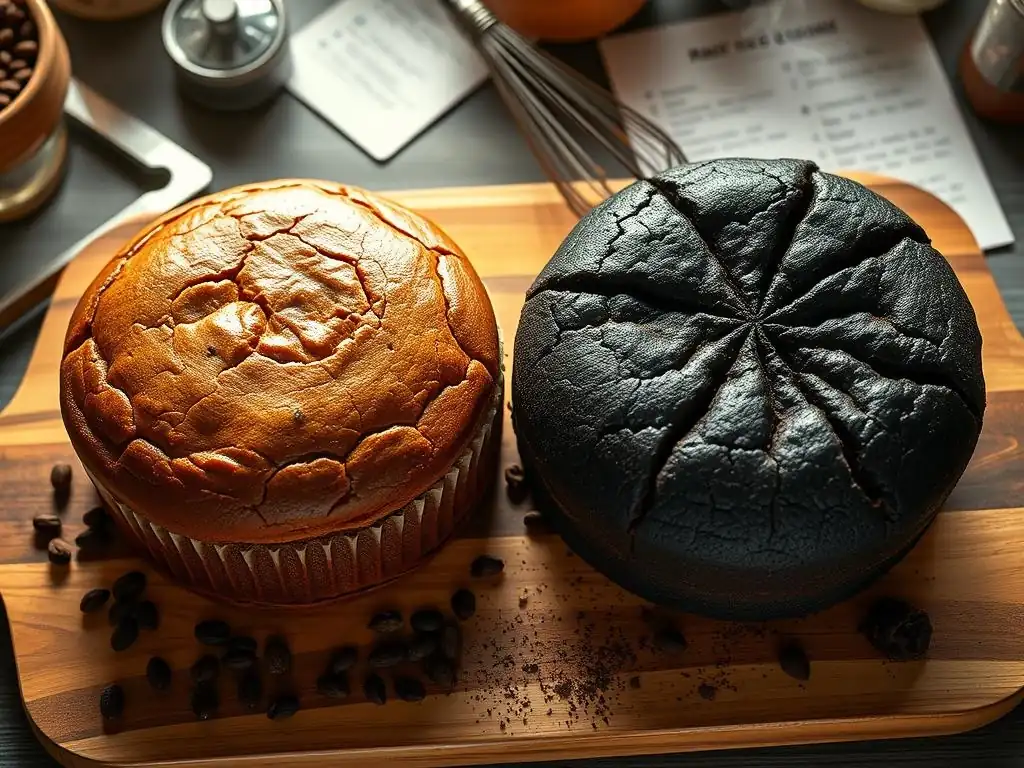
Welcome to BakeWithEase, your trusted companion on the baking journey! Ever wondered how to tell baked goods are perfectly done, avoiding the pitfalls of overbaking or underbaking? This guide unveils the secrets to spotting the telltale signs, ensuring every creation emerges from your oven with mouthwatering perfection. Dive in to master these essential baking tips & hacks and elevate your baking game today!
- Overbaking vs. Underbaking: Spotting the Signs for Perfect Baked Goods
- Introduction: Achieving Baking Perfection - Understanding Overbaking and Underbaking
-
Identifying Overbaked Goods: Key Signs and Characteristics
- Visual Cues of Overbaking: Recognizing Burnt Edges and Dark Crusts
- Texture Indicators: How Overbaking Affects Cake Texture (Dryness, Crumbliness)
- Taste and Aroma: Identifying the Burnt or Bitter Flavor of Overbaked Cakes
- Specific Examples of Overbaked Cakes: Chocolate Cake, Vanilla Cake, Red Velvet Cake
- Recognizing Underbaked Goods: Key Signs and Characteristics
- Comparing Overbaking and Underbaking: A Side-by-Side Analysis
- Factors Contributing to Overbaking and Underbaking
- Troubleshooting Common Baking Problems: Preventing Overbaking and Underbaking
- Rescue Strategies: What to Do with Overbaked or Underbaked Cakes
- Conclusion: Mastering the Art of Baking - Ensuring Perfectly Baked Cakes Every Time
- Frequently Asked Questions
- Final Reflection: The Sweet Science of Baking Perfection
- Unlock Your Baking Potential: Master the Art of Perfect Bake
Overbaking vs. Underbaking: Spotting the Signs for Perfect Baked Goods
Introduction: Achieving Baking Perfection - Understanding Overbaking and Underbaking
Baking a cake is a delicate balance of science and art. You mix ingredients with care, measure precisely, and anticipate that moment when your creation emerges from the oven, golden brown and perfectly tender. But sometimes, things don't go exactly as planned. Two of the most common pitfalls are overbaking and underbaking, both of which can turn a promising batter into a disappointing dessert. Learning how to tell baked goods are done, or conversely, not quite there, is a fundamental skill for any baker.
Understanding the signs of overbaking and underbaking is crucial for consistent baking success. An overbaked cake is often dry, crumbly, and lacks flavor, while an underbaked cake can be gummy, dense, and unpleasant to eat. This guide will walk you through the key indicators for each scenario, helping you identify common issues and improve your chances of baking a perfect cake every time. We'll explore visual cues, texture tests, and even taste indicators, giving you the knowledge you need to confidently determine the doneness of your next baking project.
Identifying Overbaked Goods: Key Signs and Characteristics
When a cake spends too long in the oven or is baked at too high a temperature, it begins to lose moisture rapidly and the sugars and proteins undergo excessive reactions. Recognizing these signs early is key to preventing a total loss. Knowing how to tell baked goods are overdone is just as important as knowing when they are perfectly baked.
Visual Cues of Overbaking: Recognizing Burnt Edges and Dark Crusts
One of the most obvious signs of overbaking is the appearance of the cake's exterior. The edges, which are exposed to the most direct heat from the pan, will often turn a deep brown or even black. While a golden-brown crust is desirable, a crust that is uniformly very dark, almost mahogany, or has visibly charred spots indicates that the cake has been in the oven for too long. The top surface may also appear cracked or significantly domed, especially if the temperature was too high.
Beyond just the edges, the entire crust of an overbaked cake will be noticeably darker than intended by the recipe. For instance, a vanilla cake that should have a light golden crust might have a dark brown, almost burnt-looking top. This excessive browning is a result of the Maillard reaction and caramelization progressing too far, leading to undesirable flavors and textures. If your cake looks significantly darker than the examples you've seen in successful recipes, it's a strong visual cue that it might be overbaked.
Texture Indicators: How Overbaking Affects Cake Texture (Dryness, Crumbliness)
The texture of an overbaked cake is typically dry and crumbly. As moisture evaporates during prolonged baking, the cake structure becomes brittle. When you slice into an overbaked cake, the crumbs might fall apart easily rather than holding together in a moist, tender slice. The crumb structure itself will often appear dense and tight, lacking the open, airy texture of a perfectly baked cake.
Another common texture issue is a tough or hard crust, especially around the edges. While a slight crispness on the crust can be pleasant, an overbaked cake will have a crust that is difficult to cut through and feels hard rather than firm. The interior, even if not visibly charred, will feel dry to the touch and might absorb frosting or glaze instantly rather than allowing it to sit on the surface, indicating a severe lack of internal moisture.
Taste and Aroma: Identifying the Burnt or Bitter Flavor of Overbaked Cakes
The most undeniable sign of overbaking is the taste. Burnt sugars and proteins create bitter, acrid flavors that are unpleasant. Even if the cake isn't visibly blackened, excessive browning can impart a strong, sometimes bitter, caramelized taste that overwhelms the intended flavors of the cake. The delicate notes of vanilla, chocolate, or fruit are often lost, replaced by a harsh, slightly burnt flavor.
The aroma can also be a clue. While a perfectly baked cake smells sweet and inviting, an overbaked cake might have a slightly sharp or acrid smell, hinting at the bitterness to come. Tasting a small piece, particularly from the edge, will confirm your suspicions. If it tastes distinctly bitter or like burnt sugar, the cake is certainly overbaked.
Specific Examples of Overbaked Cakes: Chocolate Cake, Vanilla Cake, Red Velvet Cake
Let's look at specific examples. An overbaked chocolate cake often loses its rich, moist texture and becomes dry and almost chalky. The deep brown color intensifies, sometimes developing a reddish or black tint on the edges, and the complex chocolate flavor can be replaced by a simple, bitter taste. Instead of a fudgy or tender crumb, you get a dry, dense one that crumbles easily when cut.
Vanilla cakes, when overbaked, turn a darker yellow or brown than they should, losing their light, delicate crumb. They become significantly dry, sometimes resembling cornbread in texture, and the sweet, subtle vanilla flavor is often masked by the taste of over-caramelized sugar. The crust becomes hard and brittle, making slicing difficult without causing the cake to break apart.
Red velvet cake is particularly sensitive to overbaking. Its signature moist, tender crumb becomes dry and tough, and the vibrant red color can deepen or even turn slightly brownish-red. The subtle cocoa and buttermilk flavors are diminished, and the cake loses the luxurious texture that pairs so well with cream cheese frosting, becoming dry and less appealing. These examples highlight how crucial it is to know how to tell baked goods are done by observing their specific characteristics.
Recognizing Underbaked Goods: Key Signs and Characteristics
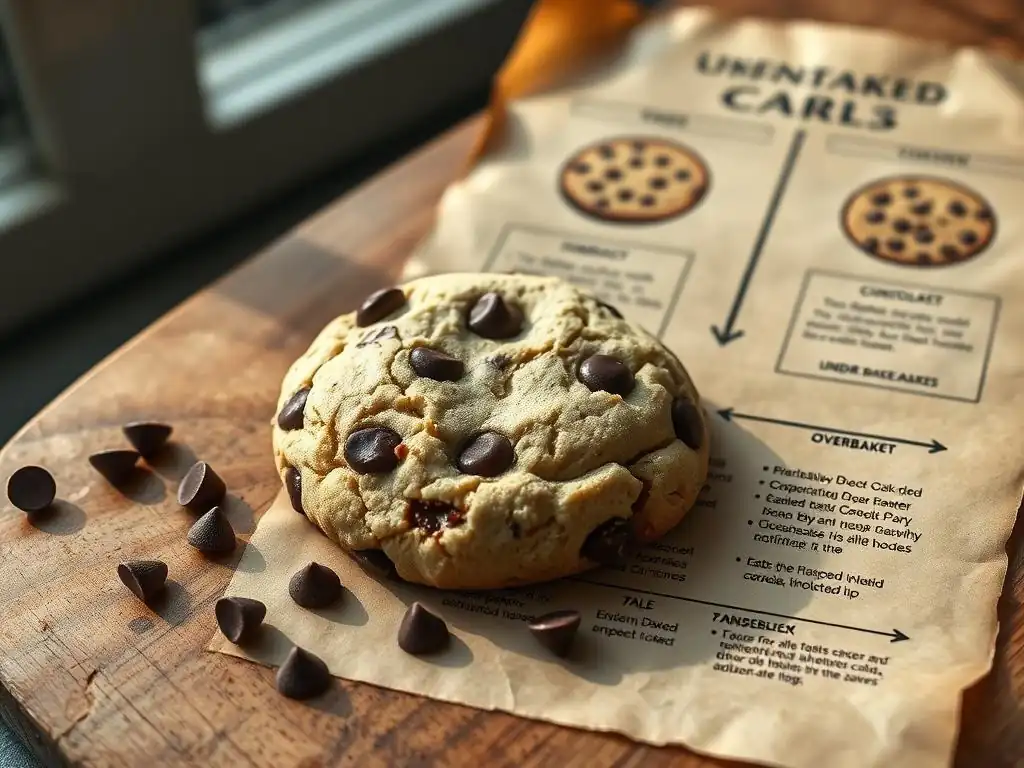
Underbaking is the opposite problem, resulting from insufficient time or temperature in the oven. This leaves the cake with too much moisture and an underdeveloped structure. Knowing how to tell baked goods are underbaked prevents serving a disappointing, raw-tasting dessert.
Visual Cues of Underbaking: Pale Color and Wet Appearance
Visually, an underbaked cake often looks pale compared to what the recipe suggests. The top crust might be very light golden or even matte and dull, lacking the vibrant golden-brown hue of a properly baked cake. The center of the cake may appear sunken or less risen than the edges.
Upon closer inspection, the surface might look slightly wet or shiny in the center, indicating that the batter hasn't fully set. If you gently press the center, it might feel overly soft or even leave an indentation, whereas a properly baked cake would spring back slightly. The edges might look done, but the lack of browning and firmness in the center is a major visual indicator of underbaking.
Texture Indicators: How Underbaking Affects Cake Texture (Gummy, Soggy Center)
The texture of an underbaked cake is typically gummy, dense, and often sticky, especially in the center. When you slice into it, the knife might come away with wet crumbs or even raw batter stuck to it. The crumb structure, if visible, will be very tight and compressed, lacking any airiness.
The most common texture issue is a wet or gooey center. While the outer edges might seem firm, the middle of the cake will feel soft, heavy, and might resemble thick pudding or raw dough. This is because the starches and proteins haven't fully cooked and set. The mouthfeel is often unpleasant, sticky, and heavy.
The Toothpick Test: A Crucial Indicator for Doneness (And Its Limitations)
The toothpick test is a classic method for determining if a cake is done, and it's generally quite reliable for knowing how to tell baked goods are ready. To perform it, insert a clean toothpick, wooden skewer, or thin knife into the deepest part of the cake (usually the center).
- If the toothpick comes out clean, with no wet batter or moist crumbs attached, the cake is likely done.
- If it comes out with wet batter clinging to it, the cake needs more time.
- If it comes out with a few moist crumbs attached, this is often a sign of a perfectly baked, moist cake.
However, the toothpick test has limitations. For cakes with add-ins like chocolate chips, nuts, or fruit, the toothpick might pick up melted chocolate or moist fruit pieces, giving a false indication of underbaking even if the batter is cooked. In such cases, it's better to check multiple spots, avoiding the obvious locations of add-ins, or rely on a combination of the toothpick test, visual cues, and feel.
Specific Examples of Underbaked Cakes: Pound Cake, Coffee Cake, Carrot Cake
Pound cake, known for its dense yet tender crumb, is prone to being underbaked due to its richness and thickness. An underbaked pound cake will feel incredibly heavy for its size, and the center will be dense, gummy, and potentially still taste like raw flour and sugar. The top might look set, but a toothpick test will reveal wet batter in the middle.
Coffee cake, especially those with streusel toppings or fruit fillings, can be tricky. An underbaked coffee cake often has a wet, heavy layer beneath the topping, and the center cake portion is soggy. The streusel might sink into the batter instead of resting lightly on top, and the overall texture will be dense and unpleasant, far from the light, moist crumb intended.
Carrot cake, packed with moisture from grated carrots and often nuts or raisins, is another common candidate for underbaking. An underbaked carrot cake will be excessively moist, feeling heavy and dense. The center might collapse slightly after cooling, and when sliced, the interior will look wet and feel sticky or gummy to the touch, lacking the desired tender, slightly open crumb. Knowing how to tell baked goods like these are properly cooked requires checking beyond just the surface.
Comparing Overbaking and Underbaking: A Side-by-Side Analysis
Understanding the distinct differences between overbaked and underbaked cakes helps solidify your ability to diagnose baking issues. While both result in less-than-ideal outcomes, their characteristics are quite opposite. This comparison highlights the key signs for knowing how to tell baked goods are suffering from either problem.
Visual Comparison: Overbaked vs. Underbaked Cakes in Pictures
Visually, the contrast is stark. An overbaked cake is typically very dark, with edges that might be crispy or even blackened. The top might be significantly domed and possibly cracked. Think of a cake that looks like it spent too much time under a broiler – intensely browned, potentially burnt in spots.
In contrast, an underbaked cake is often pale, lacking significant color development on the crust. The center might appear sunken or not fully risen, and the surface might look wet or shiny. Imagine a cake that looks like it was pulled out of the oven too soon – light in color, potentially still looking a bit like raw batter in the middle.
Texture Comparison: Contrasting Dryness with Gummyness
The texture differences are perhaps the most telling. Overbaked cakes are characterized by dryness and crumbliness. The crumb is brittle, falls apart easily, and the cake feels light (due to moisture loss) but dense (due to crumb structure). It absorbs liquid quickly, making it feel like a sponge in a negative way.
Underbaked cakes, conversely, are wet and gummy. The crumb is sticky, dense, and heavy. It feels doughy or pudding-like in the center. Instead of breaking apart cleanly, it might stretch or stick to your fingers. The texture is unpleasantly chewy or soggy.
Flavor Comparison: Burnt vs. Raw Batter Taste
The taste profiles are also opposites. An overbaked cake tastes of burnt sugar and potentially bitterness. The delicate flavors of the cake are overpowered by the harsh notes of over-caramelization or charring. It lacks sweetness in a pleasant way, replaced by a bitter or acrid aftertaste.
An underbaked cake tastes like raw batter. It has a raw flour taste, an unpleasant sweetness from uncooked sugar, and lacks the developed flavors of a properly baked good. The taste is often doughy and unappetizing, confirming that the ingredients haven't undergone the necessary chemical transformations during baking. This flavor test is a definitive way how to tell baked goods are not fully cooked.
Factors Contributing to Overbaking and Underbaking
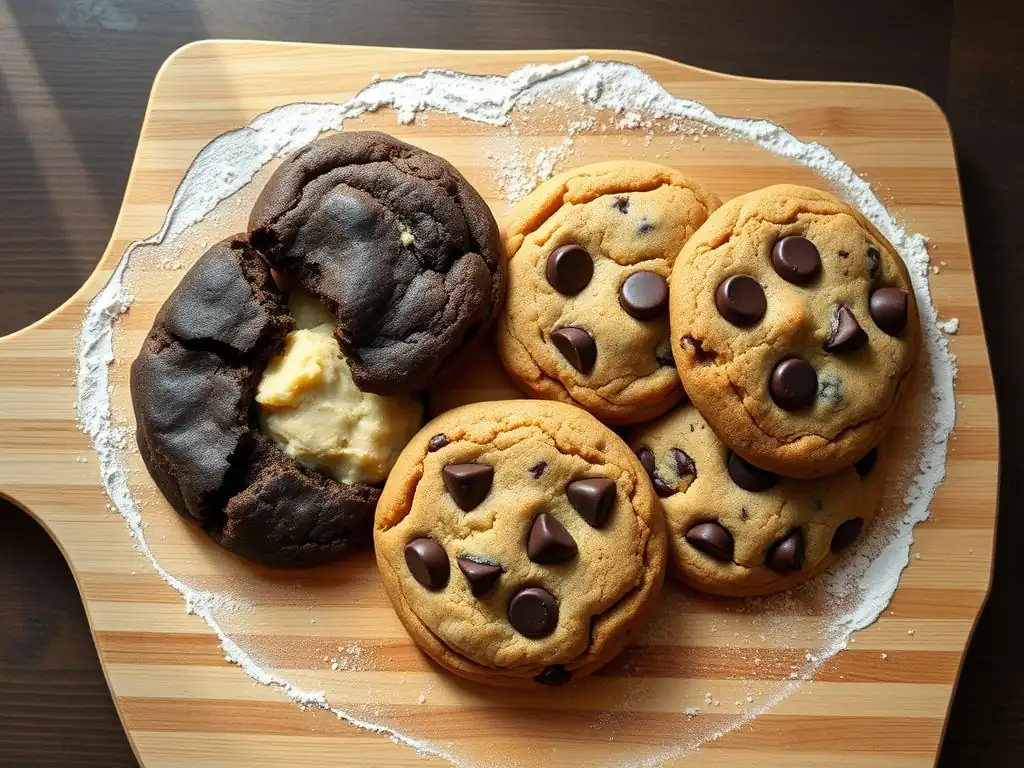
Several variables can influence whether your cake bakes perfectly, overbakes, or underbakes. Understanding these factors helps you troubleshoot and adjust your baking process.
Oven Temperature Inaccuracies: The Importance of Oven Thermometers
One of the most common culprits is an inaccurate oven temperature. Oven thermostats can be off by as much as 25-50°F (approximately 15-30°C) from the dial setting. If your oven runs hot, your cake might overbake quickly, even if you follow the time in the recipe. If it runs cool, your cake might underbake.
Using an inexpensive oven thermometer placed inside your oven is a simple yet crucial step to ensure accuracy. Calibrating your oven or adjusting the temperature setting based on the thermometer reading can make a significant difference in achieving consistent results and knowing how to tell baked goods will bake correctly. If your recipe calls for 350°F (175°C), check that your oven is actually holding that temperature.
Baking Time Adjustments: Understanding Recipe Guidelines
Recipe baking times are always estimates. Factors like the actual temperature of your oven, the pan you use, and even the humidity in your kitchen can affect how long a cake needs to bake. Relying solely on the stated baking time without checking for doneness is a frequent cause of both over and underbaking.
It's best practice to start checking for doneness a few minutes before the minimum time specified in the recipe. For example, if a recipe says "bake for 30-35 minutes," start checking around the 28-minute mark using visual cues and the toothpick test. This proactive approach helps prevent overbaking. Conversely, if the minimum time has passed and the cake still shows signs of underbaking, continue baking in short intervals (2-5 minutes) until it's done.
Pan Size and Material: How They Impact Baking Time
The size and material of your baking pan significantly affect baking time and heat distribution. Dark metal pans absorb and conduct heat more quickly than light-colored metal or glass pans. Using a dark pan might require reducing the oven temperature by 25°F (about 15°C) or reducing the baking time to prevent the edges from overbaking before the center is done.
Glass pans also conduct heat differently; they often require a temperature reduction of 25°F (about 15°C) and may take slightly longer to bake than metal pans. Using a pan size different from the recipe's recommendation will also alter baking time. A larger pan means a thinner cake that bakes faster, while a smaller pan means a thicker cake that takes longer. Always try to use the pan size specified in the recipe for the most predictable results.
Ingredient Imbalances: How Sugar and Flour Can Affect Doneness
While less common than temperature or time issues, ingredient ratios can also play a role. Too much sugar in a cake can make it excessively moist and prone to sinking or having a gummy texture, potentially mimicking underbaking even if technically cooked. Sugar contributes to moistness and tenderness, but an imbalance can hinder the structure from setting properly.
Conversely, too much flour can lead to a dry, dense cake that might appear done on the outside quickly but is still raw inside, or conversely, overbake very easily due to lack of moisture. Accurate measuring, especially of flour (using the spoon and level method rather than scooping), is vital for maintaining the correct balance and ensuring the cake bakes evenly.
Troubleshooting Common Baking Problems: Preventing Overbaking and Underbaking
Preventing these issues is easier than trying to fix them. By taking a few proactive steps, you can greatly increase your chances of baking a perfect cake every time and confidently know how to tell baked goods are heading towards perfection.
Tips for Preventing Overbaking: Lowering Temperature, Using Baking Strips
- Use an Oven Thermometer: As mentioned, verify your oven's actual temperature and adjust accordingly. If your oven runs hot, reduce the temperature by 15-25°F (about 10-15°C).
- Set a Timer: Always use a timer, and set it for the minimum baking time specified in the recipe.
- Start Checking Early: Begin checking for doneness a few minutes before the timer goes off, using visual cues and the toothpick test.
- Use Baking Strips: For cakes baked in round pans, wet baking strips (insulated fabric strips wrapped around the outside of the pan) can help the cake bake more evenly by insulating the edges, preventing them from setting and browning too quickly while the center catches up. This is especially helpful for larger or thicker cakes.
- Tent with Foil: If the top of your cake is browning too quickly but the center isn't done, loosely tenting the cake with aluminum foil can protect the top from excessive heat while the rest of the cake finishes baking.
Tips for Preventing Underbaking: Ensuring Accurate Oven Temperature, Extending Baking Time Judiciously
- Verify Oven Temperature: Again, an accurate oven temperature is paramount. Ensure your oven is preheated properly and holding the correct temperature throughout the baking process.
- Do Not Open the Oven Door Frequently: Resist the urge to open the oven door to check on the cake, especially in the first two-thirds of the baking time. Each time you open the door, the oven temperature can drop significantly, extending the baking time and potentially causing the cake to sink.
- Use the Toothpick Test Reliably: Insert the toothpick into the very center of the cake, avoiding any visible add-ins. If it comes out with wet batter, the cake needs more time.
- Extend Baking Time in Short Intervals: If the cake is underbaked, return it to the oven and continue baking in 2-5 minute increments, checking for doneness after each interval. This prevents accidentally overbaking it while trying to finish the job.
- Trust Your Instincts (Combined with Tests): If the cake looks pale, feels soft and jiggly in the center, and the toothpick test shows wet batter, it's definitely underbaked, regardless of the recipe time. Give it the extra time it needs.
Adjusting Recipes for Altitude: A Crucial Consideration for Baking Success
Baking at high altitudes (generally above 3,000 feet or about 900 meters) presents unique challenges due to lower atmospheric pressure and drier air. Liquids evaporate faster, and leavening agents (like baking soda and powder) work more quickly, causing cakes to rise faster and potentially collapse.
High-altitude adjustments often involve:
- Reducing Leavening: Decreasing baking powder/soda slightly.
- Increasing Liquid: Adding a bit more milk or water to compensate for faster evaporation.
- Increasing Flour: Adding a tablespoon or two more flour to strengthen the cake's structure.
- Reducing Sugar: Decreasing sugar slightly to help the structure set better.
- Increasing Oven Temperature: Sometimes increasing the oven temperature by 15-25°F (about 10-15°C) and reducing baking time to set the structure faster before it collapses.
Ignoring altitude can easily lead to cakes that are either underbaked (due to collapse) or dry and dense (due to faster moisture loss). If you live at a high altitude, seek out high-altitude baking resources or recipes specifically designed for your elevation to properly know how to tell baked goods will bake successfully.
Rescue Strategies: What to Do with Overbaked or Underbaked Cakes
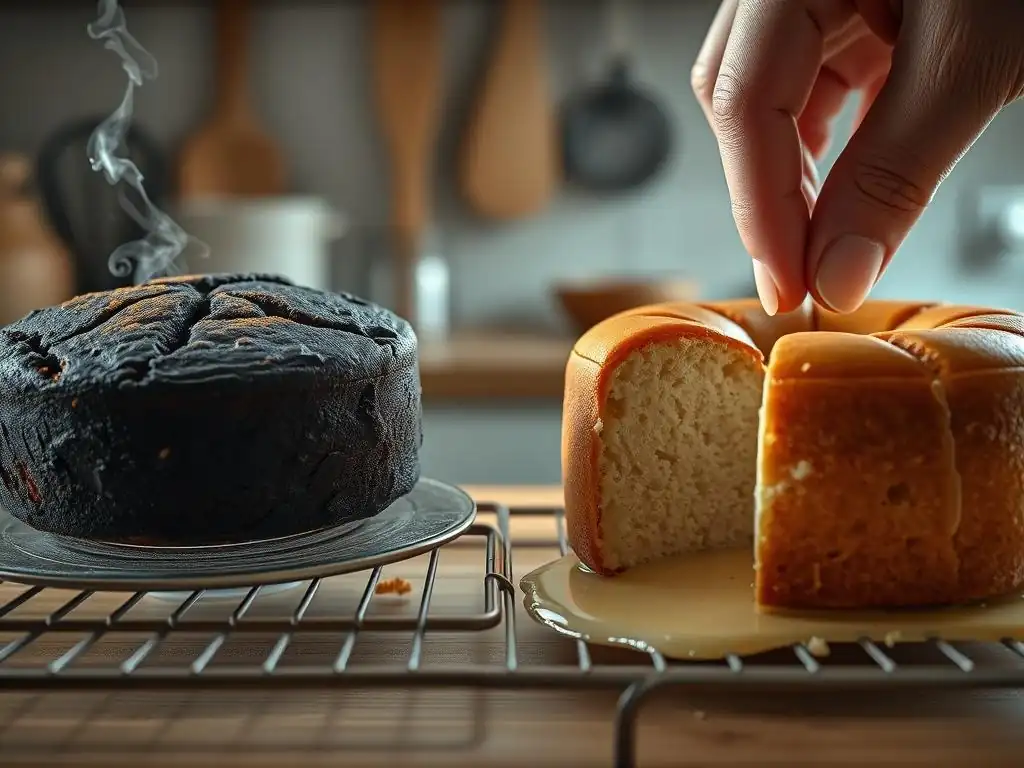
Sometimes, despite your best efforts, a cake doesn't turn out perfectly. Don't despair! Even imperfect cakes can often be salvaged or repurposed into delicious new desserts.
Saving Overbaked Cakes: Making Cake Pops, Creating Crumble Topping, Using in Trifle
An overbaked cake is dry, but that doesn't mean it's useless. Its dry, crumbly texture makes it ideal for certain applications:
- Cake Pops: Crumble the overbaked cake, mix it with frosting until it's a dough-like consistency, roll into balls, chill, and dip in melted chocolate or candy melts. The dryness is actually an advantage here, preventing the pops from being too soft.
- Crumble Topping/Layer: The crumbled cake can be used as a topping for fruit crisps or crumbles, or layered with fruit and whipped cream in a trifle. The dry cake will absorb the moisture from the fruit and cream, improving its texture.
- Bread Pudding or French Toast Casserole: Cubes of dry cake can be soaked in a custard mixture and baked into a delicious bread pudding or French toast casserole. The liquid from the custard rehydrates the cake.
- Pie Crust: Pulverize the cake into fine crumbs (like graham cracker crumbs), mix with melted butter, and press into a pie plate for a unique crust.
Saving Underbaked Cakes: Re-baking Techniques and Considerations
Saving an underbaked cake is sometimes possible, depending on how underdone it is.
- If Slightly Underbaked: If the center is just slightly wet or the toothpick has moist crumbs, you can often return the cake to the oven. Cover the top loosely with foil if it's already browned, reduce the oven temperature slightly (e.g., by 25°F or 15°C), and bake for another 5-15 minutes, checking frequently with the toothpick test.
- If Severely Underbaked (Gooey Center): If the center is very wet or still tastes like raw batter, it's harder to salvage the whole cake. You might be able to cut away the cooked outer edges and use them for one of the methods mentioned for overbaked cakes (like cake pops or crumbles). The raw center is generally not safe or pleasant to consume, even if re-baked.
- Consider a Different Dessert: If the cake is too underbaked to save as a whole cake, think about transforming it. The cooked edges can be used in trifles. The entire cake might be crumbled and used in a baked application where it will cook further, like a dense bread pudding, though the texture will be different than if it were properly baked initially.
Conclusion: Mastering the Art of Baking - Ensuring Perfectly Baked Cakes Every Time
Baking is a skill that improves with practice and observation. Learning how to tell baked goods are perfectly done is a fundamental step in this journey. By paying close attention to visual cues, understanding texture indicators, and using reliable tests like the toothpick method, you can confidently assess the doneness of your cakes.
Remember that factors like oven accuracy, pan choice, and even altitude play significant roles. Don't be afraid to use tools like oven thermometers and adjust baking times based on observation rather than blindly following a recipe's clock. And if a cake doesn't turn out perfectly, view it as a learning opportunity and explore creative ways to repurpose your bake. With patience and attention to these key signs, you'll be well on your way to consistently baking moist, tender, and delicious cakes.
Frequently Asked Questions
How can I tell if my cake is overbaked?
An overbaked cake is typically dry and crumbly. The edges may also be dark brown or burnt. A toothpick inserted into the center might come out clean, but the cake will still be tough.
Underbaked cookies are usually doughy and soft in the center. They may also appear pale and greasy. The edges might be set, but the middle will be gooey.
What's the best way to check if my bread is properly baked?
Tap the bottom of the loaf; a hollow sound indicates it's likely done. You can also use a thermometer; the internal temperature should reach the recommended range for the specific type of bread.
Can I save a slightly underbaked cake?
Yes, you can! Tent the cake with foil to prevent further browning and bake for a few more minutes at a lower temperature. Check for doneness frequently.
Besides appearance, what's another way to tell if baked goods are done?
Aroma is crucial! A properly baked item will have a rich, fragrant smell, indicating the sugars have caramelized. Underbaked items may smell raw or doughy.
Final Reflection: The Sweet Science of Baking Perfection
The ability to discern perfectly baked goods from those that are over- or underbaked remains a crucial skill, not just for professional bakers, but for anyone who enjoys the simple pleasure of homemade treats. Mastering this skill elevates the entire baking experience, transforming a potentially frustrating process into one of confident creation and delicious reward. The subtle nuances in texture, color, and even aroma can make all the difference between a culinary triumph and a slightly disappointing outcome.
The journey from a raw batter to a perfectly golden-brown cake or a chewy cookie is a testament to the delicate balance between heat, time, and ingredients. This process, seemingly simple, is a microcosm of life itself – requiring patience, attention to detail, and a willingness to learn from both successes and failures. The best things in life are worth waiting for,
and this certainly applies to the art of baking. Understanding the signs of over- and underbaking allows us to appreciate the journey and the final product even more deeply.
Now, consider your own baking experiences. Have you ever pulled a cake from the oven only to discover it was dry and crumbly, or a batch of cookies that remained stubbornly doughy in the center? Remember that feeling of slight disappointment? This article has equipped you with the knowledge to avoid those pitfalls. Take this newfound understanding and apply it to your next baking adventure. Experiment, observe, and most importantly, enjoy the process of creating something delicious and beautiful. The perfect bake awaits!
Unlock Your Baking Potential: Master the Art of Perfect Bake
Thanks for taking the time to learn about the subtle differences between overbaked and underbaked goods! We hope you now feel more confident in your baking abilities. Ready to put your new knowledge into practice?
- Bake a test batch: Choose your favorite recipe and consciously pay attention to the signs of doneness we discussed. Note any changes you make to your usual baking time and temperature. This is your opportunity for hands-on practice!
- Share your baking triumphs (and learning experiences!): Let's build a supportive baking community! Share your results – photos are encouraged! – in the comments below.
- Explore our recipe archives: Looking for some new baking challenges to test your newfound skills? Dive into our extensive collection of recipes on bakewithease.com!
So, what delicious treat will you bake next to perfect your baking technique?