
Substituting Flour Types: Your Cheat Sheet for Successful Swaps


Welcome to BakeWithEase, your haven for effortless baking!
Ever wondered if you can swap all-purpose flour for almond flour in your favorite cookie recipe? Or perhaps you're curious about the best gluten-free alternative for a flaky pie crust? Unlock the secrets to baking success with our Best Flour Substitution Guide. This isn't just about swapping ingredients; it's about understanding the nuances of each flour type and how they impact your final bake. Are you ready to transform your baking and never be limited by a missing ingredient again? Dive in and discover the perfect flour swaps for every recipe!
- Flour Substitution Guide: Baking with Alternatives
- Understanding Flour Substitutions
- Flour Types and Substitutes
- Gluten-Free Flour Substitutions
- Uncommon Flour Substitutions
- Flour Substitution Ratios and Techniques
- Flour Substitution Chart: Quick Reference
- Tips for Successful Flour Swaps
- Conclusion: Baking Versatility with Flour Substitutions
-
Frequently Asked Questions
- What is the most important thing to consider when substituting flour in a recipe?
- Can I substitute gluten-free flour for all-purpose flour in any recipe?
- Is it possible to substitute whole wheat flour for all-purpose flour?
- When would I use cake flour instead of all-purpose flour?
- Are there any flours that are not recommended for substitution in baking?
- Final Reflection: The Enduring Power of Flour Power
- Unlock Baking Mastery: Flour Power Unleashed!
Flour Substitution Guide: Baking with Alternatives
Baking is a delightful blend of science and art, and sometimes, you find yourself needing to swap one ingredient for another. Perhaps you're out of a specific flour, catering to dietary needs, or simply want to experiment with new textures and flavors. Understanding how to successfully substitute flour types is a crucial skill for any baker looking to expand their repertoire and navigate unexpected situations in the kitchen. This guide aims to be your ultimate resource, a comprehensive best flour substitution guide to help you make informed choices and achieve delicious results every time.
Understanding Flour Substitutions
Flour isn't just flour; different types vary significantly in their protein content, absorption rates, and how they interact with other ingredients. Protein, particularly gluten in wheat flours, is a key factor, influencing structure, elasticity, and rise. When you substitute flour, you're often altering these fundamental properties, which requires careful consideration and potentially adjustments to other parts of your recipe.
Successful flour substitution often involves more than just a simple 1:1 swap. You need to think about the role the original flour played in the recipe – was it for structure (like in bread), tenderness (like in cake), or flakiness (like in pastry)? The substitute you choose should ideally mimic that function as closely as possible, or you'll need to adjust other ingredients, like liquids, fats, or leavening agents, to compensate for the differences. This nuanced approach is what separates a good substitution from a failed bake.
Reasons for Substituting Flour
There are numerous compelling reasons why a baker might choose to substitute one type of flour for another. One of the most common is dietary necessity or preference. For instance, many individuals require gluten-free options due to celiac disease or gluten sensitivity, necessitating swaps like almond, coconut, or rice flour for wheat-based varieties. Others might have nut allergies, ruling out almond flour and requiring alternatives like seed flours or gluten-free blends.
Beyond allergies and sensitivities, ingredient availability is a frequent driver. You might be halfway through a recipe only to realize you're out of cake flour, prompting a need to create a substitute using all-purpose flour and cornstarch. Health goals also play a role; some bakers opt for whole wheat flour instead of all-purpose for added fiber and nutrients, or explore ancient grains like spelt or einkorn for different nutritional profiles and flavors. Experimentation is another key reason – trying new flours can lead to exciting new textures, aromas, and tastes in familiar recipes.
Choosing the Right Flour Substitute
Selecting the appropriate flour substitute depends heavily on the desired outcome and the properties of the original flour in the recipe. For instance, if you're baking a delicate cake that relies on low-protein cake flour for tenderness, swapping in high-protein bread flour directly would likely result in a tough, dense cake. Instead, you'd look for a substitute that provides similar tenderness, such as a mix of all-purpose flour and a starch.
Consider the function of the flour: Is it providing structure (bread), tenderness (cakes, cookies), flakiness (pastries), or simply bulk? Assess the protein content: Higher protein flours (like bread flour) build more gluten, while lower protein flours (like cake flour) result in less structure and more tenderness. Think about absorption: Some flours, like coconut flour, soak up significantly more liquid than wheat flour, requiring major adjustments to hydration.
Finally, consider the flavor and texture the substitute will impart; almond flour adds richness and a nutty note, while rye flour brings a distinctive earthy taste. Consulting a reliable best flour substitution guide like this can help you navigate these considerations.
Flour Types and Substitutes
Understanding the characteristics of common flour types is the first step in mastering substitution. Each flour has a unique profile that makes it suitable for certain applications. Knowing these profiles helps you predict how a substitute will behave and what adjustments might be needed.
This section breaks down popular flour types and offers practical substitution options, detailing ratios and potential challenges. Remember that these are starting points, and minor tweaks to liquids, baking time, or temperature might still be necessary depending on your specific recipe and environment.
All-Purpose Flour: Substitutes and Ratios
All-purpose flour is the workhorse of many kitchens, a versatile wheat flour milled from a blend of hard and soft wheats. It typically has a moderate protein content, usually ranging from 10-12%. This makes it suitable for a wide variety of baked goods, from cookies and cakes to muffins and even some breads. Its balanced nature is why it's called "all-purpose."
When you need to substitute all-purpose flour, the best choice often depends on what you're baking. If you're making something requiring more structure, like rustic bread, you might lean towards a higher-protein option. If you're aiming for tenderness, a lower-protein substitute is better. The key is understanding the protein level and how it affects gluten development.
All-Purpose Flour Substitutes: Bread Flour, Whole Wheat Flour
Substituting bread flour for all-purpose flour is feasible, especially in recipes where a chewier texture is desired, like in some yeast breads or pizza dough. Bread flour has a higher protein content, typically 12-14%, meaning it develops more gluten. You can often substitute bread flour for all-purpose flour at a 1:1 ratio by volume (cup for cup), but you might find the dough requires slightly more liquid due to its higher protein absorbing more water. Be prepared for a chewier result.
Whole wheat flour is another common substitute for all-purpose flour, offering more fiber and nutrients as it includes the bran and germ of the wheat kernel. It has a protein content similar to or slightly higher than all-purpose flour, but the bran and germ interfere with gluten development, often resulting in denser baked goods.
For many recipes, you can substitute whole wheat flour for all-purpose at a 1:1 ratio, but it's often recommended to start by substituting only half or two-thirds of the all-purpose flour with whole wheat to maintain a lighter texture, especially in cakes or muffins. Expect your baked goods to be heavier and potentially require a little more liquid.
Bread Flour: Substitutes for Gluten Development
Bread flour is specifically designed for yeast breads and other baked goods where strong gluten structure is essential for rise and chewiness. With its high protein content (12-14% or even higher), it forms a robust gluten network when kneaded, trapping the carbon dioxide produced by yeast and allowing the dough to expand significantly. This high protein is its defining characteristic.
Finding a direct 1:1 substitute for bread flour that perfectly replicates its gluten-forming potential can be challenging. The goal is often to either use a flour with similar protein content or to enhance a lower-protein flour's structure.
Bread Flour Substitutes: All-Purpose Flour + Vital Wheat Gluten
While not a perfect substitute, all-purpose flour can be used in place of bread flour in many recipes. However, because all-purpose flour has less protein (10-12%), using it cup-for-cup will result in a loaf with less structure and a softer crumb compared to one made with bread flour. The rise might not be as dramatic, and the texture will be less chewy.
To get closer to the properties of bread flour when using all-purpose flour, you can add vital wheat gluten. Vital wheat gluten is a concentrated protein extracted from wheat. A common guideline is to add about 1 tablespoon of vital wheat gluten per cup of all-purpose flour when substituting for bread flour.
This boosts the overall protein content and helps create a stronger gluten network, more closely mimicking the performance of true bread flour in yeast-leavened recipes. For example, if a recipe calls for 3 cups of bread flour, you could use 3 cups of all-purpose flour plus 3 tablespoons of vital wheat gluten.
Cake Flour: Substitutes for Lightness
Cake flour is a low-protein flour, typically around 5-8%, milled from soft wheat. It is also finely milled and often bleached, which further weakens the protein and changes the starch structure, allowing it to absorb more liquid and sugar than all-purpose flour. This unique combination of low protein and processing results in baked goods with a very fine, tender crumb and a light, delicate texture, making it ideal for cakes, cupcakes, and some biscuits.
Because of its specific properties geared towards tenderness, substituting cake flour requires a flour or combination that can mimic its low-protein, high-absorption characteristics. A direct swap with a higher-protein flour will likely result in a tougher product.
Cake Flour Alternatives: All-Purpose Flour + Cornstarch
The most common and effective substitute for cake flour is a blend of all-purpose flour and cornstarch. This combination works because cornstarch, a pure starch, dilutes the protein content of the all-purpose flour, effectively lowering the overall protein percentage of the mixture to something closer to cake flour. The starch also helps create a tender crumb by interfering with gluten development.
To make this substitute, measure out 1 cup of all-purpose flour. Remove 2 tablespoons of the all-purpose flour and replace them with 2 tablespoons of cornstarch. Whisk the mixture together thoroughly to ensure the cornstarch is evenly distributed.
This blend of 1 cup minus 2 tablespoons of all-purpose flour plus 2 tablespoons of cornstarch can generally be substituted cup-for-cup for 1 cup of cake flour in most recipes. For example, if a recipe calls for 2 cups of cake flour, you would use 2 cups of this prepared mixture. While not identical to commercial cake flour, this blend provides a much better result in delicate baked goods than using straight all-purpose flour.
Pastry Flour: Substitutes for Flakiness

Pastry flour falls between all-purpose and cake flour in terms of protein content, typically ranging from 8-9%. It's milled from soft wheat, like cake flour, but is less finely ground and not usually bleached. Its moderate protein level allows for some gluten development, providing enough structure for pastries like pies, tarts, and cookies, while still being low enough to ensure tenderness and flakiness without becoming tough.
The goal when substituting pastry flour is to find a blend or flour that offers a similar balance of tenderness and structure. Too much protein will make pastries tough, while too little might result in a crumbly texture that lacks the desired layers or hold.
Pastry Flour Substitutes: All-Purpose Flour, Cake Flour
All-purpose flour can serve as a substitute for pastry flour, though it has slightly higher protein (10-12%). When substituting cup-for-cup with all-purpose flour, you might find your pastries are slightly less tender or flaky. To mitigate this, some bakers suggest reducing the liquid in the recipe very slightly or being extra careful not to overwork the dough, as the higher protein will develop gluten more readily.
Cake flour (5-8% protein) is another option, particularly if you prioritize tenderness over structure. Substituting cake flour for pastry flour cup-for-cup will result in a very tender, perhaps even crumbly, pastry. This can work well for certain cookies or very delicate tarts. A blend of all-purpose and cake flour can also approximate pastry flour: try using a mix of half all-purpose flour and half cake flour as a starting point for a cup-for-cup substitute. For example, if a recipe calls for 1 cup of pastry flour, you could use 1/2 cup all-purpose flour and 1/2 cup cake flour.
Self-Rising Flour: Substitutes with Baking Powder
Self-rising flour is a convenience product that already contains a leavening agent (baking powder) and salt mixed in with low-protein wheat flour, similar to pastry flour. It's primarily used in Southern-style biscuits, some quick breads, and pancakes. The typical composition is 1 cup of flour, 1.5 teaspoons of baking powder, and 1/4 teaspoon of salt.
Substituting for self-rising flour requires understanding its components and adding them separately to your recipe's base flour. Using plain flour without adding leavening and salt will result in baked goods that do not rise and lack flavor.
How to Make Self-Rising Flour: All-Purpose Flour, Baking Powder, Salt
To make your own self-rising flour substitute, you can easily combine all-purpose flour, baking powder, and salt. The most common ratio is: for every 1 cup of self-rising flour called for in a recipe, use 1 cup of all-purpose flour, plus 1.5 teaspoons of baking powder, and 1/4 teaspoon of salt. Whisk these dry ingredients together very well before adding them to the rest of your recipe to ensure the leavening and salt are evenly distributed.
This homemade version is a reliable substitute for commercial self-rising flour in most recipes. It's important to note that recipes calling for self-rising flour often do not include additional baking powder or salt in the ingredient list, as they are already present in the flour. When using your homemade substitute, you should omit any separate baking powder or salt listed elsewhere in the recipe ingredients. This simple method makes this guide a valuable best flour substitution guide for quick fixes.
Gluten-Free Flour Substitutions
Gluten-free baking presents its own set of unique challenges and opportunities. Wheat flour's gluten provides structure and elasticity, properties that must be replicated or compensated for when using gluten-free alternatives. These flours are derived from a wide variety of sources, including nuts, seeds, grains (like rice and corn), and starches (like tapioca and potato).
Successful gluten-free baking often involves using a blend of different flours and starches rather than a single substitute. Different gluten-free flours have varying absorption rates, textures, and flavors, and combining them helps create a more balanced structure and desirable crumb similar to traditional baked goods. This section explores some popular gluten-free options.
Gluten-Free Baking: Considerations
When venturing into gluten-free baking, several factors become critical. Without gluten to provide structure, you often need to rely on other binders and techniques. Gums like xanthan gum or guar gum are commonly added to gluten-free flour blends or recipes to help mimic gluten's elasticity and binding capabilities, preventing baked goods from becoming crumbly. A typical recommendation is to add about 1/2 teaspoon of xanthan gum per cup of gluten-free flour blend for cakes and muffins, and 1 teaspoon per cup for breads.
Hydration is also key. Gluten-free flours often absorb liquids differently than wheat flour – some absorb much more (like coconut flour), while others absorb less. You may need to adjust the amount of liquid in the recipe or allow batters/doughs to sit for a few minutes to properly hydrate the flours before baking. Understanding the specific properties of each gluten-free flour is vital for achieving the desired texture and moisture level. This requires a different approach than simply using a cup-for-cup best flour substitution guide for wheat flours.
Almond Flour: Gluten-Free and Nutty
Almond flour is made from ground sweet almonds. It's a popular gluten-free option known for its slightly sweet, nutty flavor and moist texture. It's relatively high in fat and protein compared to wheat flour and low in carbohydrates. Almond flour is often used in cookies, muffins, cakes, and macarons, adding richness and tenderness.
There are two main types: blanched almond flour (made from almonds with the skins removed) which is finer and lighter, and unblanched almond flour (made from almonds with skins) which is coarser and has visible brown flecks. Blanched is generally preferred for delicate baked goods.
Using Almond Flour: Ratios and Tips
Substituting almond flour for wheat flour isn't usually a direct 1:1 swap, especially in recipes designed for gluten. Because it lacks gluten, it won't provide the same structure or elasticity. In recipes specifically developed for almond flour, it often replaces wheat flour cup-for-cup. However, when adapting traditional recipes, you'll typically need to use slightly less almond flour than the wheat flour called for (perhaps 3/4 cup almond flour for 1 cup wheat flour) and potentially add an extra egg or binder (like xanthan gum) to help with structure.
Almond flour baked goods tend to brown faster due to their fat content, so you might need to reduce oven temperature slightly or bake for a shorter time. They also spread more readily, so chilling dough before baking is often recommended for cookies. Because it's higher in fat, almond flour can also make baked goods denser and more moist than those made with wheat flour.
Coconut Flour: Highly Absorbent Gluten-Free
Coconut flour is a unique gluten-free flour made from dried, defatted coconut meat. It is extremely high in fiber and very low in carbohydrates. Its most notable characteristic is its incredible absorbency; it soaks up significantly more liquid than wheat flour or most other gluten-free flours. This high absorbency means you need to use a much smaller quantity when substituting.
Due to its high fiber content and absorbency, coconut flour cannot be substituted 1:1 for wheat flour or even most other gluten-free flours. It requires a significant increase in liquid and often eggs, which help provide structure in the absence of gluten.
Baking with Coconut Flour: Hydration and Ratios
Baking with coconut flour requires a fundamental shift in ratios. As a general guideline, you typically use only about 1/4 cup to 1/3 cup of coconut flour for every cup of wheat flour called for in a recipe. Furthermore, you'll need to dramatically increase the liquid content, often by adding extra eggs (eggs provide both liquid and binding) or other liquids like milk or water. A common starting point is to add 1-2 extra eggs per 1/4 cup of coconut flour used.
For example, if a recipe calls for 1 cup of all-purpose flour, you might try substituting it with 1/4 cup of coconut flour and adding 1-2 extra eggs and potentially a few tablespoons of extra liquid. Recipes specifically developed for coconut flour will already have these adjusted ratios built in. Because of its unique properties, adapting existing recipes using coconut flour can be tricky and requires experimentation. It's often easier to start with recipes specifically formulated for this highly absorbent flour.
Rice Flour: Versatile Gluten-Free Staple
Rice flour, made from finely milled rice, is a staple in many gluten-free flour blends and Asian cuisines. It's relatively neutral in flavor and provides a good base for gluten-free baking. There are different types of rice flour, offering slightly different properties.
Rice flour alone can sometimes result in a gritty texture in baked goods and lacks the binding power of gluten. For this reason, it's often combined with starches (like tapioca or potato starch) and other gluten-free flours to create a more balanced texture and structure, forming common gluten-free blends.
Types of Rice Flour: White, Brown, Sweet
White rice flour is made from polished white rice. It's very fine and works well in blends for cakes, cookies, and as a thickening agent. It's relatively low in protein and fat. Brown rice flour is made from whole grain brown rice, including the bran. It has a nuttier flavor and more fiber and nutrients than white rice flour. It can sometimes give baked goods a slightly denser or coarser texture.
Sweet rice flour, also known as glutinous rice flour (though it contains no gluten), is made from short-grain glutinous rice. It is high in amylopectin starch, which becomes sticky and chewy when heated. This property makes it an excellent binder in gluten-free baking and gives a pleasant chewiness to mochi, some pancakes, and certain baked goods. It's often used in small amounts in gluten-free blends to improve texture and binding.
Oat Flour: Nutritious Gluten-Free Alternative
Oat flour is made from ground oats. It's a nutritious whole-grain flour that is naturally gluten-free, although cross-contamination during processing can occur, so certified gluten-free oats/oat flour should be used for those with celiac disease. Oat flour adds a slightly sweet, nutty flavor and a tender, moist crumb to baked goods. It contains soluble fiber (beta-glucan), which can help create a slightly chewy texture and aid in binding.
Oat flour can often be substituted for wheat flour in recipes like muffins, cookies, pancakes, and quick breads, frequently at a 1:1 ratio by weight or volume, although you might need slightly less liquid as it absorbs differently. It doesn't provide the same structure as wheat flour, so it's less ideal for yeast breads unless combined with other flours or binders.
Making Your Own Oat Flour: Blending Rolled Oats
Making your own oat flour at home is simple and cost-effective. You can use rolled oats (old-fashioned oats) or quick oats. Simply place the oats in a blender or food processor and process until they reach a fine, flour-like consistency. Avoid over-processing, which can turn the oats into a paste due to their natural oils.
One cup of rolled oats typically yields slightly less than 1 cup of oat flour, roughly 3/4 to 7/8 cup, depending on how finely it's ground. When substituting, it's most accurate to measure by weight (about 100 grams of oat flour per cup of wheat flour) but using a packed cup measurement after grinding is often sufficient for many recipes. Ensure your oats are certified gluten-free if necessary.
Uncommon Flour Substitutions
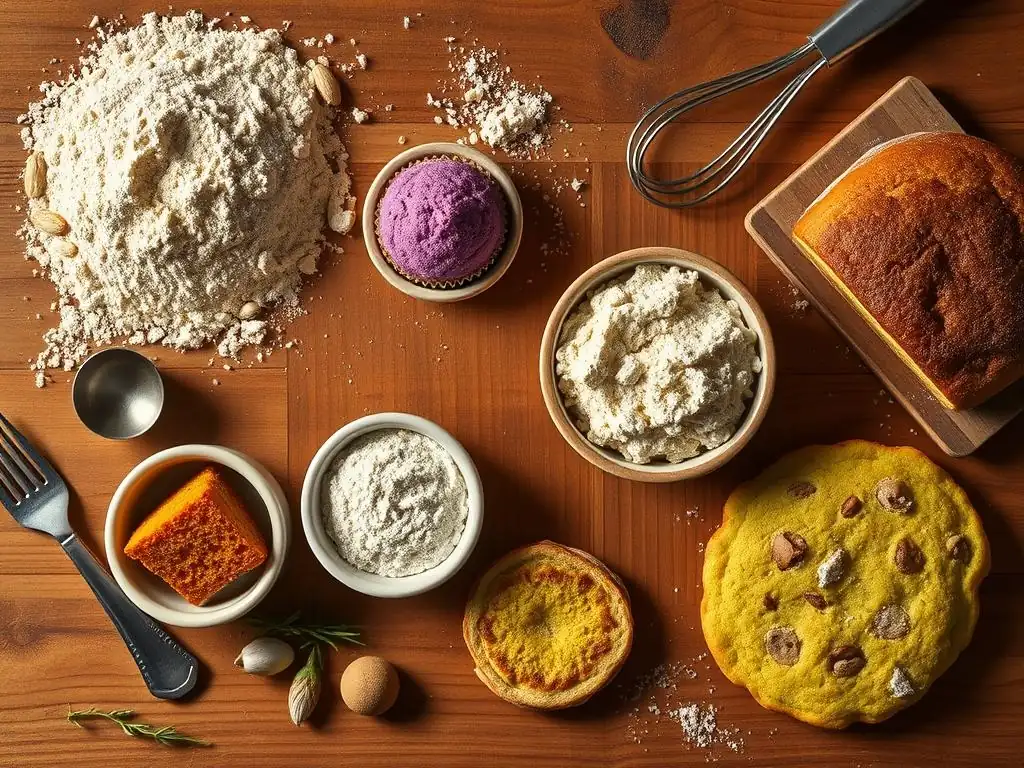
Beyond the more common flour types, a world of less conventional flours offers unique flavors, textures, and nutritional profiles. Exploring these can add exciting dimensions to your baking. While they might not be everyday substitutes, understanding their properties can broaden your baking horizons.
These flours often require specific techniques or blending with other flours due to their distinct characteristics. They can introduce earthy, nutty, or even slightly sweet notes that transform a recipe.
Spelt Flour: Ancient Grain Option
Spelt is an ancient grain related to wheat, but it has a slightly different protein structure. While it contains gluten, the gluten in spelt is more fragile and water-soluble than that in modern wheat. This means spelt dough is often less elastic and requires a gentler touch during mixing and kneading to avoid breaking down the gluten network. Spelt flour has a pleasant, slightly nutty and sweet flavor.
You can often substitute whole spelt flour or light spelt flour (which has some of the bran removed) for whole wheat or all-purpose flour respectively, often at a 1:1 ratio by volume. However, because it absorbs liquid differently and its gluten is weaker, you might need slightly less liquid, and the dough will be stickier and less elastic. It works well in breads, muffins, cookies, and pancakes.
Buckwheat Flour: Earthy Flavor
Despite its name, buckwheat is not related to wheat; it's actually a pseudocereal, botanically related to rhubarb. Buckwheat flour is gluten-free and has a distinctive, robust, earthy, and slightly bitter flavor. It's commonly used in pancakes (like French galettes or Russian blinis), noodles (soba), and sometimes added to gluten-free blends or used in small quantities in baked goods to add flavor and nutritional value.
Using 100% buckwheat flour in baked goods can result in a dense, crumbly texture due to the absence of gluten. It's often best used in combination with other flours, both gluten-free and wheat-based. When substituting, start by replacing only a portion (perhaps 25-50%) of the original flour with buckwheat flour to avoid overwhelming the flavor or compromising the texture too much.
Semolina Flour: For Pasta and Bread
Semolina flour is a coarse flour made from durum wheat, a hard wheat variety with a high protein content. It has a slightly golden color and a sandy texture. Semolina is most famously used for making pasta, where its high protein and specific gluten structure contribute to the pasta's firmness and ability to hold its shape when cooked. It's also used in some breads, particularly Italian loaves, adding a chewy texture and rustic crumb.
Due to its coarse texture and high protein, semolina is not a direct substitute for all-purpose or cake flour in most standard baking recipes. It's best used in recipes specifically calling for it or in certain rustic bread recipes where it can replace a portion of the bread flour to add texture and flavor. Substituting semolina for all-purpose flour cup-for-cup in a delicate cake would likely result in a very heavy, coarse, and tough texture.
Flour Substitution Ratios and Techniques
Successfully substituting flour often goes beyond a simple volume-for-volume swap. The difference in protein content, absorption rates, and particle size among various flours means that other aspects of the recipe may need adjustment. Paying attention to these details is what elevates a basic substitution attempt to a truly successful bake.
Understanding how to adjust hydration and being mindful of common pitfalls will significantly improve your results when using a best flour substitution guide.
Hydration Levels: Adjusting Liquids
Different flours absorb liquids at different rates. Wheat flours, especially whole wheat, absorb a fair amount of water. Gluten-free flours vary wildly; coconut flour is a sponge, while rice flour absorbs less than wheat. When you substitute, you must be prepared to adjust the amount of liquid in your recipe. If your substitute flour absorbs more liquid than the original, you'll need to add extra milk, water, eggs, or other wet ingredients. If it absorbs less, you'll need to reduce the liquid.
This adjustment is often done by feel. Start with the amount of liquid specified in the original recipe, but add it gradually, observing the consistency of the batter or dough. It should resemble the consistency you'd expect if you were using the original flour. For instance, a bread dough should be elastic but not overly sticky; a cake batter should be smooth and pourable. This requires some experience and intuition, but checking for the right consistency is crucial.
Adjusting Recipes: Considerations for Different Flours
Beyond liquid adjustments, other recipe elements might need tweaking depending on the flour substitute. For gluten-free flours, as mentioned, adding a binder like xanthan gum is often necessary to provide structure. Baking times and temperatures might also need modification. Baked goods made with high-fat flours (like almond flour) or those that brown quickly might benefit from a lower oven temperature or covering with foil towards the end of baking.
Leavening agents can also be affected. The structure provided by flour helps trap air and steam generated by baking powder, baking soda, or yeast. If your substitute flour provides less structure, your baked goods might not rise as high. Sometimes, slightly increasing the leavening agent can help, but this must be done carefully to avoid off-flavors. Conversely, some flours might react differently with acidic ingredients (like buttermilk or yogurt) that activate baking soda.
Common Mistakes: Overmixing, Incorrect Ratios
One of the most common mistakes when substituting flour is overmixing the batter or dough, especially when using wheat-based substitutes like whole wheat or spelt. Higher protein flours develop gluten more readily, and excessive mixing can lead to tough baked goods. Mix only until the ingredients are just combined. For gluten-free flours, while overmixing doesn't develop gluten, it can still negatively impact texture, making things gummy or dense.
Using incorrect substitution ratios is another frequent error. Assuming a 1:1 swap will work for all flours (especially highly absorbent ones like coconut flour or those lacking gluten structure) is a recipe for disaster. Always consult a reliable best flour substitution guide or chart as a starting point and be prepared to make adjustments based on the specific flour and recipe. Not adjusting liquids or binders when using gluten-free options is also a major pitfall, leading to crumbly or dense results.
Flour Substitution Chart: Quick Reference
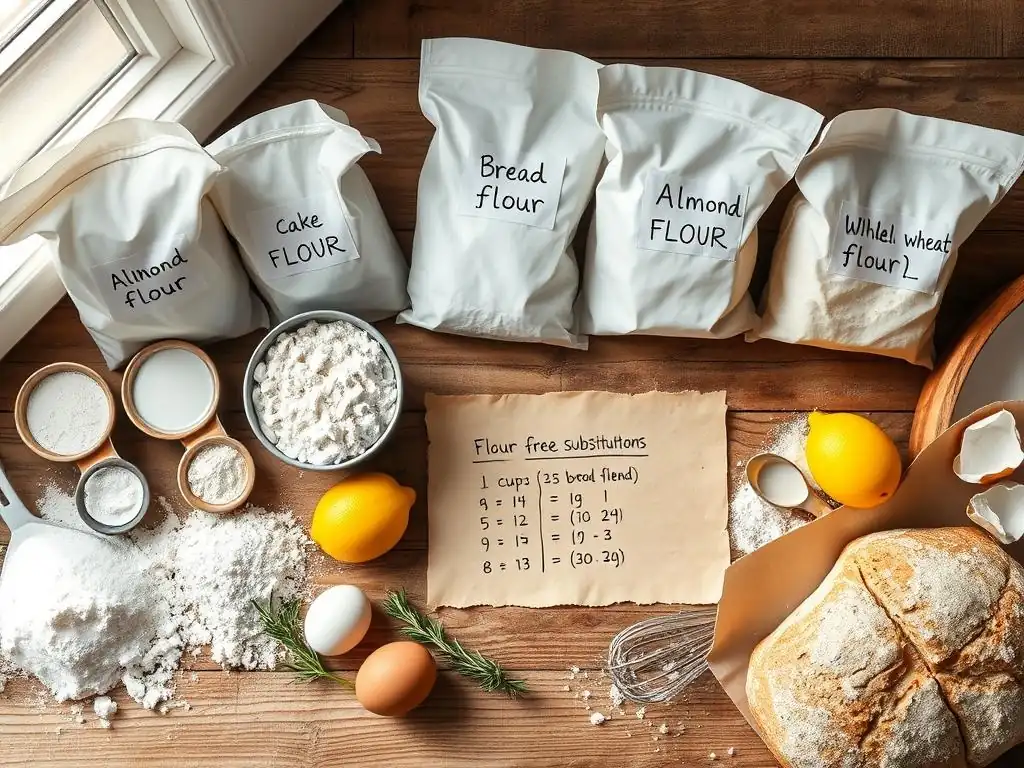
While baking is an art that benefits from intuition and experimentation, having a quick reference can be incredibly helpful when you're mid-recipe or planning a swap. This section provides a simplified overview of common substitutions. Remember that these are general guidelines, and the exact results can vary based on the specific recipe, brand of flour, and other ingredients.
Think of this as a starting point, a handy reminder of typical uses and substitution suggestions. It reinforces the information covered earlier in this best flour substitution guide.
Flour Substitution Chart: Flour Type, Best Uses, Substitution Ratio
Here is a quick look at some common flours and potential substitutions:
- All-Purpose Flour
- Best Uses: Cookies, cakes, muffins, quick breads, pie crusts, general baking.
- Substitution Ratio (approximate starting point):
- For Bread Flour: 1 cup AP flour + 1 tbsp vital wheat gluten per 1 cup bread flour.
- For Cake Flour: 1 cup minus 2 tbsp AP flour + 2 tbsp cornstarch per 1 cup cake flour.
- For Pastry Flour: 1 cup AP flour (may be slightly less tender) OR 1/2 cup AP + 1/2 cup cake flour per 1 cup pastry flour.
- For Self-Rising Flour: 1 cup AP flour + 1.5 tsp baking powder + 1/4 tsp salt per 1 cup self-rising flour.
- For Whole Wheat Flour: 1:1 by volume (expect denser result) OR substitute only a portion (e.g., half) with AP flour.
- Bread Flour
- Best Uses: Yeast breads, pizza dough, bagels, recipes needing strong structure.
- Substitution Ratio (approximate starting point):
- For All-Purpose Flour: 1:1 by volume (expect chewier result). May need slightly more liquid.
- Cake Flour
- Best Uses: Delicate cakes, cupcakes, fine-crumbed baked goods, some biscuits.
- Substitution Ratio (approximate starting point):
- For All-Purpose Flour: Not recommended for delicate cakes (will be tougher). For other uses where tenderness is less critical, 1:1 might work but alters texture.
- Pastry Flour
- Best Uses: Pies, tarts, certain cookies, biscuits needing flakiness.
- Substitution Ratio (approximate starting point):
- For All-Purpose Flour: 1:1 by volume (may be slightly less flaky/tender).
- For Cake Flour: 1:1 by volume (will be very tender, possibly crumbly).
- Self-Rising Flour
- Best Uses: Biscuits, some quick breads, pancakes (especially Southern-style).
- Substitution Ratio (approximate starting point):
- For All-Purpose Flour: Not a direct substitute. Must add leavening and salt (see "How to Make Self-Rising Flour" section).
- Whole Wheat Flour
- Best Uses: Whole grain breads, muffins, cookies, adding fiber to baked goods.
- Substitution Ratio (approximate starting point):
- For All-Purpose Flour: 1:1 by volume (expect denser result, may need more liquid) OR substitute only 50-75% of AP flour with whole wheat.
- Almond Flour (Blanched)
- Best Uses: Gluten-free cookies, macarons, cakes, muffins, adding moisture/richness.
- Substitution Ratio (approximate starting point):
- For All-Purpose Flour (in GF recipes or adaptations): Typically 3/4 cup almond flour + binder (like egg or xanthan gum) per 1 cup AP flour. Ratios vary greatly by recipe.
- Coconut Flour
- Best Uses: Gluten-free baking (requires specific recipes), adding fiber.
- Substitution Ratio (approximate starting point):
- For All-Purpose Flour (in GF recipes or adaptations): Roughly 1/4 to 1/3 cup coconut flour per 1 cup AP flour, plus significant added liquid/eggs. Must use recipes designed for coconut flour or adapt carefully.
Tips for Successful Flour Swaps
Becoming proficient at flour substitution takes practice. While guidelines and charts provide a valuable framework, real-world baking involves variables that can influence the outcome. Approaching substitution with a willingness to experiment and learn from each attempt is key.
Here are some practical tips to help you navigate flour substitutions and improve your results over time.
Start Small: Experimentation
When trying a new flour substitute, especially in a beloved recipe, it's often wise to start with a smaller batch. This minimizes wasted ingredients if the substitution doesn't work out as planned. Baking a half batch of cookies or muffins with a new flour allows you to see how it affects the texture, spread, rise, and flavor without committing a full recipe's worth of ingredients.
Keep notes on your experiments. Document the original recipe, the specific substitution you made (including ratios and any liquid adjustments), and the results. Did it rise properly? What was the texture like? How did the flavor change? This record becomes a personal best flour substitution guide, helping you refine your techniques and predict outcomes for future baking projects.
Flavor Profile: Impact on Taste
Different flours bring distinct flavors to baked goods. While all-purpose flour is relatively neutral, whole wheat flour adds a nutty depth, oat flour a subtle sweetness, almond flour a rich nuttiness, and buckwheat flour a strong earthy note. Even within wheat flours, spelt has a sweeter taste than modern wheat.
Consider how the substitute flour's flavor will interact with the other ingredients in your recipe. A strong-flavored flour might overpower delicate flavors, while a mild flour might make a robust recipe taste flat. Sometimes the flavor contribution is a desirable outcome, adding complexity. At other times, you might choose a more neutral substitute if the original flavor profile is crucial. Tasting the raw flour can give you an idea of its inherent flavor.
Document Results: Learning from Experience
As mentioned earlier, keeping a baking journal or simple notes is one of the most valuable habits for mastering flour substitutions. Each baking attempt, whether a resounding success or a complete flop, offers lessons. Note the type and brand of flour used, the quantity substituted, any adjustments made to liquids or other ingredients, baking time and temperature, and your assessment of the final product's texture, flavor, and appearance.
Over time, these documented results will build a personal knowledge base tailored to your oven, your ingredients, and your preferences. You'll start to recognize patterns, understand how specific flours behave in different types of recipes, and gain confidence in making informed substitutions. This iterative process of trying, observing, and adjusting is fundamental to becoming a skilled baker and creating your own personalized best flour substitution guide.
Conclusion: Baking Versatility with Flour Substitutions
Mastering flour substitutions unlocks a world of possibilities in your baking. Whether you're adapting to dietary needs, experimenting with new flavors, or simply making do with what you have on hand, understanding the properties of different flours empowers you to bake with confidence and creativity.
While it might seem daunting at first, armed with knowledge about protein content, absorption, and the specific characteristics of various flours, you can approach substitutions with a strategic mindset. Use this guide as your starting point, your best flour substitution guide, but don't be afraid to experiment, adjust, and learn from each bake. With practice, you'll develop an intuition for how different flours behave, turning potential challenges into opportunities to create delicious and unique baked goods. Happy baking!
Frequently Asked Questions
What is the most important thing to consider when substituting flour in a recipe?
The most important thing is to understand the protein content of the flour you're substituting. Different protein levels impact the gluten development and therefore the texture of your baked goods.
Can I substitute gluten-free flour for all-purpose flour in any recipe?
Not necessarily. Gluten-free flours lack gluten, which provides structure. You may need to add binding agents like xanthan gum or adjust the liquid content for successful results.
Is it possible to substitute whole wheat flour for all-purpose flour?
Yes, but it's generally recommended to substitute no more than 50% whole wheat flour for all-purpose flour. Whole wheat flour is heavier and can result in a denser product.
When would I use cake flour instead of all-purpose flour?
Cake flour has a lower protein content, resulting in a softer and more tender crumb. It's ideal for cakes, muffins, and other baked goods where a delicate texture is desired.
Are there any flours that are not recommended for substitution in baking?
Some flours, like coconut flour, are very absorbent and require significant recipe adjustments. They are generally not recommended as a direct 1:1 substitute without understanding their unique properties.
Final Reflection: The Enduring Power of Flour Power
The quest for the perfect bake is a timeless pursuit, and understanding flour substitutions is key to unlocking culinary creativity and resourcefulness. This guide has explored the nuanced world of flour types, highlighting their unique properties and providing a practical framework for successful swaps. From the everyday challenges of a missing ingredient to the exciting possibilities of experimenting with new flavors and textures, mastering flour substitutions empowers every baker.
The impact of readily available information on baking techniques, like those explored in this guide, is undeniable. It has democratized the art of baking, allowing home cooks to confidently experiment and achieve professional-level results. The best flour is the one you have on hand.
This simple truth underscores the importance of understanding how different flours behave and how to adapt recipes accordingly. This knowledge not only saves time and money but also fosters a deeper appreciation for the fundamental building blocks of baking.
Now, it's your turn. Consider the flours you have in your pantry – what possibilities do they unlock? Don't be afraid to experiment, to deviate from the recipe, and to embrace the unexpected results. Each failed attempt is a lesson learned, each successful swap a testament to your growing culinary confidence. The journey of baking is a continuous process of discovery, and this guide is merely a starting point on your path to flour-powered mastery.
Unlock Baking Mastery: Flour Power Unleashed!
Thanks for diving into the world of flour substitutions with us! We hope you've gained the confidence to experiment and create delicious baked goods. Ready to put your new knowledge into action?
- Master your first flour swap: Try substituting one of the flours mentioned in today’s article in your next baking project. Note the differences in texture and taste—you'll be surprised at the results!
- Share your baking triumphs (or tales!): Let's build a community! Post a picture of your flour-swap creation on social media and tag #BakeWithEaseFlourPower.
- Explore our other baking guides: Discover more baking secrets and tips to elevate your baking game on BakeWithEase.com.
What exciting flour swap will you try first? Let us know in the comments below!