
Why Did My Cake Sink? The Top Reasons Revealed

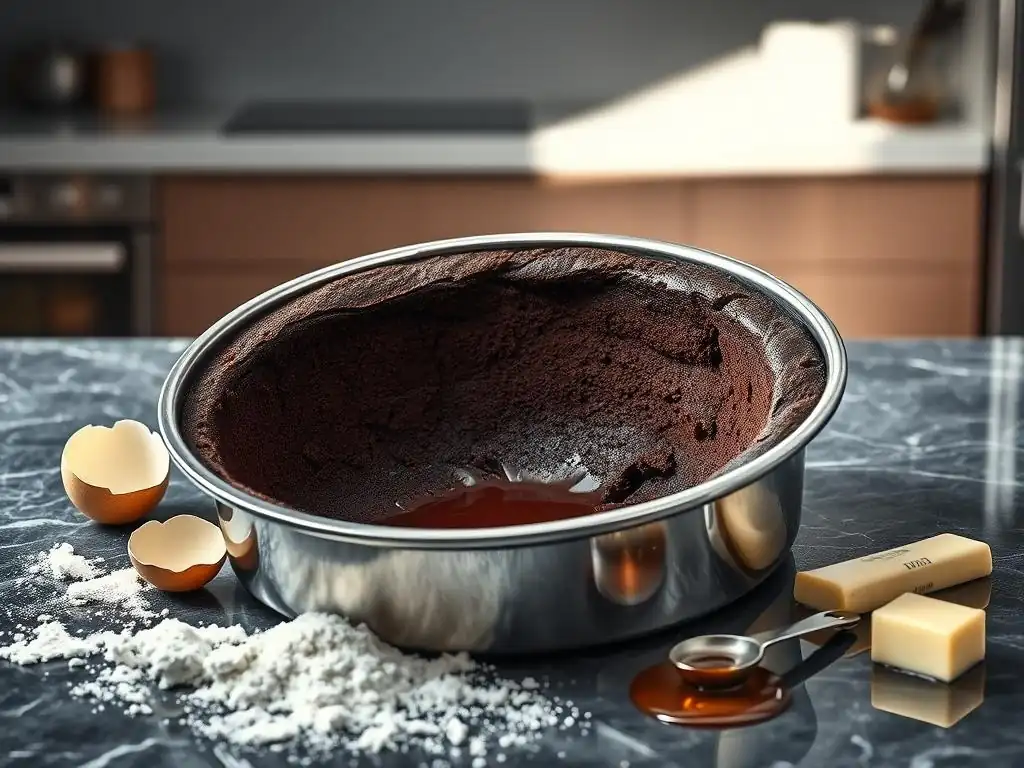
Welcome to BakeWithEase, your trusted companion on your baking journey! Ever wondered why your perfectly golden cake deflates into a disappointing crater? In this article, we’re diving deep into the secrets behind cake sinking reasons explained. Discover the common pitfalls and simple fixes that will transform your baking from frustrating to flawless. Prepare to unlock the secrets to baking beautifully risen cakes, every single time!
- Why Did My Cake Sink? Common Causes and Solutions
- Introduction: Troubleshooting Collapsed Cakes
- Common Reasons for Cake Sinking
- Preventing Cake Sinking: Baking Tips
- Conclusion: Achieving Baking Success
- Frequently Asked Questions
- Final Reflection: The Unsinkable Truth About Baking Success
- Unlock Your Baking Brilliance!
Why Did My Cake Sink? Common Causes and Solutions
Introduction: Troubleshooting Collapsed Cakes
Baking Basics: Avoiding Common Cake Problems
Understanding the foundational principles of baking is the first step to consistently successful cakes. Many common issues, including the frustrating phenomenon of a sunken cake, often stem from deviations in these basic steps. Factors like precise ingredient measurement, proper mixing techniques, and maintaining the correct oven environment are non-negotiable for achieving a light, airy, and evenly baked crumb. Ignoring these fundamentals can lead to a dense, heavy cake with a crater in the center, a classic sign that something went wrong during the baking process. Identifying the root cause is key to preventing it from happening again.
Pinpointing the exact cake sinking reasons explained can sometimes feel like detective work, but by systematically reviewing your process, you can often find the culprit. Was the oven temperature stable? Were your ingredients fresh? Did you resist the urge to peek? Each step in a cake recipe plays a vital role in the final outcome. A small error in one area can cascade, affecting the cake's rise and structure. Let's delve into the most frequent reasons why cakes collapse and how you can avoid these pitfalls to ensure your next bake is a triumph.
Common Reasons for Cake Sinking
Reason 1: Oven Temperature Inaccuracies
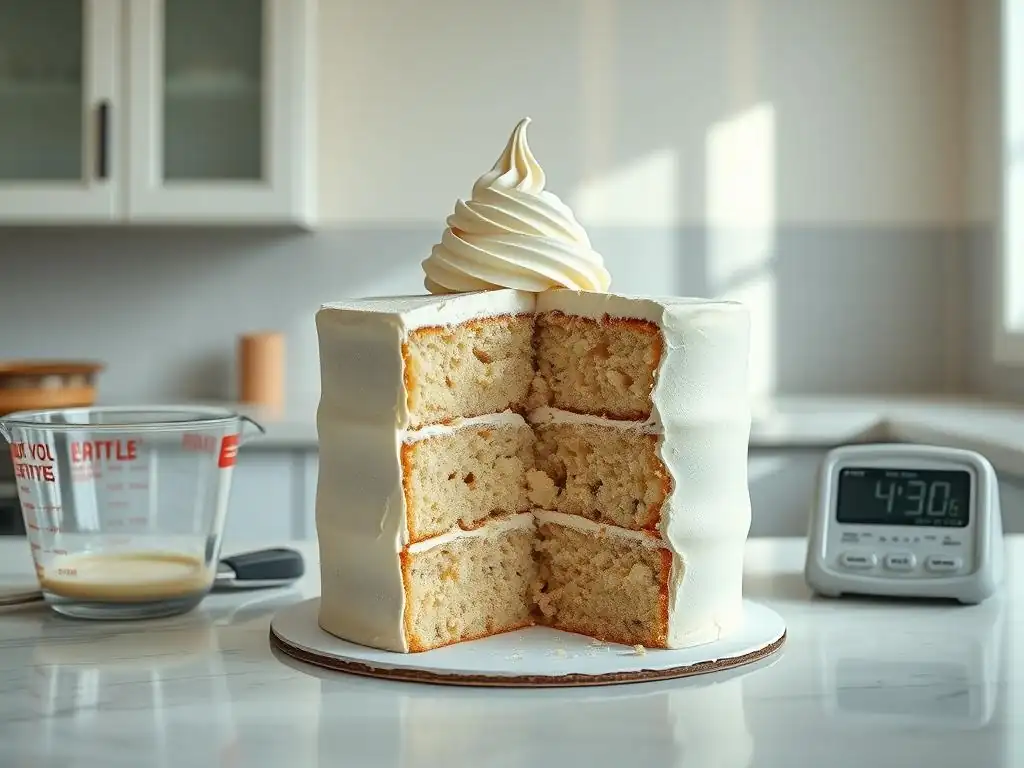
One of the most frequent culprits behind a sunken cake is an oven that isn't heating accurately or consistently. If your oven thermostat is off, it can either bake too hot or too cool. An oven that's too hot on the outside might seem fine, but if the inside temperature fluctuates wildly or is much lower than set, the cake's outer edges can set prematurely while the center is still rising. When the underbaked center structure can no longer support itself, it collapses, leading to a sunken middle. This is a primary cake sinking reason explained by bakers.
Conversely, an oven that is too cool will prevent the cake from rising properly in the first place. The leavening agents won't activate effectively, and the structure won't set before gravity takes over. Even if the temperature is accurate, frequent opening of the oven door can cause significant temperature drops, shocking the cake and interrupting its delicate setting process. Maintaining a stable, accurate temperature is crucial for an even rise and a stable structure.
How Temperature Impacts Cake Structure
The process of baking a cake involves a complex interplay of chemical reactions and physical changes, all driven by heat. Initially, the heat activates leavening agents like baking powder and baking soda, producing gases (carbon dioxide) that cause the batter to rise. As the temperature increases, proteins in the flour and eggs coagulate, and starches gelatinize, forming the structural network that holds the cake's shape.
Sugars caramelize, contributing to flavor and crust color. If the temperature is too low, these processes happen too slowly or not at all, resulting in a dense, flat cake. If the temperature is too high, the outside sets before the inside has a chance to fully rise and cook, trapping moisture and potentially causing the center to collapse later.
A key aspect is the setting point of the cake's structure. This typically occurs when the internal temperature reaches around 190-200°F (88-93°C). Until this temperature is reached throughout the cake, the structure is fragile. A sudden drop in temperature, like opening the oven door too early, or an inconsistent oven temperature profile, can cause the still-liquid or semi-set interior to lose its support, leading to a sunken middle. Understanding this thermal journey is vital for preventing collapsed cakes.
Oven Calibration Techniques
To ensure your oven is heating accurately, you can use an inexpensive oven thermometer placed inside the oven cavity. Compare the thermometer reading to your oven's display setting. If there's a significant difference (more than 15-20°F or about 8-11°C), your oven may need calibration. While some modern ovens have a built-in calibration feature you can adjust via the settings menu (check your manual), older ovens might require a technician.
Alternatively, you can simply learn your oven's quirks based on the thermometer reading. If your oven consistently runs 25°F (about 14°C) cool, you can set it 25°F higher than the recipe calls for. If it runs hot, set it lower. Regularly checking with an oven thermometer is a simple yet effective way to rule out temperature inaccuracies as a cake sinking reason explained by unpredictable oven behavior. Remember that temperatures can also vary within the oven, so rotating your cake halfway through baking can help ensure even heat exposure.
Reason 2: Overmixing the Batter
Mixing cake batter seems straightforward, but overdoing it is a common mistake with significant consequences. When you mix flour with liquid and agitate it, gluten begins to develop. Gluten is a protein network that provides structure and elasticity, which is desirable in bread but not in most cakes. Cake recipes typically aim for minimal gluten development to achieve a tender, delicate crumb. Overmixing strengthens this gluten network excessively, making the batter tough and elastic.
An overmixed batter behaves differently in the oven. The strong gluten structure resists the expansion caused by leavening gases, resulting in a dense, heavy texture. Worse, the elastic structure can sometimes hold the initial rise, but as the cake cools, the tension in the gluten network can cause it to contract excessively, pulling the center down. This is a classic cake sinking reason explained by improper mixing technique. The goal is to mix just until the ingredients are combined.
Gluten Development and Texture
Flour contains proteins, primarily glutenin and gliadin. When these proteins hydrate and are agitated (mixed), they link together to form gluten. The more you mix, the more these links form, creating a stronger, more elastic network. In bread baking, this elasticity is crucial for trapping gases and creating chewy texture. However, in cakes, we want a tender, crumbly texture. Cake flour, for instance, has a lower protein content specifically to minimize gluten development.
Overmixing leads to a tough, chewy texture instead of a light, tender one. It also affects how the cake rises and sets. A highly developed gluten network can't expand as freely with the leavening gases, restricting the cake's volume. Furthermore, the elasticity can cause the cake to spring back or contract after baking, contributing to a sunken center. Aiming for a just-combined batter minimizes gluten development, promoting a tender crumb and preventing this particular cake sinking reason explained.
Gentle Mixing Methods
To avoid overmixing, follow recipe instructions closely regarding mixing times and speeds. Most cake recipes call for mixing dry and wet ingredients together just until combined. This usually means mixing on low speed until no dry streaks of flour are visible. Stop the mixer, and if needed, finish incorporating any remaining dry bits with a spatula using a gentle folding motion.
For recipes using the creaming method (beating butter and sugar together), mix the butter and sugar until light and fluffy, then add eggs one at a time, mixing until just incorporated. Add dry and wet ingredients alternately, beginning and ending with dry ingredients. Mix on the lowest speed, adding the next portion as soon as the previous one is almost incorporated.
Stop mixing as soon as the last bit of flour disappears. Scrape down the bowl as needed, but avoid prolonged mixing after the flour is added. Hand mixing or using a stand mixer on its lowest setting for the final stage are good practices to prevent overmixing and avoid this cake sinking reason explained.
Reason 3: Insufficient Leavening
Leavening agents like baking powder and baking soda are responsible for producing the gases that make your cake rise and become light and airy. If you use too little leavening, or if your leavening agents have lost their potency, the batter won't produce enough gas to lift the cake adequately. The structure will be too dense to support itself as it bakes, and it's likely to sink in the center as it cools because it never achieved sufficient internal scaffolding. This is a straightforward cake sinking reason explained by chemistry.
Think of leavening as the engine that lifts the cake. If the engine isn't powerful enough, the cake won't reach its full height and will likely collapse under its own weight. It's crucial to measure leavening agents accurately – using too much can cause a rapid rise followed by a collapse, while too little results in a flat, dense cake.
Understanding Baking Powder and Baking Soda
Baking soda (sodium bicarbonate) is a single-acting leavener that requires an acidic ingredient (like buttermilk, yogurt, vinegar, citrus juice, brown sugar, or molasses) and liquid to activate and produce carbon dioxide gas immediately upon mixing. Recipes using baking soda typically need to be baked quickly after mixing to capture the gas.
Baking powder is a complete leavening system containing both an acid and a base, along as a starch (usually cornstarch) to prevent clumping. Most baking powders are double-acting, meaning they produce gas in two phases: once when mixed with liquid (like baking soda) and again when exposed to heat in the oven. This double action provides a more sustained lift, making it popular for cakes. Using the wrong type or amount of leavener can significantly impact the cake's structure and contribute to the cake sinking reasons explained by inadequate lift.
Checking Expiration Dates
Baking powder and baking soda lose their effectiveness over time, especially if exposed to moisture or air. Using expired or stale leavening agents is a very common cake sinking reason explained by inactive ingredients. While they don't technically "expire" in a way that makes them harmful, their chemical potency diminishes, meaning they won't produce enough gas to leaven your cake properly.
You can test if your leavening agents are still active. For baking soda, place a teaspoon in a small bowl and pour about a tablespoon of vinegar over it. It should fizz vigorously. For baking powder, place a teaspoon in hot water; it should also bubble and fizz. If there's little to no reaction, it's time to buy a new container. Store leavening agents in a cool, dry place, tightly sealed, to maximize their shelf life, which is typically around 6-12 months once opened.
Leavening Ratios for Common Cake Types
The correct ratio of leavening to flour and other ingredients varies depending on the type of cake and the other ingredients used (especially acidic ones). As a general guideline, many recipes use about 1 to 1 ½ teaspoons of baking powder per cup of all-purpose flour. If the recipe also contains acidic ingredients, it might use a combination of baking soda and baking powder. For example, a recipe with buttermilk might use ½ teaspoon baking soda (to react with the acid) and 1 teaspoon baking powder (for general lift).
Rich cakes with lots of butter and eggs often require more leavening to lift the heavy batter. Lighter sponge cakes might rely primarily on whipped eggs for leavening. Always follow the recipe's specified amounts precisely. Guessing or substituting leavening agents without understanding their interaction with other ingredients is a common cake sinking reason explained by recipe deviation.
Reason 4: Excessive Liquid
Adding too much liquid to your cake batter can significantly affect its structure and increase the likelihood of sinking. While liquid is necessary to hydrate the flour and activate leavening agents, an excess amount dilutes the batter, making it too thin and heavy. A batter with too much liquid struggles to build a strong enough structure to support itself as it rises. The extra moisture also takes longer to bake out.
During baking, the excess liquid turns into steam, which contributes to the initial rise. However, if there's too much moisture trapped inside, the cake's internal structure remains weak and soggy. As the cake cools, this trapped moisture evaporates or condenses, and the weak structure collapses under its own weight, leading to a dense, sunken center. This is a clear cake sinking reason explained by improper ingredient ratios.
Liquid Ratios and Cake Density
The balance of liquid to dry ingredients is critical in cake baking. Recipes are formulated with specific ratios to achieve the desired texture and structure. Too little liquid results in a dry, crumbly cake. Too much liquid results in a dense, heavy, and potentially sunken cake. The type of liquid also matters; milk and buttermilk contribute differently than water or oil due to their protein and fat content.
A standard ratio for many butter-based cakes involves roughly equal weights of flour, sugar, butter, and eggs, with liquid added to achieve the correct consistency. However, this varies greatly by recipe type. For example, a pound cake has a much higher fat-to-flour ratio than a sponge cake. Deviating from the recipe's specified liquid amount, whether by inaccurate measurement or adding extra out of habit, can disrupt this delicate balance and contribute to the cake sinking reasons explained by too much moisture.
Adjusting Liquids for High Altitude
Baking at high altitudes (typically above 3,000 feet or 900 meters) presents unique challenges due to lower atmospheric pressure and lower humidity. The lower pressure allows leavening gases to expand more rapidly and causes liquids to evaporate faster and boil at a lower temperature. This can lead to a cake rising too quickly before the structure sets, then collapsing.
High altitude baking often requires adjustments to the liquid content. Because liquids evaporate faster, you might need to increase the liquid slightly (often by a tablespoon or two per cup of liquid specified). However, you might also need to decrease leavening and sugar and increase flour slightly to strengthen the structure and slow the rise. These adjustments counterbalance the effects of altitude and help prevent the cake from sinking. Without proper high altitude adjustments, excessive liquid evaporation combined with rapid rise can be a specific cake sinking reason explained by environmental factors.
Reason 5: Premature Oven Door Opening
It's tempting to check on your cake while it's baking, but opening the oven door too early is a common cause of collapse. As mentioned regarding oven temperature, opening the door causes a significant and rapid drop in temperature inside the oven. This sudden change in environment can shock the cake, especially during the crucial phase when its internal structure is still setting.
If you open the door before the cake's structure is firm enough to support itself, the cooler air and disruption to the heat flow can cause the cake to lose its rise and sink in the center. The trapped steam supporting the structure condenses, and the fragile protein network collapses. It's generally recommended to avoid opening the oven door for at least the first two-thirds of the baking time. This allows the cake sufficient time to develop its structure. This easily avoidable habit is a frequent cake sinking reason explained by impatient bakers.
Maintaining Stable Temperature
A stable oven temperature is paramount for even baking and proper structure development. Every time you open the oven door, the temperature inside can drop by 50-100°F (about 28-55°C) or more, depending on how long the door is open. It takes several minutes for the oven to recover to the set temperature. This fluctuation is particularly detrimental during the phase when the cake is rapidly rising and its proteins are coagulating.
To maintain stability, rely on your oven light to check the cake's progress. If you must open the door (e.g., to rotate the pan for even browning), do it quickly and towards the end of the baking time, when the cake is mostly set. Avoid prolonged peeking. Consistent heat allows the cake to rise steadily and the structure to set firmly from the edges inward, preventing the center from collapsing. A stable temperature environment minimizes this cake sinking reason explained.
Visual Cues for Doneness
Instead of relying solely on time or opening the door, learn to look for visual cues that indicate your cake is approaching doneness. The edges of the cake will typically pull away slightly from the sides of the pan. The top will turn golden brown and look set; it shouldn't appear wet or liquid in the center.
For many cakes, gently pressing the center with your fingertip is a good test. If the cake springs back, it's likely done. If the indentation remains, it needs more time. Once these visual cues are present (usually after the initial 2/3 baking time has passed), you can then perform the toothpick test (see Reason 7) to confirm doneness without risking a collapse from premature door opening. Relying on these indicators helps avoid this common cake sinking reason explained.
Reason 6: Incorrect Pan Size
Using a cake pan that is too large or too small for the amount of batter can lead to uneven baking and potentially a sunken cake. If the pan is too large, the batter will be spread too thin. This results in a cake that bakes and sets very quickly, often before the leavening has fully done its job or the center has had time to rise properly. The resulting cake might be flat and dense, sometimes with a slight dip.
Conversely, using a pan that is too small means the batter is too deep. The outside and top of the cake will bake and set much faster than the interior. The center will continue to rise while the edges are firm. By the time the center is finally cooked, the outside might be overbaked, and the tall, unsupported center can collapse under its own weight, especially as it cools. This size mismatch is a common cake sinking reason explained by ignoring recipe specifications.
Pan Size and Baking Time
The size and material of the pan directly impact how heat is transferred to the batter and, consequently, the required baking time. Dark metal pans absorb and transfer heat more quickly than lighter metal or glass pans. A recipe developed for an 8-inch round pan will have a different baking time and temperature profile than the same batter baked in a 9-inch pan or a loaf pan.
If you use a pan that is significantly different from the recipe's specification, you disrupt the intended baking process. A smaller pan with more batter depth will require a longer baking time at a potentially lower temperature to allow the heat to penetrate to the center without burning the outside. A larger pan with less depth will bake faster. Failing to adjust baking time and temperature when using a different pan size is a definite cake sinking reason explained by pan geometry.
Recommended Pan Sizes for Cake Recipes
Recipes are usually written for standard pan sizes. Common round cake pan sizes are 8-inch (20 cm) and 9-inch (23 cm) with a depth of 1 ½ to 2 inches. Loaf pans are typically 9x5 inches (23x13 cm). Square pans are often 8x8 inches or 9x9 inches. Bundt pans come in various sizes, but a standard large Bundt holds about 10-12 cups of batter.
It's always best to use the pan size specified in the recipe. If you must substitute, try to use a pan with a similar volume capacity. For example, two 8-inch round pans hold roughly the same volume as one 9x13 inch rectangular pan. If using a smaller pan that increases batter depth, fill it only about two-thirds full to allow for rise and bake any excess batter as cupcakes. Be prepared to adjust baking time and monitor the cake closely when using a non-standard pan size to avoid this cake sinking reason explained by pan mismatch.
Reason 7: Underbaking
One of the simplest yet most common cake sinking reasons explained is pulling the cake out of the oven before it is fully baked. While the outside might look done – golden brown and set – the inside may still be wet batter or a very fragile, unset structure. The heat in the oven is what sets the cake's internal structure. If you remove it too early, this process is interrupted.
When an underbaked cake is removed from the heat, the still-liquid or semi-liquid center lacks the structural integrity to support the weight of the cake. It will inevitably collapse, leaving you with a dense, often gooey, sunken middle. The edges might seem fine, but the center will be a disappointment. Ensuring the cake is cooked all the way through is vital for a stable, level top.
Identifying Signs of Underbaking
Beyond the visual cues mentioned earlier (edges pulling away, golden top, springy surface), there are other indicators that a cake might be underbaked. The most obvious is a sunken center that appears wet or doesn't spring back when gently pressed. If you insert a toothpick or cake tester, it will come out coated in wet batter or moist crumbs.
Another sign can be excessive jiggling in the center when the pan is gently shaken. A fully baked cake should feel relatively firm and stable. While some cakes (like flourless chocolate cakes) are meant to be dense and moist, most standard butter or oil-based cakes should have a consistent, set texture throughout. Recognizing these signs helps diagnose underbaking as the cake sinking reason explained.
The Toothpick Test
The toothpick test is a reliable method for checking a cake's doneness, but it needs to be performed correctly. Towards the end of the recommended baking time, insert a clean wooden toothpick or a metal cake tester into the very center of the cake. Be sure to go deep enough to reach the middle of the batter's depth.
- If the toothpick comes out completely clean, without any wet batter or moist crumbs clinging to it, the cake is likely done.
- If the toothpick has wet batter on it, the cake needs more time. Return it to the oven for a few more minutes (start with 3-5 minutes) and test again.
- If the toothpick has a few moist crumbs attached, this is often considered done for many cake recipes, especially those meant to be very tender. Avoid confusing moist crumbs with wet batter.
Avoid testing too close to the edges, as the edges always bake faster. Performing the toothpick test only when the cake looks visually close to done (golden, edges pulled away, surface springs back) minimizes the time the oven door is open and reduces the risk of this cake sinking reason explained.
Reason 8: High Altitude Baking Challenges
As briefly touched upon in Reason 4, baking at high altitudes presents unique challenges due to the lower atmospheric pressure. At higher elevations, there's less air pressure pushing down on the cake. This allows leavening gases to expand more freely and rapidly than at sea level. While this might sound good, it can cause the cake to rise too quickly before the structure (proteins, starches) has had a chance to set properly.
The rapid rise can stretch the still-weak structure too thin. Simultaneously, liquids evaporate faster at high altitude because water boils at a lower temperature (around 203°F or 95°C at 5,000 feet, compared to 212°F or 100°C at sea level). This faster evaporation can dry out the cake while the center is still struggling to set after its rapid expansion. The combination of rapid rise and faster drying often results in the cake rising dramatically and then collapsing in the center as it cools, a specific cake sinking reason explained by altitude.
Altitude's Effect on Baking
The lower atmospheric pressure at high altitude affects several aspects of baking:
- Leavening: Gases expand more, causing faster rise.
- Liquid: Evaporates faster, causing drying.
- Sugar: Concentrated sugar can weaken the structure and contribute to moisture retention issues at lower boiling points.
- Baking Time/Temperature: Often requires higher oven temperatures and shorter baking times, or lower temperatures for longer times depending on the specific recipe and altitude.
Understanding these effects is crucial for successful high altitude baking. A recipe that works perfectly at sea level will almost certainly need adjustments at higher elevations. Ignoring these environmental factors is a major cake sinking reason explained for bakers in mountainous regions.
Recipe Adjustments for High Altitude
Adjusting recipes for high altitude often involves a combination of changes to strengthen the structure and slow the rise:
- Decrease Leavening: Use slightly less baking powder and/or baking soda (e.g., reduce by 1/8 to 1/4 teaspoon per teaspoon called for).
- Decrease Sugar: Reduce sugar slightly (e.g., by 1-2 tablespoons per cup). Less sugar strengthens the structure and reduces moisture issues.
- Increase Liquid: Add a small amount of extra liquid (e.g., 1-2 tablespoons per cup of liquid) to counteract faster evaporation.
- Increase Flour (Optional): Sometimes adding a tablespoon or two of extra flour per cup can help strengthen the structure.
- Increase Oven Temperature: Baking at a slightly higher temperature (e.g., 25°F or 14°C higher) for a shorter time can help set the structure before the gases over-expand.
- Baking Time: Baking time is often shorter due to faster evaporation and heat penetration.
Finding the perfect high altitude adjustments can require some experimentation, as the ideal changes depend on the specific recipe and your exact elevation. However, making these modifications is essential to prevent high altitude from being your primary cake sinking reason explained.
Preventing Cake Sinking: Baking Tips
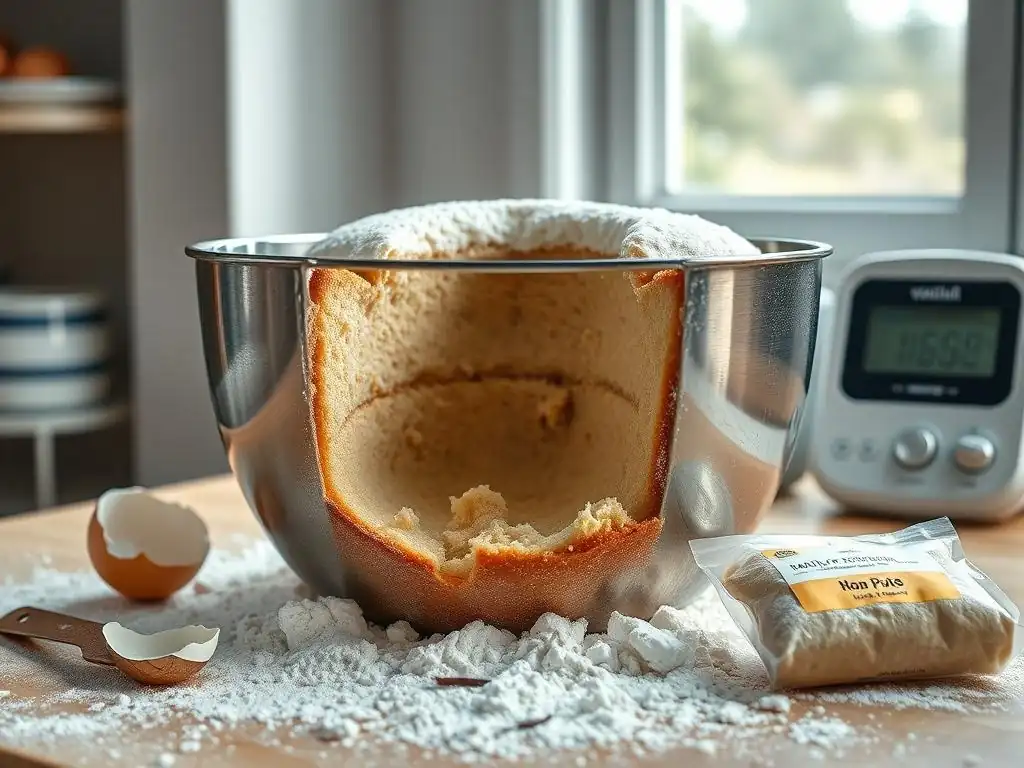
Preventing a sunken cake often comes down to consistency and attention to detail. By implementing a few key practices, you can drastically reduce the chances of this frustrating baking failure. These tips address the most common cake sinking reasons explained above, offering practical steps for success.
Tip 1: Accurate Ingredient Measurement
Baking is a science, and precision matters. Use the correct measuring tools: dry ingredients (flour, sugar, leavening) should be measured using nested measuring cups, leveled off with a straight edge. Do not scoop flour directly from the bag, as this compacts it, resulting in too much flour. Spoon the flour into the cup and level it.
Liquids should be measured in liquid measuring cups at eye level. For best results, especially for critical ingredients like flour and sugar, consider using a kitchen scale for weight measurement, which is far more accurate than volume measurement. Accurate measurement is fundamental to avoiding imbalances that lead to cake sinking reasons explained by wrong ratios.
Tip 2: Proper Mixing Techniques
Mix your batter only until the ingredients are just combined. Avoid overmixing, especially after adding the flour. Use the lowest speed on your mixer or mix gently by hand. Scrape down the sides and bottom of the bowl as needed to ensure everything is incorporated evenly, but stop as soon as no dry streaks remain. Overmixing develops gluten, leading to a tough texture and potential sinking. Gentle mixing helps prevent this cake sinking reason explained.
Tip 3: Accurate Oven Temperature
Always preheat your oven for at least 15-20 minutes after it signals it has reached the set temperature. Use an oven thermometer to verify the actual temperature inside. If your oven is inaccurate, adjust the temperature setting accordingly or get it calibrated. Avoid opening the oven door during the first 2/3 of the baking time to maintain a stable temperature environment. Consistent, accurate heat prevents uneven baking and helps avoid cake sinking reasons explained by thermal issues.
Tip 4: Fresh Leavening Agents
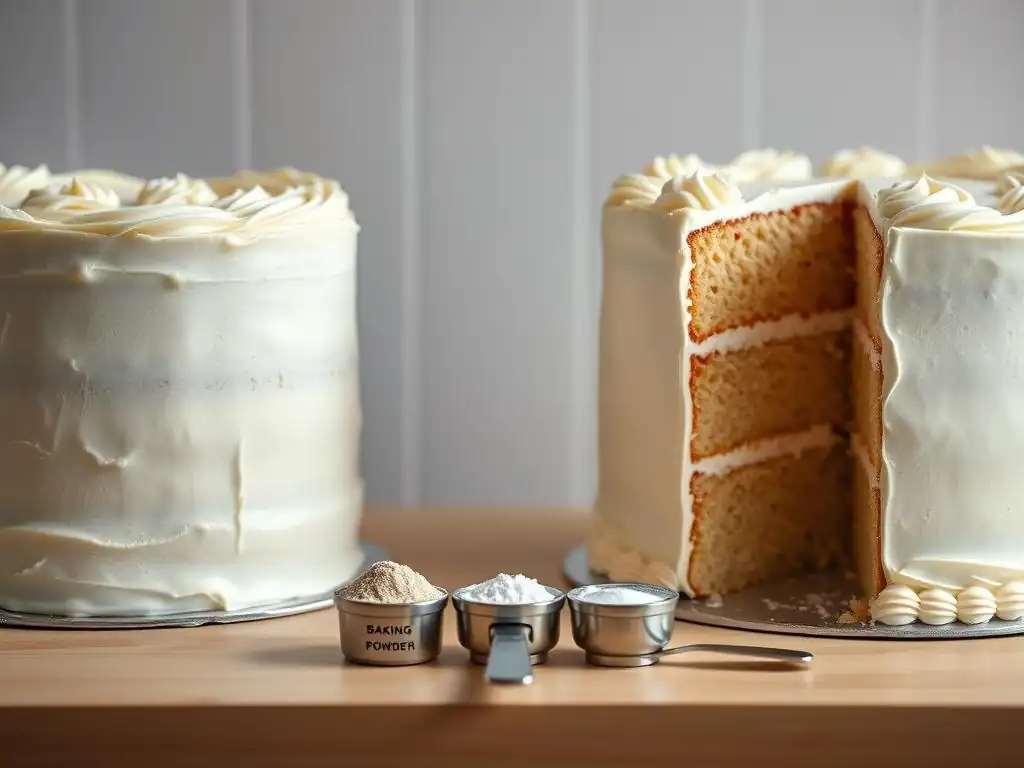
Check the freshness of your baking powder and baking soda regularly using the tests described earlier (vinegar for soda, hot water for powder). Replace them if they don't fizz vigorously. Store them in airtight containers in a cool, dry place. Using active leavening is crucial for a proper rise and structure, preventing collapse due to insufficient lift – a definite cake sinking reason explained.
Tip 5: Correct Cooling Procedures
How you cool your cake can also affect whether it sinks, especially if it was slightly underbaked or if the structure is delicate. Generally, let cakes cool in the pan on a wire rack for 10-20 minutes (follow recipe instructions) before attempting to invert them onto the rack to cool completely. Cooling on a wire rack allows air circulation, preventing moisture buildup which can weaken the structure.
Cooling too quickly (like placing a hot cake directly into a refrigerator or a cold environment) can cause a sudden temperature change that leads to shrinking and sinking. Allow the cake to cool gradually on the counter. Proper cooling ensures the structure sets fully, preventing a potential cake sinking reason explained by post-bake handling.
Conclusion: Achieving Baking Success
Baking a perfect cake requires attention to detail and understanding the science behind the process. While a sunken cake is disheartening, it's a common problem with identifiable causes. By understanding the cake sinking reasons explained here – from temperature issues and mixing errors to ingredient freshness and altitude challenges – you can troubleshoot past failures and prevent future ones.
Remember to measure accurately, mix gently, ensure your oven temperature is correct and stable, use fresh leavening, and cool your cake properly. Each of these steps plays a vital role in building a stable, light, and evenly baked cake. Don't be discouraged by a less-than-perfect bake; view it as a learning opportunity. With practice and mindful execution of these fundamental techniques, you'll be well on your way to consistently baking beautiful, level cakes that are a joy to share.
Frequently Asked Questions
Why did my cake sink in the middle?
Sinking is often due to insufficient structure from underbaking or too much leavening (like baking soda/powder). Temperature fluctuations during baking can also contribute.
What role does oven temperature play in preventing a sunken cake?
Maintaining a consistent oven temperature is crucial. Ovens that are too hot can cause the cake to rise too quickly and then collapse, while ovens that are too cold will cause it to not rise enough.
Can overmixing the batter cause my cake to sink?
Yes, overmixing develops too much gluten. This leads to a tough, dense cake that may sink because the gluten structure can't support the air bubbles.
How does the amount of sugar affect the structure of my cake?
Excessive sugar can weaken the cake's structure. Sugar is hygroscopic, meaning it attracts water, which can make the cake too moist and heavy, increasing the likelihood of sinking.
What are some common mistakes beginners make that lead to sunken cakes?
Beginners often open the oven door too early (releasing heat), don't measure ingredients accurately, or fail to cream butter and sugar properly, all of which affect cake structure.
Final Reflection: The Unsinkable Truth About Baking Success
The seemingly simple act of baking a cake reveals a complex interplay of science and artistry, and understanding why a cake sinks isn't just about fixing a culinary mishap; it's about mastering the fundamental principles of baking. A perfectly risen cake is a testament to precision and patience, a delicious reward for understanding the delicate balance of ingredients and techniques. The knowledge gained from understanding why cakes sink empowers us to create consistently delightful results.
The journey of exploring the reasons behind a sunken cake has been a fascinating one, highlighting the often-overlooked nuances of baking. It's a journey that resonates far beyond the kitchen, mirroring life's own challenges where careful planning and attention to detail are crucial for success. The best things in life are worth the wait, and a perfectly risen cake is no exception.
This quote, while seemingly simple, encapsulates the essence of patience and precision that baking, and indeed life, demands. The subtle shifts in ingredient ratios, the importance of proper mixing techniques, and the impact of oven temperature all contribute to the final outcome, reminding us that even small details can have a significant impact.
Now, consider your own baking journey. Have you experienced the disappointment of a sunken cake? What lessons have you learned from those experiences?
Take this knowledge and apply it not just to your baking, but to other aspects of your life. Embrace the challenges, learn from your mistakes, and remember that even the most seemingly insurmountable obstacles can be overcome with careful attention, a little patience, and a dash of perseverance. The next time you bake, approach it with a newfound appreciation for the science and art involved, and savor the sweet success of a perfectly risen cake – a testament to your dedication and understanding.
Unlock Your Baking Brilliance!
Thanks for diving into the world of perfect cakes with us! We hope you now have a clearer understanding of why your cakes might sink and how to avoid it in the future. Ready to put this newfound knowledge to the test?
- Bake a masterpiece: Try out one of the recipes we've recommended (or a new one!) and see the difference. Remember the tips we shared about measuring ingredients accurately and letting the batter rest.
- Share your success (or your hilarious fails!): We'd love to see your baking creations – tag us on social media with #BakeWithEaseSuccess.
- Join our baking community: Ask questions, share tips, and get inspired by other bakers in our online forum.
What delicious treat will you conquer next?