
Using a Burr Mill: Grinding and Measuring Spices for Accurate Flavors

Welcome to BakeWithEase, your kitchen companion for all things baking! Ever wonder how to unlock the fullest flavor potential in your baked goods? This week, we delve into a secret weapon for discerning bakers: the burr mill. Discover how mastering the art of burr mill spice grinding can elevate your creations from good to unforgettable. Intrigued? Read on to learn how this simple technique can transform your baking!
- Mastering Freshly Ground Spices for Baking with a Burr Mill
- Introduction to Burr Mill Spice Grinding for Baking
- Selecting the Ideal Burr Mill for Baking Spices
- Step-by-Step Guide: Precision Spice Grinding with a Burr Mill
- Accurate Measurement of Ground Spices for Consistent Baking
- Enhancing Spice Flavors Through Grinding Techniques
- Troubleshooting Common Burr Mill Spice Grinding Problems
- Advanced Spice Blending for Exquisite Baked Goods
- Conclusion: Achieving Baking Perfection with Burr Mill Ground Spices
-
Frequently Asked Questions
- What is a burr mill and why is it recommended for grinding spices?
- How does using a burr mill impact the flavor profile of baked goods compared to pre-ground spices?
- What types of spices are best suited for grinding in a burr mill for baking?
- How do I measure spices accurately after grinding them with a burr mill?
- How do I clean and maintain my burr mill to ensure optimal performance when grinding spices?
- Final Reflection: The Art and Science of Precise Spice Grinding
- Unleash the Aromatic Power of Freshly Ground Spices!
Mastering Freshly Ground Spices for Baking with a Burr Mill
Introduction to Burr Mill Spice Grinding for Baking
The Impact of Freshly Ground Spices on Baked Goods
The aroma and flavor of spices are derived from volatile oils contained within their cellular structure. When spices are ground, these oils are released, providing that wonderful burst of fragrance and taste. However, once exposed to air, light, and heat, these precious oils begin to degrade and evaporate. Pre-ground spices, sitting on shelves, lose much of their potency and complexity over time, often within just a few months, sometimes leaving behind only a faint echo of their original vibrant flavor profile.
Think about the difference between biting into a gingerbread cookie made with dull, stale ground ginger versus one made with ginger ground moments before mixing the dough. The latter offers a zesty, pungent warmth that truly elevates the cookie. Similarly, a cinnamon roll baked with freshly ground cinnamon fills the kitchen with an intoxicating aroma that pre-ground versions simply cannot replicate. Using spices ground just before baking ensures you capture the peak of their flavor and aroma, leading to baked goods that are more vibrant, fragrant, and ultimately, more delicious.
Why a Burr Mill Excels at Grinding Spices for Baking
Blade grinders, which essentially chop spices with rapidly spinning blades, often produce an inconsistent particle size – a mix of fine powder and larger chunks. This unevenness can lead to patchy flavor distribution in your baked goods. More critically, blade grinders generate significant heat through friction, which can prematurely release and degrade the volatile oils in your spices, diminishing their flavor before they even make it into your batter or dough.
A burr mill, on the other hand, works by grinding spices between two abrasive surfaces (burrs). These burrs are typically adjustable, allowing you to control the fineness of the grind. This method produces a much more uniform particle size, which is crucial for even flavor distribution throughout your baked goods. The grinding action also generates less heat compared to chopping blades, preserving the delicate essential oils and ensuring the spices retain their full flavor potential until the moment they are heated in the oven. This precision in burr mill spice grinding is a game-changer for serious bakers.
BakeWithEase's Guide to Spice Grinding Excellence
Welcome to BakeWithEase, where we believe that mastering the fundamentals is key to unlocking baking success. One such fundamental, often overlooked, is the quality and preparation of your spices. This guide is dedicated to exploring the art and science of using a burr mill for grinding spices specifically for baking applications.
We will walk you through selecting the right burr mill, the step-by-step process for achieving the perfect grind size, the importance of accurate measurement, and advanced techniques to enhance your spice flavors. Our goal is to equip you with the knowledge and skills to elevate your baking from good to truly exceptional, simply by focusing on the power of freshly ground spices using a reliable burr mill spice grinding technique.
Selecting the Ideal Burr Mill for Baking Spices
Manual vs. Electric Burr Mills: A Comparison
When considering a burr mill for grinding spices for baking, one of the first decisions you'll face is whether to choose a manual or electric model. Manual burr mills, often resembling pepper mills but designed for various spices, require physical effort to operate using a crank. They are typically more compact, quieter, and significantly less expensive, often ranging from $20 to $50. Manual mills offer excellent control over the grinding speed, which helps minimize heat build-up, a critical factor for preserving delicate spice flavors. They are ideal for grinding small batches of spices as needed for a single recipe.
Electric burr mills, while more expensive (ranging from $50 to $200 or more), offer speed and convenience. They can grind larger quantities of spices quickly with minimal effort. However, some electric models, particularly those with less powerful motors, can generate more heat during prolonged use than manual ones. When selecting an electric mill for burr mill spice grinding, look for models specifically designed for spices or those with robust motors and multiple grind settings. The choice between manual and electric ultimately depends on your budget, the volume of spices you typically grind, and your preference for control versus convenience.
Essential Features to Evaluate in a Spice Burr Mill
Beyond the manual versus electric debate, several features are crucial for effective burr mill spice grinding for baking. The range and precision of grind size settings are paramount. Baking recipes often require different textures – a fine powder for delicate cakes or cookies, or a slightly coarser grind for spice rubs on bread crusts or inclusion in coarser batters. A good spice burr mill should offer distinct, easily adjustable settings to achieve these varying textures consistently. Look for models with at least 5-10 distinct settings.
Another vital consideration is ease of cleaning. Spices contain oils that can leave residues and transfer flavors. A mill that can be easily disassembled for thorough cleaning is essential to prevent cross-contamination of flavors between different spice batches. Consider the capacity of the mill's hopper and grounds container – while you'll typically grind small batches for baking, a slightly larger capacity can be convenient. Finally, the durability of the burrs and construction material will impact the mill's lifespan and performance; look for sturdy materials that can handle hard spices like cloves or allspice.
Burr Material: Choosing Between Ceramic and Steel
The material of the burrs is a key factor influencing the performance and longevity of a spice burr mill. The two most common materials are ceramic and steel. Ceramic burrs are known for their exceptional hardness and ability to stay sharp for a very long time. They also tend to generate less static electricity than steel burrs, which can help reduce mess from fine spice powders clinging to surfaces. However, ceramic burrs can be brittle and may chip or break if hard foreign objects accidentally enter the mill.
Steel burrs, often made from hardened stainless steel, are generally more durable and resistant to chipping than ceramic burrs. They can handle a wider variety of spices, including harder ones. Steel burrs can potentially generate slightly more heat during grinding than ceramic, especially during continuous use, though this is less of an issue for the small batches typically ground for baking. Both materials, when properly maintained, can provide excellent results for burr mill spice grinding. The choice often comes down to expected usage frequency, the types of spices you'll grind, and personal preference regarding durability versus initial sharpness retention.
Step-by-Step Guide: Precision Spice Grinding with a Burr Mill
Preparing Spices for Optimal Grinding
Proper preparation of whole spices is the first step to successful burr mill spice grinding. Start by inspecting your whole spices. Ensure they are dry and free from any debris or small stones that could damage the burrs. For larger spices like cinnamon sticks, star anise, or nutmeg, you may need to break them into smaller pieces that will fit comfortably into your mill's hopper without forcing them. A pestle and mortar or a sturdy knife can be useful for this. Aim for pieces roughly the size of a coffee bean or smaller.
Some spices, particularly those with high oil content like star anise or cloves, can sometimes cause clogging in finer grind settings, especially in mills not specifically designed for spices. While many burr mills handle common baking spices like cinnamon, nutmeg, and cardamom without issue, be mindful of your mill's specifications. Ensure spices are at room temperature; cold spices can sometimes be harder to grind or cause condensation. Proper preparation ensures a smooth grinding process and protects your burr mill.
Adjusting the Grind Size on Your Burr Mill for Baking
One of the primary advantages of using a burr mill for spices in baking is the ability to control the grind size. Most burr mills have an adjustment mechanism, often a dial or a ring, that changes the distance between the burrs. A smaller distance results in a finer grind, while a larger distance produces a coarser grind. For most baking applications, a medium-fine to fine grind is desired to ensure the spice integrates smoothly into batters and doughs without a gritty texture. For example, grinding nutmeg for a custard or spice mix usually requires a very fine setting.
Experimentation is key to finding the perfect grind size for your specific needs and mill. Start with a medium setting and grind a small amount. Examine the resulting powder. Is it too coarse for your muffins? Adjust to a finer setting and try again. Is it too fine and potentially clumping? Adjust slightly coarser. Keep in mind that different spices may behave differently even at the same setting due to their density and texture. Note down the preferred setting for common spices on your specific burr mill for future reference.
Detailed Grinding Process for Perfect Spice Powders
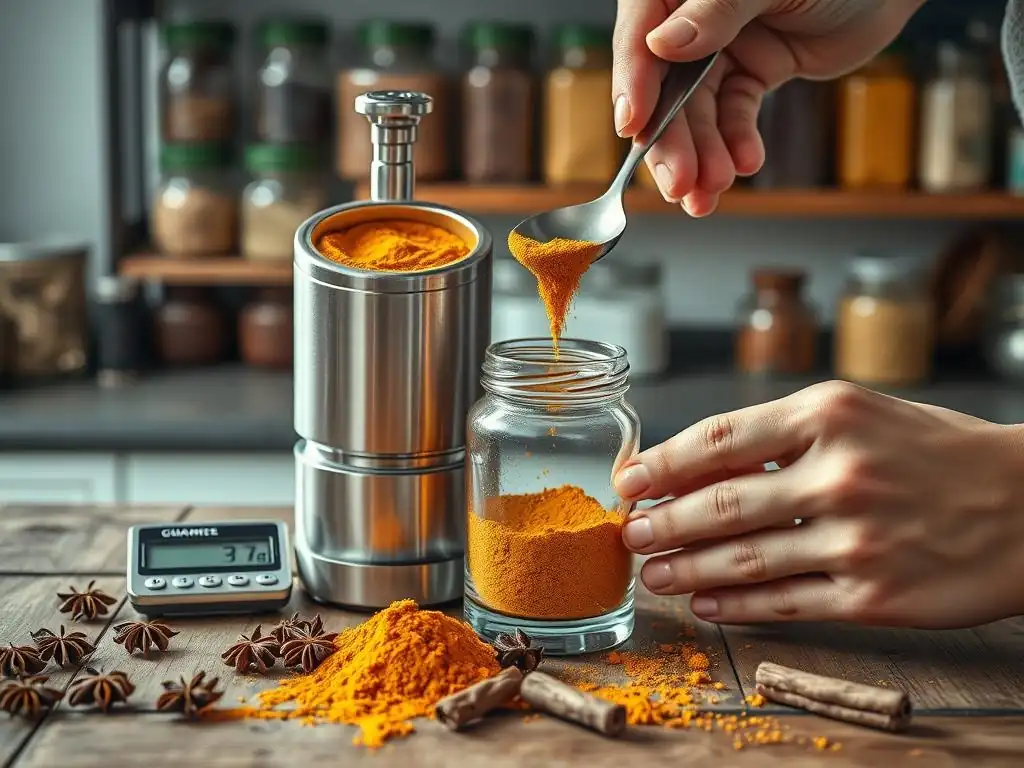
Once your spices are prepared and your grind size is set, you're ready to grind. For most baking recipes, you'll only need a small amount of freshly ground spice, perhaps a teaspoon or two. It's best to grind only what you need immediately. Add the prepared whole spices to the mill's hopper. Avoid overfilling the hopper, as this can lead to clogging or inconsistent grinding.
If using a manual mill, turn the crank steadily and smoothly until all the spice has passed through the burrs. For an electric mill, engage the grinding mechanism according to the manufacturer's instructions. Hold the collection container firmly in place. Observe the process to ensure a consistent flow of ground spice. Once grinding is complete, gently tap the mill to dislodge any remaining powder from the chute. You should be left with a uniform, fragrant spice powder ready for immediate use in your baking. This controlled burr mill spice grinding process ensures maximum flavor.
Cleaning and Maintaining Your Burr Mill for Longevity
Regular cleaning is absolutely essential for maintaining the performance of your burr mill and preventing flavor transfer between different spices. Spice oils can build up on the burrs and in the grinding chamber, causing clogs and imparting unwanted flavors. After grinding strong spices like cloves or cardamom, it is highly recommended to clean the mill before grinding a milder spice like cinnamon or nutmeg.
Most burr mills come with a small brush for cleaning. Use this brush to remove loose spice particles from the hopper, burrs, and collection container after each use. Periodically, you'll need to perform a more thorough cleaning, which may involve disassembling parts of the mill according to the manufacturer's instructions.
Some sources suggest grinding a small amount of dry rice or stale bread crumbs on a medium setting to help loosen and absorb oils, though always check if your mill's manual recommends this. Proper cleaning not only maintains flavor integrity but also prevents damage to the burrs, ensuring your burr mill lasts for years of dedicated spice grinding.
Accurate Measurement of Ground Spices for Consistent Baking
The Crucial Role of Precise Spice Measurement in Baking Recipes
Baking is often described as a science, and nowhere is precision more critical than when measuring potent ingredients like spices. A recipe calls for a specific amount of spice for a reason – it's designed to achieve a particular flavor profile and balance. Adding too much of a strong spice like clove or allspice can easily overpower other flavors in a delicate cake or cookie, resulting in an unbalanced and unpleasant taste. Conversely, too little of a key spice, like cinnamon in an apple pie, can leave the final product tasting flat and uninspired.
Consider a simple sugar cookie recipe where a touch of nutmeg adds warmth. If the recipe calls for ¼ teaspoon, adding a full teaspoon by mistake would dramatically alter the cookie's intended subtle flavor profile, likely making it taste overwhelmingly of nutmeg. Precise measurement ensures that each time you bake a recipe, you achieve the same intended flavor result, leading to consistent, reliable, and delicious outcomes. This makes accurate measurement after burr mill spice grinding just as important as the grinding itself.
Measuring Methods: Spoons vs. Scales for Accuracy
Traditional baking recipes often list spices in volume measurements (teaspoons, tablespoons). While using standard measuring spoons is common, it's important to measure carefully. Gently spoon the freshly ground spice into the measuring spoon without compacting it, then level off the excess with a straight edge, like the back of a knife. Scooping directly from a container can pack the spice and lead to over-measurement.
For the utmost accuracy, especially with very potent spices or when developing your own recipes, using a digital scale to measure spices by weight is the superior method. The density of ground spices can vary depending on the fineness of the grind and how much they are packed. For example, a teaspoon of finely ground cinnamon might weigh slightly differently than a teaspoon of medium-fine ground cinnamon.
Measuring by weight eliminates this variability. While many home cooks don't measure spices by weight, it's a technique used by professional bakers for maximum consistency. A standard teaspoon of ground cinnamon is approximately 2.5 grams, ground ginger about 2 grams, and ground nutmeg about 1.5 grams, though these are approximations.
Tips for Precise Spice Measurement in Baking
Here are a few tips to enhance your accuracy when measuring ground spices after burr mill spice grinding:
- Use Standard Measuring Spoons: Ensure your measuring spoons are a standard set. Avoid using cutlery spoons, which vary greatly in size.
- Level Carefully: For volume measurements, always level the spice gently with a straight edge. Don't tap the spoon or scoop directly from a pile, as this can compact the spice.
- Measure Over a Bowl or Paper: Measure your spices over the mixing bowl or a piece of parchment paper. This way, if you accidentally measure too much, the excess doesn't go back into your spice container, potentially contaminating it.
- Invest in a Small Digital Scale: If you bake frequently and value consistency, a small digital kitchen scale accurate to 0.1 grams can revolutionize your spice measurement, allowing for measurement by weight.
- Measure Directly into the Bowl: When using a scale, place your mixing bowl (or a small dish to zero out the scale) directly on the scale and add the spice until the desired weight is reached.
Conversion Chart: Whole Spice to Ground Spice Equivalents
While grinding spices with a burr mill is ideal, recipes often list quantities for ground spices. Here are some approximate conversions from whole spices to their freshly ground equivalents using a burr mill:
- Cinnamon Stick: Roughly 1 inch of a standard cinnamon stick yields about 1 teaspoon of finely ground cinnamon.
- Whole Cloves: Approximately 1 teaspoon of whole cloves grinds down to about ¾ to 1 teaspoon of ground cloves, depending on fineness.
- Whole Nutmeg: One whole nutmeg (medium size, about 1 inch diameter) yields roughly 2 to 3 teaspoons of finely ground nutmeg.
- Whole Green Cardamom Pods: About 10-12 whole pods yield roughly 1 to 1.5 teaspoons of ground seeds. Discard the outer shell before grinding the small black seeds.
- Whole Coriander Seeds: Approximately 1 teaspoon of whole coriander seeds yields about 1 to 1.25 teaspoons of ground coriander.
Note: These conversions are approximate and can vary based on the size and freshness of the whole spice, as well as the specific grind size achieved with your burr mill.
Enhancing Spice Flavors Through Grinding Techniques
The Relationship Between Grind Size and Spice Flavor Intensity
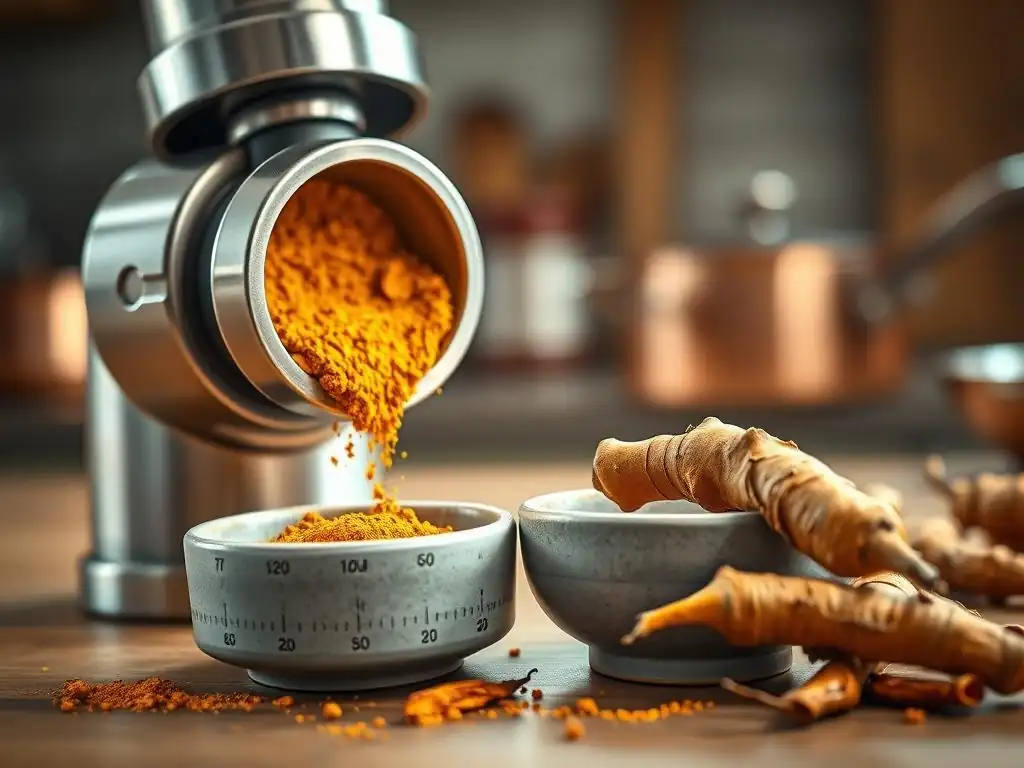
The fineness of your spice grind significantly impacts how the flavor is released and perceived in your baked goods. A finer grind exposes more surface area of the spice particles, allowing the volatile oils to be released more rapidly when they interact with moisture and heat during baking. This can result in a more immediate and intense burst of flavor. For delicate items like shortbread or sponge cakes, a very fine grind ensures the spice integrates smoothly and provides a consistent flavor throughout.
Conversely, a slightly coarser grind releases its flavor more slowly. This can be desirable in applications where you want the spice flavor to develop over time or provide a subtle background note. A coarser grind might also offer a slight textural element, which can be interesting in spiced nuts or certain types of rustic bread crusts. Understanding this relationship allows you to use your burr mill spice grinding capabilities to tailor the spice release to the specific requirements of your recipe and desired outcome.
Spice-Specific Grinding Recommendations for Baking
Different spices benefit from different grind sizes when used in baking:
- Cinnamon: Typically requires a medium-fine to fine grind for smooth incorporation into batters and doughs, like in cinnamon rolls or cakes.
- Nutmeg: Almost always requires a very fine grind to distribute evenly and prevent a gritty texture in custards, sauces, or delicate pastries.
- Cloves: A potent spice, best ground very finely to ensure even distribution and prevent overpowering pockets of flavor in gingerbread or spice cookies.
- Cardamom: When grinding whole pods (seeds only), aim for a fine grind for Scandinavian breads or pastries.
- Coriander/Fennel Seeds: Often used in spiced breads or cakes, these can sometimes benefit from a slightly coarser grind than finer spices like nutmeg, providing a different textural dimension.
Experimenting with these recommendations using your burr mill spice grinding technique will help you discover the ideal grind size for each spice in your favorite recipes.
Storing Ground Spices to Maximize Flavor Retention
Once spices are ground, their volatile oils begin to dissipate much faster than when they are in whole form. To preserve the vibrant flavor achieved through fresh burr mill spice grinding, proper storage is crucial. Always store ground spices in airtight containers. Small glass jars with tight-fitting lids or opaque containers are ideal, as they protect the spices from air, moisture, and light.
Keep your freshly ground spices in a cool, dark place, away from sources of heat like ovens or stovetops. A pantry or cupboard is much better than a spice rack exposed to light on the counter. While whole spices can last for several years if stored correctly, freshly ground spices are best used within 3-6 months for optimal flavor. Labeling your containers with the grinding date can help you keep track of their freshness. Grinding only what you need for a recipe is the best way to ensure you're always using spices at their peak flavor.
Troubleshooting Common Burr Mill Spice Grinding Problems
Preventing and Resolving Mill Clogging
Clogging is a common issue in spice burr mills, often caused by oily spices, grinding too much at once, or setting the grind size too fine for the spice being processed. Spices like star anise or allspice can be particularly prone to causing clogs due to their oil content and hardness. To prevent clogging during burr mill spice grinding, ensure your spices are completely dry before grinding. Avoid overloading the hopper; grind in smaller batches if necessary. If grinding a potentially problematic spice, start with a slightly coarser setting and adjust finer if needed.
If your mill does clog, stop grinding immediately. Do not force the handle on a manual mill or continue running an electric one, as this could damage the motor or burrs. Refer to your mill's manual for specific unclogging instructions. Often, it involves carefully disassembling the burr set and using the cleaning brush to remove the impacted spice particles. Grinding a small amount of dry rice or stale bread crumbs on a medium setting can sometimes help push through minor clogs, but this should be done cautiously and only if recommended by the manufacturer.
Identifying and Correcting Uneven Grinding
Uneven grinding, where the resulting powder contains a mix of very fine dust and larger pieces, can compromise the texture and flavor distribution in your baked goods. This can be caused by worn burrs, improper loading of spices, moisture in the spices, or even a malfunction in the mill's adjustment mechanism. You can identify uneven grinding by visually inspecting the ground spice collected after processing.
If you notice inconsistent particle size, first ensure your spices are dry and that you are not overloading the mill. Clean the burrs thoroughly, as residue buildup can interfere with the grinding action. Check the burrs for signs of wear or damage; if they appear dull or chipped, they may need replacing (if possible for your model). Ensure the grind size adjustment mechanism is functioning correctly and locked into position. If the problem persists after cleaning and checking for simple issues, it might indicate worn burrs or a more significant mechanical problem with the burr mill.
Maintaining Your Burr Mill for Peak Performance
Consistent performance from your burr mill relies heavily on regular maintenance. Beyond cleaning after each use, especially when grinding different spices, it's important to perform periodic deeper cleans. Consult your mill's manual for recommended cleaning schedules and disassembly instructions. Some manufacturers suggest a deep clean every few months, depending on usage frequency.
Inspect the burrs regularly for wear and tear. While ceramic burrs are very hard, they can chip, and steel burrs can dull over time, particularly if you frequently grind very hard spices. Proper maintenance also involves ensuring the mill is stored in a dry environment to prevent rust (on steel burrs) or damage from moisture. Following the manufacturer's guidelines for cleaning and care is the best way to ensure your burr mill continues to provide precise and consistent spice grinding for all your baking adventures.
Advanced Spice Blending for Exquisite Baked Goods
Crafting Custom Spice Blends for Your Signature Recipes
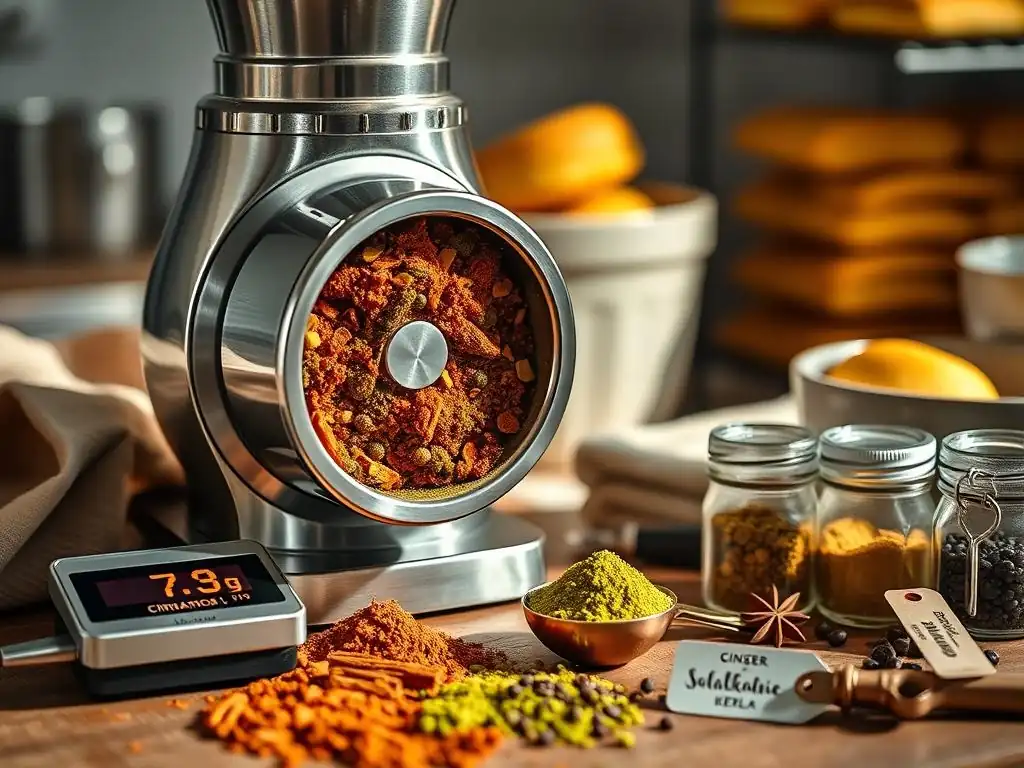
Moving beyond single spices, creating your own custom spice blends with freshly ground ingredients using a burr mill opens up a world of flavor possibilities for your baking. While pre-mixed blends like "pumpkin pie spice" or "apple pie spice" are convenient, crafting your own allows you to control the quality, freshness, and precise ratio of each component. This means you can tailor a blend to your specific taste preferences or the unique requirements of a signature recipe.
For example, a standard pumpkin pie spice might contain cinnamon, ginger, nutmeg, and cloves. By grinding each spice individually with your burr mill and then combining them, you can adjust the proportions – perhaps adding more ginger for a spicier kick or reducing the cloves if you find them too dominant.
Start with classic ratios found in recipes, then make small adjustments in subsequent batches, keeping careful notes of your proportions until you achieve a blend that is perfectly balanced for your needs. This level of control is a significant advantage of doing your own burr mill spice grinding and blending.
Toasting Spices Before Grinding: Flavor Amplification
Toasting whole spices before grinding is an advanced technique that can dramatically enhance their aroma and deepen their flavor profile. This process gently heats the spices, awakening their volatile oils and often bringing out nuttier, richer, or more complex notes that aren't present in the raw spice. While not suitable for all baking applications (you wouldn't typically toast cinnamon sticks for a delicate cake), it can be transformative for spices used in heartier baked goods like spiced breads, fruit pies, or cookies.
To toast spices, place them in a dry skillet over medium heat. Stir or shake the pan frequently to prevent burning. Toast until they become fragrant – this usually takes just a few minutes. Be cautious, as spices can go from perfectly toasted to burnt very quickly.
Once toasted, immediately transfer the spices to a cool dish to stop the cooking process. Allow them to cool completely before grinding them in your burr mill. Spices commonly toasted for baking include coriander seeds, cumin seeds (though less common in sweet baking), cardamom pods, and sometimes whole peppercorns or star anise (use toasted star anise sparingly).
Spice Combination Ideas for Elevating Baked Goods
Experimenting with unusual or classic spice combinations, freshly ground with your burr mill, can take your baked goods to the next level. Here are a few ideas to spark inspiration:
- Orange Zest & Cardamom: A bright, fragrant blend perfect for scones, muffins, or pound cake. Grind cardamom seeds finely and mix with fresh orange zest.
- Black Pepper & Ginger: Adds a surprising warmth and subtle bite to cookies, especially molasses or chocolate varieties. Grind black peppercorns and ginger root (ensure it's very dry, or use dried ginger pieces if your mill can handle them) with your burr mill.
- Nutmeg & Mace: Mace, the outer covering of the nutmeg seed, offers a slightly more delicate and floral version of nutmeg's flavor. A blend of freshly ground nutmeg and mace is exquisite in custards, cream sauces, or spiced cakes.
- Cinnamon & Cayenne: A classic pairing for chocolate, adding a hint of heat that enhances the cocoa flavor in chocolate cakes, brownies, or cookies. Grind cinnamon and a tiny amount of dried cayenne pepper (use caution with hard, oily peppers in your mill).
Using your burr mill for spice grinding allows you to explore these combinations with unparalleled freshness and control.
Conclusion: Achieving Baking Perfection with Burr Mill Ground Spices
Key Benefits and Techniques for Spice Grinding Mastery
Mastering the use of a burr mill for spice grinding is a valuable skill for any baker seeking to elevate their craft. The primary benefit lies in the superior flavor and aroma of freshly ground spices compared to their pre-ground counterparts. By grinding spices just before use, you capture their volatile oils at their peak, translating into more vibrant and impactful flavors in your baked goods.
Key techniques covered include selecting the right burr mill (considering manual vs. electric and burr material), preparing spices correctly, adjusting the grind size for optimal texture and flavor release, and maintaining your mill through regular cleaning. We also explored the critical importance of accurate measurement and advanced methods like toasting spices and crafting custom blends. Embracing these techniques ensures that your burr mill spice grinding efforts consistently yield the best possible results.
Additional Resources for Baking with Spices on BakeWithEase
Exploring the world of spices in baking is a continuous journey, and BakeWithEase is here to support you every step of the way. You can find numerous recipes on our site that benefit immensely from freshly ground spices, from our classic gingerbread cookies that sing with vibrant ginger and cloves, to delicate cardamom buns where the fresh grind makes all the difference.
We also offer articles detailing the flavor profiles of individual spices, guides on pairing spices with different ingredients, and troubleshooting tips for common baking challenges involving flavor. Continue to explore BakeWithEase for more tips, techniques, and inspiration to make your baking truly exceptional, always leveraging the power of freshly ground spices achieved through careful burr mill spice grinding.
Frequently Asked Questions
What is a burr mill and why is it recommended for grinding spices?
A burr mill uses two abrasive surfaces to crush spices, resulting in a more consistent grind compared to blade grinders. This consistent grind is crucial for accurate flavor in baking.
How does using a burr mill impact the flavor profile of baked goods compared to pre-ground spices?
Freshly ground spices from a burr mill release essential oils and aromas that are lost in pre-ground spices, resulting in a more vibrant and intense flavor in your baked goods. This difference is significant.
What types of spices are best suited for grinding in a burr mill for baking?
Hard, whole spices like cinnamon sticks, nutmeg, cloves, and peppercorns are ideal for burr mills. Avoid oily spices like seeds as they can clog the mill.
How do I measure spices accurately after grinding them with a burr mill?
Use a digital kitchen scale for the most accurate measurement, as volume measurements can vary depending on the fineness of the grind. Ensure your scale is properly calibrated.
How do I clean and maintain my burr mill to ensure optimal performance when grinding spices?
Regularly clean the burrs with a stiff brush to remove any spice residue. Avoid using water, as it can damage the mill. Consult your mill's manual for specific cleaning instructions.
Final Reflection: The Art and Science of Precise Spice Grinding
The pursuit of perfect flavor hinges on more than just selecting the right spices; it demands a precise understanding of how we process them. A poorly ground spice can dull even the most vibrant culinary creation, highlighting the critical role of a burr mill in achieving culinary excellence. The subtle nuances of texture and aroma released through careful grinding are the difference between a good dish and a truly exceptional one.
The impact of precise spice grinding extends far beyond the individual kitchen. It speaks to a deeper appreciation for the artistry of cooking, a connection to the origins of our ingredients, and a respect for the delicate balance of flavors. The spice must flow,
as the saying goes, but it must also flow with precision and intention. This journey into the world of burr mills has underscored for me the importance of mindful preparation in achieving culinary mastery, a process that elevates the simple act of cooking into a truly enriching experience.
Now, consider your own spice collection. Do you appreciate the potential locked within each seed, pod, and bark? I encourage you to explore the world of burr mill spice grinding. Invest in the tools that allow you to unlock the full potential of your spices, and discover the transformative power of precise grinding on your culinary creations. The journey towards flavorful perfection begins with a single, carefully ground spice.
Unleash the Aromatic Power of Freshly Ground Spices!
Thanks for taking the time to explore the world of spice grinding with a burr mill! You've now unlocked a secret to unlocking richer, more vibrant flavors in your baking and cooking. Ready to take your culinary skills to the next level?
- Grind your own spice blend today: Experiment with your favorite spices and create a unique flavor profile tailored to your taste. Start with a simple blend and gradually explore more complex combinations.
- Share your creations: Show off your custom spice blends on social media using #BakeWithEaseSpiceBlends – let's inspire each other!
- Discover new spice combinations: Explore our blog for exciting recipe ideas that highlight the benefits of freshly ground spices. What new flavor adventure awaits?
What unique spice blend will you create and what recipe will you elevate with its amazing flavor?