
From Poland: Discovering the Richness of Pumpernickel Variations

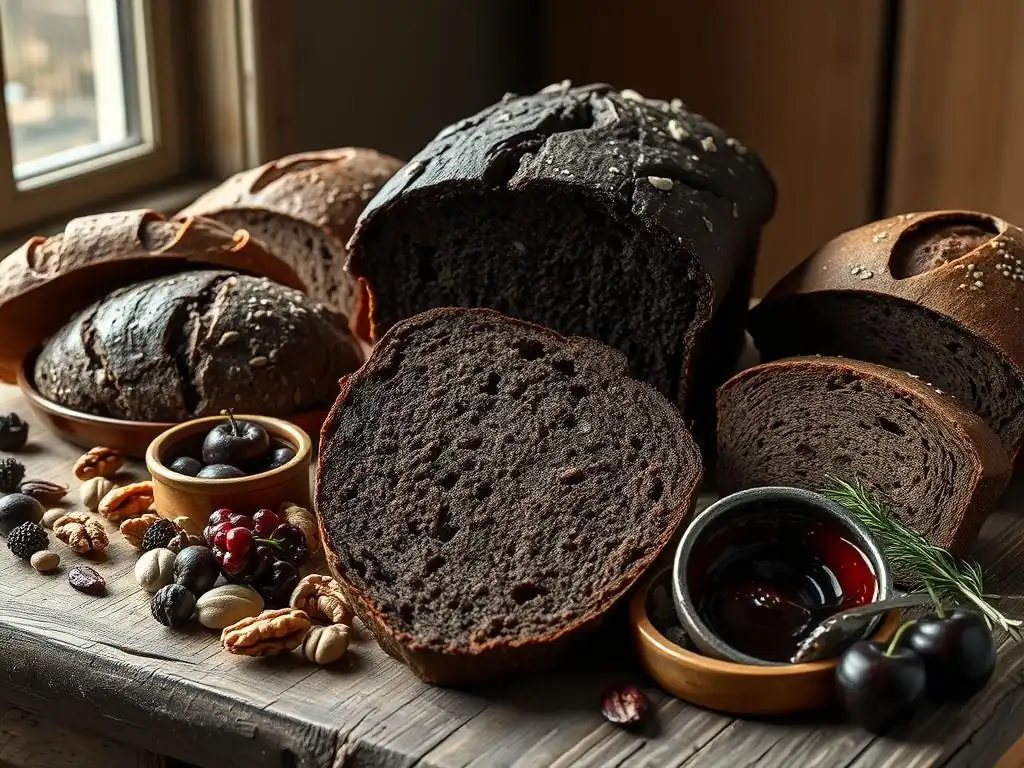
Welcome to BakeWithEase, your trusted guide to the delicious world of baking! Ever wondered how to elevate your bread game beyond the ordinary? Dive into our exploration of Pumpernickel bread recipe variations, and unlock a world of rich, dark flavors and textures. From classic techniques to exciting twists, we'll show you how to transform this humble loaf into a culinary masterpiece. Intrigued? Let's get baking!
- Exploring Polish Rye Breads: A Journey Through Regional Variations
- Introduction to Polish Rye Bread Traditions
- Understanding Traditional Polish Rye Bread: The Foundation
- Rye Bread Recipe Variations from Poland
- Modern Interpretations of Polish Rye Bread Recipes
- Tips for Baking Perfect Polish Rye Bread
- Serving and Enjoying Polish Rye Bread
- Conclusion: Embracing the Diversity of Polish Rye Bread Recipes
-
Frequently Asked Questions
- What makes Pumpernickel bread unique, and what are some common ingredients?
- What are some regional variations of Pumpernickel bread, particularly those with Polish origins?
- What are some easy ways to adapt a basic Pumpernickel recipe for home baking?
- What are some tips for achieving a dark color and rich flavor in homemade Pumpernickel?
- Where can I find step-by-step guides and beginner-friendly recipes for Pumpernickel bread?
- Final Reflection: The Enduring Appeal of Pumpernickel's Many Faces
- Unleash Your Inner Baker: Craft the Perfect Pumpernickel
Exploring Polish Rye Breads: A Journey Through Regional Variations
Introduction to Polish Rye Bread Traditions
The History and Significance of Rye Bread in Poland
Rye has been a staple grain in Poland for centuries, deeply intertwined with the nation's history and culinary identity. Archaeological evidence suggests rye cultivation in the region dates back over a thousand years, thriving in the cooler climate and often less fertile soils where wheat struggled. During medieval times and well into the modern era, rye bread, known as chleb żytni, was the primary food source for the majority of the population, providing essential calories and nutrients.
Its resilience as a crop made it a reliable foundation for daily meals, particularly in rural areas. This long history has cemented rye bread's place not just as food, but as a symbol of Polish sustenance and tradition, often featured prominently in harvest festivals and family celebrations.
The cultural significance of rye bread in Poland extends beyond mere sustenance. It holds a place of honor on the table, especially during important holidays like Christmas Eve (Wigilia) and Easter, where blessed bread is a central element of the festive meal. The tradition of baking rye bread at home, though less common today due to readily available commercial options, is still cherished, passed down through generations.
The process itself, from sourdough starter maintenance to the slow bake, embodies patience and connection to the land. While the focus might sometimes be on specific Pumpernickel bread recipe variations in other regions, Poland boasts its own rich tapestry of dense, flavorful rye breads, each reflecting local ingredients and baking customs, showcasing a fascinating diversity within the broader category of rye.
A Culinary Exploration: Regional Breads of Poland
Poland's diverse geography and historical divisions have given rise to a fascinating array of regional culinary traditions, and bread is no exception. From the Baltic coast in the north to the Tatra mountains in the south, different regions boast distinct styles of chleb żytni, influenced by local ingredients, available grains, and historical connections. For instance, areas historically closer to Germany might show some influence in their darker, denser rye breads, while others might feature lighter loaves mixed with wheat. Exploring these regional variations offers a delicious insight into Poland's culinary heritage.
This journey through Polish regional breads reveals how local conditions shaped baking practices. In the northeast, near Lithuania and Belarus, you might find breads with different fermentation techniques or grain blends compared to breads from the more agricultural central plains or the industrial Silesia region.
Each variation, whether known as Podlaski, Krakowski, or Staropolski, tells a story of its origin. While the term "Pumpernickel bread recipe variations" might specifically reference German traditions, understanding the diverse landscape of Polish rye breads provides a broader appreciation for how dense, flavorful rye loaves evolved across Eastern Europe, with Polish examples offering unique textures and tastes born from centuries of localized baking wisdom.
Understanding Traditional Polish Rye Bread: The Foundation
What Makes Polish Rye Bread Unique?
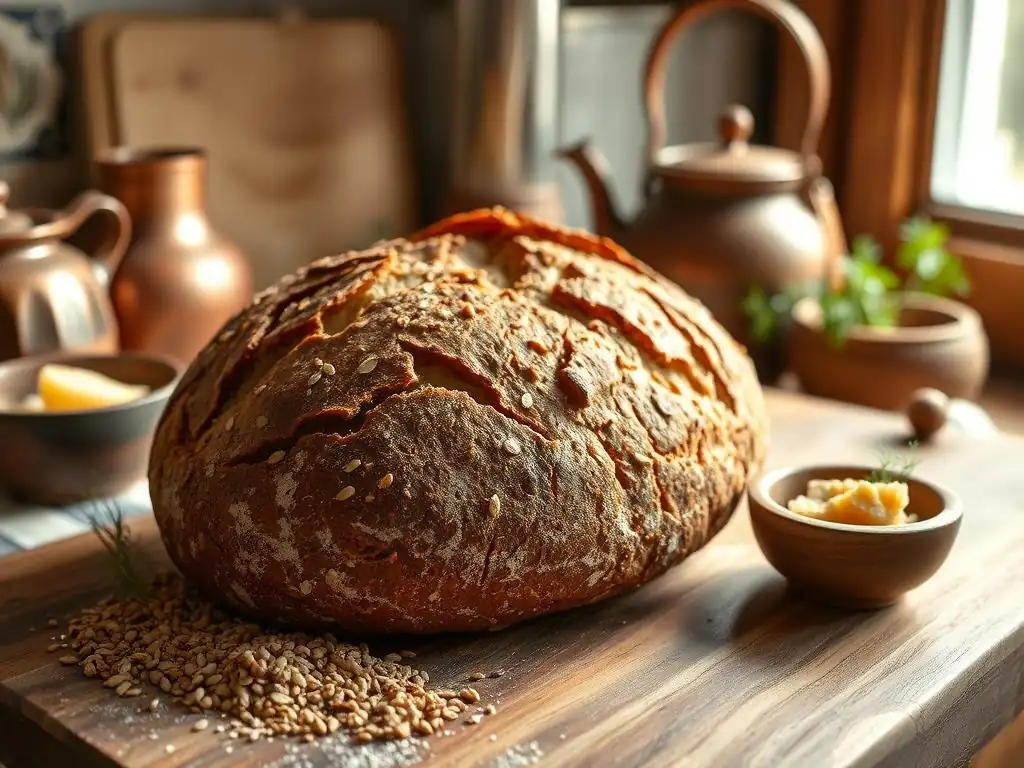
Traditional Polish rye bread stands out due to its characteristic density, robust flavor profile, and often, a tangy note derived from natural fermentation. Unlike many Western breads that rely heavily on fast-acting commercial yeast and white wheat flour, authentic Polish rye bread frequently uses a significant proportion of rye flour, sometimes 100%, and is traditionally leavened using a sourdough starter ( zakwas).
This slow fermentation process develops complex flavors, contributes to the bread's signature chewiness, and improves its keeping qualities. The high pentosan content in rye flour, which absorbs more water than wheat flour, also plays a crucial role in creating the dense, moist crumb texture that is a hallmark of these breads.
Furthermore, the baking process itself contributes to the uniqueness of Polish rye bread. Historically, these loaves were often baked in large, wood-fired ovens, contributing a specific crust character and deep flavor.
While home bakers today might use modern ovens, replicating the conditions, such as baking at high initial temperatures and then reducing the heat, helps achieve that authentic result. The specific types of rye flour used – from coarse meal to finer grades – also vary regionally, leading to different crumb structures and densities, adding another layer to the distinctiveness of Polish rye breads compared to, say, typical Pumpernickel bread recipe variations found elsewhere.
Essential Ingredients for Authentic Polish Rye Bread
The foundation of authentic Polish rye bread lies in a few core ingredients, chosen for their quality and ability to interact during the long fermentation and baking process. The most critical ingredient is, of course, rye flour. Traditional recipes often call for dark rye flour, which includes more of the bran and germ, contributing to the bread's color, flavor, and nutritional value.
The type of rye flour, whether it's a fine sifted flour ( żytnia jasna) or a coarse wholemeal ( żytnia razowa), significantly impacts the final texture and density. Water is another key component, and its quality can influence the sourdough starter and dough consistency.
Beyond flour and water, salt is essential for flavor and controlling fermentation. The leavening agent is almost always a natural rye sourdough starter ( zakwas żytni), a living culture of wild yeasts and lactic acid bacteria that provides lift and the characteristic tang. Some recipes might include a small amount of commercial yeast to boost the rise, but the sourdough remains the primary leavener for truly traditional loaves.
Occasionally, ingredients like caraway seeds, molasses, or a touch of malt are added to enhance flavor and color, particularly in darker variations, further distinguishing these Polish loaves from other Pumpernickel bread recipe variations. The simplicity of the core ingredients highlights the importance of technique and the quality of the starter.
Traditional Baking Methods: Polish Rye Bread Techniques
Traditional Polish rye bread baking involves several key techniques that contribute to its unique structure and flavor. The process typically begins with feeding and activating the rye sourdough starter, ensuring it is vigorous enough to leaven the heavy rye dough. Many recipes utilize a multi-stage fermentation process, sometimes involving a poolish or sponge (a portion of the dough fermented separately) or a long, slow bulk fermentation followed by a final proofing. Unlike wheat doughs, rye doughs are often very wet and sticky, requiring different handling methods, such as using wet hands or a scraper rather than traditional kneading.
Baking is another critical step. Traditionally, loaves were baked directly on the hearth of a hot oven. Achieving a good crust often involves baking at high initial temperatures, sometimes around 230-250°C (450-480°F), often with steam, to allow for oven spring and crust development before reducing the temperature for a longer, slower bake.
This lower temperature phase, sometimes around 180-200°C (350-390°F), ensures the dense interior cooks through without burning the crust. The total baking time can be significant, often ranging from 45 minutes to over an hour for larger loaves, depending on density and size. This careful control of temperature and time is crucial for developing the deep flavors and achieving the desired texture, distinguishing these methods from those used for some other Pumpernickel bread recipe variations which might involve even lower temperatures and longer baking times.
Rye Bread Recipe Variations from Poland
Podlaski Rye: A Dense and Flavorful Loaf
Podlaski rye, hailing from the Podlaskie region in northeastern Poland, is renowned for its considerable density and rich, deep flavor. This bread often incorporates a high percentage of wholemeal rye flour, giving it a dark color and substantial texture. The traditional method frequently involves a long fermentation, sometimes spanning 12 to 24 hours or even longer, using a strong rye sourdough starter.
This extended fermentation process contributes significantly to the bread's complex, slightly sour taste and its characteristic aroma. It's a bread built for sustenance, designed to stay fresh for a long time, making it a staple in rural households.
The texture of Podlaski rye is notably moist and compact, lacking the airy crumb of wheat breads. It's the kind of bread you slice thinly and savor, often paired with hearty toppings. While perhaps not as intensely dark or baked for as long at low temperatures as some German Pumpernickel bread recipe variations, Podlaski rye shares that family resemblance of a dense, nutritious, and long-lasting loaf born from a high proportion of rye and slow fermentation. Its robustness makes it an excellent base for traditional Polish open-faced sandwiches or served alongside thick stews and soups.
Key Ingredients for Podlaski Rye
The core ingredients for Podlaski rye emphasize simplicity and the power of rye. The primary component is typically coarse or wholemeal rye flour ( mąka żytnia razowa), providing the bulk, color, and much of the flavor. This is combined with water and a vigorous rye sourdough starter ( zakwas żytni). Salt is added for seasoning and structure. Some traditional recipes might include a small amount of malt extract or dark syrup (like molasses) to deepen the color and add a subtle sweetness that balances the rye's inherent tanginess.
Occasionally, ground caraway or coriander seeds might be included, though often in smaller amounts than in other regional rye breads. The focus remains squarely on the quality of the rye flour and the vitality of the starter. Using a significant proportion, often 80-100%, of rye flour distinguishes Podlaski rye and gives it its characteristic density, setting it apart from breads with a higher wheat content and placing it firmly in the category of substantial, dark rye loaves, similar in spirit to some dense Pumpernickel bread recipe variations.
Baking Techniques Specific to Podlaski Rye
Baking Podlaski rye often involves techniques aimed at managing its dense structure and ensuring it cooks through evenly. After a potentially long bulk fermentation, the dough, which is typically too sticky to knead conventionally, is shaped, often into a rustic freeform loaf or placed into a loaf pan. A long proofing period, sometimes several hours, allows the slow-acting rye dough to rise sufficiently.
The baking process often starts at a relatively high temperature, around 230°C (450°F), with steam introduced into the oven during the initial phase. This helps create a good crust and allows for some initial expansion. After about 10-15 minutes, the temperature is typically reduced to around 190-200°C (375-390°F) for the remainder of the baking time, which can be significant, often 60-90 minutes or even longer for very large loaves.
This slower, longer bake at a moderate temperature ensures the dense interior is fully cooked and develops its deep flavor. Allowing the bread to cool completely, often for many hours or even overnight, is crucial before slicing, as this allows the internal moisture to redistribute, resulting in the desired dense, moist crumb.
Krakowski Rye: A Lighter, More Aromatic Bread
Krakowski rye, originating from the Kraków region, presents a slightly different character compared to the ultra-dense Podlaski. While still firmly a rye bread, it often incorporates a higher proportion of lighter rye flour or sometimes a mix that includes some wheat flour, resulting in a loaf that is less dense and has a slightly more open crumb structure. This makes it more approachable for those new to dense rye breads. Its flavor is typically aromatic, often featuring the distinct presence of caraway seeds, a popular spice in Southern Polish cuisine.
This bread strikes a balance between the robustness of rye and a slightly lighter texture, making it versatile for various uses. The fermentation might still involve a sourdough starter, contributing depth of flavor, but the overall process might be slightly shorter or the hydration adjusted to achieve the desired texture. Compared to some extremely dark, molasses-heavy Pumpernickel bread recipe variations, Krakowski rye offers a brighter, more spiced flavor profile while retaining the nutritional benefits and satisfying chewiness of rye.
Using Caraway Seeds in Krakowski Rye
Caraway seeds ( kminek) are a signature ingredient in Krakowski rye, setting it apart from many other Polish rye variations. These small, aromatic seeds are typically added to the dough during the mixing stage. When baked, they release their distinctive warm, slightly peppery, and anise-like flavor, which complements the tang of the rye sourdough beautifully.
The amount of caraway seeds used can vary according to personal preference, but they are usually present in sufficient quantity to be noticeable in both aroma and taste. Some bakers lightly crush the seeds before adding them to enhance the release of their essential oils. The inclusion of caraway not only adds flavor but also provides a pleasant textural contrast within the dense crumb. This aromatic element is a key characteristic that defines Krakowski rye and differentiates it from other regional rye breads or Pumpernickel bread recipe variations.
Achieving the Perfect Texture for Krakowski Rye
Achieving the desired texture in Krakowski rye involves careful management of ingredients and technique. While aiming for less density than Podlaski rye, it should still have a satisfying chew. This is often accomplished by using a blend of rye flours, perhaps incorporating some lighter rye or even a small percentage of strong wheat flour (like bread flour) to help structure the dough and create a slightly more open crumb. The hydration level is also important; a slightly less wet dough than typically used for 100% rye can make handling easier and contribute to a less compact loaf.
The fermentation process, while still using sourdough, might be managed to produce a slightly less acidic tang, allowing the caraway flavor to shine. Baking involves similar principles to other rye breads – a hot start with steam, followed by a longer bake at a lower temperature – but the specific timing might be adjusted based on the slightly different dough composition and size of the loaf. Proper cooling is still crucial to allow the internal structure to set and moisture to distribute, ensuring the final bread has the perfect balance of density, chewiness, and aromatic flavor.
Staropolski Rye: A Sourdough Experience
Staropolski rye, translating roughly to "Old Polish" rye, represents a classic, traditional approach to rye bread baking, heavily reliant on a robust sourdough starter and often featuring a simpler ingredient list focused on the pure flavor of fermented rye. This style emphasizes the deep, complex tang and aroma that only a well-maintained, active rye sourdough can provide. It's a bread that connects directly to historical baking practices where sourdough was the only leavening agent available.
This type of rye bread is often made with a high percentage of dark or wholemeal rye flour, contributing to its characteristic color and density, though the exact texture can vary based on the specific recipe and hydration. The long fermentation inherent in using only sourdough develops a profound depth of flavor, often with notes that are earthy, malty, and distinctly sour. While not identical to all Pumpernickel bread recipe variations, Staropolski rye shares the fundamental reliance on slow fermentation and a high proportion of rye flour to create a rich, substantial loaf.
Cultivating a Sourdough Starter for Staropolski Rye
The heart and soul of Staropolski rye is the sourdough starter, or zakwas. Cultivating a healthy and active rye starter is the first and most crucial step. This involves mixing rye flour (often wholemeal rye) with water and allowing it to ferment naturally over several days, feeding it regularly with fresh flour and water. A strong starter will develop a lively population of wild yeasts and lactic acid bacteria, evidenced by bubbling activity and a pleasant, tangy aroma.
Maintaining the starter requires regular feeding, especially if kept at room temperature, or less frequent feeding if stored in the refrigerator. Before baking, a portion of the starter is typically fed a few times at room temperature to ensure it is vigorous and active enough to leaven the heavy rye dough. The specific characteristics of the starter – its hydration level, age, and feeding schedule – will directly impact the flavor and rise of the final Staropolski rye loaf, making the starter itself an integral ingredient and a reflection of the baker's care.
Balancing Acidity in Staropolski Rye
Balancing the acidity is key to a great Staropolski rye. Since it relies solely on sourdough for leavening, the lactic and acetic acids produced during fermentation are responsible for the bread's characteristic tang. Too little fermentation, and the bread can be flat and bland; too much, and it can become excessively sour and potentially gummy.
Achieving the right balance involves controlling fermentation time and temperature. A longer, cooler fermentation tends to favor lactic acid bacteria, resulting in a milder, more rounded tang. A shorter, warmer fermentation can produce more acetic acid, leading to a sharper, vinegary sourness.
Bakers learn to read their starter and dough, adjusting fermentation times based on ambient temperature and desired flavor profile. Some traditional methods also use techniques like a scalding step (mixing hot water with a portion of the rye flour) which can influence fermentation and acidity. Mastering the zakwas and fermentation process is essential for producing Staropolski rye with the perfect depth of flavor and balanced tang.
Modern Interpretations of Polish Rye Bread Recipes
Adapting Traditional Recipes for Home Baking
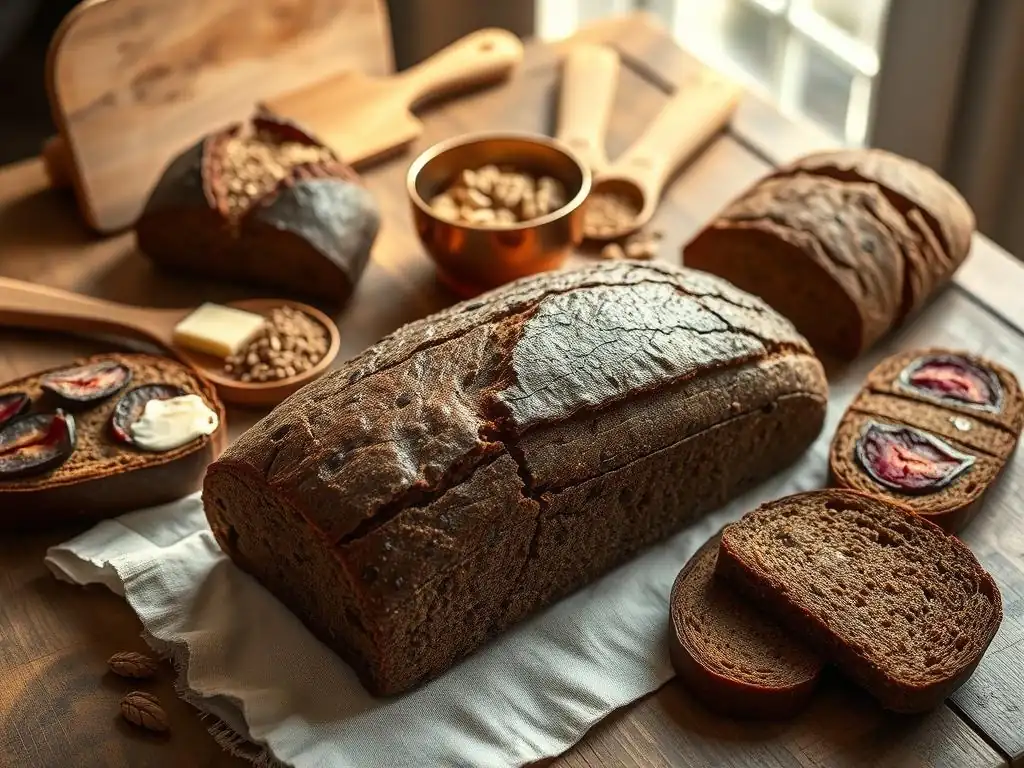
Bringing traditional Polish rye bread recipes into the modern home kitchen often requires some adaptation. While wood-fired ovens are a luxury few possess, excellent results can be achieved with standard electric or gas ovens. Techniques like using a baking stone or steel, and introducing steam into the oven during the initial bake (by placing a tray of water or ice cubes on the oven floor or using a Dutch oven) are effective ways to mimic the conditions of a traditional oven and achieve a good crust and rise.
Scaling down recipes designed for large community ovens to smaller home loaves is also necessary. This involves adjusting ingredient quantities proportionally and potentially reducing baking times. Many home bakers also choose to supplement their sourdough starter with a small amount of commercial yeast to ensure a more predictable rise, especially when starting out with rye baking, which can be more challenging than wheat. While staying true to the spirit of the original, these adaptations make the process more accessible and manageable for the contemporary baker eager to explore Polish rye or even Pumpernickel bread recipe variations at home.
Experimenting with Flavors: Modern Polish Rye Bread Innovations
While classic Polish rye breads are delicious in their own right, modern bakers are increasingly experimenting with flavors and textures, creating innovative interpretations. This can involve incorporating new ingredients, adjusting proportions of traditional ones, or combining techniques from different baking traditions. The inherent robustness of rye provides a fantastic canvas for culinary creativity.
These modern takes might explore adding different types of seeds and grains beyond the traditional caraway, using various sweeteners, or incorporating vegetables like cooked potatoes or onions into the dough for added moisture and flavor. Some bakers might also blend rye with ancient grains like spelt or adjust the ratio of rye to wheat to achieve different crumb characteristics. This willingness to innovate keeps the tradition of Polish rye bread vibrant and evolving, offering exciting new "Pumpernickel bread recipe variations" in the broader sense of dense, flavorful rye loaves.
Adding Seeds and Herbs to Enhance Flavor and Texture
Adding seeds and herbs is a popular way to enhance both the flavor and texture of modern Polish rye breads. Beyond the classic caraway, bakers are incorporating seeds like sunflower, pumpkin, flax, and sesame, either mixed into the dough or sprinkled generously on the crust. These seeds provide appealing crunch and nutty flavors that complement the deep taste of rye.
Herbs like dill, marjoram, or savory, which are common in Polish cuisine, can also be added to the dough, infusing the bread with aromatic notes. Roasted onions or garlic are other additions that provide a savory depth. These simple additions can transform a basic rye loaf into something uniquely flavorful, adding complexity and interest that goes beyond traditional recipes and offers intriguing alternatives to standard Pumpernickel bread recipe variations.
Using Different Flours for a Unique Rye Bread Profile
Experimenting with different types and grinds of rye flour, as well as blending rye with other flours, allows bakers to create unique rye bread profiles. Using a mix of light and dark rye flours can alter the color and density. Incorporating rye chops or cracked rye adds significant texture and chewiness.
Blending rye with flours like spelt, whole wheat, or even a small amount of bread flour can affect gluten development (though rye has very little gluten itself), influencing the crumb structure and making the dough easier to handle. Some modern recipes might even explore using alternative flours like buckwheat or potato flour in smaller quantities, drawing on other Polish culinary traditions. These flour combinations allow for greater control over the final bread's characteristics, expanding the possibilities for Polish rye bread recipes and offering diverse "Pumpernickel bread recipe variations" for home bakers.
Tips for Baking Perfect Polish Rye Bread
Achieving the Right Dough Consistency
Achieving the right dough consistency is crucial for successful Polish rye bread baking, and it's often quite different from working with wheat doughs. Rye doughs, especially those with a high percentage of rye flour, are typically very wet and sticky due to rye's high water absorption capacity. They lack the strong gluten network that allows wheat dough to be kneaded and develop elasticity.
Instead of aiming for a smooth, elastic dough, the goal is usually a wet, shaggy mass that holds its shape loosely. Over-mixing can actually harm rye dough. It's often best mixed gently until combined, then allowed to develop flavor and structure through time and fermentation rather than mechanical kneading.
Using wet hands or a dough scraper is essential for handling these sticky doughs. Paying close attention to the hydration specified in the recipe and adjusting slightly based on the specific flour used is key to getting the consistency right, which is fundamental whether you're tackling a traditional loaf or exploring Pumpernickel bread recipe variations.
Mastering the Baking Time
Mastering the baking time is vital to ensure Polish rye bread is cooked through, which can be challenging given its density. An underbaked rye loaf can be gummy and unpleasant. The total baking time will depend heavily on the size and shape of the loaf, as well as the oven temperature. Large, dense loaves can take 60-90 minutes or even longer.
A good indicator of doneness is the internal temperature of the bread, which should reach at least 95°C (205°F) when measured with an instant-read thermometer inserted into the center of the loaf. The crust should be a deep brown color and sound hollow when tapped on the bottom. It's often better to err on the side of slightly overbaking than underbaking a dense rye loaf. Patience during the long bake is key to achieving a perfectly cooked interior and a satisfying crust.
Cooling and Storing Your Homemade Rye Bread
Proper cooling is perhaps the most overlooked, yet critical, step in baking Polish rye bread. Due to their density and high moisture content, rye breads continue to cook and set internally as they cool. Cutting into a warm rye loaf will result in a gummy, dense texture. It is essential to let the bread cool completely on a wire rack, ideally for several hours, or even 12-24 hours for very large or dense loaves like Podlaski rye.
Once fully cooled, Polish rye bread stores remarkably well due to its acidity and density. It should be stored wrapped in a clean linen towel or placed in a bread box at room temperature. Avoid refrigerating rye bread, as this can actually dry it out and make it stale faster. For longer storage, sliced or unsliced loaves can be wrapped tightly and frozen for several months. Allowing this extensive cooling period ensures you experience the bread's intended texture and flavor, whether it's a classic Staropolski or one of your own "Pumpernickel bread recipe variations."
Serving and Enjoying Polish Rye Bread
Traditional Polish Pairings
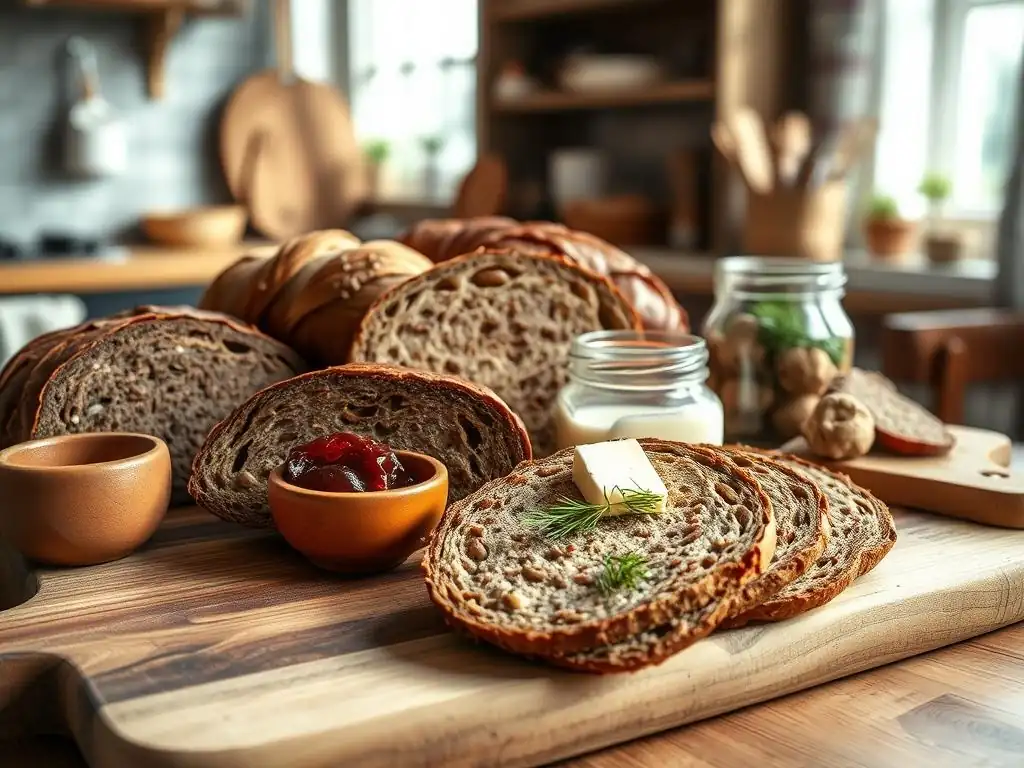
Polish rye bread is traditionally served as a versatile accompaniment to a wide variety of dishes. Its robust flavor and hearty texture make it an excellent base for open-faced sandwiches (kanapki), topped with everything from simple butter and salt to more elaborate spreads like smalec (lard with cracklings), various cold cuts ( wędliny), cheeses, pickled herring ( śledź), or sliced tomatoes and cucumbers with a sprinkle of dill.
It is also the perfect partner for hearty Polish soups like żurek (sour rye soup), barszcz (beetroot soup), or stews like bigos (hunter's stew). A thick slice of rye bread is essential for soaking up the rich broths and sauces. The slight tang of the sourdough rye cuts through the richness of these dishes beautifully. Whether it's a dense Podlaski or a lighter Krakowski, Polish rye bread is integral to the traditional Polish meal experience, offering a distinctly different flavor profile than lighter wheat breads or many standard Pumpernickel bread recipe variations.
Creative Ways to Use Rye Bread
Beyond traditional pairings, Polish rye bread can be used creatively in modern cooking. Stale rye bread makes an excellent base for croutons, breadcrumbs, or even kvass, a traditional fermented drink. Cubed and toasted, it can be added to salads or used in stuffing.
Its strong flavor holds up well in savory applications. Think of using thinly sliced rye bread as a base for canapés with smoked salmon or strong cheeses. It can also be incorporated into savory bread puddings or used to thicken soups and stews. The unique texture and flavor of Polish rye bread offer exciting possibilities for adding depth and character to both traditional and contemporary dishes, proving its versatility extends far beyond the simple loaf, offering unique avenues compared to typical uses for Pumpernickel bread recipe variations.
Conclusion: Embracing the Diversity of Polish Rye Bread Recipes
Exploring the world of Polish rye bread is a rewarding journey for any baker or food enthusiast. From the deeply traditional, dense Staropolski reliant solely on sourdough, to the aromatic Krakowski with its hint of caraway, and the substantial Podlaski, each regional variation offers a unique expression of Poland's rich baking heritage. These breads are more than just food; they are cultural touchstones, embodying history, resilience, and the simple goodness of fermented grain.
Understanding the nuances of Polish rye flour, the power of a well-maintained zakwas, and the patient techniques required for baking these dense loaves provides a deeper appreciation for the craft. While the term "Pumpernickel bread recipe variations" might bring to mind German traditions, the Polish landscape of rye breads offers its own fascinating diversity, showcasing how similar core ingredients can yield a stunning array of textures and flavors.
We encourage you to try baking one of these recipes yourself – embrace the stickiness of the dough, the long wait for the bake, and the incredible reward of slicing into a homemade Polish rye loaf. It's a delicious way to connect with centuries of tradition and discover your own favorite variation.
Frequently Asked Questions
What makes Pumpernickel bread unique, and what are some common ingredients?
Pumpernickel is unique due to its dark color and intense flavor, achieved through a long baking process and often using rye flour. Common ingredients include rye flour, whole wheat flour, molasses, and sometimes coffee or cocoa powder.
What are some regional variations of Pumpernickel bread, particularly those with Polish origins?
While traditionally German, Polish variations sometimes incorporate local grains like spelt or add spices like caraway or anise. These additions create subtly different flavor profiles.
What are some easy ways to adapt a basic Pumpernickel recipe for home baking?
You can easily adapt a recipe by experimenting with different types of flour (e.g., dark rye vs. light rye), adding seeds like sunflower or pumpkin, or adjusting the amount of molasses for sweetness.
What are some tips for achieving a dark color and rich flavor in homemade Pumpernickel?
Achieving the dark color and flavor requires a long, slow bake at a low temperature. Using dark molasses or blackstrap molasses also significantly contributes to the depth of flavor and color.
Where can I find step-by-step guides and beginner-friendly recipes for Pumpernickel bread?
You can find beginner-friendly recipes and step-by-step guides on websites like BakeWithEase.com, which offer resources for bakers of all levels. Look for recipes specifically labeled "beginner-friendly" or "easy Pumpernickel."
Final Reflection: The Enduring Appeal of Pumpernickel's Many Faces
The humble pumpernickel, a bread often overlooked, reveals a surprising depth of flavor and versatility when explored beyond its traditional form. Its enduring popularity, particularly in its many regional variations, speaks to a timeless connection between food, culture, and personal expression. From the darkest, densest loaves to lighter, more subtly spiced versions, pumpernickel offers a culinary journey waiting to be undertaken.
This exploration of pumpernickel's diverse recipes has been a fascinating journey, highlighting not only the bread's inherent deliciousness but also its role as a cultural ambassador. The subtle shifts in ingredients and baking techniques reflect the unique histories and culinary traditions of different regions, underscoring the power of food to connect us across time and place. Food is symbolic of love when words are inadequate.
- Alan D. Wolfelt. This quote perfectly encapsulates the emotional resonance that pumpernickel, in its myriad forms, holds for so many.
Now, it's your turn. Consider the recipes presented here as a starting point, a springboard for your own culinary adventures. Experiment with different grains, spices, and baking methods. Don't be afraid to deviate from the traditional, to add your own personal touch and create a pumpernickel that truly reflects your unique taste. The possibilities are as endless as the variations themselves, and the reward – a delicious, deeply satisfying loaf of bread – is well worth the effort.
Unleash Your Inner Baker: Craft the Perfect Pumpernickel
Thanks for joining us on this delicious journey into the world of pumpernickel! We hope you discovered new depths of flavor and technique. Ready to take your baking to the next level?
- Bake your own pumpernickel masterpiece! Use the recipes and tips from this article as a springboard to create your signature pumpernickel loaf. Experiment with different grains and spices—the possibilities are endless!
- Share your pumpernickel creations with us! Post pictures of your baking triumphs on social media using #BakeWithEasePumpernickel and tag us @BakeWithEase. We'd love to see your results.
- Explore other traditional breads from around the world on our website – discover even more baking adventures waiting for you!
What unique ingredient will you add to your next pumpernickel loaf to make it truly your own?