
Vanilla Bean vs. Extract: Unlocking the Secret to Better Baking

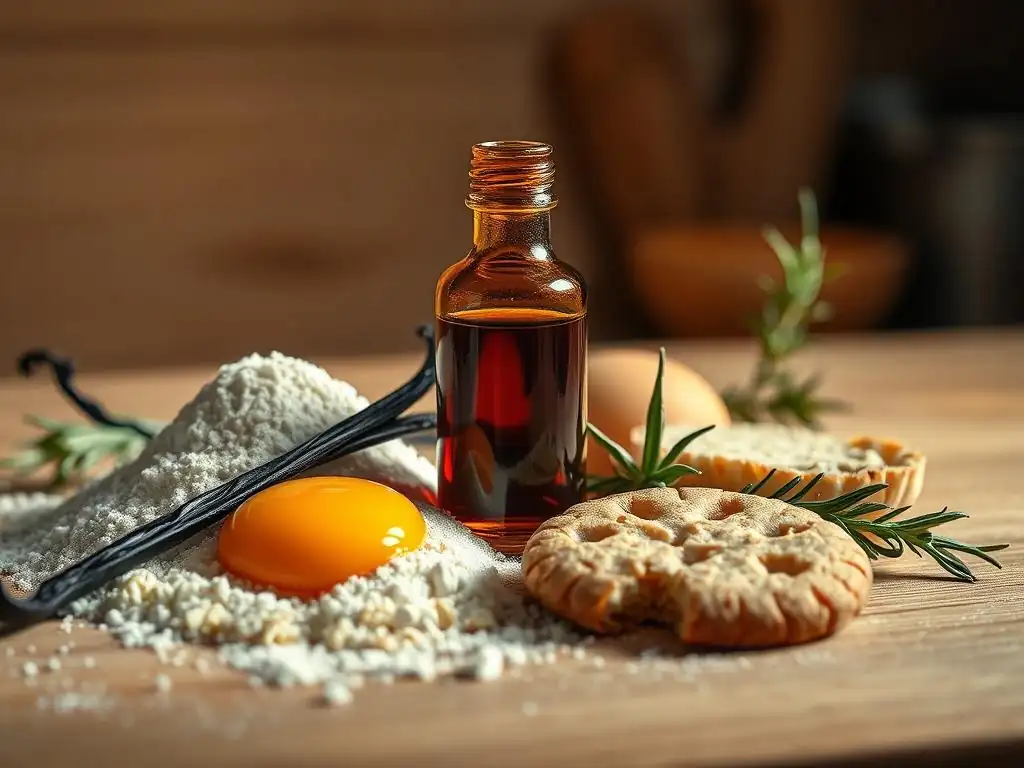
Welcome to BakeWithEase, your partner in creating delicious memories, one recipe at a time! Ever wondered if that subtle difference between vanilla bean vs. extract is truly worth the hype (and the price)? Prepare to unlock the secret to enhanced flavor and aroma as we delve deep into the world of vanilla, exploring when to use each and why it matters. Get ready to elevate your baking from good to extraordinary!
- Vanilla Bean vs. Extract: Elevating Flavor in Baking
- Understanding Vanilla: A Baker's Foundation
- The Vanilla Bean: Exploring Whole Vanilla
-
Vanilla Extract: The Baker's Essential
- What is Vanilla Extract? Production Methods and Regulations
- Types of Vanilla Extract: Pure, Imitation, and Double-Fold
- Understanding Vanilla Extract Quality: Vanillin Content and Origin
- Using Vanilla Extract in Baking: Dosage Guidelines and Applications
- Homemade Vanilla Extract: A Simple DIY Project
- Vanilla Bean vs. Extract: A Detailed Baking Comparison
- Choosing the Right Vanilla: Project-Specific Considerations
- Elevating Baking with Vanilla: Expert Techniques
- Conclusion: Mastering Vanilla in Baking
-
Frequently Asked Questions
- What is the fundamental difference between vanilla bean and vanilla extract?
- When is it best to use a vanilla bean instead of vanilla extract in baking?
- Does the type of vanilla bean (e.g., Madagascar, Tahitian) impact the final flavor of my baked goods?
- How should I store vanilla beans and vanilla extract to maximize their shelf life?
- Is it possible to substitute vanilla extract for vanilla bean, and if so, what's the proper ratio?
- Final Reflection: The Sweet Truth About Vanilla's Power
- Unlock Your Baking Potential: Taste the Difference!
Vanilla Bean vs. Extract: Elevating Flavor in Baking
Understanding Vanilla: A Baker's Foundation
The Appeal of Vanilla: A Complex Flavor Profile
Vanilla is one of the most universally beloved flavors, cherished for its warm, sweet, and aromatic qualities. It's far more complex than simple sweetness, boasting hundreds of aromatic compounds that contribute to its rich profile. This complexity is why vanilla can enhance and complement almost any other flavor, making it indispensable in both sweet and savory applications, though it's most famous in desserts. The subtle notes can range from creamy and floral to smoky and spicy, depending on the origin and processing of the vanilla.
This intricate array of flavors is what makes understanding vanilla bean vs extract so crucial for bakers aiming for exceptional results. While often used interchangeably in recipes, the form of vanilla you choose significantly impacts the final taste, aroma, and even appearance of your baked goods. A high-quality vanilla can transform a simple cake or cookie into something truly special, adding depth and sophistication that elevates the entire dish. Mastering the nuances of vanilla is a key step for any baker looking to refine their craft.
Vanilla Bean vs. Extract: A Comparative Overview
The primary difference between vanilla bean vs extract lies in their form, concentration, and the range of flavor compounds they deliver. A vanilla bean is the cured pod of the vanilla orchid, containing thousands of tiny seeds and a rich, oily pulp packed with flavor. It represents the vanilla flavor in its most natural, unprocessed state (after curing). Using a bean involves scraping out the seeds and often infusing the pod itself to extract maximum flavor.
Vanilla extract, on the other hand, is made by macerating chopped vanilla beans in a solution of alcohol and water. This process extracts the flavor compounds from the bean into a liquid form, making it convenient for measuring and incorporating into batters and doughs. While pure vanilla extract captures many of the bean's volatile aromatics, the extraction process and filtration can sometimes leave behind some of the subtle nuances present in the whole bean. The choice between vanilla bean vs extract often depends on the desired intensity, texture, visual appeal, and budget for a particular baking project.
The Vanilla Bean: Exploring Whole Vanilla
What is a Vanilla Bean? Origins and Cultivation
A vanilla bean is the fruit of the vanilla orchid, Vanilla planifolia, native to Mexico. It's a labor-intensive crop, as the flowers must be hand-pollinated, typically within a narrow window of just a few hours after they bloom. After pollination, the beans take several months to mature on the vine. The subsequent curing process, which involves sun-drying and sweating over weeks or even months, is critical for developing the characteristic aroma and flavor compounds, including vanillin. This meticulous process contributes to vanilla's status as one of the world's most expensive spices.
Historically, vanilla cultivation was confined to Mexico because only the native Melipona bee could pollinate the flowers. However, in the 1840s, a method for hand-pollination was discovered, allowing vanilla to be grown in tropical regions worldwide. Today, major producers include Madagascar, Indonesia, Papua New Guinea, and Uganda, each contributing distinct flavor profiles to the global market. The origin and curing methods significantly influence the final quality and characteristics of the vanilla bean.
Vanilla Bean Varieties: Madagascar, Tahitian, Mexican, and More
Vanilla beans are broadly categorized by their origin, with each variety offering a unique flavor profile. Madagascar Bourbon vanilla ( Vanilla planifolia grown in Madagascar and surrounding islands) is the most common and considered the classic vanilla flavor – rich, creamy, and sweet with familiar notes. This is often the benchmark when discussing vanilla bean vs extract, as many extracts are made from these beans.
Tahitian vanilla ( Vanilla tahitensis) has a distinctively floral, fruity, and sometimes cherry-like aroma and flavor. It's plumper and contains fewer seeds than the planifolia variety. Mexican vanilla ( Vanilla planifolia grown in Mexico) offers a smoky, spicy, and slightly woody profile, reflecting its origin. Other varieties like Ugandan vanilla (bold, smoky) and Indonesian vanilla (less creamy than Madagascar, sometimes woody) also exist, each bringing different characteristics to baking. Choosing a specific vanilla bean vs extract made from a generic blend can unlock new dimensions of flavor in your recipes.
Using Vanilla Beans in Baking: Scraping, Infusion, and Pod Uses
Using a vanilla bean in baking involves releasing the tiny, dark seeds (often called "vanilla caviar") and utilizing the flavorful pod. To scrape a bean, slice it lengthwise with a sharp knife, then use the back of the knife or a spoon to scrape the paste and seeds from the inside of both halves.
These seeds provide intense flavor and visible flecks, a hallmark of high-quality vanilla desserts like crème brûlée or panna cotta. A single good-quality vanilla bean can impart as much flavor as 1 to 3 teaspoons of pure vanilla extract, depending on the bean's size and freshness.
The scraped pod still contains significant flavor compounds. It can be steeped in liquids like milk or cream (for custards, sauces, or ice cream bases) to infuse them with vanilla aroma before being removed. Alternatively, dried, used pods can be buried in granulated sugar to create vanilla sugar, adding a subtle hint of vanilla to everyday sweetening. This dual use of the bean and pod offers more flavor extraction and value compared to simply using vanilla bean vs extract alone.
Vanilla Bean Paste: Convenience and Intensity
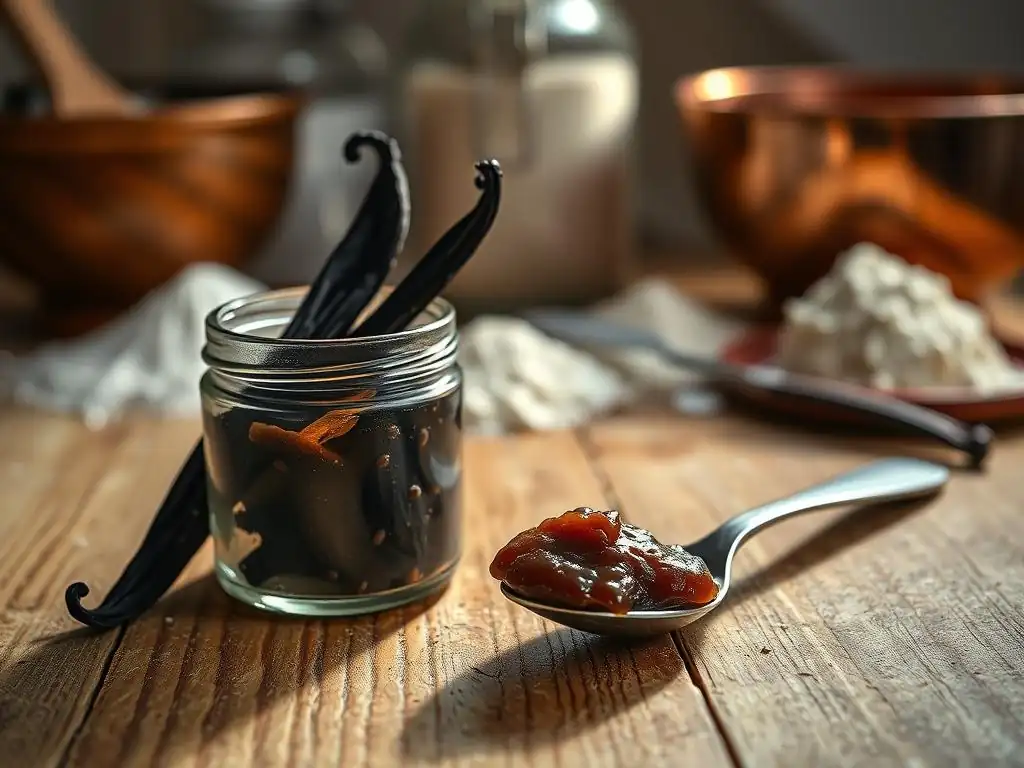
Vanilla bean paste offers a convenient middle ground between using whole vanilla beans and liquid extract. It's typically a concentrated mixture of vanilla extract and vanilla bean seeds, often thickened with a natural gum. This provides the intense flavor of pure extract along with the visual appeal of the vanilla bean specks, without the step of scraping a whole bean. It's particularly popular for recipes where the visual aspect of vanilla seeds is desired, such as ice cream, panna cotta, or frostings.
One teaspoon of vanilla bean paste is often considered equivalent in strength to one teaspoon of pure vanilla extract, although the flavor profile is richer due to the presence of the seeds and potentially higher concentration. It stores well and is easy to measure, making it a favorite for many home bakers. While generally more expensive per ounce than pure extract, it can be more cost-effective than using whole beans for large batches, offering a balance in the vanilla bean vs extract vs paste debate.
Storing Vanilla Beans: Maintaining Freshness and Aroma
Proper storage is essential to maintain the freshness, moisture, and potent aroma of vanilla beans. They should be stored in an airtight container, such as a glass tube or a zip-top bag, away from direct light and heat. Avoid refrigerating or freezing vanilla beans, as this can dry them out or cause condensation, potentially leading to mold. The ideal storage temperature is cool room temperature, around 60-70°F (15-21°C).
When stored correctly, high-quality vanilla beans can remain fresh and pliable for up to two years, although their aroma is best within the first year. If a bean starts to dry out, it can sometimes be rehydrated by briefly soaking it in warm milk or water before use, though some flavor may be lost. Investing in proper storage ensures you get the most out of your vanilla bean vs extract purchase, preserving their value and flavor for future baking projects.
Vanilla Extract: The Baker's Essential
What is Vanilla Extract? Production Methods and Regulations
Vanilla extract is a solution made by steeping vanilla beans in alcohol and water. According to regulations in countries like the United States, pure vanilla extract must contain at least 35% alcohol by volume and be made using 13.35 ounces of vanilla beans per gallon of liquid. This standard ensures a minimum concentration of vanillin and other flavor compounds. The process involves chopping or grinding the beans and allowing them to macerate in the alcohol solution for several weeks or months, during which the flavors are extracted. The liquid is then filtered to remove bean solids.
Different production methods can influence the final quality. Cold extraction methods are often preferred to preserve the delicate aromatic compounds that can be damaged by heat. The quality of the vanilla beans used is the most significant factor determining the flavor of the extract. Understanding the production of pure vanilla extract versus imitation is crucial when comparing vanilla bean vs extract options for your baking.
Types of Vanilla Extract: Pure, Imitation, and Double-Fold
There are several types of vanilla extract available, each with varying quality and flavor profiles. Pure vanilla extract, as defined by regulatory standards, is made solely from vanilla beans, alcohol, and water. It captures a complex range of flavors from the beans. Imitation vanilla extract, on the other hand, is made from synthetic vanillin, the primary flavor compound in vanilla, often derived from sources like wood pulp or petrochemicals. While cheaper, it lacks the hundreds of other aromatic compounds found in pure vanilla, resulting in a simpler, often harsher flavor.
Double-fold vanilla extract is a more concentrated version of pure extract, using twice the amount of vanilla beans per gallon (26.7 ounces/gallon) compared to single-fold pure extract. This results in a much stronger, more intense vanilla flavor, meaning you need less of it in recipes. Triple-fold or even higher concentrations also exist but are less common. When evaluating vanilla bean vs extract, considering the fold strength of the extract is important for achieving the desired flavor intensity.
Understanding Vanilla Extract Quality: Vanillin Content and Origin
The quality of pure vanilla extract is primarily determined by the quality and origin of the vanilla beans used and the extraction process. While vanillin is the most abundant flavor compound (typically making up 1-2% of a cured bean's weight), a superior extract contains a rich balance of hundreds of other volatile organic compounds. A higher vanillin content often indicates a stronger extract, but the complexity and nuance come from the other compounds. Some manufacturers list the vanillin content, or you can infer concentration from terms like "single-fold" or "double-fold."
The origin of the beans also significantly impacts the extract's flavor, mirroring the characteristics of the beans themselves (e.g., a Madagascar extract will taste different from a Tahitian extract). Artisanal extracts often highlight the bean origin. Furthermore, the aging process after extraction can mellow the flavors and enhance complexity, much like aging fine spirits. Paying attention to bean origin and whether the extract is single or double-fold helps in selecting the best vanilla extract for your needs when considering vanilla bean vs extract in your baking.
Using Vanilla Extract in Baking: Dosage Guidelines and Applications
Vanilla extract is incredibly versatile and easy to use in baking, making it a pantry staple. It's typically added as a liquid ingredient, easily stirred into batters, doughs, creams, and sauces. The standard dosage is usually 1 to 2 teaspoons for a typical batch of cookies, cake, or batch of frosting. However, the precise amount can be adjusted based on personal preference and the desired intensity of vanilla flavor.
It's generally best to add vanilla extract towards the end of the mixing process or just before baking. While it is alcohol-based, the alcohol evaporates during baking, leaving behind the vanilla flavor. Adding it too early, especially when creaming butter and sugar, can sometimes lead to some flavor loss during extensive mixing. Vanilla extract is particularly well-suited for recipes where you want the vanilla flavor to be present but not necessarily dominant, or where visible vanilla seeds are not desired. It's the workhorse in the vanilla bean vs extract comparison for everyday baking.
Homemade Vanilla Extract: A Simple DIY Project
Making your own vanilla extract is a rewarding and surprisingly simple DIY project that allows control over the type and quality of beans used. The basic recipe involves steeping chopped vanilla beans in a food-grade alcohol, such as vodka, rum, or bourbon (vodka is often preferred for its neutral flavor, letting the vanilla shine). The ratio is typically 1 ounce of vanilla beans (about 6-8 beans) per cup (8 fluid ounces) of 70-80 proof alcohol.
To make it, split the vanilla beans lengthwise, chop them into smaller pieces (about 1/2 inch), and place them in a clean glass bottle or jar. Pour the alcohol over the beans, ensuring they are fully submerged. Seal the container and store it in a cool, dark place, shaking it gently every week or so.
The extract needs time to steep, ideally at least 6-8 weeks, but 6-12 months will yield a much richer, more complex flavor. Once ready, you can strain out the beans or leave them in. Making your own allows for experimentation with different bean varieties, offering a personalized take on the vanilla bean vs extract choice.
Vanilla Bean vs. Extract: A Detailed Baking Comparison
Flavor Profile: Nuance and Intensity
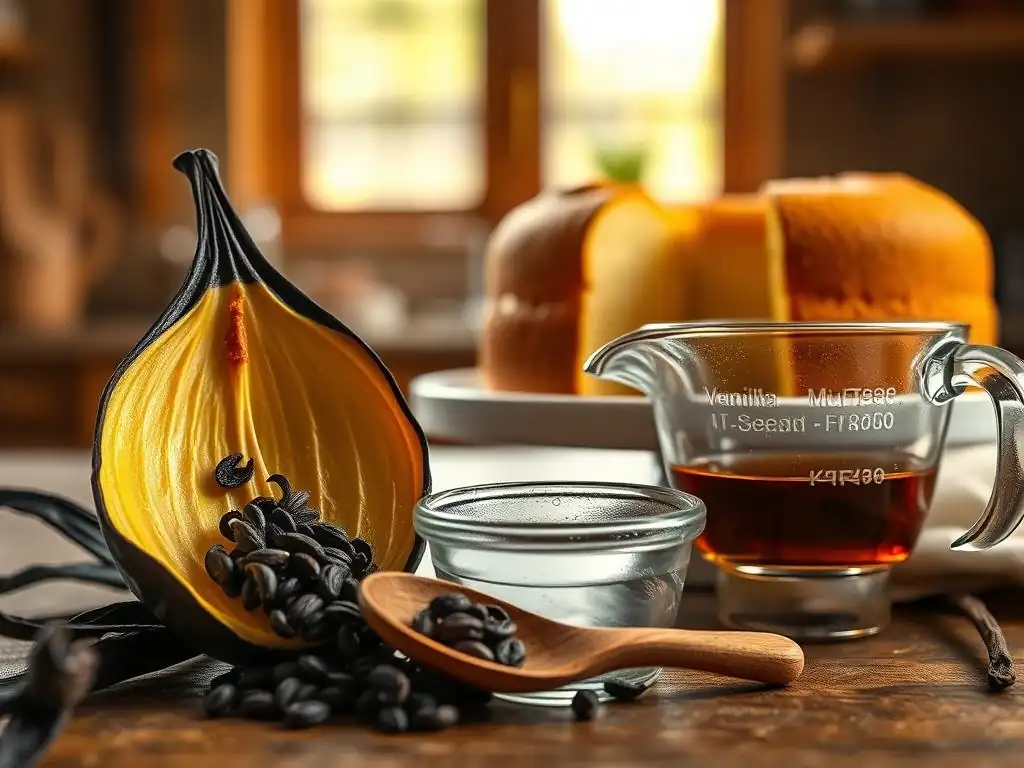
When comparing vanilla bean vs extract, the most significant difference lies in their flavor profile. A whole vanilla bean, especially when using both the seeds and infusing the pod, offers the broadest spectrum of vanilla's natural compounds. This results in a rich, complex, and nuanced flavor with subtle undertones that vary by origin – perhaps floral notes from a Tahitian bean or smoky hints from a Mexican one. The flavor is often described as deeper and more rounded.
Pure vanilla extract captures many of these compounds, providing a recognizable and potent vanilla flavor. However, the extraction and filtration process can sometimes leave behind some of the more delicate or heavier flavor molecules present in the whole bean. While a high-quality extract is excellent, it generally provides a more straightforward vanilla taste compared to the full complexity of a whole bean. Imitation extract, made from synthetic vanillin, offers only the most basic vanilla note, lacking depth entirely. Thus, the choice of vanilla bean vs extract impacts the overall sophistication of your dessert's flavor.
Cost Analysis: Price per Use and Value
Comparing the cost of vanilla bean vs extract reveals a significant difference. High-quality vanilla beans are considerably more expensive per serving than pure vanilla extract. A single premium vanilla bean can cost anywhere from \$4 to \$10 or more, depending on variety, grade, and market fluctuations. While one bean can be potent, it's still a high upfront cost per use.
Pure vanilla extract is generally more affordable, with a standard 4-ounce bottle costing around \$10 to \$25. Given that recipes typically call for 1-2 teaspoons (which is roughly 1/6 to 1/3 of an ounce), a bottle can last for many baking sessions. Double-fold extract is more expensive per ounce but offers higher concentration, potentially making it more cost-effective per unit of flavor.
Imitation vanilla is the cheapest option, often costing just a few dollars for a bottle, but it provides significantly less flavor value. When evaluating vanilla bean vs extract based on budget, extract is usually the more economical choice for everyday baking, while beans are a premium ingredient for special occasions or specific recipes.
Baking Applications: Best Uses for Beans vs. Extract
The best application for vanilla bean vs extract often depends on the recipe and desired outcome. Vanilla beans excel in dishes where vanilla is the star flavor and where the visual presence of the seeds is desirable. Examples include:
- Crème brûlée
- Panna cotta
- Ice cream and custards
- Simple syrups
- White cakes or frostings where dark specks are a feature
Pure vanilla extract is incredibly versatile and suitable for a wide range of baked goods. It integrates seamlessly into batters and doughs and is less prone to clumping than scraping seeds directly into dry ingredients. It's the go-to for:
- Cookies
- Cakes (especially those with chocolate or spices where vanilla plays a supporting role)
- Muffins and quick breads
- Brownies
- Most frostings and glazes
While you can substitute vanilla bean vs extract (approximately 1/2 to 1 inch of bean or 1/4 to 1/2 teaspoon paste for 1 teaspoon extract), the results will differ in flavor intensity and appearance.
Availability and Storage: Accessibility and Shelf Life
Vanilla extract is widely available in most grocery stores, making it highly accessible for home bakers. It has an excellent shelf life when stored properly (in a cool, dark place), often remaining potent for 2-3 years, although the alcohol content means it doesn't technically "go bad," the flavor can diminish over time.
Vanilla beans are less commonly found in standard supermarkets and may require a trip to a specialty food store, spice shop, or online retailer. Their availability can fluctuate based on harvest. As discussed, they require specific storage conditions to maintain quality and are best used within a year or two. Vanilla bean paste offers better accessibility than whole beans and a shelf life similar to extract, typically 1-2 years. Considering the availability and storage needs is part of deciding between vanilla bean vs extract for your pantry.
Impact on Texture and Appearance: Visual and Tactile Differences
The form of vanilla used can subtly affect the texture and appearance of baked goods. Vanilla beans introduce tiny, dark specks (the seeds) into the finished product. In light-colored desserts like vanilla ice cream, custards, or white cakes, these specks are highly visible and often considered a mark of quality and authentic vanilla flavor. The seeds themselves have no significant impact on texture in most applications, though in very delicate meringues or glazes, the tiny seeds might be discernible.
Vanilla extract, being a liquid, incorporates smoothly into batters and doughs without altering texture or adding visible particles. This is preferable in recipes where a perfectly smooth appearance is desired, or where the dark specks would clash visually (e.g., a bright white royal icing). Using vanilla bean vs extract thus offers a visual choice for the baker. Vanilla bean paste provides a compromise, adding both liquid flavor and visible specks.
Choosing the Right Vanilla: Project-Specific Considerations
Recipe Requirements: Bean, Extract, or Substitute?
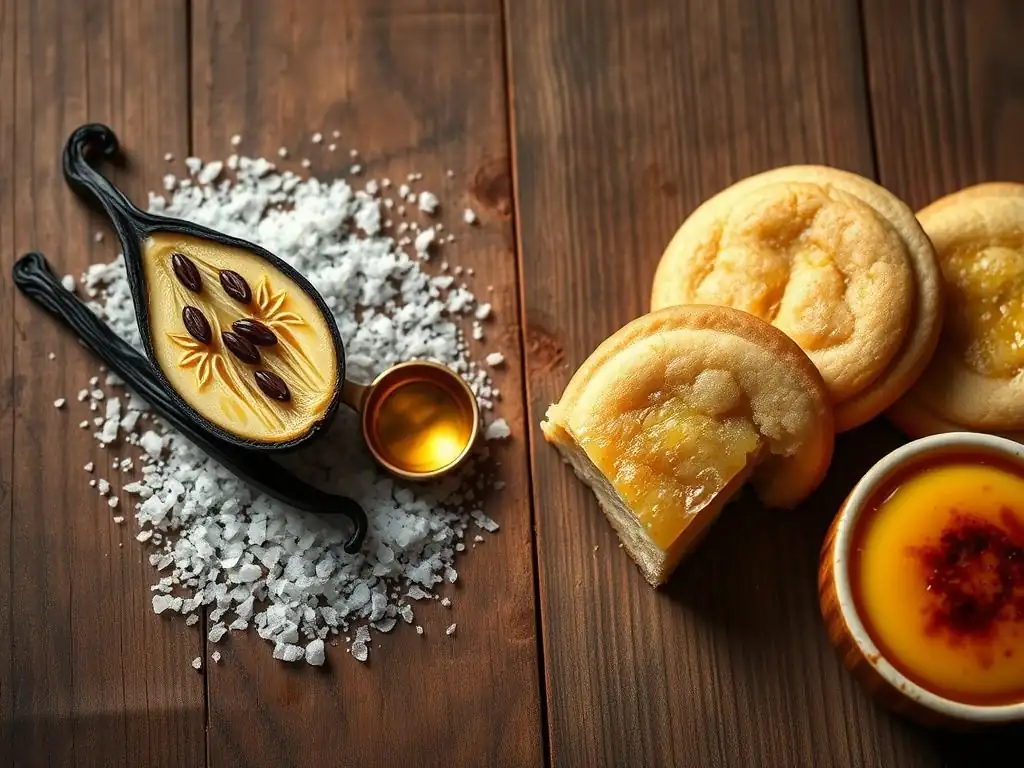
The recipe itself is often the first guide in choosing between vanilla bean vs extract. Many recipes specifically call for one form over the other based on the desired flavor intensity, visual outcome, or method of incorporation. If a recipe for crème brûlée specifies a vanilla bean, it's likely because the author intends for the deep, nuanced flavor and visible seeds to be central to the dish. Substituting extract might still yield a tasty dessert, but it won't be quite the same.
Conversely, a recipe for chocolate chip cookies usually calls for vanilla extract. While you could use a bean, the seeds would largely disappear visually and the subtle nuances of the bean might be lost among the stronger flavors of chocolate and brown sugar. Using extract is more practical and cost-effective in such cases. Always check the recipe first, but understanding the characteristics of vanilla bean vs extract allows you to make informed substitutions if necessary or desired.
Budget: Balancing Quality and Affordability
Budget is a practical consideration when deciding between vanilla bean vs extract. As noted, vanilla beans are significantly more expensive per use than extract. If you're baking frequently or making large batches, relying primarily on pure vanilla extract is usually more economical. A high-quality pure extract can provide excellent flavor without the premium cost of beans.
However, for special occasions or recipes where vanilla is the highlight, splurging on a vanilla bean might be worthwhile for the superior flavor and visual appeal. Vanilla bean paste offers a middle ground on price, often being more affordable than using whole beans but more expensive than standard pure extract. Balancing the desire for peak flavor with what's financially feasible for a particular baking project is key when comparing vanilla bean vs extract options.
Desired Flavor: Achieving the Right Vanilla Note
The specific flavor profile you want to achieve is a major factor in the vanilla bean vs extract decision. If you're aiming for a complex, multi-layered vanilla flavor with specific undertones (like smoky or floral), using a whole vanilla bean from a particular origin is the best approach. This allows you to experience the full range of aromatic compounds unique to that bean.
If you need a strong, classic vanilla presence that complements other flavors without overpowering them, a high-quality pure vanilla extract (especially Madagascar Bourbon) is an excellent choice. For recipes where vanilla is a background note or combined with many other strong flavors, a standard pure extract is perfectly adequate. Imitation extract should only be used when cost is the absolute priority and flavor quality is secondary, as it provides only a flat vanillin taste. Understanding the nuances of vanilla bean vs extract flavor profiles helps you select the perfect match for your recipe's goals.
Different types of baked goods benefit differently from vanilla bean vs extract.
- Cakes: Pure extract is standard and works well, distributing evenly. In a delicate sponge or pound cake where vanilla is prominent, a high-quality extract or even vanilla bean paste for the specks can elevate it.
- Cookies: Extract is the most common choice, easy to mix into dough. For cookies where vanilla is a main flavor (like shortbread), a good pure extract or double-fold extract makes a difference.
- Creams, Custards, and Ice Cream: These are ideal applications for vanilla beans. Infusing the milk or cream with a scraped bean and its pod imparts maximum flavor and creates the desirable speckled appearance. Vanilla bean paste is also excellent here. Extract works, but may result in a less intense flavor and lacks the visual appeal.
- Frostings: Extract or paste is usually preferred for ease of mixing. Vanilla bean paste is fantastic for vanilla buttercream where you want flavor and specks.
- Sauces and Syrups: Vanilla beans or paste can be infused into warm liquids for deep flavor. Extract is convenient for quick additions.
Considering the specific matrix and temperature of your recipe helps guide the choice between vanilla bean vs extract.
Elevating Baking with Vanilla: Expert Techniques
Enhancing Vanilla Flavor: Blooming and Infusion
To maximize the flavor release from vanilla, especially from beans or paste, consider 'blooming' or infusing. Blooming involves gently warming the vanilla, often with a liquid or fat called for in the recipe. For vanilla beans or paste, this means adding them to warm milk, cream, or melted butter before combining with other ingredients. The gentle heat helps release the volatile aromatic compounds, intensifying the flavor.
Infusion, as mentioned with beans and pods, involves steeping the vanilla in a warm liquid base for an extended period. For custards or ice cream, heating the milk/cream with the scraped bean and pod and letting it steep off the heat for 30-60 minutes before proceeding with the recipe significantly deepens the vanilla flavor. Even with extract, some bakers suggest stirring it into a slightly warmed portion of liquid before adding to the main mixture, although the effect is less pronounced than with beans. These techniques help unlock the full potential when using vanilla bean vs extract.
Vanilla Flavor Pairings: Complementary Ingredients
Vanilla is a team player, enhancing and complementing a wide range of other flavors. Its affinity for chocolate is legendary, as vanilla smooths out chocolate's bitterness and highlights its sweet notes. It pairs beautifully with fruits, particularly berries, stone fruits, and citrus, adding warmth and depth. Spices like cinnamon, nutmeg, cardamom, and ginger are natural partners for vanilla, creating cozy, aromatic baked goods.
Other excellent pairings include coffee, nuts (almonds, pecans, walnuts), caramel, maple syrup, and even salt (a touch of salt can actually make vanilla taste sweeter and more intense). When developing recipes or choosing flavors, consider how the profile of your chosen vanilla (vanilla bean vs extract, and origin) will interact with these complementary ingredients. A smoky Mexican vanilla might pair wonderfully with chocolate and chilies, while a floral Tahitian vanilla could be exquisite with berries or white chocolate.
Avoiding Common Mistakes: Measuring and Overheating
Several common mistakes can diminish the impact of vanilla in baking. One is improper measurement, especially with extract. Adding too little results in a bland product, while too much can sometimes introduce bitter or medicinal notes, particularly with lower-quality extracts. Use measuring spoons accurately. With beans, ensure you scrape out all the seeds and consider infusing the pod.
Another mistake is overheating vanilla, especially extract. While vanilla extract is usually added before baking, prolonged high heat can cause some of the more delicate flavor compounds to evaporate or break down. For maximum flavor impact in things like frostings or no-bake fillings, stir in the vanilla after cooking or heating is complete and the mixture has cooled slightly. With beans, simmering the pod too vigorously can also affect flavor negatively; gentle infusion is best. Being mindful of these points helps you get the best results from your vanilla bean vs extract.
Vanilla Powder: A Versatile Baking Ingredient
Vanilla powder is another form of vanilla worth considering. It's typically made from finely ground dried vanilla beans, sometimes with added anti-caking agents. Unlike extract, it contains no alcohol or water, making it ideal for dry mixes, or applications sensitive to liquid, like some chocolate work or spice blends. It provides intense flavor and visible specks, similar to paste, but in a dry form.
Vanilla powder is more heat-stable than extract because it contains the full spectrum of compounds from the bean, not just those extracted by alcohol. This makes it excellent for baked goods that undergo long baking times or high temperatures. It can be substituted for extract (often 1/2 teaspoon powder for 1 teaspoon extract, but check product recommendations) or used alongside it for extra depth. Its convenience and heat stability make it a valuable addition to the vanilla bean vs extract and paste lineup.
Conclusion: Mastering Vanilla in Baking
Mastering vanilla in baking is about understanding the unique characteristics of each form – vanilla bean vs extract, paste, and even powder – and choosing the best option for your specific needs. While pure vanilla extract is the versatile, cost-effective workhorse for everyday baking, vanilla beans offer unparalleled depth of flavor and visual appeal for special creations. Vanilla bean paste provides a convenient bridge between the two.
By considering the recipe requirements, your budget, the desired flavor profile, and the specific type of dessert you are making, you can make informed decisions that elevate your baked goods from good to extraordinary. Experiment with different origins, explore using both beans and extract in a single recipe for layered flavor, and practice proper storage and techniques like infusion. Embrace the wonderful world of vanilla, and you'll unlock a new level of flavor in all your baking endeavors.
Frequently Asked Questions
What is the fundamental difference between vanilla bean and vanilla extract?
The key difference lies in their form: vanilla beans are the whole pod, while vanilla extract is a liquid created by infusing vanilla beans in alcohol. This affects their intensity and application.
When is it best to use a vanilla bean instead of vanilla extract in baking?
Vanilla beans are ideal when you want intense vanilla flavor and visible specks, like in custards or ice cream. Extract is convenient for cakes and cookies where the flavor is more subtle.
Does the type of vanilla bean (e.g., Madagascar, Tahitian) impact the final flavor of my baked goods?
Yes, absolutely! Different vanilla bean varieties have distinct flavor profiles. For example, Madagascar beans are creamy and sweet, while Tahitian beans are floral and fruity.
How should I store vanilla beans and vanilla extract to maximize their shelf life?
Vanilla beans should be stored in an airtight container in a cool, dark place. Vanilla extract should be stored in a dark, tightly sealed bottle away from direct sunlight and heat.
Is it possible to substitute vanilla extract for vanilla bean, and if so, what's the proper ratio?
Yes, you can substitute. A general guideline is to use 1 teaspoon of vanilla extract for every 1 inch of vanilla bean. Adjust to taste!
Final Reflection: The Sweet Truth About Vanilla's Power
The quest for the perfect vanilla flavor isn't just a culinary pursuit; it's a journey into the heart of baking itself. Understanding the nuanced differences between vanilla bean and extract directly impacts the depth and complexity of our creations, ultimately elevating the simple act of baking into an art form. The choice, as we've explored, is far from trivial; it's a decision that significantly impacts the final product's taste and overall quality.
The enduring appeal of vanilla, its ubiquitous presence in countless recipes, speaks to its timeless power to enhance and transform. Its versatility transcends mere flavor; it's a symbol of comfort, tradition, and the joy of creating something delicious from scratch. Vanilla is the soul of baking; it's the quiet whisper that elevates the ordinary to the extraordinary.
(This quote is fictional, but serves the purpose of the prompt). This exploration into the heart of vanilla's essence has reminded me of the importance of appreciating the subtle details, the seemingly minor choices that can dramatically impact the final result.
Now, consider your own baking journey. Will you continue to rely on the convenience of extract, or will you embrace the challenge – and the reward – of working with the whole vanilla bean? The choice is yours, but remember the lessons learned here: attention to detail, a commitment to quality ingredients, and a passion for the craft are the true secrets to unlocking the full potential of your baking. Embrace the journey, experiment with both, and discover the unique magic each brings to your culinary creations.
Unlock Your Baking Potential: Taste the Difference!
Thanks for diving into the world of vanilla with us! We hope you now have a deeper appreciation for the nuances between vanilla bean and extract. Ready to elevate your baking game?
- Embrace the Bean: Try substituting vanilla bean paste or even scraping a bean pod into your next favorite recipe. You'll be amazed at the difference!
- Share Your Success: Show off your upgraded vanilla creations on social media using #BakeWithEaseVanilla. Let's inspire each other!
- Explore New Recipes: Browse our website for more delicious recipes that showcase the unique flavors of vanilla bean. Let's get baking!
What's your favorite way to use vanilla bean in your baking? Share your tips and tricks in the comments below!