
Spices for Fall Baking: A Cozy Flavor Guide

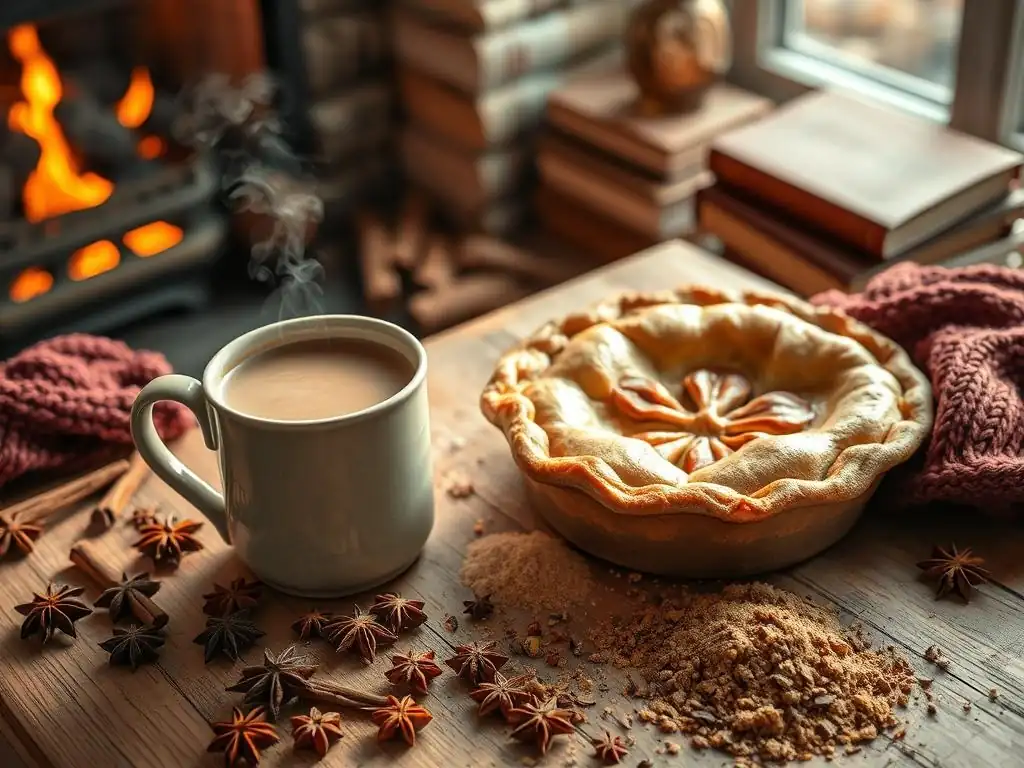
Welcome to BakeWithEase, your trusted companion on your baking journey! Are you ready to infuse the warmth and comfort of autumn into your kitchen? This season, we're diving deep into the delightful world of Fall spices baking recipes. Discover how to perfectly blend cinnamon, nutmeg, cloves, and more to create unforgettable treats. Ever wondered how a simple spice blend can elevate your baking from good to extraordinary? Let's explore the magic of fall flavors and unlock the secrets to cozy, delicious desserts.
- Introduction to Fall Spices for Baking
- Essential Fall Baking Spices: A Detailed Guide
- Creating Your Own Fall Spice Blends for Baking
- Fall Baking Recipes Featuring Signature Spices
- Tips for Storing and Preserving Fall Baking Spices
- Conclusion: Mastering Fall Flavors with Spices in Baking
- Frequently Asked Questions
- Final Reflection: The Enduring Allure of Autumnal Baking
- Unleash Your Inner Baker: Cozy Fall Flavors Await!
Introduction to Fall Spices for Baking
Embrace the Flavors of Autumn in Your Baking
As the leaves begin to change and a crispness fills the air, our kitchens beckon with the promise of warm, comforting aromas. Fall is undeniably the season for baking, and at the heart of many beloved autumnal treats are the rich, aromatic spices that define this time of year. From pies and crumbles to cookies and quick breads, incorporating these key spices transforms simple ingredients into cozy, flavorful masterpieces that evoke feelings of warmth and nostalgia. Mastering the use of fall spices in baking recipes is key to capturing the essence of the season in your home.
Think about the classic tastes of fall: pumpkin pie, apple cider donuts, gingerbread cookies. These iconic flavors are deeply rooted in a specific palette of spices. Learning how to select, use, and combine these spices is a fundamental step in becoming a confident fall baker. Whether you're a beginner trying your first pumpkin bread or an experienced baker perfecting your apple pie technique, understanding the nuances of fall baking spices will elevate your results and fill your home with irresistible scents.
Why Fall Spices Elevate Your Baking Recipes
Fall spices baking recipes aren't just about adding heat; they contribute complex layers of flavor that can brighten, deepen, and balance the sweetness of baked goods. Cinnamon, nutmeg, ginger, cloves, and allspice, among others, interact with fruits, dairy, and sugar in unique ways, creating harmonious profiles that are both comforting and exciting. These spices contain volatile oils that release their aromas when heated, intensifying during the baking process and filling your kitchen with inviting scents.
Beyond flavor, these spices also play a role in the sensory experience of fall baking. The warmth they impart isn't just a taste; it's a feeling that complements the cooling weather outside. Using high-quality spices for fall recipes ensures that this sensory experience is as rich and satisfying as possible. A well-spiced bake can transport you to cherished memories of holidays and gatherings, making the simple act of baking a truly special experience. They are the secret ingredients that make a good fall treat truly great.
Essential Fall Baking Spices: A Detailed Guide
Cinnamon: The Cornerstone of Fall Flavors
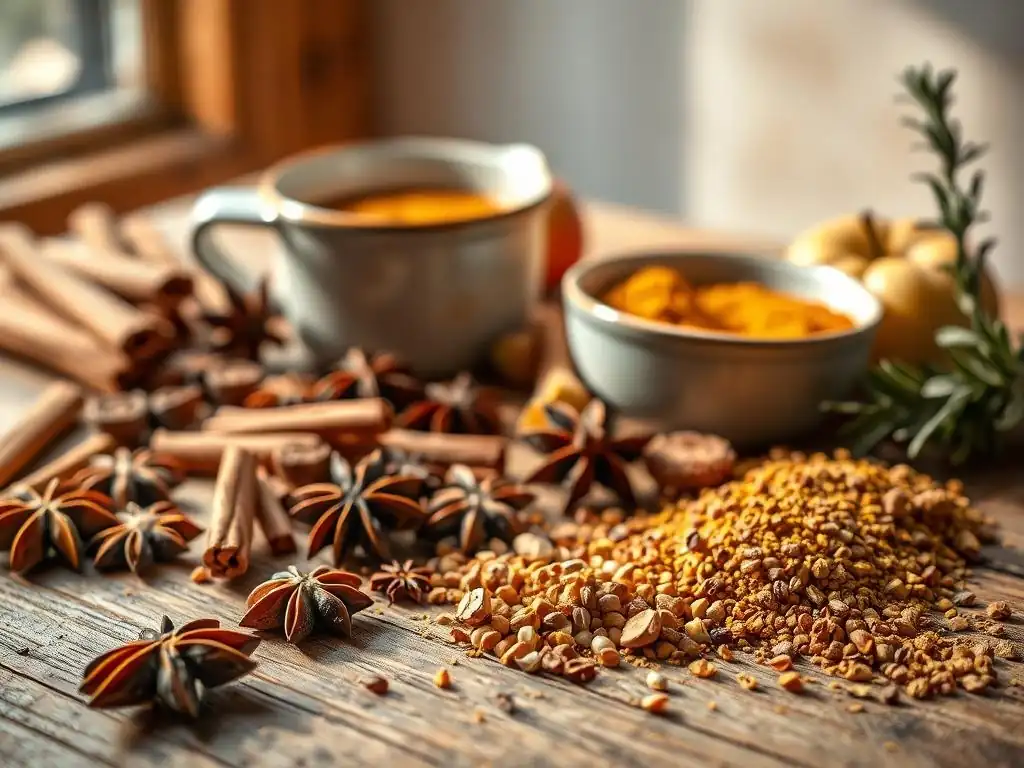
Cinnamon is arguably the most iconic fall baking spice, instantly recognizable and beloved for its sweet, warm, and slightly woody aroma. It forms the base of countless fall spices baking recipes, from simple cinnamon rolls to complex spice cakes. Its versatility allows it to pair beautifully with apples, pumpkins, pears, and chocolate, making it indispensable in any fall baker's pantry.
Historically, cinnamon has been a prized spice for millennia, traded across continents. Today, it remains a staple, and its presence is often the first signal that a bake is distinctly autumnal. Using fresh, high-quality cinnamon is crucial, as its flavor can fade over time. Many bakers find that doubling down on cinnamon is the key to achieving that perfect, cozy fall flavor in their goods.
Types of Cinnamon for Baking: Ceylon vs. Cassia
There are two main types of cinnamon commonly found, each with distinct characteristics: Ceylon and Cassia. Ceylon cinnamon, often called "true" cinnamon, is native to Sri Lanka. It has a delicate, subtle, and slightly sweet flavor with citrusy notes. It's lighter in color and texture than Cassia. Ceylon is excellent when you want a nuanced cinnamon flavor that doesn't overpower other ingredients.
Cassia cinnamon is the most common type sold in North America and is what most people think of as cinnamon. It comes from several species of trees, primarily grown in Indonesia, China, and Vietnam. Cassia has a stronger, bolder, and spicier flavor than Ceylon due to its higher coumarin content. For most fall spices baking recipes that simply call for "cinnamon," Cassia is the intended type, providing that classic, robust cinnamon punch.
Cinnamon Baking Tips: Achieving the Perfect Balance
Achieving the perfect balance with cinnamon in fall baking recipes involves considering the other flavors in your bake. For instance, in an apple pie, a generous amount of Cassia can stand up to the tartness of the apples and richness of the butter. In more delicate pastries or custards, a lighter hand or using Ceylon might be preferable to avoid overwhelming the dish.
One common tip is to add cinnamon not just to the filling or batter but also to a streusel topping or a glaze. This provides multiple layers of cinnamon flavor throughout the bake. Toasting whole cinnamon sticks briefly before grinding them (if using a spice grinder) can also intensify their aroma, although pre-ground cinnamon is convenient for most recipes. Remember that ground cinnamon loses potency over time, so check its freshness by smelling it – it should have a strong, sweet aroma.
Nutmeg: Adding Warmth and Depth to Fall Treats
Nutmeg provides a warm, slightly sweet, and nutty flavor with subtle hints of clove and pine. It's a critical component in many fall spices baking recipes, particularly those featuring pumpkin, squash, or cream-based fillings. While often used in smaller quantities than cinnamon, its unique depth is essential for creating that characteristic fall spice profile.
A little nutmeg goes a long way, as its flavor is quite potent. It pairs beautifully with dairy, making it a natural fit for custards, cheesecakes, and creamy sauces used in desserts. Nutmeg also enhances the flavors of other spices, acting as a bridge between cinnamon, cloves, and ginger in complex spice blends.
Freshly Grated Nutmeg vs. Ground Nutmeg: Which to Use?
When it comes to nutmeg, the difference between freshly grated and pre-ground is significant. Freshly grated nutmeg, shaved directly from a whole nutmeg seed using a microplane or fine grater, offers a vastly more intense, fragrant, and nuanced flavor. The volatile oils responsible for its aroma are released immediately before use, providing maximum impact. Many professional bakers swear by fresh nutmeg for superior results in fall baking recipes.
Pre-ground nutmeg is convenient and perfectly acceptable for many recipes, especially if you're baking in large batches or prioritizing speed. However, its flavor begins to dissipate once ground, and it lacks the vibrant complexity of the fresh spice. If a recipe calls for a small amount of nutmeg and you want the best possible flavor, investing in a few whole nutmeg seeds and a grater is highly recommended. For recipes requiring larger quantities, or where convenience is key, good quality pre-ground nutmeg works well.
Nutmeg in Fall Baking: Avoiding Overpowering Flavors
Nutmeg's potency means it must be used judiciously in fall spices baking recipes to avoid overpowering other flavors. Too much nutmeg can lend a slightly bitter or medicinal taste. Recipes typically call for smaller amounts of nutmeg compared to cinnamon – often half or even a quarter of the quantity.
A good rule of thumb is to start with the amount specified in the recipe and taste your batter or filling if possible (before adding eggs or raw flour, of course). You can always add a tiny pinch more if needed. For example, a standard pumpkin pie recipe might call for 1 teaspoon of cinnamon but only ¼ to ½ teaspoon of nutmeg. This ratio helps ensure nutmeg provides warmth and depth without dominating the iconic pumpkin flavor.
Ginger: A Zesty Kick for Fall Baked Goods
Ginger brings a unique warmth and a pleasant, slightly peppery bite to fall baking recipes. It's a key player in gingerbread, spice cookies, and many apple and pumpkin-based treats. Its invigorating flavor provides a welcome contrast to sweeter ingredients and other warmer spices.
Ginger has been used in baking for centuries, particularly in cookies and cakes designed to last. Its natural spiciness also helps to balance the richness of butter and molasses, common ingredients in many fall and holiday baked goods.
Ground Ginger vs. Fresh Ginger: When to Use Each
Like nutmeg, ginger is available in both fresh and ground forms, and they behave differently in fall baking recipes. Fresh ginger root is pungent, fibrous, and contains more moisture. It's often used in savory cooking, marinades, or candied for desserts. In baking, fresh ginger is less common in batters but can be used in glazes, syrups, or as candied ginger pieces within a bake, providing bursts of intense, zesty flavor.
Ground ginger, on the other hand, is dried and powdered ginger root. It has a concentrated, slightly spicier flavor than fresh ginger and is the standard form used in most fall spices baking recipes like gingerbread, pumpkin bread, and spice cakes. It distributes evenly throughout doughs and batters, providing a consistent background warmth and spice. Do not substitute ground ginger for fresh ginger (or vice versa) in recipes unless specified, as their potencies and moisture levels are very different. Approximately 1 teaspoon of ground ginger is equivalent to about 1 tablespoon of freshly grated ginger.
Ginger Spice Blends for Fall Baking: Gingerbread Spice Blend
Ginger is a central component in many popular fall spices baking recipes and blends. The most famous is arguably gingerbread spice. While recipes vary, a typical gingerbread spice blend might include ground ginger as the primary ingredient, followed by cinnamon, cloves, and sometimes nutmeg or allspice.
- A common ratio for a simple gingerbread spice blend:
- 3 parts Ground Ginger
- 3 parts Ground Cinnamon
- 1 part Ground Cloves
- 1 part Ground Nutmeg
This blend provides the characteristic warm, spicy, and slightly sweet profile needed for gingerbread cookies, cakes, and houses. Having a pre-mixed blend on hand simplifies the process of making these classic fall baking recipes.
Cloves: Intense Aroma and Flavor for Fall Delights
Cloves are tiny, nail-shaped spice buds with an intensely aromatic and pungent flavor that is warm, sweet, and slightly medicinal. They are a powerful fall baking spice and are typically used in very small quantities due to their strength. Cloves are essential in classic fall spices baking recipes like pumpkin pie, apple pie, and gingerbread.
The flavor of cloves comes from eugenol, an aromatic oil. This oil is very concentrated, giving cloves their signature intensity. While they are often used alongside cinnamon and nutmeg, cloves provide a distinct, deeper warmth that rounds out spice blends beautifully.
Using Cloves Sparingly: A Little Goes a Long Way
Because of their potent flavor, cloves must be used sparingly in fall baking recipes. Overusing cloves can lead to a bitter or overwhelming taste that masks other flavors. Most recipes call for ground cloves in quantities significantly smaller than cinnamon or even nutmeg.
For example, a recipe might use 1 teaspoon of cinnamon, ½ teaspoon of nutmeg, and only ¼ teaspoon or less of ground cloves. It's always better to start with a little less than the recipe calls for and add more if you feel it's needed, rather than trying to salvage a bake that has too much clove. Whole cloves are also potent and are often used to infuse liquids (like cider or mulled wine) rather than being ground directly into baked goods, though they can be stuck into fruits like apples or oranges for baking.
Cloves in Spice Cakes and Fall-Themed Breads
Cloves are a foundational spice in classic spice cakes and many fall-themed breads. In these bakes, they contribute to the overall "spicy" character that defines the category. Alongside cinnamon and nutmeg, cloves provide the deep, resonant base notes that make these treats feel so comforting and autumnal.
Consider a classic spice cake recipe. It relies on a blend of several spices, with cloves providing that signature warmth and slight bite. Similarly, in pumpkin bread or apple cider bread, a pinch of ground cloves enhances the fruit or vegetable flavor and contributes to the overall cozy spice profile, making these truly iconic fall spices baking recipes.
Allspice: A Blend of Flavors in One Spice
Allspice is a unique spice derived from the dried, unripe berries of the Pimenta dioica tree, native to the Caribbean and Central America. Despite its name, it is a single spice, not a blend of others. Its flavor profile is often described as a combination of cinnamon, cloves, and nutmeg, hence the name "allspice." This makes it a convenient and versatile fall baking spice.
Historically, allspice was a crucial ingredient in Caribbean and Latin American cuisines before gaining popularity in European and North American baking. It offers a warm, aromatic complexity that works well in a variety of sweet and savory applications, fitting seamlessly into fall spices baking recipes.
The Unique Flavor Profile of Allspice
The unique flavor profile of allspice makes it a valuable addition to any fall baking repertoire. It carries the warmth of cinnamon, the pungent sweetness of cloves, and the woody notes of nutmeg, but with its own distinct peppery undertone. This complexity allows it to stand alone or blend harmoniously with other spices.
Using allspice can simplify spice blends, as it brings multiple flavor notes in one ingredient. It's less intense than cloves but warmer than cinnamon, offering a balanced middle ground. This makes it particularly useful in recipes where you want a general "warm spice" flavor without highlighting one specific spice too much.
Allspice Pairings for Fall Baking: Apples and Pears
Allspice pairs exceptionally well with fall fruits like apples and pears, making it a natural fit for fall spices baking recipes featuring these ingredients. Its warm, slightly peppery notes complement the sweetness and slight tartness of baked apples and pears beautifully.
Consider using allspice in apple crisps, pear tarts, or fruit crumbles. It can be used alongside or in place of some of the cinnamon or nutmeg typically called for. A simple apple pie filling can be enhanced significantly with the addition of a pinch of allspice. It also works well in baked goods that feature molasses or brown sugar, such as gingerbread or spice cookies, adding another layer of warmth.
Cardamom: An Exotic Touch to Fall Baking Recipes
Cardamom, often called the "Queen of Spices," offers a unique, highly aromatic flavor that is warm, slightly floral, citrusy, and subtly spicy. While not as ubiquitous as cinnamon or nutmeg in traditional fall spices baking recipes in North America, it is a staple in Scandinavian and Middle Eastern baking and adds an intriguing, sophisticated twist to autumnal treats.
Adding cardamom to your fall baking can elevate familiar recipes and introduce exciting new flavors. It pairs well with apples, pears, citrus fruits, and chocolate, and complements coffee and tea flavors beautifully.
Green Cardamom vs. Black Cardamom: Understanding the Differences
There are two main types of cardamom used in cooking: green and black. Green cardamom is the most common type used in baking. It comes from the pods of the Elettaria cardamomum plant and has the bright, sweet, floral, and slightly citrusy flavor described above. It is available as whole pods, shelled seeds, or ground powder. For baking, using ground seeds from pods or freshly ground green cardamom powder yields the best flavor.
Black cardamom, from the Amomum subulatum plant, has a much smokier, camphor-like, and less sweet flavor. It is primarily used in savory dishes, particularly in Indian cuisine, and is generally not suitable for fall spices baking recipes that call for the typical sweet, aromatic cardamom flavor. Always ensure you are using green cardamom for baking unless a recipe specifically calls for black.
Cardamom in Scandinavian Fall Baking Traditions
Cardamom is a cornerstone of Scandinavian baking, where it features prominently in many traditional breads, pastries, and cookies enjoyed year-round, including during the fall season. Bakes like kanelbullar (cinnamon buns) often include cardamom alongside cinnamon. Cardamom buns ( kardemummabulle) are a specific type of pastry where cardamom is the star spice.
Incorporating cardamom into your fall baking recipes can bring a touch of this tradition to your kitchen. Try adding a pinch to your apple pie filling, pumpkin bread batter, or even your snickerdoodle dough for a delightful twist. Its aromatic complexity adds a layer of sophistication that complements the cozy flavors of fall beautifully.
Creating Your Own Fall Spice Blends for Baking
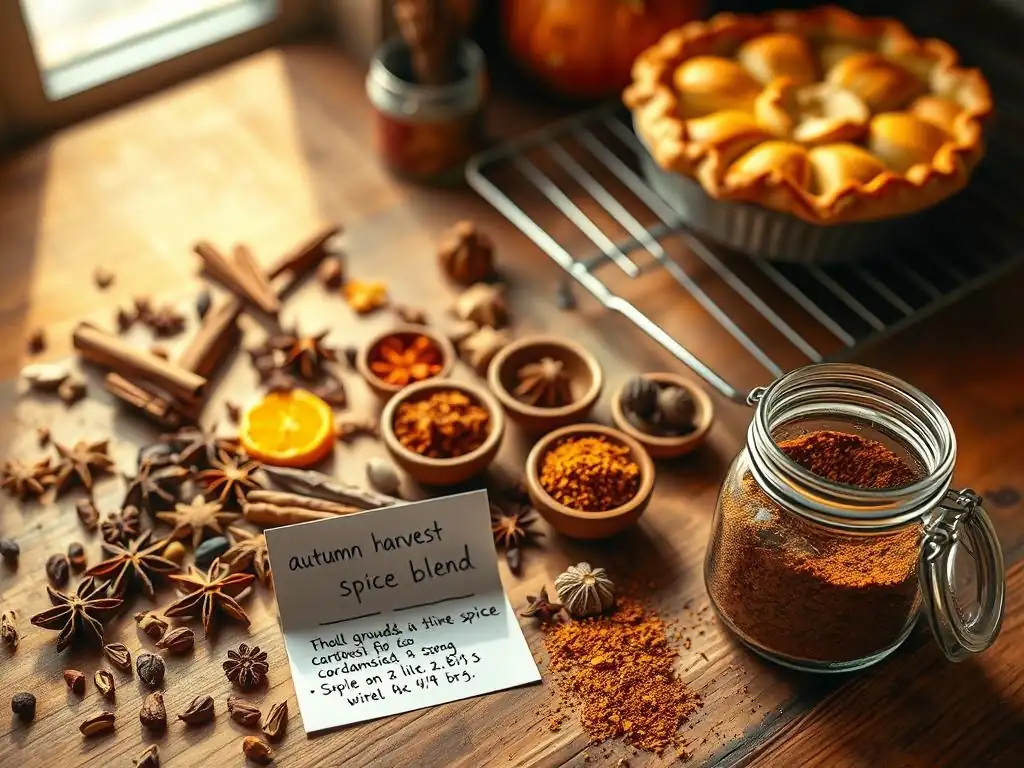
Having pre-mixed fall spice blends for baking on hand is incredibly convenient. It saves time when you're ready to bake and ensures consistency across batches of your favorite fall spices baking recipes. While many excellent pre-made blends are available, creating your own allows you to customize the ratios to your personal taste preferences.
Making your own blends is simple and requires only good quality individual ground spices and an airtight container. It's also a great way to use up individual spices you might have on hand.
DIY Fall Spice Mix Recipe for Pumpkin Pie
A classic pumpkin pie spice blend is essential for many fall baking recipes. While ratios can vary, a common and well-balanced mix that highlights the key flavors of pumpkin pie is:
DIY Pumpkin Pie Spice Blend:
- 3 tablespoons Ground Cinnamon
- 2 teaspoons Ground Ginger
- 2 teaspoons Ground Nutmeg
- 1 teaspoon Ground Allspice
- 1 teaspoon Ground Cloves
Combine all spices in a small bowl and whisk thoroughly to ensure they are evenly distributed. Transfer the blend to a clean, airtight jar. Use this blend in place of the individual spices called for in pumpkin pies, pumpkin bread, pumpkin muffins, and other fall recipes where a classic pumpkin spice flavor is desired. Generally, you would use the total amount of the blend equal to the sum of the individual spices it replaces in a recipe, or adjust to taste.
Homemade Apple Pie Spice Blend for Baking
Apple pie spice is another incredibly useful blend for fall spices baking recipes. It typically features cinnamon prominently, complemented by other warming spices that pair well with apples. A versatile homemade apple pie spice blend can be made as follows:
Homemade Apple Pie Spice Blend:
- 4 tablespoons Ground Cinnamon
- 1 teaspoon Ground Nutmeg
- 1 teaspoon Ground Allspice
- ½ teaspoon Ground Cardamom (optional, for a twist)
- ½ teaspoon Ground Ginger (optional, for warmth)
Mix the ground cinnamon, nutmeg, and allspice together. Add the optional cardamom and ginger if you like their flavors with apples. Whisk well and store in an airtight container. This blend is perfect for apple pies, apple crisps, apple muffins, and any other fall baking recipes featuring apples. It provides a warm, inviting spice profile that enhances the natural sweetness and tartness of the fruit.
Adjusting Spice Ratios for Personalized Fall Flavors
One of the greatest benefits of making your own fall spice blends for baking is the ability to adjust the ratios to suit your personal preferences. Love a strong ginger kick? Increase the amount of ginger in your blends. Prefer less clove? Reduce it. This allows you to create truly personalized fall spices baking recipes.
- Consider these adjustments:
- For a bolder, spicier blend, increase ginger and cloves.
- For a milder, sweeter blend, increase cinnamon and slightly reduce the more potent spices.
- To add complexity, experiment with a pinch of cardamom or even a tiny amount of black pepper (surprisingly good in gingerbread! ).
Keep notes on your adjustments so you can replicate your favorite custom blends. A small batch is a good way to test a new ratio before committing to a larger quantity.
Fall Baking Recipes Featuring Signature Spices
Putting these wonderful fall spices baking recipes into practice is the best way to appreciate their magic. Here are a few classic examples that showcase the power of fall spices.
Pumpkin Spice Latte Cake Recipe: A Fall Baking Delight
This recipe captures the essence of the popular fall drink in cake form, featuring a robust blend of fall baking spices.
- Spice Focus: Cinnamon, Nutmeg, Ginger, Cloves
- Key Ingredients: Pumpkin puree, coffee or espresso, butter, sugar, flour, eggs, baking soda, baking powder, salt, pumpkin pie spice blend (or individual spices).
- Process Snapshot:
- Combine dry ingredients, including spices.
- Cream butter and sugar.
- Mix in pumpkin puree, eggs, and coffee.
- Gradually add dry ingredients.
- Bake in prepared pan.
- Often topped with a coffee-flavored cream cheese frosting.
The generous use of fall spices alongside pumpkin and coffee flavors creates a moist, fragrant cake that is the epitome of fall baking.
Apple Cinnamon Muffins Recipe: A Cozy Fall Breakfast
A simple yet satisfying bake that highlights the classic pairing of apples and cinnamon.
- Spice Focus: Cinnamon (primarily), Nutmeg (optional)
- Key Ingredients: Flour, sugar, baking powder, salt, cinnamon, eggs, milk, melted butter or oil, chopped apples.
- Process Snapshot:
- Whisk together dry ingredients and spices.
- In a separate bowl, mix wet ingredients.
- Combine wet and dry ingredients just until moistened (do not overmix).
- Fold in chopped apples.
- Scoop batter into muffin tin.
- Bake until golden and a toothpick comes out clean.
These muffins are a perfect example of how a simple fall spices baking recipe with cinnamon can create a comforting and delicious treat, ideal for a crisp fall morning.
Gingerbread is a quintessential fall and holiday cookie, deeply flavored with a rich blend of warming spices.
- Spice Focus: Ginger, Cinnamon, Cloves, Allspice, Nutmeg (often using a gingerbread spice blend)
- Key Ingredients: Molasses, butter, brown sugar, flour, baking soda, salt, gingerbread spice blend (or individual spices).
- Process Snapshot:
- Cream butter and sugar.
- Beat in molasses.
- Whisk together dry ingredients and spices.
- Gradually add dry to wet ingredients to form a dough.
- Chill the dough thoroughly.
- Roll out and cut into shapes.
- Bake until edges are firm.
The combination of molasses and a generous amount of fall spices gives gingerbread its distinctive dark color, chewy texture, and wonderfully spicy aroma. This is a prime example of a fall spices baking recipe where the spices are the star.
Tips for Storing and Preserving Fall Baking Spices
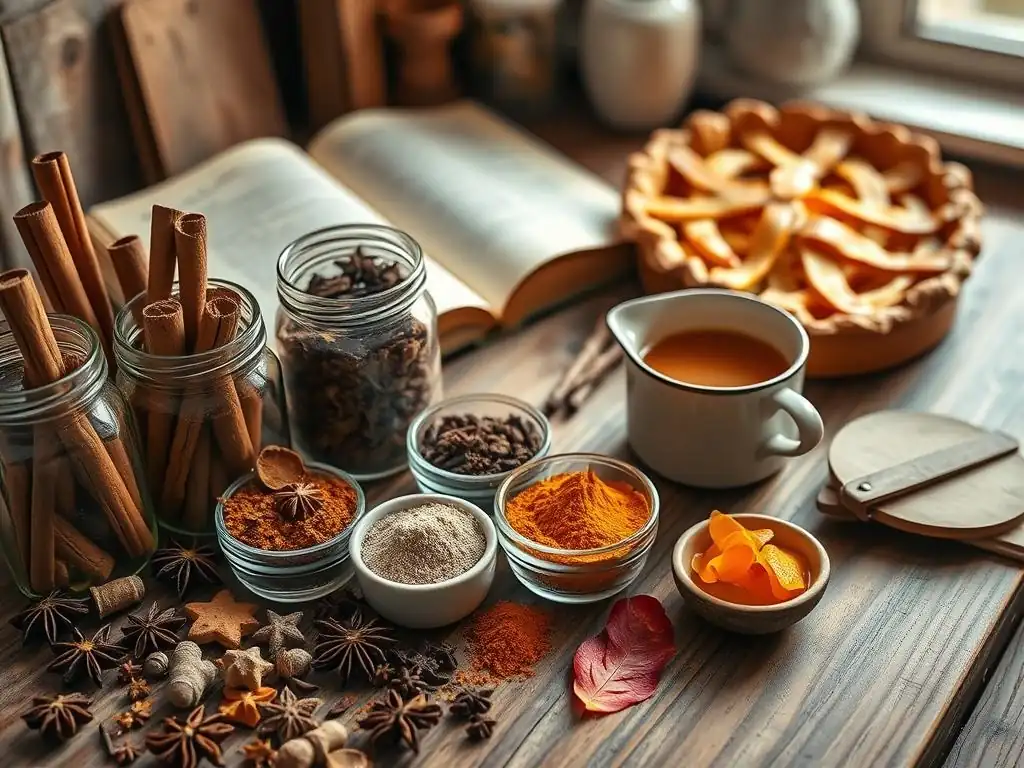
To ensure your fall spices baking recipes are as flavorful as possible, proper storage of your spices is key. Spices don't necessarily "go bad" in a way that makes them unsafe, but they lose their potency and flavor over time as their volatile oils evaporate.
Proper Storage to Maintain Spice Freshness
The enemies of spice freshness are air, light, heat, and moisture. To protect your fall baking spices:
- Use airtight containers: Glass jars with tight-fitting lids or quality metal tins are ideal. Avoid plastic containers if possible, as they can sometimes absorb or impart odors.
- Store in a cool, dark place: A pantry or cupboard away from the oven, stovetop, and direct sunlight is best. Heat and light degrade spices quickly.
- Keep away from moisture: Ensure lids are tightly sealed and use a dry spoon when scooping spices. Moisture can cause clumping and flavor loss.
- Store away from strong odors: Spices can absorb other smells, so keep them separate from items like coffee or strong cleaning supplies.
Proper storage can significantly extend the shelf life and flavor intensity of your spices for fall baking.
How Long Do Fall Spices Last?
The shelf life of ground spices is generally shorter than that of whole spices. As a rule of thumb:
- Ground Spices (Cinnamon, Nutmeg, Ginger, Cloves, Allspice, Cardamom): Typically retain peak flavor for 6 months to 1 year when stored properly.
- Whole Spices (Nutmeg seeds, Cinnamon sticks, Whole Cloves, Cardamom pods): Can last 2 to 4 years or even longer.
Checking the "best by" date on commercial spices is a good starting point, but the best way to tell if your fall baking spices are still good is to smell them. They should have a distinct, strong aroma. If they smell faint or like nothing much, they've lost their potency and won't contribute much flavor to your fall spices baking recipes.
Reviving Old Spices for Better Baking Flavor
Unfortunately, once the volatile oils in ground spices have largely dissipated, there's no true way to "revive" them to their original potency. Grinding whole spices just before use is the best strategy for maximum flavor.
If you find your ground spices are a bit old but not completely devoid of aroma, you might try lightly toasting them in a dry pan over low heat for a minute or two before adding them to your recipe. Be careful not to burn them, as this will result in a bitter taste. This can sometimes release a bit more aroma, but it's not a substitute for fresh spices. For the best fall baking recipes, it's often worth replacing ground spices that are over a year old.
Conclusion: Mastering Fall Flavors with Spices in Baking
Enjoy the Warmth and Comfort of Fall Baking
Mastering the use of fall spices baking recipes is a rewarding endeavor that unlocks a world of cozy, comforting flavors. By understanding the characteristics of key spices like cinnamon, nutmeg, ginger, cloves, allspice, and cardamom, and learning how to store and blend them, you can elevate your autumnal bakes from good to truly exceptional. Each spice contributes a unique note to the symphony of fall flavors, creating treats that warm the soul as well as the body.
Embrace the season by experimenting with different spices for fall recipes. Try adjusting the ratios in your favorite spice blends, or introduce a new spice like cardamom to a familiar recipe. The process of baking with these aromatic ingredients is a sensory delight, filling your home with inviting scents that perfectly capture the spirit of autumn. Happy fall baking!
Frequently Asked Questions
What are the most popular fall spices used in baking?
The most popular fall spices include cinnamon, nutmeg, cloves, ginger, and allspice. These spices create a warm and comforting flavor profile often associated with autumn.
Where can I find easy fall spices baking recipes for beginners?
BakeWithEase.com offers a wide variety of simple recipes perfect for beginners. Look for sections dedicated to cookies, cakes, and breads with step-by-step guides.
Can I substitute spices in a fall baking recipe?
Yes, you can often substitute spices, but be mindful of the flavor profile. Try substituting allspice for a blend of cinnamon, cloves, and nutmeg. Start with small amounts to avoid overpowering the flavor.
How can I store fall spices to maintain their freshness?
Store your spices in airtight containers in a cool, dark, and dry place. Avoid direct sunlight and heat, as these can diminish their flavor and potency.
What are some unique fall spice combinations to try in my baking?
Experiment with combinations like cardamom and ginger, or maple and cinnamon. You can also add a pinch of black pepper to enhance the warmth of other spices. Don't be afraid to get creative!
Final Reflection: The Enduring Allure of Autumnal Baking
The comforting aroma of cinnamon, nutmeg, and cloves isn't just a seasonal scent; it's a powerful reminder of warmth, tradition, and the simple joys of home baking. This exploration of fall spices has highlighted not only their unique flavor profiles but also their deep cultural significance, woven into the fabric of autumnal celebrations across the globe. The recipes shared here are more than just instructions; they are pathways to creating cherished memories and connecting with the rich heritage of seasonal baking.
The influence of these spices extends far beyond the kitchen; they represent a tangible link to the past, evoking feelings of nostalgia and familial connection. The act of baking itself becomes a meditative practice, a mindful process of transforming simple ingredients into something beautiful and delicious. As the great culinary writer M.F.K. Fisher once wrote, First we eat, then we do everything else.
And what better way to "do everything else" than fueled by the warmth and comfort of a perfectly spiced autumnal treat?
Now, as the leaves continue their vibrant descent, I invite you to embrace the spirit of this season. Experiment with the spice combinations we've explored, adapt them to your own tastes, and most importantly, share the joy of baking with those you love. Let the fragrant steam of your creations fill your home with warmth and the sweet taste of autumn linger long after the last crumb is gone. This is more than just a recipe guide; it's an invitation to savor the season, one delicious spice at a time.
Unleash Your Inner Baker: Cozy Fall Flavors Await!
Thanks for joining us on this flavorful journey through the world of autumn baking! We hope you've discovered some exciting new spice combinations to warm your kitchen and delight your taste buds. Ready to transform your baking this season?
- Craft your signature fall spice blend: Experiment with the ratios we discussed to create a unique blend perfectly suited to your palate. Don't be afraid to get creative!
- Share your creations: Show us your delicious fall bakes on social media using #BakeWithEaseAutumn. We can’t wait to see your masterpieces!
- Dive deeper into our spice guides: Explore our extensive recipe library for more delicious inspiration using these seasonal flavors.
What unique spice blend will you create to make this fall your most flavorful baking season yet?