
Common Baking Spice Mistakes (And How to Fix Them)

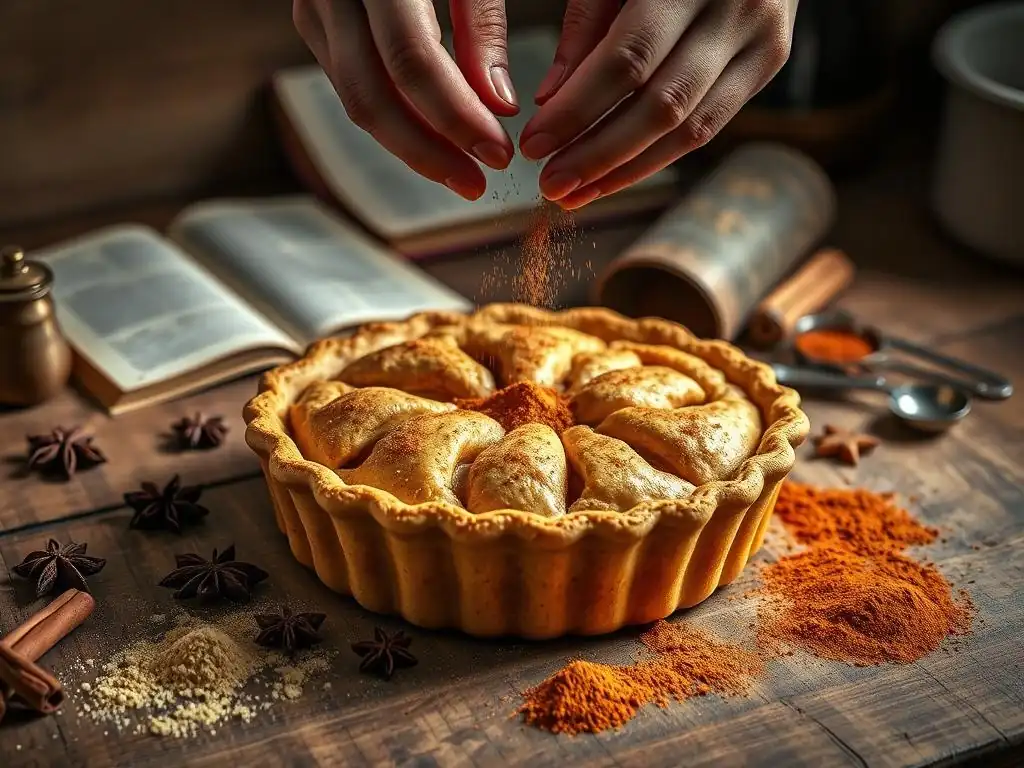
Welcome to BakeWithEase, your trusted guide to baking bliss! Ever wondered if your baking spices are secretly sabotaging your creations? This week, we're diving deep into the world of fixing common baking spice mistakes. Discover how to unlock the full potential of your cinnamon, nutmeg, and more, transforming your baked goods from good to absolutely extraordinary. Are you ready to spice up your baking game? Let's get started!
- Common Baking Spice Mistakes (And How to Fix Them) | The Baking Alchemist
- Introduction: Unlock Flavor: The Power of Spices in Baking
- Mistake #1: Using Expired or Stale Baking Spices
- Mistake #2: Inaccurate Spice Measurement in Baking Recipes
- Mistake #3: Adding Spices at the Wrong Time in the Baking Process
- Mistake #4: Using Incompatible Spice Pairings in Baking
- Mistake #5: Overpowering Baked Goods with Excessive Spice
- Mistake #6: Skipping Toasting or Blooming Spices Before Baking
- Mistake #7: Ignoring Potential Spice Allergies and Intolerances
- Conclusion: Elevate Your Baking with Perfect Spice Harmony
-
Frequently Asked Questions
- What are some signs that my baking spices are too old?
- How should I properly store my baking spices to extend their shelf life?
- What's the best way to measure baking spices accurately for consistent results?
- Can I substitute one baking spice for another if I'm missing an ingredient?
- What's the most common mistake people make when using baking spices?
- Final Reflection: Unlocking the Secrets of Perfect Baking
- Unlock Your Baking Potential: Mastering Spices, One Recipe at a Time!
Common Baking Spice Mistakes (And How to Fix Them) | The Baking Alchemist
Introduction: Unlock Flavor: The Power of Spices in Baking
Why Baking Spices Matter for Depth of Flavor and Aroma
Spices are the silent heroes in our baking endeavors, transforming simple mixtures of flour, sugar, and fat into aromatic masterpieces. They don't just add flavor; they contribute complexity, warmth, and depth that elevates a baked good from good to unforgettable.
Think about a simple apple pie – without cinnamon, nutmeg, and maybe a pinch of clove, it would lack that signature warmth and comforting aroma that makes it so beloved. These potent plant parts, whether seeds, bark, roots, or fruits, contain volatile oils and compounds that interact with other ingredients, creating layers of flavor that tantalize the taste buds and fill the kitchen with inviting scents.
Beyond just taste and smell, spices play a role in the perceived richness and character of baked goods. A dash of ginger can add a subtle heat to cookies, while cardamom brings an exotic, floral note to pastries. Properly used, spices can balance sweetness, cut through richness, and add a unique signature to your recipes. Mastering the use of baking spices is akin to an artist learning their color palette; it opens up a world of creative possibilities and allows you to fine-tune your baked creations to perfection, making fixing common baking spices issues a crucial skill.
Common Baking Spice Errors: A Baker's Troubleshooting Guide
Even experienced bakers can sometimes stumble when it comes to spices. Perhaps the gingerbread isn't spicy enough, the cinnamon rolls lack that vibrant punch, or the overall flavor profile feels muted or unbalanced. These issues often stem from common mistakes related to the quality, measurement, timing, or pairing of spices. Identifying these pitfalls is the first step towards fixing common baking spices problems and unlocking their full potential in your baking.
This guide will walk you through some of the most frequent errors bakers make with spices, from using stale product to incorrect measurement and application. For each mistake, we'll delve into why it happens and how it impacts your final product. More importantly, we'll provide practical, actionable solutions and techniques for fixing common baking spices mishaps, ensuring your baked goods are always bursting with the intended aroma and flavor.
Mistake #1: Using Expired or Stale Baking Spices
The Impact of Old Spices on Muted Flavors and Weak Aromas
Spices lose their potency over time. This isn't just a recommendation on the jar; it's a chemical reality. The volatile oils responsible for the vibrant flavors and aromas you expect from spices begin to dissipate or degrade once the spice is ground and exposed to air, light, and heat. Using old, stale spices in your baking is like trying to paint with diluted colors – the result will be weak, muted, and lack the intended impact. You might follow a recipe precisely, only to find your cookies or cakes taste flat, missing that essential spicy kick.
Consider ground cinnamon. Freshly ground cinnamon is rich, warm, and slightly sweet. If it's been sitting in your pantry for three years, it might look like cinnamon, but much of its cinnamaldehyde (the compound responsible for its primary flavor) will have oxidized or evaporated. The same applies to nutmeg, ginger, cloves, and other baking staples. Fixing common baking spices issues often starts with assessing their freshness, as using potent spices is fundamental to achieving robust flavor profiles.
Identifying Expired Spices: Visual Cues, Fragrance Test, and Taste
Determining if your spices are past their prime involves a few simple tests. First, look at the color: ground spices, like paprika or chili powder (though less common in sweet baking, it's a good example), can fade over time. Cinnamon might lose some of its reddish-brown vibrancy. While color change isn't always definitive for all spices, it can be a clue. The most reliable test is the fragrance test.
Take a small amount of the spice, rub it between your fingers (this helps release oils), and smell it. Does it have a strong, distinct aroma? Or does it smell faint, dusty, or like 'nothing much'? A weak aroma is a clear sign of staleness.
Finally, if the smell test is ambiguous, a tiny taste test can confirm. A pinch of fresh spice should have a noticeable flavor – warm, pungent, sweet, or earthy depending on the spice. An old spice will taste dull, flat, or even bitter. As a general guideline, ground spices tend to lose potency faster than whole ones. While whole nutmeg or cloves might last 2-3 years, ground spices like cinnamon, ginger, or allspice are often best used within 6-12 months for optimal flavor. Fixing common baking spices problems related to staleness requires knowing these signs.
How to Fix It: Properly Storing Baking Spices to Maximize Shelf Life
The best way to combat stale spices is proactive storage. Proper storage minimizes exposure to the elements that degrade those precious volatile oils. Fixing common baking spices issues related to freshness means creating the right environment for them.
Airtight Containers: Glass vs. Plastic
Storing spices in airtight containers is paramount. This prevents air and moisture from accelerating the loss of flavor compounds. Glass jars with tight-fitting lids or metal tins are excellent choices. Glass is non-reactive and doesn't absorb odors, making it ideal. While plastic containers can be airtight, some types of plastic can absorb spice odors over time, potentially affecting future batches or retaining residual smells. Opt for high-quality, food-grade glass or metal containers whenever possible.
Optimal Storage Conditions: Cool, Dark, and Dry Environments
Heat, light, and moisture are the enemies of spice freshness. Never store spices directly above a stove or near a window where they will be exposed to fluctuating temperatures and light. A cool, dark pantry or cupboard away from heat sources is the ideal location. Ensure the storage area is dry, as moisture can cause clumping and degrade quality. By providing these optimal conditions, you significantly extend the useful life of your spices, ensuring they deliver maximum flavor whenever you reach for them, effectively fixing common baking spices longevity issues.
Mistake #2: Inaccurate Spice Measurement in Baking Recipes
The Importance of Precise Spice Ratios for Balanced Flavor
Baking is often described as a science, and while there's room for creativity, precision in measurement is key, especially with potent ingredients like spices. A recipe is carefully balanced to achieve a specific flavor profile. Adding too much or too little of a spice can completely throw off this balance, resulting in a bake that is either overwhelmingly spicy, bland, or just "off." For example, adding an extra teaspoon of clove to a pumpkin pie recipe might make it taste medicinal rather than warm and comforting.
Spices contain powerful compounds, and a little often goes a long way. The ratios specified in recipes are designed to complement, not overpower, the other flavors in the dish – the sweetness of sugar, the richness of butter, the tang of fruit. Fixing common baking spices measurement errors is crucial for achieving the intended harmony of flavors in your baked goods.
Measuring Spices: Spoon Size Variations and Potential Errors
One common source of error is inconsistent measuring technique or variations in measuring spoon sizes. Simply scooping a spoon into a spice jar and leveling it off can pack the spice, resulting in more than intended. Furthermore, not all measuring spoons are perfectly calibrated, though reputable sets are usually quite accurate. The difference between a level teaspoon and a heaping teaspoon of a potent spice like cayenne or ground ginger can significantly alter the outcome of a delicate pastry or cookie.
Even subtle differences in spoon design can affect how much spice is held. While these variations might seem minor for flour or sugar, they become significant when dealing with ingredients used in small quantities, like spices. Understanding these potential pitfalls is the first step in fixing common baking spices measurement inaccuracies.
How to Fix It: Mastering Accurate Spice Measurement Techniques
Achieving accuracy in spice measurement is straightforward once you adopt reliable techniques. Fixing common baking spices measurement problems ensures your flavors are always balanced and intentional.
Using Measuring Spoons Designed for Accuracy
Always use standard measuring spoons specifically designed for kitchen use. Avoid using regular eating spoons, as their capacities vary widely. When measuring ground spices, gently spoon the spice into the measuring spoon until it is overflowing, then use a straight edge (like the back of a knife or an offset spatula) to level off the excess, ensuring a true "level" measurement. Avoid packing the spice unless the recipe specifically instructs you to.
Weighing Spices for Unparalleled Precision
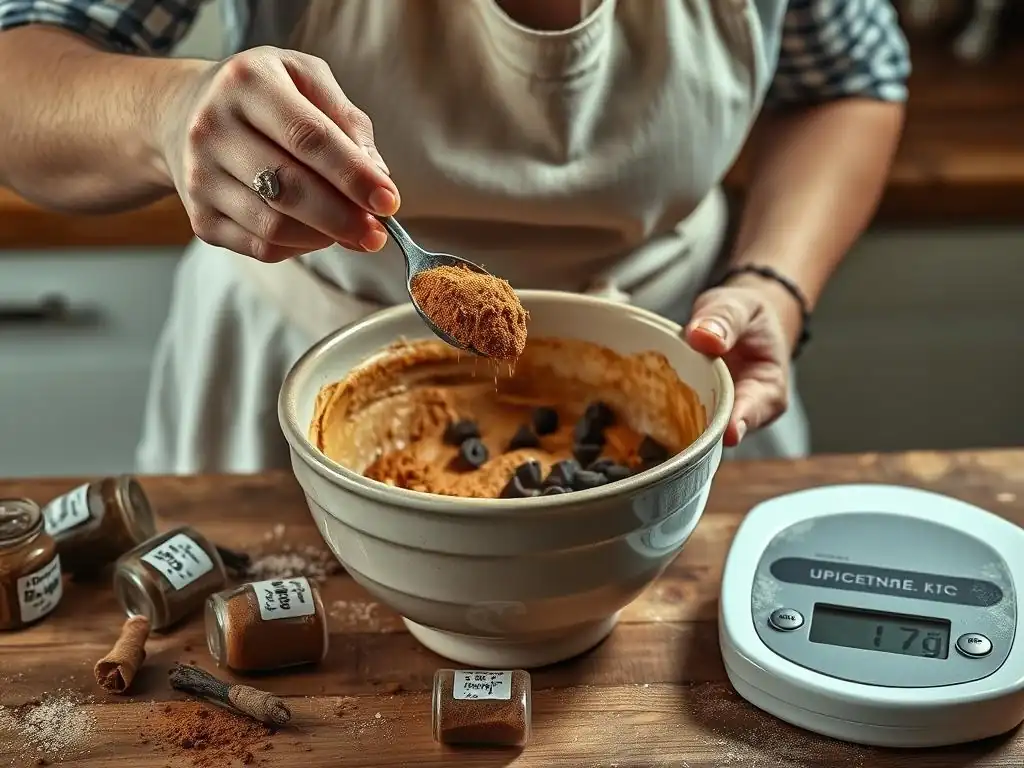
For the highest level of accuracy, especially in professional settings or when developing recipes, weighing spices is the gold standard. A small digital kitchen scale can measure even tiny amounts (often down to 0.1 grams). While most home recipes specify volume measurements (teaspoons, tablespoons), if you're aiming for absolute consistency or working with very potent or expensive spices, weighing is the most reliable method.
For example, a teaspoon of ground cinnamon might weigh around 2.5-3 grams, but this can vary slightly based on grind size and density. Weighing eliminates these variables, providing unparalleled precision, which is key in fixing common baking spices measurement issues.
Mistake #3: Adding Spices at the Wrong Time in the Baking Process
Spice Bloom: Releasing Volatile Oils for Enhanced Flavor
The timing of when you add spices can significantly impact their flavor contribution. Spices contain volatile oils that need a medium to release their full aroma and flavor compounds. This process is often referred to as "blooming." Adding spices too early or too late without proper blooming might mean you're not getting the maximum flavor extraction possible.
Consider adding ground spices directly into a dry flour mixture versus stirring them into melted butter or warm milk first. When heated gently in a fat or liquid, the volatile oils are released and dispersed, integrating more thoroughly into the mixture. This can result in a more intense and well-rounded flavor profile compared to spices that are simply mixed into dry ingredients and then subjected to the dry heat of an oven. Fixing common baking spices timing issues involves understanding this blooming process.
The Effect of Heat on Different Baking Spice Compounds
Different spice compounds react differently to heat and cooking times. Some delicate aromatics can be destroyed or altered by prolonged high heat, while others benefit from gentle heating to release their flavors. For instance, the bright, citrusy notes in ground coriander or the floral notes in cardamom can become muted or even slightly bitter if baked for too long at high temperatures.
Conversely, warming spices like cinnamon, clove, and nutmeg often benefit from some heat exposure to fully develop their warm, comforting flavors. Understanding how heat interacts with the specific spices you're using is vital for optimizing their flavor contribution and is a key part of fixing common baking spices application errors.
How to Fix It: Optimizing Spice Timing for Optimal Flavor Extraction
Strategically adding spices at the right moment maximizes their impact and ensures the desired flavor profile. Fixing common baking spices timing requires considering the spice type and the recipe context.
Adding Ground Spices to Dry Ingredients for Even Distribution
For many recipes like cakes, muffins, or cookies where spices are part of a dry mix, adding ground spices along with flour, baking powder, and salt is a standard and effective method. This ensures the spices are evenly distributed throughout the batter or dough before baking. While it doesn't 'bloom' the spices in the traditional sense, the heat of the oven will still help release some aromatics. This method is suitable for spices that can withstand baking temperatures and where even dispersion is the primary goal.
Blooming Whole Spices in Warm Liquid for Maximum Impact
For recipes where you want a more intense flavor from whole spices (like star anise, cinnamon sticks, or whole cloves) or even ground spices (like in custards, puddings, or spiced drinks), blooming them in a warm liquid (milk, cream, water) or melted fat (butter, oil) before adding to the main mixture is highly effective. Gently heating the spice in the liquid or fat for a few minutes helps extract and infuse the flavors.
Strain out whole spices before incorporating the liquid. For ground spices, stirring them into melted butter for 30-60 seconds until fragrant before adding to the batter is a technique that enhances their aroma and flavor significantly, providing a powerful method for fixing common baking spices flavor extraction issues.
Mistake #4: Using Incompatible Spice Pairings in Baking
Understanding Spice Families and Complementary Flavors
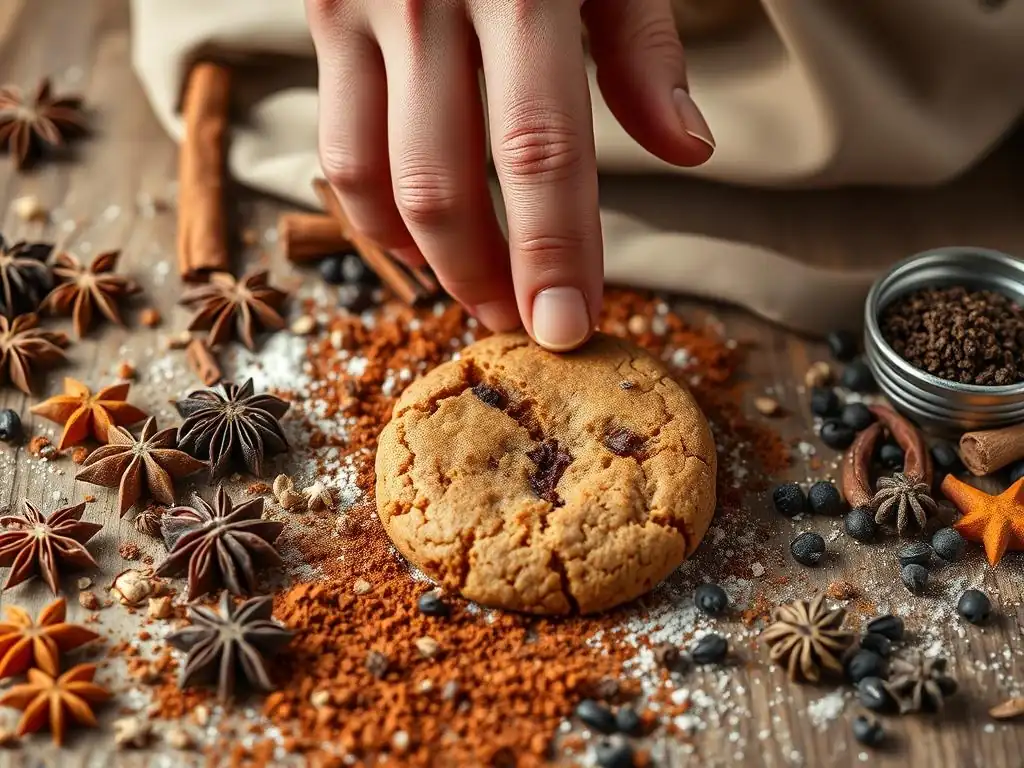
Just like certain colors clash or harmonize, spices have flavor profiles that work well together or compete. Understanding basic spice pairings can elevate your baking from simply spiced to truly gourmet. Spices can often be grouped by their dominant flavor characteristics: warm (cinnamon, nutmeg, clove, allspice, ginger), sweet/aromatic (cardamom, star anise, fennel seed), earthy (coriander, cumin - though less common in sweet baking), citrusy/bright (lemon zest, orange zest - often used alongside spices), and pungent/peppery (black pepper, cayenne).
Combining spices from the same family often works well, like the classic combination of cinnamon, nutmeg, and clove in pumpkin pie. Combining spices from different families requires more care to ensure they complement rather than overpower each other. For instance, pairing delicate cardamom with very pungent cloves might result in the cardamom's nuances being lost. Fixing common baking spices pairing issues involves learning these flavor relationships.
Common Spice Substitutions Based on Flavor Profiles
Sometimes you might not have a specific spice called for in a recipe. Knowing suitable substitutions based on similar flavor profiles is a useful skill.
- Allspice can often substitute for a mix of cinnamon, clove, and nutmeg.
- Nutmeg and mace have similar warm flavors, though mace is slightly more delicate.
- Ground ginger can sometimes replace a portion of ground cinnamon for added warmth and subtle heat.
- Cardamom can often be used where star anise or fennel seed is called for, offering a different but still aromatic quality.
However, direct 1:1 substitutions don't always work, especially with potent spices. It's often better to start with a smaller amount and adjust. Understanding these relationships is key to fixing common baking spices substitution dilemmas effectively.
How to Fix It: Choosing Harmonious Spices for Baking
Selecting spices that work well together is an art developed through practice and experimentation. Fixing common baking spices harmony issues means making conscious choices about your flavor palette.
Exploring Classic Spice Blends for Cakes and Cookies
Many classic spice blends are tried and true for a reason – their components are highly complementary.
- Pumpkin Pie Spice: Typically a blend of cinnamon, nutmeg, ginger, cloves, and sometimes allspice. This combination provides deep warmth and sweetness.
- Apple Pie Spice: Similar to pumpkin pie spice but often with a higher ratio of cinnamon and sometimes including cardamom or lemon peel.
- Gingerbread Spice: Usually features a strong presence of ginger, combined with cinnamon, cloves, and sometimes black pepper or nutmeg for extra punch.
- Speculoos/Biscoff Spice: A European blend heavy on cinnamon, nutmeg, cloves, ginger, and often containing white pepper, cardamom, and star anise.
Using or adapting these classic blends is a great starting point for ensuring harmonious flavors in your cakes, cookies, muffins, and pies.
Understanding the Flavor Profiles of Common Baking Spices: Warm, Sweet, Earthy
Deepening your understanding of individual spice profiles helps you choose and combine them effectively.
- Warm: Cinnamon (sweet, woody), Nutmeg (warm, nutty, slightly sweet), Clove (intensely pungent, sweet, warming), Ginger (spicy, warm, slightly citrusy), Allspice (tastes like a blend of cinnamon, nutmeg, and clove).
- Sweet/Aromatic: Cardamom (floral, citrusy, slightly eucalyptus-like), Star Anise (licorice-like, sweet), Fennel Seed (anise-like, sweet).
- Earthy: Coriander (citrusy, slightly savory - pairs well with ginger and cinnamon).
By knowing these characteristics, you can intentionally select spices that will create the desired flavor complexity, ensuring you're effectively fixing common baking spices pairing challenges.
Mistake #5: Overpowering Baked Goods with Excessive Spice
Finding the Perfect Spice Balance: Less is Often More
One of the easiest mistakes to make, particularly when trying to ensure your spices are prominent, is adding too much. While you want spices to contribute significantly to the flavor, they should ideally enhance, not dominate, the other ingredients. Too much cinnamon can make a cake taste bitter or overwhelmingly woody. Excessive clove can give baked goods a medicinal or numbing quality. Too much ginger can make cookies overly spicy and mask the molasses or sugar flavors.
The goal is to create a balanced flavor profile where the spices work in harmony with the sweetness, fat, and other core ingredients. An overly spiced bake can be just as disappointing as one that is under-spiced. Finding that sweet spot is key to fixing common baking spices overuse issues.
The Art of Subtlety: Enhancing, Not Dominating, Flavors
Think of spices as supporting actors, not the main stars (unless it's a dedicated spice cake, perhaps). They should lift and complement the primary flavors – the apple in an apple pie, the pumpkin in a pumpkin bread, the chocolate in a spiced chocolate cookie. When a spice is used subtly, it makes people wonder "what is that delicious flavor?" rather than thinking "wow, that's a lot of cinnamon."
Achieving this subtlety requires restraint and an understanding of the spice's potency. Highly aromatic spices like clove or cardamom are often used in smaller quantities than less intense ones like cinnamon. Fixing common baking spices intensity problems is about learning to use them judiciously.
How to Fix It: Adjusting Spice Levels to Achieve Desired Intensity
Rectifying an overly spiced bake before it happens, or adjusting recipes to prevent it, is crucial. Fixing common baking spices overpowering requires careful consideration of quantity.
Starting with the Minimum Recommended Amount
When trying a new recipe, or if you are unsure about the potency of your spices or your preference for spice intensity, it's always safer to start with the minimum amount of spice called for, or even slightly less. You can often add a little more spice to a dough or batter before baking, but you cannot take it away once it's mixed in. This cautious approach helps prevent an overpowering outcome from the start.
Tasting and Adjusting Spice Levels in Small Increments
For doughs and batters that can be tasted raw (like cookie dough or some cake batters), take a tiny sample and assess the flavor. Does it have the level of spice you desire? If not, add a small increment more (perhaps 1/8 or 1/4 teaspoon at a time for a standard batch), mix thoroughly, and taste again. Repeat until you reach the desired intensity. This iterative process allows you to fine-tune the spice levels precisely, ensuring your baked goods are perfectly balanced and effectively fixing common baking spices over-application issues.
Mistake #6: Skipping Toasting or Blooming Spices Before Baking
Unlocking Deeper, More Complex Flavors Through Toasting
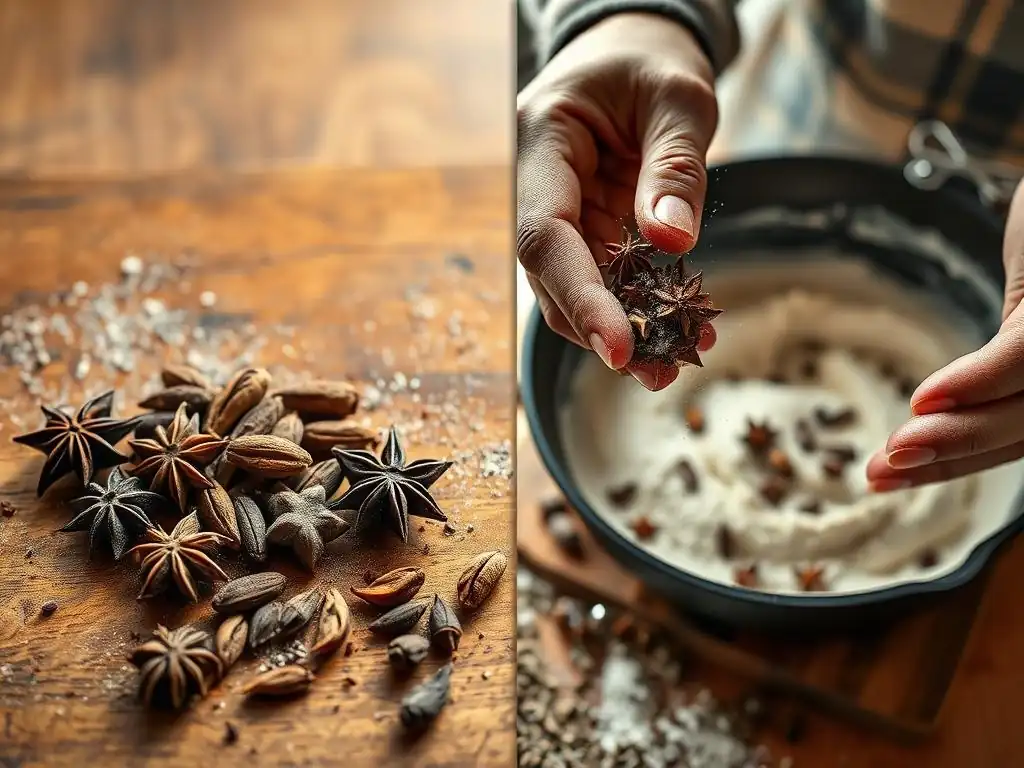
Some spices, particularly whole seeds like cardamom pods, coriander seeds, or even whole nutmeg, benefit significantly from being lightly toasted before use. Toasting in a dry skillet or briefly in the oven awakens the spice, intensifying its aroma and bringing out deeper, more complex flavor notes that aren't as apparent when used raw. The gentle heat helps release volatile oils and can also slightly caramelize some compounds, adding layers of flavor.
For example, toasting whole cardamom pods before grinding them for a cake or pastry brings out a more fragrant, citrusy aroma compared to using them untoasted. Skipping this step means missing out on a significant opportunity to enhance the spice's contribution to your bake. Fixing common baking spices flavor depth issues often involves this simple technique.
Blooming Spices in Fat or Liquid: Releasing Aromatic Compounds
As mentioned earlier (Mistake #3), blooming ground or whole spices in a warm fat or liquid is another powerful technique. This process helps the fat or liquid absorb the flavor compounds from the spice, ensuring they are evenly distributed throughout the mixture. It's particularly useful in batters or doughs where the spice might otherwise remain somewhat isolated.
Think of making a spiced custard or pudding. Gently heating milk or cream with whole spices like a cinnamon stick or star anise infuses the liquid deeply with flavor. Similarly, stirring ground spices into melted butter or oil until fragrant before adding to a cake batter ensures the spice flavor is fully integrated and vibrant. This technique is excellent for fixing common baking spices flavor distribution and intensity challenges.
How to Fix It: Toasting and Blooming Techniques for Enhanced Baking
Incorporating toasting or blooming into your process is a simple way to dramatically improve the flavor of your spiced bakes. Fixing common baking spices flavor extraction is easily done with these methods.
Dry Toasting Spices in a Skillet or Oven
To dry toast whole spices, place them in a dry (no oil), heavy-bottomed skillet over medium heat. Stir or shake the pan frequently to prevent burning. Toast just until the spices become fragrant – this usually only takes a few minutes (often 2-5 minutes depending on the spice).
Be careful not to burn them, as burnt spices will taste bitter. Alternatively, you can spread whole spices on a baking sheet and toast them in a preheated oven at a moderate temperature (around 300-350°F or 150-175°C) for 5-10 minutes, watching them closely. Once toasted, let them cool before grinding (if necessary) or using them as directed.
Blooming Spices in Butter, Oil, or Milk
To bloom spices in fat, melt butter or heat oil in a small pan over low to medium heat. Add the ground spice(s) and stir continuously for 30 seconds to 1 minute, or until they become noticeably fragrant. Do not let them burn. Then, proceed with the recipe, incorporating the spiced fat. To bloom in liquid, gently heat the liquid (milk, cream, water) in a saucepan.
Add whole spices and simmer gently for 10-15 minutes to infuse the flavor. Strain out the spices before using the liquid. For ground spices, you can stir them into warm (not boiling) liquid and let steep for a few minutes before using. These techniques are invaluable for fixing common baking spices flavor development issues.
Mistake #7: Ignoring Potential Spice Allergies and Intolerances
Common Spice Allergens and Sensitivities in Baking
While less common than major allergens like nuts or dairy, spices can cause allergic reactions or intolerances in some individuals. Certain spices are more frequently associated with sensitivities. For example, cinnamon is known to cause contact dermatitis in some people, and ingesting it in large amounts can cause irritation. Nutmeg can cause reactions, and in very large doses, it can have psychoactive effects, although this is far beyond typical baking quantities.
Other spices, like mustard seed (sometimes used in savory baking but occasionally found in spice blends) or sesame seed (used whole or ground), are recognized allergens. While a full-blown anaphylactic reaction to a spice in baking is rare compared to peanut or shellfish allergies, sensitivities can still cause discomfort, including digestive issues, skin reactions, or respiratory symptoms. Being aware of potential spice reactions is part of responsible baking and fixing common baking spices issues for others.
Identifying Potential Reactions to Specific Spices
Recognizing a spice intolerance or allergy can be challenging as symptoms can be varied. They might include itching or swelling around the mouth, hives, digestive upset (nausea, stomach cramps, diarrhea), or respiratory symptoms (wheezing, difficulty breathing). These reactions typically occur shortly after consuming the offending spice.
If you or someone you are baking for has a known sensitivity or experiences symptoms after eating baked goods with certain spices, it's important to identify the culprit. This might involve an elimination diet or consulting with a healthcare professional or allergist who can perform testing to pinpoint specific sensitivities. Knowing the trigger is essential for effective avoidance.
How to Fix It: Baking with Safe and Flavorful Spice Alternatives
If you need to avoid a specific spice due to allergy or intolerance, or if you're baking for someone with such a restriction, there are still many ways to add delicious flavor to your baked goods. Fixing common baking spices allergy concerns means finding safe and tasty alternatives.
Using Vanilla Extract or Citrus Zest as Flavor Enhancers
Vanilla extract is a universal baking enhancer. Its warm, sweet aroma complements almost any baked good and can add depth of flavor without using traditional spices. A good quality pure vanilla extract (or vanilla bean paste) provides a comforting and familiar taste that can stand on its own or pair with other non-spice flavorings. Similarly, fresh citrus zest (lemon, orange, lime) provides bright, aromatic notes. The oils in the zest are potent flavor contributors and can add a wonderful lift to cakes, cookies, and pastries, serving as excellent, spice-free flavor agents.
Reading Ingredient Labels Carefully for Potential Allergens
When using pre-mixed spice blends or other packaged ingredients (like pie fillings or cake mixes), always read the ingredient list carefully. Spice blends can sometimes contain unexpected components or anti-caking agents. Ensuring all ingredients are safe for those with sensitivities is paramount. If baking for someone with a severe allergy, it's often best to use single, whole spices that you grind yourself or purchase from a source you trust to avoid cross-contamination, which is a critical step in fixing common baking spices allergy risks.
Conclusion: Elevate Your Baking with Perfect Spice Harmony
Mastering the Art of Baking with Spices: Key Strategies
Mastering the use of baking spices is an ongoing journey, but one that profoundly impacts the quality and enjoyment of your baked goods. By understanding the common pitfalls – using stale spices, inaccurate measurement, poor timing, incompatible pairings, overuse, skipping preparation steps, and ignoring allergies – you can significantly improve your results. Fixing common baking spices mistakes involves paying attention to the details: sourcing fresh spices, measuring precisely, applying heat strategically through blooming or toasting, choosing complementary flavors, exercising restraint, and always being mindful of dietary needs.
Embracing these strategies allows you to unlock the full potential of spices, adding layers of warmth, complexity, and aroma that transform simple ingredients into memorable treats. Each pinch and dash becomes an intentional step towards flavor perfection.
Frequently Asked Questions
What are some signs that my baking spices are too old?
Old baking spices lose their flavor and aroma. You might also notice a dull color or a weaker scent when you open the jar.
How should I properly store my baking spices to extend their shelf life?
Store spices in airtight containers in a cool, dark, and dry place, away from direct sunlight and heat sources like the oven.
What's the best way to measure baking spices accurately for consistent results?
Always use measuring spoons and level them off with a flat edge. Avoid estimating, as even small differences can impact the final taste.
Can I substitute one baking spice for another if I'm missing an ingredient?
Sometimes, but be cautious. For example, you might use nutmeg in place of mace, but understand the flavor profiles will differ slightly.
What's the most common mistake people make when using baking spices?
Using too much or too little is a common issue. Always follow the recipe and taste as you go if you're unsure about the intensity of a spice.
Final Reflection: Unlocking the Secrets of Perfect Baking
The subtle art of baking hinges on precision, and nowhere is this more critical than in the careful selection and measurement of spices. A pinch too much cinnamon can ruin a delicate cake, while a scant teaspoon of nutmeg can leave a pie bland and forgettable. Mastering the nuances of spice usage is the key to unlocking truly exceptional baked goods.
This exploration into common baking spice mistakes has underscored the profound impact seemingly insignificant details can have on the final product. The journey from a flawed bake to a culinary triumph often lies in understanding the unique characteristics of each spice and how they interact with one another. The difference between something good and something great is attention to detail.
This quote, though not specifically about baking, perfectly encapsulates the essence of this article's focus: the power of mindful spice usage. The subtle shifts in flavor profiles, textures, and overall sensory experience highlight the importance of precision and understanding in the baking process.
Now, consider your own baking experiences. Have you ever encountered a mysteriously off-tasting cake or a disappointingly flat cookie? Perhaps the culprit was a simple oversight in your spice measurements or a lack of understanding of how different spices complement each other. I encourage you to revisit your baking repertoire, armed with this newfound knowledge.
Experiment with different spice combinations, pay close attention to your measurements, and most importantly, savor the journey of transforming simple ingredients into delicious masterpieces. The reward? Baked goods that are not just good, but truly exceptional, reflecting your newfound mastery of the art of spice.
Unlock Your Baking Potential: Mastering Spices, One Recipe at a Time!
Thanks for taking the time to explore the world of baking spices with us! We hope you gained valuable insights into avoiding those common pitfalls and elevating your baking game. Ready to put your newfound knowledge into practice?
- Bake your best creation yet! Try a new recipe, focusing on the spice details we've discussed. Don't be afraid to experiment with different blends and quantities.
- Share your spice-infused masterpiece! Snap a photo and tag us on social media – we'd love to see your baking success!
- Join our baking community! Leave a comment below and share your biggest spice-related baking challenge – let's learn from each other!
What unique spice combination are you excited to try next in your baking adventures?